
TL;DR
Pallotte cacio e ova are traditional meatless cheese-and-egg balls from Abruzzo, in central Italy, usually made with grated cheese, eggs, stale bread, and herbs, then served in tomato sauce. Use a mix of aged pecorino and milder cheese, add breadcrumbs gradually, and keep the sauce at a gentle simmer so the balls stay tender.
Pallotte cacio e ova are Abruzzese cheese-and-egg balls made with bread and served in tomato sauce; they contain no meat.
A blend of aged pecorino and milder cheese gives you a useful flavor balance, but household recipes vary.
Add breadcrumbs gradually and cook a test ball before shaping the whole batch.
Frying or browning adds exterior firmness; direct simmering is also used in household versions.
Keep the tomato sauce at a gentle simmer, and refrigerate leftovers promptly; reheat until steaming hot.
Pallotte Cacio e Ova Cheese, eggs and tomato sauce
Abruzzo’s meatless cheese-and-egg balls turn everyday ingredients into a savory, filling dish. Household recipes vary, but gentle cooking helps keep them tender.
What makes pallotte distinctive
Cheese brings the savory flavor, while egg and bread bind the balls.
Aged and mild cheese
Pecorino adds a sharp, salty edge; milder cheese rounds it out.
Bread gives body
Stale bread or breadcrumbs help the mixture hold its shape.
Tomato sauce
The balls finish in sauce, which can also dress pasta.
Choose a cooking method
Both approaches appear in household versions.
- Fry or brown until lightly golden.
- Add to tomato sauce to finish cooking.
- Creates a firmer outside.
- Lower balls carefully into gently simmering sauce.
- Skip the browning step.
- Keep the flavor gentle.
A reliable preparation
Adjust the mixture to the cheese and bread you have.
Combine grated cheese, eggs, bread and herbs; let the bread absorb moisture.
Cook one first. Add breadcrumbs if it crumbles, or adjust if it tastes dry.
Cook the balls in softly simmering tomato sauce so they stay tender.
A regional home-cooking tradition
Pallotte reflect Abruzzo’s inland and pastoral food traditions, where everyday ingredients made a substantial meal.

Get kitchen staples and gadgets delivered free with Prime
- Fast, free delivery on millions of items
- Prime Video, Amazon Music and more included
- Member-only deals all year
What makes these Abruzzese cheese balls so satisfying?
Pallotte cacio e ova are meatless balls made chiefly from grated cheese, eggs, and stale bread, then cooked with tomato sauce. They’re a traditional dish from Abruzzo, in central Italy between the Apennines and the Adriatic coast. The name gives you the short version: cacio means cheese, and ova means eggs in the local dialect.
Cheese supplies the deep, salty savor you might expect from a meatball, while egg binds the mixture and bread gives it body. That combination makes they are meatless a useful description, but it doesn’t make every version suitable for every vegetarian: cheeses may use animal rennet. Check the label if that matters to you.
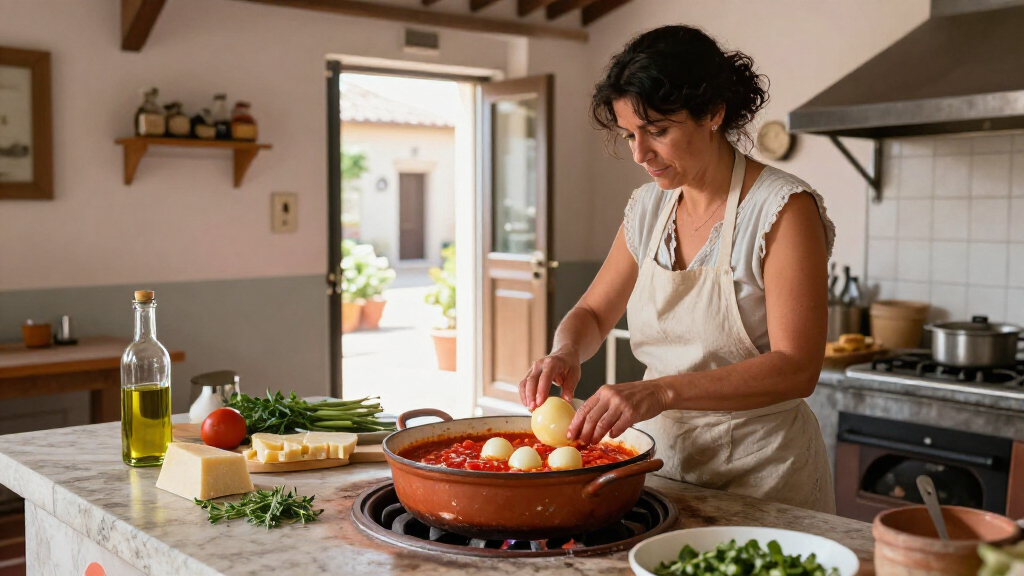
Picture a bowl of glossy tomato sauce and a fork breaking through a tender ball with a faintly crisp outside. Pallotte can be a starter, a main course, or a pasta companion, depending on how many you serve. A plate with bread and sautéed greens makes a hearty supper; a smaller portion alongside pasta turns the sauce into part of the meal.
Their familiar shape can fool you into thinking of ordinary meatballs. But the defining taste comes from the cheese blend, not meat, and each household can tune that blend to what it has on hand. That flexibility is the charm: a dish with roots in thrift that now stands proudly on its own.

Products Worth Considering

Samsung 55-Inch S90H OLED 4K UHD Smart TV Bundle with Full-Motion Mount and Surge Protector

Shark PowerDetect Robot Vacuum and Mop Combo with 60-Day Self-Emptying Base (AV2800ZE)

Dyson V9 Motorbar Cordless Vacuum
As an affiliate, we earn on qualifying purchases.
How Abruzzo’s everyday cooking gave the dish its character
Pallotte cacio e ova are associated with Abruzzo’s rural cooking, especially inland and pastoral food traditions. They show how bread, cheese, and eggs could become a substantial meal when meat was scarce or costly. The precise history is hard to pin to one place, date, or inventor, so it’s more accurate to call them a longstanding regional home-style dish.
Abruzzo’s landscape helps explain the ingredients. The Apennines cross the region, while the Adriatic forms its eastern edge; mountain and coastal foodways meet in a cuisine that makes room for cheese, bread, legumes, and preserved foods. A cook with leftover bread and a wedge of local cheese had the makings of a filling dish, even without meat in the pot.
The phrase cucina povera can sound like a label for food that is merely simple. Here, it describes a practical skill: turning modest ingredients into something generous. Stale bread is not a compromise once it absorbs egg and cheese, and a handful of grated pecorino can season a whole batch.
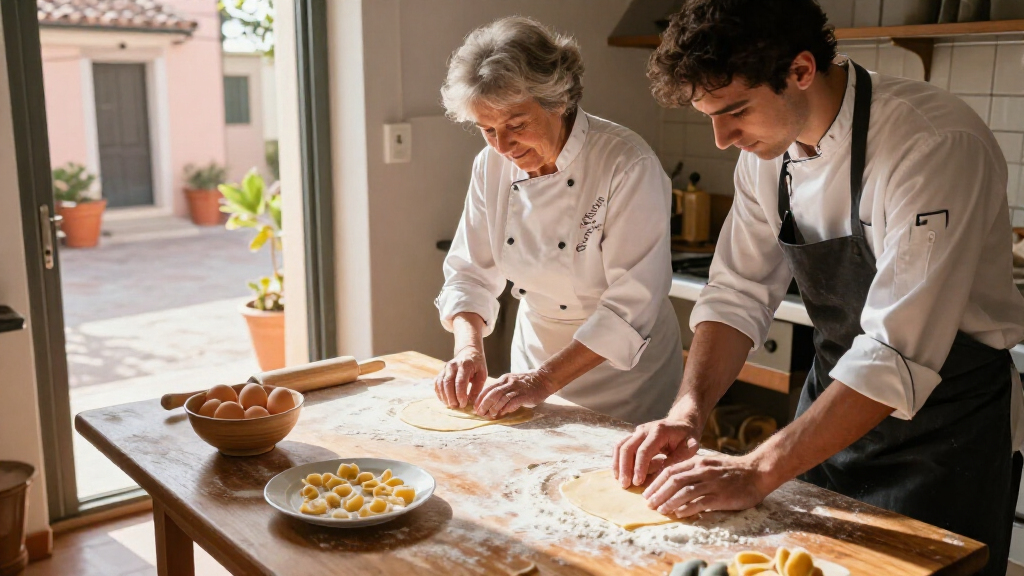
Imagine a family lunch where the sauce simmers while someone shapes the balls by hand. No two kitchens need use the same cheese ratio. That household variation is part of the tradition, so a recipe should give you a reliable starting point while leaving room for the saltiness of your cheese and the dryness of your bread.
Choose cheese and bread for tender, flavorful pallotte
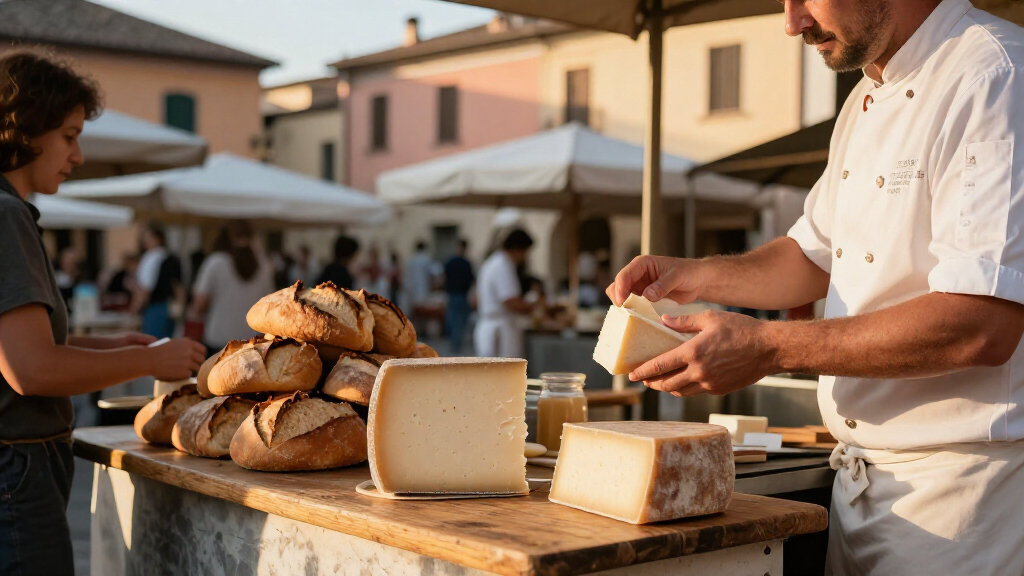
Aged pecorino and a milder cheese make a useful starting blend for pallotte cacio e ova: pecorino brings a sharp, salty edge, while a gentler cheese rounds it out. Stale bread or breadcrumbs help bind the eggs and cheese. Because the cheeses differ by age and moisture, there is no universal ratio that suits every kitchen.
Grate the cheese finely so it distributes evenly rather than leaving hard pockets in the mixture. Taste it before adding salt. If your pecorino is assertive, the mixture may need no extra salt at all; if you use a mild blend, a small pinch can bring the flavor into focus.
Use bread that has gone firm but not moldy. Remove a tough crust if you want a more even texture, then crumble or grate the interior. Some cooks soften bread with a little milk; others rely on breadcrumbs. Add the dry ingredient gradually, because too much can turn a tender ball dense and dry.
For example, if your mixture feels sticky after the first handful of crumbs, let it rest briefly before adding more. Bread continues to absorb moisture, so a few minutes can change the texture. A small test ball tells you more than guesswork: cook one, taste it, and adjust the remaining mixture before shaping the whole batch.
- Aged pecorino: brings a pronounced, salty flavor.
- Milder cheese: softens the sharpness and changes the texture.
- Stale bread or crumbs: adds structure; work them in little by little.
- Eggs and herbs: bind the mixture; parsley or garlic can add a savory lift.
Traditional versions may use cheeses available locally, and Abruzzo has several notable protected foods, including Pecorino di Farindola PDO. That designation identifies a specific regional cheese, but it isn’t a requirement for pallotte. Choose a cheese you enjoy eating on its own, and let its saltiness guide your seasoning.
Fry or simmer: pick the cooking method that suits your kitchen
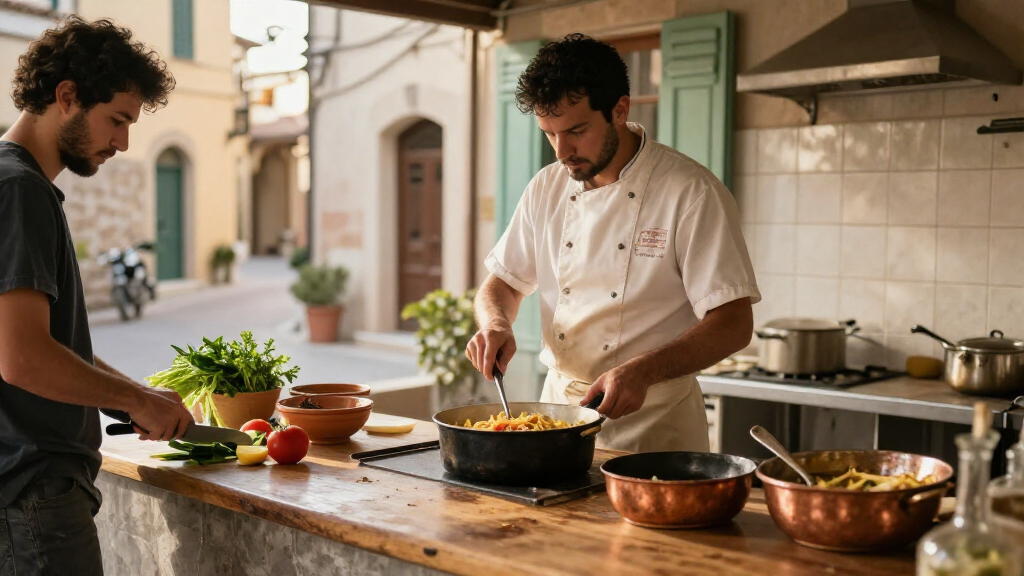
Pallotte cacio e ova are commonly browned or fried before they finish cooking in tomato sauce, though some household versions go straight into the sauce. Browning gives the outside more color and a firmer surface; direct simmering saves a step and keeps the flavor gentle. Both methods fit the dish’s home-cooking spirit.
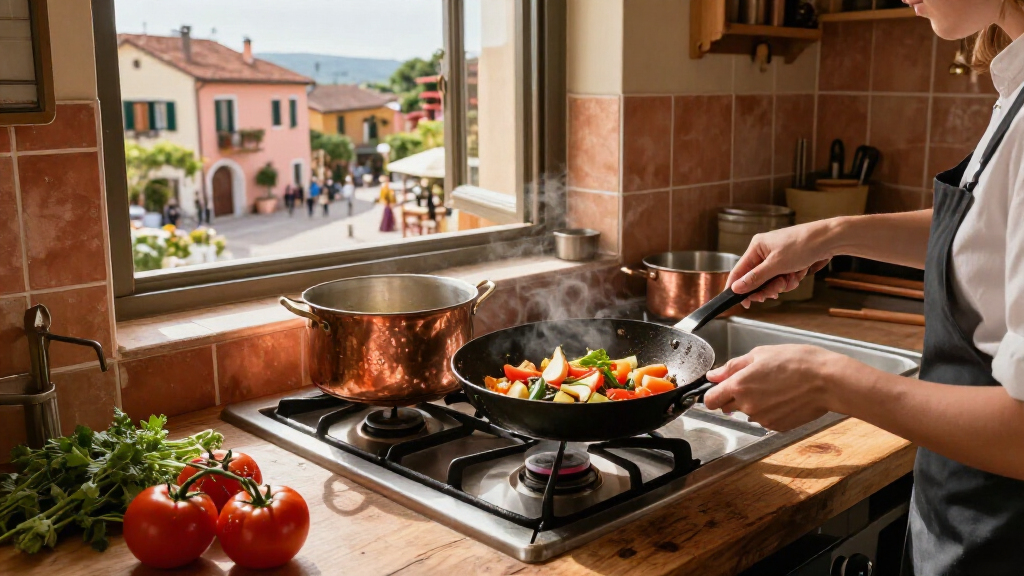
Use a tomato sauce that is already simmering softly before adding the balls. A hard boil tosses them around and can break them apart before they set. With direct cooking, lower each ball carefully into the sauce and give it room; resist stirring for the first few minutes.
If you fry or brown them first, aim for a light golden crust rather than a dark shell. The goal is a little structure, not a dry exterior. Then transfer them gently into the sauce to finish cooking. A shallow, wide pan can make this easier than a crowded pot, especially if you’re cooking a large batch.
- Mix and rest: Combine finely grated cheese, eggs, bread, and any herbs. Let the mixture stand briefly so the bread can absorb moisture.
- Shape and test: Roll a small ball and cook it. If it crumbles, work in a little more breadcrumb; if it tastes dry, adjust with a little egg or softened bread.
- Choose your finish: Lightly fry or brown the balls, or lower them directly into gently simmering tomato sauce.
- Simmer gently: Cook until set and hot through, handling them carefully. Let the finished dish rest briefly before serving.
Think of the sauce as a warm blanket, not a rolling river. A gentle simmer coats the balls without battering them. If the sauce looks too thick before they finish cooking, loosen it with a splash of water rather than turning up the heat.
Serve the sauce with bread, greens, or pasta
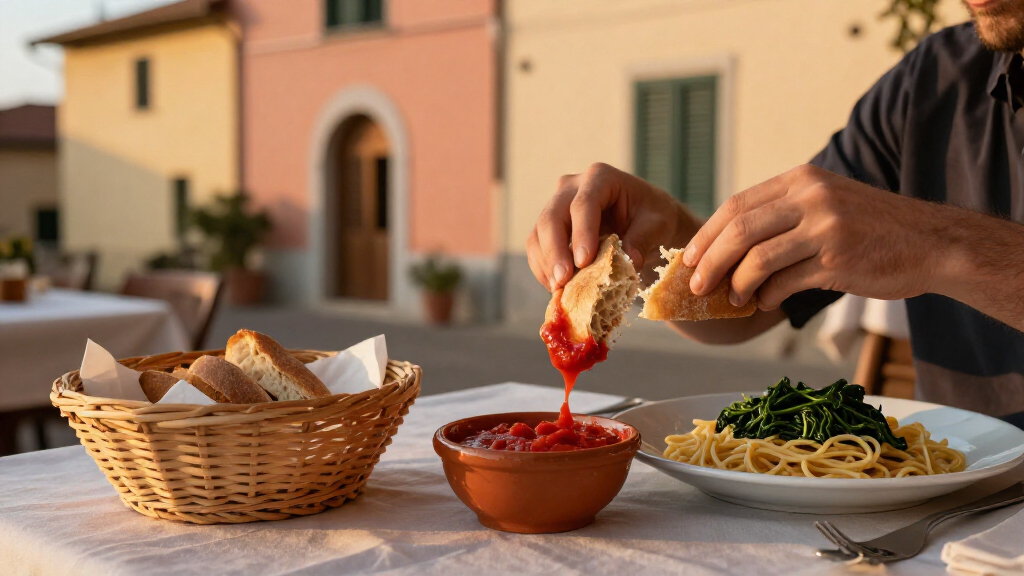
Pallotte cacio e ova work as a hearty main course with bread or vegetables, as a starter in smaller portions, or beside pasta. Their tomato sauce is part of the meal, not just a finishing spoonful: some cooks use it to dress pasta, then serve the balls alongside or on top. The dish can stretch to different appetites without changing its character.
For a simple weeknight plate, serve two or three balls with crusty bread and garlicky greens. The bread catches the tomato sauce; bitter greens balance the rich cheese. At a larger Sunday lunch, use the sauce for pasta first and bring the pallotte to the table as a second course.
Keep the rest of the meal uncomplicated. Roasted seasonal vegetables, sautéed chard, or a crisp salad add freshness without competing with the savory cheese. If you’re serving guests, place extra sauce in a warm bowl for the table and let everyone decide whether to spoon it over pasta or mop it up with bread.
For a practical make-ahead plan, shape the balls earlier in the day and keep them covered in the refrigerator, then cook them shortly before dinner. You can also cook them ahead and reheat them gently in sauce. Avoid a vigorous boil, which may break softened balls apart. Refrigerate leftovers promptly in a covered container and use them within three to four days; reheat until steaming hot, or 165°F (74°C) for a measured check.
Traditional bread-based versions contain gluten, and the dish includes eggs and dairy. A gluten-free breadcrumb substitute may work, though the texture can change. If you cook for someone with allergies, check every ingredient label and prevent cross-contact with utensils and surfaces.
Fix crumbly or dense balls with a quick test
A test ball is the fastest way to fix a pallotte mixture before you cook the whole batch. If it falls apart, the mixture may be too wet, too loosely packed, or short on bread; if it feels dry and heavy, it may contain too much bread for its eggs and cheese. Adjust in small amounts, then test again.
Crumbly balls often need a brief rest before you add anything. The bread needs time to take up moisture from the eggs, and a mixture that first seems loose may firm up on its own. If it remains sticky, fold in a small amount of breadcrumbs. If the cooked test ball tastes compact, add a little beaten egg or softened bread to the remaining mixture.
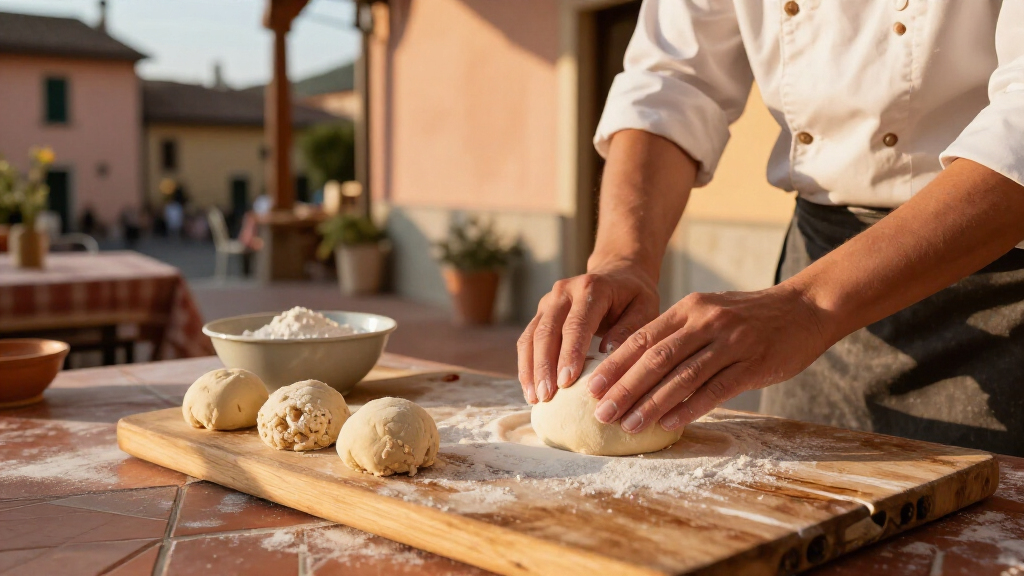
Shaping matters, too. Roll each portion just firmly enough to hold together; squeezing hard packs the ingredients into a dense texture. If the kitchen is warm and the mixture feels too soft to handle, chill it for 15 to 20 minutes. That short pause can make shaping easier without changing the flavor.
Then check the sauce. It should bubble lazily, with small bubbles breaking at the surface, not churn like boiling water. If one ball breaks, don’t stir the whole pot; lower the heat and spoon sauce over the others. The sauce will still taste good, and a broken piece can simply become part of it.
Cheese is the biggest variable from one attempt to the next. A dry, strongly aged pecorino absorbs and seasons differently from a softer, milder cheese. That’s why the recipe works best as a balance you can feel: tender enough to shape, firm enough to survive a gentle simmer.
Keep the tradition, and adapt only what you need
The classic idea stays simple: cheese, eggs, and bread form the balls, and tomato sauce brings them together. Modern cooks may bake or air-fry them for convenience, or use a gluten-free crumb in response to a dietary need. Those changes can be useful, but they may produce a different outside texture from frying or browning.
There isn’t one definitive cheese, town, or cooking method that represents every Abruzzese household. One cook might mix aged pecorino with a mild cheese; another might use a sharper local cheese and skip frying. When you describe or cook the dish, that variation is worth preserving rather than claiming that a single version is the only authentic one.
If you bake the balls, set them on a lined tray and watch for the outside to firm and color; ovens vary, so use texture and doneness rather than relying on an exact time. You can then finish them in tomato sauce for the familiar saucy finish. Air-frying is another modern shortcut, though the smaller, drier cooking environment may give a firmer crust.
For a first batch, try the traditional stovetop path: lightly brown the balls, then let them finish in a gentle sauce. Once you know how your cheese and bread behave, experiment with direct simmering or baking. That way, each adaptation grows from an understanding of the original dish’s tender center and savory flavor.
And if a trip to Abruzzo is on your list, ask about pallotte as a regional home-style dish rather than expecting the same recipe at every table. A local restaurant may serve them as a starter, while a family kitchen may pair them with pasta. Either plate tells you something about how a few pantry ingredients can belong to a place.
Frequently Asked Questions
Are pallotte cacio e ova vegetarian?
They are meatless, since the balls are made from cheese, eggs, and bread rather than ground meat. Whether they suit your vegetarian diet depends on the cheese, so check whether it uses animal rennet if that matters to you.
What cheese should I use for pallotte?
Aged pecorino gives the balls a sharp, savory flavor, while a milder cheese can soften it. Taste your blend before adding salt, since an aged cheese may already provide plenty.
Why do my cheese-and-egg balls fall apart?
The mixture may be too wet, too loosely packed, or not rested long enough for the bread to absorb moisture. Let it stand briefly, adjust with a little breadcrumb if needed, and cook a test ball before shaping the rest.
Can I cook pallotte directly in tomato sauce?
Yes. Some household versions skip frying and cook the balls directly in the sauce. Keep it at a gentle simmer and handle the balls carefully until they have set.
Can I make pallotte cacio e ova ahead?
You can shape them earlier and keep them covered in the refrigerator, or cook them ahead and reheat them gently in sauce. Refrigerate cooked leftovers promptly and use them within three to four days; reheat until steaming hot, or to 165°F (74°C).
Are pallotte cacio e ova gluten-free?
Traditional versions use bread or breadcrumbs, so they contain gluten. A gluten-free breadcrumb substitute may work, but it can change the texture, so cook a test ball before preparing the full batch.
How do you pronounce pallotte cacio e ova?
A rough guide is pah-LOT-teh KAH-cho eh OH-vah. The phrase means “cheese and egg balls”, and the dish comes from Abruzzo in central Italy.