TL;DR
Sunday timballo is a home-style molded Italian baked pasta: pasta and a cohesive filling go into a well-greased mold, bake until browned, then rest before unmolding. Keep the filling from getting watery, cook the pasta a little short of al dente, and give the dish time to settle so it holds together when you cut it. The recipe can vary by region and household, making it easy to adapt for a December table.
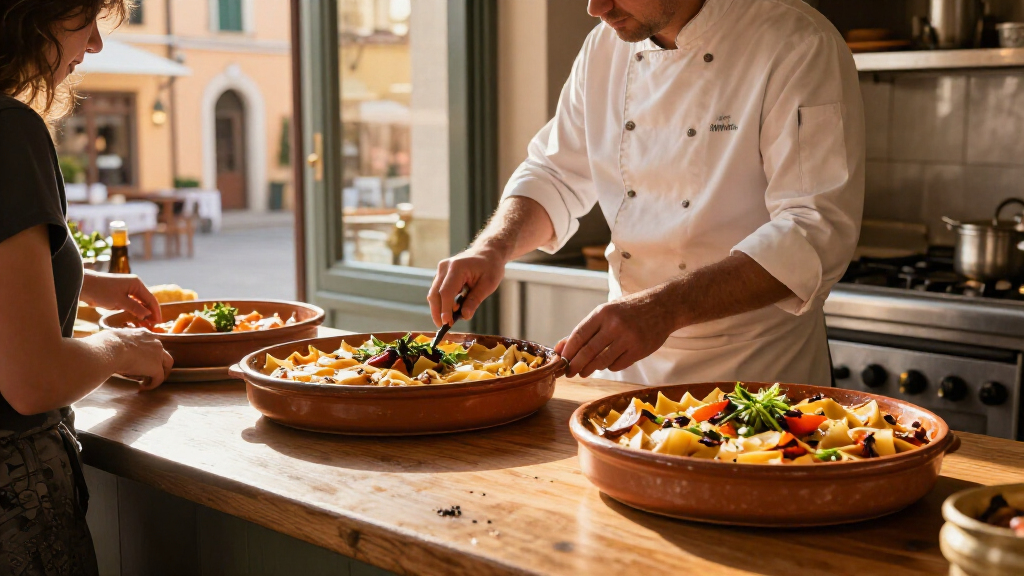
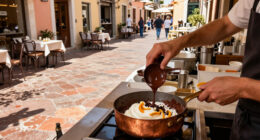
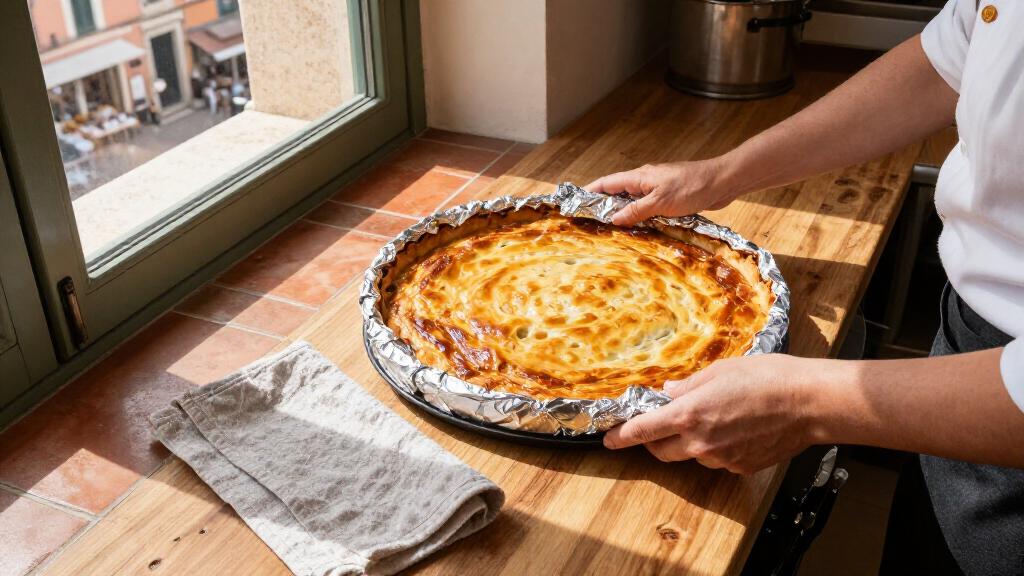
The best moment comes after the oven door closes: you turn a browned pasta drum onto a platter, lift the mold, and reveal its golden sides. Sunday timballo brings the comfort of baked pasta to the table with the presence of a roast, making it a natural centerpiece for a December meal.

Get kitchen staples and gadgets delivered free with Prime
- Fast, free delivery on millions of items
- Prime Video, Amazon Music and more included
- Member-only deals all year
A timballo (a molded Italian baked dish) gets its shape from a mold and its character from the filling. Pasta may be mixed with ragù and cheese or arranged in layers; some versions use pastry, while others rely on a well-greased pan. Recipes shift from region to region and household to household, so you don’t need to chase a single official version.
This guide shows you how the dish works, which choices help it hold its shape, how to plan the cooking around a busy Sunday, and what to serve alongside it. You’ll get a practical approach for a December table: rich, generous pasta, clean slices, and enough time for the reveal to go smoothly.
Sunday timballo is a home-style molded baked pasta, not one standardized recipe.
Use a stable, thoroughly greased mold and keep the filling cohesive rather than watery.
Cook pasta slightly short of al dente so it finishes in the oven without turning soft.
Prepare components ahead, follow safe storage guidance, and let the baked dish rest before unmolding.
Pair modest wedges with crisp winter greens or a light antipasto.
Sunday Timballo: The Showstopper Pasta Drum for December Tables
This molded Italian baked pasta turns familiar comfort food into a table centerpiece. Its shape, filling, and serving style can vary by household and region.
What makes it a centerpiece
The defining moment is turning out the browned dish to reveal its structure.
A pasta drum
Bake it in a mold, then unmold it whole for a roast-like presence at the table.
No single recipe
Fillings and shells vary: some use pastry or pasta lining, while others rely on a greased mold.
Prepare components
Ragù and vegetables can be prepared ahead; the baked dish still needs time to rest.
Build a filling that holds
A cohesive filling helps the drum keep its shape and gives each wedge a clean slice.
- Use short pasta such as rigatoni, ziti, or penne.
- Choose thick ragù and cheese; reduce excess liquid.
- Cook pasta slightly short of al dente so it finishes in the oven.
- Try roasted mushrooms, squash, or vegetable ragù.
- Cook off excess moisture and drain before mixing.
- Keep the filling substantial and cohesive.
Five steps to a clean unmolding
Control moisture, prepare the mold, and allow the baked layers to settle.
Use straight sides and a stable base; a springform pan can work.
Butter or oil the base, sides, seams, and ridges thoroughly.
Drain it slightly short of al dente because it keeps cooking in the oven.
Mix or layer the filling, then press gently into the mold.
Follow the recipe, let the dish settle, and invert it slowly onto a stable platter.
Serve a balanced December plate
Timballo is substantial, so modest wedges leave room for lighter sides.
What Makes Sunday Timballo a Pasta Centerpiece
Sunday timballo is a molded Italian baked pasta that you turn out of its pan before serving, so its browned sides and structured interior make a centerpiece. Pasta is layered or mixed with a substantial filling, packed into a mold, and baked; the dish then rests before you unmold and slice it. That drum-like shape is what separates many timballi from a casserole served straight from its baking dish.
The name timballo refers to a drum-shaped form. The description “Sunday timballo” points to a home-style meal, not a single standardized recipe with one required filling. In one household, the center might hold tomato ragù and cheese; another cook might fold in vegetables, cured meat, or hard-boiled eggs. Imagine carrying the whole dish to the table before cutting it: the browned shell promises dinner, while each wedge shows the filling inside.
The dish shares a broad family resemblance with pasticcio (a baked pie or mixed dish) and pasta al forno (oven-baked pasta), but Italian names and techniques differ by place. A timballo can be wrapped in pastry, lined with pasta, or baked directly in a greased mold. Each approach offers a different crust and texture, so choose the version that fits your time and confidence.
For a December Sunday, the appeal is practical as well as visual: you can serve one substantial dish rather than juggling several hot mains. Keep the portion modest, add a sharp green salad, and let the timballo take the middle of the table. Its shape makes familiar pasta feel like an occasion.
Products Worth Considering

Ring Floodlight Cam 4K Pro (2nd Gen) Outdoor Security Camera

Shark PowerPro Reveal Plus Cordless Stick Vacuum, Charcoal (IZ376H)

Dyson V8 Cyclone Cordless Vacuum
As an affiliate, we earn on qualifying purchases.
Choose a Filling That Holds Together in Every Slice
A cohesive filling helps a timballo keep its drum shape after you unmold it. Choose pasta, sauce, cheese, and any vegetables or meat that cling together rather than pool at the bottom of the pan. A filling that is too wet can leave the center loose and make wedges slump, even if the outside looks beautifully browned.
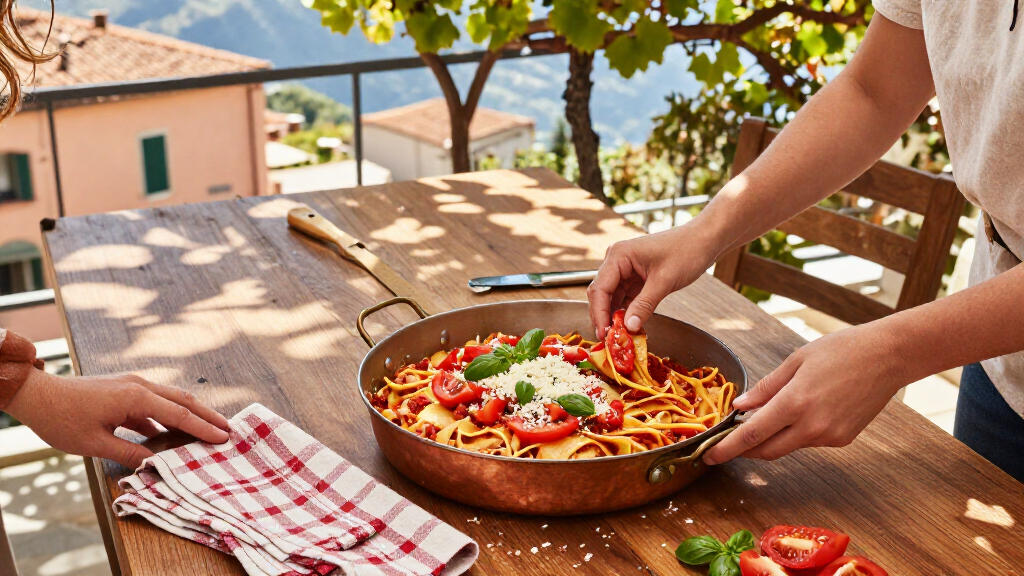
For a familiar Sunday version, try short pasta such as rigatoni, ziti, or penne, mixed with a thick meat ragù and cheese. Cook the pasta slightly short of al dente (firm to the bite), because it continues cooking in the oven. If your ragù runs off a spoon like soup, let it reduce before assembly. A thick sauce coats the tubes; a watery sauce escapes between them.
Vegetarian timballo can feel just as generous. Roasted mushrooms and squash bring deep, savory flavor, while a vegetable ragù or well-drained greens give you a substantial center. If you add vegetables, roast or sauté them until excess moisture cooks away. For example, mushrooms that still release liquid in the pan can soften the pasta and weaken the slice, so let them cool and drain before mixing.
Some family recipes include hard-boiled eggs or cured meats, adding pockets of richness when you cut into the drum. These are optional choices, not a checklist. Keep common allergens in mind: pasta usually contains wheat, and cheese contains milk; pastry may contain both, and some cured meats or sauces may have other ingredients. Check labels and tell guests what the dish contains, especially when you prepare a vegetarian or allergen-aware version.
Serving the dish hot doesn’t mean serving it straight from the oven. A brief rest lets the cheese and sauce settle, so the first wedge stays intact instead of collapsing into a delicious but untidy heap. Your filling should taste generous before baking and still hold its shape afterward.
Use This Five-Step Plan for a Clean Unmolding
To unmold timballo cleanly, prepare the pan, control the filling’s moisture, and let the baked dish rest before turning it out. A straight-sided mold with a stable base gives the pasta a clear outline and makes it easier to move from oven to platter. A springform pan is a useful modern option when you don’t own a traditional mold.
- Choose the mold. Pick a pan with a steady base and sides that don’t flare too widely. Check that it fits in your oven and can sit safely on a serving surface.
- Grease every surface. Butter or oil the base, corners, and sides thoroughly. Pay special attention to seams and ridges where pasta or cheese can stick.
- Cook pasta just shy of done. Drain it while it still has a firm center. It will soften more in the oven, so fully cooked pasta can turn mushy by serving time.
- Pack a cohesive filling. Mix or layer the components without adding excess liquid. Press the mixture gently into the mold so there aren’t large gaps, but don’t crush the pasta.
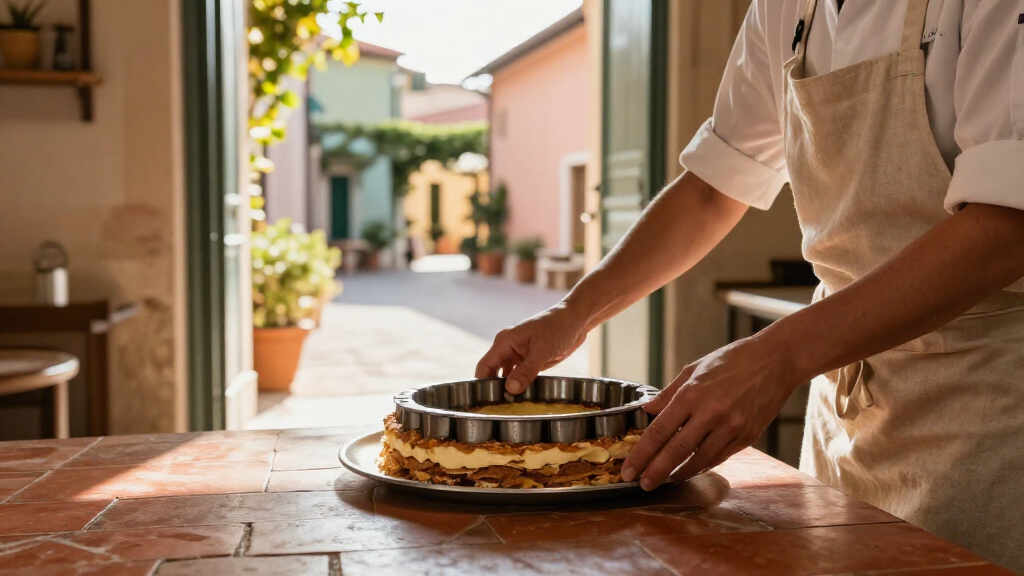
- Bake, rest, and turn out. Follow your recipe’s oven temperature and timing, then let the dish settle before unmolding. Invert it onto a stable platter and lift the mold slowly.
Picture the moment you cut the first wedge: the exterior should stay put while the filling shows in a neat cross-section. If you rush the rest, the interior may shift. If the sides cling, pause and loosen the edge carefully rather than yanking the mold. A sharp knife and a broad, steady platter make serving easier for the host.
A practice run can help when the centerpiece presentation matters. You might make a smaller version on a quiet weekend to learn how your mold releases and how long your oven takes. That gives you a reliable plan for December without turning the holiday meal into a test kitchen.
Plan Ahead Without Drying Out Your Timballo
Make timballo easier on a busy Sunday by preparing its components ahead, then assembling and baking on the schedule your recipe allows. Ragù, roasted vegetables, and grated cheese can often be prepared in advance, which spreads the work across more than one day. The final bake still needs your attention, and a finished timballo needs resting time before it can be unmolded.
For example, you can simmer a thick ragù the day before and refrigerate it promptly in a covered container. On Sunday, cook the pasta slightly underdone, combine the filling, and assemble the mold. If you assemble the dish ahead too, follow a recipe with specific storage and baking directions; cold pasta can change the oven time, and a loosely covered dish may dry out or absorb too much sauce.
Food safety matters when you prep early. Refrigerate cooked components rather than leaving them at room temperature for hours, and keep raw ingredients separate from ready-to-eat foods. Use a food thermometer for cooked dishes that you reheat: USDA guidance says leftovers should reach 165°F (74°C). If you’re holding the baked timballo for serving, keep it hot rather than letting it sit out through a long gathering. Check current food-safety guidance and your recipe for storage and reheating details.
To protect texture, avoid baking the timballo far ahead and reheating it repeatedly. Reheating can dry the edges before the center warms, especially in a large mold. If you need to serve it later, plan one careful reheat and keep the filling moist but not runny. A little scheduling beats a tired, crumbly centerpiece.
Write the plan on paper: when the ragù is ready, when the pasta goes into the pot, and when the dish needs to rest. December kitchens get crowded with roasting trays and dessert. A clear timeline gives the timballo its place in the oven and gives you time to set out the platter.
Give the Rich Pasta a Lighter December Table
Serve timballo with crisp, fresh food so its rich pasta and browned edges don’t weigh down the whole meal. The dish is substantial, especially when it includes ragù, cheese, and cured meat. Modest wedges usually satisfy, leaving room for a salad or a light antipasto before the main course.
Think of a December lunch in Emilia-Romagna: the timballo arrives warm, and a bowl of bitter greens dressed with olive oil and vinegar brings a clean, sharp contrast. That is a menu idea, not a claim that one region owns a single canonical Sunday timballo. Italian home cooking is full of local and family variations, and the salad can shift with what looks good at the market.
For a seasonal table, use winter chicory, radicchio, or other sturdy greens where available. Their crisp leaves and gentle bitterness cut through cheese and sauce. Keep the antipasto small: a few marinated vegetables or a simple plate of seasonal produce will open the meal without competing with the centerpiece. Skip another heavy baked dish unless you’re feeding a very large group.
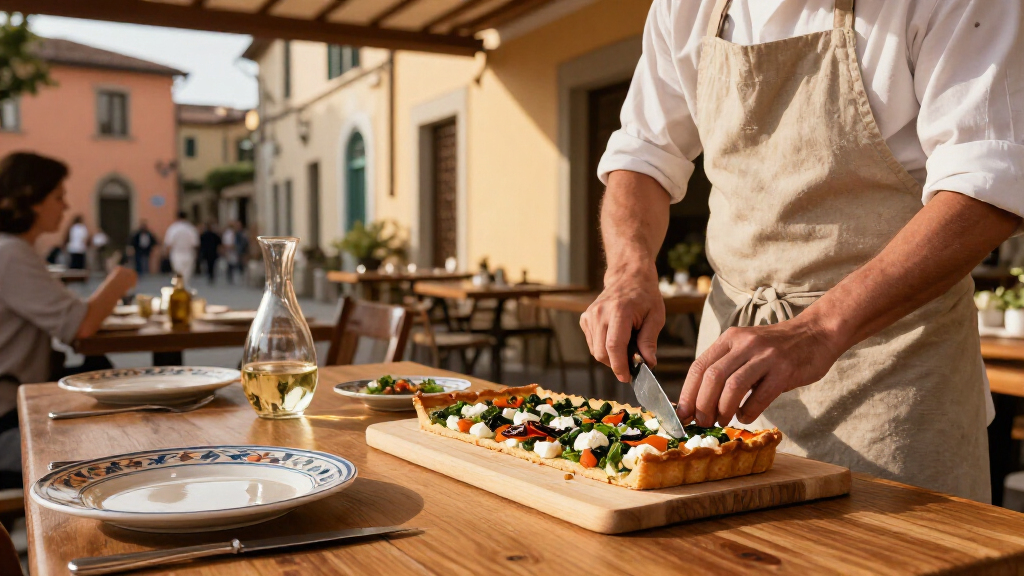
Bring the timballo to the table whole if its mold has given it an attractive shape, then cut wedges with a sharp knife. Let guests see the browned exterior before serving. If your dish is fragile, carve it in the kitchen and carry out the platter with slices arranged neatly; good hosting is about serving dinner comfortably, not risking a dramatic collapse for a photograph.
Because the dish can include wheat, milk, eggs, and meat, label or explain the ingredients to your guests. For a vegetarian table, make the filling substantial with roasted vegetables, mushrooms, and cheese, and keep serving tools separate if you are accommodating dietary needs. A bright salad and a clear ingredient list make a generous meal easier to share.

Pick the Timballo Style That Fits Your Kitchen
Timballo has no single required shell, so choose the method that suits your mold, time, and desired texture. Some cooks line the mold with pasta, some use pastry, and others grease the pan and bake the filled pasta directly. All can produce a drum-shaped dish, but each approach asks for a slightly different technique.
| Style | What you do | Best fit |
|---|---|---|
| Pasta-lined | Arrange pasta along the mold, then fill the center | A dramatic cut face and a cook comfortable with careful assembly |
| Pastry-wrapped | Line or cover the filling with pastry | A crisp crust and a pie-like presentation; check the recipe for bake timing |
| Direct in a greased mold | Pack mixed pasta and filling straight into the pan | A practical first attempt with familiar ingredients |
Suppose you’re making timballo for the first time and want the least fussy route. A greased springform pan and short pasta mixed with thick sauce give you a clear structure without arranging individual tubes around the sides. If you’ve made baked pasta before and want a more decorative result, lining the mold can create a striking pattern, but it takes patience.
Pastry gives the dish a distinct crust and can protect the filling, but it changes the texture and makes the finished drum feel closer to a savory pie. Read your recipe before choosing it: pastry thickness, filling moisture, and baking time all matter. A pretty shell cannot rescue a soupy center, and a simple mold can produce an excellent slice when the filling is sound.
Contemporary cooks also adapt timballo with seasonal vegetables, vegetarian fillings, and springform pans. These are practical variations of a flexible tradition, not signs of one new official recipe. Pick one method, test it once if presentation is important, and let the ingredients you enjoy guide the filling.
Frequently Asked Questions
Is timballo the same as baked pasta?
Timballo is a kind of baked pasta, but its molded shape and unmolding set many versions apart from a casserole served in its dish. The method and filling vary by region and household. A timballo can use pasta, ragù, cheese, vegetables, or other additions.
Can I make timballo the day before?
You can prepare components ahead, such as ragù or roasted vegetables, and refrigerate them safely. Assemble and bake according to a recipe that gives storage directions, since cold ingredients can affect baking time. Reheat leftovers to 165°F (74°C) and avoid repeated reheating that can dry the edges.
Why did my timballo fall apart?
Excess moisture, an under-rested center, or a sticking mold can make timballo slump or break when you turn it out. Use a cohesive filling, grease the mold thoroughly, and rest the baked dish before unmolding. If it still clings, loosen the edge gently before lifting the pan.
Which pasta works best for timballo?
Rigatoni, ziti, and penne work well in mixed fillings because their short shapes are easy to pack and coat with sauce. Cook them slightly short of al dente, since they continue cooking in the oven. Some recipes use pasta sheets or arranged long pasta for a different shape.
Can I make a vegetarian timballo?
Yes, a vegetarian filling can be hearty with roasted mushrooms, squash, greens, cheese, or vegetable ragù. Cook off excess liquid from vegetables before assembly so the finished drum holds together. Check cheeses and pastry labels for ingredients that matter to your guests.
Do I need pastry to make timballo?
No, pastry is optional. Some recipes use it as a crust, while others line the mold with pasta or bake the filling directly in a greased pan. Choose the approach your recipe supports and match it to the texture and presentation you want.
How should I serve timballo?
Rest it, unmold it onto a stable platter, and cut it into wedges with a sharp knife. Serve modest portions with crisp greens or a light antipasto to balance the rich filling. If the drum feels fragile, slice it in the kitchen and bring out the platter ready to serve.
Conclusion
Choose a filling you love, keep it thick enough to hold, and give the timballo time to rest. Those choices matter more than owning a special pan or following a mythical single recipe. A greased mold, slightly underdone pasta, and a steady platter can turn a familiar baked pasta into a December centerpiece.
Bring out the browned drum, cut a clean wedge, and let winter greens brighten the plate. The best reveal is the one you can enjoy without rushing.