AIThis post was created with the assistance of artificial intelligence (AI).
TL;DR
San Benedetto Market, or Mercato di San Benedetto, is Cagliari’s best-known covered food market, opened in 1957 and traditionally arranged with fish and seafood downstairs and produce, meat, cheese, and groceries upstairs. Visit in the morning, ask before tasting or taking close-up photos, and check current hours and access before you go; the seasonal catch and stall selection change.
The first thing you notice at San Benedetto Market may be the sound: vendors calling across the aisles, shoppers greeting one another, and the soft clatter of crates beneath bright counters of fish. Then comes the smell of the sea, cut herbs, ripe fruit, and warm bread. In Cagliari, a market visit is less like checking off a sight and more like stepping into the city’s daily rhythm.
Before you orderOffer from Amazon
Get kitchen staples and gadgets delivered free with Prime
Opened in 1957, Mercato di San Benedetto (San Benedetto Market) remains a working place to shop as well as one of the capital’s most vivid introductions to Sardinian food. This guide gives you a practical route through its two levels, suggestions for what to look for, useful etiquette, and ways to plan your visit when hours and stalls may change.
You do not need to arrive with a shopping list or a perfect grasp of Italian. A little curiosity, a few polite phrases, and time to notice what is in season can turn an ordinary morning into a memorable food walk.
At a glance
Cagliari’s San Benedetto Market: A Food Walk
Key insight
San Benedetto Market opened in 1957 in Cagliari’s San Benedetto district; its traditional two-level layout places fish and seafood mainly on the ground floor, with produce, meat, cheese, bread, and g…
Key takeaways
1
Visit in the morning for a livelier market and stronger selection, but confirm the current hours and holiday schedule first.
2
Begin downstairs for fish and seafood; the upper level traditionally focuses on produce, meat, cheese, bread, and groceries.
3
Ask what is local and in season, and request permission before tasting or photographing people and stalls.
4
For a picnic, combine bread, fruit, olives, and pecorino sardo; keep chilled foods cold and buy them near the end of your visit.
5
Allow about an hour to browse, and check current step-free access and lift details if you need them.
Step by step
1
Plan a morning visit around the market’s working rhythm
A morning visit is usually your best chance to see San Benedetto Market at its liveliest and browse while selection is strong.
Cagliari · Food Walk
Explore San Benedetto Market A taste of Sardinia’s capital
This working market connects Cagliari’s daily life with the island’s seafood, produce, and pantry staples. Visit with time to browse, ask, and notice what is in season.
1957
Year the market opened
2 levels
Seafood below, pantry above
About 1 hour
For a relaxed browse
Follow the market’s two levels
The traditional layout offers two different windows onto Sardinian food.
Ground floor
Fish and seafood counters
Catch changes with the day and season
Ask what is local and how it is cooked
Upper floor
Produce, meat, cheese, and bread
Look for pecorino sardo, olives, and honey
Ask what is in season
Make a simple food walk
Browse both levels first, then choose a few things to enjoy or take away.
1
Arrive in the morning
The market is generally livelier and selection is stronger.
2
Take a slow first circuit
Notice the changing seafood, seasonal produce, and everyday bustle.
3
Build a picnic
Pair bread, fruit, olives, and pecorino sardo; buy chilled foods last.
Browse with care
San Benedetto is a working market, and respectful questions make for better conversations.
Greet vendors and wait for a natural pause before asking.
Request permission before tasting or taking close-up photos.
Bring cash as a backup; payment options vary by stall.
Check current hours, holiday schedules, and access before setting out.
Plan aheadStall selection, opening hours, and access can change. Check current local details before your visit.
The takeaway
Give San Benedetto Market a morning, explore both levels, and let the day’s seasonal foods guide your walk.
Start downstairs, where Cagliari’s seafood tells the day’s story
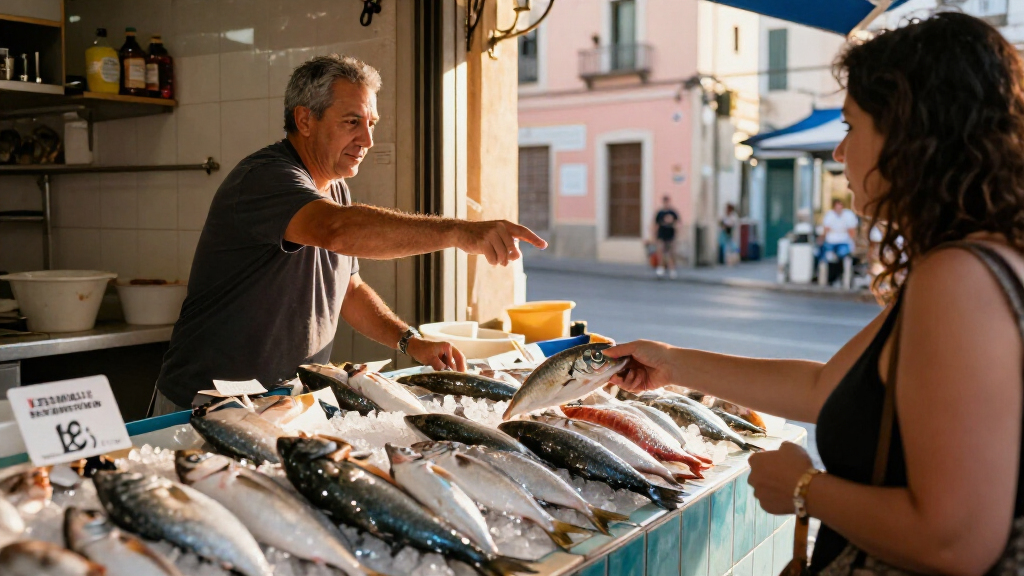
San Benedetto Market is a covered food market in Cagliari’s San Benedetto neighborhood, and its ground floor is traditionally the place to begin if you want to see the city’s seafood trade. The counters bring the coast close: gleaming fish, shellfish on ice, and whatever the day’s catch and season have brought in. The exact selection changes, so treat the display as a snapshot of that morning rather than a fixed menu.
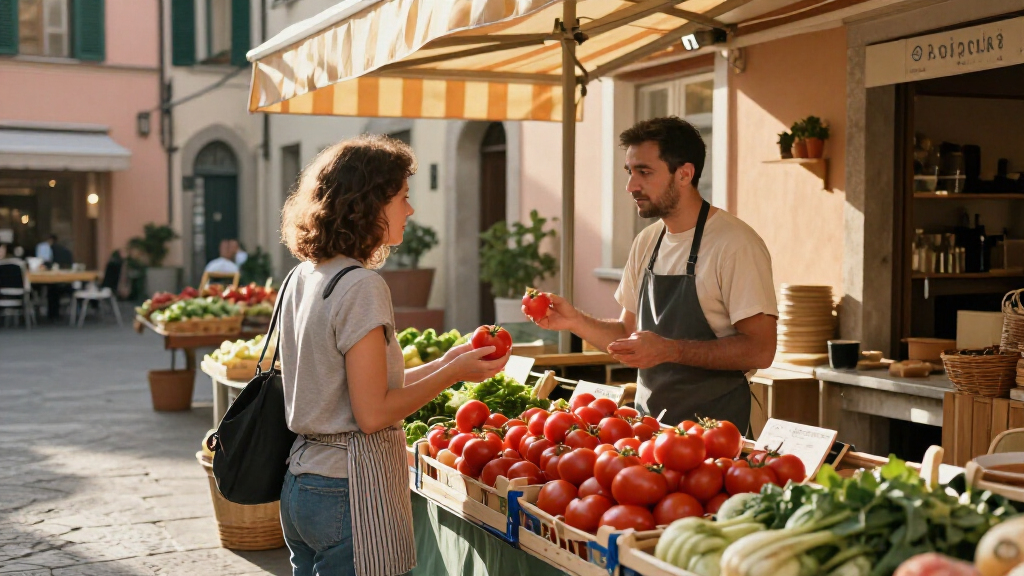
Walk one aisle slowly before choosing anything. You might spot a fish you recognize beside one you do not; ask Che pesce è? (“What fish is it?”) or È locale? (“Is it local?”). A vendor may be able to tell you how it is commonly cooked, though a busy counter is still a place of work. If you are staying somewhere with a kitchen, buy only what you can keep cold and prepare safely that day.
For visitors used to supermarket seafood counters, the difference is the conversation and the changing selection. On one morning, the best find may be a small fish suited to a simple pan fry; on another, shellfish may catch your eye. Ask before sampling or photographing a close-up display, and never assume that a market counter doubles as a restaurant.
Let the day’s catch set your expectations. The sea does not follow a tourist’s itinerary, and that shifting display is part of what makes a food market feel alive.
Products Worth Considering
Dyson V9 Motorbar Cordless Vacuum
Samsung 85-Inch QN70F Neo QLED 4K Smart TV (2025)
Dyson V15 Detect Cordless Stick Vacuum
As an affiliate, we earn on qualifying purchases.
Use the upper floor to meet Sardinia’s pantry
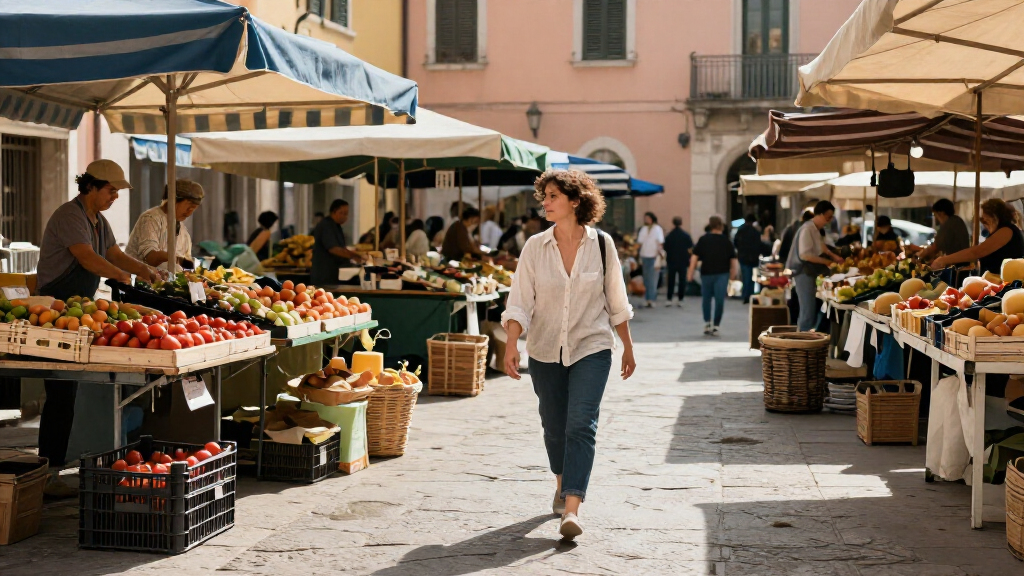
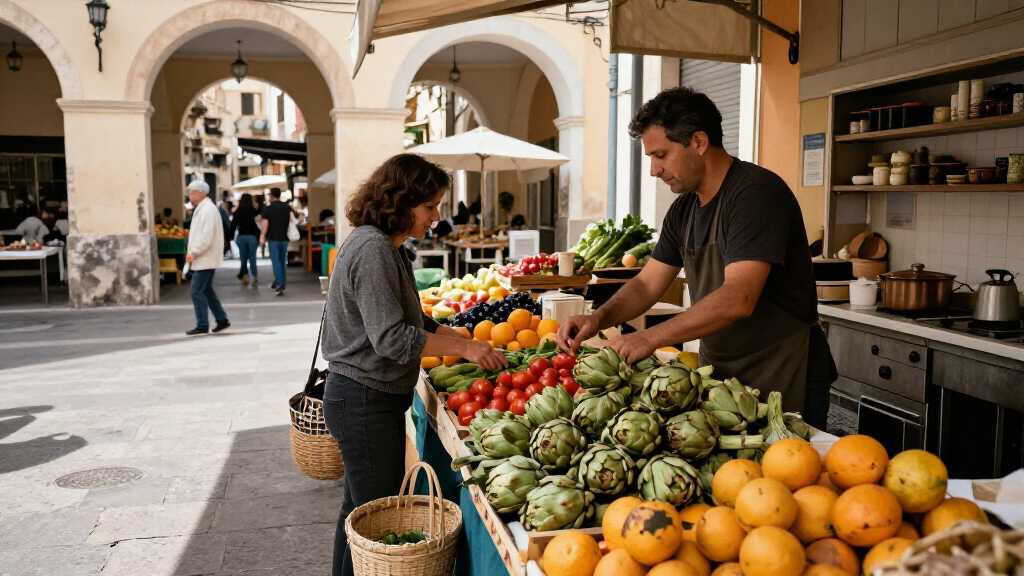
The upper level traditionally brings together produce, meat, cheese, bread, and other groceries, giving you a broader view of Sardinian ingredients than the seafood floor alone. Stalls and arrangements can change, but this is where you may look for seasonal vegetables, olives, legumes, honey, local breads, and cheese. It is a practical counterpoint to the fish downstairs: one level connects you to the coast, the other to farms, kitchens, and the island’s pantry.
Start with pecorino sardo, a sheep’s milk cheese from Sardinia, and ask about its age or how the vendor would serve it. A younger cheese can be milder and easier to pair with bread, while an aged one may taste saltier and more assertive. You may also see cured meats and local sweets, but availability depends on the stall and the day. Rather than hunt for a guaranteed list, ask what is local and in season.
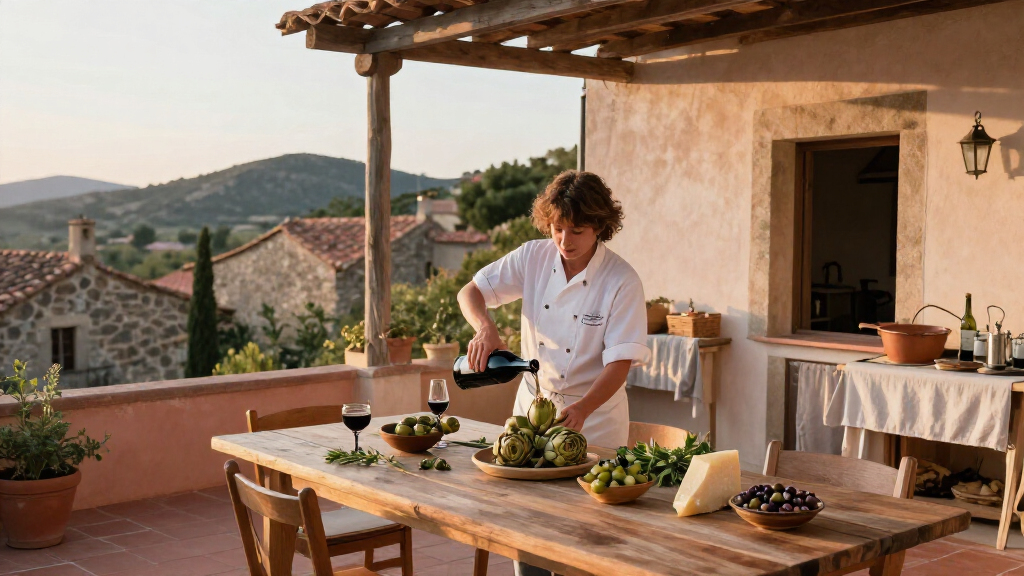
For a simple picnic, you could pair a piece of cheese with bread, fruit, and olives. Check that the vendor can portion and wrap what you buy, and keep anything perishable chilled until you eat it. If you are flying or crossing borders, check current food transport rules before packing animal products. The point is to choose a few things you can enjoy well, not to carry the whole market home.
Ask:Che cosa è di stagione? (“What is in season?”)
Plan: buy chilled foods last and transport them in a cool bag if you have one.
Plan a morning visit around the market’s working rhythm
A morning visit is usually your best chance to see San Benedetto Market at its liveliest and browse while selection is strong. The market is a daily shopping place for residents, so the busiest stretch can feel more like a moving current than a quiet gallery. Give yourself about an hour for a relaxed look; allow longer if you want to shop, talk with vendors, or wander the surrounding streets.
Because hours vary by day, season, stall, and holiday, confirm the current schedule locally before setting out. Do not assume Sunday or holiday opening. The same goes for construction work, access changes, or a particular stall you hope to find. A quick check with your accommodation or a current local listing can save you a wasted trip.
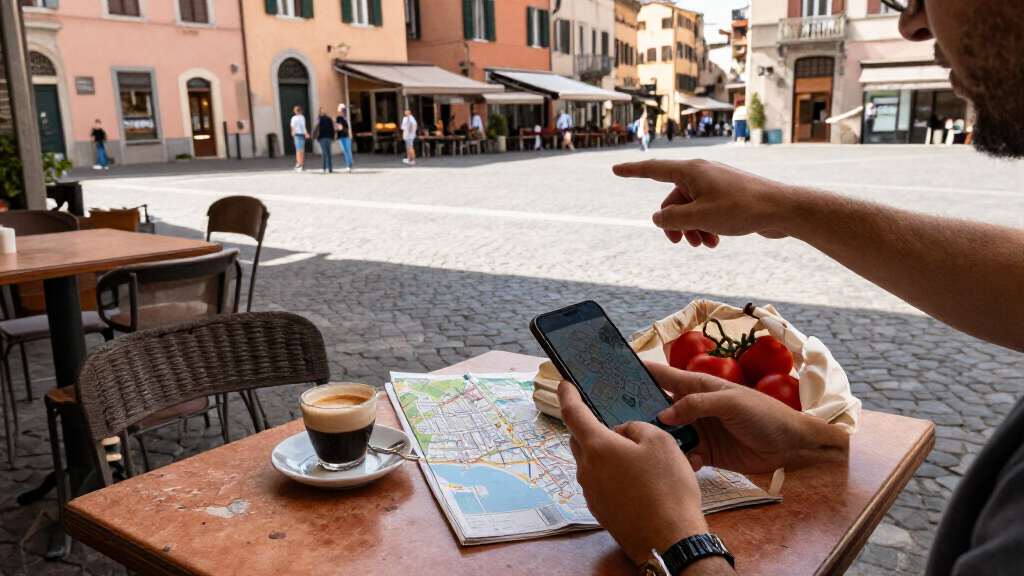
Find the market on a current map from your lodging or the city center, and check your route on the day. Bring a little cash as a backup because payment options vary by stall, and carry a reusable bag if you plan to buy groceries. If you have limited mobility, check in advance about lift availability, step-free routes, and facilities: a two-level building can present practical hurdles, and access details may change.
Check today’s hours and access before leaving.
Arrive in the morning and leave room for a slow first circuit.
Browse both levels before deciding what to buy.
Keep chilled items for last so they spend less time out of refrigeration.
Shop respectfully and make a small conversation count
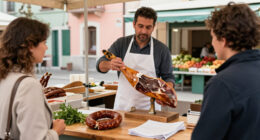
A polite question is the best way to turn browsing into a useful exchange at San Benedetto Market. Vendors are working, and the people around you may be buying ingredients for lunch rather than sightseeing. Start with Buongiorno (“Good morning”), wait for a natural pause, and ask one clear question about origin, season, or preparation. Even a short conversation can help you choose between two unfamiliar cheeses or understand how a vegetable is usually cooked.
Try Quanto costa? (“How much does it cost?”) before committing, and Posso assaggiare? (“May I taste?”) if you would like to sample something. Treat tasting as a request, not a perk included with every purchase. A smile and a patient wait matter more than flawless pronunciation, especially when a queue is forming.
Ask before taking photos of vendors or close-up stall scenes. A wide shot of an empty aisle and a portrait of someone at work are different requests; respect a no without pressing. If you want to bring home a small food memory, choose something that travels safely and check current customs or airline rules. The market is known as a covered food market, but that does not mean every product is ready to eat or every aisle has seating.
Browse as a guest in someone else’s routine. That mindset makes room for the market’s everyday character and often leads to better advice about what is worth buying.
Choose a food walk that fits your appetite and your plans
Your best market route depends on what you want to take away. If you are curious about the sea, give the ground floor most of your time; if you want ingredients for a picnic, browse the upper level first and finish with chilled goods. The traditional layout helps you orient yourself, but individual stalls and their products can change. Think of the building as a map, not a promise that every item will be waiting for you.
For example, a traveler staying in an apartment might buy bread, fruit, olives, and a modest piece of pecorino for lunch, then save fresh fish for a day when they can cook it promptly. Someone staying in a hotel without a refrigerator may be better off enjoying the colors and conversation, then choosing only shelf-stable goods. Either way, ask whether a product is local and how the vendor suggests serving it.
Market purchases need sensible food handling. Keep raw seafood separate from ready-to-eat food, use an insulated bag if you have a longer journey, and refrigerate perishables promptly. For safe home cooking, follow current food-safety guidance for the specific fish or meat you buy; do not leave chilled food sitting in a warm room. A short walk through the counters can still be satisfying without buying anything.
Your plan
Where to focus
Useful choice
See the coastal trade
Ground floor
Ask about the day’s catch
Assemble a picnic
Upper floor, then downstairs if needed
Bread, fruit, olives, and cheese
Travel without refrigeration
Browse, then choose carefully
Favor items that do not need chilling
Connect the market to Cagliari’s postwar and food history
San Benedetto Market opened in 1957, placing it within Cagliari’s postwar urban story as well as its daily food life. The building’s trade links the capital to Sardinia’s fishing and farming communities: a seafood counter reflects a coastal city, while cheese, produce, honey, and breads point toward island traditions beyond the harbor. That connection is something you can see in a single visit, even without turning the market into a history lesson.
People sometimes describe it as one of Europe’s largest covered food markets, but “largest” depends on what gets measured: floor area, number of stalls, or the range of goods. You do not need that superlative to understand its appeal. A more grounded detail—the two-level arrangement and its daily mix of residents and visitors—tells you what to expect on the ground.
Try noticing how the market works as a bridge between city and island. A local shopper might buy seafood for dinner while a visitor asks about pecorino for a picnic; both are using the same place for different reasons. This is the sort of everyday scene that turns a stop into context for the rest of a Cagliari trip. Later, when you see Sardinian cheese or produce elsewhere, you will have a more concrete sense of the people and routines behind it.
Frequently Asked Questions
Where is San Benedetto Market?
San Benedetto Market is in the San Benedetto neighborhood of Cagliari, Sardinia. Use a current map to plan a route from your accommodation or the city center, since the easiest approach depends on where you are staying.
When is San Benedetto Market open?
Hours can vary by day, season, holiday, and stall. Check a current local listing or ask your accommodation before you go; mornings are generally the liveliest time to browse.
What can I buy at the market?
You can typically find seafood, meat, fruit and vegetables, cheese, cured meats, bread, and pantry goods. Selection changes with the season and the stalls operating that day, so ask what is local and in season rather than expecting a fixed list.
Can I eat lunch inside San Benedetto Market?
Do not count on market-wide seating or ready-to-eat food. Some products may work for a snack or picnic, but check with individual stalls and ask before tasting. Keep any perishable purchases chilled until you eat them.
How long should I allow for a visit?
About an hour works for a relaxed browse. Add time if you plan to shop, speak with vendors, or explore nearby streets; leave extra time if you need to check access or take a slower route through the building.
Can visitors take photos at the market?
Ask before photographing vendors or close-up scenes at their stalls. A quick Posso fare una foto? (“May I take a photo?”) gives people a chance to say yes or no, and a refusal should end the request.
Conclusion
Give San Benedetto Market a morning, a patient first circuit, and a few good questions. Start with the fish counters, climb to the island pantry, and choose something seasonal only if it fits your plans for keeping and eating it safely.
Then carry the scene with you: the salt-bright seafood downstairs, the earthy cheeses and produce upstairs, and Cagliari moving through its daily shop. A food walk here is less about collecting specialties than learning to notice what the island is eating today.
Bynatascha Mirosch experiences a surge in international coverage, with 12 mentions in recent media analysis, marking a significant increase in attention.
Marvel at the breathtaking beauty and rich history of Punta Campanella, where ancient ruins and vibrant marine life await your discovery. What secrets will you uncover?