TL;DR
Zampone and cotechino are seasoned Italian pork sausages associated with Modena and often served cooked with lentils around New Year. The defining difference is the casing: zampone is packed into the skin of a deboned pig’s front trotter, while cotechino is packed into a sausage casing. Check the package to see whether yours is raw or precooked, then follow its cooking directions.
One arrives at the table shaped like a pig’s trotter; the other looks like a plump sausage. Zampone and cotechino may seem like twins from the butcher’s counter, but the casing changes the whole experience, from the first slice to the look of your New Year’s platter.

Get kitchen staples and gadgets delivered free with Prime
- Fast, free delivery on millions of items
- Prime Video, Amazon Music and more included
- Member-only deals all year
Both are traditional Italian pork sausages associated with Modena, in Emilia-Romagna, and both are usually served cooked, often beside lentils. The short answer to which one you should choose: pick zampone for its distinctive trotter presentation and a rich, gelatinous texture; choose cotechino for a familiar sausage shape that’s generally easier to portion. Their seasonings can be similar, though recipes vary by producer.
Here, you’ll see exactly what goes into each, how Cotechino Modena PGI and Zampone Modena PGI fit into the picture, and what to check before cooking. If you’re planning a winter dinner, that means you can buy with confidence and bring a small piece of Modenese tradition to your table.
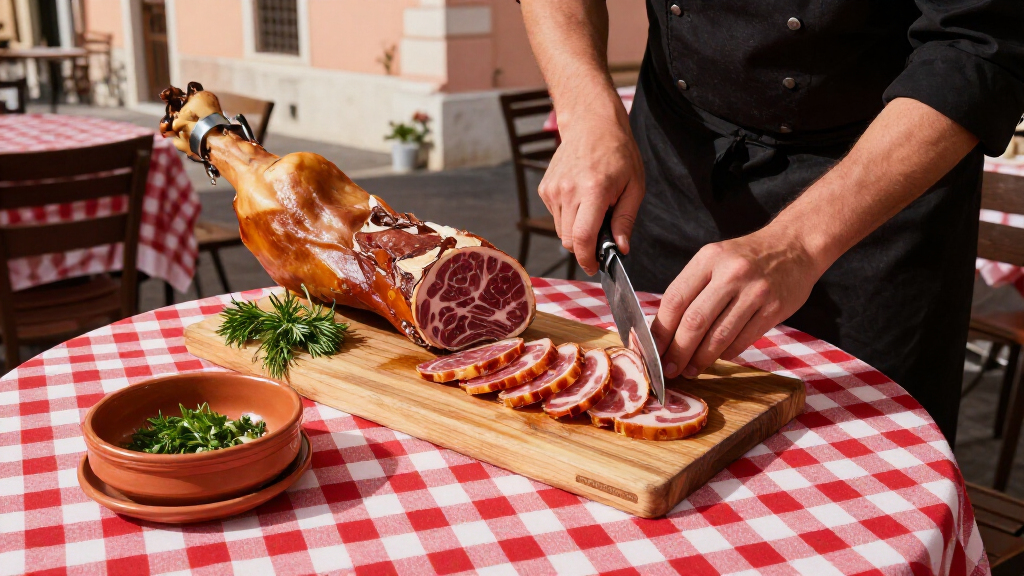
Zampone is packed into the skin of a deboned pig’s front trotter; cotechino goes into a sausage casing.
Both are rich, savory pork products associated with Modena and Emilia-Romagna, and recipes vary by producer.
Cotechino Modena PGI and Zampone Modena PGI are EU protected names tied to defined production rules and a geographic area.
Check whether your product is raw or precooked, then follow its package directions and simmer gently if instructed.
Choose zampone for its trotter presentation or cotechino for familiar sausage-shaped slices; both pair well with lentils.
Zampone vs Cotechino The casing makes the difference
Both are rich Italian pork sausages associated with Modena and often served with lentils. Choose by the presentation and texture you prefer, then check the package before cooking.
The defining difference
Both use seasoned pork filling; the casing gives each its distinct shape and feel.
| Feature | Zampone | Cotechino |
|---|---|---|
| Casing | Deboned front trotter skin | Natural or manufactured sausage casing |
| Shape | Trotter-shaped | Sausage-shaped |
| Texture | Rich and gelatinous | Rich and savory, often smoother |
| Serving | Sliced after cooking | Sliced after cooking |
Choose your serving style
- Distinctive trotter presentation
- Skin shapes its yielding, gelatinous texture
- A dramatic centerpiece for the platter
- Familiar sausage shape
- Easy to slice and portion
- A practical choice for serving
What goes into both
Recipes vary by producer, so the same product name does not guarantee an identical seasoning blend.
Seasoned pork
Both typically combine pork meat, rind or skin, fat, salt, and spices.
Rich and savory
Their flavor can be similar, but proportions and seasonings depend on the maker.
Cotechino is not a trotter
Its name is linked to cotica, or pork rind; it is packed into a sausage casing.
A Modena tradition
Both are strongly associated with Modena, in Emilia-Romagna, and are especially popular at New Year.
Cotechino Modena PGI and Zampone Modena PGI are EU protected names tied to defined production rules and a geographic area.
The traditional New Year pairing; lentils are associated with coins and good fortune.
The Casing Is the One Difference You Need to Remember
Zampone and cotechino differ chiefly in their casings. Zampone is a seasoned pork mixture packed into the skin of a deboned pig’s front trotter, giving it a distinctive foot shape. Cotechino uses a sausage casing, so it looks like a large sausage. Both are traditional Italian pork sausages associated with Modena and Emilia-Romagna, and both are usually served cooked.
Think of them as two versions of the same winter-table idea: seasoned pork filling, but one dressed for a special entrance. When a zampone comes to the table whole, its shape can prompt a second look; sliced beside lentils, it makes a dramatic centerpiece. Cotechino is more straightforward to portion. Slice it into rounds, arrange them across a platter, and dinner is underway.
The filling in either product typically combines pork meat, pork rind or skin, fat, salt, and spices. The exact proportions and seasoning blend can vary from maker to maker. That means “which tastes better?” doesn’t have a universal answer: a particularly well-seasoned cotechino may suit you more than a mild zampone, or vice versa.
Here’s the quick comparison if you’re standing in a shop with a pot of lentils waiting at home:
| Feature | Zampone | Cotechino |
|---|---|---|
| Casing | Skin of a deboned front trotter | Natural or manufactured sausage casing |
| Shape | Trotter-shaped | Sausage-shaped |
| Texture | Rich, with gelatinous texture influenced by the skin | Rich and savory, often smoother in sausage form |
| Serving | Sliced after cooking | Sliced after cooking |
Choose by the experience you want. For a traditional centerpiece, reach for zampone. For easy slicing and familiar serving, cotechino is a practical pick.
Products Worth Considering

Dyson V8 Cyclone Cordless Vacuum

Roborock Qrevo S Pro Robot Vacuum and Mop with 18,500 Pa Suction

Philips Hue Play Floor Lamp, RGBWWIC LED, 53 Inch, Black
As an affiliate, we earn on qualifying purchases.
The Pork Filling Explains Why Both Taste So Rich
Zampone and cotechino share a rich, savory pork filling built from meat, rind or skin, fat, salt, and spices. The exact recipe depends on the producer, so don’t expect every pair to taste identical. As the pork skin and rind soften during cooking, they contribute to the moist, gelatinous quality that makes these sausages feel especially hearty.
The name cotechino is linked to cotica, or pork rind. That doesn’t mean cotechino is simply a trotter in sausage form: it is a seasoned filling packed into a sausage casing. Zampone’s casing is the more visibly distinctive part, since the filling goes into a deboned trotter skin. That skin also affects the texture, giving slices a different feel from the smoother sausage format you often get with cotechino.
Picture a cold New Year’s Day lunch in Modena. You cut through a warm slice of zampone and find savory pork held by soft, yielding skin; beside it, a slice of cotechino offers a more familiar sausage-shaped bite. That’s a useful way to set expectations, though the producer’s recipe and cooking method also matter.
Neither should be mistaken for a lean cut of pork. Both are rich, fatty meats, so a modest portion alongside lentils or greens can make a satisfying plate. If you’re buying for guests, ask about ingredients and check the label: these are pork products, and seasoning blends differ. Don’t assume that two products with the same name have precisely the same spice profile.
Serve the slices warm, with something that brings balance. Lentils add earthy flavor and a soft bite; cooked greens offer a pleasant contrast. The meat’s richness is part of the pleasure, but it’s the combination that makes the meal feel complete.

Modena PGI Helps You Choose a Geographically Protected Version
Cotechino Modena PGI and Zampone Modena PGI are European Union protected names tied to defined production rules and a geographic area. PGI stands for Protected Geographical Indication. If you want a product carrying the protected Modena name, look for that designation on its label rather than assuming every cotechino or zampone comes from the city.
Both products are strongly associated with Modena, in the Emilia-Romagna region. That regional connection makes them a natural choice if you’re planning a winter meal inspired by the area. Still, the protection applies to products sold under the named regional designation; a sausage with a familiar shape or name from another place doesn’t automatically have the same status.
Imagine choosing between two packages for a dinner with friends. One says cotechino, while another carries the Cotechino Modena PGI designation. If regional provenance matters to you, that label gives you a clearer signpost than the word “cotechino” alone. You can apply the same check when shopping for zampone.
Protected status also doesn’t tell you everything you need to cook dinner. Read the full package for whether the product is raw or precooked, how it should be cooked, and whether it needs to stay in its packaging. Those instructions affect your timing more directly than the regional designation does.
For a trip, you might look for these dishes on a winter menu in Modena and notice how the local association meets the season. At home, the label lets you make a more informed choice, whether you’re serving a dramatic trotter-shaped zampone or the simpler sausage form of cotechino.
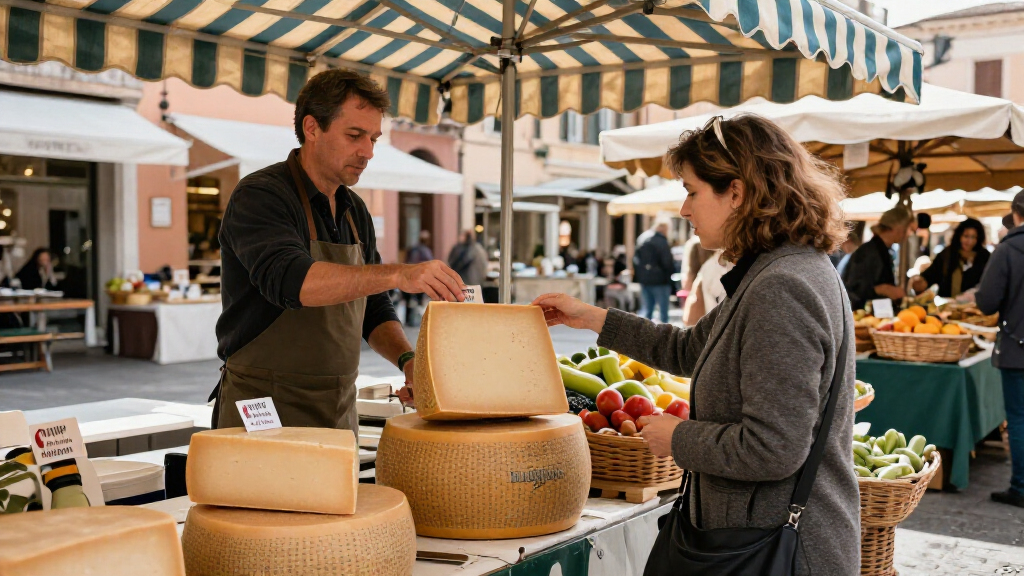
Check the Label Before You Start Cooking
Cooking instructions depend on whether your zampone or cotechino is raw or precooked. Some products need full cooking; others only need reheating. Read the package first and follow its directions for timing, wrapping, and temperature instead of guessing from the shape or name.
Traditional versions are gently simmered, often in their packaging or wrapped as the maker directs, until heated through and tender. A hard, rolling boil can split the casing and send juices into the pot. If you’ve ever watched a sausage burst while boiling, you know the result: the cooking water turns cloudy and the slices lose their neat shape.
Use this simple routine when you bring one home:
- Read the label. Confirm whether the product is raw or precooked and check the maker’s cooking directions.
- Prepare it as directed. Keep it in its packaging or wrap it only if the label instructs you to do so.
- Simmer gently. Avoid a vigorous boil that could split the casing.
- Check that it is heated through. Use a food thermometer and follow any temperature guidance on the package, especially for a raw product.
- Slice and serve. Follow the package’s advice on removing the casing and handle leftovers safely.
For example, if your New Year’s lunch starts at noon, don’t assume the cotechino in your pantry is precooked just because it looks ready to eat. Check the label the night before so you know how much time you need. Refrigerate perishables promptly, and put cooked leftovers into the refrigerator within two hours; follow local food-safety guidance for storage and reheating.
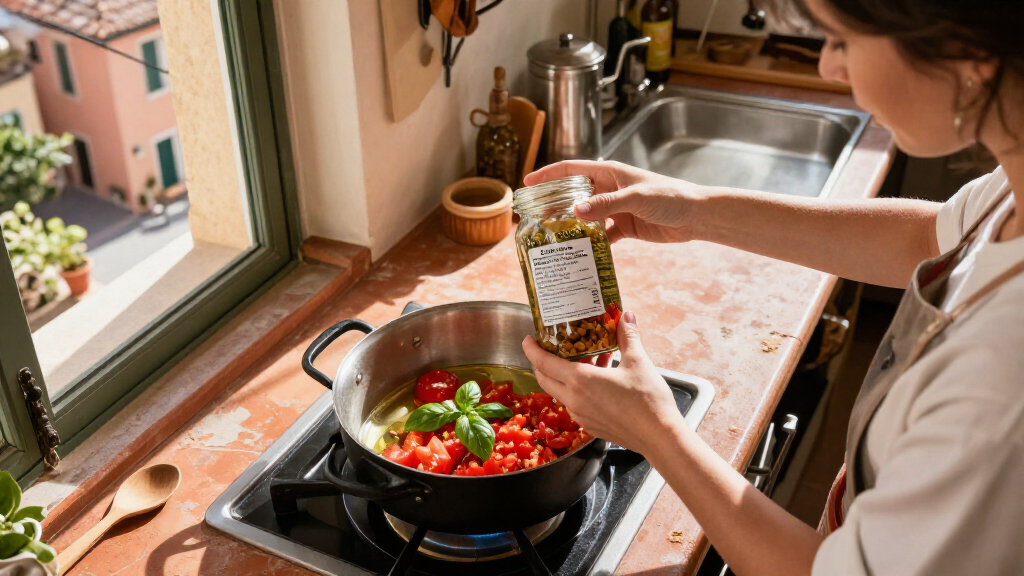
Lentils Make the Classic New Year’s Pairing Easy
Zampone and cotechino are classic companions for lentils around New Year’s Eve and New Year’s Day. The lentils are often said to symbolize coins and good fortune for the year ahead. It’s a festive custom, not a rule, but it gives a winter dinner a satisfying sense of occasion.
For a practical plate, simmer lentils until tender, then serve them under slices of warm cotechino or zampone. The lentils’ earthy flavor and soft texture sit comfortably beside the sausage’s salt, spice, and richness. If you’re cooking for someone who wants more variety, add cooked greens or mashed potatoes. Beans can also take the lentils’ place.
Consider a small New Year’s Eve meal at home: the lentils finish cooking while the sausage gently simmers. You slice the cotechino into rounds, spoon lentils alongside, and add a tangle of greens. The table feels generous without requiring a complicated menu, and the next day’s leftovers can become another easy lunch if you store them safely.
Usually served cooked, these sausages are flexible beyond the traditional holiday pairing. Cotechino’s sausage shape makes it particularly simple to slice for a casual platter; zampone offers a more striking presentation when guests gather. Either can sit next to lentils or beans on a cold winter evening.
The pairing works because it combines comfort with contrast: silky, savory pork against tender legumes. You don’t need a special occasion to enjoy it, but when winter arrives in Emilia-Romagna, this familiar combination brings the season straight to your plate.

Choose Cotechino for Easy Slices or Zampone for a Centerpiece
Choose cotechino for easy portioning and zampone for a more distinctive presentation. Cotechino is sausage-shaped and often sold precooked, while zampone’s stuffed trotter shape makes the dish visually memorable. Either can work beside lentils or beans, and neither is automatically more authentic or better tasting.
If you’re cooking for a small weeknight dinner, cotechino may feel more manageable. Slice it after cooking and serve a few rounds with lentils and cooked greens. For a holiday table where you want guests to see the trotter shape before you carve, zampone can make a strong centerpiece. In both cases, the product’s own cooking directions should decide how you prepare it.
You can usually substitute one for the other in a meal built around lentils or beans. Expect the casing, shape, texture, and possibly cooking time to differ, though. If a recipe gives a cooking time for cotechino, don’t automatically apply it to zampone; check the package directions for the product you actually bought.
Think of the choice as a table-setting question as much as a flavor question. The aroma of simmering pork, the clink of serving spoons, and a bowl of lentils can bring the same winter warmth to dinner either way. The difference is whether you want neat sausage rounds or slices from a trotter-shaped dish.
When shopping, check the product form, raw or precooked status, and any Modena PGI label. Those details help you match the sausage to your meal and your schedule. If you’re unsure, a cotechino is a straightforward introduction; try zampone when you want to give a holiday table a regional focal point.
Frequently Asked Questions
Are zampone and cotechino the same thing?
They are related seasoned pork products, but their casings differ. Zampone is packed into deboned trotter skin; cotechino is packed into a sausage casing. Both are usually cooked before serving.
Can I substitute cotechino for zampone?
Usually, yes, especially when you’re serving either one with lentils or beans. The shape, casing, texture, and cooking time may differ, so check the directions for the product you bought rather than carrying over a recipe’s timing.
Are zampone and cotechino already cooked?
Some products are sold raw and need cooking; others are precooked and only need reheating. Check the label to see which one you have and follow its directions.
Do you eat the casing?
For cotechino, follow the package guidance: the casing may be edible or intended to be removed. Zampone’s outer trotter skin is part of the dish, though diners can decide how much they want to eat.
Why do Italians serve lentils with these sausages at New Year?
Lentils are often associated with coins and good fortune for the coming year. Serving them with warm zampone or cotechino is a festive tradition, not a requirement; cooked greens, beans, or mashed potatoes can also go on the plate.
Is zampone made from a whole pig’s foot?
No. It is filled into the skin of a deboned front trotter, with seasoned pork mixture inside. Its distinctive shape comes from that casing.
Conclusion
Remember the casing and you can make the choice quickly: zampone uses deboned trotter skin; cotechino uses a sausage casing. Choose the shape that suits your table, check whether it’s raw or precooked, and follow the package directions before you start the pot.
Then bring out the lentils, slice the warm sausage, and let a little Modena winter tradition settle over your kitchen.