
TL;DR

Get kitchen staples and gadgets delivered free with Prime
- Fast, free delivery on millions of items
- Prime Video, Amazon Music and more included
- Member-only deals all year
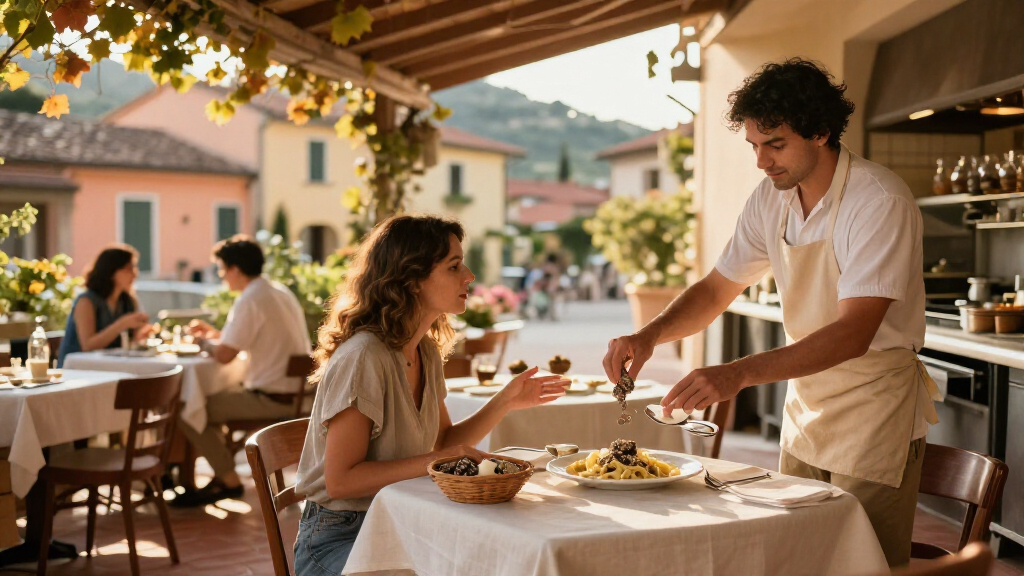
White truffle, especially Tuber magnatum from Italy’s Piedmont region, is usually harvested in autumn and early winter and served freshly shaved over warm, simple dishes. Ask whether it is fresh and in season, how the restaurant prices it, how much will be shaved, and what the final cost will be before you order.
White truffle is generally harvested in autumn and early winter, but ask whether the restaurant’s truffle is fresh and in season that day.
Choose a warm, simple dish such as tajarin, mild risotto, or eggs so stronger flavors don’t bury the aroma.
Ask whether the price is fixed or by weight, how much will be shaved, and what the total will be before ordering.
Fresh truffle is usually shaved at the end; ask whether a menu item instead uses truffle oil or another flavored product.
Tell the server about allergies and restrictions, especially around egg, wheat, and milk in common truffle pairings.
White Truffle at Peak Order Without Regret
Freshness, a simple warm dish, and a clear price shape the experience. Ask what is being served and what it will cost before you order.
Know what “in season” means
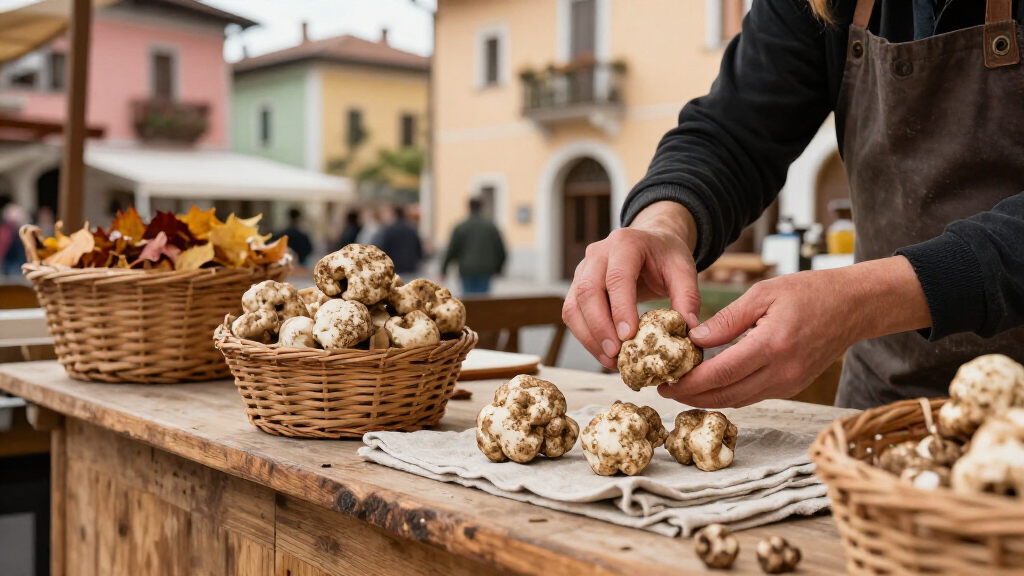
White truffle, especially Tuber magnatum, is associated with Piedmont and is usually harvested in autumn and early winter.
- Harvest timing varies by region and year.
- Ask if the truffle is fresh and in season today.
- Look for a distinct earthy, musky, sometimes garlicky aroma.
- Season alone does not guarantee freshness or careful handling.
Choose a dish that lets it shine
Fresh shavings are usually added at the end over warm, mild food, so prolonged cooking does not drive off the delicate aroma.
| Dish | Why it works | Ask about |
|---|---|---|
| Tajarin or simple pasta | Warm butter and egg pasta leave room for the aroma. | Whether the sauce is mild. |
| Risotto | Warm, creamy rice holds the shavings. | Strong cheese or toppings. |
| Eggs | A gentle flavor makes the truffle easy to notice. | Preparation and dairy. |
| Strongly seasoned entrée | Bold flavors can overwhelm delicate shavings. | What role the truffle plays. |
Ask before you commit
A few direct questions help match the portion and dish to what is actually available.
Ask if it is fresh truffle or a preserved or flavored product, and where it came from if provenance matters.
Find out how it smells and how it has been stored and will be served.
Confirm fixed price or weight, expected amount, and total estimate. Ask the server to check before adding more.
Know when white truffle is likely to be at its best
White truffle is most likely to be fresh during autumn and early winter, when harvests of Tuber magnatum are associated with Piedmont and other parts of Italy. The exact season shifts with region, weather, and the year, so a calendar date can point you in the right direction but cannot certify what a restaurant is serving. Ask whether the truffle is fresh and in season that day.
In Piedmont, the season often overlaps with chilly mornings, hazelnut groves, and the bustle around Alba’s truffle market. If you visit in November, a menu featuring shaved white truffle may fit the local rhythm; if you see it on a menu in another month, that isn’t proof of poor quality, but it is a reason to ask about sourcing and preservation. A restaurant should be able to explain what it has, even if it can’t promise a particular harvest story.
“Peak” means more than a month on the calendar. A truffle can be technically in season yet lose its fragrance if it was stored poorly or kept too long. Fresh white truffle gives off a delicate, fleeting scent, often described as earthy, garlicky, or musky. Think of it like the first steam from a pot of broth: you want to catch it while it’s rising.
Availability and prices change from season to season, and claims about a specific year’s harvest need current local information. Don’t assume that “white truffle” guarantees Alba origin or a particular grade. Ask where it came from if provenance matters to you, and treat a clear answer as useful context rather than a substitute for the aroma at your table.
Products Worth Considering

Philips Hue White and Color Ambiance Smart Retrofit Recessed LED Downlights, 5/6-Inch, 4-Pack

Dyson Omni-Glide Cordless Stick Vacuum, Gold/Iron

Google Nest Learning Thermostat (4th Gen) with Nest Temperature Sensor (2nd Gen), Silver
As an affiliate, we earn on qualifying purchases.
Read freshness with your nose before you commit
Freshness is best judged through a clear answer about handling and a distinct aroma, not by the words “seasonal” or “premium” alone. White truffle has a strong scent for its size, but the aroma should smell like truffle—earthy, musky, sometimes garlicky—rather than like an unrelated perfume. Ask the server what the truffle smells like today and when the kitchen plans to shave it.
For instance, imagine you’re choosing between a simple tajarin and a heavily sauced dish. If the server says the truffle’s aroma is delicate today, tajarin may give it more room to show itself; if the truffle smells particularly robust, you might have more flexibility. A specific answer tells you more than a polished speech about rarity. You can also ask to see the truffle before ordering if the restaurant’s custom allows it.
Use a short conversation to get the details that matter:
- Ask if it is fresh and in season. Find out whether the kitchen is shaving a fresh truffle or using a preserved or flavored product.
- Ask how it is stored and served. Fresh truffle is delicate, so its handling affects the experience.
- Ask what the aroma is like today. The server may be able to describe whether it smells mild, pronounced, earthy, or garlicky.
- Ask how much will be shaved. A generous portion and a light dusting aren’t the same meal.
- Ask for the total estimate. Clarify the cost before the truffle is weighed or shaved.
These questions aren’t a test of the restaurant. They help you match the dish and portion to what is actually available. If the answer is vague, order a dish without truffle and enjoy the rest of the meal; a memorable evening doesn’t need a costly garnish.
Pick a warm, simple dish that lets the aroma speak
The best white truffle dish gives the shavings a warm, mild base without burying them in strong sauces or spices. Restaurants commonly shave fresh truffle over pasta, risotto, or eggs at the end of preparation. The warmth helps release the aroma, while the truffle’s delicate character remains exposed instead of being cooked away.
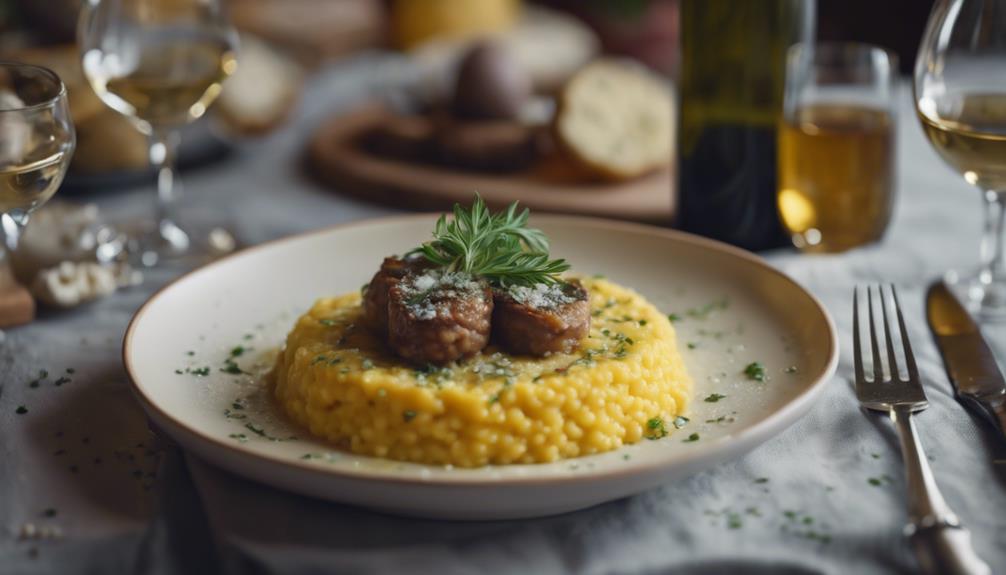
In Piedmont, thin ribbons of tajarin—egg-rich pasta—make a natural partner, especially with butter. A forkful arrives glossy and pale, and each shaving perfumes the pasta without competing with tomato, chili, or a heavy sauce. Risotto can work well, too, if the kitchen keeps the flavors restrained. Eggs offer a soft, familiar base when you want the truffle to be the most noticeable thing on the plate.
| Dish | Why it works | What to check |
|---|---|---|
| Tajarin or other simple pasta | Warm butter and egg pasta leave room for the aroma. | Ask whether the sauce is mild enough to let the truffle stand out. |
| Risotto | Creamy rice holds the shavings and stays warm at the table. | Ask whether strong cheese or other toppings will dominate. |
| Eggs | A gentle flavor makes the truffle easy to notice. | Confirm the preparation and check for dairy if that matters to you. |
| Strongly seasoned entrée | It may provide a filling meal, but can drown out delicate shavings. | Ask what role the truffle plays before paying a supplement. |
A restaurant might offer white truffle on a richly flavored meat dish, and that can suit your appetite, but the pairing involves a tradeoff: stronger ingredients can take the lead. If you want to understand what the truffle smells and tastes like, choose the simpler plate. Ask for the truffle to be shaved at the table when offered; watching the pale curls fall onto warm pasta is part of the pleasure.
Set a spending limit before the truffle reaches your plate
White truffle is expensive, and a menu may not reveal the final price if the restaurant charges by weight. Before ordering, ask whether the price is fixed or calculated by weight, how much the kitchen expects to shave, and the total estimated cost. A clear budget protects the pleasure of the meal from an uncomfortable surprise when the bill arrives.
For example, if the server quotes a per-gram price, ask for a suggested serving and a maximum amount. You can say, “Please keep the truffle supplement under this amount, and tell me before adding more.” If the restaurant uses a fixed supplement, confirm whether it covers the full portion or just the dish listed on the menu. You deserve to know what the order includes before you commit.
Prices fluctuate with harvest conditions and supply. That means a figure from last autumn, a travel article, or a friend’s dinner in another town won’t reliably predict today’s charge. A restaurant may be able to tell you the current price and estimated portion, but it shouldn’t present an old price as a promise about this meal. If you’re comparing dishes, ask which one gives you the most truffle for the quoted total.
Before you order: agree on the price and the amount. If the final cost depends on weight, ask the server to confirm the total with you before shaving.
Sharing can lower the cost per person, though it doesn’t always mean the truffle will be evenly distributed. If two diners share one plate, ask whether the kitchen can portion the shavings across both servings. If you’re uncertain, order one modest plate first. You can enjoy the aroma without treating the most expensive option on the menu as an obligation.
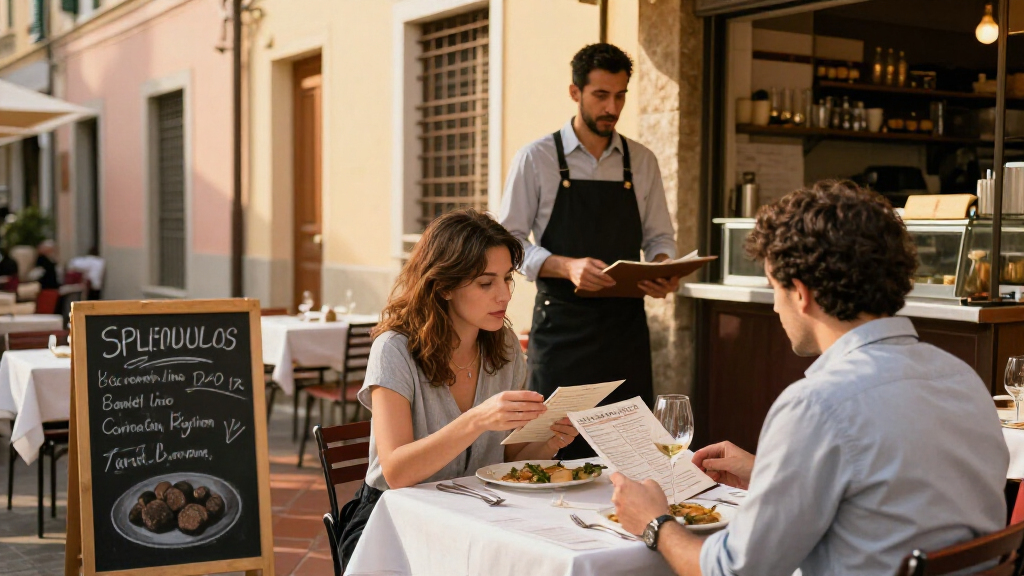
Tell fresh truffle from truffle-flavored products
Fresh white truffle means the kitchen is shaving the fungus itself; a truffle-flavored oil, butter, or sauce is a different ingredient. Flavored products may use added aroma compounds, and the flavor can be more forceful or uniform than the fleeting scent of fresh shavings. Ask what the restaurant is serving instead of assuming that every dish labeled “truffle” contains fresh truffle.
This matters when a menu offers both a low-cost truffle pasta and a much more expensive white truffle supplement. The first dish may be made with truffle oil or another flavored preparation, while the supplement may bring fresh shavings to your table. Neither label alone settles the question. Ask the server to spell out the distinction, and choose based on the flavor and price you want.
Fresh truffle is usually added at the end rather than cooked for a long time because heat can drive off its delicate, volatile aroma. A few thin shavings over hot pasta can perfume the whole plate; a long simmer in a strong sauce may leave little of that high, earthy scent to enjoy. The restaurant’s method is part of the value, not just the ingredient name.
If you prefer the gentler, less perfumed flavor of fresh truffle, say so when you order. If a flavored oil is what you want, that’s a valid choice too—just don’t pay a fresh-truffle supplement for it without clarity. For example, a diner looking for the classic Piedmont experience could choose simple tajarin with fresh shavings, while someone craving a bolder, more consistent truffle flavor might prefer a dish made with a flavored product. Knowing the difference helps you order the experience you actually want.
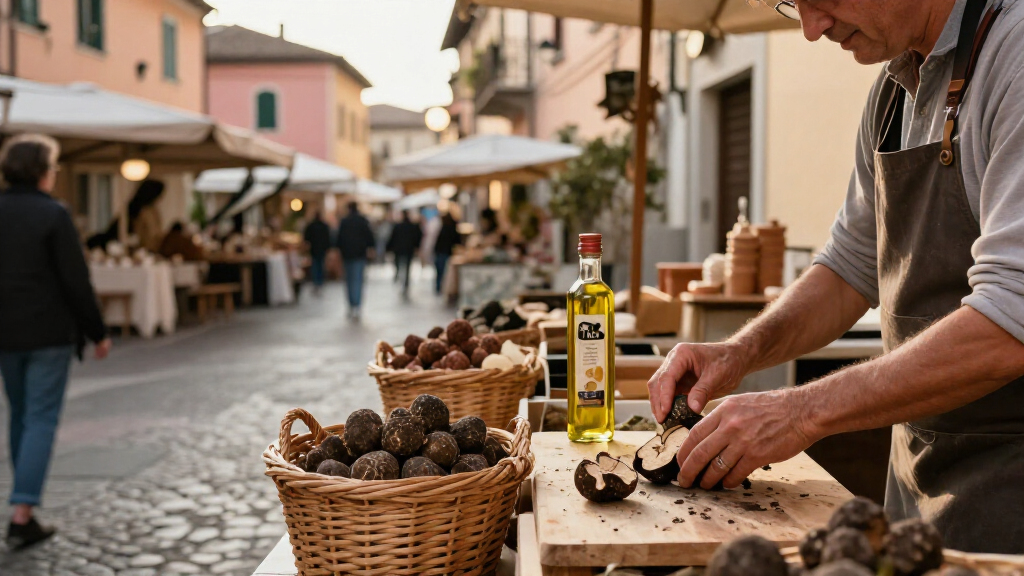
Make dietary needs part of the order
A white truffle dish can be a poor fit for some dietary needs even when the truffle itself is suitable. The pasta may contain wheat and egg, the sauce may include dairy, and a restaurant may finish a dish with cheese or butter. Tell the server about allergies and restrictions before ordering, then ask which ingredients the kitchen can confirm or adjust.
For example, someone avoiding gluten might ask whether the restaurant has a suitable alternative and whether the truffle can be shaved over it. A diner with a milk allergy needs to ask about butter, cheese, and shared kitchen surfaces; a simple-sounding risotto can still contain dairy. Don’t rely on “plain” as a guarantee of safety. Restaurant kitchens vary, and only the staff can explain their ingredients and preparation practices.
White truffle is often served over eggs, buttered pasta, or risotto because those dishes provide a gentle, warm base. That makes the pairing delicious, but it also means common allergens—especially egg, wheat, and milk—may be nearby. If a server cannot confirm an ingredient or describe how the kitchen handles an allergy, choose a different dish rather than guessing.
Ask questions in direct language: “I have a milk allergy. Does this contain butter or cheese, and can the kitchen prepare it safely?” For a dietary preference rather than an allergy, explain what you avoid and ask whether a substitution changes the portion or price. The truffle should add pleasure to dinner, not turn a relaxed meal in Alba or Turin into a risky guess.

Turn these questions into a confident order
A good white truffle order comes down to three decisions: whether the truffle is fresh, whether the dish suits its aroma, and whether you’re comfortable with the price. You don’t need specialist vocabulary to make those calls. A short exchange with the server can give you enough information to order—or to choose another dish without fuss.
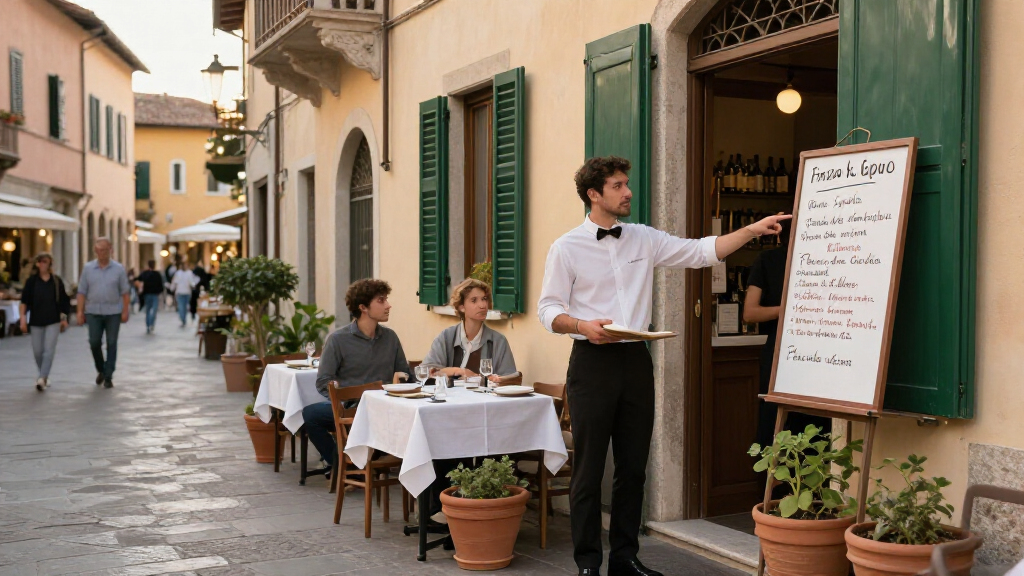
Imagine you’re at a small restaurant in Alba on a cool November evening. The server describes fresh truffle with a pronounced earthy smell and recommends tajarin, priced with a supplement based on weight. You like the idea but have a set dinner budget. Ask for the estimated portion and total, then set a maximum before the server shaves it over your pasta.
- “Is this fresh white truffle, and is it in season now?” This clarifies what’s being offered.
- “What does it smell like today?” The day’s aroma helps you picture the experience.
- “Which simple dish shows it best?” Let the server recommend a mild base.
- “Is the supplement fixed or charged by weight?” Find out how the price works.
- “What will the total be, and can you keep it under this amount?” Set a clear limit.
If the answers satisfy you, enjoy the plate while it’s warm; the aroma is most vivid before the steam fades. If not, order the pasta without truffle and save your money for another regional specialty. A confident no is part of ordering well. The goal is a dish you enjoy at a price you accepted, not a truffle story you feel pressured to buy.
Frequently Asked Questions
When is white truffle in season?
White truffle is typically harvested in autumn and early winter, with timing that varies by region and year. Ask the restaurant whether its truffle is fresh and in season that day.
What does white truffle smell and taste like?
Fresh white truffle is prized for its strong, delicate aroma, often described as earthy, musky, or garlicky. Its flavor and scent can vary, so ask the server what the truffle smells like today.
Which dishes pair best with white truffle?
Warm, simple dishes such as tajarin, risotto, and eggs let the aroma stand out. Strong sauces and heavy seasoning can overpower it, so ask which plate the restaurant recommends for its truffle.
How can I avoid a surprise truffle charge?
Ask whether the price is fixed or charged by weight, how much will be shaved, and what the estimated total will be. If the amount can change, ask the server to confirm your maximum before shaving.
Is truffle oil the same as fresh white truffle?
No. Fresh white truffle is shaved from the fungus, while truffle oil and other flavored products may use added aroma compounds. Ask which one the restaurant is serving before you order.
Can I ask the restaurant to shave less truffle?
Yes. Tell the server your budget or ask for a specific maximum amount before preparation begins. Confirm how the restaurant charges so you know whether a smaller portion changes the total price.