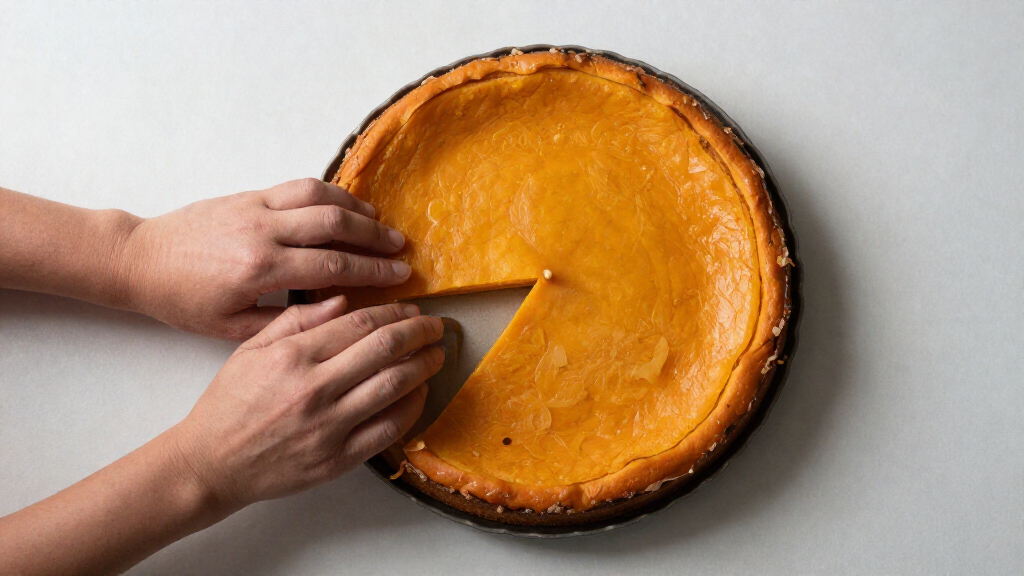
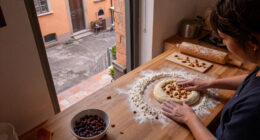
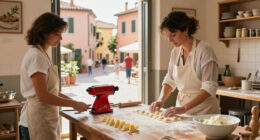
Torta di zucca means “pumpkin cake” in Italian, but it does not refer to one standardized recipe: versions vary by region and household and can be sweet or savory. For a dependable autumn dessert, use flavorful, relatively dry squash, roast or drain it well, and bake until the center tests clean; the result should taste of pumpkin, not wet purée or a heavy blanket of spice.
The last pumpkin on your counter can become a cake that tastes less like a spice candle and more like autumn itself: mellow squash, toasted nuts, and a bright curl of citrus. In Italian, torta di zucca means “pumpkin cake,” but the name covers more than one preparation.
There is no single national recipe to follow. Versions vary by region and household, and the cake may be sweet or savory. Here, you’ll make sense of that variety while focusing on one particular style: a tender, sweet cake for an autumn table, with practical advice for choosing squash, controlling moisture, and checking doneness.
That distinction matters if you’re expecting American pumpkin pie. A torta di zucca is generally a cake baked in a pan, and its crumb can range from light and sliceable to dense and almost pudding-like. You’ll learn how northern Italian cooking connects squash to the season, which flavors work without overpowering it, and how to serve or store your cake safely after Halloween’s last jack-o’-lantern has gone dark.
At a glance
Torta di Zucca: Italian Pumpkin Cake Guide
Key insight
The most useful predictor of a successful torta di zucca is often the purée’s moisture, not the squash’s name: roasting or thoroughly draining the cooked squash helps prevent a gummy center.
Key takeaways
1
Torta di zucca means pumpkin or squash cake; recipes differ by region, family, and whether they are sweet or savory.
2
Choose flavorful, relatively dry squash such as zucca mantovana, sugar pumpkin, kabocha, or butternut.
3
Roast squash for concentrated flavor, or drain cooked squash and watery canned purée before mixing.
4
Test the center for wet batter and cool the cake fully before slicing.
5
Store the cake covered, refrigerate it if it has a perishable topping, and freeze cooled unfrosted portions tightly wrapped.
Step by step
1
Follow These Steps for a Cake That Sets in the Center
Torta di zucca bakes more reliably when you control the purée first, mix gently, and test the center rather than trusting the clock alone.
What Torta di Zucca Means Before You Start Baking
Torta di zucca means “pumpkin cake” or “squash cake” in Italian, not one fixed recipe with a single official ingredient list. Families and regions make different versions, including savory preparations, so naming the style you plan to bake helps set expectations before you preheat the oven.
For this guide, the focus is a sweet, cake-pan dessert built around cooked squash. It can be a close-crumb snack cake, moist enough to eat with a fork, or a lighter loaf-style cake for an afternoon coffee break. Those textures are not just a matter of preference: more squash and moisture tend to produce a heavier, softer crumb, while a lighter batter gives the cake a more familiar slice-and-serve structure. Think of the difference between a dense slice served on a plate and a tender square wrapped for tomorrow’s lunch: both can fit the name.
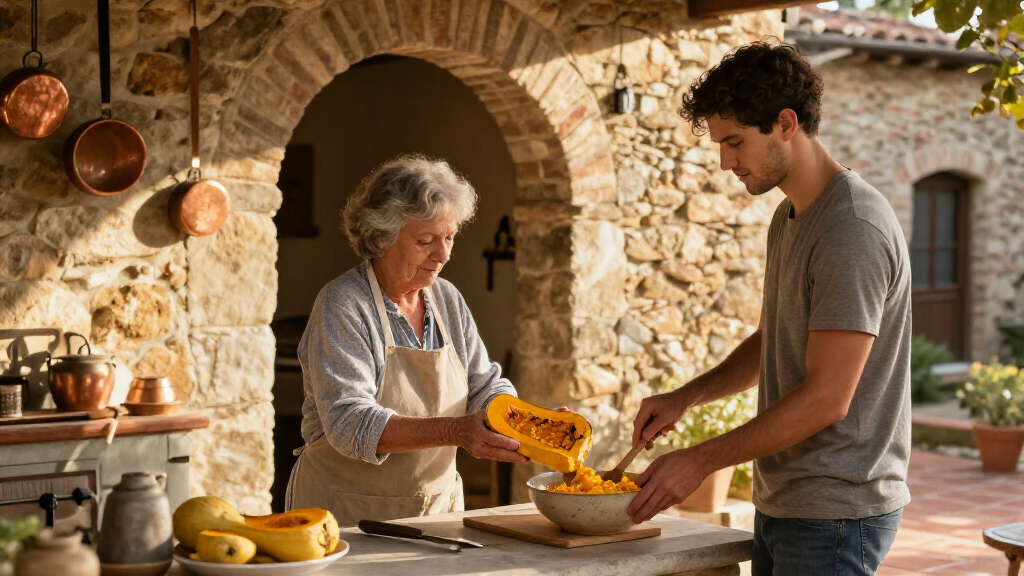
That variety reflects pumpkin’s broader place in Italian cooking. In northern regions such as Lombardy and Emilia-Romagna, squash appears in savory dishes like risotto and filled pasta as well as in sweets. The sweet cake is part of a larger seasonal kitchen, not a Halloween invention or a universal Italian tradition. This context is useful because it keeps a home recipe in perspective: it can draw on Italian ingredients and seasonal habits without claiming to represent every region or household.
It also differs from pumpkin pie. Pie usually has a custard filling inside a crust; torta di zucca is generally baked as a cake, so the squash sits in the crumb itself. That changes what matters during baking: instead of waiting for a separate custard to set, you need the cake’s center to cook through without drying its edges. If you’re serving it after carving pumpkins, use a food-grade eating squash rather than the fibrous ornamental pumpkin from the porch.
Products Worth Considering
Sony BRAVIA 5 85-Inch Mini LED 4K HDR Smart TV (K-85XR50)
TCL QM64L 85-Inch QD-Mini LED 4K Smart Fire TV
TCL T7 Series 85-Inch 4K 144Hz QLED Smart Google TV
As an affiliate, we earn on qualifying purchases.
Choose Squash That Bakes Into a Tender, Not Gummy, Cake
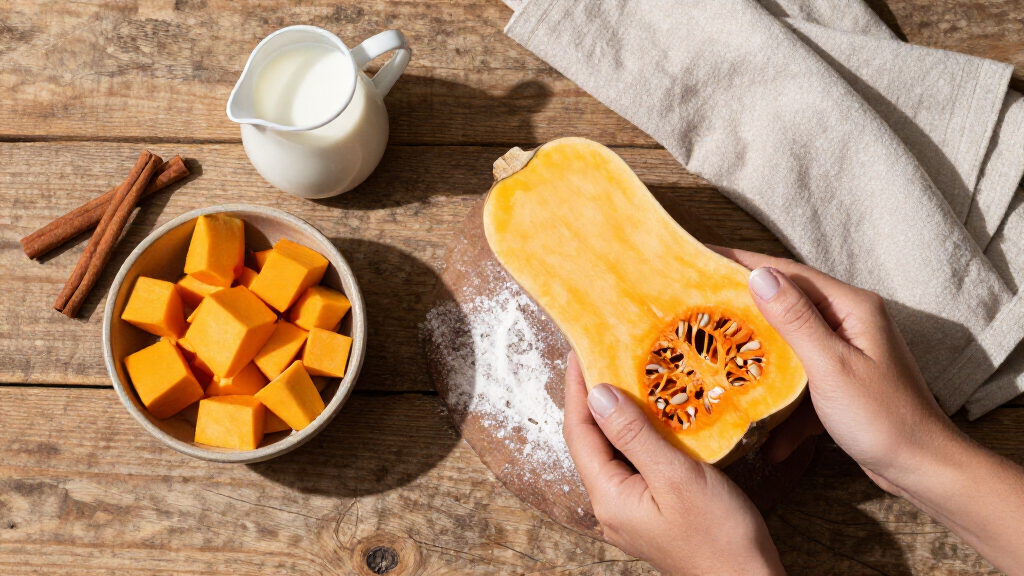
Torta di zucca works best with flavorful squash that does not carry too much water into the batter. Italian cooks may use varieties such as zucca mantovana (Mantuan squash); outside Italy, sugar pumpkin, kabocha, or butternut squash can all work when cooked and drained well. The name of the squash is a helpful starting point, but the condition of its cooked flesh matters more: two squash from the same variety can hold different amounts of water depending on ripeness and how they were cooked.
That moisture affects more than the cake’s texture. A wet purée dilutes flavor and changes the balance of the batter, so the cake may need longer to set while its edges continue to brown. The result can be a gummy middle beside overdone edges. If your squash releases a puddle on the plate, let it drain in a fine sieve or cook the purée gently in a pan until some moisture evaporates. Draining is hands-off but takes longer; reducing it on the stove is quicker, though you’ll need to stir and avoid scorching.
Roasting is usually the easiest route to concentrated flavor. Cut squash into manageable pieces, remove seeds and strings, and roast until the flesh is soft enough to mash. As surface moisture evaporates, the squash’s sweetness tastes fuller and less diluted, which means you may not need as much spice or added sugar to make the cake feel flavorful. For example, if you roast butternut on a sheet pan, the cut sides turn golden and the kitchen fills with a sweet, nutty smell; that deeper flavor carries into the finished cake. Roasting takes more time than opening a can, but it gives you better control over both flavor and texture.
Canned purée can save time. Choose plain pumpkin purée, not pumpkin-pie filling, which can already contain sugar and spices and make the recipe harder to balance. Check the texture before measuring: if it looks loose, drain it first. Let cooked squash cool before it meets eggs or other batter ingredients, so it does not scramble the eggs or throw off the batter’s consistency.
Simple rule: the drier and more concentrated your cooked squash, the easier it is to bake a cake with a tender crumb instead of a damp center. Aim for squash that mashes smoothly but does not leave liquid pooling around it.
Build Flavor Without Making Every Slice Taste Like Spice
A good sweet torta di zucca lets the squash remain recognizable. Citrus zest, vanilla, almonds, hazelnuts, raisins, or a little cocoa can add character without covering the earthy sweetness. Cinnamon, nutmeg, and cloves are options, but they are not required ingredients or uniquely Italian markers. The point of restraint is not to make the cake bland; it is to leave room for the squash’s own flavor, which can be delicate and easily overwhelmed.
Pick a flavor direction rather than emptying the spice drawer. For a northern Italian feel at home, try roasted squash with lemon zest and toasted hazelnuts; the citrus cuts through the dense crumb, while the nuts add a dry, crisp contrast. If you prefer a warmer cake, a pinch of cinnamon and nutmeg works, but keep the quantity restrained. Citrus makes the flavor feel brighter and lighter, while warm spices make it feel cozier and more familiar to readers who expect pumpkin-season flavors; either approach works, but combining too many strong additions can blur the squash’s character.
Texture gives you another way to shape the cake. A handful of raisins adds chewy sweetness, while chopped dark chocolate makes each slice richer and more dessert-like. These additions affect balance as well as texture: raisins make the cake sweeter, and chocolate can turn a simple snack cake into a more substantial dessert. Imagine a plain square beside espresso after a cool walk: it needs little more than a dusting of sugar. A chocolate version might feel more at home on a Halloween table after dinner.
Be clear about what you are making. A cake with eggs and wheat flour is not automatically vegan or gluten-free, and adding nuts introduces a common allergen. Label nuts, wheat, eggs, and dairy when you share the cake, and don’t promise that a substitution will work one for one. Alternative flours or plant-based binders can change the crumb and need a tested recipe; changing structure-building ingredients can turn a tender cake crumb dense or fragile, even when the flavor is good.
Follow These Steps for a Cake That Sets in the Center
Torta di zucca bakes more reliably when you control the purée first, mix gently, and test the center rather than trusting the clock alone. Oven temperatures, pan sizes, and squash moisture all vary, so use the steps below as a practical sequence alongside a tested ingredient list and recipe. Each step protects a different part of the result: flavor, batter structure, or even baking.
Cook the squash. Roast it for a concentrated flavor, or steam or boil it if that suits your kitchen. Drain boiled or steamed squash thoroughly, then mash it smooth. Roasting is slower but tends to remove more surface moisture; boiling is convenient, but it can leave you with extra liquid to manage.
Check the purée. Let it cool and look for excess liquid. If it seems watery, leave it in a fine sieve or cook it briefly in a pan, stirring, to reduce moisture. This step is worth the pause: a batter that starts too wet may not set at the same pace as its edges bake.
Measure ingredients accurately. Use a scale if your recipe provides gram weights; packed cups of purée and flour can vary. Bring chilled ingredients to the temperatures the recipe specifies. Consistent quantities matter because the squash is already a variable ingredient, and imprecise flour or purée measurements can compound that uncertainty.
Mix the batter without overworking it. Fold wet and dry ingredients together until no broad streaks of flour remain. Stirring hard after adding flour can make the cake tougher because it develops gluten; stop once the ingredients are combined rather than trying to make the batter perfectly smooth.
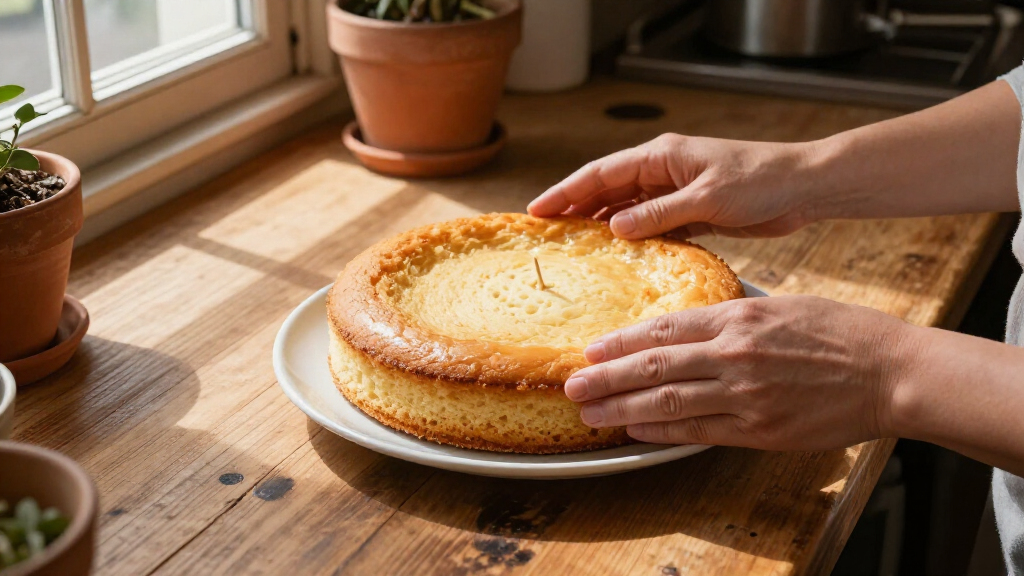
Bake and test the middle. Start checking near the recipe’s earliest suggested time. A tester should come out clean or with a few moist crumbs, not wet batter. The center heats more slowly than the edges, so a timer can tell you when to begin checking but cannot account for every pan and oven.
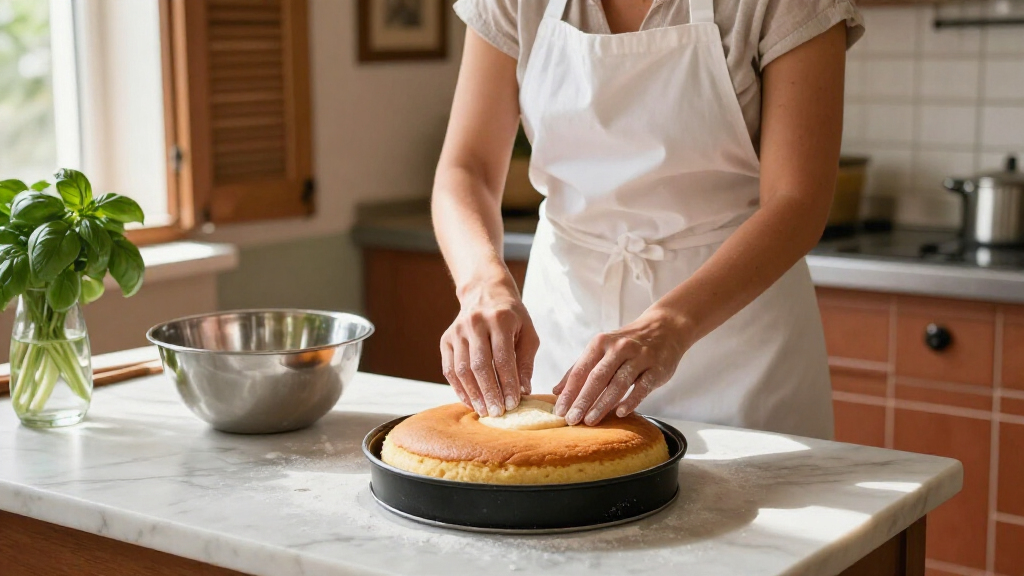
Cool before slicing. Leave the cake in its pan for the time your recipe recommends, then cool it fully on a rack. A hot pumpkin-rich crumb can tear when you cut it, and cooling gives the structure time to settle.
Picture the familiar kitchen moment: the edges look ready, but the center still wobbles. Give it more time and test again rather than pulling it out just because the timer has beeped. That small pause often separates a clean slice from a damp, collapsing one; if the edges are browning too fast, loosely tent them with foil while the middle finishes.
Tell a Moist Cake From an Underbaked One
A moist torta di zucca should feel tender and cohesive, not pasty or wet in the middle. Pumpkin-rich cake naturally holds more moisture than a plain sponge, so a few damp crumbs on a tester can be fine; a streak of raw batter means the center needs more baking. This difference matters because extending the bake can help an underdone center, but it cannot repair a gummy texture caused by excessive water in the purée.
Look at the whole cake, not just its color. The edges may pull slightly from the pan while the middle springs back gently when touched. If the center still sinks under a light touch, return the cake to the oven and check again after a short interval. Oven doors leak heat, so avoid opening the door repeatedly early in the bake; frequent checks can slow cooking and make the center take longer to set.
Pan depth changes the timing. A shallow round pan may bake faster than a deep loaf tin holding the same batter because heat has less distance to travel to the center. If you switch pans, follow a recipe designed for that size where possible, and don’t assume the original bake time still applies. A home baker using a dark metal pan may also see quicker browning than with a lighter pan, so the outside can look finished before the center is ready.
Let the cake cool before judging its final texture. As it rests, the crumb firms and becomes easier to slice; warm, it can seem softer than it will be at room temperature. If it remains gummy after cooling, the likely culprits are watery purée, an underbaked center, or a pan that was too deep. Consider which clue you noticed: a wet tester points to underbaking, while a persistently pasty crumb may indicate excess moisture. Next time, reduce moisture and test the middle carefully.
Serve It With Coffee, Citrus, or a Simple Creamy Accent
Serve torta di zucca at room temperature with coffee or tea for a simple afternoon cake, or add a modest creamy topping when you want a more festive dessert. Its squash flavor is gentle, so a strong topping can drown out the very ingredient that makes the cake seasonal. Keeping toppings on the side also lets the cake work in more than one setting, from a casual coffee break to a plated dessert.
A plain slice beside espresso is an easy choice after a fall meal. For a dinner with friends, offer lightly sweetened whipped cream or mascarpone on the side rather than spreading a thick layer over the whole cake. That lets guests choose, and it keeps the cake’s tender crumb visible. A small amount of cream adds richness and contrast; too much can make the whole serving feel heavy and mask the squash.
Small finishing touches make a difference. A fine grating of orange or lemon zest adds a sharp, fragrant note; toasted hazelnuts add a crisp snap. If you include nuts, tell guests clearly, especially when the cake shares a table with other dishes. For a Halloween gathering, cut small squares and serve them alongside tea rather than making the cake compete with a tray of very sweet treats. Smaller portions also suit a cake that is rich or closely textured.
For drinks, coffee, black tea, or a mild herbal tea work well. Adults who choose to serve alcohol can pair dessert with a small pour of a suitable drink, but keep it optional and serve responsibly. A warm, nonalcoholic drink is just as satisfying when the evening turns cold and the last slice disappears.
Store Leftovers So Tomorrow’s Slice Stays Good
Cool torta di zucca completely, cover it, and follow the recipe’s storage directions. Many plain cakes keep well covered at room temperature for a short period, but a perishable filling or topping—such as mascarpone or whipped cream—means you should refrigerate it. Cooling before covering matters too: wrapping a warm cake can trap steam, leaving the surface damp and encouraging the crumb to become sticky.
Warm kitchens call for extra care. If your home is hot, refrigerate the cake rather than leaving it out, particularly if it contains dairy topping. Store it in a covered container so the crumb does not dry out or pick up refrigerator odors. Let a refrigerated slice sit briefly at room temperature before serving if you prefer a softer texture, but return leftovers promptly. Refrigeration can firm the cake, so the short rest before serving helps the crumb feel more tender without leaving perishable cake out for long.
Many unfrosted pumpkin cakes freeze well. Once the cake has cooled completely, wrap it tightly and freeze it; thaw it while still wrapped to limit drying. For example, freeze individual slices when you know you’ll want a quick afternoon treat later, rather than thawing the whole cake for one serving. The tradeoff is convenience versus presentation: slices are easy to portion, while freezing a whole cake gives you a more seamless look when serving guests.
Make-ahead baking can improve the experience: the flavors often settle overnight, and the cake becomes easier to slice once fully cool. But storage is not a substitute for safe handling. Keep hands and utensils clean, do not leave dairy-topped cake sitting out for an extended stretch, and discard food that has been mishandled or shows signs of spoilage.
Know What to Adapt—and What Not to Call Traditional
Modern ingredient swaps can make torta di zucca fit your kitchen, but they do not create a new traditional Italian standard. Using canned purée, less sugar, alternative flour, or plant-based ingredients is a practical adaptation, not proof that one version represents every Italian household. Making that distinction lets you adapt confidently without presenting convenience or dietary changes as a regional custom.
If you want to reduce sugar, make a modest change and expect the cake to taste less sweet and perhaps bake differently. Sugar affects more than flavor: it contributes to moisture, browning, and tenderness, so a large cut can change the crumb as well as the sweetness. It is helpful to test a small batch before you promise a new version for a holiday table.
Gluten-free flour blends vary, and replacing wheat flour with a single alternative can leave the cake crumbly or dense. Vegan baking also needs a dependable method to replace eggs’ binding and structure; simply omitting them can make a pumpkin-heavy batter collapse. These changes are possible, but each affects how the cake holds together, so choose a tested recipe built for the adaptation rather than treating substitutions as guaranteed.
Use the same honesty when describing regional ingredients. Zucca mantovana is a useful Italian reference, but you can still bake a delicious cake with kabocha or butternut if that’s what your market carries. The practical goal is a flavorful squash with manageable moisture, not a claim that every Italian cake uses the same variety. In other words, the technique can travel even when the ingredient does not.
Frequently Asked Questions
What does torta di zucca mean?
Torta di zucca means “pumpkin cake” or “squash cake” in Italian. The name covers different recipes, so it does not point to one standardized cake or flavor.
Is there one traditional Italian torta di zucca recipe?
No single recipe represents every region or household. Versions vary and can be sweet or savory; this guide focuses on a sweet, cake-pan dessert rather than claiming it is the only traditional style.
Can I use canned pumpkin purée?
Yes, use plain pumpkin purée, not sweetened pumpkin-pie filling. If the purée looks watery, drain it or cook it down before adding it to the batter.
Why did my pumpkin cake turn gummy?
Excess moisture in the squash or an underbaked center commonly causes a gummy crumb. Drain or reduce wet purée, and test the middle with a skewer; it should come out clean or with a few moist crumbs, not raw batter.
Can I make torta di zucca ahead or freeze it?
Yes. Many pumpkin cakes taste good the next day and can be frozen unfrosted after cooling completely; wrap tightly and thaw while wrapped. Refrigerate cakes with perishable toppings such as mascarpone or whipped cream, and follow your recipe’s storage directions.
Conclusion
Remember one thing when you bake torta di zucca: manage the squash before you manage the spices. Roast or drain it well, let the cake bake until the center sets, and give it time to cool into clean slices.
Then pour coffee, add a little citrus if you like, and let the season’s last pumpkin become something worth lingering over.