TL;DR

Get kitchen staples and gadgets delivered free with Prime
- Fast, free delivery on millions of items
- Prime Video, Amazon Music and more included
- Member-only deals all year
Pane dei Morti, or “bread of the dead,” is a Lombard autumn sweet associated with All Saints’ Day on November 1 and All Souls’ Day on November 2. Despite its name, Milanese versions are usually flattened, chewy biscuits or small cakes made with crushed cookies, nuts, raisins, cocoa, and warm spices. Look for them in bakeries around the remembrance days, or bake a family-style version while treating recipes as variations rather than one fixed standard.
The name sounds solemn; the first bite tastes like autumn. In Milan, Pane dei Morti—“bread of the dead”—is usually a dark, soft biscuit or small cake, fragrant with cocoa, raisins, nuts, and warm spices. It appears around November 1 and 2, when All Saints’ Day and All Souls’ Day bring families to remember those who have died.
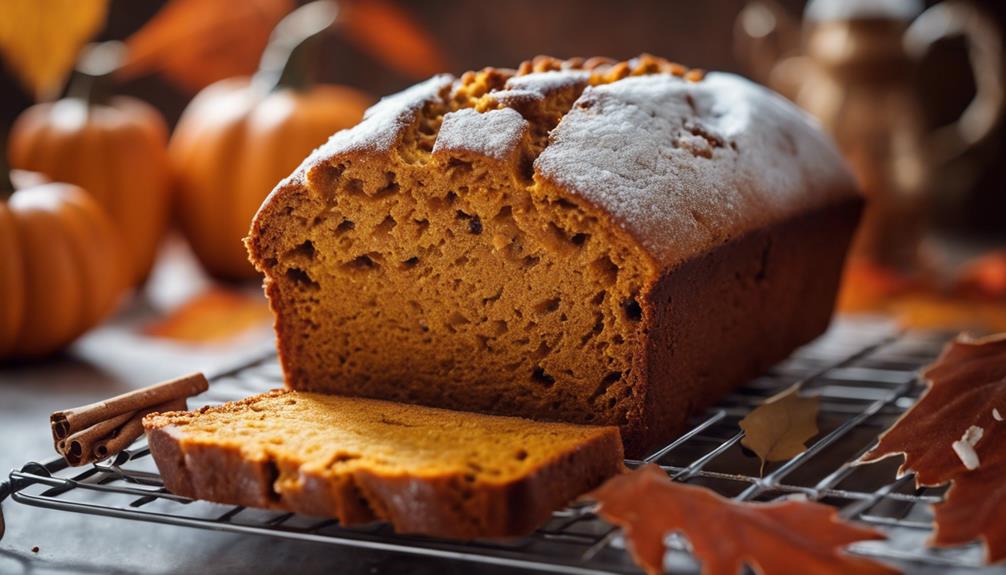
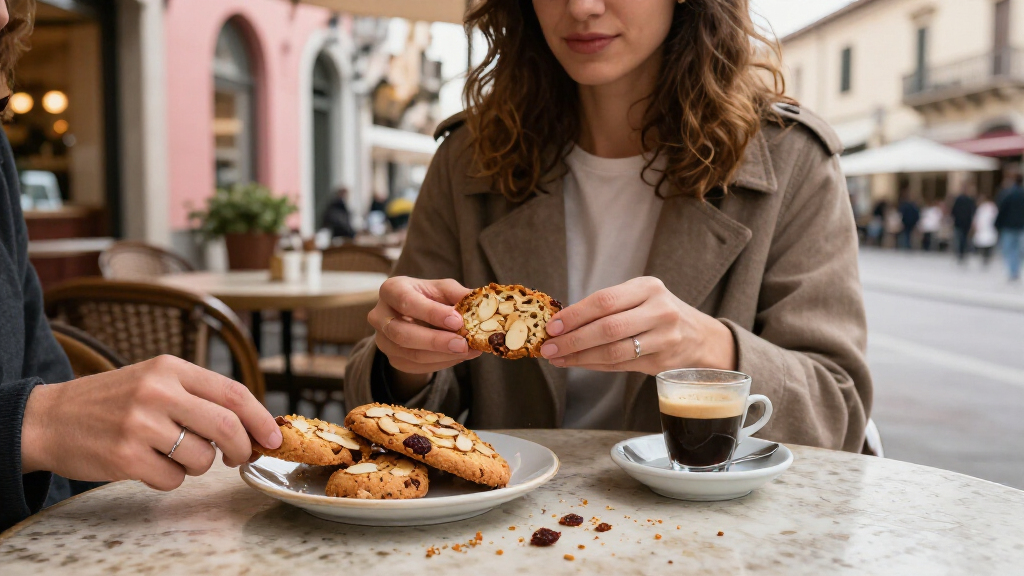
If you are expecting a crusty loaf, the shape and texture may surprise you. Think of a flattened, chewy cookie with a little crunch from almonds and sweet, plump raisins, often made from crushed dry biscuits. The exact recipe changes from one household or bakery to another, which is part of the pleasure: you can taste the family’s hand in each version.
This guide will help you understand the sweet’s place in Milanese and Lombard food culture, recognize the ingredients and textures you might find, and plan a bakery stop or a home baking session. You will also learn how to handle common allergens and how to keep the folklore in perspective: Pane dei Morti carries a memorable name, but no single origin story or definitive recipe speaks for every family.
Pane dei Morti means “bread of the dead,” but Milanese versions are usually flattened, chewy biscuits or small cakes rather than loaves.
Look for it in bakeries in Milan and Lombardy in the weeks around All Saints’ Day, November 1, and All Souls’ Day, November 2.
Common ingredients include crushed dry biscuits, flour, sugar, cocoa, nuts, raisins, warm spices, and sometimes wine or another binding liquid.
Families and bakeries vary the ingredients, shape, and texture; there is no single recipe that defines every Lombard version.
Check for wheat or gluten, tree nuts, dried fruit, and possible wine, and ask about cross-contact if allergies matter.
Milan · Lombardy · Autumn tradition
Pane dei Morti:
bread of the dead
A dark, spiced seasonal sweet shared around All Saints’ Day and All Souls’ Day. Despite its name, this Milanese classic is usually a soft, chewy biscuit or small cake—not a loaf.
01 / At a glance
A cookie with a small-cake soul
The name points to remembrance; the shape and texture belong to the sweet-biscuit family.
Pane dei Morti means “bread of the dead.” In Milan, it is commonly a flattened, dark bake with a soft, chewy center and a little crunch. Crushed dry biscuits often form its sweet base, with cocoa, nuts, raisins and spices bringing autumn warmth.
Think flattened cookie, not crusty bread. The exact recipe is a family or bakery signature, with no single formula defining every Lombard version.
02 / The flavor map
What makes each bite
Ingredients work together, while household choices shift the aroma, sweetness and chew.
Dark, fragrant, pleasantly chewy
Cocoa gives the dough its deep color. Raisins bring honeyed sweetness; almonds or other nuts add crunch. Cinnamon, cloves or nutmeg leave a warm aroma. A thinner bake may firm at the edges, while a thicker one can stay soft in the middle.
03 / A seasonal tradition
Why it appears in early November
A local sweet meets a wider Italian custom of marking remembrance days with special foods.
A day of religious observance, family visits and remembrance.
A day associated with remembering those who have died.
In Milan and surrounding Lombardy, families may buy Pane dei Morti from a bakery or make it at home as autumn brings visits, meals and memories. Sharing the sweet connects an everyday pleasure with a season set aside for remembrance.
Origins belong to folklore. Stories vary: some mention older offerings for the dead; others point to using dried fruit, nuts or leftover biscuits. These are traditions and explanations, not one settled history tied to a known date or inventor.
04 / Find it, bake it, share it
A simple seasonal food trail
A bakery visit or a family batch can reveal how a shared tradition takes different forms.
Late October into November
Availability is most closely tied to the weeks around November 1 and 2, though some bakeries may offer it through more of autumn.
Milan bakeries
Try: “Avete il pane dei morti?” (“Do you have Pane dei Morti?”) A quick call can save a detour.
Compare and share
Pair a piece with coffee, tea or dessert wine. Notice whether one version leans cocoa-rich, raisin-sweet or spice-forward.
Remember
Notice the November calendar and its local meaning.
Ask
Check the bakery counter for that week’s seasonal batch.
Taste
Look for the balance of cocoa, fruit, nuts and spice.
Share
Bring a box home for coffee and conversation.
05 / Recipe variations
One tradition, many family hands
There is no single recipe followed everywhere. Shape, ingredients and bake all influence the result.
| What can vary | Common possibilities | What you may notice |
|---|---|---|
| Base | Crushed dry biscuits, flour, sugar | Sweet, crumbly structure with a tender bite |
| Mix-ins | Almonds or other nuts; raisins or dried fruit | Crunch and little bursts of fruit sweetness |
| Spice + liquid | Cinnamon, cloves, nutmeg; sometimes wine or another liquid | Warm aroma and dough that holds together |
| Shape + finish | Oval or flattened pieces; sometimes icing sugar | Soft center, firmer edge, or a light snowy finish |
06 / Ingredient check
Ask before you taste
Its dark color can hide ingredients. Ask the baker or read the full recipe when dietary needs matter.
Common allergens and ingredients
Wheat or gluten may come from flour and biscuits; tree nuts may be mixed into the dough. Raisins and other dried fruit are common, and some versions use wine. Recipes can be adapted, but every bakery and batch differs.
Home baking, family style
Choose a recipe that combines crushed dry cookies, flour, sugar, cocoa, nuts, raisins and spices. Treat quantities and additions as a household variation, not a test of authenticity. Shape flattened pieces, bake, then finish with icing sugar if desired.
The thread that connects it
From remembrance to the shared table
Pane dei Morti carries local memory through a small, warmly spiced autumn sweet.
What you’ll actually taste in Milan’s Pane dei Morti
Pane dei Morti is a seasonal Lombard sweet, usually shaped as a flattened biscuit or small cake rather than baked as a loaf. Milanese versions commonly combine crushed dry cookies, flour, sugar, cocoa, nuts, raisins, and warm spices into a dark dough that bakes up soft and pleasantly chewy. Some recipes add wine or another liquid to bring the mixture together.
Expect a flavor that unfolds in layers. Cocoa gives the bake its brown color and a mellow, bittersweet note; raisins bring little bursts of honeyed sweetness; almonds or other nuts add a firmer bite. Cinnamon, cloves, or nutmeg can make the kitchen smell like a spice drawer opened beside a pot of autumn tea.
Texture depends on the recipe and the bake. A thicker piece may stay soft in the center, while a thinner one can dry a little more around the edges. If you buy one in Milan, you might notice a dusting of icing sugar; if you bake at home, the same dough could look rough and rustic before it ever reaches the oven.
The useful mental picture is a cookie with the soul of a small cake. That helps you know how to serve it: set one beside coffee for an afternoon pause, or offer it after dinner as a small seasonal sweet. Its name may sound dramatic, but the flavor is warm, familiar, and made for sharing.
Products Worth Considering

Dyson Car+Boat Cordless Handheld Vacuum

Philips Hue Festavia Globe Outdoor String Lights, 32 Bulbs, 91 ft

Sony BRAVIA 5 85-Inch Mini LED 4K HDR Smart TV (K-85XR50)
As an affiliate, we earn on qualifying purchases.
Why Milan eats this sweet around November 1 and 2
Pane dei Morti is eaten around All Saints’ Day on November 1 and All Souls’ Day on November 2 because the sweet belongs to a local season of remembrance. In Milan and surrounding Lombardy, families look for it in bakeries and make it at home as autumn brings a calendar of visits, meals, and memories. The food connects an everyday pleasure to days set aside for the dead.
That connection is part of a wider Italian pattern: special foods often mark religious observances and local traditions, though each region has its own dishes and customs. Pane dei Morti is one Lombard expression of that pattern, not a recipe that represents all of Italy. If you are planning a November trip, ask a Milanese bakery what they are making that week; a seasonal counter can reveal more about local habits than a generic menu ever could.
The stories told about the sweet’s beginnings vary. Some accounts link foods for the dead to older offerings, while other explanations point to practical use of dried fruit, nuts, or leftover biscuits. Those are pieces of folklore, not one settled history you can confidently pin to a date or a named inventor.
That uncertainty does not make the custom less meaningful. A family might buy Pane dei Morti after visiting relatives, then bring the box home to share over coffee. The sweet marks the season through a simple act: people gather, remember, and pass around something made to be eaten together.
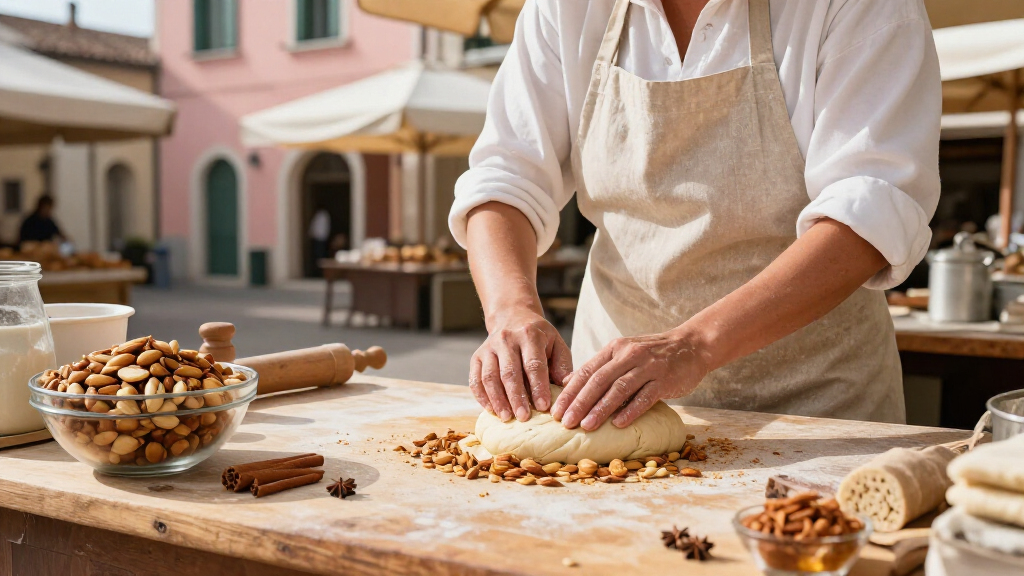
How the ingredients shape every chewy, spiced bite
In Pane dei Morti, crushed dry cookies build a sweet, crumbly base, while flour helps hold the dough together. Cocoa darkens the mixture, sugar rounds it out, and nuts and raisins add contrasting bites. Cinnamon, cloves, or nutmeg supply the warm aroma; a splash of wine or another liquid may help bind the ingredients, depending on the recipe.
These parts work like a small kitchen orchestra. The dry biscuits set the rhythm, the flour keeps things together, the raisins sing the sweet notes, and the spices hum in the background. Swap one family’s preferred nut for another or change the spice mix, and you can hear the tune shift without losing the seasonal character.
For example, a baker may use almonds for a firm crunch, while a home cook might use walnuts because that is what the pantry holds. One batch could be soft and almost cake-like; another, thinner and a little firmer. That variation is why asking a baker what is in their version is more useful than searching for a single official formula.
Check labels before serving: wheat or gluten may come from flour and biscuits, and tree nuts may be present in the dough. Raisins and other dried fruit are common, while wine may appear in some recipes. If you have a food allergy, ask about ingredients and cross-contact rather than relying on appearance; a dark biscuit can hide nuts beneath its cocoa color.
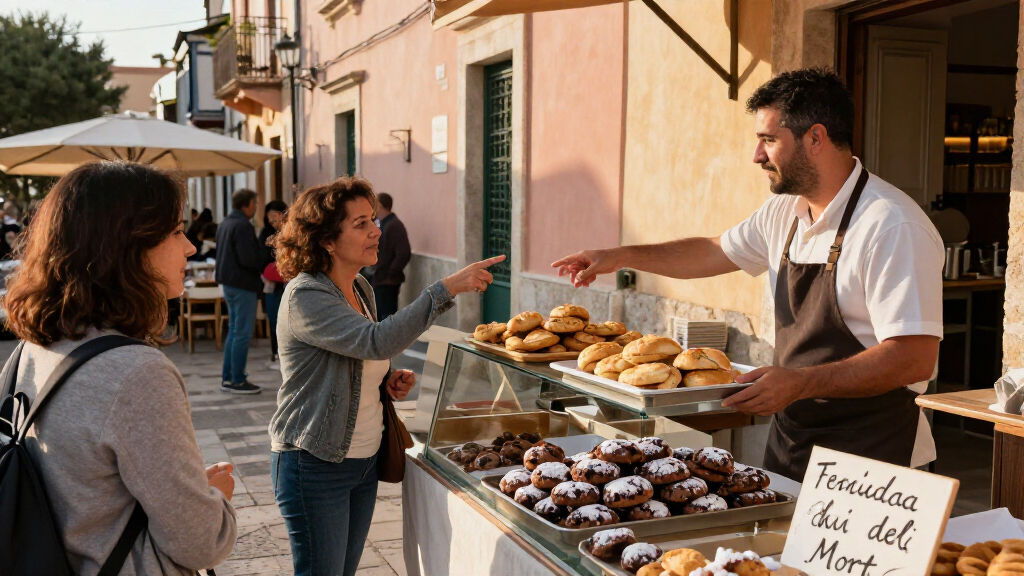
Where to find Pane dei Morti, and when to ask
Look for Pane dei Morti at Milan bakeries and pastry counters in the weeks around November 1 and 2, when the sweet is most closely tied to the local calendar. Some shops may carry it through more of the autumn, but availability depends on the bakery. A quick call or a question at the counter can save you a detour if you are visiting from outside the city.
Try asking, “Avete il pane dei morti?”—“Do you have Pane dei Morti?” Then ask whether their version contains almonds, other nuts, or wine. One bakery may make a dark, thick piece with a soft center; another may offer a flatter biscuit with a firmer edge and a light veil of icing sugar.
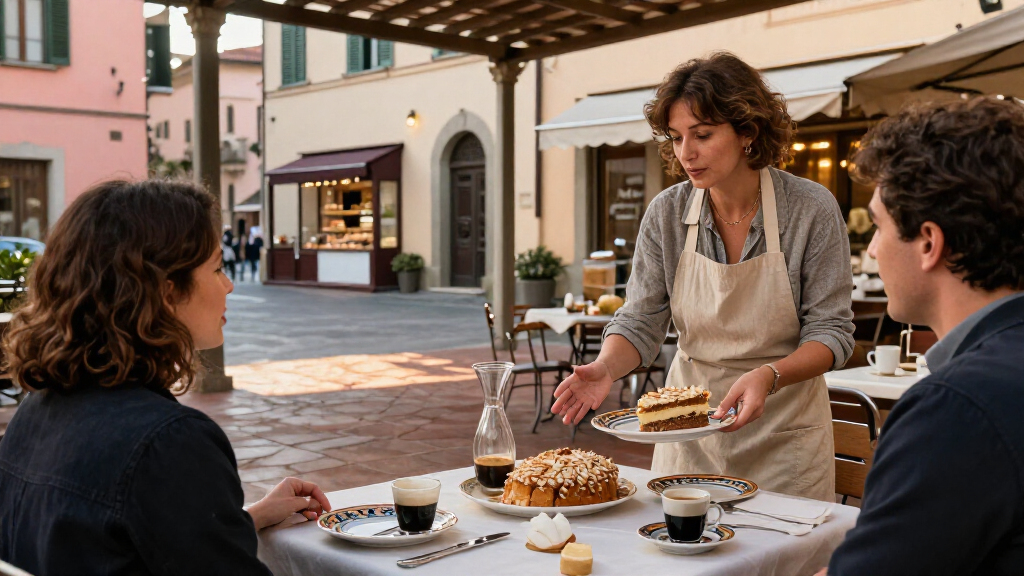
Imagine arriving in Milan on October 30 and finding several versions in neighboring shops. Buy one from each and compare them with a friend over espresso: is one more generous with raisins, does another lean into cinnamon, or does a third taste more cocoa-rich? That small comparison makes a seasonal walk through the city a food experience instead of a checklist.
Serve the sweet with coffee or tea when you want to keep the spice notes in focus. Some people may pair it with dessert wine; if you do, keep alcohol for adults and enjoy it responsibly. For children or anyone avoiding alcohol, tea, milk, or coffee makes an easy alternative. The point is the pause around the table, not a prescribed pairing.
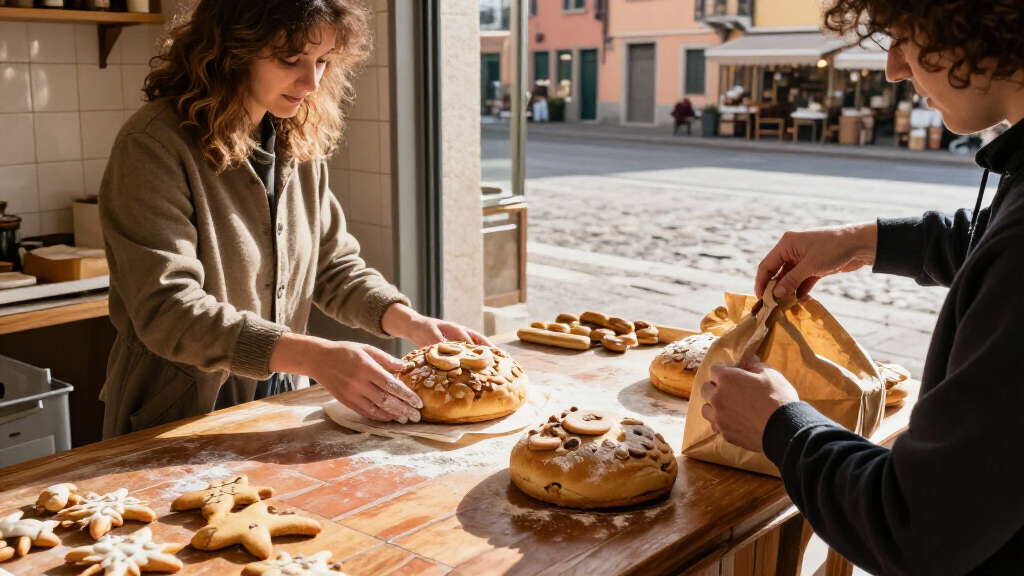
How to bake a family-style version without chasing one ‘perfect’ recipe
To bake Pane dei Morti at home, choose a family-style recipe that combines crushed dry cookies, flour, sugar, cocoa, nuts, raisins, and spices, then follow its stated proportions and oven directions. Recipes differ, so use a tested recipe for exact quantities and baking time; treat the ingredient list as a guide to the sweet’s character, not a universal formula. Shape the dough into small flattened ovals or rounds, as many versions do.
- Check the recipe and ingredients. Set out the dry biscuits, flour, sugar, cocoa, dried fruit, nuts, spices, and any liquid it calls for. Read labels for allergens before you start.
- Crush the biscuits and mix the dry ingredients. Aim for fine crumbs with a few slightly larger pieces if you like a less uniform texture.
- Add the fruit, nuts, and binding liquid. Mix until the dough holds together; use the recipe’s guidance rather than pouring in liquid freely.
- Shape and bake. Flatten the portions so they bake evenly, then use the recipe’s temperature and timing. Let them cool before serving.
Picture a chilly afternoon with the oven warming the kitchen and cinnamon rising over the smell of cocoa. You can make the process a family ritual: one person crushes the biscuits, another measures raisins, and someone else forms the ovals. The shapes need not match; a homemade tray often looks more inviting when each piece has its own edges.
Because ingredients and equipment vary, rely on the recipe’s food-safety directions, keep raw dough away from ready-to-eat foods, and wash hands and tools after handling it. Store cooled pieces in a clean, covered container according to your recipe’s storage advice, and follow the recipe or ingredient labels for any ingredients that need refrigeration. Recipes can be adapted, but substitutions may change texture and allergens; never promise a nut-free or gluten-free batch unless you can control ingredients and cross-contact.

How to spot a family variation without calling it inauthentic
There is no single Pane dei Morti recipe followed by every Milanese home or Lombard bakery. Ingredients, shape, thickness, and texture change from one version to the next, so it makes more sense to think of the name as a family of related seasonal sweets. The recognizable thread is a dark, spiced autumn bake associated with remembrance days.
One baker may include more cocoa and raisins; another may lean on almonds and a clove-forward spice blend. A home cook might use a different nut or a decorative finish. These choices can reflect family preference, pantry habits, or a baker’s own approach. If a piece is soft rather than crisp, that does not automatically make it a mistake.
Modern cooks also adapt the ingredients for dietary needs or personal taste. You may see a version with a different dried fruit, a changed spice balance, or a finish that is not icing sugar. Treat these as variations rather than claiming that one newer choice has become the standard across Lombardy.
When you want to understand a version, ask the person who made it what gives it its character. “My grandmother used more cinnamon” tells you something more honest than a claim that every family has always used precisely the same formula. If you are baking, choose the texture you enjoy: a soft center for a cake-like bite, or a thinner shape if you prefer a firmer edge.
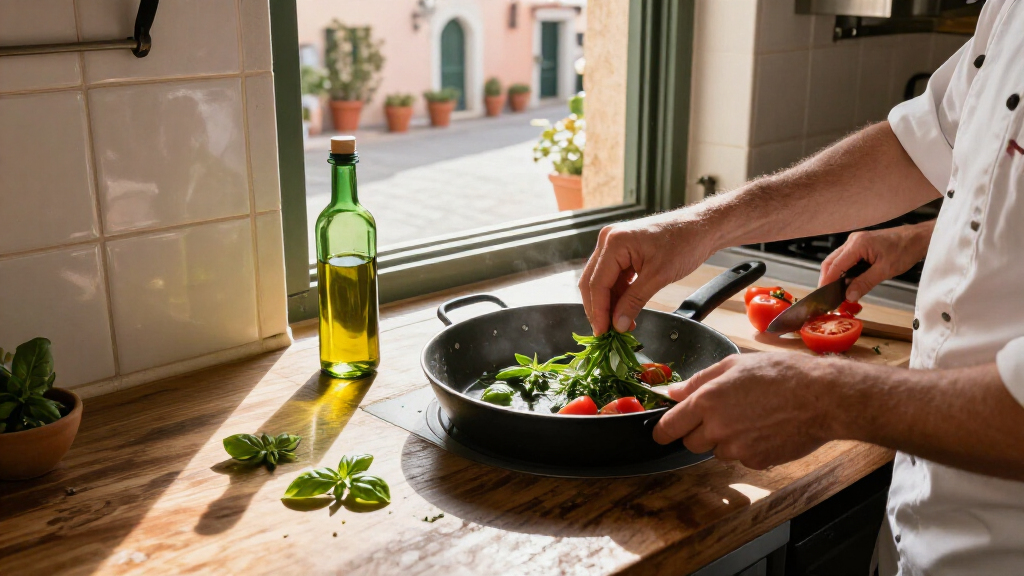
How to enjoy the sweet while keeping its name and traditions in view
Enjoy Pane dei Morti as a Milanese and Lombard seasonal sweet, and keep its name connected to its remembrance-day setting. “Bread of the dead” is a translation, not a literal description of a standard loaf. That small distinction helps you explain the food accurately when you share it with someone who has never seen it.
It also helps to keep the dish local. Related sweets and traditions exist elsewhere in Italy, but similar names do not make their recipes identical. If a friend brings you a different regional “bread of the dead,” ask about the place and occasion behind it rather than assuming it is simply another Milanese variation.
For a practical table, serve a few pieces after a November meal and let guests compare their favorite details: the raisins, the cocoa, the spice, or the nutty crunch. You could label the plate with the sweet’s name and its translation, then mention that household recipes vary. A short explanation gives the dish its context without turning a family gathering into a lecture.
Remember the food-safety basics when you share it. Make the ingredient list available, especially for guests who avoid wheat, gluten, tree nuts, or alcohol, and prevent cross-contact if someone has an allergy. If you bought the sweet, ask the bakery about its ingredients and storage instructions. A little care lets everyone focus on the warm, chewy bite and the memories around the table.
Frequently Asked Questions
Is Pane dei Morti actually bread?
Usually, no. In Milan and Lombardy it is generally a flattened, sweet biscuit or small cake, often made with crushed dry cookies. The name means “bread of the dead,” but the texture is more likely to be soft and chewy than loaf-like.
When do people eat Pane dei Morti?
It is most closely associated with All Saints’ Day on November 1 and All Souls’ Day on November 2. Milan bakeries may sell it in the surrounding weeks of autumn, so ask locally if you are visiting earlier or later in the season.
What does Pane dei Morti taste like?
Expect a sweet, spiced flavor with cocoa, nuts, and raisins or other dried fruit. The texture can be soft and chewy or somewhat firmer, depending on the recipe, thickness, and bake.
Is there one authentic recipe for Pane dei Morti?
No single recipe represents every family and bakery. Ingredients and proportions vary across Lombardy, including the choice of nuts, spices, dried fruit, and finishing sugar. Think of Pane dei Morti as a group of related seasonal recipes.
Can Pane dei Morti be made without nuts or gluten?
Recipes can be adapted, but many versions contain tree nuts and wheat or gluten from flour and biscuits. Check every label and prevent cross-contact if an allergy or intolerance matters; do not assume a bakery version is free from an ingredient unless the bakery confirms it.
Is Milanese Pane dei Morti the same as other Italian sweets for the dead?
No. Other places in Italy have their own foods and customs associated with remembrance days, and similar names do not mean the recipes are the same. Pane dei Morti is specifically associated with Milan and Lombardy.
Conclusion
When November brings you to Milan, ask a bakery for Pane dei Morti and taste the version that shop makes for the remembrance season. If you bake at home, start with a recipe you trust, then notice how cocoa, raisins, nuts, and spices shape the bite. Keep the regional connection clear and the ingredient list handy for anyone with allergies.
Remember the sweet as a small, chewy piece of Lombardy’s autumn: a dark oval beside a cup of coffee, shared while a family tells stories that deserve another place at the table.