
TL;DR
Carciofi alla giudia are Roman Jewish artichokes, traditionally made with round, tender Romanesco artichokes called mammole. The first fry cooks the whole artichoke; opening it further and frying it again crisps the leaves into a golden flower. Choose fresh artichokes, dry them well, fry in batches, and serve them hot with lemon.
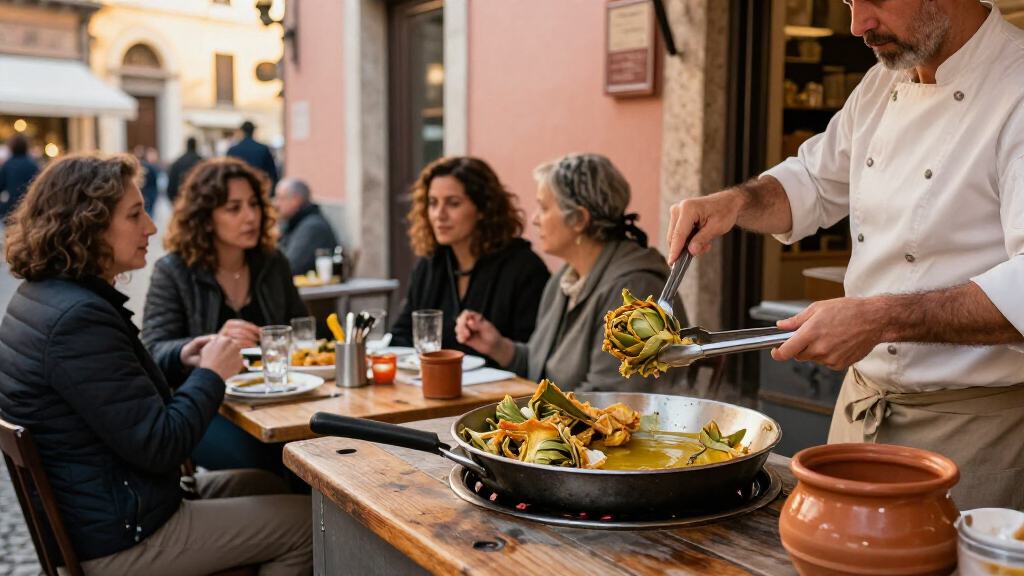
At a Roman table, a whole artichoke can arrive looking like a golden flower with leaves that crackle when you pull them apart. That is carciofi alla giudia, or “Jewish-style artichokes,” a signature dish of Rome’s historic Jewish community. The contrast is the pleasure: a tender heart tucked inside crisp, salty leaves. The shape is more than decoration: spreading the leaves gives heat and oil access to more surface, so each bite can have a different balance of crunch and tenderness.

Get kitchen staples and gadgets delivered free with Prime
- Fast, free delivery on millions of items
- Prime Video, Amazon Music and more included
- Member-only deals all year
You can make the dish at home when artichokes are in season, usually from late winter into spring. The method is simple in outline—trim, open, fry, open again, and fry once more—but the artichoke’s variety, dryness, and the oil’s heat all matter. Think of the first fry as cooking the center and the second as crisping the petals. That division also explains the main tradeoff: rushing the first stage can leave a tough heart, while too much heat in the second can brown the leaves before the center is ready.
This guide explains the dish’s Roman Jewish roots, how to choose and prepare artichokes, and how to fry them safely and evenly. You’ll also learn how carciofi alla giudia differs from carciofi alla romana, what to order in Rome, and how to adapt the method if your market has only ordinary globe artichokes. Those substitutions can make a good meal, but knowing what changes helps set expectations about the shape and tenderness.
Romanesco mammole artichokes are the traditional choice because they are round, relatively tender, and nearly thornless.
The first fry cooks the artichoke; opening the leaves and frying again at higher heat creates the crisp finish.
Dry artichokes thoroughly and fry in batches to reduce splattering and avoid greasy leaves.
Carciofi alla giudia are fried; carciofi alla romana are usually braised with herbs such as mint and parsley.
Serve the fried artichokes hot with lemon, and eat the crisp parts of the leaves along with the heart and stem.
Carciofi alla Giudia A Twice-Fried Artichoke
This Roman Jewish classic turns a whole artichoke into crisp, open leaves around a tender heart. Each fry has a distinct job.
A Dish Rooted in Rome
Its name means “Jewish-style artichokes,” linking the dish to Rome’s historic Jewish community and neighborhood tradition.
Roman Jewish cooking
A seasonal vegetable and simple ingredients become a crisp, generous dish.
Eat leaf to heart
Pull away the crisp parts of the leaves, then enjoy the tender heart and stem.
Choose a Tender Artichoke
Romanesco artichokes, also called mammole or cimaroli, are the traditional choice.
Choose compact artichokes with tightly packed leaves and a firm stem.
Remove tough leaves, trim the top and stem, then gently spread the leaves.
Globe artichokes work too, though tougher leaves can change the shape and texture.
Two Fries, Two Jobs
The first cooks through; the second gives the opened leaves their signature crunch.
- Cook the heart and stem until tender.
- Drain and cool briefly.
- Open the leaves further.
- Fry at higher heat until crisp and golden.
What Sets It Apart
The cooking method changes the artichoke’s texture and shape.
| Dish | Method | Result |
|---|---|---|
| Carciofi alla Giudia | Fried twice | Open, crisp leaves |
| Carciofi alla romana | Braised with herbs such as mint and parsley | Tender, herb-scented artichoke |
What Makes Carciofi alla Giudia a Roman Jewish Classic
Carciofi alla giudia are whole artichokes trimmed, opened, and fried twice until the centers turn tender and the outer leaves become crisp. The dish is closely associated with Rome’s historic Jewish quarter and generations of Roman Jewish cooking. Its name means “Jewish-style artichokes,” tying the food directly to a living community and tradition.
That context matters when you order one. This is more than a fried vegetable that happens to look dramatic on a plate; it carries a neighborhood history, and its familiar form comes from a specific Roman food culture. Food traditions also change as families and cooks carry them forward, so a restaurant version can vary while still drawing on that history. If you visit Rome in artichoke season, seek it out in the Jewish quarter and enjoy it as part of a meal rather than treating it as a novelty prop.
Roman Jewish cooking often makes a lot from modest ingredients, and this dish is a vivid example: a seasonal vegetable, seasoning, and hot oil become something crisp and generous. The shape resembles a flower, but the leaves are edible where they have fried thin and crunchy. You pull one away, taste the salty edge, and work inward toward the softer heart. The progression from leaves to heart is part of the eating experience: each layer offers a different texture, and the whole vegetable is used rather than reduced to its center.
Restaurants beyond Rome now serve the dish, and home cooks adapt it to local varieties. Those versions can be satisfying, though the artichoke variety changes the texture. When you can find Romanesco artichokes, also called mammole or cimaroli, you are closest to the traditional choice. Their round shape and relatively tender leaves make them easier to open into an even flower; a tougher or more irregular artichoke can still be fried, but may require extra trimming and yield fewer crisp, pleasant leaves.
Products Worth Considering

Philips Hue Festavia 65-Foot Smart LED String Lights, 250 Color-Changing Mini LEDs

Levoit Core 400S-P Smart Air Purifier for Large Rooms

Sonos Arc Ultra Soundbar with Dolby Atmos, Black
As an affiliate, we earn on qualifying purchases.
Choose Tender Artichokes for Crisp, Open Leaves
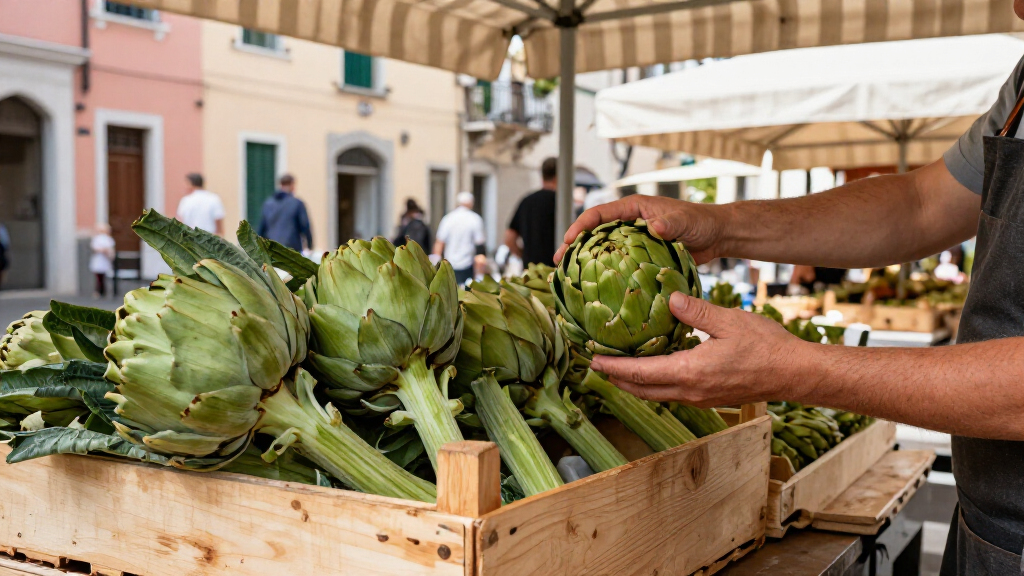
Carciofi alla giudia work best with compact, round Romanesco artichokes called mammole, prized for relatively tender leaves and few thorns. Their main season generally runs from late winter through spring, though the exact timing varies with growing conditions and market supply. Look for artichokes that feel heavy for their size, with tightly packed leaves and a fresh, firm stem. These signs suggest the artichoke has retained moisture, which matters because a dry, woody leaf will not become pleasantly crisp simply by frying it.
At a market, gently press the leaves together: a fresh artichoke should feel compact rather than limp or dried out. For a dinner for four, plan on one medium artichoke per person as an appetizer, or more if you want them to anchor the meal. A small, round artichoke is easier to open evenly than a large, irregular one. That evenness helps the second fry: leaves spread to similar widths brown more consistently, while tightly bunched spots can stay soft as exposed tips darken.
Can you use ordinary globe artichokes? Yes, but expect a different result. They may have tougher leaves or pronounced tips, so trim them carefully and accept that fewer outer leaves will be pleasant to eat. A thornier artichoke is still useful; it simply asks for more trimming and may not fan into the same neat flower. The tradeoff is availability: using what your market sells can make the dish practical at home, even if the result is less like the Roman version.
Seasonality is part of the pleasure. If you buy artichokes in early spring, serve the fried ones beside a lighter plate—perhaps greens or fish—so their crunchy, rich edges stand out. The seasonal choice gives you a better chance of tender leaves and connects a home meal to the Roman markets where this dish belongs. Buying in season also helps you choose among fresher specimens, rather than trying to compensate for tired artichokes with more oil or longer frying.
Fry Twice to Get a Tender Center and Crunchy Petals
Carciofi alla giudia get their signature texture because each frying stage has a separate purpose: the first cooks the artichoke through, and the second crisps its opened leaves. Treat the method like cooking a potato before roasting it: the center needs time, while the outside needs a hotter finish. You can season simply with salt and pepper, then serve lemon at the table. Keeping the stages distinct gives you more control: if you try to cook the center and brown the leaves at once, one part may be ready long before the other.
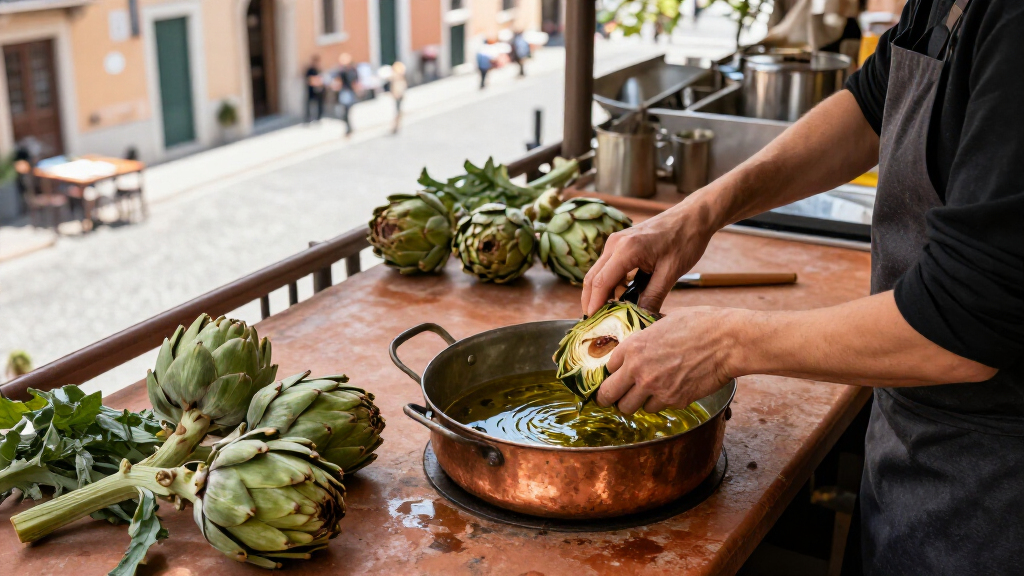
- Trim and shape: Remove tough outer leaves, trim the top and stem, and pare the stem so it stays tender. Gently spread the leaves into a flower, taking care not to break the base. The base holds the artichoke together, so opening it gradually helps expose the leaves without making the flower fall apart.
- Dry and season: Wash only if needed, then dry the artichokes thoroughly. Season with salt and pepper. Water on the leaves can make oil sputter, and moisture can also interfere with browning, so a careful dry helps both safety and texture.
- First fry: Fry until the heart and stem soften. Recipes vary on whether to use olive oil or another frying oil; use a pan and oil suited to frying, and avoid crowding. Crowding lowers the oil’s temperature and makes cooking less even, so frying in batches may take longer but gives each artichoke room to cook predictably.
- Open and drain: Lift the artichoke out with tongs and let excess oil drain. Once it has cooled enough to handle safely, open the leaves further so more surface can crisp. This pause matters because the artichoke is hot and the leaves can tear when handled too soon; the wider opening also lets the second fry reach inner leaves.
- Second fry: Fry again at a higher temperature until the leaves turn golden and crisp. Drain well and serve hot. Watch the color closely: the leaves are thin, so they can move from crisp to over-dark quickly, while a short drain helps preserve their crunch.
A kitchen example makes the timing clear: if the first artichoke comes out with a firm heart, give the next one more time in the first fry rather than trying to fix the center with a very hot second fry. A hotter finish can brown the outside, but it cannot reliably soften a center that was undercooked. Keep children and pets away from the pan, lower artichokes gently, and follow the oil or fryer’s instructions for safe frying.
Keep the Leaves Crisp Instead of Greasy
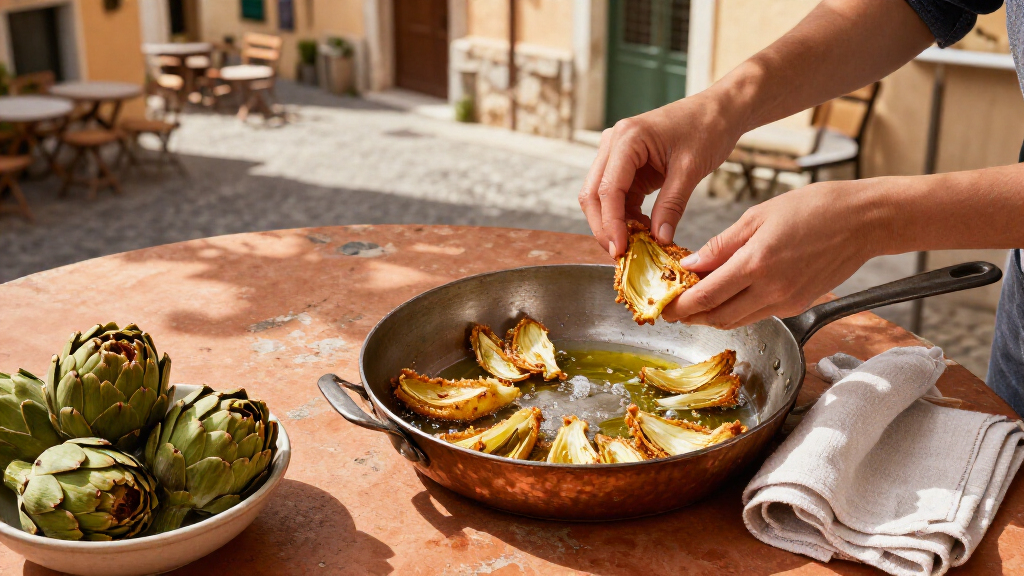
Dry leaves, steady oil heat, and space in the pan do most of the work when you want crisp artichokes. Water on the surface makes hot oil spit, while a crowded pan cools the oil and leaves food limp. These small details matter as much as the flower shape: if the leaves come out sodden, they lose their delicate crunch. The goal is not simply to remove oil afterward, but to let the leaves brown while the oil stays hot enough to cook them efficiently.
Dry each artichoke carefully after washing, including the gaps between its leaves. If your artichokes are wet, pause to pat them dry before they reach the pan. Add them in manageable batches; for example, fry one or two at a time in a home pan rather than packing in all four for a dinner party. Smaller batches take longer, but the steadier temperature usually gives a more consistent result and makes it easier to monitor each artichoke.
Drain the artichokes after the first fry and again after the second. A wire rack or paper towels can catch excess oil, but give the pieces a little breathing room so trapped steam does not soften the crisp leaves. Let the oil return to its working temperature between batches, following the instructions for your fryer or oil thermometer rather than guessing from appearance alone. If the oil is too cool, the leaves absorb more and stay limp; if it is too hot, their thin edges can darken before the artichoke is properly heated.
Use a deep, stable pan and keep its handle turned inward. Never leave hot oil unattended, and keep water away from an oil fire; if oil catches fire, turn off the heat only if you can do so safely and smother the flames with a lid. For a practical meal plan, trim the artichokes before guests arrive, then fry close to serving time so the leaves reach the table crackling. This timing balances convenience with texture: most preparation can happen ahead, but the finished artichokes are at their best fresh from the pan.
Tell Fried Jewish-Style Artichokes from Roman Braised Ones
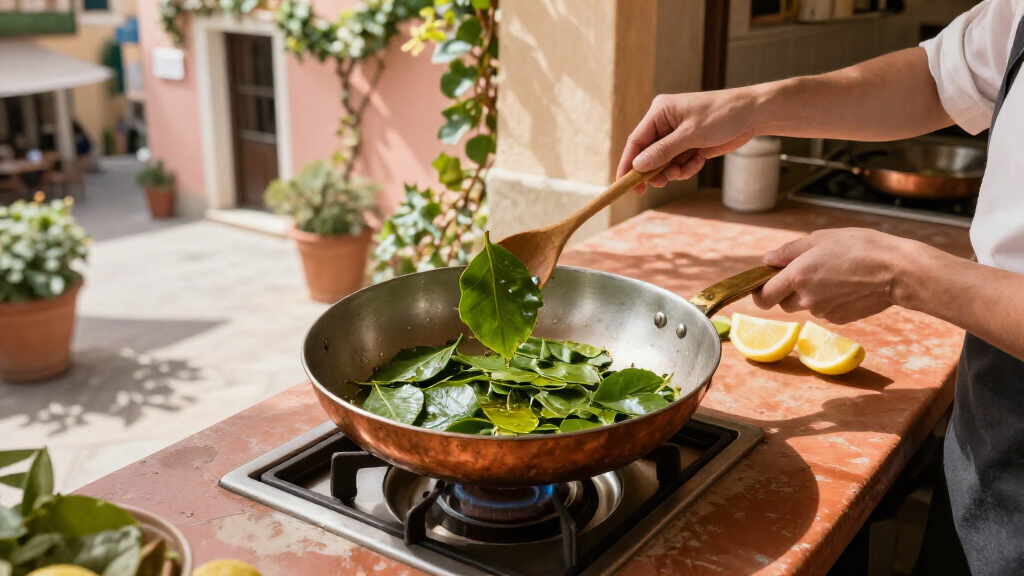
Carciofi alla giudia are fried and opened into crisp flowers; carciofi alla romana are typically braised whole with herbs and liquid. Both belong to Roman cooking, but their flavor and texture are distinct. One gives you a crisp leaf to nibble; the other gives you a soft, herb-scented artichoke to cut with a fork. The distinction is useful when ordering because the same main ingredient can arrive as a crunchy starter or a tender side, with very different expectations for how it is eaten.
| Dish | How it is cooked | What you’ll notice |
|---|---|---|
| Carciofi alla giudia | Trimmed, opened, and fried twice | Golden, crunchy leaves and a tender heart |
| Carciofi alla romana | Usually braised whole with mint and parsley | Soft leaves with a savory, herbal flavor |
Imagine ordering dinner in Rome and seeing both on a menu. Choose alla giudia if you want a crunchy appetizer to share; choose alla romana if you prefer a softer vegetable side that can soak up its cooking juices. Trying both across separate meals is a good way to understand how the same seasonal ingredient changes with technique. Frying emphasizes the leaf and its browned edges; braising carries flavor into the vegetable and leaves it soft enough to eat with a fork.
The names also help you ask a useful question in a restaurant: “Is this the fried Jewish-style one or the braised Roman-style one?” Preparation can vary from kitchen to kitchen, so ask about the oil if you have dietary restrictions. The traditional fried dish is generally plant-based, but a restaurant’s actual ingredients and cooking practices determine what is safe for you. Asking about preparation is especially helpful if shared fryers or added seasonings matter to your needs.
Serve Them Hot with Lemon and Eat the Tender Leaves
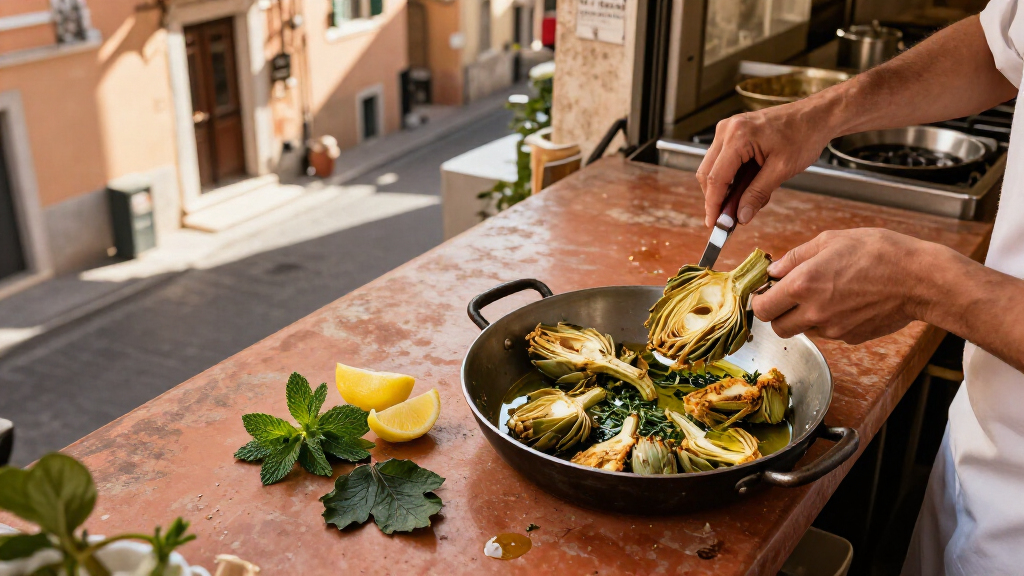
Serve carciofi alla giudia hot, while the leaves are still crisp, and offer lemon for a bright finish. The contrast is part of the dish: the oil gives the edges a rich, toasted flavor, while citrus lifts each bite. A simple plate and a small bowl for discarded tough leaf bases keep the experience relaxed. Lemon is best added at the table because coating every leaf in advance can soften the crisp surface.
Start at the outside and pull off a leaf. Eat its thin, crisp portion, then leave the thicker, fibrous base if it resists your teeth. Work inward to the tender heart and stem, which you can eat once they have cooked through. If you have only encountered steamed artichokes, the crisp leaves may surprise you; here, the outside is the snack. Eating from the edge inward also makes the changing texture clear, from brittle tips to the substantial center.
As an antipasto (starter), one artichoke per person makes a generous opening to dinner. You can also serve them as a side with a lighter main course. Their rich crunch sits nicely beside a fresh salad or simply cooked fish, while a crowded table of several fried dishes can make the meal feel heavy. Pairing them with something fresh or simply seasoned gives the artichoke room to be the focus without making the meal feel one-note.
Make only as many as you expect to serve right away. Fried leaves soften as they sit, so a platter that looked magnificent at the stove may lose its crackle after a long wait. If you are cooking for friends, bring the hot plate straight to the table, squeeze lemon over a few leaves, and let everyone discover how far the crunch carries into the flower. The short window at peak crispness is part of the dish’s character, and planning around it is more effective than trying to reheat a finished artichoke.
Frequently Asked Questions
What does “alla giudia” mean?
Alla giudia means “Jewish-style” in Italian. In carciofi alla giudia, it points to the Roman Jewish tradition associated with this twice-fried artichoke dish.
Why are carciofi alla giudia fried twice?
The first fry cooks the artichoke through, including the heart and stem. After you open the leaves further, the second fry crisps and browns them into the dish’s familiar flower shape.
Can I make the dish with ordinary globe artichokes?
Yes. Choose small, compact artichokes when possible, trim thorny tips carefully, and expect tougher outer leaves or a less even shape than you would get with Romanesco mammole.
Can I bake or air-fry carciofi alla giudia?
You can try, but the texture will differ from the traditional version. The open, crisp leaves are associated with frying, so an oven or air fryer may not deliver the same golden crunch.
How do I keep the artichokes from turning greasy?
Dry them thoroughly, avoid crowding the pan, and let excess oil drain after each fry. Give the oil time to return to its working temperature between batches, and serve the artichokes soon after cooking.
Are the artichoke leaves meant to be eaten?
Eat the thin, crisp parts of the leaves and leave any thick, fibrous base that feels tough. The tender heart and cooked stem are also meant to be enjoyed.
When are Roman artichokes in season?
Romanesco artichokes are generally associated with late winter through spring, though exact availability changes by year and market. Look for fresh, compact artichokes with firm leaves.
Conclusion
When artichokes return to the market in late winter and spring, choose compact Romanesco mammole and give each one two deliberate fries: the first for a tender center, the second for crisp, golden leaves. Dry them well, leave room in the pan, and serve them as soon as they come out. Each choice supports the next: a tender artichoke opens more easily, dry leaves brown better, and an uncrowded pan helps them crisp without absorbing excess oil.
Then take your time with the flower. A crackling leaf, a squeeze of lemon, and the soft heart underneath carry the taste of Rome’s Jewish quarter straight to your table. The dish’s appeal lies in that change of texture, as well as in the community and seasonal cooking tradition behind it.