
TL;DR
Trippa alla Romana is a traditional Roman stew of tender beef tripe simmered with tomato and aromatics, then finished with mint and Pecorino Romano. Its flavor is mild and savory, while its lightly springy texture is distinctive; serve it hot with crusty bread and let the sauce, mint, and salty cheese introduce you to the offal gently.
A forkful of trippa alla Romana can smell of simmered tomato, fresh mint, and salty cheese before you remember what tripe is. That contrast is part of the dish’s charm: the sauce tastes familiar, while the tender, lightly springy beef tripe asks you to try a new texture.

Get kitchen staples and gadgets delivered free with Prime
- Fast, free delivery on millions of items
- Prime Video, Amazon Music and more included
- Member-only deals all year
This is a traditional Roman dish, rooted in cucina romana (Roman cooking) and the resourceful tradition of using the whole animal. You’ll learn what tripe is, what a well-cooked bite feels like, why mint matters, and how to serve or prepare the stew without guesswork. If you’re planning a meal in Rome or cooking at home, that context makes the first taste easier to enjoy.
Think of this guide as an honest invitation, not a dare. You don’t need to pretend tripe tastes like beef stew; you just need a warm bowl, a little bread for the sauce, and a fair description of what’s on your fork.
Tripe is the edible lining of a cow’s stomach; it is not intestine, and beef is typical for this Roman dish.
Expect a mild, savory flavor with a tender, slightly springy texture—not the texture of shredded meat.
Tomato, Pecorino Romano, and fresh mint give trippa alla Romana its characteristic balance.
Check how your tripe was prepared before cooking; package directions and a butcher’s advice help you plan the simmer.
Serve the stew hot with crusty bread, season after tasting, and add fresh mint near the end.
Trippa alla Romana A gentle first taste of offal
Tender beef tripe meets familiar tomato, fresh mint, and salty Pecorino Romano. The flavor is mild and savory; the lightly springy texture is what surprises first-timers.
Know what is on your fork
Tripe is the edible lining of a cow’s stomach, not intestine. In this Roman stew, it is cooked until tender.
Mild, springy tripe
Its flavor is gentle when properly cleaned and cooked, but its texture stays distinct.
Cucina romana
The dish reflects a resourceful tradition of cooking varied cuts and using the whole animal.
The signature balance
Each part makes the first bite more approachable.
Cook to tenderness
Preparation varies by product, so let its instructions guide your timing.
Read the package and ask your butcher whether it is raw, partly cooked, or ready to cook.
Cook with tomato and aromatics until tender; taste a piece instead of relying only on the clock.
Add fresh mint near the end, season after tasting, and serve hot with crusty bread.
A tradition with practical roots
The Roman dish is associated with working-class food culture and quinto quarto, the “fifth quarter” of offal and other less prized animal parts.
- Start with a small piece and plenty of sauce.
- Use bread to catch the tomato sauce.
- Mint cuts through the rich sauce.
- Pecorino adds a salty, savory finish.
Know What You’re Eating Before You Take a Bite
Trippa alla Romana is a Roman stew made with beef tripe, the edible lining of a cow’s stomach, cooked until tender in a tomato-based sauce. It is not intestine, and tripe’s flavor is usually mild when the product has been properly cleaned and cooked. The texture stays distinct: soft, slightly springy, and more resilient than shredded meat.
In Rome, this dish belongs to cucina romana and its tradition of making satisfying meals from varied cuts. Tripe is part of quinto quarto, or “fifth quarter,” a name for offal and other less prized animal parts. That history speaks to thrift and skill; it doesn’t mean the dish is an old recipe kept behind glass. You’ll still find regional cooking traditions in everyday meals, where a good sauce and careful timing make a humble cut feel generous.
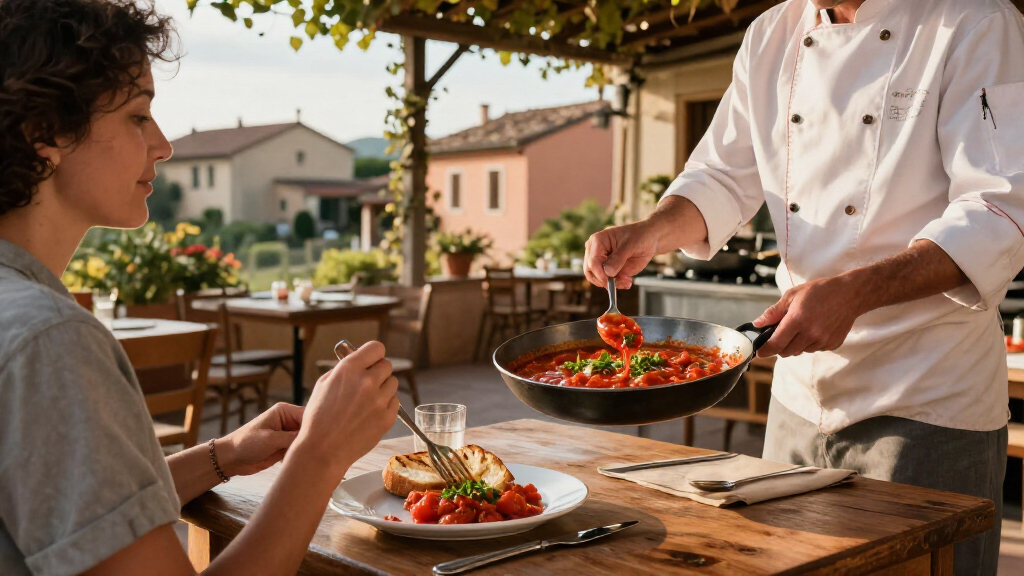
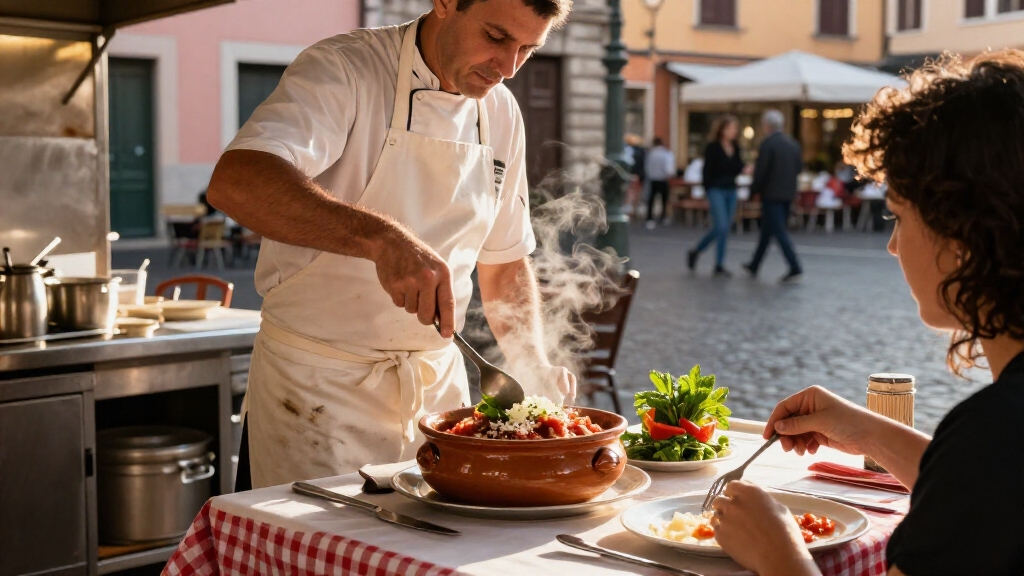
Most versions use cleaned beef tripe, often honeycomb tripe or another prepared variety. Honeycomb tripe has a visible pattern and holds sauce in its folds. At a Roman trattoria, you might see it served in a shallow bowl, glossy with tomato and scattered with cheese, with bread within easy reach.
That setting offers a useful first-taste strategy: take a small bite with a little sauce and cheese. You’ll get the mild tripe, the tomato’s gentle sweetness, and the Pecorino’s salty edge together, so no single texture or flavor has to carry the whole experience.

Products Worth Considering

Sonos Arc Ultra Soundbar with Dolby Atmos, Black

eufy Security E30 4K Indoor Pan and Tilt Camera, 2-Pack

Roborock RockMow X130H Wire-Free 4WD Robot Lawn Mower
As an affiliate, we earn on qualifying purchases.
Try the Tomato, Mint, and Cheese Combination That Wins Skeptics
Trippa alla Romana tastes savory and warmly tomato-rich, with a fresh mint aroma and a sharp, salty finish from Pecorino Romano. The tripe itself is generally mild; its lightly chewy, springy texture is the part that surprises newcomers. Properly cooked, it should feel tender and pleasant to chew, not rubbery or tough.
A useful way to understand the dish is to taste its ingredients as a team. Tomato and aromatic vegetables create a familiar stew base. White wine, often used in the cooking, adds brightness, while fresh mint cuts through the richness with a cool, green scent. Pecorino Romano gives each bite a savory finish, much like a salty cheese might make a simple bowl of pasta feel complete.
Imagine making a small first portion for a friend who likes tomato sauce but avoids offal. Offer crusty bread and add a modest dusting of cheese. The bread catches the sauce; the mint keeps it lively; the tripe brings the new texture. If the first bite feels unfamiliar, try another with more sauce rather than judging the whole dish from one plain piece.
Roman versions vary, so one exact ratio of tomato, wine, mint, or cheese doesn’t define every cook’s method. Some add cheese during cooking, others at the table. Fresh mint is the more aromatic choice, especially added near the end, but dried mint can work if you use less and accept a quieter fragrance.
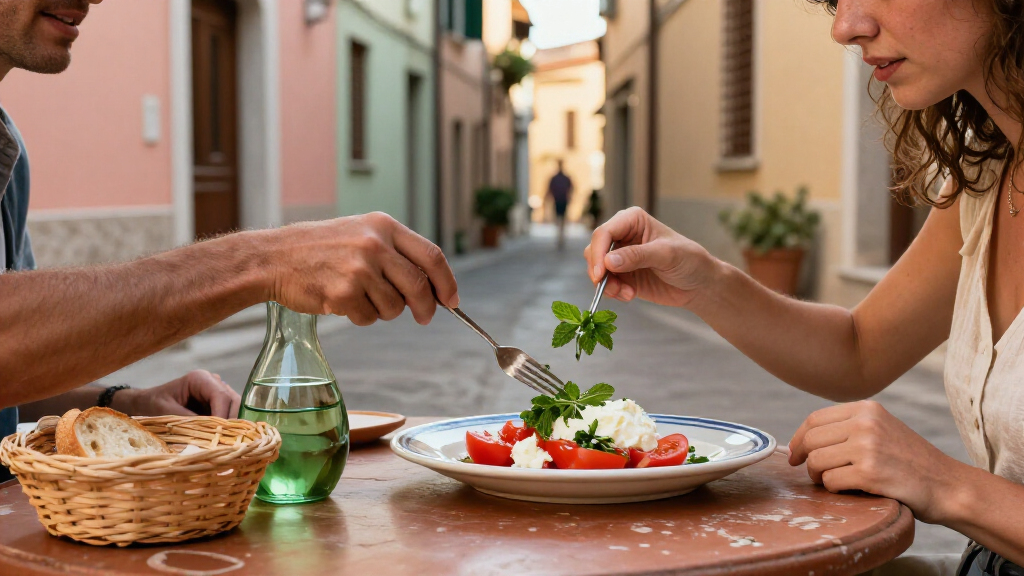
See How a Roman Stew Became a Working-Class Favorite
Trippa alla Romana reflects Rome’s history of making a substantial meal from cuts many diners once overlooked. Its place in quinto quarto—literally “fifth quarter”—connects it to a broader cooking tradition built around using the whole animal. The result is not a novelty stunt; it is a regional dish with a practical past and a recognizably Roman finish.
Offal dishes often grew from kitchens where cooks had to turn available ingredients into food that satisfied a family. In Rome, a pot of tripe could simmer with vegetables and tomato until the sauce clung to each strip. Bread made the meal more filling and kept the flavorful sauce from going to waste. That kind of cooking rewards patience and attention more than expensive ingredients.
Today, nose-to-tail cooking has brought new attention to traditional dishes, and diners who might never cook tripe at home may encounter it on a restaurant menu. Picture a traveler ordering it as part of a Roman lunch: the dish arrives hot, with the tomato scent rising from the bowl and mint just visible among the sauce. The first question may be about the ingredient, but the next is often how to eat it.
Start with the local context when you meet a traditional dish. In Rome, ask how the kitchen serves its tripe and whether the mint is fresh. If you cook it elsewhere, make space for regional variation instead of treating one garnish or recipe as the only authentic version. The Roman character comes from the combination and the tradition, not a rigid formula.
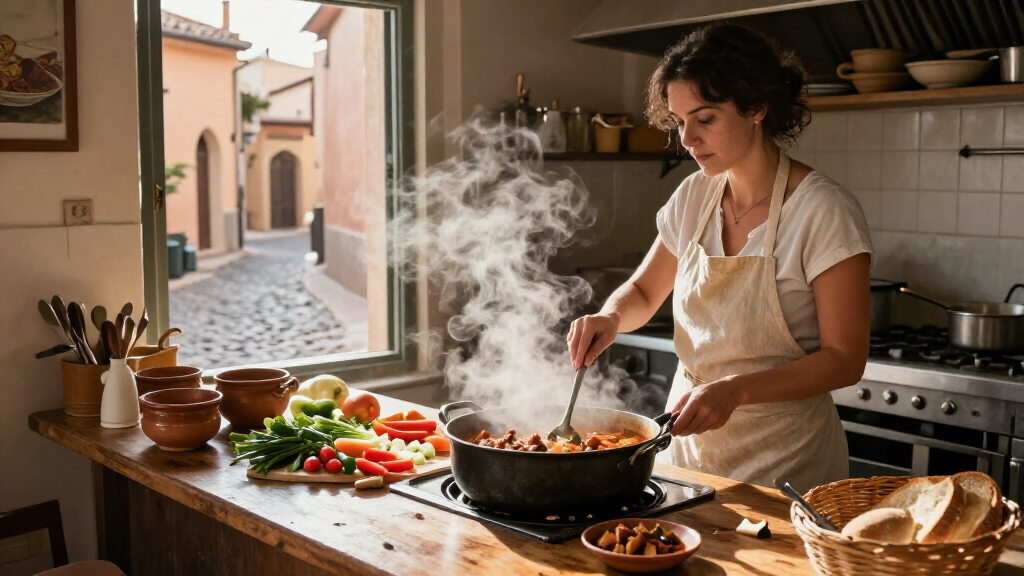
Choose Prepared Tripe That Fits Your Cooking Time
Check the package and ask your butcher before you start: tripe may be sold cleaned and partly cooked, or it may need more preparation and a long simmer. Those products can require very different cooking times. A ready-to-cook package may need much less simmering than raw or partly prepared tripe, so the label and a butcher’s instructions matter more than a single recipe’s clock.
For a home cook planning Sunday lunch, that small conversation can save hours. Ask whether the tripe needs cleaning, how much cooking it has already had, and what tenderness to expect. If the instructions call for a long simmer, keep it gentle. A hard boil can make it difficult to judge texture and may break down the sauce before the tripe is ready.
Once you have prepared tripe, build the tomato stew with aromatic vegetables such as onion, celery, and carrot, plus garlic and white wine if your recipe uses them. Add the tripe and simmer until tender according to the package’s preparation guidance. Taste a piece rather than relying only on the timer: it should yield easily but keep its characteristic spring.
- Read the label and confirm whether the tripe is raw, partly cooked, or ready to cook.
- Follow the package or butcher’s preparation instructions for any cleaning and initial cooking.
- Simmer gently in tomato sauce and aromatics until tender, checking a piece for texture.
- Taste before salting, then finish with fresh mint and Pecorino Romano near serving.
As with any meat product, keep tripe refrigerated before cooking and follow the package’s safe-handling instructions. Don’t leave cooked stew at room temperature for extended periods; refrigerate leftovers promptly and reheat them thoroughly before serving.
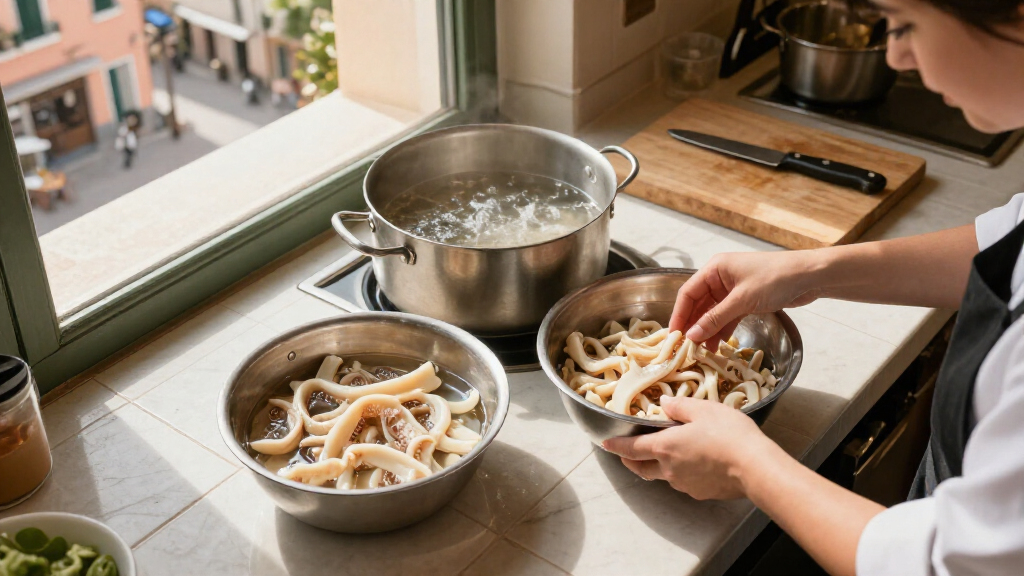
Finish the Stew So the Mint Stays Bright
Add fresh mint near the end to preserve its vivid aroma, and season carefully because Pecorino Romano is already salty. The sauce should taste rounded and savory, not buried in cheese or salt. These last adjustments matter: a stew can simmer beautifully and still lose its freshness if the mint goes in too early or the seasoning gets heavy.
Give the sauce a taste before you reach for the salt. If it already has plenty of depth, add only a little cheese at the table. Pecorino Romano is a hard sheep’s-milk cheese with a sharper, saltier character than Parmesan, so a spoonful can change the whole bowl. Parmesan is a possible substitute, but the result will taste milder and less pointed.
For example, if you’re cooking trippa alla Romana on Saturday for a Sunday meal, you can make the stew ahead and gently reheat it. The flavors may deepen as it rests, much like other tomato stews. Hold back some fresh mint for serving, so the reheated sauce still carries a clear, green fragrance instead of a muted herbal note.
There’s room to adjust the dish without changing its character. A little chili appears in some cooks’ versions, but heat isn’t required; mint, tomato, and Pecorino are the more recognizable notes. Serve a small amount first if you’re unsure. You can add more cheese or bread at the table, but it’s harder to pull excess salt or chili back out of the pot.
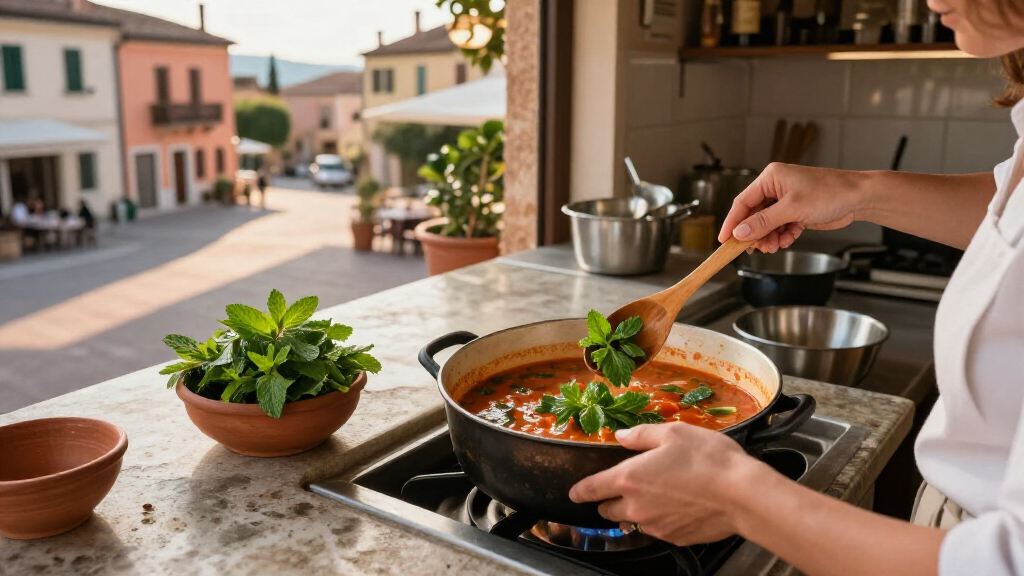
Serve It as a Saucy Main, Not a Bowl of Soup
Trippa alla Romana is generally a thick, saucy stew, not a broth-based tripe soup. Serve it hot as a substantial main course, with crusty bread to catch the tomato sauce. A simple side, such as potatoes, can round out the meal without competing with the mint and Pecorino.
For a practical Roman-style dinner at home, bring the stew to the table in a warm serving dish and set out bread and extra cheese. Keep the portions modest when you’re serving first-time diners; a small bowl lets them learn the texture without feeling committed to a large plate. If they like it, seconds are easy. The same approach works at a restaurant: order one dish to share if the table wants to taste before choosing a full portion.
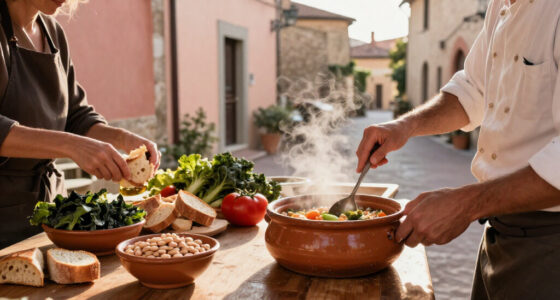
Pairing is mostly about giving the sauce room. A crusty loaf gives you a firm outside and a soft center that soaks up the red, savory juices. A plain potato side adds comfort without introducing another strong flavor. You don’t need a complicated spread when the stew already carries tomato, aromatic vegetables, herbs, and cheese.
If you serve wine, keep the meal comfortable and drink responsibly; adults only. Water and bread are just as welcome at the table. For leftovers, refrigerate promptly in a covered container and reheat thoroughly. Add a little fresh mint after reheating if the original aroma has softened, and taste again before adding salt because the cheese will still contribute plenty.
Frequently Asked Questions
What is tripe, and is it intestine?
Tripe is the edible lining of a ruminant’s stomach, most often beef in trippa alla Romana. It is not intestine. A butcher can tell you which variety you’re buying and whether it has already been cleaned or partly cooked.
Does trippa alla Romana taste strong?
Properly cleaned and cooked tripe usually tastes mild and savory. The tomato sauce, aromatic vegetables, mint, and Pecorino Romano supply much of the dish’s flavor. Its texture is more distinctive than its taste: tender with a slight spring.
Is the Roman tripe stew spicy?
It does not have to be spicy. Some cooks add chili, but tomato, mint, and Pecorino Romano are more defining flavors. If you’re serving someone who is unsure about tripe, leave chili on the side so the first taste stays focused on the Roman combination.
Can I make trippa alla Romana ahead?
Yes. Like many tomato stews, it can be made ahead and gently reheated, and its flavors may deepen as it rests. Refrigerate leftovers promptly in a covered container, reheat them thoroughly, and add some fresh mint near serving if you want a brighter aroma.
Can I replace Pecorino Romano with Parmesan?
Yes, though the flavor will change. Pecorino Romano is a sharp, salty sheep’s-milk cheese; Parmesan is generally milder. Add any substitute gradually, taste before salting, and remember that cheese supplies salt as well as savory depth.
How can I make tripe less intimidating for a first-time diner?
Serve a small portion with plenty of tomato sauce, crusty bread, and a little cheese. Describe the texture honestly as tender and lightly springy rather than calling it the same as shredded meat. A first bite with sauce and mint gives the tripe a familiar, fragrant introduction.
Conclusion
Give trippa alla Romana a fair first taste: a small, hot portion with tomato sauce, fresh mint, Pecorino Romano, and bread. The tripe will have its own springy bite, but the sauce gives you a familiar way in, and the mint keeps each mouthful lively.
Next time you’re in Rome, look for it on a trattoria menu; at home, ask your butcher how much preparation your tripe needs. Then let the last swipe of bread gather the bright red sauce from the bowl.