
TL;DR

Get kitchen staples and gadgets delivered free with Prime
- Fast, free delivery on millions of items
- Prime Video, Amazon Music and more included
- Member-only deals all year
Baccalà Mantecato is a whipped salt cod spread from Venice, rooted in centuries-old preservation methods. This dish combines tradition, flavor, and simplicity, perfect for elegant appetizers or casual bites. Making it involves careful desalting, gentle cooking, and whipping to creamy perfection.
Imagine a dish that’s as much about history as it is about flavor. Baccalà Mantecato isn’t just a spread; it’s a taste of Venice’s soul. You’re biting into centuries of maritime tradition, a creamy, savory reminder of a city built on water and salt. When you spread this whipped salt cod on a crispy crostini, you’re tasting a dish that’s been quietly celebrated for generations, yet remains surprisingly fresh and modern.
This appetizer isn’t complicated, but it’s precise. It demands respect for its ingredients—particularly the salt cod—and a gentle touch during preparation. Its popularity extends beyond Venice, but its roots are unmistakably Venetian, reflecting a history of resourcefulness and craftsmanship. Whether you’re planning a Venetian-themed dinner or simply want to experience a taste of Italy’s maritime heritage, mastering Baccalà Mantecato offers a delicious journey into Italy’s culinary past.
Desalting salt cod properly—soaking for at least 24 hours with frequent water changes—is crucial for authentic flavor and texture.
Whipping the cooked fish with olive oil creates a silky, cloud-like spread that embodies Venetian tradition.
Modern variations, like adding lemon zest or chili, keep Baccalà Mantecato fresh and appealing to new audiences.
Pair it with Veneto’s sparkling wines or light whites to balance its richness and enhance its flavors.
Presentation matters—simple garnishes and thoughtful plating elevate this humble dish into a refined appetizer.
Why Baccalà Mantecato Is a Venetian Treasure You Need to Know
What makes Baccalà Mantecato so special? It’s a dish born from necessity, crafted with humble ingredients that come alive through technique. Salt cod, or baccalà, was once a vital staple for Venice’s sailors and merchants, thanks to its long shelf life and preservation power. This meant that Venetian fishermen could store and carry fish across long voyages without spoilage, ensuring sustenance during months at sea. Over time, this practicality transformed into a culinary tradition—using simple, preserved ingredients to create something much more refined.
The process of turning dried, salted cod into a silky, spreadable delicacy is an art that reflects Venetian ingenuity. Desalting isn’t just about removing salt; it’s about balancing flavor and texture—too little desalting leaves the dish overly salty and tough, while too much can dilute its savory depth. The patience required during this step ensures that the fish retains enough saltiness to enhance the olive oil and herbs, creating a harmonious flavor profile that embodies Venetian resourcefulness—using available ingredients to craft something greater than the sum of its parts. Gentle poaching preserves the fish’s delicate fibers, preventing mushiness, which is crucial for achieving that characteristic smooth, whipped consistency. This meticulous process mirrors Venetian craftsmanship—simple materials transformed through skill into objects of beauty and utility that carry cultural significance beyond their ingredients.
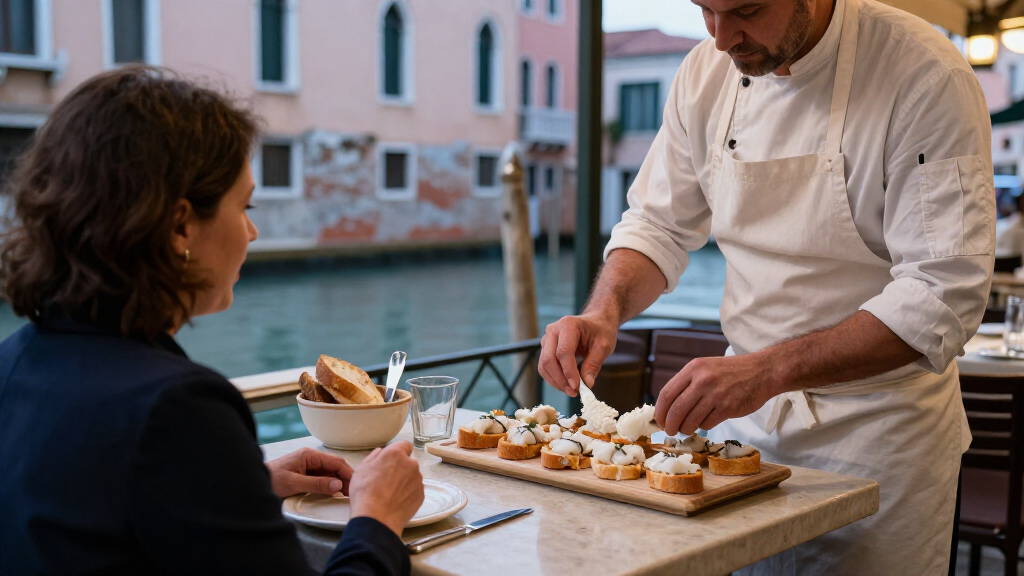
Serving Baccalà Mantecato on crostini isn’t just about taste; it’s about tradition. The act of spreading this creamy mixture on rustic bread echoes Venice’s historical reliance on locally available, humble ingredients elevated through artistry. During Venetian festivals, this dish would be paired with regional wines and olives, emphasizing its role as a communal celebration food. Its cultural importance goes beyond flavor—it’s a symbol of resourcefulness, resilience, and regional identity, connecting Venetians to their maritime past and fostering a sense of shared heritage that has endured through centuries of change.

As an affiliate, we earn on qualifying purchases.
How to Make Authentic Baccalà Mantecato in Your Kitchen
Making Baccalà Mantecato at home is surprisingly straightforward, but it requires patience and attention to detail. The key steps involve desalting, cooking, and whipping, each crucial for achieving the perfect creamy texture. Think of it as a culinary ritual that transforms humble ingredients into a luxurious spread—much like turning raw marble into a Venetian sculpture.
Start with high-quality salt cod—preferably DOP-certified from the Veneto region, ensuring authenticity and flavor. Soaking the fish in cold water, changing the water every 6-8 hours for at least 24 hours, is essential. This gradual desalting process allows the salt to slowly leach out, much like how aging wine develops complexity over time. Proper desalting is vital because it shapes the flavor balance and texture of the final dish—if the salt isn’t fully removed, the dish can become overly salty and overpower the other delicate flavors. Conversely, over-desalting can diminish the natural umami and saltiness that give Baccalà Mantecato its depth. This step requires patience because rushing it may lead to an unbalanced dish, undermining the dish’s characteristic harmony. Once desalinated, gently poach the cod in simmering water or milk—think of this as a delicate spa treatment for the fish—just until it flakes easily, about 10-15 minutes. Drain and let it cool slightly; this step preserves the fish’s moisture and tenderness. Flake the fish into a bowl and whip vigorously with a generous splash of high-quality olive oil. To deepen the flavor, minced garlic and chopped parsley can be added—these ingredients act as flavor enhancers that complement the fish’s natural saltiness. Whipping until the mixture is fluffy and smooth is crucial; imagine beating a cloud into submission—this is the hallmark of authentic texture. Using a hand mixer or fork, avoid overworking it to prevent loss of the delicate, airy quality that makes Baccalà Mantecato so appealing. Serve immediately on toasted crostini, garnished with a drizzle of olive oil, lemon zest, or herbs for a final touch of elegance. Remember, the goal is to create a harmonious balance—each ingredient plays a role in elevating the dish from simple to sublime. The careful execution of each step ensures the traditional qualities are preserved, and the dish’s cultural authenticity remains intact.

Modern Twists and Creative Variations of Baccalà Mantecato
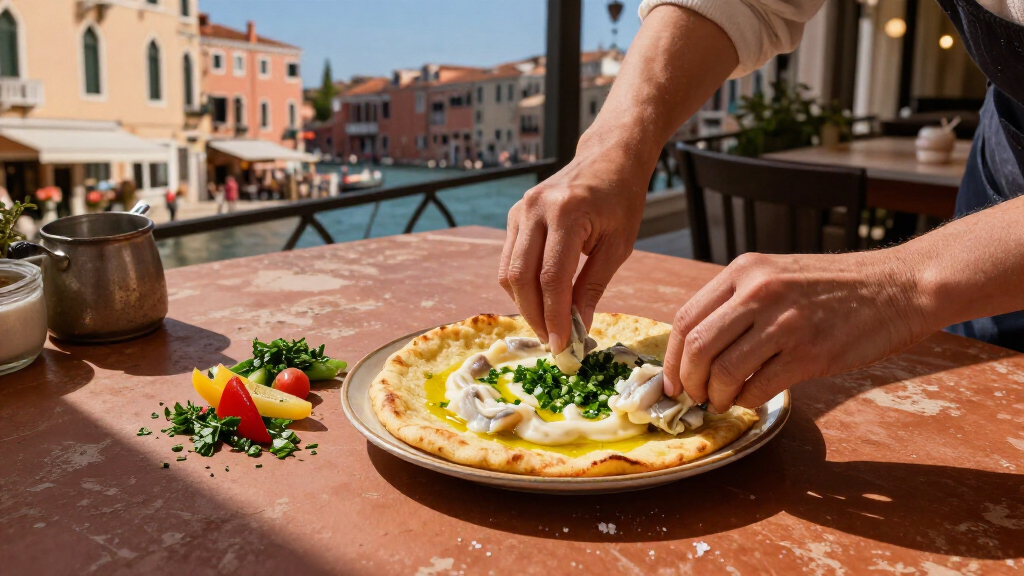
While the classic Baccalà Mantecato remains beloved, contemporary chefs love adding their own spin. Think of it as a blank canvas—each variation is an opportunity to explore new flavors while respecting tradition. For instance, adding lemon zest or juice can brighten the dish, making it more vibrant and suitable for spring menus. Chili flakes introduce a spicy kick that appeals to modern palates craving bold flavors. Anchovies or capers can be incorporated to intensify the saltiness and deepen umami notes—imagine the flavor of a Venetian anchovy salad elevated into a spread. A recent trend involves mixing in a touch of mascarpone or ricotta to enhance creaminess, especially when serving as part of a multi-course meal; this creates a richer, more indulgent texture that balances the saltiness of the fish. These variations show how chefs today are interpreting Venetian tradition in innovative ways, allowing the dish to evolve while still honoring its roots.
Presentation styles have also evolved from simple spreads to more sophisticated displays. For example, some upscale restaurants serve Baccalà Mantecato in small glass jars topped with microgreens or edible flowers, transforming it into a visual centerpiece. Others pair it with grilled vegetables, like eggplant or zucchini, or serve it alongside a selection of cured meats—think Venetian cicchetti—offering a variety of textures and flavors that enhance the overall experience. These creative adaptations demonstrate how chefs are pushing culinary boundaries while maintaining respect for Venetian roots, making the dish accessible and appealing to a new generation of diners seeking innovation without losing the essence of tradition.
Pairing Baccalà Mantecato: What Drinks Make It Sing?
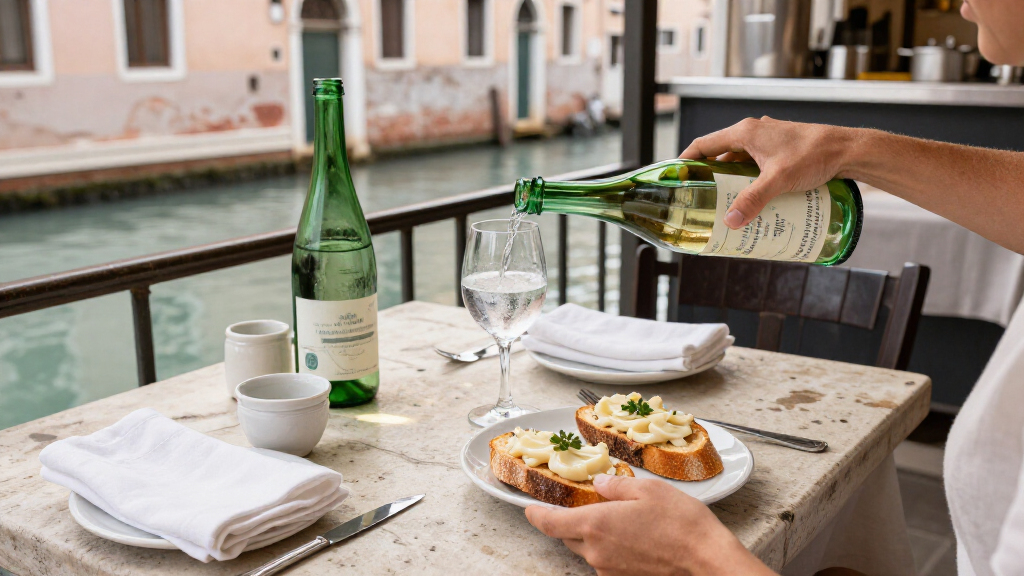
Pairing the right drink with Baccalà Mantecato elevates every bite. Its rich, savory flavor calls for a crisp, refreshing beverage that balances the saltiness and creaminess. Think of it as finding the perfect partner for a dance—each enhances the other’s best qualities.
Traditionally, a chilled glass of Prosecco—Italy’s sparkling wine from Veneto—complements the dish beautifully. The bubbles act like a palate cleanser, cutting through the richness while the subtle fruitiness enhances the salt cod’s umami. For a more refined pairing, a dry Vermentino or a light Pinot Grigio from northern Italy also works well, providing acidity and freshness that lift the flavors. The acidity in these wines contrasts with the dish’s richness, creating a balanced sensation that refreshes the palate after each bite. For example, the citrus notes in Vermentino can highlight the lemon zest in the dish, creating a harmonious flavor harmony. Additionally, light, mineral-driven white wines tend to complement the dish without overpowering it, emphasizing the Mediterranean flavors at play.
For those who prefer something warm, a glass of lightly chilled Vernaccia di San Gimignano offers a slightly nutty, citrusy profile that pairs nicely—think of it as a warm embrace after a day at sea. Avoid heavy reds—they can overpower the delicate flavors and mask the subtle nuances of the whipped cod. In casual settings, a cold Aperol Spritz or sparkling mineral water with a slice of lemon can refresh the palate between bites, making each taste feel new and exciting. The key is harmony—every sip should complement and elevate the creamy, savory spread, much like a well-choreographed dance that leaves a lasting impression. Thoughtful pairing enhances the sensory experience, turning a simple appetizer into a memorable culinary moment.
Serving Tips: How to Present Baccalà Mantecato Like a Venetian Pro
Presentation transforms a simple appetizer into an elegant experience. When serving Baccalà Mantecato, focus on the visual appeal and texture. Use a small, shallow bowl or a rustic terracotta dish to hold the whipped fish, allowing guests to scoop or spread it easily. This not only showcases the creamy texture but also invites interaction, making the dish more engaging.
Top with a drizzle of golden extra virgin olive oil—preferably from Veneto—adding a glossy finish and rich aroma. Garnish with a sprig of parsley, a twist of lemon, or a few capers for added color and flavor contrast. For example, a small sprig of fresh rosemary or a thin lemon wedge can elevate the visual appeal while complementing the flavors.
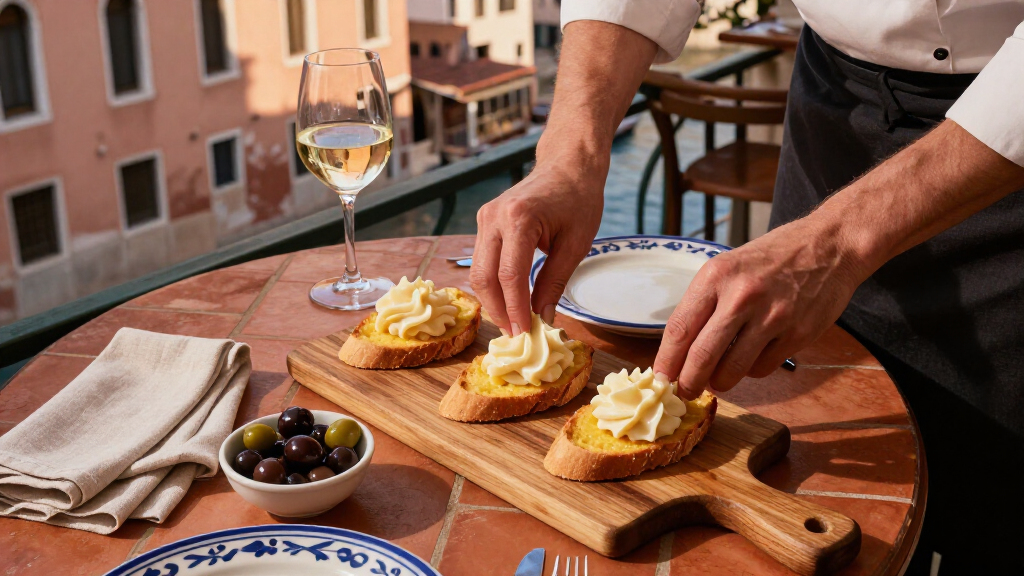
Arrange crisp crostini or toasted baguette slices around the dish. For a more refined presentation, serve on a wooden board with accompaniments like marinated vegetables, pickles, or a handful of olives. This creates a visual feast and a variety of textures for guests to explore, reminiscent of Venetian cicchetti bars. Remember, simplicity is key—let the creamy spread shine, with garnishes that enhance without overwhelming, making the dish both beautiful and inviting. Thoughtful presentation not only appeals visually but also encourages guests to savor each bite, elevating the experience from casual to memorable.
Frequently Asked Questions
How do you properly desalinate salt cod?
Soaking salt cod in cold water for 24 to 48 hours, changing the water every 6-8 hours, is essential. This method is not just about removing salt; it’s about restoring the fish’s natural moisture and delicate texture that are vital for a balanced flavor. The slow process allows the salt to dissolve evenly, preventing overly salty bites and ensuring the fish’s fibers remain tender. Proper desalting is fundamental because it directly influences the final dish’s flavor harmony and texture—if the salt isn’t fully removed, the dish risks tasting excessively salty or having an unpleasant, rubbery consistency. This step is a delicate balance; under-desalting leaves the dish too salty, overpowering the subtle flavors, while over-desalting can diminish the umami richness that makes Baccalà Mantecato so beloved. Mastering this process ensures that the dish maintains its authentic Venetian character, highlighting the importance of patience and technique in traditional cooking.
Can I use fresh cod instead of salt cod?
While it’s possible to substitute fresh cod, it significantly alters the character of the dish. Salt cod’s concentrated flavor and firm, slightly chewy texture are essential for achieving the authentic creamy spread. Fresh cod lacks the intensity of saltiness and the preserved quality that allows for the long, gentle curing process—these are what give Baccalà Mantecato its distinctive depth and complexity. Using fresh fish would require additional seasoning, such as salt or anchovy paste, to approximate the umami and saltiness, but it’s unlikely to replicate the nuanced flavor profile of salt-cured cod. This substitution can lead to a different culinary experience—less about tradition and more about improvisation. Recognizing the importance of ingredient choice underscores the dish’s cultural significance and the skill involved in traditional Venetian preparations. If you opt for fresh cod, be prepared to adjust your seasoning and approach, but understand that it will no longer be a classic Baccalà Mantecato in the strictest sense.
What bread works best for serving Baccalà Mantecato?
Traditional Venetian crostini made from rustic Italian bread or baguette slices are ideal because their sturdy, crispy texture provides a perfect contrast to the silky, whipped cod. The bread’s ability to hold the generous spread without becoming soggy is crucial for a satisfying bite. Toasting the bread with a little olive oil until golden adds a smoky aroma that complements the saltiness of the fish. The thickness of the slices also matters—too thin, and they might break; too thick, and they may overpower the delicate spread. Opting for artisanal bread with a dense crumb ensures a more balanced experience, allowing the flavors of the whipped cod to shine through. The choice of bread isn’t just about taste but about creating a harmonious mouthfeel and presentation that respects Venetian culinary traditions—sturdy, flavorful, and capable of supporting the rich spread. Properly prepared bread elevates the dish from simple to sophisticated, making each bite memorable and satisfying.
Is Baccalà Mantecato healthy?
It’s a nutritious dish rich in protein and omega-3 fatty acids, especially when made with high-quality salt cod. However, because salt cod is preserved with salt, the dish naturally contains a significant amount of sodium. While the health benefits are notable—supporting heart health and brain function—the high sodium content means moderation is advisable, particularly for individuals on low-sodium diets. Think of it as a fine wine: it offers richness and depth, but should be enjoyed in moderation to appreciate its full complexity without overindulgence. Balancing enjoyment with health considerations ensures you can savor the dish while maintaining your well-being. If you are concerned about sodium intake, consider rinsing the fish thoroughly and limiting added salt or salty ingredients. Overall, Baccalà Mantecato can be part of a healthy diet when consumed mindfully, appreciating its nutritional value alongside its cultural significance.
How long does it take to prepare Baccalà Mantecato from start to finish?
The most time-consuming part is desalting the salt cod, which requires at least 24 hours, but often up to 48 hours, depending on the thickness of the fillets and your taste preference. This slow process is essential because it directly influences the flavor balance and the final texture—improper desalting can lead to an overly salty or bland dish. Once desalting is complete, the actual cooking and whipping process is relatively quick—about 30 minutes or less. Planning ahead by starting the desalting process a day before ensures all components are ready for assembly and that the flavors develop fully. Think of it as a culinary investment—patience during desalting results in a more refined, authentic product, much like marinating or aging enhances other dishes. Rushing this step can compromise the integrity of the dish, leading to an imbalance that’s difficult to correct later. Allowing sufficient time for desalting ensures that the final Baccalà Mantecato is true to its Venetian roots—rich, balanced, and full of depth.
Conclusion
Mastering Baccalà Mantecato opens a window into Venice’s maritime soul. Its creamy texture and savory depth tell stories of salt, water, and resourcefulness. When you spread it on crostini, you’re not just serving an appetizer—you’re sharing a piece of Venetian history.
Whether you stick to tradition or add your own twist, this dish invites you to slow down and appreciate simple ingredients transformed through skill and patience. Next time you crave a taste of Italy’s water-bound heritage, remember: a spoonful of whipped salt cod can take you straight to Venice’s bustling canals and quiet alleys.
Halloween Picks
halloween
As an affiliate, we earn on qualifying purchases.