
TL;DR

Get kitchen staples and gadgets delivered free with Prime
- Fast, free delivery on millions of items
- Prime Video, Amazon Music and more included
- Member-only deals all year
Pork loin in milk, known in Italian as arista di maiale al latte, is an Emilian-style roast browned first and gently braised in milk until tender. The milk may separate into soft curds as it cooks; that rustic sauce is normal, and you can serve it as is or blend it smooth. Check whole-cut pork for 145°F (63°C) and let it rest for three minutes before slicing.
Milk turns a lean pork roast into a Sunday centerpiece in this Emilia-Romagna classic. The pot may look a little surprising near the end: the milk can break into small, soft curds, gathering around the browned meat like pale golden pebbles. That rustic sauce is part of the dish’s character.
Known in Italian as arista di maiale al latte (pork loin with milk), the roast is especially associated with the area around Bologna. You brown the pork, add milk and aromatics, then cook it gently until tender. The method gives you deeply savory meat and a mellow sauce with a faint sweetness.
This guide shows you how to choose the cut, manage the milk, check doneness, and serve the roast for a real Sunday meal. You’ll also learn what to do if the sauce separates, how to adapt the recipe without losing its defining character, and how to store leftovers safely.
Use pork loin for neat slices, and monitor it closely because it is lean.
Brown the roast well before adding milk; keep the braise at a gentle simmer.
Check whole-cut pork for 145°F (63°C) and rest it for three minutes before slicing.
Milk curds are normal in this sauce; serve them rustic or blend and strain the liquid.
Store leftovers promptly with the sauce and reheat them gently until hot throughout.
Emilia-Romagna · Sunday table · Cooking guide
Sunday Arrosto:
Pork Loin in Milk
The Emilian way turns a lean roast into a tender centerpiece: brown it well, braise it gently in milk, and serve it with its savory, softly sweet sauce.
01 / At a glance
A roast shaped by milk, heat, and time
Associated with Emilia-Romagna, especially around Bologna, this classic pairs browned pork with milk and a few aromatics. The result is milder than a wine-based gravy, with savory depth and a gentle sweetness.
A short ingredient list
Pork loin, milk, butter or oil, salt, pepper, and aromatics such as garlic or rosemary make a practical base. Wine or broth may appear, but milk defines the dish.
Brown first, simmer softly
A deep golden crust builds flavor before the milk braise. Low, gentle heat lets the cooking liquid reduce without scorching.
Slices with a rustic sauce
Serve the roast sliced with its cooking sauce. Potatoes, polenta, or seasonal vegetables round out a generous family meal.
02 / The method
Four steps from crust to carving board
Use temperature and texture to guide the cook. Roast shape, starting temperature, and cookware affect timing, so a thermometer is more dependable than the clock alone.
Brown
Pat the loin dry, season with salt and pepper, then turn it in warm butter or oil until golden on several sides.
Pour in milk
Add garlic or rosemary and enough milk to braise around the roast. Bring it just to a gentle simmer.
Cook slowly
Partly cover the pot, keep the heat low, and turn the roast occasionally. Lower the heat if the liquid boils hard.
Measure the center
Check the thickest part, away from bone or the pot. Rest the roast before slicing across the grain.
03 / Sauce, understood
Choose the finish that suits your table
As milk cooks with meat juices, it may separate into soft curds and thinner liquid. That is expected in many versions of this dish and does not mean the milk has spoiled.
Spoon it as it is
Bring the pot to the table and spoon the textured sauce over the slices. The tiny curds cling to the meat and carry the flavor of the browned roast.
Blend, then strain
Lift out the pork and let the liquid cool slightly. Blend carefully, following your blender’s instructions for hot foods, then strain for a smoother sauce.
04 / Cut and serving
Neat slices, gentle sides
Pork loin is the classic choice for tidy Sunday slices, but its leanness rewards close attention. Choose an evenly shaped roast so the narrow end does not finish far ahead of the center. Pork shoulder is fattier and more forgiving, though it gives a softer, different result.
Pat the surface dry before browning. Keep seasoning simple, and slice across the grain. Serve with enough sauce to keep each piece moist.
05 / Adapt and keep
Practical choices, same defining idea
A covered oven-safe pot, thermometer, or blended sauce can make the method easier to manage. These are modern conveniences; milk remains the defining braising liquid in the classic approach.
Skip the wine
Wine appears in some versions, but it is not required. You can make a recognizable milk-braised roast without it.
Change the milk
Lactose-free milk may suit some cooks. Plant milks vary in flavor and behavior and will not make the same traditional sauce.
Cool and reheat gently
Refrigerate the roast promptly with its sauce. Reheat gently until hot throughout; loosen a thickened sauce with a little milk or water.
What makes pork loin in milk an Emilian Sunday roast
Pork loin in milk is a gently braised roast associated with Emilia-Romagna, especially the area around Bologna. Known in Italian as arista di maiale al latte, it pairs browned pork with milk, simple seasoning, and a few aromatics. The result is milder than a wine-based gravy, with a savory, softly sweet sauce.
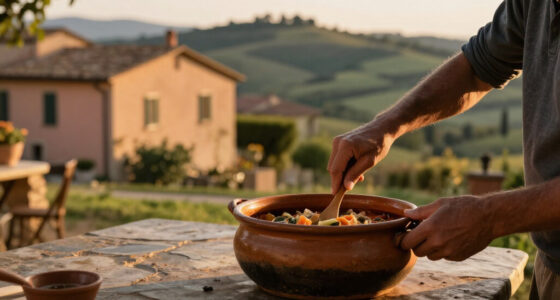
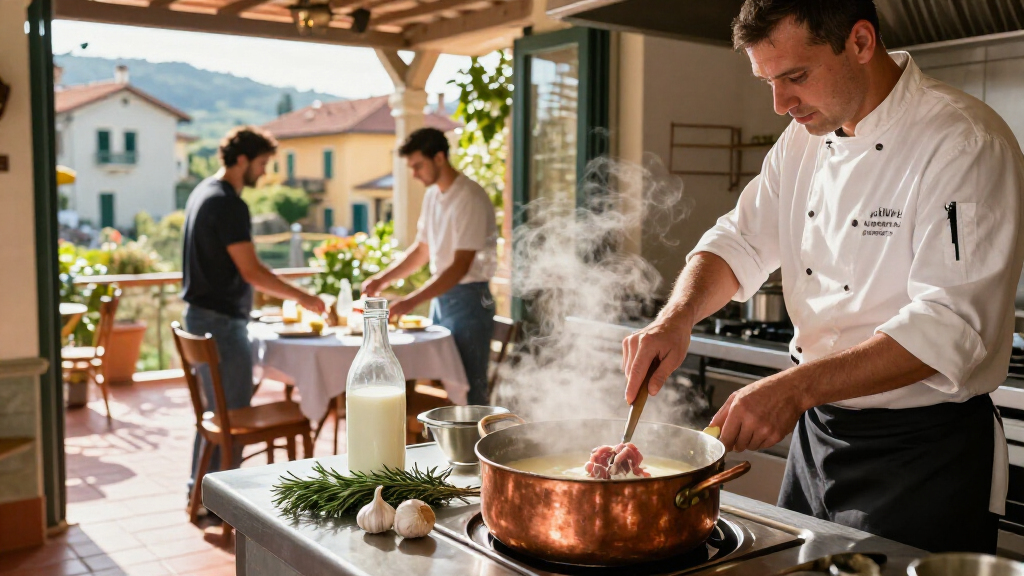
The dish suits a long lunch because the pot does much of the work. Imagine a cool Sunday in Bologna: the roast rests while potatoes turn tender in the oven, and the kitchen smells of rosemary, garlic, and warm milk. You don’t need a complicated list of ingredients to create that sense of occasion. Pork loin, milk, butter or oil, salt, pepper, and an aromatic or two form a practical base.
The milk is not just poured over cooked meat at the end. It braises with the pork and its juices, taking on the flavor of the browned exterior as it reduces. A little wine, broth, or extra herbs may appear in some versions, but milk remains the defining liquid. For instance, you can skip wine entirely and still make a recognizably milk-braised roast.
Think of it as a meeting of two textures: neat, sliceable meat and a sauce that may be rustic rather than silky. Serve the slices on a warm platter and spoon the sauce around them. A bowl of potatoes or seasonal greens turns it into a generous meal without crowding the gentle flavors.
stainless steel meat thermometer instant read
As an affiliate, we earn on qualifying purchases.
As an affiliate, we earn on qualifying purchases.
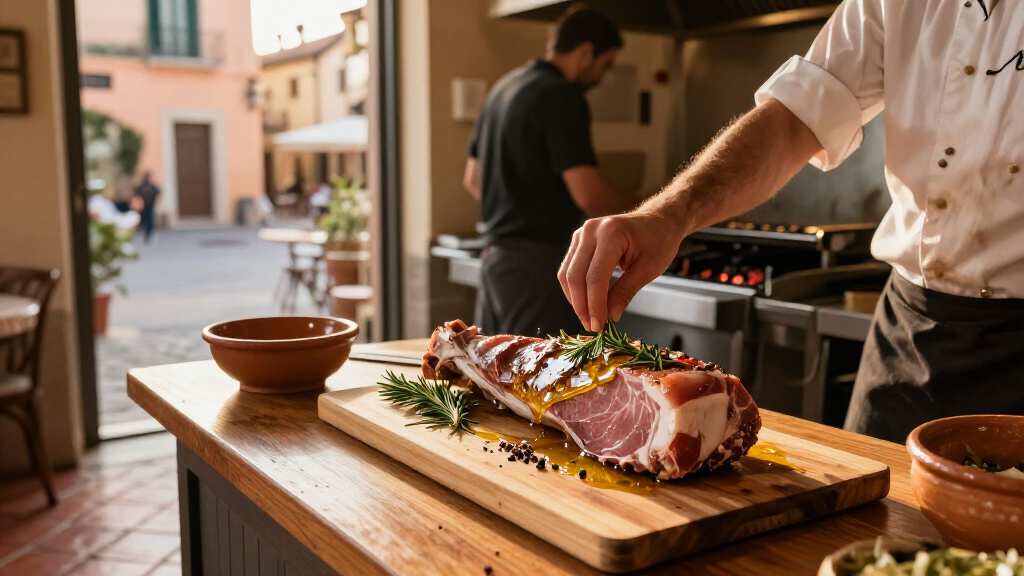
Choose pork loin and season it for juicy slices
Pork loin gives you the classic neat slices, but its leanness means you need to watch the cooking closely. It is a different choice from pork shoulder, which has more fat and connective tissue and usually feels more forgiving in a long braise. If you want slices for a Sunday platter, loin is the familiar cut; if you prefer a softer, richer texture and accept a different result, shoulder is another option.
Look for a roast that is evenly shaped, so the narrow end does not finish cooking long before the center. A butcher can tie an uneven piece into a more regular shape. Before it goes into the pot, pat the surface dry; moisture slows browning. Season it with salt and pepper, and let it sit while you prepare a clove of garlic and a sprig of rosemary.
Butter or oil helps the roast brown. Set the pot over medium heat, let the fat warm, and turn the pork until it has a deep golden crust on several sides. That color is flavor you’ll later taste in the sauce. For instance, if you rush this step and leave the pork pale, the milk still braises it, but the finished sauce will taste flatter.
Keep the seasoning simple enough to let the milk and pork stand out. A little rosemary gives a piney fragrance; garlic adds warmth. You can add wine if your version calls for it, but it is optional. If you use alcohol, reserve it for adults and serve responsibly; the dish does not depend on wine for its identity.
Braise the roast gently and check its temperature
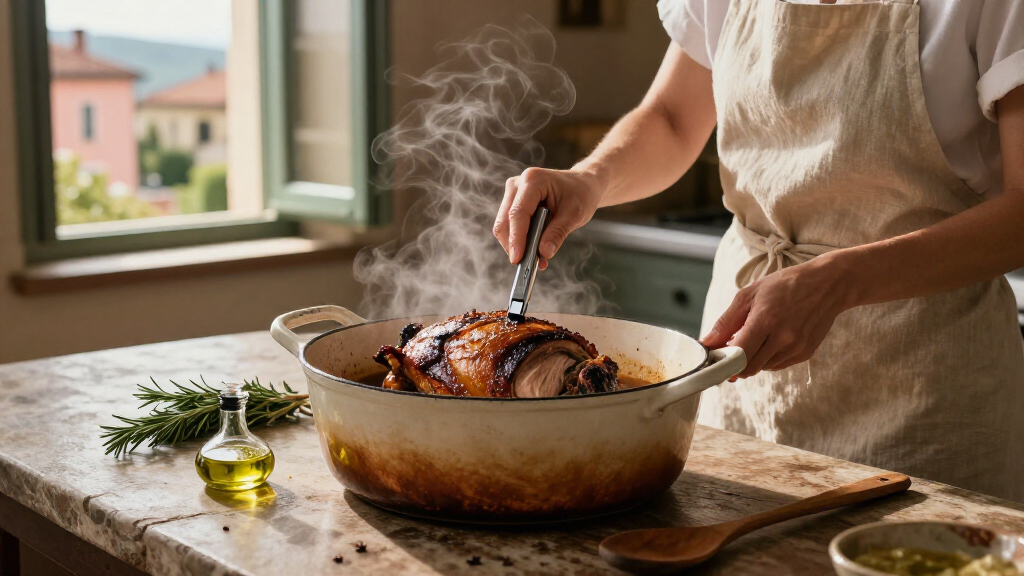
Brown the pork, add milk, then cook gently until the center reaches a safe temperature. This sequence builds flavor before the milk begins to reduce. A meat thermometer is more dependable than a fixed cooking time because roast shape, starting temperature, and pot all affect how quickly the center cooks.
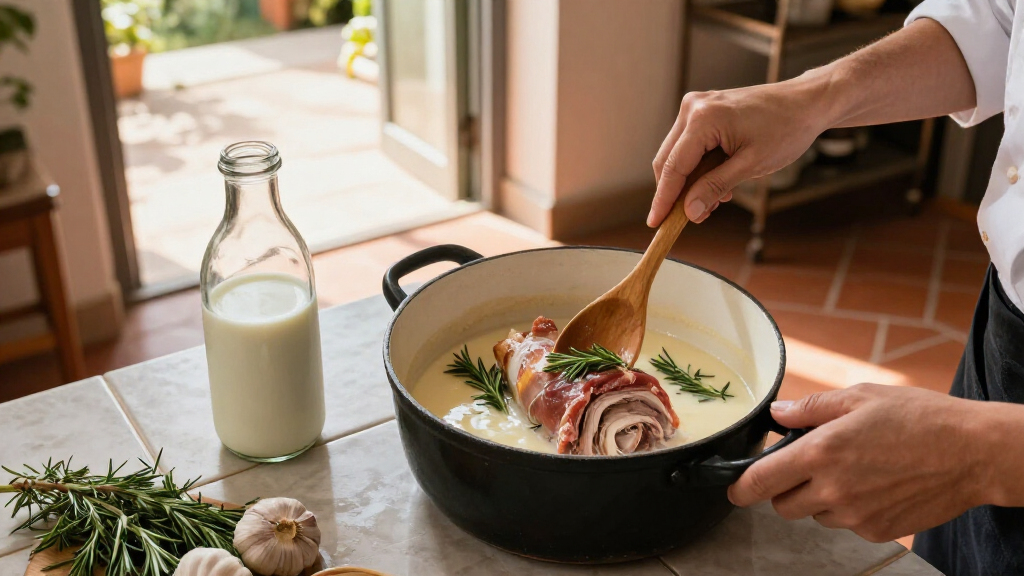
- Brown: Pat the pork dry, season it, and turn it in warm butter or oil until golden on several sides.
- Add aromatics and milk: Add garlic or rosemary, then pour in enough milk to braise around the roast. Bring it just to a gentle simmer.
- Cook slowly: Cover the pot partly and keep the heat low. Turn the roast occasionally and check that the milk simmers softly rather than bubbling hard.
- Check and rest: Measure the thickest part of the roast. For a whole cut of pork, current food-safety guidance recommends 145°F (63°C), followed by a three-minute rest.
The gentle heat matters because milk can scorch on the bottom of a hot pot. Keep the liquid at a quiet simmer, with only a few small bubbles breaking the surface. If you see vigorous boiling, lower the heat and stir around the roast without scraping up any burnt bits.
For example, a compact roast may reach the target temperature sooner than a long, thick one, even if both weigh the same. Check early and keep the thermometer away from bone or the pot. Some cooks continue the braise for a softer texture, but pork loin can dry out when it spends too long over heat, so judge by temperature and texture rather than the clock alone.
Treat curdled milk sauce as a normal part of the dish
A separated milk sauce is normal in many versions of pork loin in milk. As the milk cooks with the meat juices, it may split into soft curds and thinner liquid. That change does not mean the milk has spoiled; it is a rustic result of the braise. The pork’s browned surface and juices give the sauce its savory depth.
If you like a traditional, textured finish, spoon the sauce over the slices as it comes from the pot. The tiny curds catch on the meat much like soft grains in a coarse polenta. If your family prefers a smoother sauce, lift out the roast, blend the cooking liquid carefully, and strain it. Let the liquid cool slightly before blending, and follow your blender’s instructions for hot foods to avoid pressure and splashes.
Good browning and low heat make the sauce taste better and help avoid scorching. If a little milk sticks to the base, don’t scrape up a dark, burnt patch; it can make the whole sauce bitter. Instead, pour the unburnt liquid into another pan, leaving any scorched residue behind.
For instance, if you’re hosting guests who expect a smooth gravy, blend and strain the sauce just before serving. If you’re cooking for people who enjoy the dish’s country-style character, bring the pot to the table and let them see the curds. Either way, the meat should be sliced across the grain and served with enough sauce to keep each piece moist.

Serve the roast with sides that leave room for the sauce
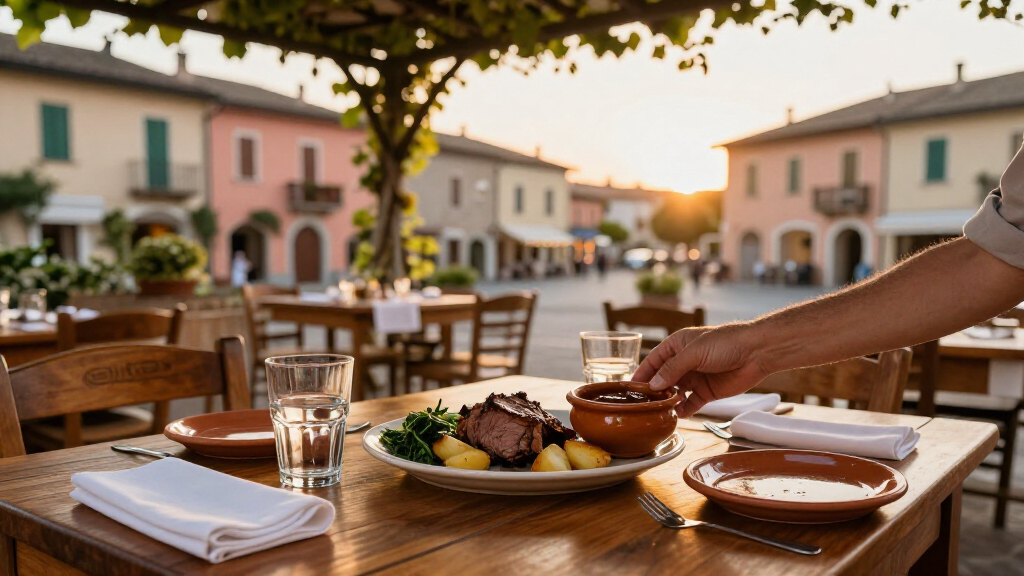
Choose sides that soak up the mild, creamy sauce without overpowering the pork. Roasted or mashed potatoes are natural partners, as are polenta and simply cooked vegetables. The aim is a balanced plate: tender slices, a spoonful of sauce, and something hearty or green alongside.
For a Sunday lunch in Emilia-Romagna’s spirit, serve the roast with potatoes browned at the edges and soft in the middle. Their crisp surfaces contrast with the soft sauce. You could also spoon the meat and sauce over polenta, where the sauce gathers in the warm yellow cornmeal. A side of sautéed greens or seasonal vegetables adds a fresh, slightly bitter note.
Keep the serving platter warm so thin slices don’t cool before everyone sits down. Rest the roast before carving, then slice it evenly and spoon the sauce over or alongside it. A very thick coating can hide the pork’s browned flavor; a light spoonful lets you taste both.
Consider what is already on your table. If you’ve roasted potatoes in olive oil and rosemary, skip another strongly herbed side. For instance, a bowl of plain green beans with a little salt can reset the palate between rich, sauced bites. The dish is flexible, but simple accompaniments let its gentle balance stay in focus.
Adapt the recipe without losing its milk-braised character
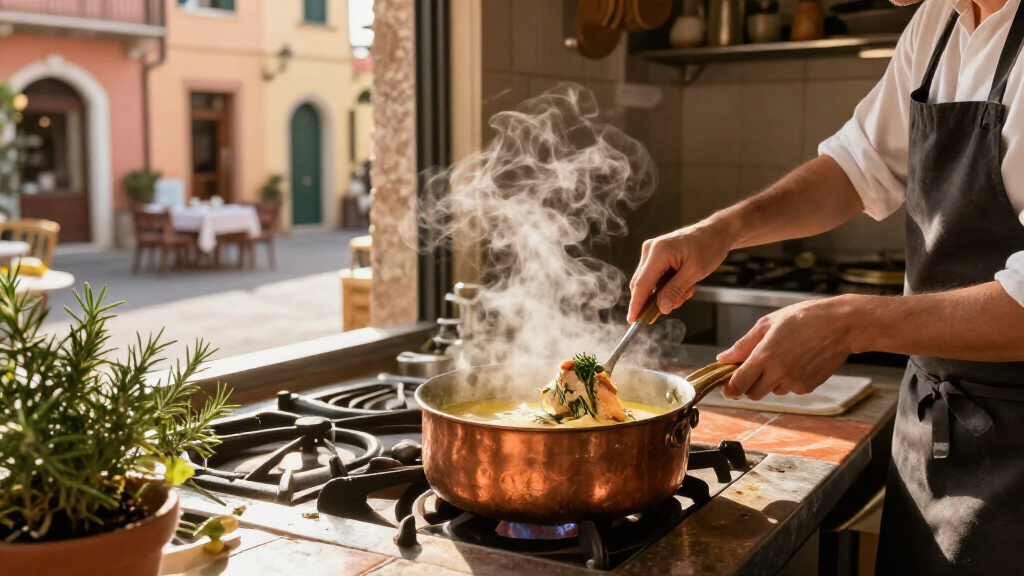
Small changes can make the roast easier to cook, but some swaps change its defining character. A covered, oven-safe pot can hold a steady gentle heat if your stovetop runs hot. Lactose-free cow’s milk may suit some diners, while cream or broth can produce a smoother or more savory sauce. Those choices may be useful, but they move away from the traditional milk-braised character.
Plant milk is less predictable because each type tastes and behaves differently when heated with meat juices. If you want to experiment, choose an unsweetened, unflavored variety and try it with a small roast first. For instance, sweetened oat milk would bring a flavor the savory dish does not need, while an unsweetened option still may not reduce or curdle in the same way as dairy milk.
Wine is optional in many recipes. If you use it, add it after browning and let it cook briefly before adding the milk; if you leave it out, proceed with milk and aromatics. Adults who choose to drink should do so responsibly, and no wine is needed to make this a satisfying meal.
Keep the pork cut and temperature in mind when adapting. Lean loin still needs careful monitoring even in an oven-safe pot. A shoulder roast can tolerate longer cooking, but it won’t give the same tidy slices. The best choice depends on whether you want a classic platter of slices or a softer, more yielding braise.
Make it ahead and store leftovers safely
You can cook the roast ahead and refrigerate it with its sauce, which makes Sunday hosting calmer. Cool leftovers promptly and store them in a covered container in the refrigerator. Keeping the meat in the sauce helps protect the slices from drying out as they chill.
When you’re ready to serve, reheat gently with a splash of milk or water if the sauce has thickened. Use low heat and turn the slices carefully; a hard boil can toughen the pork and make the sauce less pleasant. If you’ve blended the sauce, stir it as it warms so it heats evenly.
For example, cook the roast Saturday afternoon, let it cool, then refrigerate the meat and sauce together. On Sunday, warm it slowly while the potatoes roast. Follow standard food-safety practice: refrigerate perishable food promptly rather than leaving it on the counter for an extended period, and reheat leftovers until steaming hot throughout.
Slice only what you plan to serve if you can. A whole piece stays juicier in storage than thin slices exposed to air. If you have already carved it, keep the slices nestled under sauce in a shallow covered container. That small detail makes Monday’s leftovers much better, especially tucked beside mashed potatoes or polenta.
Frequently Asked Questions
Does the milk sauce curdle while pork cooks?
It often separates into soft curds and thinner liquid as the milk cooks with the pork juices. This is normal in many versions and does not mean the sauce has spoiled. Serve it rustic, or blend and strain it for a smoother finish.
What cut of pork should I use for pork loin in milk?
Pork loin is the usual choice for sliceable arista di maiale al latte. It is lean, so monitor its internal temperature closely. Pork shoulder is fattier and more forgiving over a longer cook, but gives a different texture.
Can I make pork loin in milk without wine?
Yes, wine is optional in many versions of the dish. Milk is the defining braising liquid, so you can brown the pork, add aromatics and milk, and continue without wine.
How do I keep pork loin from drying out?
Brown it, cook it gently, and use a thermometer instead of relying only on a timer. Whole cuts of pork are commonly cooked to 145°F (63°C), then rested for three minutes. Slice across the grain and serve with the cooking sauce.
Can I prepare arista di maiale al latte ahead?
Yes, you can cook it ahead and refrigerate it with the sauce. Cool and store it promptly in a covered container. Reheat gently with a little milk or water if the sauce has thickened, until the pork is hot throughout.
Conclusion
For a reliable Emilian-style roast, brown the pork, braise it gently in milk, and trust your thermometer. The sauce may turn rustic and curdled; that is part of the dish, and you can blend it smooth if you prefer. Serve the slices with potatoes, polenta, or simple vegetables, and keep a little sauce close at hand.
When the platter reaches the table, the roast should still be warm, the pork tender, and the milk sauce gathered around each slice. That’s the Sunday lunch worth making room for.

Fall Picks
fall essentials
As an affiliate, we earn on qualifying purchases.