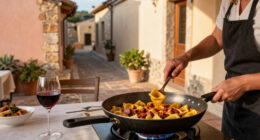
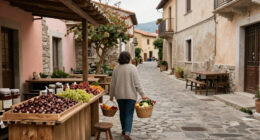
Nocino and limoncello are sweetened infusions, while grappa is a distilled spirit made from grape pomace. Their flavors connect Emilia-Romagna’s green walnut traditions, Campania’s fragrant lemons, and northern Italy’s wine regions to the Italian custom of sharing a small after-dinner drink. You can make an infusion with food-grade alcohol and clean equipment, but grappa requires distillation and should come from a licensed producer.
In Emilia-Romagna, a walnut gathered in late June may spend the next several weeks steeping in alcohol; on the Amalfi Coast, lemon peel gives another household bottle its sunny perfume. These drinks turn a season into something you can pour. But nocino, grappa, and limoncello are not three versions of the same thing: two are liqueurs made by infusion, while one is a spirit distilled from grapes.
This guide shows you what each drink is, where its strongest traditions lie, and how to serve or make it sensibly. You’ll learn why a green walnut can matter as much as the spice in a nocino recipe, how to choose lemons for limoncello, and why making an infusion is not the same as distilling grappa. Along the way, you’ll see how liquori fatti in casa—homemade liqueurs—bring food, family memory, and hospitality together.
Nocino’s customary walnut gathering around June 24, St. John the Baptist’s feast day, is a regional tradition tied to the nuts being soft enough to cut—not a fixed nationwide harvest rule.
Key takeaways
1
Nocino and limoncello are infused, generally sweetened liqueurs; grappa is distilled from grape pomace.
2
In parts of Emilia-Romagna, green walnut gathering for nocino is traditionally linked to June 24, but local conditions determine when walnuts are soft enough t…
3
For limoncello, remove the fragrant yellow zest and avoid the bitter white pith.
4
Household recipes vary in sweetness, spices, and steeping time; there is no single nationwide formula for these drinks.
5
Use food-grade alcohol and clean equipment for infusions, label allergens, and buy grappa from a licensed producer rather than distilling at home.
Step by step
1
Make an infusion with care and keep distilling off your home list
You can make a liqueur by infusion without distilling alcohol.
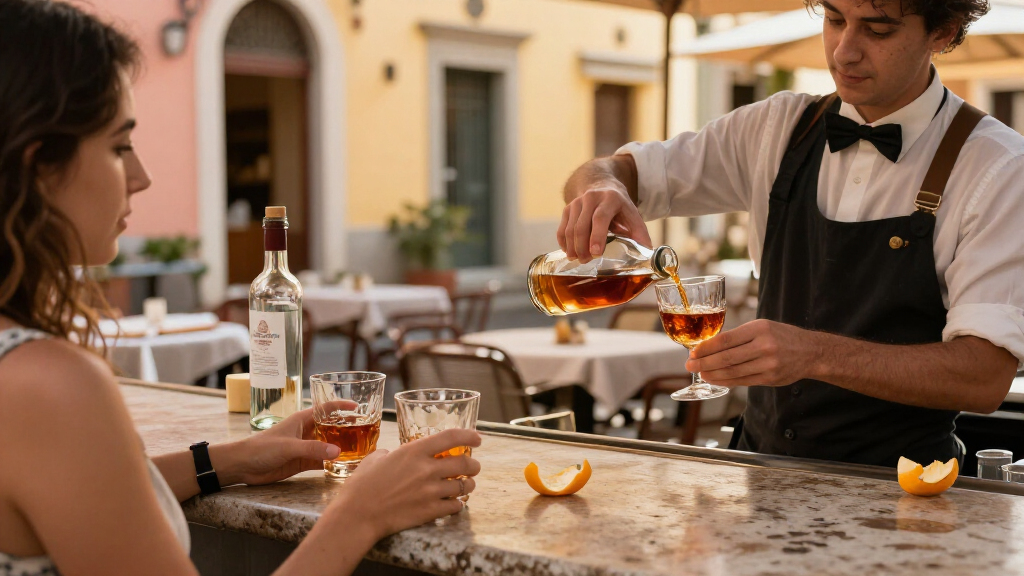
Three small pours, three distinct processes. Green walnuts, fragrant lemon peel and grape pomace connect seasonal ingredients and regional traditions to the Italian custom of sharing a drink after a meal.
2 + 1Infusions + distilled spirit
June 24Traditional walnut cue
3 regionsDistinct ingredient ties
Small pourShared after the meal
01 / Know what’s in the glass
Infusion or distillation?
The process shapes the flavor and the bottle’s place at the table. A family infusion recipe is not a recipe for making grappa.
Drink
How it is made
Regional association
Character & serving
Nocino Liqueur
Green walnuts steep in alcohol, usually with sugar; spices are optional.
Emilia-Romagna and other northern Italian household traditions.
Dark, bittersweet and aromatic. Often served in a small glass after dinner.
Grappa Spirit
Distilled from grape pomace: skins, seeds and sometimes stems.
Northern Italy’s wine regions.
Young styles can be intense; wood-aged styles may be softer. Also used in caffè corretto.
Limoncello Liqueur
Yellow lemon zest steeps in alcohol; the infusion is blended with sugar syrup.
Campania and the Amalfi Coast, and made elsewhere too.
Bright citrus aroma; usually served chilled in a small glass after a meal.
02 / Place in every pour
Ingredients tell a regional story
These associations describe strong traditions, not exclusive borders. Local ingredients and household recipes travel.
Walnut · Emilia-Romagna
Nocino
Unripe walnuts give this liqueur its deep, bitter edge. Cinnamon, cloves, nutmeg or lemon peel may add warmth, but recipes differ from family to family.
Pomace left after winemaking becomes the starting point for a spirit. Grape variety, production choices and optional aging shape its aroma.
Wine country · distilled spiritLemon · Campania
Limoncello
Fragrant yellow zest carries the citrus oils. Removing it cleanly while limiting white pith helps keep bitterness in check.
Citrus peel · chilled small pour
03 / The process matters
A careful infusion, step by step
01
Choose the ingredient
Use walnuts that are still soft enough to cut, or fragrant lemon zest with minimal white pith.
02
Infuse cleanly
Use food-grade alcohol, clean equipment and a reliable recipe. Steeping times and sweetness vary.
03
Label and rest
Mark the date and ingredients clearly. Nocino is often rested after its weeks or months of steeping.
04
Serve with care
Offer a modest after-meal pour to adults. A digestivo describes a custom, not a health benefit.
04 / Follow the ingredient
Harvest cues, not fixed formulas
Traditional dates and family methods are guides. Weather, ripeness and personal taste shape the batch.
For nocino, test the walnut
In parts of Emilia-Romagna, gathering is linked to the feast of St. John the Baptist. The practical sign is a tender green walnut that a knife can cut before its shell hardens.
June 24A regional seasonal cue, not a nationwide deadline. Local conditions determine readiness.
Steeping windowWeeks to months
For limoncello, keep the zest bright
Remove the yellow outer peel to capture its aroma, taking care to avoid too much bitter white pith. Recipes vary in sweetness, strength and steeping time.
ZestFragrant yellow peel is the goal; color alone does not prove origin or quality.
Recipe variationHousehold choice
05 / Bring it to the table
Small glasses, shared knowledge
A homemade bottle carries local ingredients and family memory. Hospitality is part of its meaning.
Pair by flavor
NocinoTry alongside aged cheese, walnut cake or dark chocolate.
GrappaPour a small measure when you want grape character to lead.
LimoncelloServe chilled after a meal, often following seafood.
Caffè correttoA splash of grappa added to espresso.
Green walnutEmilia-Romagna → nocino
Grape pomaceWine regions → grappa
Lemon zestCampania → limoncello
Shared tableSmall pour → hospitality
Start with the difference: two liqueurs and one spirit
Nocino, grappa, and limoncello name two infused liqueurs and one distilled spirit. Nocino gets its dark, bittersweet character from green walnuts; limoncello draws bright citrus aroma from lemon zest; grappa is distilled from grape pomace left after winemaking. That distinction helps you choose the right bottle for a dessert, a digestivo, or a coffee.
A liqueur begins with alcohol flavored by ingredients such as fruit, herbs, or nuts and is generally sweetened. For limoncello, the flavor comes from the yellow outer peel; for nocino, from whole green walnuts, often with spices. Grappa follows another path: a distiller processes pomace, the skins, seeds, and sometimes stems left from grapes after pressing. A bottle of grappa may be aged or flavored, but it is still a spirit, not a sugar-sweetened infusion by definition.
Think of the difference like the gap between steeping tea and making espresso: both can end up in a small cup, but the process shapes the result. Infusion lets the ingredient and the maker’s choices—such as peel thickness, spices, and sweetness—directly define the flavor. Distillation concentrates volatile compounds from grape pomace, so grappa’s character depends more on the grapes, the production method, and sometimes aging. If you’re arranging an Italian-style dinner, serve limoncello chilled after a seafood meal, try nocino beside dark chocolate, and pour grappa in a small glass when you want the grape character to lead. The word digestivo means an after-meal drink; it describes a custom, not a promise that alcohol aids digestion.
These drinks meet at the table, where a host may offer a small glass as a gesture of welcome. Their different ingredients also make them useful in different moments: a sweet liqueur can echo dessert, while a drier, more concentrated spirit can close a meal without adding the same sugary finish. They are often served after dinner, but household habits differ. A family in Bologna may favor walnut liqueur in winter, while a host in Campania may reach for a chilled lemon bottle on a warm evening.
Products Worth Considering
Google Nest Cam Indoor (Wired, 3rd Gen) – Security Camera – Snow
Levoit Eleva 300X HEPA Air Purifier for Home and Bedroom
Sonos Era 100 Wireless Smart Speaker, Black
As an affiliate, we earn on qualifying purchases.
Catch green walnuts at the right moment for nocino
Nocino is a walnut liqueur made by steeping green, unripe walnuts in alcohol, usually with sugar and sometimes spices. In Emilia-Romagna, the harvest is traditionally associated with St. John the Baptist’s feast day on June 24, when walnuts may still be soft enough to cut. Local weather changes the timing, so the date is a guide rather than a rule. The useful test is the walnut itself: the young nut should yield to a knife before its shell hardens. That makes the tradition practical as well as seasonal; it links the start of a batch to the ingredient’s brief stage of readiness.
Imagine preparing a batch near Modena: you cut a walnut open and find a pale, tender interior instead of the hard shell and mature nut you’d crack in autumn. That softness lets the walnut flavor infuse the alcohol. Household recipes may add cinnamon, cloves, lemon peel, or nutmeg; others let the walnut’s bitter, green, almost medicinal aroma stand on its own. These choices change the balance: spices can round out the bitterness, while a simpler recipe makes the walnut’s resinous character more prominent. This variation is part of the appeal. Ask two relatives for their family recipe and you may get two different sugar amounts and two confident opinions.
After steeping for weeks or months, nocino usually rests before serving. The wait softens its sharp edges and gives the flavors time to settle into a dark, warming drink. A small pour after dinner pairs well with aged cheese, a slice of walnut cake, or a few pieces of dark chocolate. If you want to make it at home, use food-grade alcohol and clean equipment, follow a reliable recipe, and label the bottle with the date and ingredients. Walnuts are a tree-nut allergen; tell guests what’s in the drink.
St. John’s Day gives you a seasonal cue, not a universal deadline: gather walnuts when they are still soft enough to cut, and follow local conditions.
Choose grappa when you want grape character, not sweetness
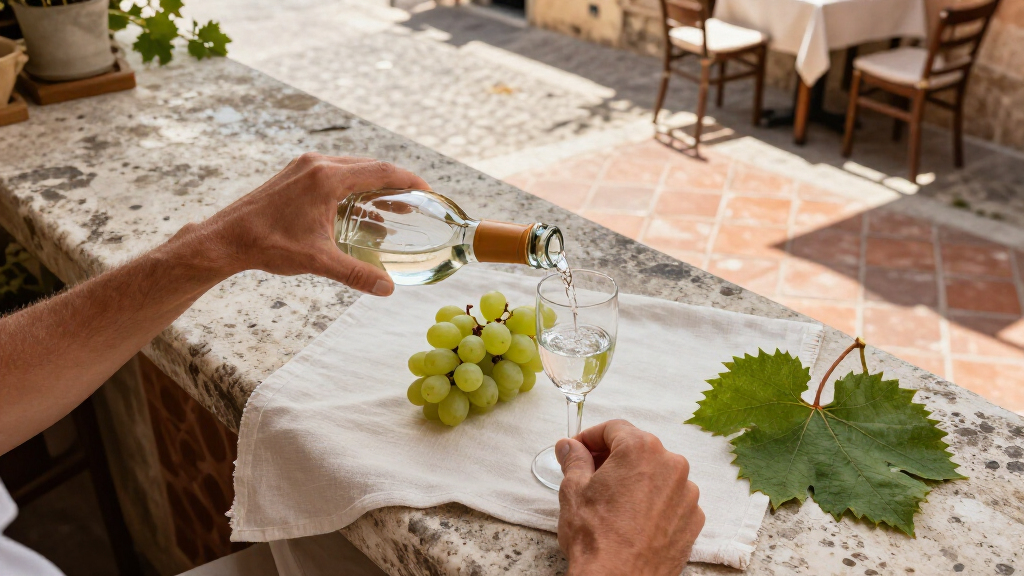
Grappa is a distilled spirit made from grape pomace, the skins, seeds, and sometimes stems left after winemaking. It is closely associated with northern Italy’s wine regions, where the character of the grapes and production choices shape the glass. Unlike nocino and limoncello, grappa is not defined by added sugar or a fruit infusion. Using pomace also connects the spirit to the winemaking cycle: material left after pressing becomes the starting point for another product, though the result varies with the grapes and how the distiller handles them.
Styles can range from clear, young grappa with a direct, intense aroma to barrel-aged versions that feel softer and may carry woody notes. Picture ordering one after a meal in a wine-producing town: a small pour can reflect the grapes used nearby, while an aged style may echo the vanilla or spice of its barrel. Aging can make the spirit feel rounder, but it also shifts attention toward wood and away from the fresh grape character. If you prefer gentler flavors, ask for a softer aged style; if you want a vivid grape aroma, a young one may suit you better. The word on the label and the producer’s description can help you make that call.
Grappa can also appear in coffee as caffè corretto, or “corrected coffee,” where a splash of spirit goes into espresso. Some cooks use it in sauces or desserts, but the alcohol may not all disappear during cooking. Serve and consume it responsibly, and keep it for adults only. A little goes a long way: start with a small measure, especially when pairing it with coffee or rich food.
Making grappa means distilling, which is a different and more hazardous process than infusing alcohol with lemon peel or walnuts. Distillation can carry serious safety risks and may be restricted or require a license, depending on where you live. For a home project, choose an infusion recipe; for grappa, buy from a properly licensed producer instead of treating a family liqueur tradition as permission to distill.
Get a fragrant, less-bitter limoncello with good peel
Limoncello is a sweetened lemon liqueur made by steeping lemon zest in alcohol and blending the infusion with sugar syrup. It is especially associated with Campania and the Amalfi Coast, though people make it elsewhere in Italy. The goal is to capture the aromatic yellow peel while leaving most of the bitter white pith behind. This is why zesting is more than a cosmetic step: the peel carries fragrant oils, while too much pith can pull the finished drink toward a harsher, less clean bitterness.
That detail matters if you make a batch in your kitchen. Wash and dry the lemons, then remove only the outer zest with a sharp peeler or fine grater; avoid scraping into the white layer beneath it. The peel should smell bright and floral, like the burst of citrus when you twist a strip over a drink. Recipes differ in steeping time, alcohol strength, and sweetness, so there is no single national formula. A less-sweet batch can let the peel’s aroma come forward, while more syrup makes a rounder, sweeter liqueur; the tradeoff is that extra sweetness may soften the citrus edge and make the drink feel heavier.
Limoncello is commonly served chilled in a small glass after a meal. On a hot evening, you might pour it after grilled fish or alongside a simple fruit dessert; a spoonful can also flavor cake or a cocktail. Its vivid yellow color comes from lemon peel, but color alone does not prove a bottle’s origin or quality. If you’re choosing lemons for a homemade version, select fragrant, unblemished fruit and follow a tested recipe using food-grade alcohol and clean containers.
Lemons can leave a sticky film on your hands and counter, so wash your tools and work surface after zesting. Label the finished bottle with its ingredients and date, and store it according to the recipe you follow. A homemade bottle is a thoughtful host gift, but make the alcohol content clear and offer a nonalcoholic option too.
Use this table to choose what to pour after dinner
Pick the drink by its base ingredient and flavor: nocino brings walnut and spice, grappa brings grape pomace, and limoncello brings lemon peel and sweetness. The table below can help you match each one to a moment at the table. For example, a host serving a citrus tart might reach for limoncello, while a guest who prefers drier, grape-forward spirits may choose grappa.
Drink
What it is made from
Typical character
Try it with
Nocino
Green walnuts steeped in alcohol, often with sugar
Dark, bittersweet, aromatic, warming
Dark chocolate, aged cheese, walnut cake
Grappa
Distilled grape pomace
Ranges from clear and intense to softer and aged
Espresso, a small after-dinner pour
Limoncello
Lemon zest infused in alcohol, blended with syrup
Bright, citrusy, sweet; sweetness varies
Fruit desserts, citrus cake, a chilled digestivo
A comparison is useful, but it can’t tell you exactly how a family’s bottle will taste. One nocino may lean heavily on cloves; another may have no spice at all. A grappa’s aroma can change with grape variety and aging, and a limoncello may be more tart or syrupy depending on its recipe. Those differences matter because the best pairing depends on balance: sweetness can complement bitter chocolate or tart fruit, while a more spirit-forward grappa may suit coffee without making an already rich dessert feel sweeter.
For a practical dinner plan, offer small pours and let guests choose. Tell them whether a bottle is sweetened and what ingredients it contains, especially if you serve nocino to someone with a walnut allergy. If you’re buying rather than making the drink, look for clear ingredient and producer information. Labels such as “traditional,” “artisanal,” and “local” can describe very different practices, so a regional story is most useful when the producer explains what actually went into the bottle.
Make an infusion with care and keep distilling off your home list
You can make a liqueur by infusion without distilling alcohol. Clean equipment, food-grade ingredients, and a tested recipe give you a sensible starting point for nocino or limoncello. Grappa requires distillation, which carries separate safety hazards and legal rules, so buy it from a licensed producer. The distinction matters because an infusion extracts flavor from ingredients into alcohol, while distillation concentrates alcohol and aroma through a process that requires specialized equipment and control.
For a home limoncello project, for instance, start with clean, dry lemons and a clean glass container. Remove only the colored zest, cover it with the food-grade alcohol specified by a reliable recipe, and follow that recipe’s steeping and syrup instructions. Don’t improvise with industrial alcohol, unknown ingredients, or containers that may react with alcohol. A walnut infusion needs the same care, plus a clear note for guests that it contains walnuts.
There is no universal steeping time across Italian households. One recipe may call for weeks; another may leave the ingredients to infuse for months. The result changes with the fruit, the alcohol, and the method, so treat the recipe you choose as the guide rather than assuming every bottle follows the same timetable. Longer steeping is not automatically better: it can deepen flavor, but the result also depends on the ingredient and may become less balanced. Write the start date on the container. That small habit helps you track the batch and explain its age when you share it.
Use clean hands and utensils, keep ingredients and containers free of visible dirt, and follow food-safety guidance for the recipe and storage method. Keep alcohol away from children and open flames, and label bottles clearly. Homemade liqueur contains alcohol even when it tastes sweet and smooth; offer water or a nonalcoholic drink alongside it. If you serve it at a gathering, pour a modest amount and let guests decide whether they want a refill.
Read the regional story without mistaking every label for proof
These drinks connect particular ingredients and production histories to place, but a regional association does not mean every bottle follows one official recipe. Nocino has strong household and seasonal ties in parts of northern Italy, especially Emilia-Romagna. Limoncello is closely associated with Campania and the Amalfi Coast. Grappa reflects Italian winemaking regions because its base is grape pomace. These connections help explain why the drinks feel rooted in place, but they do not establish that a bottle was made in that region or according to a single inherited method.
That is why these bottles carry more than flavor. A family’s nocino may recall gathering walnuts around St. John’s Day; a limoncello recipe may preserve a way to use fragrant local lemons; grappa may reflect what a winery has left after pressing grapes. These are examples of regional identity expressed through ingredients and household practice. They are often passed along by demonstration: someone shows you how thinly to peel a lemon or how soft a walnut should feel. The knowledge is practical and seasonal, so preserving it means passing on the judgments behind the recipe as well as its ingredient list.
Today, craft makers and home enthusiasts may adjust sweetness, use different citrus, age a liqueur, or serve it in cocktails. That experimentation can be enjoyable, but it helps to separate a documented regional connection from a broad marketing claim. A variation can keep a tradition useful to new ingredients or tastes, while a claim of authenticity needs details a buyer can assess. When you buy a bottle on a trip, ask what fruit or grape material it uses, where it was made, and how the producer recommends serving it. You’ll get a more useful answer than a label that simply says “Italian style.”
If you visit Campania, look for limoncello in the context of local lemons and meals rather than treating it as a souvenir color. In Emilia-Romagna, ask about nocino around the walnut season. At a winery in the north, ask how the producer’s grappa relates to its grapes. The drink becomes a meeting point of ingredient, place, and hospitality—one you can understand before you bring a bottle to your own table.
Frequently Asked Questions
Is grappa a liqueur?
No. Grappa is a distilled spirit made from grape pomace, while nocino and limoncello are flavored, generally sweetened liqueurs. A small pour of grappa may follow a meal, but its serving custom does not make it a liqueur.
When should you gather walnuts for nocino?
In parts of northern Italy, the traditional timing falls around June 24, St. John the Baptist’s feast day. Check whether the walnuts are still soft enough to cut, since weather and local conditions can shift the right moment.
How long does homemade nocino or limoncello need to steep?
There is no single Italian standard; household recipes range from weeks to months. Follow the tested recipe you choose, and label your container with the date so you can track the batch.
Should you serve limoncello cold?
Limoncello is commonly served chilled in a small glass, often after dinner. Customs vary, so you can also use it to flavor a dessert or cocktail if that suits your meal.
Can you make grappa at home?
Grappa requires distilling grape pomace; steeping grape material in alcohol does not make grappa. Distillation can be hazardous and may be restricted or require a license, so check local law and choose a properly licensed producer.
Can you use these drinks in cooking or cocktails?
Yes. Limoncello can flavor desserts and cocktails, grappa can go into coffee or some cooked dishes, and nocino can accompany chocolate or flavor desserts. Their alcohol content remains relevant, so serve drinks responsibly and keep them for adults.
Conclusion
Choose the bottle for the story and flavor you want: green walnut and spice in nocino, lemon peel and sweetness in limoncello, or grape pomace in grappa. If you make an infusion, use a reliable recipe, clean equipment, and food-grade alcohol; leave distillation to licensed producers.
Then pour a small glass after dinner and ask where its ingredients came from. In that pause, a June walnut harvest or a peel of Amalfi lemon can make the whole table feel closer to Italy.
Fashioned with the distinctive artichoke-infused Cynar liqueur and sparkling Prosecco, the Cynar Spritz is a refreshing aperitif that delights the senses.