TL;DR

Get kitchen staples and gadgets delivered free with Prime
- Fast, free delivery on millions of items
- Prime Video, Amazon Music and more included
- Member-only deals all year
Pranzo della domenica is a long Campanian family meal built around separate courses, regional ingredients, and unhurried conversation. For late summer, serve tomatoes with mozzarella, Pasta alla Nerano, fish all’acqua pazza, marinated vegetables, and figs with ricotta, preparing most components on Saturday so you can enjoy the table.
At 1:30 on a Campanian Sunday, lunch may begin with the crack of a tarallo and end hours later with espresso cups clinking beside a bowl of fig skins. The food matters, but the pauses matter too. Nobody rushes the pasta away because the fish has reached the stove.
A late-August table calls for a different kind of abundance than a cold-weather feast. Instead of slow Neapolitan ragù, braciole, and baked pasta, you can let ripe tomatoes, zucchini, sweet peppers, basil, and fresh fish carry the meal. You still serve something generous; it simply tastes brighter and leaves everyone willing to stay for coffee.
This menu gives you a practical route from aperitivo to dessert, with Campanian DOP and IGP ingredients, sensible portions, food-safety guidance, and a prep schedule that keeps Sunday calm. You will also see where substitutions work and where they change the character of a dish. By the time your guests arrive, your kitchen should smell of fried zucchini and basil, not panic.
Plan a shorter sequence of aperitivo, antipasto, primo, fish, one or two vegetables, and fruit-led dessert rather than forcing every famous Campanian dish onto…
Use 70–90 grams of dried pasta per adult when fish and dessert follow, and create Pasta alla Nerano’s creamy texture with pasta water, zucchini, cheese, and vi…
Cook fish all’acqua pazza at a gentle simmer and verify 145°F at its thickest point.
Prepare marinated vegetables, toasted hazelnuts, and dessert components on Saturday; reserve Sunday’s attention for tomatoes, pasta, and fish.
Pair the coastal menu with Falanghina, Greco di Tufo, or Fiano di Avellino, while saving Aglianico and Taurasi for meatier Sunday dishes.
Pranzo della Domenica
A bright, six-part Sunday lunch shaped by ripe tomatoes, fried zucchini, fresh fish, figs, and the most important Campanian ingredient of all: time around the table.
Courses arrive separately, leaving room for conversation and second helpings.
Dried pasta per adult when fish, vegetables, and dessert will follow.
Generosity comes from contrast, rhythm, and hospitality rather than sheer weight.
The meal is a rhythm, not a race
Pasta is a first course, never a side dish for the fish. Clearing each course creates a natural pause and keeps the table attentive without making the kitchen frantic.
Nobody needs to rush the pasta away because the fish has reached the stove. The long table, shared stories, coffee, and continuity of family habit define the occasion as much as any official recipe.
Two techniques keep the menu light
The primo gains richness through emulsion; the secondo gains tenderness through a gentle simmer. Both reward attention more than complexity.
Creaminess without cream
The characteristic satin texture comes from binding fried zucchini, cheese, fat, and cloudy pasta water.
Brown the edges while allowing some pieces to soften deeply.
Reserve at least two cups of cloudy cooking water before draining.
Combine pasta, zucchini, fat, and small additions of pasta water.
Finish with finely grated Provolone del Monaco and torn basil.
Gentle heat, tender fish
A shallow tomato broth links the fish to the antipasto while keeping the course distinct, delicate, and ready in about 20 minutes.
Use sea bass, sea bream, snapper, or another responsibly sourced fish. Simmer gently and verify 145°F at the thickest point before serving.
Choose the menu that suits the season
A coastal late-summer lunch does not replace Campania’s meatier Sunday traditions. It answers different weather, produce, and appetite.
| Decision | Late-summer choice | Cool-weather alternative | Seasonal fit | Guidance |
|---|---|---|---|---|
| Primo | Pasta alla Nerano | Baked pasta | ✓ Excellent | Zucchini and emulsion provide measured richness. |
| Secondo | Fish all’acqua pazza | Braciole or meatballs | ✓ Excellent | A light broth suits warm weather and coastal wines. |
| Long sauce | Fresh tomato preparation | Neapolitan ragù | ✗ Save for cooler days | Ragù remains a Sunday classic, but it is slow, dense, and warming. |
| Vegetables | Eggplant, peppers, bitter leaves | Rich baked sides | ✓ Excellent | Acidity and bitterness balance pasta, fish, and olive oil. |
| Wine | Falanghina, Greco di Tufo, Fiano di Avellino | Aglianico or Taurasi | ~ Match the main course | Save structured reds for meatier Sunday dishes. |
Family memory outranks rigidity: keep the long table and shared ritual even when the dishes change with the weather.
Do the patient work on Saturday
Sunday should smell of fried zucchini and basil, not panic. Prepare stable components ahead and reserve your attention for ingredients that lose quality when they wait.
Saturday
Finish the components that improve with rest or store cleanly overnight.
Marinate eggplant and roast the peppers.
Toast hazelnuts and portion the dessert components.
Wash herbs, organize serving dishes, and chill the wine.
Clean the fish if your fishmonger has not already done so.
Sunday
Protect freshness and focus on the three moments that need live attention.
Slice tomatoes shortly before guests sit down.
Fry zucchini and emulsify Pasta alla Nerano to order.
Cook the fish gently while the pasta bowls are cleared.
Assemble figs and ricotta immediately before dessert.
One region, many landscapes
The coastal menu is one Campanian expression, not the whole cuisine. Sea, volcanic soil, inland hills, and family histories all shape the Sunday table.
Coast
Naples, Cetara, Sorrento, and Amalfi bring fish, anchovy traditions, lemons, and dishes such as Pasta alla Nerano.
Volcanic fields
The land around Vesuvius produces intensely flavored tomatoes, vegetables, fruit, and wine.
Inland hills
Irpinia and Benevento lean toward legumes, rustic pasta, cheeses, pork, lamb, and celebrated grapes.
Cilento
Figs, vegetables, pastoral cooking, and a strong agricultural identity broaden the regional story.
Why Fewer Courses Can Still Feel Like a Campanian Feast
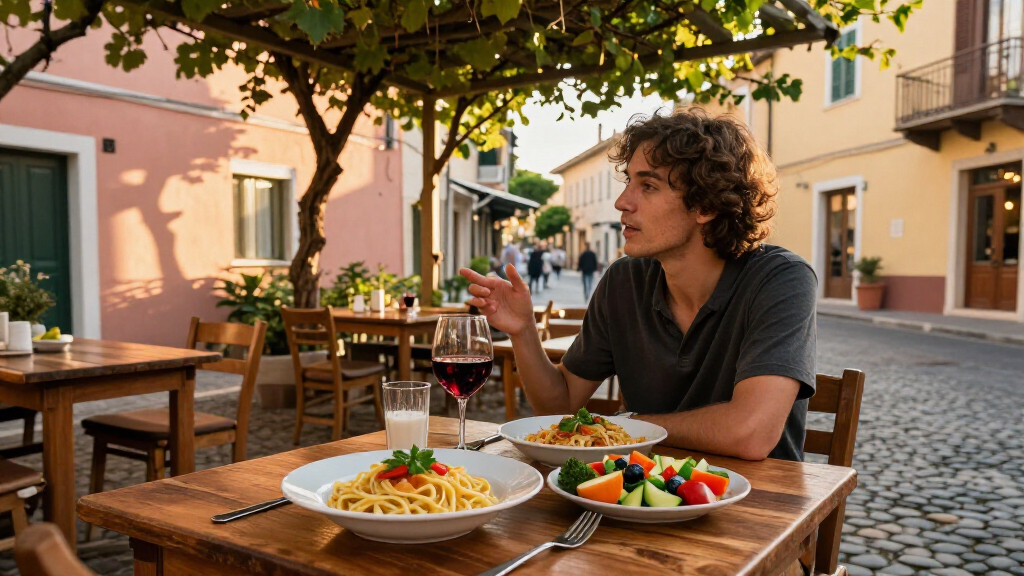
Pranzo della Domenica is more than Sunday lunch in Campania; it is a communal ritual built around family, generosity, and time. You preserve that sense by serving courses separately, inviting people to stay for two to four hours, and choosing dishes tied to the coast, volcanic fields, and inland hills.
The familiar rhythm runs from antipasto to primo, secondo, contorno, dessert or fruit, coffee, and perhaps a digestivo. Pasta arrives as a first course, not beside the fish like a side dish. At a family table in Salerno, for example, the empty pasta bowls may disappear before anyone brings out the sea bream, leaving a natural pause for conversation and another splash of water.
Campania also stretches far beyond Naples and the Amalfi Coast. Cetara has its anchovy traditions, the Sorrento Peninsula gives you Pasta alla Nerano, and the volcanic land around Vesuvius produces intensely flavored tomatoes and wine. Inland, Irpinia and Benevento lean toward legumes, rustic pasta, cheeses, pork, and grapes such as Fiano, Greco, and Aglianico, while Cilento brings its own figs, vegetables, and pastoral cooking.
A summer version should preserve that sense of occasion, not copy every winter Sunday dish in lighter clothing.
Neapolitan ragù remains a beloved Sunday classic, but its long-cooked meat and dense sauce suit cooler weather better than a humid August afternoon. This works well as a coastal menu, except when your family associates Sunday only with ragù; in that case, serve the sauce in cooler months and keep the same long table, shared stories, and coffee ritual now. Household memory matters more than a rigid menu.
As an affiliate, we earn on qualifying purchases.
The Six-Part Menu That Stays Light in August Heat
Pranzo della Domenica works best in late summer when you build a clear arc: a salty nibble, cool tomatoes, one silky pasta, gently cooked fish, sharp vegetables, and a fruit-led dessert. The menu feels abundant through changes in temperature and texture, not through serving every Campanian classic at once.
| Moment | What to serve | Useful portion | Why it works |
|---|---|---|---|
| Aperitivo | Taralli, green olives, and chilled Falanghina | About 30 grams of taralli per person | Crunch and salt wake up the palate without filling the table. |
| Antipasto | Tomatoes, Mozzarella di Bufala Campana DOP, basil, olive oil, and optional Cetara anchovies | 80–100 grams of mozzarella per person | Cool, juicy ingredients capture late summer with almost no stove work. |
| Primo | Pasta alla Nerano | 70–90 grams of dried pasta per adult | Zucchini and cheese supply richness in a measured portion. |
| Secondo | Fish all’acqua pazza | 140–170 grams of edible fish per person | The tomato broth links the fish to the antipasto without repeating it. |
| Contorni | Marinated eggplant, roasted peppers, or bitter leaves | Choose one or two small dishes | Vinegar and bitterness cut through pasta and olive oil. |
| Dolce | Figs, ricotta, honey, and toasted hazelnuts | Two figs and 50–60 grams of ricotta per person | It feels lush while staying cooler and simpler than pastry. |
Take the antipasto as a real-world test. If your tomatoes smell green and leafy at the stem, slice them shortly before lunch and add the mozzarella after it has lost its refrigerator chill. Fresh mozzarella tastes fuller near room temperature, when its center turns soft and milky, but keep it out no longer than two hours, or one hour when the room sits above 90°F, following USDA handling guidance [2].
Protected names identify regulated products from defined places. They do not describe every cheese, tomato, or pasta made in a similar style.
According to the European Commission’s eAmbrosia register, names such as Mozzarella di Bufala Campana DOP, Pomodoro San Marzano dell’Agro Sarnese-Nocerino DOP, and Pasta di Gragnano IGP carry protected geographical status [1]. DOP means Protected Designation of Origin, while IGP means Protected Geographical Indication. Use them when available, but choose a superb local ripe tomato over a protected tomato that has traveled badly.
Pasta alla Nerano Gives You Creaminess Without Cream
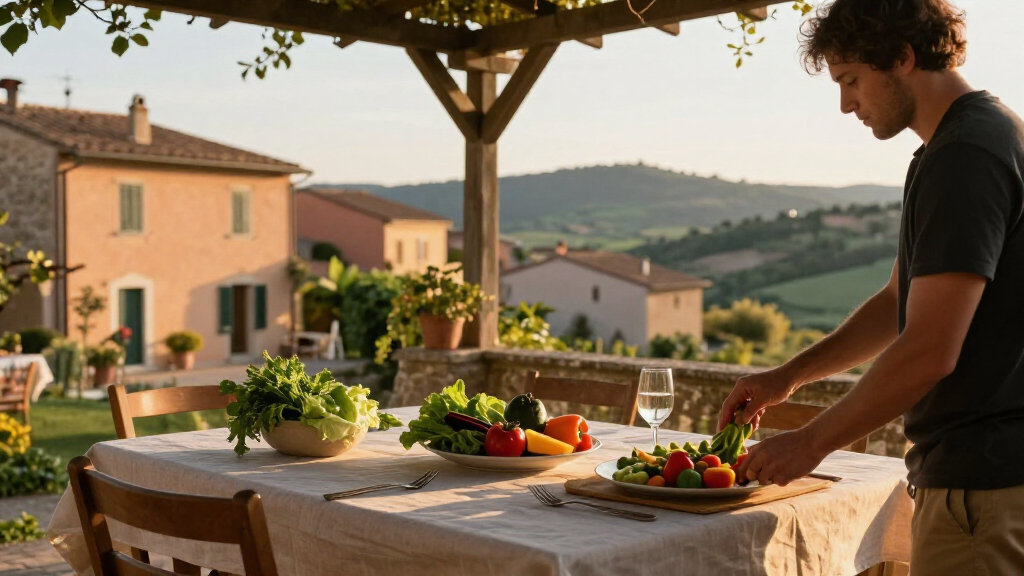
Pranzo della Domenica can feel generous without feeling heavy when Pasta alla Nerano takes the primo slot. Fried zucchini, basil, pasta water, and Provolone del Monaco DOP create a glossy sauce that clings like satin; you get depth and richness from emulsion rather than cream.
The dish comes from the area around Nerano on the Sorrento Peninsula, where steep green land drops toward blue water. Its simplicity leaves nowhere for watery zucchini or careless timing to hide. When the pasta reaches the table, the zucchini should taste sweet and concentrated, with browned edges and the deep aroma of basil rising through the cheese.
- Slice and fry the zucchini. Cut it into thin rounds and fry in olive oil until the edges turn golden. Drain it, season lightly, and let some pieces soften while others keep a little bite.
- Boil the pasta just shy of al dente. Spaghetti, linguine, or Pasta di Gragnano IGP works well. Reserve at least 2 cups of cloudy cooking water before draining.
- Build the emulsion. Warm the zucchini with a splash of pasta water, add the pasta, and toss vigorously. Remove the pan from direct heat before adding finely grated cheese, which helps it melt smoothly instead of forming strings.
- Finish with basil. Tear the leaves at the final moment so their perfume stays vivid. Add more pasta water by the spoonful until the sauce coats every strand.
For six adults eating several courses, start with 450–500 grams of dried pasta, rather than restaurant-size plates. This smaller portion gives each person enough to understand the dish without dulling the appetite for fish. If the sauce tightens while you carry it to the dining room, loosen it with a spoonful of hot pasta water and toss again.
Allergen note: Pasta alla Nerano contains wheat and milk. Provolone del Monaco may use animal rennet, so vegetarian guests should check the producer or use a suitable alternative.
If you cannot find Provolone del Monaco DOP, choose a firm, flavorful aged provolone or caciocavallo and adjust the salt. The substitution changes the precise regional identity, but it still teaches you the dish’s central technique. Cream may make the sauce easy, yet it covers the sweet zucchini and sharp cheese that should lead.
Acqua Pazza Keeps the Fish Tender and the Kitchen Calm
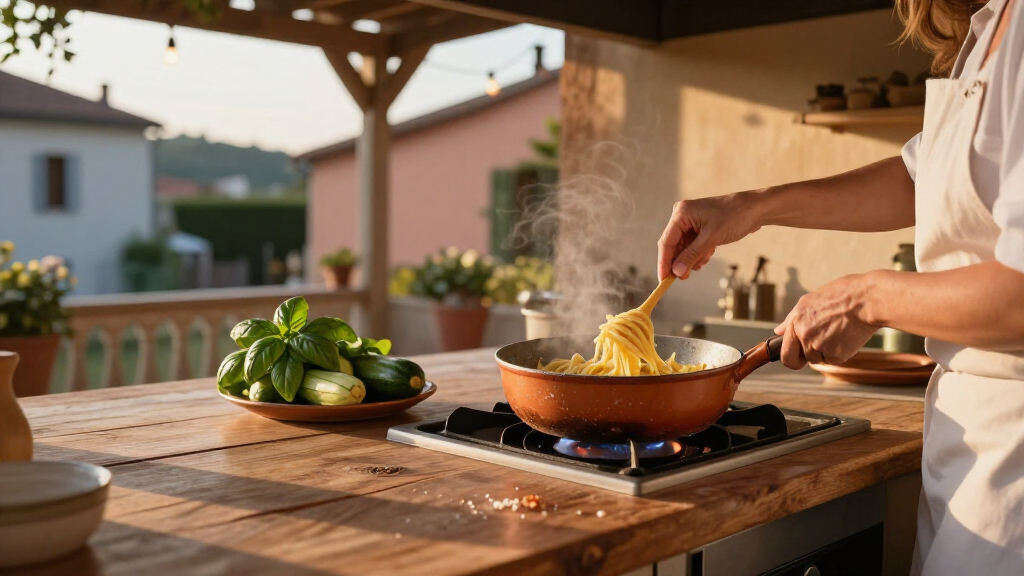
Acqua pazza gives you a tender fish course in about 20 minutes by poaching sea bass, sea bream, snapper, or another responsibly sourced local fish in tomato, garlic, parsley, olive oil, and white wine. The method tastes coastal and clean, yet carries enough ceremony for Sunday.
- Choose the fish by freshness and sourcing. Ask for the species, where it came from, and how it was caught or farmed. A local equivalent in good condition beats an imported Mediterranean species with a vague history.
- Start the shallow broth. Soften sliced garlic in olive oil, then add halved cherry tomatoes, parsley stems, white wine, and enough water to reach partway up the fish. Simmer for 5 minutes so the tomatoes begin to slump.
- Cook gently. Add a whole cleaned fish or thick fillets, cover the pan, and maintain a quiet simmer. Hard boiling can toughen the flesh and break delicate fillets.
- Check the center. According to USDA guidance, fish should reach a minimum internal temperature of 145°F [2]. Measure the thickest part without touching bone.
- Finish the broth. Add chopped parsley and good olive oil after the heat goes off. Taste before adding salt, especially if the meal includes anchovies or colatura.
For a table of six, two whole fish weighing roughly 1 to 1.2 kilograms each create a handsome serving moment and enough flesh after bones and heads. Fillets make service easier, particularly when children or guests dislike bones. Whole fish gives the broth more body, but only if someone at the table feels comfortable portioning it.
Food and alcohol note: White wine adds acidity, but cooking may leave some alcohol behind. Use water plus a squeeze of lemon for an alcohol-free broth, and reserve wine pairings for adults who choose to drink responsibly.
Colatura di Alici di Cetara DOP, the amber anchovy liquid from Cetara, can deepen the broth, though it is not required. Add half a teaspoon at a time after cooking and reduce the added salt. Like turning up a radio, a small adjustment brings the flavor forward; too much drowns everything else.
A Saturday Prep Plan Gives Sunday Back to You
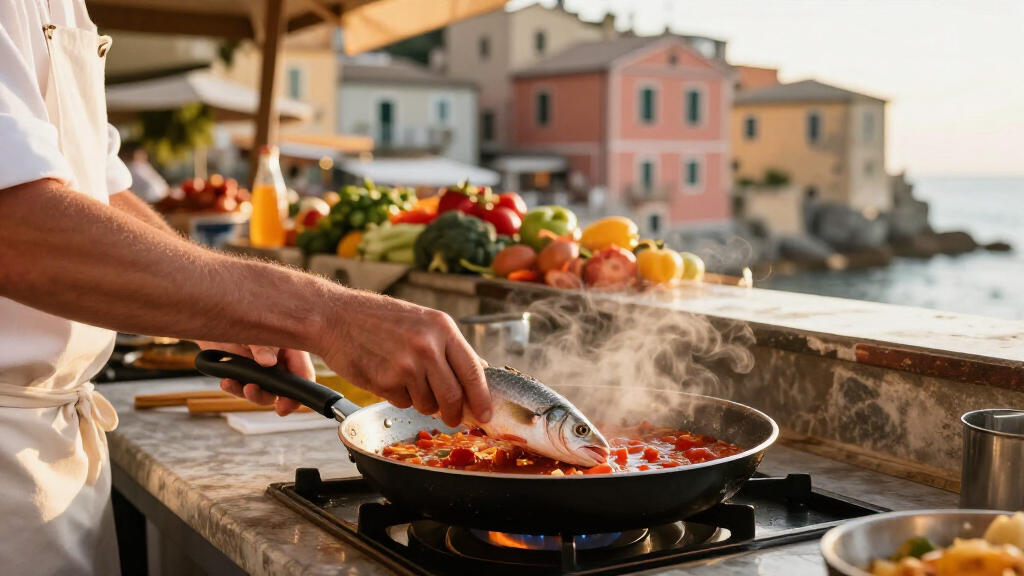
A smart prep plan lets you sit down with your guests because you finish only the pasta and fish after they arrive. On Saturday, marinate the vegetables, toast the hazelnuts, and prepare dessert components; on Sunday, set out the mozzarella, assemble the tomatoes, and keep stove work short.
- Saturday morning: Shop for fish, produce, cheese, bread, and wine. Ask the fishmonger to clean the fish, but keep it cold and cook it within the recommended storage window.
- Saturday afternoon: Roast peppers until their skins blister and blacken, then peel and dress them with garlic, parsley, olive oil, and a small splash of vinegar. Marinate cooked eggplant separately if you want a second contorno.
- Saturday evening: Toast the hazelnuts, mix ricotta with a little honey, wash the serving dishes, and chill the wine. You can also fry the zucchini, cool it promptly, and refrigerate it in a covered container.
- Sunday at noon: Set the table, wash the basil, slice bread, and organize the measured fish ingredients. Remove the mozzarella from the refrigerator about 30–45 minutes before serving, within safe time limits.
- As guests arrive: Put out taralli and olives, then assemble the tomato course. Boil the pasta only when everyone has nearly finished the antipasto, and start the fish after the pasta bowls leave the table.
Imagine six guests arriving at 1:00 p.m. The aperitivo buys you a relaxed 20-minute window, the cold antipasto needs only assembly, and the pasta takes about 15 minutes. By 2:15, you can lower the fish into its broth while everyone discusses the zucchini sauce instead of watching you chop peppers.
Refrigerate perishable leftovers within two hours, or within one hour above 90°F. Use cooked fish within 3–4 days, following USDA storage guidance [2].
Keep the menu shorter if you have one small stove or no kitchen help. Serve either roasted peppers or eggplant, not both, and choose fresh figs instead of a baked dessert. Campanian hospitality values generosity, but your presence at the table counts for more than an extra dish cooling unattended on the counter.
The Right Campanian Bottle Makes Every Course Brighter
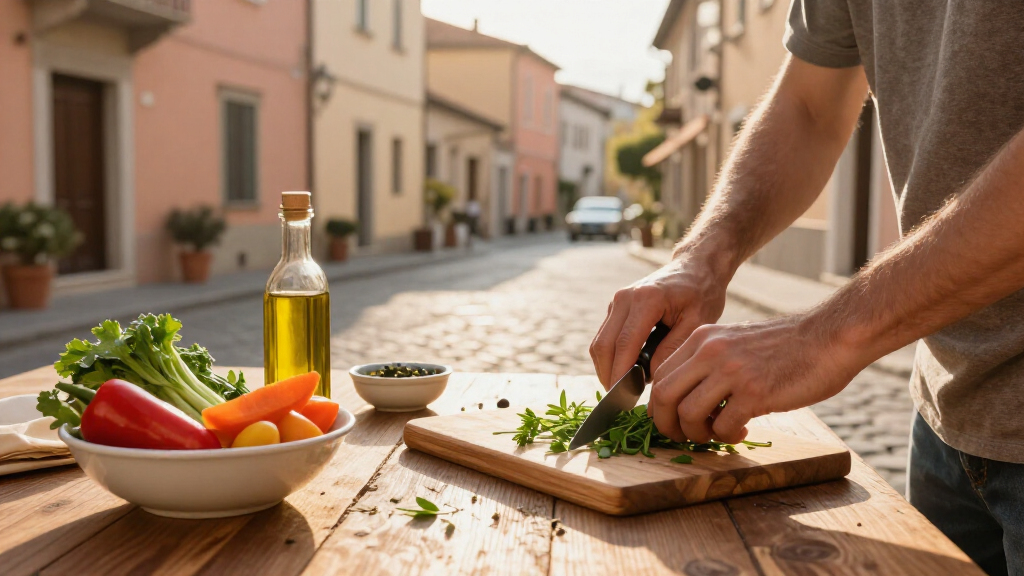
Falanghina gives this menu the cleanest one-bottle pairing because its bright acidity suits tomatoes, mozzarella, zucchini, and fish without flattening their flavors. For more body, choose Greco di Tufo DOCG or Fiano di Avellino DOCG; save Aglianico and Taurasi DOCG for ragù or roast meat.
| Wine | Best match | What you will notice |
|---|---|---|
| Falanghina | Olives, tomatoes, mozzarella, and acqua pazza | Citrus, orchard fruit, and a bright finish |
| Greco di Tufo DOCG | Richer fish or a more strongly seasoned pasta | Firm structure, mineral character, and gentle bitterness |
| Fiano di Avellino DOCG | Cheese, roasted peppers, zucchini, and seafood | Floral aroma, stone fruit, and a fuller texture |
| Lacryma Christi del Vesuvio | Tomato dishes and grilled or poached fish | A direct connection to the volcanic slopes around Vesuvius |
| Taurasi DOCG | Neapolitan ragù, lamb, or roasted meat | Tannin and dark fruit that can overpower delicate fish |
Serve a dry white around 46–50°F, cool enough to feel crisp but not so cold that its aroma vanishes. One bottle supplies roughly five standard 5-ounce pours, so two bottles can cover a moderate glass for six adults across a long meal. Keep cold water on the table and let guests refill it freely.
After dessert, espresso provides a clean stopping point. Limoncello made with Limone di Sorrento IGP or Limone Costa d’Amalfi IGP belongs after the meal as a digestivo, not before lunch. Serve a small measure to adults who want one, and keep the drink-responsibly framing as quiet and firm as the coffee.
The pairing should follow the food. A powerful red may be prestigious, but delicate fish needs restraint.
According to the European Commission’s eAmbrosia register, protected regional names carry specifications tied to geography and production [1]. That makes the label useful, though it never replaces taste or good storage. Reference [1] is the European Commission eAmbrosia geographical-indications register; reference [2] is USDA food-safety guidance for cooking temperatures, holding times, and leftovers.
Frequently Asked Questions
What time should a Campanian Sunday lunch begin?
Many families begin around 1:00 or 2:00 p.m., though household habits vary. Allow two to four hours if you plan several courses, coffee, and conversation. Starting at 1:30 gives you a relaxed afternoon without pushing dessert close to dinner.
Does Pasta alla Nerano contain cream?
Traditional Pasta alla Nerano does not need cream. Its silky texture comes from emulsifying fried zucchini, cheese, fat, and starchy pasta water. Add the cheese away from fierce heat and toss briskly so it melts into a glossy coating.
Can I replace mozzarella di bufala with ordinary mozzarella?
You can use a good fresh cow’s-milk fior di latte, which tastes milder and usually releases less liquid. Drain it well, bring it close to room temperature within safe limits, and pair it with your ripest tomatoes. The result will differ from Mozzarella di Bufala Campana DOP, but the dish will still work.
Which fish works best for acqua pazza?
Sea bass, sea bream, or snapper work well, either whole or as thick fillets. Choose a fresh, responsibly sourced local equivalent when those species are unavailable. Cook the thickest part to 145°F and watch for bones when serving a whole fish.
Can I make this menu vegetarian?
Yes. Keep the tomatoes and mozzarella, serve Pasta alla Nerano, and replace the fish with eggplant parmigiana, white beans, or another substantial vegetable dish. Omit anchovies and colatura, and check whether the cheese uses animal rennet.
What are the main allergens in this menu?
The menu may contain wheat, milk, fish, shellfish, and hazelnuts, depending on your choices. Taralli and pasta usually contain wheat, while mozzarella, ricotta, and Provolone del Monaco contain milk. Tell guests about anchovies and colatura too, since their fish content can be easy to miss.
Conclusion
Your best Campanian Sunday lunch will not be the one with the most plates. Choose one seasonal idea and follow it from the first salty olive to the final fig: ripe produce, gentle cooking, measured portions, and time left for conversation. That is how a lighter menu still feels abundant.
Do the chopping on Saturday, buy the best tomatoes and fish you can find, and let each course arrive without hurry. When the espresso cups begin to clink and nobody reaches for a coat, you will know the meal worked. The empty plates matter; the occupied chairs matter more.
Halloween Picks
halloween
As an affiliate, we earn on qualifying purchases.