
TL;DR
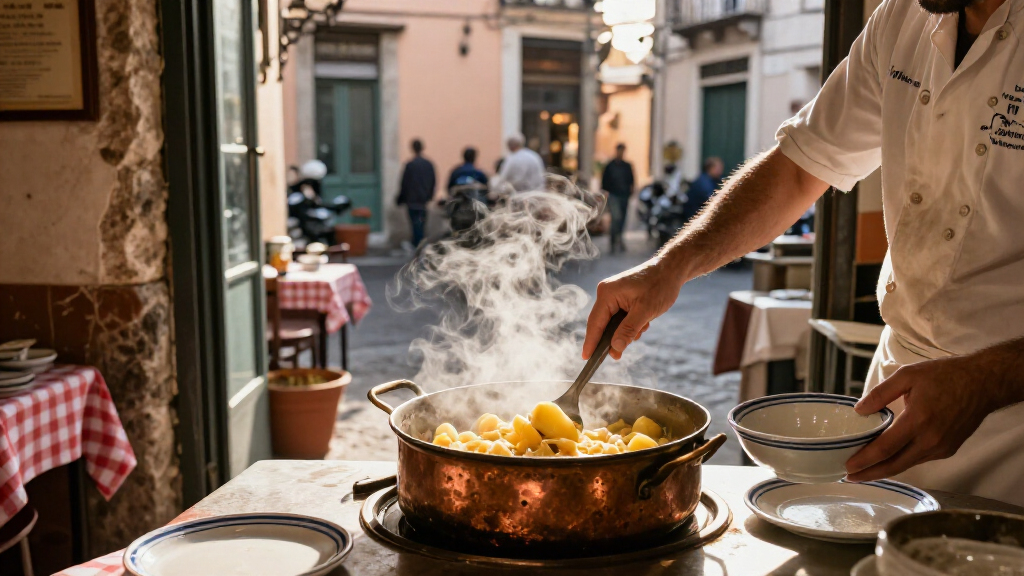
Pasta e patate is a hearty Neapolitan dish of pasta and potatoes cooked together until softened potatoes and pasta starch make a thick, spoonable sauce. It usually needs no cream; use pasta mista or small shapes, stir often, and loosen the pot with hot water or broth if it thickens too much. Smoked provola is a popular Neapolitan addition, while a simple vegetarian version works beautifully with vegetable broth.
A pot of pasta e patate can turn a handful of inexpensive ingredients into a dinner so thick and comforting that your spoon nearly stands upright. In Naples, this humble combination of pasta and potatoes has long belonged to home cooking, where cooks made satisfying meals from what the pantry could offer.

Get kitchen staples and gadgets delivered free with Prime
- Fast, free delivery on millions of items
- Prime Video, Amazon Music and more included
- Member-only deals all year
Here, pasta e patate means “pasta and potatoes,” but the name only hints at the pleasure of it: tender potato, savory cooking liquid, and little pasta shapes tucked into a creamy, almost stew-like pot. You’ll learn why it thickens without cream, which pasta and potatoes work best, and how to make a vegetarian version or add smoky provola (stretched-curd cheese).
There isn’t one fixed recipe. That flexibility is part of the dish’s charm—and knowing the few details that matter will help you make it taste right in your own kitchen.
Pasta e patate is a Neapolitan one-pot meal that sits between soup and pasta.
Its creamy texture comes from softened potatoes and pasta starch, usually without cream.
Use evenly cut potatoes and pasta mista, ditalini, or tubetti; stir and taste often.
Smoked provola is a popular variation, while pork-free cooking with water or vegetable broth is easy.
Serve it fresh when possible; refrigerate leftovers promptly and reheat with a splash of hot liquid.
Pasta e Patate Naples’ creamy comfort pot
Pasta and potatoes cook together into a thick, spoonable meal. The dish gets its creamy texture from softened potatoes and pasta starch, usually without cream.
A meal between soup and pasta
This Neapolitan home-cooking staple turns inexpensive pantry ingredients into a hearty one-pot dinner.
Creamy without cream
Potatoes partly break down while pasta starch thickens the cooking liquid into a cohesive sauce.
Flexible by nature
There is no single canonical recipe; cooks adapt the pot to what they have.
Choose shapes that cook well
Small pasta and evenly cut potatoes help everything soften at a similar pace.
| Choice | What it brings | Best for |
|---|---|---|
| Pasta mista | Mixed short shapes | A traditional, thrifty pot |
| Ditalini | Small, neat pieces | Predictable cooking |
| Tubetti | Short tubes | A hearty, stew-like bowl |
Build flavor, then adjust
A simple base leaves room for variations to suit the meal.
Soften onion and celery in olive oil; add tomato or pork if you like.
Cook evenly cut pieces in water or broth until some begin to break down.
Check and taste often, especially when using mixed shapes.
Let the pot thicken briefly; add hot water or broth if it gets too thick.
Make it your kind of pot
A few choices shift the flavor while keeping the comforting, spoonable character.
- Skip pork and use water or vegetable broth.
- Onion and celery make a savory base.
- Smoked provola is a popular Neapolitan addition.
- It melts into the pot with a smoky, stretchy finish.
What pasta e patate is—and why Naples loves it
Pasta e patate is a hearty Neapolitan home-cooking dish in which pasta and potatoes simmer together into one thick, comforting meal. It is often called a piatto povero, or humble dish, because its appeal comes from turning inexpensive pantry staples into something filling and deeply satisfying. In Naples, that history still shows up in a practical bowl you can make without an elaborate shopping list.
Think of it as a meal between soup and pasta: there should be enough liquid to keep everything tender, but not a pool of broth at the bottom. If you ladle it into a bowl on a chilly evening, the potatoes soften against the pasta and give each spoonful a velvety feel. That texture makes it different from a bowl of pasta served with a separate potato sauce.
There is no single canonical recipe. One household may start with onion and celery; another may add carrot, a little tomato, or pork rind for extra depth. A familiar modern Neapolitan variation stirs in smoked provola near the end, giving the pot a savory, stretchy finish. The dish has also found new fans among cooks interested in regional Italian food and recipes that put humble ingredients to work [1].
Imagine coming home with potatoes, a box of short pasta, and half an onion. You have the makings of the dish already. Start with the simple version, then decide whether your pot wants cheese, pork, or just a final glug of olive oil.
Products Worth Considering

Bose SoundTouch 30 Wireless Speaker, Black

Arlo Pro Wireless Security Camera, 2K HDR, 6th Gen, 4-Camera Kit

Shark Cordless Anti-Allergen Pet Power Stick Vacuum, Blue, IZ363HT
As an affiliate, we earn on qualifying purchases.
How potatoes and pasta make the dish creamy without cream
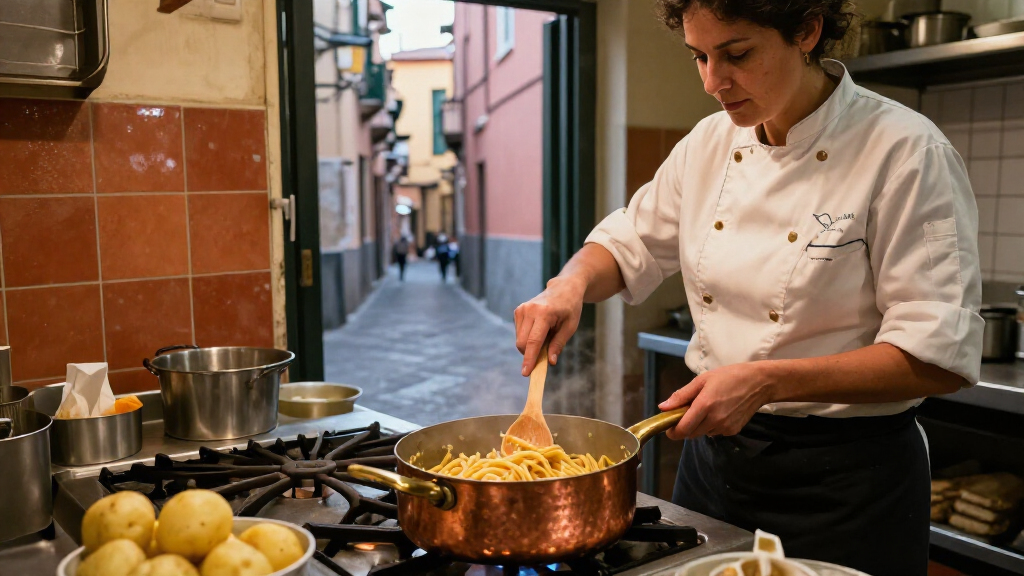
Pasta e patate gets creamy when potatoes soften and partly break apart while pasta releases starch into the same cooking liquid. The potatoes thicken the liquid; the starch helps bind it into a dense, cohesive sauce. You get a rich, spoonable texture without pouring in cream.
That means the pot’s liquid level matters. Add enough water or broth for the pasta to cook, then keep an eye on the mixture as it simmers. If it looks loose near the end, the pasta and potatoes will continue to absorb liquid as you stir and let the dish rest briefly. If the bottom starts to look dry before the pasta is tender, add hot water or broth a little at a time.
For example, if you’re cooking a small pot after work and the pasta absorbs liquid faster than expected, pour in a splash of hot broth and stir. Cold liquid can slow cooking, while a small hot addition keeps the pot moving. Once the pasta is tender, let the dish stand briefly; it thickens fast, so check the consistency before serving.
The plain-language rule: the potatoes and pasta create the creaminess together, so give them enough liquid to cook and adjust the thickness at the end.
Some cooks cook the pasta directly with the potatoes; others cook it separately or use leftover pasta. The one-pot method leans into the dish’s thrifty character and lets pasta starch enrich the cooking liquid. It also asks for more stirring and tasting—especially if the pasta shapes don’t cook at the same pace.
Which pasta and potatoes give you the best texture
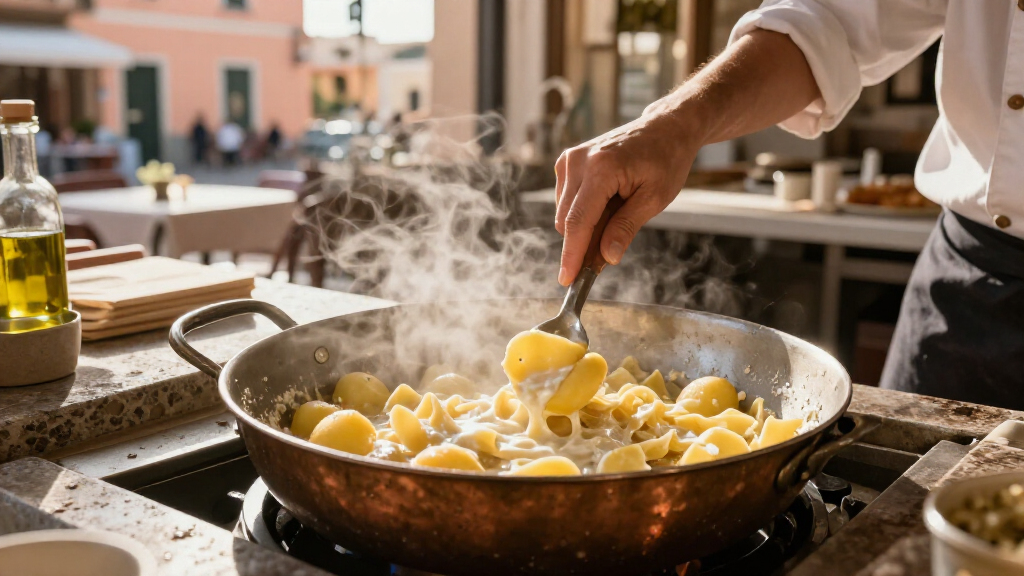
Pasta e patate works best with small, sturdy shapes and potatoes cut into even pieces. In many home versions, cooks use pasta mista, a mixture of short shapes that may include broken pasta saved from other meals. Ditalini and tubetti are practical choices when you want a single shape that cooks predictably.
| Choice | What it brings | Best for |
|---|---|---|
| Pasta mista | A jumble of short shapes and a traditional thrifty feel | Using assorted pasta with similar cooking times |
| Ditalini | Small, neat pieces that are easy to spoon | A straightforward one-shape pot |
| Tubetti | Short tubes that hold onto the thickened cooking liquid | A hearty, stew-like bowl |
| Uneven potato chunks | Some pieces collapse before others soften | Better avoided; they cook inconsistently |
Cut the potatoes into small, similarly sized cubes so they cook at about the same pace. If some pieces are tiny and others are large, the small ones may dissolve while the larger ones stay firm. A little tomato or tomato paste can tint the dish orange-red, while many versions stay pale or lightly golden.
Say you have a bag of pasta odds and ends in the cupboard: that’s a fine place to start, but mixed shapes may finish at different times. Stir and taste regularly instead of trusting one timer. If you want dinner to be more predictable on your first try, choose ditalini or tubetti and cut the potatoes to match the small scale.
How to build flavor with a simple Neapolitan base
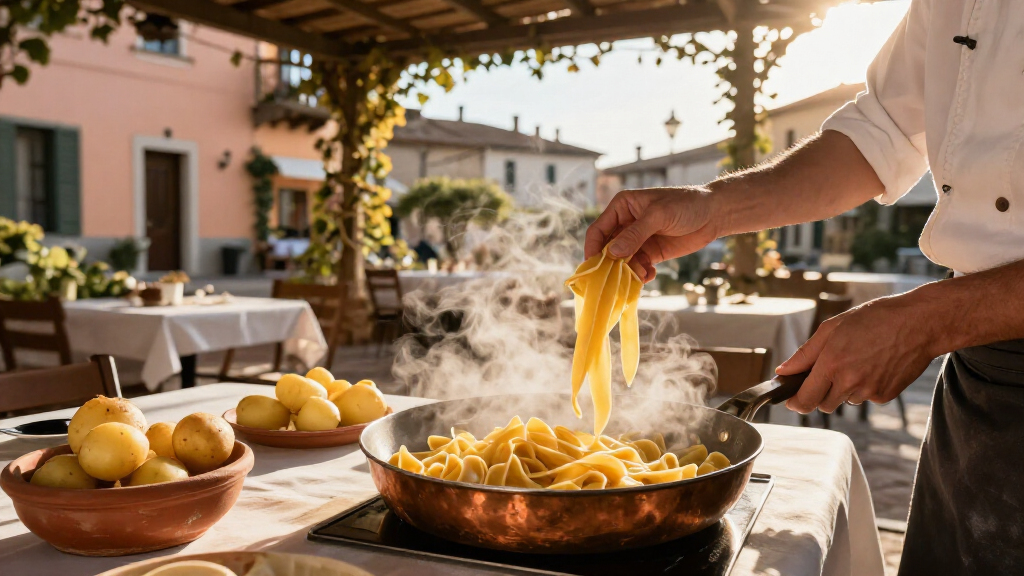
A simple aromatic base of onion and celery gives pasta e patate a savory start; optional tomato or pork adds another layer. You don’t need every variation in the same pot. The point is to choose a few ingredients that suit your dinner, then let the potatoes and pasta do their work.
For a weeknight version, soften chopped onion and celery in olive oil, add the evenly cut potatoes, then pour in water or broth and simmer until the potatoes begin to soften. Add the pasta and keep stirring as it cooks. If you like a little color, add a small spoonful of tomato paste; if you want a deeper, meatier pot, some versions include pancetta, cured pork, or pork rind.
Here’s a practical order to follow when you cook:
- Cut potatoes evenly into small pieces so they soften at roughly the same time.
- Soften onion and celery in olive oil; add tomato paste or pork if you’re using it.
- Simmer the potatoes in water or broth until some pieces start to break down.
- Add pasta and stir often, checking the package time and tasting near the end.
- Adjust and rest: add hot liquid if it’s too thick, then let the finished pot sit briefly.
Picture a rainy night when you have no appetite for a complicated meal. This order gives you one pot to watch and a dinner that builds flavor while it cooks. You can leave out pork entirely; water or vegetable broth still makes a satisfying base.
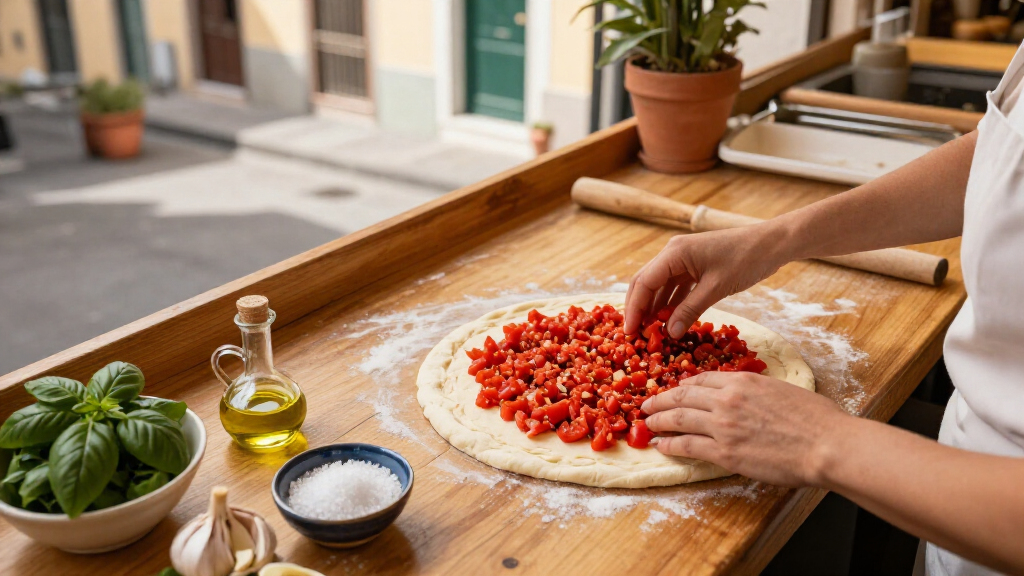
When provola turns a humble pot smoky and stretchy
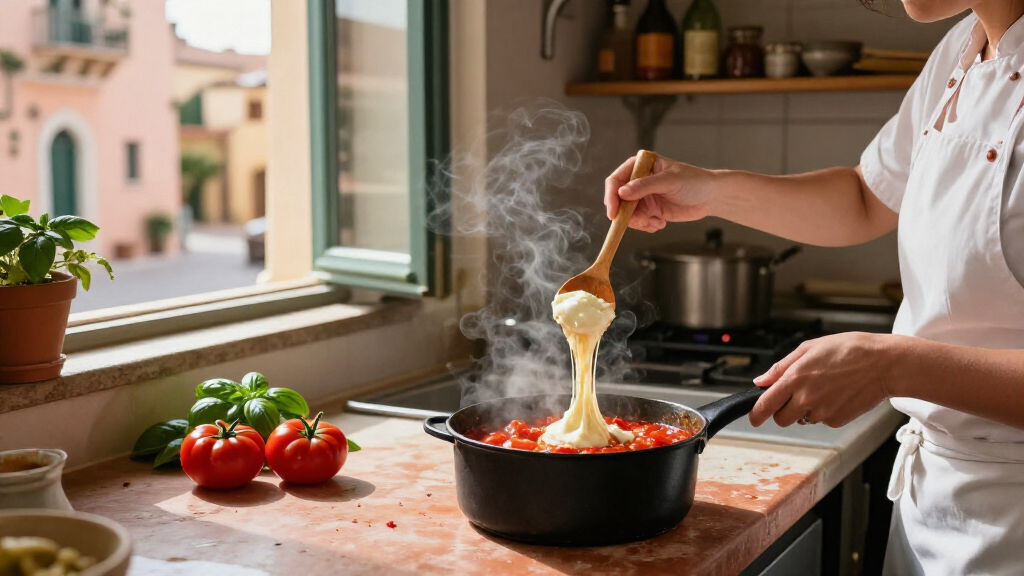
Smoked provola turns pasta e patate into a richer, smokier variation by melting through the hot pasta and potatoes. Some cooks use provolone instead, while plenty of versions contain no cheese at all. Adding cheese is an option, not a requirement for the dish to taste like itself.
For a vivid example, serve a basic pot on Monday, then stir a handful of diced smoked provola into a second batch on a colder night. As it melts, the cheese pulls into soft strands and brings a smoky aroma that changes the character of the bowl. A final drizzle of olive oil, black pepper, or grated cheese can finish either version.
Keep the cheese choice in mind if you’re cooking for other people: provola and provolone are dairy, and some grated cheeses may contain animal rennet. Ask guests about allergies or dietary needs, and check the label if you need a specific cheese-making process. For a vegetarian pot, skip the pork and use water or vegetable broth; choose cheese only if it fits your needs.
The tradeoff is straightforward. Cheese adds a lush, savory finish, but it can make an already thick pot heavier and saltier. Taste before adding extra salt, especially if your broth, pancetta, or cheese already brings plenty. A plain bowl with black pepper and olive oil has its own quiet appeal: soft potatoes, glossy pasta, and a clean savory finish.
How to keep the pot creamy instead of soupy or dry
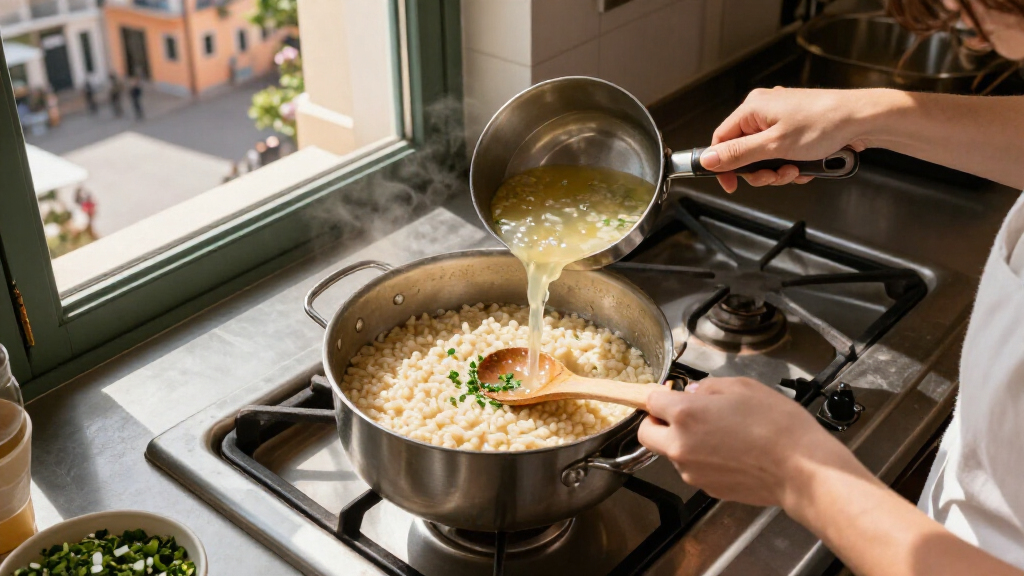
The right consistency is thick but loose enough for the pasta to cook, with little free liquid left once the dish has rested. Pasta e patate sits between soup and pasta. If it becomes soupy, give it a little more time; if it turns too stiff, loosen it with hot water or broth.
Mixed shapes ask for close attention because their cooking times may differ. Stir often enough to keep pasta from sticking on the bottom, and taste a piece rather than relying only on the package directions. If you’re using leftover cooked pasta, add it near the end and simmer briefly so it can absorb flavor without going mushy.
One useful kitchen scenario: you’ve cooked the pot until the ditalini feels tender, but the mixture looks a little loose. Turn off the heat and let it stand briefly; the starch and potatoes will thicken it as the pasta drinks in liquid. If it’s already too tight to stir, add a small splash of hot liquid and fold gently.
Freshly made pasta e patate is at its best because pasta keeps absorbing liquid as it sits. If you make it ahead, expect a thicker texture at serving time. Cool leftovers promptly, store them in the refrigerator, and reheat gently until steaming hot throughout, stirring in a splash of water or broth. Don’t leave the cooked pot at room temperature for more than two hours; refrigerate sooner in a warm kitchen.
What to serve with pasta e patate for a balanced meal
Pasta e patate is filling enough to serve as a one-pot meal, and a simple green side can balance its soft, rich texture. You don’t need to build an elaborate spread around it. A sharp salad or cooked greens add freshness and a little contrast to a bowl that is savory, warm, and starchy.
Try bitter greens such as broccoli rabe or sautéed escarole if you want a Neapolitan direction at the table. Their slight bite cuts through melted provola particularly well. A simple salad with crisp leaves and a bright vinegar dressing also works when you want something quick beside a steaming bowl.
Think about the version you’ve cooked. If you’ve added pancetta and smoked cheese, a light side keeps dinner from feeling too heavy. If your pot is vegetarian and simply seasoned, you might serve more greens or a little crusty bread for wiping the last of the thickened broth from the bowl.
- For freshness: dress a simple salad just before serving so the leaves stay crisp.
- For a bitter edge: cook escarole or broccoli rabe until tender, then season with olive oil.
- For a fuller meal: add bread, especially if the pot is made without meat or cheese.
On a cold evening, a small bowl of pasta e patate with a pile of garlicky greens is enough. The contrast does the work: creamy potato and pasta beside leaves that taste green, bright, and a little pleasantly bitter.
Frequently Asked Questions
Is pasta e patate soup or pasta?
It sits between the two: thick and spoonable, with little free liquid, but not dry. If yours looks soupy, let it stand briefly; if it tightens too much, stir in a splash of hot water or broth.
Does pasta e patate contain cream?
Usually, no. Softened potatoes and starch released by pasta thicken the cooking liquid and give the dish its creamy texture.
What pasta should I use for pasta e patate?
Pasta mista, a mixture of short pasta shapes, is traditional in many home versions. Ditalini or tubetti are practical single-shape substitutes; stir and taste often if you use a mix, since different shapes may cook at different rates.
Can I make pasta e patate vegetarian?
Yes. Skip pork and use water or vegetable broth. If you add cheese, check that it suits your dietary needs; provola and provolone are dairy products.
Can I use leftover cooked pasta?
Yes. Add it near the end and simmer it briefly with the potatoes so it can take on their flavor without turning mushy. Because cooked pasta is already tender, taste frequently as you warm it through.
How do I keep pasta e patate from overcooking?
Choose pasta shapes with similar cooking times, stir regularly, and taste as the pot cooks. Mixed shapes need more attention than a single shape such as ditalini. Turn off the heat as soon as the pasta is tender.
Can I make pasta e patate ahead?
It tastes best freshly made because the pasta continues to absorb liquid as it sits. Refrigerate leftovers promptly, then reheat gently until steaming hot throughout, adding a splash of hot water or broth to loosen them.
Is pasta e patate the same as pasta e fagioli?
No. Pasta e patate is built around potatoes, while pasta e fagioli means “pasta and beans” and centers on beans. Both are comforting Italian dishes, but they have different main ingredients and textures.
Conclusion
Remember the simple idea behind pasta e patate: let the potatoes soften, let the pasta release its starch, and give the pot enough liquid to bring them together. Start with onion, celery, potatoes, and one small pasta shape; add smoked provola if you want a richer Neapolitan finish.
Then set a bowl beside some bright greens and eat while the pasta is still tender and the steam carries the smell of olive oil and pepper. A few humble pantry staples can make a very generous dinner.