
TL;DR

Get kitchen staples and gadgets delivered free — and shop member deals
- Fast, free delivery on millions of items
- Access to Prime Big Deal Days deals on October 6–7
- Prime Video, Amazon Music and more included
Ossobuco is a northern Italian braise, most closely associated with Milan, made from cross-cut veal shanks — the name means ‘bone with a hole,’ for the marrow bone at the center. You brown the shanks, braise them gently with wine, stock, and vegetables for two to three hours, and finish with gremolata (lemon zest, parsley, garlic). Serve it over saffron risotto, polenta, or mashed potatoes.
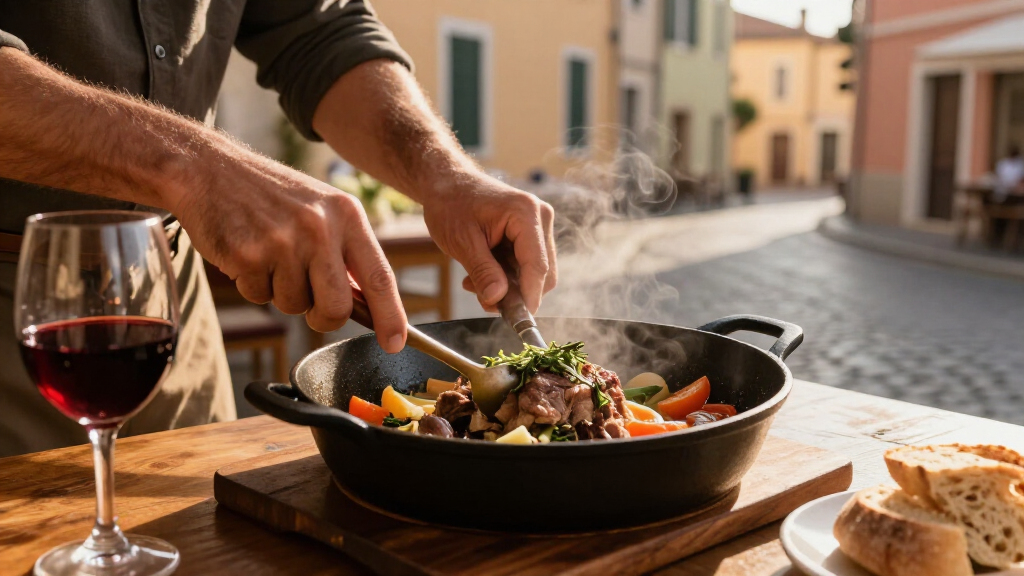
The first evening cool enough to close the windows is the evening you should be braising. And if one dish deserves that moment, it’s ossobuco — cross-cut veal shanks, slow-cooked until the meat surrenders around a marrow-filled bone, ladled over something starch-rich enough to catch the sauce.
Ossobuco is a northern Italian braise, most closely associated with Milan and the surrounding region of Lombardy. Its name means “bone with a hole” — a plain description of the shank slice itself, with its ring of meat around a center of edible marrow. It sounds modest. It eats like a feast.
In this guide you’ll learn what separates real ossobuco from a generic stew, how to buy the right cut, exactly how to braise it, and how to serve it the way Milan does — with saffron risotto and a shower of lemony gremolata. Plus the shortcuts and swaps that actually work.
Ossobuco is defined by the cut — cross-cut veal or beef shank, 1½ to 2 inches thick, bone and marrow intact — not simply by meat braised in sauce.
Braise at 325°F (160°C) for 2 to 3 hours until fork-tender; a gentle simmer melts collagen into gelatin, while boiling toughens the meat.
Always brown the shanks before braising, whichever appliance you use — oven, slow cooker, or pressure cooker.
Make gremolata (lemon zest, parsley, garlic) fresh and add it only at serving; its brightness is what balances the rich braise.
Ossobuco improves overnight: refrigerate within 2 hours, keep up to 3 days or freeze up to 3 months, and reheat gently to 165°F (74°C).
Ossobuco: The Braise That Deserves Your First Cool Evening
Cross-cut veal shanks, slow-cooked until the meat surrenders around a marrow-filled bone, ladled over saffron risotto and finished with a shower of lemony gremolata. The name means “bone with a hole” — and the dish is the slice.
Ossobuco Is Defined by the Slice, Not the Sauce
The shank is a hard-working muscle full of collagen. Slow, moist heat dissolves that collagen into gelatin over two to three hours, thickening the braising liquid into a sauce with body you can’t fake with flour. Cut the shank into cubes and you lose the bone, the marrow, and the structure — you’d have a tasty stew, but not ossobuco.
Cross-Cut, Bone-In
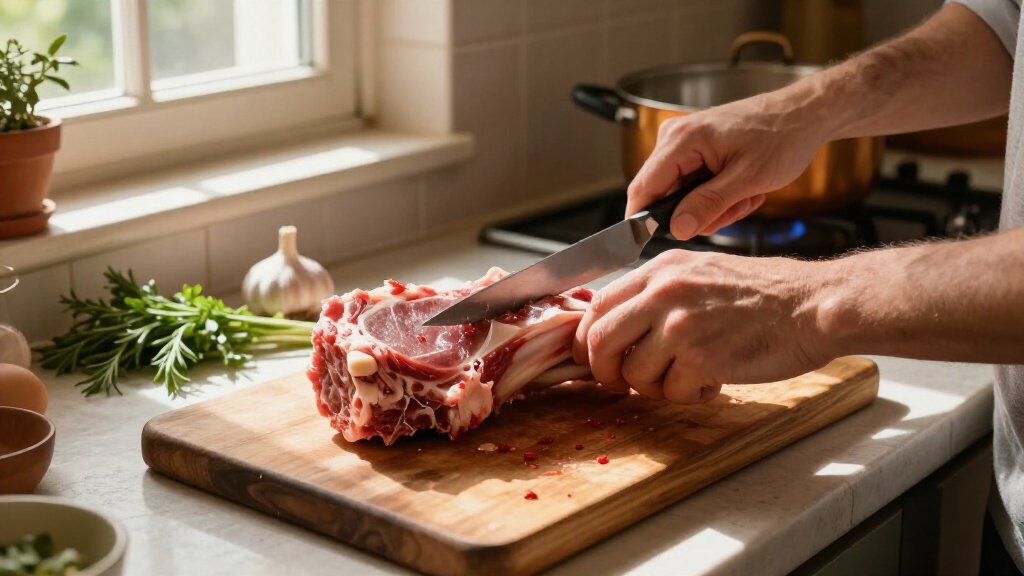
Ask for veal shanks cut 1½ to 2 inches thick, bone and marrow intact. A good butcher ties each slice with twine around its equator so the meat holds its shape during the long cook.
Collagen → Gelatin
Collagen needs low, moist heat over a long stretch to dissolve into gelatin. Meanwhile, the marrow inside the bone slowly softens and enriches everything around it.
Beef Shank Works
Deeper in flavor, usually cheaper, and needing perhaps an extra 30 to 45 minutes of braising. Not traditional — but completely legitimate.
How to Braise Ossobuco, Step by Step
Ossobuco rewards patience, not technique. Most of the cooking time is hands-off in a low oven — exactly why it suits a lazy first cool weekend.
Season & Flour
Pat shanks dry, salt well, dredge lightly in flour. Dry meat browns; wet meat steams.
Brown Hard
Olive oil in a Dutch oven, 4–5 minutes per side. The crust is where flavor lives.
Build the Base
Onion, carrot, celery until golden; garlic, then white wine to scrape every browned bit.
Add Liquid
Stock two-thirds up the shanks — not submerged. Tomato paste optional, plus bay leaf.
Braise & Finish
Covered, 325°F oven, 2–3 hours. Fork-tender, rest 10 minutes, gremolata at serving.
Serving Partners: What Works and Why
Ossobuco is dense, wine-dark, and marrow-rich. Saffron risotto works as both cushion and contrast — it dilutes the intensity spoonful by spoonful while catching every drop of the gelatin-thickened sauce. The rice is what makes the dish a meal rather than an event.
| Partner | Classic Status | Catches Sauce | Effort Level | Best For |
|---|---|---|---|---|
| Risotto alla Milanese | ✓ Canonical | ✓ Excellent | ~ High | The full Milanese experience |
| Creamy Polenta | ~ Accepted | ✓ Excellent | ✓ Low | Weeknight comfort |
| Mashed Potatoes | ~ Modern | ✓ Very good | ✓ Low | Simplicity, family tables |
| Crusty Bread | ~ Rustic | ~ Sopping only | ✓ Minimal | Marrow scooping, casual meals |
| Served Plain | ✗ Avoid | ✗ None | ✓ None | Too rich — richness with no relief |
Gremolata: The Thirty-Second Finish
After two-plus hours of wine, stock, and marrow, the palate fatigues — richness on richness reads as heaviness. Raw citrus oils and sharp garlic reset the palate between bites. This is why gremolata is added after cooking, never during: heat would cook away the volatile aromatics that do the work. A dish that took three hours is finished in thirty seconds, and that contrast is the point.
One honest note on tradition: some classical Milanese preparations use little or no tomato; most modern recipes include a modest amount. Without tomato the braise is cleaner, deeper, more wine-driven. With tomato, acidity brightens the sauce for modern palates. Neither is wrong — cook the version your table prefers.
Ossobuco Improves Overnight
Ossobuco began as Lombard thrift — an inexpensive, unfashionable cut transformed by the one cooking method patient enough to handle it. The dish rewards care, not expense, and it rewards planning too: flavors deepen after a night in the refrigerator.
Within 2 Hours
Refrigerate promptly after cooking. The gelatin sets, the flavors marry, and the fat is easy to lift off the next day.
Up to 3 Days
Keep refrigerated and reheat gently to 165°F (74°C). Never boil — treat the reheat like the braise itself.
Up to 3 Months
Freezes beautifully. Thaw overnight, reheat gently, and make the gremolata fresh — always at serving, never before.
What Ossobuco Actually Is — and Why the Cut Does the Work
Ossobuco is a braise defined by a specific cut: the cross-cut shank, usually veal, sliced about 1½ to 2 inches thick, bone and marrow intact. That’s not a stylistic detail — it’s the whole dish. The shank is a hard-working muscle full of collagen and connective tissue, which is exactly why slow braising turns it luxurious rather than stringy.
Here’s the mechanism in plain terms. Collagen needs low, moist heat over a long stretch — typically two to three hours — to dissolve into gelatin. That gelatin thickens the braising liquid into a sauce with body you can’t fake with flour. Meanwhile, the marrow inside the bone slowly softens and enriches everything around it.
This is also why ossobuco is not the same as a quick stew. Cut the shank into cubes and you lose the bone, the marrow, and the structure — you’d have tasty meat in sauce, but not ossobuco. The dish is the slice.
Ask your butcher for exactly this: veal shanks, cut 1½ to 2 inches thick, bone-in, marrow in place. A good butcher will tie each slice with twine around its equator so the meat holds its shape during the long cook. If veal isn’t available or isn’t your thing, beef shank is a completely legitimate alternative — deeper in flavor, usually a bit cheaper, and needing perhaps an extra 30 to 45 minutes.
As an affiliate, we earn on qualifying purchases.
Milan, Saffron, and Gremolata: The Classic Pairing
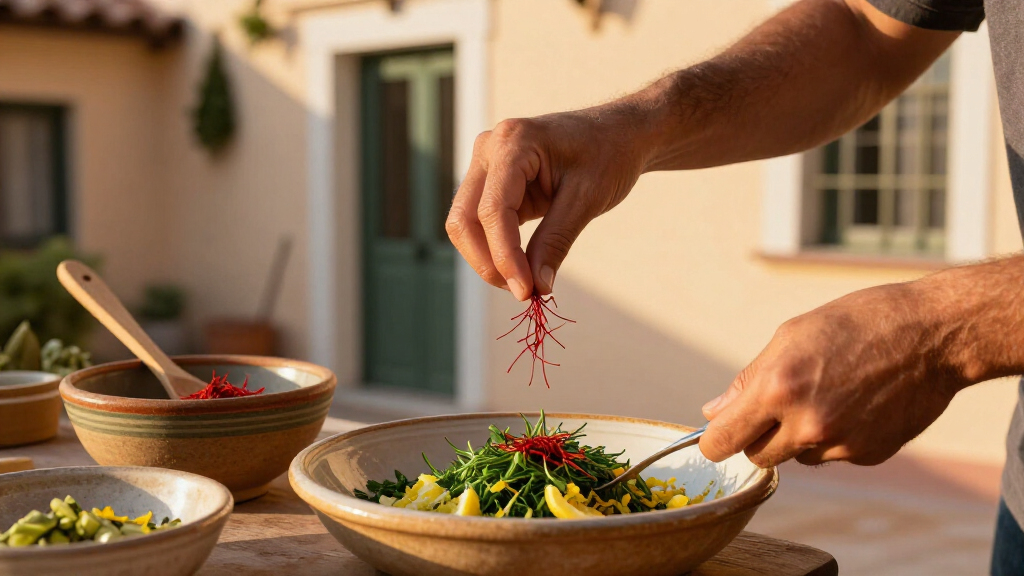
The canonical version is ossobuco alla Milanese, and its traditional partner is risotto alla Milanese — risotto stirred with saffron, which tints it gold and gives it a faintly honeyed aroma. This pairing isn’t arbitrary tradition; it’s a lesson in balance. Ossobuco is dense, wine-dark, and marrow-rich, and the airy, gently aromatic saffron rice works as both a cushion and a contrast: it dilutes the intensity spoonful by spoonful while catching every drop of the gelatin-thickened sauce. Serve the same braise over nothing at all and it becomes almost too much; the rice is what makes the dish a meal rather than an event.
The pairing also grew out of geography and economics. Saffron arrived in Milan’s kitchens centuries ago via trade routes, and the rice paddies of the surrounding Po Valley made rice cheap and abundant while veal shanks were a byproduct of the region’s dairy industry — calves were raised for milk, not meat. In other words, ossobuco began as thrift: an inexpensive, unfashionable cut transformed by the one cooking method patient enough to handle it. That origin is worth remembering, because it tells you the dish rewards care, not expense. It’s also why Italian home cooks guard the pairing — golden rice and dark braise together is Milan’s culinary signature, found everywhere from the trattorie of the Navigli district to dining rooms near the Duomo.
The other non-negotiable of the Milanese plate is gremolata: lemon zest, flat-leaf parsley, and garlic, minced together and scattered over the shank at the last minute. Its role is structural, not decorative. After two-plus hours of wine, stock, and marrow, the palate fatigues — richness on richness reads as heaviness, and the dish starts to blur. The raw citrus oils and sharp garlic reset the palate between bites, which is why gremolata is added after cooking, never during: heat would cook away the volatile aromatics that do the work. A dish that took three hours is finished in thirty seconds, and that contrast is the point.
One honest note on tradition: some classical Milanese preparations use little or no tomato, while many modern versions — and most recipes you’ll find today — include a modest amount. Neither is wrong, and the choice is really a question of what you want the sauce to do. Without tomato, the braise tastes older and more wine-driven — cleaner, deeper, almost medieval in its richness. With tomato, acidity and a touch of sweetness brighten the sauce and make it friendlier to modern palates. Cook the no-tomato version when you want the wine and marrow to speak; cook the tomato version when your table leans toward familiar flavors. Try both and see which your table prefers.
How to Braise Ossobuco Step by Step
Ossobuco rewards patience, not technique. Most of the cooking time is hands-off in a low oven, which is exactly why it suits a lazy first cool weekend. Follow this sequence and you’ll land somewhere between very good and restaurant-grade.
- Season and flour. Pat the shanks dry, salt them well, and dredge lightly in flour. Dry meat browns; wet meat steams. The flour also helps thicken the sauce later.
- Brown hard. Heat a couple of tablespoons of olive oil in a heavy Dutch oven over medium-high heat and brown each shank deeply on both sides, roughly 4 to 5 minutes per side. That brown crust is where much of the flavor lives. Set the shanks aside.
- Build the base. Cook chopped onion, carrot, and celery in the same fat until softened and golden at the edges, about 8 minutes. Add garlic for the last minute, then a splash of white wine (dry Italian whites work beautifully) and scrape up every browned bit from the bottom.
- Add liquid and return the meat. Pour in enough beef or veal stock to come about two-thirds of the way up the shanks — not submerged. Add a tablespoon of tomato paste or a little crushed tomato if you like, plus a bay leaf.
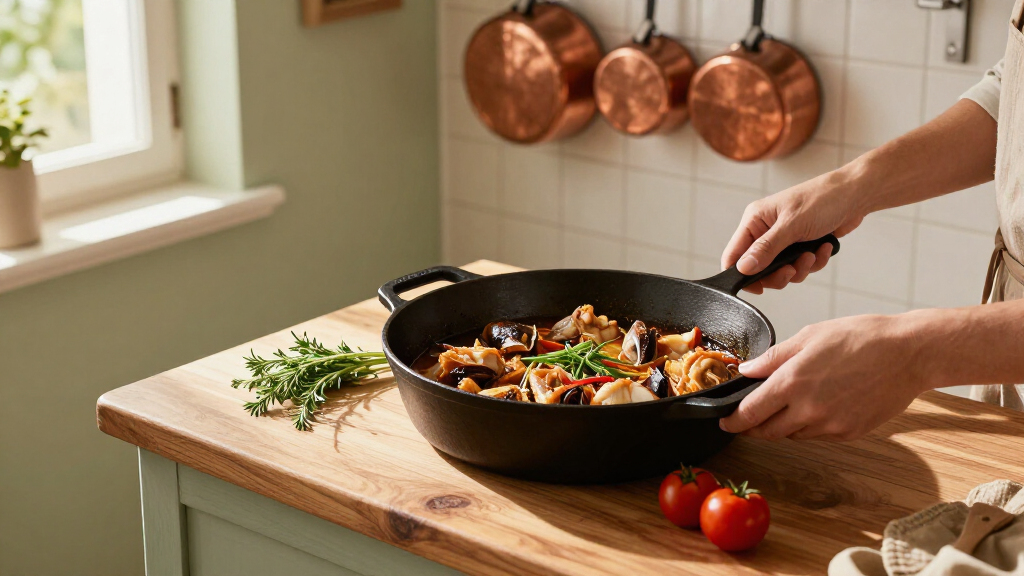
- Braise low and slow. Cover and transfer to a 325°F (160°C) oven for 2 to 3 hours, turning the shanks once halfway. The gentle oven does the work; a hard boil would toughen the meat and cloud the sauce.
- Test, then finish. The shanks are done when the meat yields easily to a fork but still holds around the bone. Rest 10 minutes, stir the gremolata’s lemon zest, parsley, and garlic together fresh, and scatter it over just before serving.
If you’re not sure whether it’s done, it isn’t. Shank becomes tender only when its connective tissue fully softens — trust the fork test over the clock.
Veal vs. Beef, Stovetop vs. Oven: Which Choices Actually Matter
Not every decision in this dish carries equal weight. The cut matters enormously; the equipment matters less than you’d think. Here’s how the main options compare so you can match the recipe to your evening.
| Choice | Traditional | Alternative | What changes |
|---|---|---|---|
| Meat | Veal shank | Beef shank | Beef is deeper-flavored, cheaper, needs ~30–45 min longer |
| Heat | 325°F oven | Stovetop, lowest simmer | Stovetop needs more attention; oven is more even |
| Speed | Dutch oven, 2–3 hrs | Pressure cooker, ~45–60 min | Much faster, but sauce texture differs — reduce it after |
| Hands-off | Oven braise | Slow cooker, low 6–8 hrs | Convenient, but you should still brown the meat first |
| Sauce | Little or no tomato | Spoonful of tomato paste | Tomato adds brightness; classic Milanese leans wine-forward |
The one step no appliance can replace is browning. Whether you finish in an oven, a slow cooker, or a pressure cooker, brown those shanks in a pan first. Skipping it costs you the deepest layer of flavor in the finished dish.
And whatever route you take, keep the heat gentle. The difference between a simmer and a boil is the difference between silky gelatin-rich sauce and tough, gray meat. Low and slow isn’t a slogan here — it’s the physics.
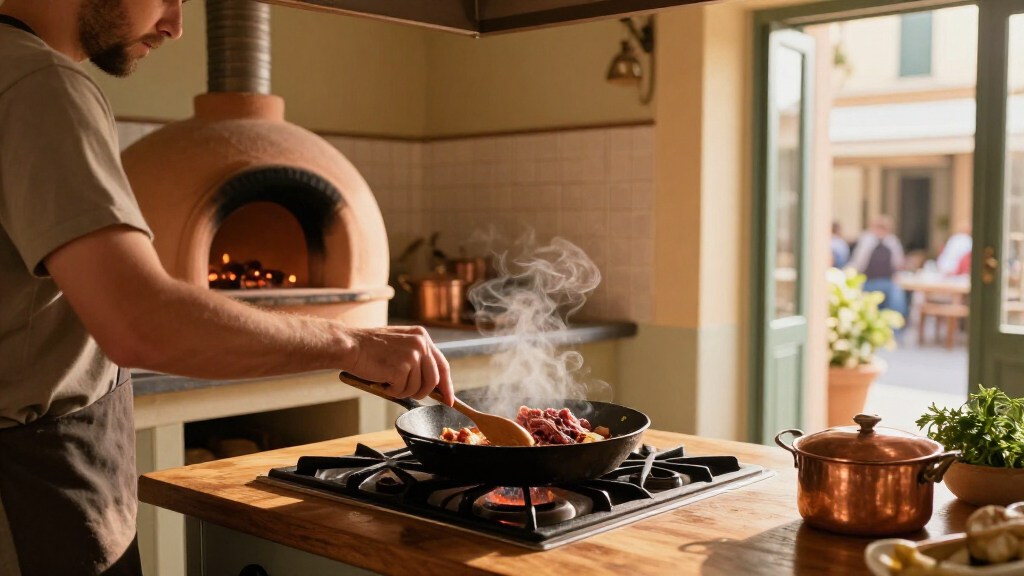
Why Ossobuco Is the Perfect Make-Ahead Dinner Party Dish
Ossobuco actually improves overnight. Like most braises, its flavors deepen after a night in the refrigerator as the gelatin, wine, and aromatics settle into each other — which makes it one of the most relaxed dinner-party mains in the Italian repertoire.
Picture the scenario. Your guests arrive Saturday evening. The ossobuco was cooked Friday, chilled overnight, and now reheats gently on the stovetop while you stir a risotto — the only last-minute task, and a sociable one. You spoon the shank over golden rice, scatter gremolata, and sit down with everyone instead of sweating at the stove.
Cooking ahead has a practical bonus too: chilled braise fat rises to the top and solidifies, so you can lift it off in one sheet before reheating. The sauce comes out cleaner and less greasy than the day you made it.
Storage basics: cool the braise quickly, refrigerate within about two hours, keep it up to 3 days in the fridge or freeze the meat and sauce airtight for up to about 3 months. Thaw in the refrigerator, reheat gently to a steaming 165°F (74°C), and always make the gremolata fresh — its whole purpose is brightness, and brightness doesn’t survive a night in the fridge.
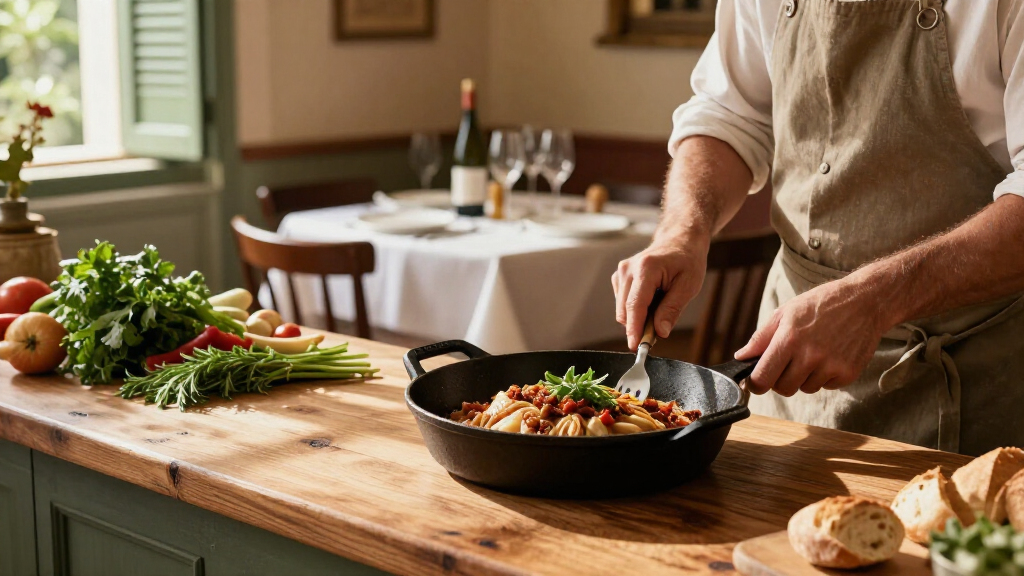
The rule worth remembering: braise ahead, gremolata at the table. Never the reverse.
What to Serve With It (Beyond the Obvious)
Risotto alla Milanese is the classic partner, but it demands stirring at the exact moment you’d rather be pouring wine. Before you pick a side, it helps to understand what the accompaniment is actually doing in this dish: ossobuco arrives with an intense, gelatin-rich sauce that needs a bland, absorbent, starchy base beneath it. The meat provides flavor; the base provides structure and volume. That’s the real selection criterion — anything creamy, neutral, and thirsty for sauce will work, which is why the dish is so forgiving about what you serve alongside.
- Saffron risotto — the full Milanese experience, and the only option that adds its own flavor rather than simply receiving it. The tradeoff is real: risotto needs stirring in the final twenty minutes, exactly when the braise wants a gentle reheat and your guests want your attention. Stir in butter and Parmigiano-Reggiano at the end; the rice catches every drop of sauce. Choose this when the evening is the event.
- Soft polenta — the practical Lombard alternative, and arguably the smarter one on a weeknight. It’s just as absorbent as risotto, ready with a fraction of the attention, and its creamy neutrality makes the sauce’s intensity the entire story. The implication: polenta lets the braise lead; risotto makes the plate a duet.
- Mashed potatoes — the home-cook champion. Rustic, familiar, and completely correct when it’s Tuesday and you’re tired. Nobody in Milan will know, and the sauce won’t care.
- Crusty bread — non-negotiable regardless, because of the marrow. Scoop it from the bone with a small spoon and spread it on toasted bread, salted. Many Italians consider this the best bite of the whole plate — the entire dish builds toward an ingredient you can’t buy separately, and bread is how you claim it.
For wine, stay regional if you can — and understand why it matters here. Rich, gelatinous braises coat the palate, and a wine without acidity just adds more weight. A Lombardy red like Valtellina (Nebbiolo-based, from Alpine vineyards) is the classic match precisely because its high acid and firm tannins scrub the palate clean between bites. Any dry Italian red with good acid — Chianti, Barbera — does the same job; a heavy, oaky fruit bomb would compete with the braise rather than refresh for it. Cook with a splash of the same wine if it’s convenient. Enjoy alcohol responsibly and in moderation, and of course only if you’re of legal drinking age.
A note for anyone cooking for guests with allergies: this dish contains no common allergens in its base, but classic accompaniments bring dairy (risotto’s butter and cheese, mashed potatoes) and the flour dredge contains gluten. The flour is the easiest fix — skip it for a gluten-free version, and the sauce will barely notice, since its body comes from gelatin, not starch. That’s the quiet genius of the cut: the thickener was in the bone all along.
Frequently Asked Questions
What does “ossobuco” mean?
It’s Italian for “bone with a hole” — a literal description of the cross-cut shank slice, whose center is a marrow-filled bone. That marrow is edible, prized for its richness, and traditionally scooped out with a small spoon at the table.
Is ossobuco made with veal or beef?
Veal is traditional in the Milanese version, and it cooks a bit faster. Beef shank is a common and legitimate substitute with a deeper, beefier flavor — plan on roughly 30 to 45 minutes of additional braising time and the same fork-tender doneness test.
How do I know when ossobuco is done?
Trust the fork, not the clock. The meat should yield easily and be on the verge of falling off the bone, but still holding its shape around it. If it’s still tough, it simply needs more gentle cooking — shank tenderizes gradually as its connective tissue dissolves.
What is gremolata, and do I really need it?
Gremolata is a fresh condiment of lemon zest, flat-leaf parsley, and garlic, minced together. It plays no role in the braising itself, but after hours of rich, winey meat, its citrus brightness is what keeps the dish from feeling heavy. Add it just before serving, never during cooking.
Can I make ossobuco ahead or freeze it?
Yes — it’s arguably better the next day. Cool it quickly, refrigerate within two hours, and keep it up to 3 days or freeze the meat and sauce airtight for up to about 3 months. Thaw in the refrigerator, reheat gently until steaming (165°F / 74°C), and make fresh gremolata after reheating.
Conclusion
If one idea stays with you, make it this: ossobuco asks for almost nothing except the right cut and gentle, unhurried heat. Buy proper cross-cut shanks, keep the braise at a murmur, and finish with gremolata made in the last five minutes. Everything else — the oven versus the stovetop, veal versus beef, risotto versus polenta — is negotiable.
The first cool evening of the year will come whether you plan for it or not. Put a Dutch oven on the counter that morning, and by nightfall you’ll have Milan’s most generous dish steaming at your own table, marrow spoon at the ready.

Fall Picks
fall essentials
As an affiliate, we earn on qualifying purchases.