TL;DR

Get kitchen staples and gadgets delivered free with Prime
- Fast, free delivery on millions of items
- Prime Video, Amazon Music and more included
- Member-only deals all year
Pasta e ceci is an Italian dish of pasta simmered with chickpeas in a savory broth, closely associated with Rome and Lazio. Mash some chickpeas and cook small pasta in the pot for a thick, comforting texture; add liquid as needed, since the pasta keeps absorbing broth after cooking.
A pot of pasta e ceci can turn dried pasta and a can of chickpeas into the sort of dinner you want after a cold walk through Rome. The garlic perfumes the olive oil, rosemary gives off a woodsy scent, and the chickpeas soften into a thick, savory broth. It is simple food, but every spoonful has texture and warmth.
The name means pasta and chickpeas, and the dish belongs to the tradition of cucina povera—resourceful home cooking built around affordable ingredients. In Rome and across Lazio, you will find versions that range from soup-like to almost stew-thick. This guide explains what makes the dish work, how to cook it with canned or dried chickpeas, and how to keep leftovers from turning into a solid block by lunchtime.
Mash some chickpeas to thicken the broth without cream, and leave plenty whole for texture.
Use ditalini or another small pasta shape for spoonable bites; broken spaghetti also suits the dish.
Add liquid gradually when cooking pasta in the pot, and stir often to prevent sticking.
Cook dried chickpeas until tender before adding pasta; their cooking times are very different.
Store the chickpea base separately when possible, since pasta absorbs broth as it rests.
Rome · Lazio · Cold-weather cooking
Pasta e Ceci: The Chickpea Pasta Romans Crave on Cold Nights
A pot of pasta e ceci turns pantry staples into dinner worth coming home to: garlic-scented olive oil, woodsy rosemary, tender chickpeas and pasta in a savory broth. It is cucina povera at its most comforting—resourceful home cooking with warmth in every spoonful.
01 / Why it works
How chickpeas make a creamy bowl
Pasta e ceci is a savory broth with chickpeas and pasta, somewhere between soup and stew. Mash a portion of the chickpeas, then cook small pasta directly in the pot: their starch helps the liquid cling to a spoon while whole chickpeas keep every bite textured.
The thickener
Mash for body
Press a few cooked chickpeas against the pot, or blend a ladleful with broth and return it. The base turns creamy while plenty of whole chickpeas remain.
The binder
Let pasta release starch
Small pasta cooked in the broth adds starch and makes the liquid more cohesive. Stir often so the pasta does not catch on the bottom.
The adjustment
Keep it loose
Begin with generous liquid, then add hot water or stock as needed. The pasta keeps absorbing broth after cooking, so the pot thickens as it rests.
Key insight
For a spoonable, hearty bowl, aim for broth that clings but still moves. If it resembles chickpea mash, loosen it with hot water or broth before serving.
02 / Roots & variation
Pantry cooking, shaped by the household
Dried pasta, chickpeas, garlic and olive oil keep well, making this a practical cold-weather meal. In Rome and across Lazio, the shared idea matters more than a fixed ingredient list: a simple pot of pasta and legumes, adapted to the cook and the cupboard.
The tradition
Cucina povera
Resourceful home cooking built around affordable, readily available ingredients. Pantry staples become a filling lunch or dinner.
The Roman note
Garlic & rosemary
Olive oil and garlic form a fragrant base. Rosemary is common; some versions add tomato, anchovy or chili.
The wider family
No single formula
Recipes vary from brothy to fork-thick. Across Italy, cooks pair pasta with beans, lentils and other local legumes.
03 / Choose your ingredients
Shape and chickpea set the pace
Small pasta is easy to scoop with chickpeas. Canned beans shorten the simmer; dried chickpeas offer more control over tenderness, but they must be cooked until tender before pasta goes in.
Pick a pasta
Choose short, spoonable pieces that mingle with the beans.
Choose your chickpeas
Both options work; plan around the time you have.
Consistency is a choice: add more liquid for a spoonable soup, or mash more chickpeas and use less for a thicker bowl. Keep it loose enough to stir.
04 / One-pot method
Build a thick, savory pot in five moves
Start with the flavor base, mash some chickpeas, then cook pasta in the same pot. Keep hot water or stock nearby and add it gradually as the pasta absorbs liquid.
Soften aromatics
Warm olive oil over medium-low. Gently cook garlic with rosemary; keep garlic pale. Add chili if you like.
Season chickpeas
Add cooked chickpeas and generous water or broth. Melt anchovy into the oil first, if using.
Mash for body
Press some chickpeas against the pot or blend a ladleful with broth. Leave whole chickpeas visible.
Cook the pasta
Stir in small pasta. Simmer and stir often; add hot liquid as needed until tender.
Finish & taste
Check seasoning carefully, especially with salty stock or anchovy. Finish with olive oil and black pepper.
05 / Keep the leftovers lovely
Broth changes as the pot rests
Pasta continues to drink up liquid after cooking. A bowl that looked just right on the stove may be much thicker by lunch the next day.
Mash a portion of chickpeas to thicken the broth without cream; keep the rest whole for texture.
Use ditalini or another small shape for spoonable bites. Broken spaghetti works well, too.
Add liquid gradually while pasta cooks, and stir often to prevent sticking.
Cook dried chickpeas until tender before adding pasta; their cooking times are very different.
For easier leftovers, store the chickpea base separately when possible. Add pasta and liquid when reheating.
If the pasta is already cooked, loosen leftovers with extra water or broth as they warm.
What Makes Pasta e Ceci So Creamy Without Cream?
Pasta e ceci is pasta simmered with chickpeas in a savory broth, with a texture that can fall between soup and stew. Chickpeas provide the substance, while some mashed chickpeas and the starch from the pasta thicken the liquid. The bowl tastes rich and comforting without needing cream.
Think of the chickpeas as both the main ingredient and the thickener, like a handful of beans lending body to a stew. If you mash a portion against the side of the pot, they dissolve into the broth. Add small pasta and keep it moving; as the pasta cooks, it releases starch that helps tie everything together. You get a broth that clings to a spoon, not a smooth purée.
The exact consistency is up to you. On a wet, chilly evening, you might add extra stock for a soup you can eat with a spoon. For a more substantial lunch after a walk through Trastevere, use less liquid and mash more chickpeas. Either way, pasta e ceci should remain loose enough to stir. The pasta keeps drinking up broth as it rests, so a pot that looks just right on the stove may thicken in the bowl.
That changing texture is part of the dish’s appeal: it behaves more like a living pot than a fixed formula. Start with more liquid than you think you need, then adjust near the end. If the finished dish resembles chickpea mash, loosen it with hot water or broth before serving.
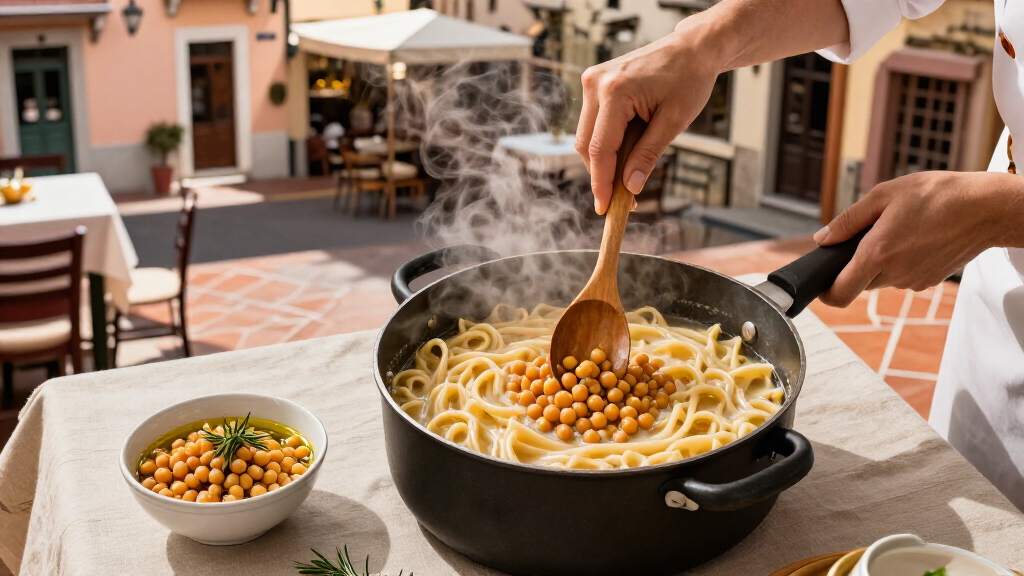
small pasta shapes for soup like dishes
As an affiliate, we earn on qualifying purchases.
As an affiliate, we earn on qualifying purchases.
Why Romans Turn Pantry Staples Into a Cold-Weather Favorite
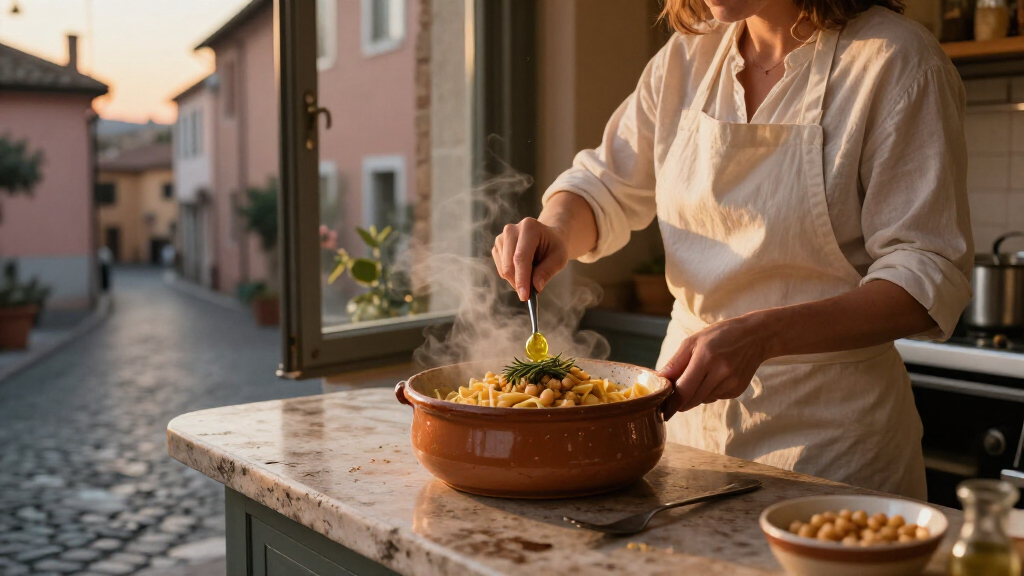
Pasta e ceci is a Roman and Lazio comfort food built from pantry staples, a practical fit for cool days when you want a hot meal without a long shopping list. Dried pasta, chickpeas, garlic, and olive oil keep well, and a little rosemary can bring the pot to life. That resourceful style is known as cucina povera, or resourceful home cooking.
Imagine arriving home on a damp November afternoon with a bag of groceries that contains little more than pasta and a can of chickpeas. You can still put dinner on the table: warm garlic gently in olive oil, add chickpeas and broth, then stir in pasta. That everyday usefulness helps explain why the dish feels at home in Roman kitchens. It is filling, affordable, and adaptable to what is already in the cupboard.
There is no single formula every Roman household follows. One cook might add tomato and rosemary; another might reach for anchovy or chili. Some make a brothy bowl, while others simmer the pot until it is thick enough to eat with a fork. The shared idea matters more than one strict ingredient list: pasta and chickpeas cook together into a hearty meal.
Across Italy, cooks pair pasta with legumes in many forms, using beans, lentils, or other local ingredients. So treat pasta e ceci as a family of home-style dishes rather than a recipe with one official version. If you visit Rome in winter, order it where it appears on a seasonal menu; at home, let the rosemary-and-garlic base point you toward Lazio.
Choose Pasta and Chickpeas for the Texture You Want
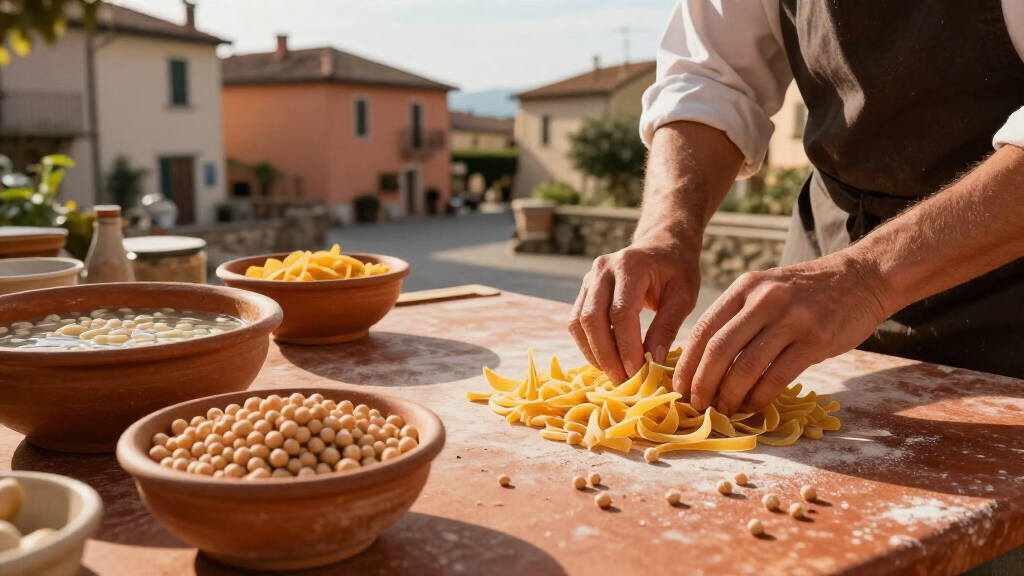
Small pasta shapes make pasta e ceci easy to eat by the spoonful, while canned chickpeas give you a quicker weeknight version and dried chickpeas give you more control over texture. You can adjust both the shape and the chickpeas to suit your schedule. The best choice depends on whether you want speed, a tender bean, or a specific consistency.
Ditalini are a convenient pick because their short tubes sit neatly among the chickpeas. Broken spaghetti, small shells, and irregular pieces of maltagliati—literally “badly cut” pasta—also work. Picture tipping broken spaghetti into a bubbling pot: those uneven pieces feel right at home in resourceful cooking. Choose pasta you can scoop up easily, rather than long strands that tangle around your spoon.
Canned chickpeas make dinner fast. Rinse them if you want to wash away some of the canning liquid or reduce their salty taste, then simmer them in the flavor base long enough to absorb the garlic, rosemary, and broth. Dried chickpeas need more time: soak them and cook them until tender before you make the pasta dish. Their cooking liquid can stand in for some of the broth if it tastes pleasant and is not overly salty.
Do not put dried chickpeas in the pot at the same time as quick-cooking pasta. Chickpeas need far longer to soften, so the pasta would turn mushy while you wait. If you use dried beans, cook them separately first. For a busy Tuesday, reach for canned; when you have a slower Sunday, simmer dried chickpeas and freeze some of their cooking liquid for a later pot.
| Choice | Best for | What to expect |
|---|---|---|
| Ditalini or another small shape | A spoonable bowl | Even bites with chickpeas |
| Broken spaghetti | Using pantry odds and ends | Irregular, home-style pieces |
| Canned chickpeas | A quick weeknight dinner | Convenience and a shorter simmer |
| Dried chickpeas | Planning ahead | More control over tenderness |
Cook a Thick, Savory Pot With This Simple Sequence
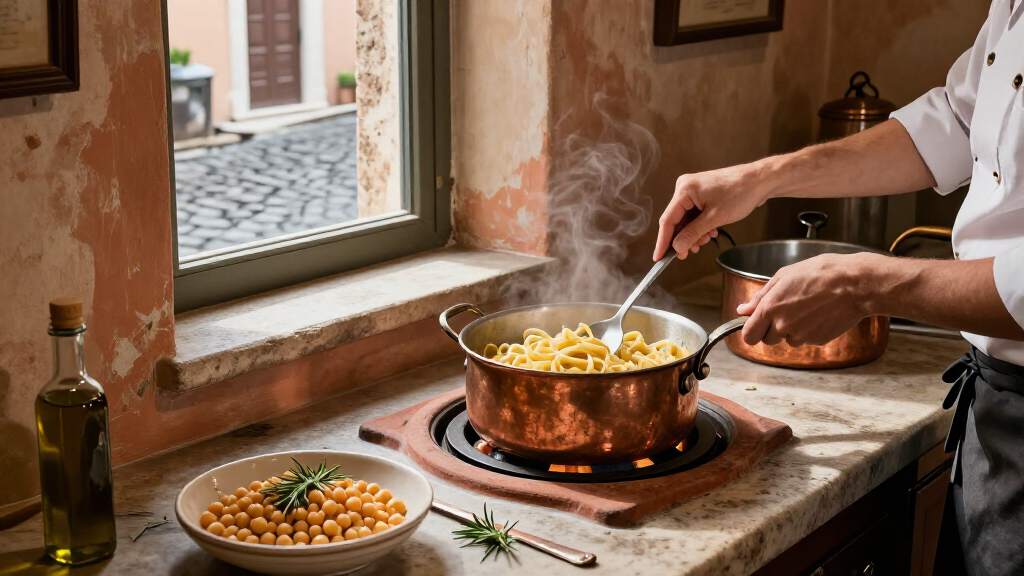
Build the flavor first, mash some chickpeas, then cook the pasta in the same pot for a thick, satisfying broth. This one-pot method saves dishes and lets pasta starch mingle with the chickpeas. Keep hot water or stock nearby because pasta can absorb more liquid than you expect.
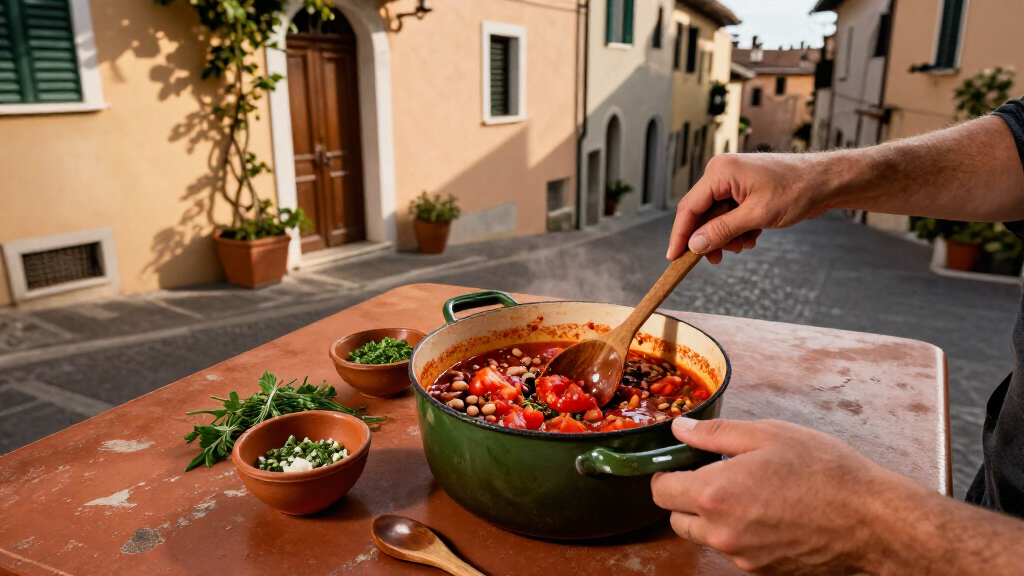
- Soften the aromatics. Warm olive oil over medium-low heat and gently cook sliced or chopped garlic with rosemary. Add a pinch of chili if you like warmth. Keep the garlic pale; browned garlic can taste bitter in a mild broth.
- Season the chickpeas. Add cooked chickpeas and enough water or vegetable broth to cover them generously. If using anchovy for a savory Roman-style note, let it melt into the oil before adding the liquid. Taste cautiously before salting if your broth or anchovy is salty.
- Mash for body. Press some chickpeas against the pot with a spoon, or blend a ladleful with a little broth and return it. You want a creamy base with whole chickpeas still visible.
- Cook the pasta. Stir in ditalini or another small shape. Simmer and stir often so pasta does not stick to the bottom. Add hot liquid a little at a time if the pot gets too thick before the pasta turns tender.
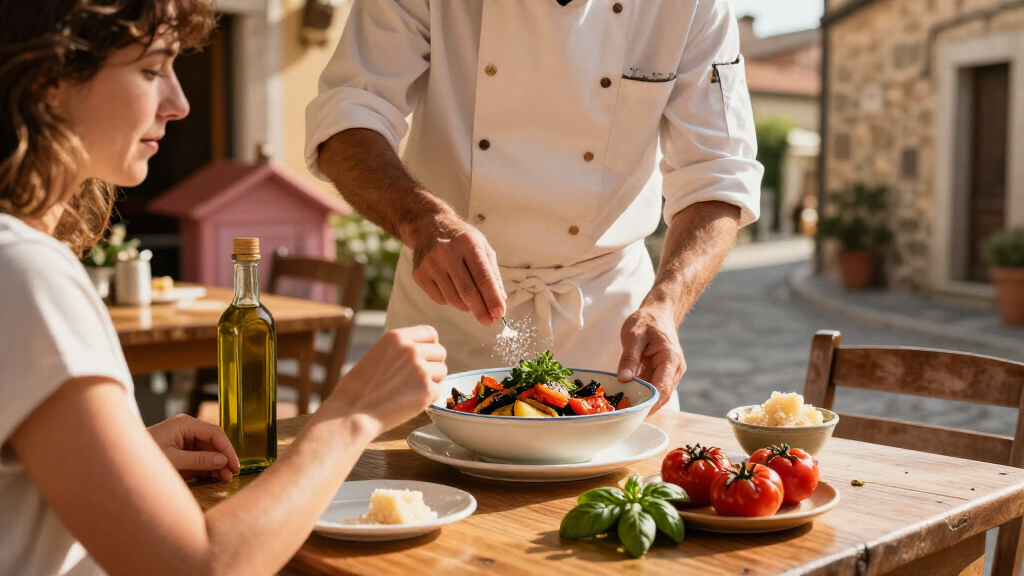
- Finish and taste. Check the pasta and broth, then add black pepper and a thread of good olive oil. Grated cheese is optional; leave it off for a vegan bowl.
For example, if you start with two cans of chickpeas and a small handful of ditalini, avoid pouring in all the liquid at once. Keep the pot loose enough for the pasta to move, then let the last few minutes of simmering bring the broth together. The dish should be creamy but not stiff. Serve promptly, because the pasta will continue absorbing liquid at the table.
This method is flexible, but attention matters. Stir every minute or two once the pasta goes in, especially if your pot is wide and the liquid evaporates quickly. If you prefer more control, cook the pasta separately and spoon it into bowls with chickpea broth. That approach suits a meal where leftovers matter more than the starch-rich texture.
Make Each Bowl Vegetarian, Vegan, or Extra Savory
Pasta e ceci can be vegetarian or vegan when you use water or vegetable broth and skip anchovy and cheese. A Roman-inspired pot can also include anchovy, tomato, chili, or a Parmesan rind, depending on the cook and the household. These additions change the flavor, so add them with a light hand.
For a meat-free weekday dinner, begin with olive oil, garlic, and rosemary, then use vegetable broth or water. Chickpeas and pasta already make the meal substantial. If you want a more savory edge without anchovy, a Parmesan rind can simmer in the broth; remove it before serving. Remember that cheese makes the dish unsuitable for someone avoiding dairy, even if you leave off grated cheese at the table.
For a deeper, saltier pot, dissolve one anchovy fillet in the warm oil before adding chickpeas. It melts into the base rather than leaving a fishy bite, much like a quiet bass note under a melody. Still, anchovy, Parmesan, and salty stock can stack up quickly. Taste before adding salt, especially if you are using canned chickpeas that were not rinsed.
Common allergens depend on your ingredients. Wheat pasta contains gluten, and cheese contains milk; check broth, packaged pasta, and other labels if you cook for someone with allergies. To keep the dish vegan, use a verified plant-based broth and omit anchovy, Parmesan, and other animal-derived ingredients. A bowl finished with pepper and olive oil still smells unmistakably warm and savory.
Store Leftovers Without Losing the Brothy Texture
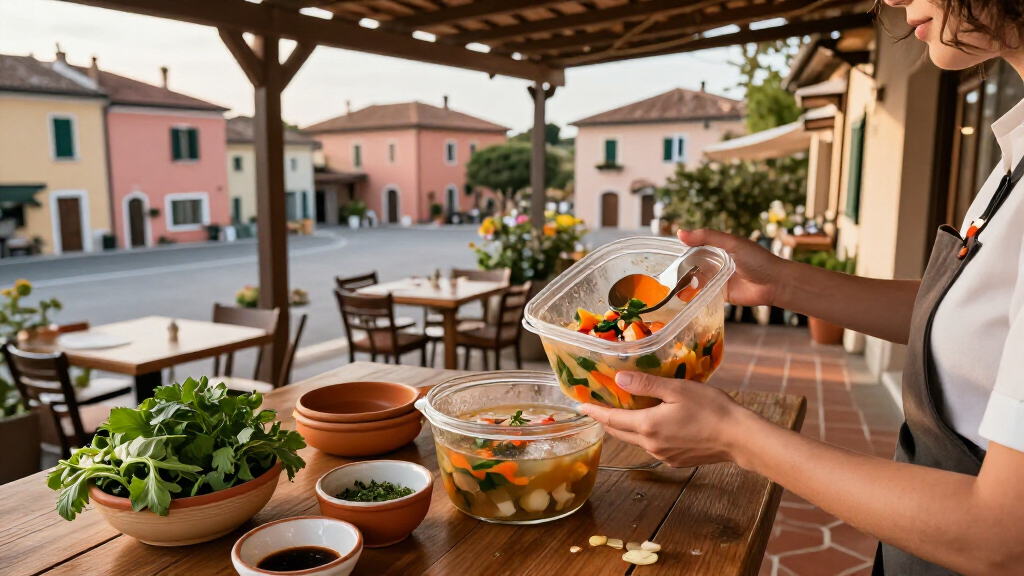
Pasta e ceci thickens as it sits because cooked pasta absorbs broth, so store the chickpea base separately from pasta when you can. If everything is already mixed, refrigerate it promptly in a covered container and use it within a few days. Reheat it gently with water or broth to bring back a spoonable consistency.
For a practical meal-prep plan, make a batch of chickpea broth on Sunday and keep the pasta in a separate container. On Wednesday, warm one portion of the broth and cook fresh ditalini in it. You get the convenience of a prepared base with pasta that still has a pleasant bite. This is especially useful if you know dinner will happen in stages around work or school pickup.
If you have already cooked the pasta in the pot, transfer leftovers to shallow containers so they cool more quickly, then refrigerate them. Food should not sit at room temperature for extended periods. When reheating, heat the portion until steaming hot throughout, stirring and adding liquid as needed; avoid reheating the whole pot repeatedly if you only need one serving.
The chickpea base freezes better than the finished dish. Freeze it in meal-sized portions, thaw it in the refrigerator, and add freshly cooked pasta when you reheat it. Frozen cooked pasta can become soft, much like a sponge left in broth overnight. If you do freeze a complete bowl, expect a softer texture and loosen it with hot stock after thawing.
Frequently Asked Questions
Is pasta e ceci a soup or a pasta dish?
It can be either, depending on how much liquid you use and how many chickpeas you mash. Some versions are brothy enough to eat with a spoon; others are thick enough to hold their shape. For example, serve it looser on a cold evening and thicker if you want a hearty lunch.
Can I use canned chickpeas for pasta e ceci?
Yes, canned chickpeas make a quick version. Rinse them if you want to remove some canning liquid or salt, then simmer them with the garlic, rosemary, and broth so they take on flavor. Mash a portion before adding pasta to give the broth body.
Should I cook the pasta separately or in the chickpeas?
Cooking pasta in the pot thickens the broth because the pasta releases starch, but it needs frequent stirring and extra liquid as needed. Cooking it separately gives you more control and can help leftovers keep their texture. If you expect to save portions, store the pasta and chickpea base separately when practical.
Is pasta e ceci vegan?
It can be vegan when made with water or plant-based broth and without anchovy or cheese. Check packaged ingredients if you are cooking for someone who avoids animal products. Wheat pasta contains gluten, while Parmesan contains milk.
How do I reheat leftover pasta e ceci?
Reheat it gently with a splash of water or broth, stirring until the portion is steaming hot throughout. The pasta absorbs liquid in the refrigerator, so loosen it as needed rather than expecting the original texture to return on its own. Refrigerate leftovers promptly in a covered container and use them within a few days.
Can I freeze pasta e ceci?
The chickpea base freezes better than the finished pasta dish. Freeze the base in meal-sized portions, thaw it in the refrigerator, then cook fresh pasta when you reheat it. If you freeze the complete dish, the pasta may soften; add hot broth to loosen it after thawing.
Conclusion
Keep the pot loose, mash a few chickpeas, and let the pasta finish cooking in the broth if you want the thick, comforting texture that makes pasta e ceci so satisfying. Use canned chickpeas when the evening is short, or cook dried ones ahead when you have time. Either way, garlic, rosemary, and a little patience can turn ordinary pantry ingredients into a bowl with a distinctly Roman spirit.
Serve it while steam curls above the bowl, with black pepper and olive oil on top. Then leave a little extra broth in the pot for tomorrow.
Halloween Picks
halloween
As an affiliate, we earn on qualifying purchases.