
TL;DR

Get kitchen staples and gadgets delivered free with Prime
- Fast, free delivery on millions of items
- Prime Video, Amazon Music and more included
- Member-only deals all year
Vin Santo is a Tuscan dessert wine traditionally made from dried grapes and matured slowly in small wooden casks; its sweetness, color, and aromas vary by producer and appellation. Cantucci, crisp twice-baked almond biscuits, are the familiar partner: sip the wine, dip a biscuit briefly, and eat it before it crumbles. Serve the wine cool, pour modestly, and treat the custom as an invitation rather than a rule.
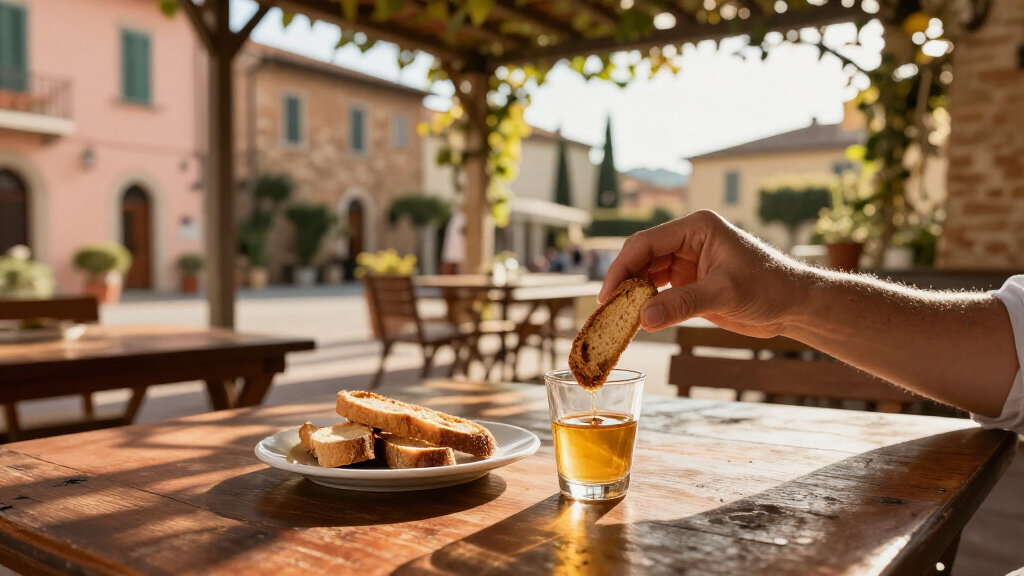
A cantuccio can turn from crisp to soggy in the time it takes to tell a story. That small window is part of the pleasure: a quick dip into Vin Santo, a sip of amber wine, then the toasted almond crunch of a biscuit that has softened just at the edge.
This is a familiar Tuscan way to end a meal, especially around a table where nobody is rushing the last conversation. Vin Santo means “holy wine,” and cantucci are twice-baked almond biscuits. Together, they make a simple dessert ritual shaped by local ingredients and the pleasure of sharing.
You’ll learn how the wine gets its character, what makes cantucci right for dipping, and how to serve both at home without turning a flexible custom into a set of rules. You can use the same tips to choose a bottle in Tuscany or plan a modest after-dinner pour for friends.
Vin Santo is a Tuscan dessert wine traditionally made from dried Trebbiano, Malvasia, or other grapes and aged slowly in small casks.
Vin Santo del Chianti and Vin Santo del Chianti Classico are specific appellations; each designation gives context, while producer choices still shape the styl…
Cantucci are Tuscan twice-baked almond biscuits; their dry, firm texture makes them suited to a brief dip.
Serve Vin Santo cool rather than ice-cold, pour a modest amount, and let guests decide how much to dip.
Vin Santo can also be enjoyed on its own or with dried fruit, nut desserts, or salty cheese.
Vin Santo and Cantucci: Tuscany’s Dip-and-Sip Dessert Ritual
A small pour, a crisp almond biscuit, and a quick dip: this familiar Tuscan custom turns the last moments of a meal into a shared pleasure.
From dried grapes to amber aromas
Vin Santo means “holy wine.” Traditionally made with grapes such as Trebbiano and Malvasia, it gains character through drying, fermentation, and patient maturation.
Dry after harvest
As grapes lose water, their sugars concentrate. Fresh, floral notes can shift toward the denser character of raisins and other dried fruit.
Let time shape it
Small wooden casks, often in attic spaces, expose wine to seasonal temperature changes. Several years of aging can add complexity.
Expect variation
Honey, nuts, spice, and dried fruit may appear. Sweetness, acidity, color, and weight vary; no single profile is guaranteed.
Choose a style, not a promise
A designation gives useful origin context. Producer choices still shape the flavor you will pour.
| What you see | What it tells you | What to ask |
|---|---|---|
| Vin Santo del Chianti | Specific Tuscan appellation context | Does this bottle lean lightly sweet or richly sweet? |
| Vin Santo del Chianti Classico | A distinct appellation; rules and styles differ by designation | How would you describe its balance and finish? |
| Producer details | Choices influence sweetness, weight, aromas, and aging | Would this suit a small after-dinner pour? |
Ask about balance
Honeyed sweetness may feel lively alongside freshness and layered aromas. A more concentrated bottle can call for a smaller pour and a slower pace.
Taste before dipping
Pour a small taste first. Provenance helps explain where the wine comes from; tasting tells you how it fits your cantucci and your meal.
A biscuit built for the briefest dip
Cantucci are shaped, baked, sliced, then baked again. That second bake removes moisture and leaves a dry, sturdy biscuit.
Shape the dough
Form almond-rich dough into logs.
Bake the logs
Cook the dough through before slicing.
Slice and bake again
The second bake dries and firms each biscuit.
Dip, lift, enjoy
Soften the edge while the center stays firm.
Soft edge.
Toasted crunch.
The wine meets the biscuit’s toasted edges and almonds, while the dry center buys you a moment to lift it from the glass. Leave it submerged and that contrast disappears into sogginess and crumbs. Dip just long enough to soften the surface.
Keep the ritual relaxed
A small glass, crisp cantucci, and a brief dip are enough. The custom is an invitation, not a rule.
Serve cool
Chill the wine lightly rather than serving it ice-cold, so its aromas can come through.
Pour modestly
A concentrated dessert wine can be satisfying in a small amount, especially after a full meal.
Make room for both
Dip briefly, or enjoy the biscuit alongside the wine. Vin Santo also works on its own or with dried fruit, nut desserts, or salty cheese.
Sip. Dip. Eat.
Stay awhile.
Take a sip to meet the wine’s aromas. Dip the cantuccio briefly, then eat before it crumbles. Let the next pour—and the next story—happen at an easy pace.
What Makes Vin Santo Taste Like Dried Fruit, Honey, and Nuts?
Vin Santo is a Tuscan dessert wine traditionally made from dried grapes and aged slowly in small wooden casks. Drying grapes after harvest concentrates their sugars, but it also changes the fruit’s flavor: fresh, floral notes give way to the denser character of raisins and other dried fruit. The result is a wine whose sweetness is only part of its identity. Long maturation can add aromas of honey, nuts, and spice, while acidity and the effects of aging help keep that richness from feeling flat. Sweetness and weight vary, so the name describes a family of styles rather than one fixed flavor.
Producers have traditionally used grapes such as Trebbiano and Malvasia. Once picked, the grapes are dried before fermentation, so some of their water evaporates and their sugars become more concentrated. That extra concentration helps explain why fermentation and the finished wine differ from those of a fresh, crisp white. Imagine opening a bottle after dinner in a Tuscan farmhouse: the color may catch the candlelight, and the aroma can suggest raisins or toasted nuts before you take a sip. Those cues prepare you for a slower, more concentrated taste.
The wine often matures in small casks in attic spaces, where seasonal temperature changes affect the wine over time. Several years of aging can bring complexity, but no single outcome is guaranteed: the cask, the cellar conditions, and the producer’s choices all influence what ends up in the glass. One wine might be gently sweet and lifted; another may feel richer, with a lingering nutty finish. Neither has to taste like syrup. Sweetness, acidity, and oxidative notes can balance one another, which is why tasting the wine matters more than judging it by color or age alone.
The name means “holy wine.” Stories connect it with religious settings, but accounts of exactly how the name began vary. Treat those stories as tradition, not settled history. For the pairing, the practical implication is that richness can change how the biscuit tastes: a lighter wine may be easily overshadowed by a long soak, while a richer one can meet the toasted almond more directly. Taste first, then dip briefly—or eat the cantuccio alongside the wine if the biscuit would otherwise dominate.
As an affiliate, we earn on qualifying purchases.
How to Choose a Bottle Without Expecting Every Vin Santo to Taste Alike
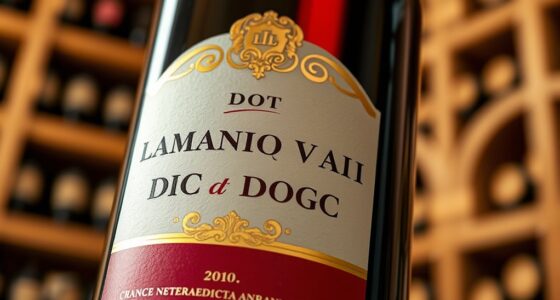
Vin Santo is not one uniform wine: its sweetness, weight, aroma, and aging reflect both its designation and the producer’s decisions. A label naming Vin Santo del Chianti or Vin Santo del Chianti Classico gives you appellation context, but it does not promise that every bottle will taste identical. That distinction matters when choosing: the designation helps narrow the origin, while the producer gives you a better clue about the style you’ll actually pour.
When you shop, read the designation and producer details as a useful first clue. If you’re in a wine shop in Florence, ask whether the bottle leans lightly sweet or richly sweet, and whether the staff recommends a particular serving temperature. You can also describe the food or occasion: a lighter style may suit a small, leisurely pour, while a richer one may feel more at home with a modest amount after a full meal. Those questions help turn a broad name into a choice that fits your table.
Some bottles emphasize dried fruit and honey; others show more nut and spice. The wine’s balance matters as much as its sweetness. A sweet glass with enough freshness or layered aromas can feel lively beside a biscuit, while a very rich one may call for a smaller pour and a longer pause between sips. Producer choices still matter within a named appellation, so there is a tradeoff between relying on the label for useful context and expecting it to predict every detail of flavor.
If you’re planning a Tuscan meal, buy one bottle to share after dinner rather than trying to match a glass to every course. Pour a small taste first, then decide whether the cantucci need only a quick dip or would be better eaten beside the wine. Provenance helps you understand where the wine comes from; tasting tells you how it fits your table. That first taste can also help you pace the pour: if the wine is concentrated, a little may be more satisfying than a full dessert glass.

Why Cantucci Stay Crisp Enough for a Quick Dip
Cantucci are twice-baked almond biscuits: bakers shape the dough into logs, bake them, slice the logs, and bake the slices again. The second bake removes more moisture, leaving the biscuits firm and dry. That structure is useful at the table: a quick dip softens the outside, while the drier center gives you time to lift the biscuit and eat it. The same dryness that makes a cantuccio practical for dipping also makes it hard to bite on its own, so the wine changes the texture as well as adding flavor. Toasted edges and almonds meet the wine’s dried-fruit and nutty aromas.
At a Tuscan table, a plate of cantucci might arrive with a small glass of Vin Santo after a long meal. The biscuit is not supposed to dissolve. Dip it just long enough to soften the surface, then eat it while the middle still holds its crunch. The brief dip gives you a contrast between a tender edge and a firm center; leaving it submerged while you finish a story trades that contrast for a soggy biscuit and crumbs in the glass.
The Italian word biscotti broadly means biscuits or cookies. In English-speaking places, people often use “biscotti” for this twice-baked style, but cantucci are a specific Tuscan biscuit, usually made with almonds. You may also see cantuccini, a name widely used for smaller versions. The distinction can help when buying: a package called biscotti may be a similar style, but it may not have the same Tuscan identity or almond-forward flavor.
If you’re making a dessert board, give cantucci their own plate and pour the wine into small glasses; a shallow glass can make dipping easier to control. That setup lets guests choose between a brief dip and eating the biscuit dry alongside the wine, which can be helpful if they prefer to keep its crunch or avoid crumbs in their glass. Almonds are a tree-nut allergen, so label the biscuits clearly when serving guests. If you buy packaged cantucci, check the ingredient and allergen information, since recipes may also include wheat, eggs, or other ingredients.
Use This Simple Sip-and-Dip Rhythm at Your Table
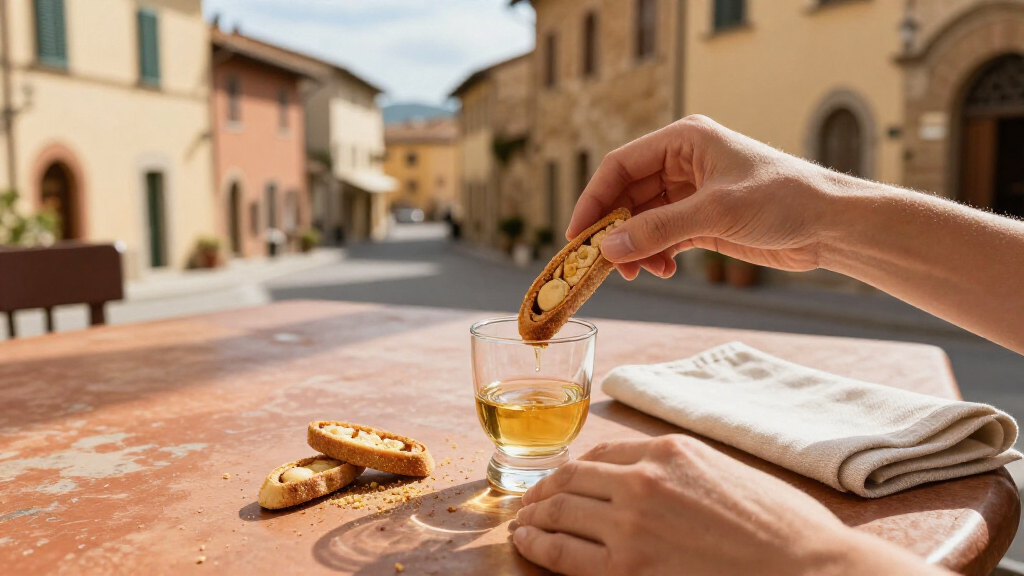
A relaxed sip-dessert ritual needs only a small glass of Vin Santo, crisp cantucci, and a brief dip. There’s no fixed sequence everyone must follow, but a common approach is to taste the wine first, dip the biscuit, and eat it before it softens too far. Starting with a sip gives you a point of comparison: you can notice what the biscuit adds, rather than tasting only its sweetness and almonds.
- Serve the wine cool, not ice-cold. Very low temperatures can mute its aromas. Follow the producer’s serving advice when you have it.
- Pour a modest measure. Vin Santo is often enjoyed in a small after-dinner pour, so you can savor it slowly.
- Take a sip before dipping. Notice whether the wine leans toward honey, dried fruit, nut, or spice.
- Dip the end briefly. A quick touch softens the surface without turning the cantuccio into crumbs.
- Eat, then sip again. See how the almond flavor and wine change together.
Each choice helps keep the pairing in balance. Serving cool preserves the wine’s aromas without letting warmth make it seem heavier; a modest pour gives you time to enjoy a concentrated wine without overwhelming the end of the meal. Try the sequence with one biscuit before serving a whole plate. A guest who loves a crisp center may prefer dipping only the tip; someone else may soften more of the biscuit. Either approach works. The point is comfort and conversation, not performing a test with a stopwatch.
For a dinner at home, set out a small plate of cantucci and pour after the main course has cleared. You can offer the wine on its own too, since the pairing is a custom rather than a strict rule. Offering the biscuit separately makes it easy for guests to choose how much to dip—or whether to dip at all. If guests choose to drink, keep the pour modest and frame it for adults who drink responsibly.
Pair Vin Santo Beyond Cantucci When the Meal Calls for It
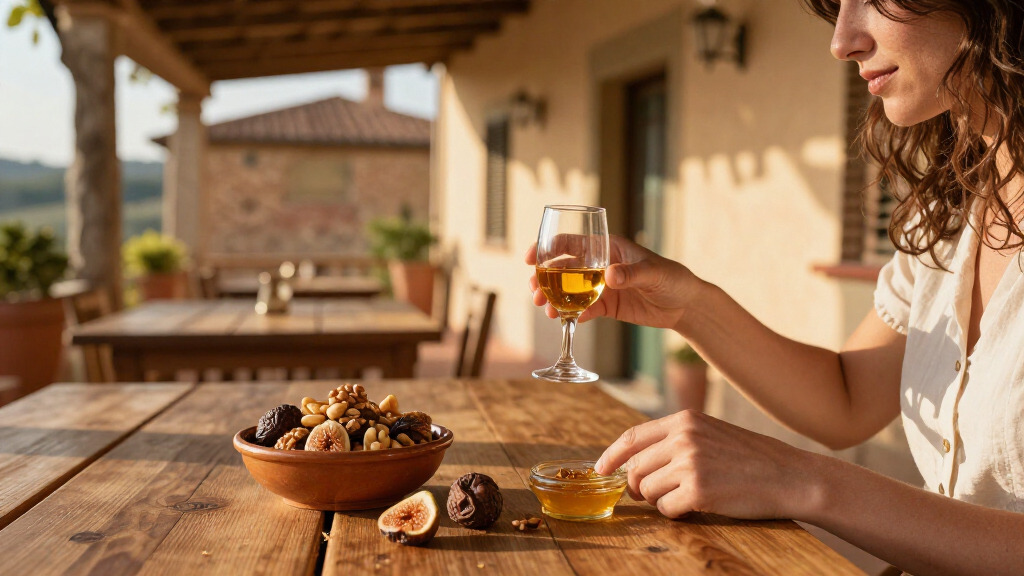
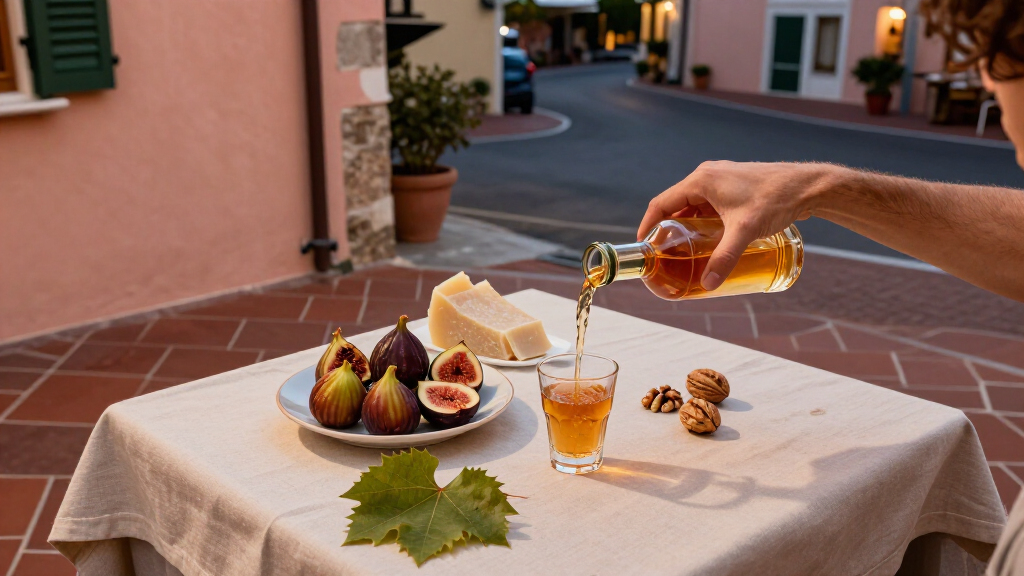
Cantucci are the classic Tuscan pairing, but Vin Santo can be served alone or alongside other desserts. Its sweet, nutty character can work with dried fruit, nut-based sweets, or salty cheese, depending on the wine and the dish. These alternatives add variety without replacing the familiar cantucci and Vin Santo ritual. The key is to think about balance: another sweet dish can make a sweet wine seem less sweet, while salt can make its sweetness stand out more.
Think about the table you have. After a rich Sunday lunch, a small glass on its own may be enough; another dessert could make the finish feel too heavy. If you’ve baked an almond tart, try a bite beside the wine before dipping a biscuit; the tart’s soft texture gives you a different contrast, though its own sweetness may compete with the wine. For a salty cheese course, serve small portions and taste carefully, because the cheese’s salt and the wine’s sweetness will make each other more pronounced. The same contrast can be appealing or intense, depending on the cheese and the wine.
Vin Santo varies, so there is no universal rule that one dessert always works. A lighter style may sit comfortably beside dried fruit, while a richer wine can stand up to a denser nut dessert. If you’re unsure, pour a small sample and pair it with a bite before you commit to a full serving. A first taste reveals whether the food highlights the wine’s aromas or makes the pairing feel too sweet or rich. This is the same practical approach you might use when tasting bottles in a Tuscan enoteca (wine shop).
There’s also no need to make dessert elaborate. Keep crisp almond biscuits on one plate and a few dried figs or nuts on another, then let guests choose. That setup respects the classic pairing while giving people options: they can compare the wine with a simple bite, or enjoy it alone when the food would crowd its flavor. Keep any opened wine stored according to its producer’s guidance, and use clean glasses so the aromas remain clear.
Bring the Tuscan Ritual Home With Three Small Choices
You can recreate the ease of a Tuscan after-dinner table by choosing one bottle, serving it at a cool temperature, and offering the biscuit separately for dipping. The ritual depends less on special equipment than on good pacing and small portions. Those choices leave room to notice the wine and biscuit together without making dessert feel like another course to manage. A dessert glass and a plate are enough.
Start with a bottle that names its Tuscan appellation or producer, then ask a shopkeeper what style to expect. Choose cantucci with visible almonds and a firm, dry texture; if the biscuits feel soft in the package, they may not give you the same crisp-to-tender contrast. For a dinner of six, put out a modest pile and refill as needed instead of crowding the table with sweets. A smaller first serving also keeps the pairing optional and lets you see how quickly guests are eating before you bring out more.
Next, taste the wine before you serve it to guests. That lets you describe it in plain language: “This one is honeyed and nutty,” or “This glass is lighter than I expected.” Such a small introduction helps guests enjoy what’s in front of them without needing wine jargon. Let people choose their dip; a quick touch is enough for some, while others may prefer to eat the biscuit dry and sip alongside it. That flexibility matters because the texture people enjoy and the wine’s intensity can vary from guest to guest.
If you’re planning a trip through Tuscany, order the pairing after a meal and notice the details: the glass size, the texture of the biscuits, and whether the wine feels sweet or balanced. You can bring that memory home with a bottle and a plate of cantucci. One quiet exchange—a sip, a dip, a crunch—can make an ordinary weeknight dinner feel tied to a real place.
Frequently Asked Questions
What is Vin Santo?
Vin Santo is a Tuscan dessert wine traditionally made from dried grapes and matured in small wooden casks. It can range from lightly sweet to richly sweet, with aromas that may include dried fruit, honey, nuts, and spice.
Why do people dip cantucci in Vin Santo?
Cantucci are firm and dry because bakers bake them twice, so a brief dip softens the surface without immediately making the biscuit fall apart. Their almond flavor also works naturally with the wine’s dried-fruit and nutty notes.
How long should I dip a cantuccio?
Dip it just long enough to soften the surface, then eat it while the center still holds its texture. A long soak can make the biscuit crumble into the glass.
Are cantucci and biscotti the same?
Cantucci are a specific Tuscan-style twice-baked biscuit, usually made with almonds. In Italian, biscotti is a broad word for biscuits or cookies, though English speakers often use it for twice-baked biscuits like cantucci.
Is Vin Santo always very sweet?
Vin Santo is generally sweet or off-dry, but sweetness and weight vary by style and producer. Acidity and oxidative notes can keep a wine from tasting one-dimensional.
Should I serve Vin Santo chilled?
Serve it cool rather than ice-cold so its aromas remain expressive. Follow the producer’s serving guidance when available.
What else can I serve with Vin Santo?
Alongside the classic cantucci, try Vin Santo on its own or with dried fruit, nut desserts, or salty cheese. Start with a small taste, since the match depends on the wine’s sweetness and weight.
Conclusion
Keep the ritual simple: pour a small glass of cool Vin Santo, offer crisp cantucci, and let each person decide how long to dip. The wine’s sweetness and the biscuit’s toasted almonds do the work; you just give them room.
When the last crumb meets the last sip, you’ve brought a little Tuscan hospitality to your table—one small, amber pause after dinner.
Halloween Picks
halloween
As an affiliate, we earn on qualifying purchases.