
TL;DR

Get kitchen staples and gadgets delivered free with Prime
- Fast, free delivery on millions of items
- Prime Video, Amazon Music and more included
- Member-only deals all year
Fonduta Valdostana is a warm, spoonable cheese dish from Valle d’Aosta in northwestern Italy, traditionally built around Fontina Valdostana and often thickened with egg yolks. Soak the cheese in milk, melt it gently, and add truffle shavings at the table if you have them; toasted bread, potatoes, or vegetables make easy accompaniments.
A pot of Fontina Valdostana can turn a cold evening into a small alpine feast, but one hard boil can leave it oily and grainy. The secret is less about fancy equipment than patience: let the cheese soften in milk, warm it slowly, and keep the spoon moving.
Fonduta Valdostana is a savory cheese fondue from Valle d’Aosta, in northwestern Italy. You’ll learn how it differs from familiar wine-based fondue, how to cook it into a smooth, spoonable melt, and when to add truffle shavings. You can make a satisfying version with bread and potatoes even when fresh truffle isn’t available.
The dish belongs to a landscape of mountain pastures, local dairy, and warming winter meals. At your table, that tradition can be as simple as a heavy pan, a loaf of toasted bread, and enough time to let the cheese relax into the milk.
Choose Fontina Valdostana DOP for the flavor and regional identity most closely associated with Valle d’Aosta fonduta.
Cut the cheese evenly and soak it in milk for several hours or overnight if following a traditional method.
Melt over low heat, stir often, and add egg yolks gradually; boiling can make the texture oily or grainy.
Add fresh truffle shavings at the table just before serving, and treat them as optional.
Serve promptly with toasted bread, boiled potatoes, or vegetables; flag dairy, egg, and any gluten in accompaniments.
Valle d’Aosta · Alpine table notes
Fonduta Valdostana: Alpine Cheese Melt for Truffle Shavings
A warm, spoonable Fontina fonduta from northwestern Italy, built on gentle heat and patient stirring. Finish with fresh truffle if you have it; toasted bread, potatoes, and vegetables make the feast.
Buttery, mildly nutty cheese with a smooth melting texture.
Warm steadily. One hard boil can turn silky cheese oily or grainy.
Shave at the table, just before serving, to release its aroma.
01 · The essential idea
What makes it Valdostan?
Local cheese leads; a gentle method lets its richness become a smooth, shareable melt.
Slowly melted Fontina and, in many recipes, egg yolks give fonduta its characteristic body. Fresh truffle is a fragrant extra, not a defining ingredient.
Fontina Valdostana DOP
The protected designation points to cheese made under defined rules in Valle d’Aosta, and to the flavor most closely associated with the dish.
Give it time in milk
Even pieces soak for several hours or overnight in many traditional methods, helping them soften before the pan gets warm.
Keep the plate simple
Toast, potatoes, and crisp vegetables let the buttery cheese—and a little truffle—stay in focus.
02 · A useful comparison
Fonduta & Swiss-style fondue
Related dishes for sharing, with different ingredients and a different balance of flavor.
| Feature | Fonduta Valdostana | Many Swiss-style fondues |
|---|---|---|
| Main flavor | Fontina’s buttery, nutty dairy notes | Often sharper, with wine notes |
| Common thickener | Egg yolks in many recipes | Often starch |
| Cooking cue | Warm gently; avoid boiling | Stir to keep cheese and liquid combined |
| Good dippers | Bread, potatoes, vegetables | Often bread and vegetables |
These are broad patterns, not rigid rules. Household recipes vary, so a Swiss recipe’s wine and starch proportions may not produce the right texture with Fontina.
03 · The smooth-melt method
Low heat. Steady spoon.
Prepare the dippers and yolks first. Fonduta thickens as it cools, so serve promptly.
Cut & soak
Dice or grate Fontina evenly. Cover with milk and refrigerate for several hours or overnight.
Warm slowly
Heat cheese and milk in a heavy pan or double boiler, stirring often as the cheese melts.
Add yolks gradually
Whisk yolks, then work them in over low heat until the fonduta looks glossy and spoonable.
Adjust & finish
Loosen with a little warm milk if needed. Keep warm, never boiling, and take it to the table.
04 · Temperature makes the difference
Watch the edges of the pan
A bubbling rim is your cue to pull the pan off the heat and stir until the temperature settles.
Gentle, steady warmth
Let the cheese relax into the milk. Keep the spoon moving; aim for a glossy melt that coats bread without running like soup.
Too much heat
Fast heating can make the fonduta oily or grainy; yolks can scramble. Remove the pan from heat if it begins to simmer.
05 · The aromatic finish
When should truffle go on?
Shave fresh black or white truffle over hot fonduta just before serving. Its steam carries the earthy fragrance; a light hand keeps Fontina’s buttery flavor in front.
Fresh truffle varies by season, place, and price. If it is not available, the dish still has its regional character with Fontina, milk, and egg yolks alone. Offer shavings on the side so everyone can choose.
06 · Build the alpine plate
Choose dippers that hold
Simple sides make the thick, warm cheese easy to scoop and share.
For a mixed table, note the dairy and egg in the fonduta, plus any gluten in bread or accompaniments.
From pasture to first dip
A small alpine feast
Regional cheese, a patient melt, and a fragrant finish connect each step to the table.
What makes Fonduta Valdostana so creamy and distinct?
Fonduta Valdostana is a warm, savory cheese dish from Valle d’Aosta, traditionally made with Fontina Valdostana and often thickened with egg yolks. The result is a rich, spoonable melt, usually served with bread, potatoes, or vegetables. Fresh truffle can add fragrance, but it is an optional finish rather than a required part of the dish.
Valle d’Aosta sits in northwestern Italy, among the Alps, where dairy has long been central to local cooking. Fontina is a semi-soft cow’s-milk cheese with a buttery, gently nutty taste and a texture suited to melting. Its protected designation of origin, or PDO, marks Fontina produced according to defined rules in the region. When you see “Fontina Valdostana DOP” on a label, that designation points you toward the cheese most closely tied to the dish.
Think of the cheese as the warm wool blanket and the egg yolks as the careful stitching that gives it body. Traditional recipes vary: some add butter, some rely on milk and cheese alone, and proportions differ between households. If you make it at home for the first time, a spoonful should coat a piece of bread without running off like soup or setting like baked custard.
For example, serve a small bowl as a first course on a snowy evening, with boiled potatoes steaming beside it. The aroma is mellow and buttery; the pleasure comes from dipping and sharing, not from piling on competing flavors.

As an affiliate, we earn on qualifying purchases.
How does it differ from Swiss-style cheese fondue?
Fonduta Valdostana centers on Fontina and often gets its body from egg yolks, while many familiar Swiss-style fondues use wine and starch. Both are melted cheese dishes meant for sharing, but the ingredients shape their flavor and texture. If you’re expecting a sharp, wine-scented dip, the Valdostan version tastes rounder and more dairy-rich.
Here’s a practical comparison: imagine setting out two small pots for friends. One has a lighter, tangier cheese mixture that carries the aroma of wine; the other is a thick, buttery melt with the gentle nuttiness of Fontina. The Valdostan pot asks for a lower flame and steady attention because egg yolks can scramble if the mixture gets too hot.
| Feature | Fonduta Valdostana | Many Swiss-style fondues |
|---|---|---|
| Main flavor | Fontina’s buttery, nutty dairy notes | Often sharper, with wine notes |
| Common thickener | Egg yolks in many recipes | Often starch |
| Cooking cue | Warm gently; avoid boiling | Stir to keep cheese and liquid combined |
| Good dippers | Bread, potatoes, vegetables | Often bread and vegetables |
These are broad patterns, not rigid rules: household recipes differ. If you’re adapting a Swiss recipe, don’t assume its wine and starch proportions will give you the right texture with Fontina. For a first attempt, follow a Valdostan-style method and taste before deciding whether you want a richer or looser finish.
How do you cook a smooth fonduta without grainy cheese?
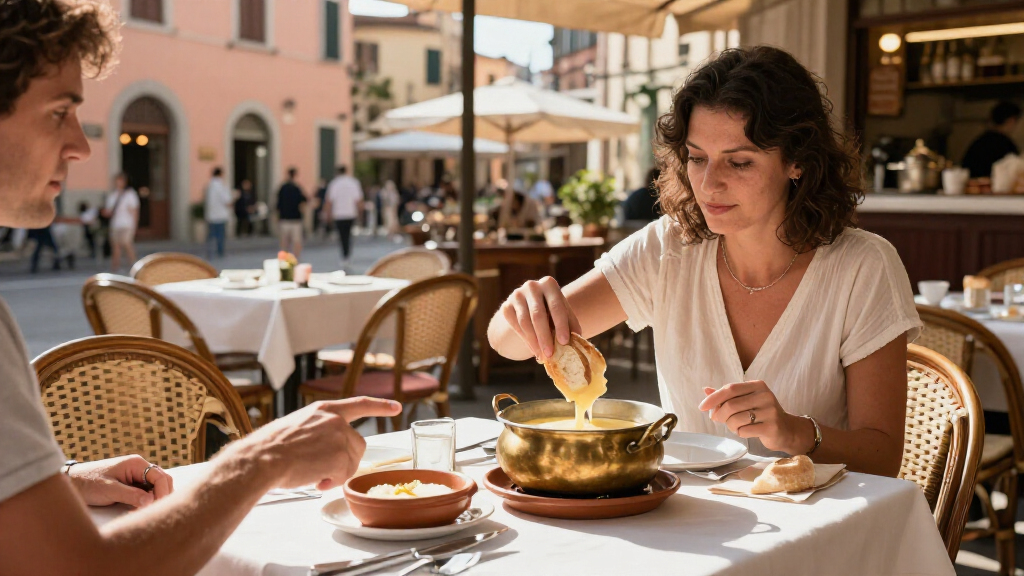
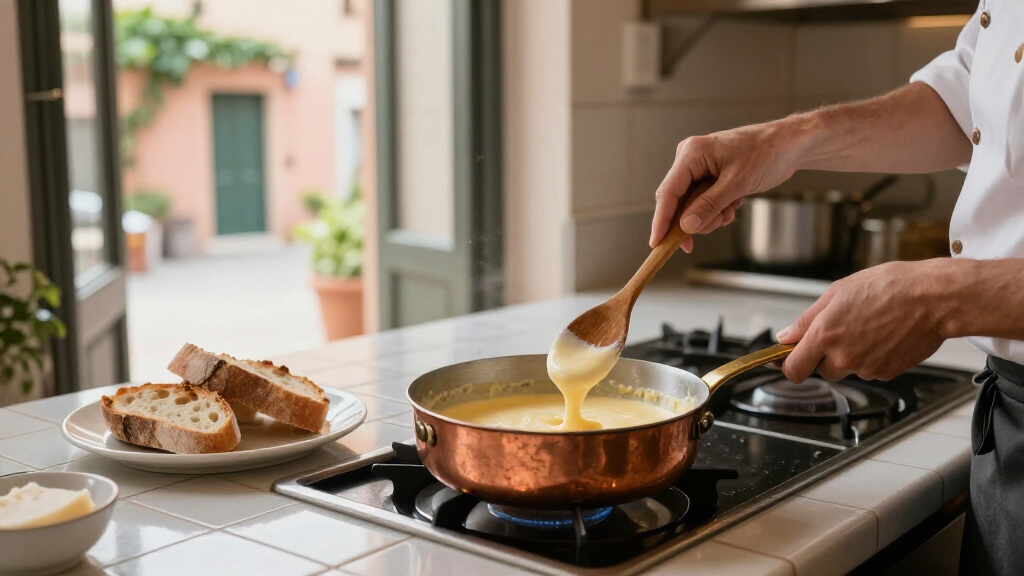
Fonduta Valdostana turns smooth when you soften the Fontina ahead of time and melt it over low, steady heat. Cut the cheese into small, even pieces, soak it in milk for several hours or overnight if following a traditional method, then warm the mixture gently while stirring. Add egg yolks near the end over low heat, and stop before the fonduta simmers.
- Cut and soak: Dice or grate the Fontina into even pieces and cover with milk in a covered container in the refrigerator. A few hours or overnight gives the cheese time to soften.
- Warm slowly: Tip the cheese and milk into a heavy pan or the top of a double boiler. Heat gently, stirring often, until the cheese melts.
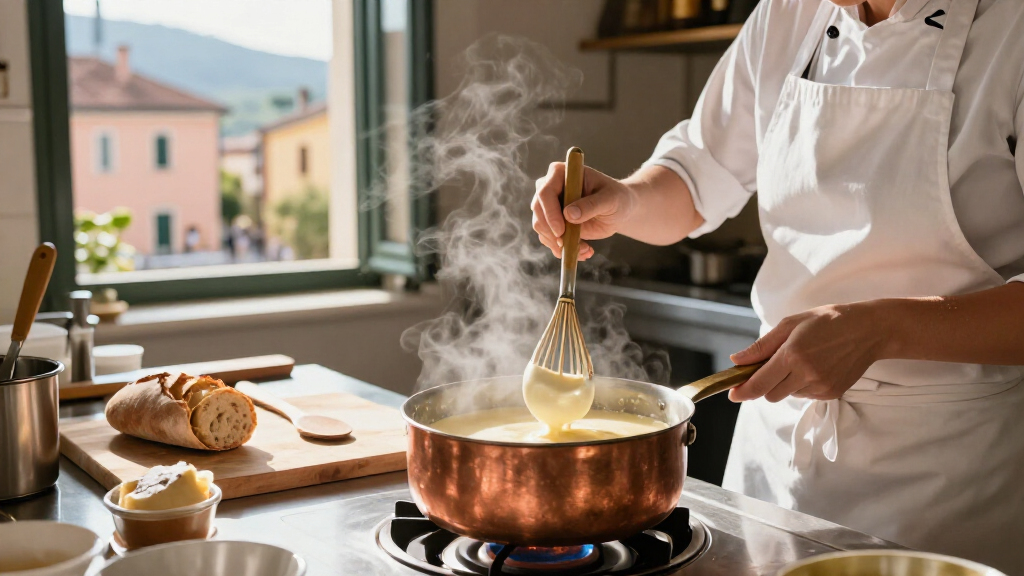
- Add yolks with care: Whisk the egg yolks, then incorporate them gradually over low heat, stirring until the fonduta looks glossy and spoonable.
- Adjust and serve: If it feels too thick, stir in a little warm milk. Keep it warm and serve promptly; don’t let it boil.
The main trouble sign is a pan that starts bubbling around the edges. Pull it off the heat, stir steadily, and let the temperature drop before continuing. High heat can push the cheese into an oily or grainy texture, much like a sauce that breaks when rushed.
For a weeknight example, soak the cheese in the morning, then cook it while your potatoes finish boiling. Have the yolks ready and the bread toasted before you start; fonduta thickens as it cools, so serving promptly keeps each dip silky.
When should you add truffle shavings?
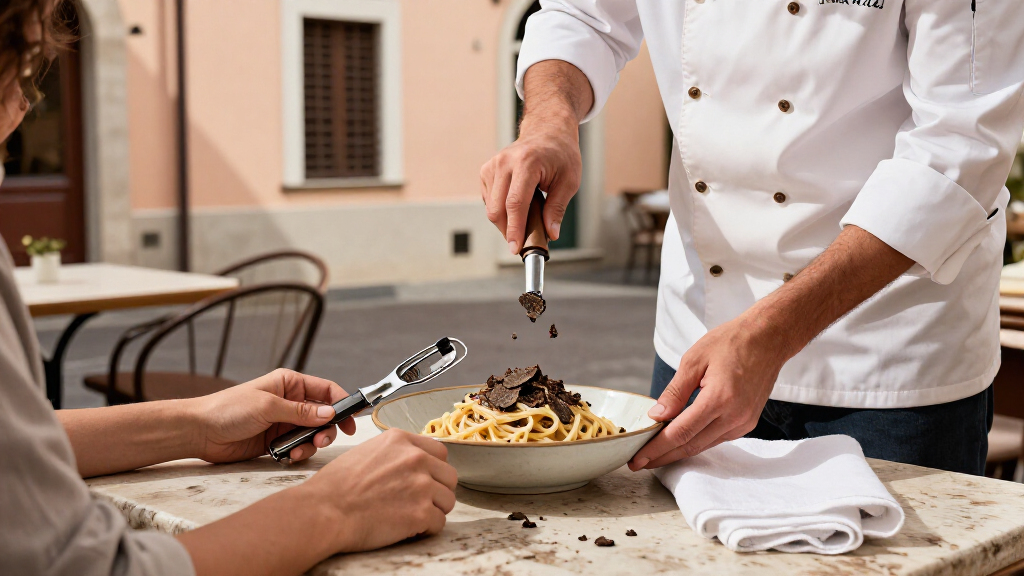
Fonduta Valdostana pairs naturally with truffle because Fontina’s creamy, nutty flavor makes a warm base for the truffle’s earthy aroma. Shave fresh black or white truffle over the fonduta just before serving, when the cheese is hot and its steam can carry the fragrance. Use a light hand: truffle should perfume the bowl, not bury the cheese.
Truffle is a luxurious embellishment, not a defining ingredient in every traditional version. Availability, type, and price vary with season and location, so don’t treat a fresh truffle as a requirement. If you’re making dinner in a place where fresh truffle is hard to find, the fonduta still has its regional character with Fontina, milk, and egg yolks alone.
For the most vivid aroma, shave at the table over individual portions or across the serving pot just as guests sit down. The flakes catch the heat and release their scent before the first piece of bread reaches the cheese. If you use a truffle shaver, clean it promptly; thin slices can cling to the blade.
Keep the rest of the plate simple. Toasted bread, plain potatoes, and crisp vegetables let the truffle remain a clear note. If you’re serving a mixed group, offer truffle on the side so everyone can choose how much to add. That way, the classic cheese melt still works for anyone who prefers it unadorned.
What should you serve with a bowl of fonduta?
Fonduta Valdostana tastes best with simple dippers that can hold its thick, warm texture: toasted bread, boiled potatoes, or vegetables. A good accompaniment adds contrast without competing with the Fontina. Choose crisp edges, tender centers, and mild flavors.
Try cubes of rustic bread toasted until the crust crackles, small potatoes boiled until a knife slips in easily, or blanched vegetables such as cauliflower and carrots. If you’re planning a winter meal, set out a platter of potatoes and bread so guests can alternate between a soft, earthy bite and a crisp, chewy one. Keep the vegetables dry before serving; excess water can thin the fonduta on the plate.
- Toasted bread: Cut into sturdy pieces that won’t collapse in the cheese.
- Boiled potatoes: Use small potatoes or cut larger ones into bite-sized chunks.
- Vegetables: Serve crisp or lightly cooked pieces, such as carrots or cauliflower.
- For truffle: Keep garnishes restrained so its scent has room to come through.
For a casual supper, place the pot in the center and give each person a plate for dippers. If you serve fonduta as a first course, smaller portions are sensible: it is rich, and a little goes a long way. Bread is a common choice, but it contains gluten; label it clearly and offer potatoes or suitable vegetables for guests who avoid gluten.

How can you rescue fonduta that turns thick, lumpy, or oily?
Fonduta Valdostana that thickens as it cools can often be loosened with a little warm milk and steady stirring. Lumps or oiliness usually point to heat that was too high, cheese that melted too quickly, or stirring that stopped while the mixture heated. Gentle warmth gives you the best chance of bringing it back together.
If the fonduta is simply too thick, put it over low heat and add warm milk a spoonful at a time, stirring between additions. If you see oil separating, take the pan off the heat first; rapid heating usually makes the texture worse. Let the mixture settle slightly, then stir patiently as it warms again. Avoid promising yourself a perfect fix—some batches stay a little less silky once they break.
Consider a dinner-party scenario: the potatoes are ready, the guests are at the table, and the fonduta has sat for ten minutes. A small splash of warm milk can restore a more dip-friendly texture. Keep the pot warm and stir occasionally, but never let it boil while you wait for everyone to sit down.
Leftovers are best handled promptly. Cool them safely, refrigerate in a covered container, and reheat gently with a splash of milk, stirring until hot. Because this dish contains dairy and egg, don’t leave it sitting at room temperature for hours. Its texture may be less silky the second day, but it can still make a comforting topping for potatoes.
Which ingredients and food-safety details should you check?
Fonduta Valdostana commonly contains milk, Fontina, and egg yolks, so dairy and egg are the main allergens to flag. The fonduta itself can be gluten-free, but bread is not; check every label and choose accompaniments that fit your guests’ needs. For strict vegetarian diets, check the cheese label for suitable rennet, since cheese-making methods vary.
Fresh eggs need careful handling. Keep them refrigerated, separate raw eggs from ready-to-eat foods, and wash hands and utensils after contact. Cook the yolk-containing mixture gently until hot and cohesive; if you need a specific temperature target for egg safety, follow current local food-safety guidance and use a thermometer rather than guessing. Avoid letting the fonduta sit out through a long meal.
For a small gathering, serve the pot soon after cooking and keep it warm without bubbling. Refrigerate leftovers promptly in a covered container and reheat them thoroughly and gently, adding warm milk if needed. If you are cooking for someone pregnant, very young, older, or immunocompromised, use pasteurized eggs or follow the food-safety advice they rely on.
These checks don’t complicate the meal; they help everyone enjoy it. A small card noting “contains milk and egg” beside the pot is useful, especially when you’ve set out bread, vegetables, and several dipping options. Keep serving spoons separate so guests can avoid cross-contact with allergens.
Frequently Asked Questions
What cheese should I use for Fonduta Valdostana?
Fontina Valdostana DOP is the traditional choice and gives the dish its buttery, gently nutty flavor. Other melting cheeses can work in a pinch, but the result will differ in taste and texture.
Is fonduta the same as Swiss fondue?
They are related melted-cheese dishes, but their common methods differ. Valdostan fonduta centers on Fontina and often uses egg yolks, while many familiar Swiss-style versions use wine and starch.
Does traditional fonduta always include truffle?
No. Truffle is optional and works as an aromatic finishing touch, not a defining ingredient in every traditional recipe. The cheese melt is complete without it.
Why did my fonduta turn lumpy or oily?
High heat can make the cheese melt too quickly and separate, leaving a grainy or oily texture. Warm it gently, stir often, and add a little warm milk if the fonduta is simply too thick.
Can I make fonduta ahead of time?
It is best served soon after cooking because it thickens as it cools. You can reheat leftovers gently with a splash of warm milk and steady stirring, though the texture may not be as silky.
What can I serve with fonduta besides bread?
Boiled potatoes and vegetables such as carrots or cauliflower make useful dippers. They keep the cheese as the focus and give guests options if they avoid gluten in bread.
Can I make it without eggs?
Some adaptations omit egg yolks, but the texture changes because yolks commonly give traditional fonduta its body. Treat an egg-free version as a variation and adjust the consistency gently with milk.
Is Fonduta Valdostana vegetarian and gluten-free?
The fonduta can be gluten-free, but bread accompaniments may contain gluten. For a vegetarian version, check the Fontina label for rennet suitable to your diet; recipes and cheese-making methods vary.
Conclusion
Start with Fontina Valdostana, give it time to soften in milk, and keep the heat low enough that the cheese melts without a fuss. Add egg yolks gently for body, then shave on truffle only if you have it; bread, potatoes, and vegetables make a warm alpine meal either way.
Remember the best cue: glossy, spoonable fonduta should welcome a piece of toasted bread, not bubble like a pot of soup. Set it at the center of the table while the steam still carries the scent of the Alps.

Halloween Picks
halloween
As an affiliate, we earn on qualifying purchases.