TL;DR
Costoletta alla Valdostana is an Aosta Valley veal chop filled with Fontina, breaded, and pan-fried until crisp. Use a thick chop, a modest amount of cheese, and moderate heat so the crust browns while the center cooks; serve it with a simple green salad or vegetables to balance its richness.
A veal chop can look ordinary right up until you cut into it. Inside a Costoletta alla Valdostana, warm Fontina softens into a savory center, tucked beneath a crisp, golden coating. That contrast—crunch outside, tender meat and melting cheese within—is the reason this Aosta Valley specialty earns a place at the table.

Get kitchen staples and gadgets delivered free with Prime
- Fast, free delivery on millions of items
- Prime Video, Amazon Music and more included
- Member-only deals all year
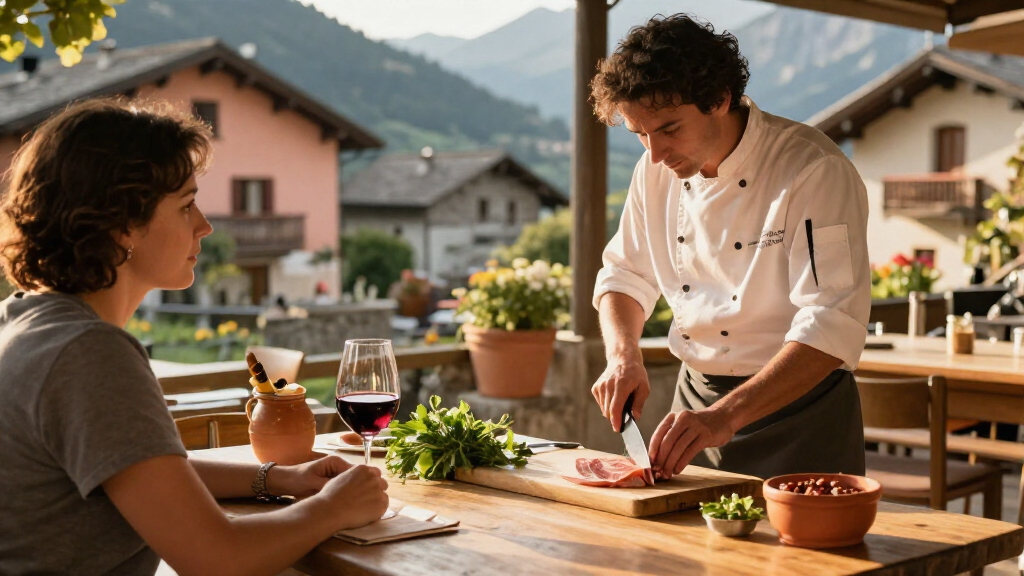
The name means Aosta Valley-style chop, and the dish connects a familiar breaded cutlet to the alpine food traditions of northwest Italy. The Aosta Valley borders France and Switzerland, and its dairy culture gives the local cheese a starring role. If you’re planning a meal at home or hoping to recognize the dish on a trip, knowing how the chop is filled and cooked helps you appreciate what makes it distinct.
Here you’ll find the dish’s defining details, the difference between common versions, a practical cooking sequence, and ideas for sides. Recipes vary from kitchen to kitchen, so think of this as a reliable guide rather than a claim that one family’s method is the only authentic one.
Costoletta alla Valdostana is an Aosta Valley veal chop filled with Fontina and fried in a breadcrumb coating.
A thick chop gives you room for a pocket; two thin cutlets can work as a practical substitute.
Use a modest amount of cheese, close the seam securely, and cook over moderate heat to limit leaks and scorching.
Check veal with a food thermometer and follow current food-safety guidance instead of judging doneness by crust color.
Serve the rich chop with a green salad, vegetables, or potatoes, and fry shortly before serving for the best crust.
Costoletta alla Valdostana Fontina inside, golden outside
This regional veal chop pairs a crisp breadcrumb coating with warm, melting Fontina. Its shape and filling vary by kitchen, but careful sealing and moderate heat help keep the cheese inside.
What makes it distinctive
The regional cheese and stuffed center set it apart from an ordinary breaded cutlet.
Fontina Val d’Aosta
This cow’s-milk cheese brings a mild, nutty flavor and softens inside the veal.
Aosta Valley tradition
The name means “Aosta Valley-style chop.” Its alpine food culture gives local dairy a starring role.
Breading, then frying
Flour, egg, and breadcrumbs brown around the filled chop as the cheese warms.
Choose the version for your meal
Both chop styles aim for a crisp outside and a savory, melted center.
| Choice | What to expect | Good fit |
|---|---|---|
| Thick, bone-in chop | A pocket filled with Fontina | Classic presentation |
| Two thin cutlets | Cheese sandwiched between pieces | Practical substitute |
| Fontina alone | Mild, regional cheese flavor | Let the cheese lead |
| Fontina with ham | A saltier, meatier filling | Use less extra salt |
Keep the filling inside
A modest filling, secure seam, and moderate heat help the chop cook through without scorching the crust.
Use a thick chop with a pocket, or sandwich Fontina between two thin cutlets. Add only enough cheese to fit fully inside.
Close the opening securely, then coat the chop in flour, egg, and breadcrumbs.
Cook in butter or butter and oil over moderate heat, turning gently. Check doneness with a food thermometer and current food-safety guidance.
Rest briefly and remove any toothpicks or twine before serving.
Balance the richness
Keep the sides simple so they complement the veal, crisp crumbs, and melted cheese.
- Green salad with a sharp vinaigrette
- Seasonal vegetables
- Boiled or roasted potatoes
- Fry shortly before serving for the best crust
What Makes This Aosta Valley Chop Different?
Costoletta alla Valdostana is a breaded veal chop filled with Fontina, then fried until its coating turns crisp and its cheese softens. That stuffed center sets it apart from a plain breaded cutlet, while the region’s signature cow’s-milk cheese gives the dish a distinctly Aosta Valley character. In a restaurant, the first clue may be the generous thickness of the chop; the real reveal comes when you cut through it.
The usual version starts with a thick, bone-in chop. The cook cuts a pocket into the meat, adds Fontina, closes the opening, and coats the chop in flour, egg, and breadcrumbs. Some kitchens instead sandwich cheese between two thinner veal cutlets. Both methods aim for the same reward: a browned crust surrounding a warm, savory filling.
Fontina Val d’Aosta is also used in fonduta, the region’s rich melted-cheese preparation. Its mild, nutty flavor makes it a natural partner for veal without overwhelming the meat. For example, if you order the chop after a cold walk through an Alpine village, the combination feels less like a novelty and more like a hearty meal shaped by local dairy and mountain weather.
The name can tempt you to look for one definitive recipe or origin story. Treat it as a regional specialty with household and restaurant variations: some cooks add ham, while others rely on Fontina alone. The dish shares the breaded-cutlet family with Milanese cooking, but its filled interior gives it a separate identity.
Products Worth Considering

Roborock Q7 M5+ Robot Vacuum and Mop with Self-Emptying Dock

Bose Lifestyle Ultra Speaker

Samsung 65-Inch M70H Series 4K Mini LED Smart TV (2026)
As an affiliate, we earn on qualifying purchases.
How to Keep the Fontina Inside While It Cooks
Costoletta alla Valdostana holds together best when you use a thick chop, limit the filling, seal the opening carefully, and cook over moderate heat. These steps give the veal time to cook as the cheese melts and the crumbs brown. If you rush the pan or pack in too much cheese, the filling can leak before the center is ready.
- Choose the cut: Ask for a thick, bone-in veal chop with enough meat to cut a pocket. If you only have thin cutlets, sandwich the cheese between two pieces and press their edges together.
- Fill modestly: Cut Fontina into a small piece that fits fully inside the pocket. A mound of cheese may look generous, but it puts pressure on the seam as it warms.
- Close and secure: Bring the opening together and fasten it with toothpicks or kitchen twine. Chill the filled chop briefly if the seam feels loose, then remove any toothpicks or twine before serving.
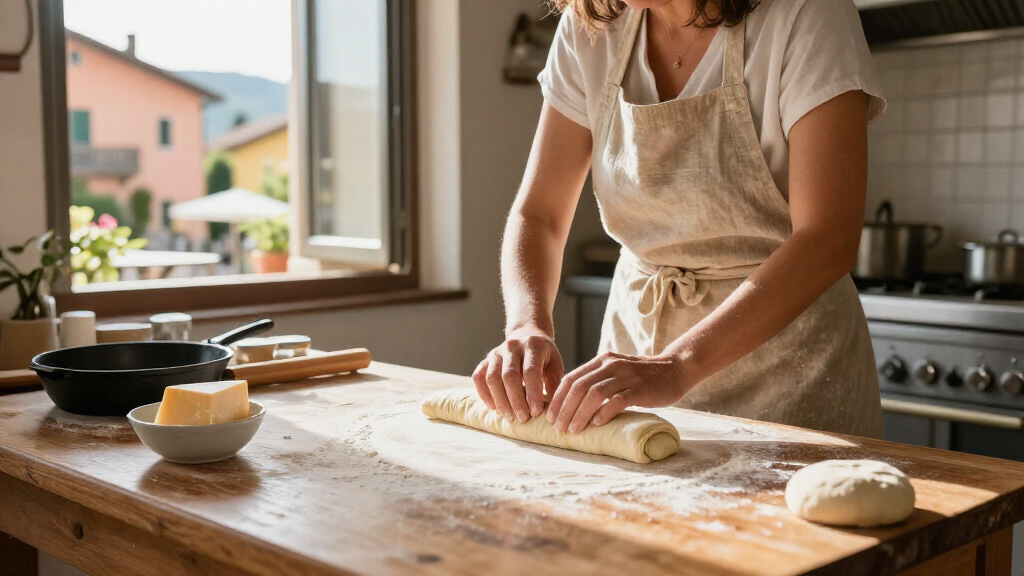
- Bread and fry: Coat the chop in flour, egg, and breadcrumbs. Fry in butter or a butter-and-oil mixture over moderate heat, turning gently so the crust browns without scorching.
Picture a busy Saturday dinner: the crumbs have turned dark gold, but the cheese is still cool in the middle. Lower the heat and give the chop more time instead of raising the flame; a deep brown crust can trick you into thinking the veal has finished cooking. Use a food thermometer and current food-safety guidance for whole cuts of veal rather than relying on color alone. Rest the chop briefly and check that the fastening is gone before it reaches the table.
Pick the Version That Fits Your Dinner
Costoletta alla Valdostana can mean a pocketed bone-in chop or two cutlets closed around cheese, and neither shape tells you that every cook follows the same filling or cooking fat. The choice depends on the cut you can buy, the time you have, and whether you want a traditional presentation or an easier weeknight method. Comparing the options before you shop helps prevent a last-minute scramble when your butcher has only boneless cutlets.
| Choice | What you get | Best use |
|---|---|---|
| Thick, bone-in chop | A classic presentation with a pocket for Fontina | A sit-down meal when you can cook slowly and check the center |
| Two thin cutlets | A cheese-filled sandwich with a seam around the edge | A practical substitute when thick chops are unavailable |
| Fontina alone | A direct, mild cheese flavor | When you want the regional cheese to lead |
| Fontina with ham | A saltier, meatier filling | When you enjoy a more savory center; use less extra salt |
| Butter or butter and oil | A rich flavor, with oil often used to temper the butter | Choose according to your pan and preference |
The bone-in chop tends to be thicker, so the outside can brown well before the center finishes. Two thin cutlets cook faster, but their edge seal needs attention because a loose seam lets melted cheese escape. If you’re cooking for two after work, thinner cutlets may be easier to manage; if you’re serving guests on a Sunday, a substantial chop makes an especially handsome centerpiece.
Ham is optional, not a rule. Because it adds salt, taste your filling before seasoning the meat heavily. Whichever version you choose, leave room for the cheese to soften and keep the filling contained. The method matters more than adding extra ingredients.

Serve It with Sides That Let the Chop Shine
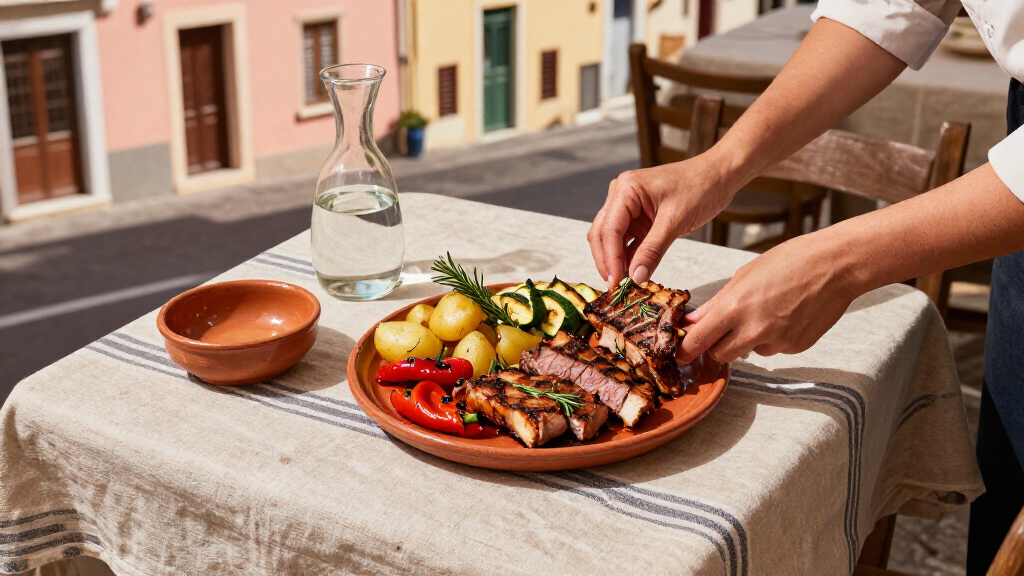
Costoletta alla Valdostana tastes best alongside simple sides that cut through its rich veal, fried crumbs, and melted cheese. A crisp green salad, sautéed vegetables, or plainly cooked potatoes can make the meal feel complete without competing with the Fontina. Think of the chop as the warm, savory center of the plate; its sides should bring freshness, softness, or a little acidity.
A lightly dressed salad is a useful choice after the first bite of buttery crust. For example, peppery greens with a sharp vinaigrette offer a clean contrast, while boiled or roasted potatoes soak up the juices without adding another heavy sauce. If you’re cooking in winter, serve a modest portion of seasonal vegetables beside the chop. In warmer weather, a larger salad can take up more of the plate.
Keep the serving size in mind. The cheese-filled chop is substantial, particularly when it’s made with a thick bone-in cut, so you don’t need a parade of side dishes. Serve it hot after a short rest, when the cheese is soft but the crust still has its crunch. At the table, remind everyone to check for and remove any toothpick or twine used to close the filling.
For a meal that echoes the region without crowding the plate, you might pair the chop with potatoes and greens, then finish with fruit. That leaves the local cheese and the crisp coating as the flavors you remember, rather than burying them beneath a rich sauce.
Buy and Cook Ingredients with the Region in Mind
Fontina Val d’Aosta gives the dish its clearest regional link, so check the cheese’s name and origin when you shop. The Aosta Valley is the mountainous region of northwest Italy bordering France and Switzerland, where dairy farming and cheese-making are part of the local food culture. A recipe that names Fontina but uses another cheese may still taste good, but it won’t have quite the same regional character.
For a home cook, the practical test is simple: choose Fontina that you can cut into a piece small enough to fit inside the chop. Keep the filling restrained, especially if your butcher has cut the pocket close to the edge. If your grocery store doesn’t carry Fontina Val d’Aosta, another smooth-melting cheese can stand in, though its taste and connection to the valley will differ.
The dish belongs to a broader Alpine table where rich dairy preparations make sense beside filling meats and potatoes. Fonduta, or melted-cheese fondue, offers another way to encounter Fontina when you travel through the valley. If you order both on a cold day, share the fonduta as a starter and make the chop the main event rather than turning the meal into a contest of cheese.
Preparation varies between households and restaurants, and claims of one single definitive origin deserve caution. A more grounded way to understand the dish is through its ingredients: veal, breadcrumbs, frying fat, and the regional cheese that melts in the middle. Those details connect a practical dinner at home to a real place.
Plan Ahead Without Sacrificing a Crisp Crust
Costoletta alla Valdostana is easiest to serve at its crispiest when you assemble it shortly before cooking and fry it just before dinner. You can fill and bread the chops ahead, then keep them refrigerated until the pan is ready. A little planning makes the timing easier, but a long wait after frying softens the breadcrumb coating and dulls its best texture.
Set up the flour, beaten egg, and breadcrumbs before you fill the meat. That way, once the pocket is closed, you can coat it without leaving the raw veal on the counter while you search for a plate. Keep raw veal separate from ready-to-eat foods, wash hands and utensils after handling it, and return assembled chops to the refrigerator until cooking.
If a chop is breaded early, place it in the fridge rather than leaving it at room temperature. Before frying, make sure the pan is ready and avoid crowding it; too many cold chops can drop the pan temperature and make the coating greasy. Fry in batches if needed, then serve the first chop while the next one finishes.
Baking is possible if you prefer not to fry, but the crust may be less crisp. Brush or drizzle the crumbs with fat and cook until browned and the veal reaches a safe temperature. For a first attempt, pan-frying gives you a clearer view of the browning and lets you adjust the heat as you go.
Frequently Asked Questions
Is Costoletta alla Valdostana the same as cotoletta alla Milanese?
They’re both breaded cutlets, but Costoletta alla Valdostana is typically filled with Fontina and often made with a thicker chop. Milanese-style cutlets are generally unstuffed, so their center stays meat rather than becoming a pocket of melted cheese.
Can I make it without a bone-in veal chop?
Yes. You can place Fontina between two thinner cutlets or butterfly and fold a boneless piece around the cheese. Adjust the cooking time to the thickness, seal the edges well, and check doneness with a food thermometer.
Can I substitute another cheese for Fontina?
You can use another cheese that melts smoothly, but the flavor and regional identity will change. Choose a cheese that isn’t too watery, and use a modest piece so the filling doesn’t push open the seam.
Is ham required in the filling?
No. Some cooks add ham, while others fill the chop with Fontina alone. Ham gives the center a saltier, meatier taste, so season the veal lightly if you include it.
How do I stop Fontina from leaking out?
Use a thick chop, avoid overfilling it, and secure the opening with toothpicks or kitchen twine. Seal the edges, chill the filled chop briefly if it feels loose, and turn it carefully in the pan.
Can I bake Costoletta alla Valdostana?
Yes, though baking may produce a less crisp coating than pan-frying. Brush or drizzle the breadcrumbs with fat, bake until browned, and check the veal’s internal temperature against current food-safety guidance.
What should I serve with it?
A green salad, seasonal vegetables, or potatoes all work well beside this rich chop. A sharp salad dressing is especially helpful after the buttery crumbs and melted cheese.
Can I prepare it ahead?
You can fill and bread the chops shortly before cooking, then refrigerate them until the pan is ready. Fry them just before serving to keep the crust crisp, and handle raw veal safely by keeping it apart from ready-to-eat foods.
Conclusion
Remember the simple formula: a well-sealed veal chop, a restrained piece of Fontina Val d’Aosta, and enough time in the pan for the center to warm before the crust gets too dark. Check the veal safely, rest it briefly, and pair it with something fresh and uncomplicated.
Then cut through the crisp coating and let the soft cheese tell you where dinner came from: an Alpine valley where dairy, cold weather, and a good chop belong at the same table.