TL;DR
Alta Langa is a vintage-dated DOCG sparkling wine from southern Piedmont, made by Metodo Classico with at least 90% Pinot Nero and Chardonnay. Its second fermentation happens in the bottle, and DOCG rules require at least 30 months on the lees for non-vintage wines and 36 months for vintage-dated wines. Expect a range from taut citrus to creamy brioche, then serve it cool in a white wine glass with seafood, fried snacks, or risotto.
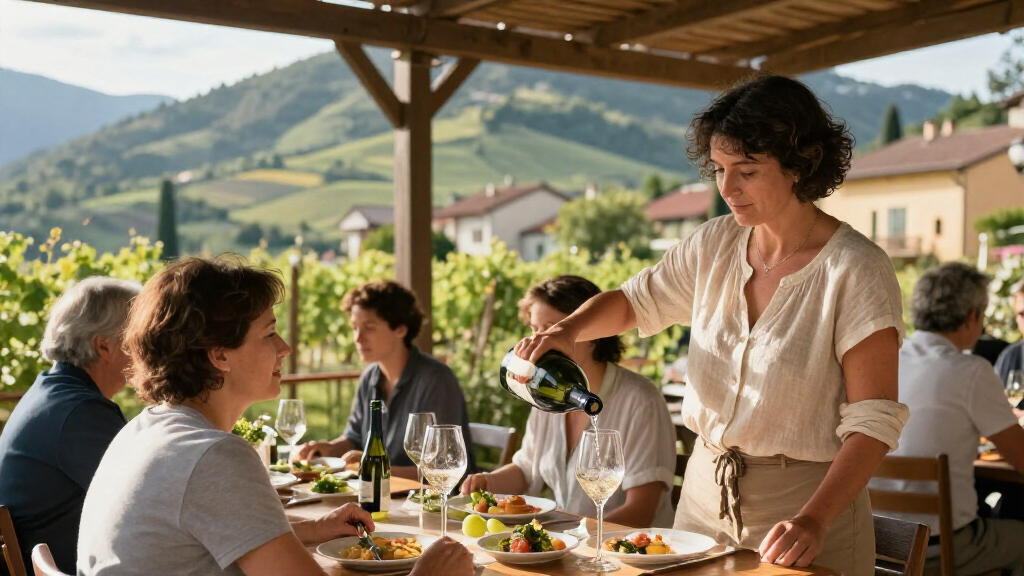
That satisfying snap when you open a bottle of sparkling wine can lead to an easy assumption: bubbles mean Prosecco. In the high hills of southern Piedmont, though, a different Italian sparkler spends years aging in its own bottle before it reaches your glass. Its name is Alta Langa DOCG, and its pace is slower by design.

Get kitchen staples and gadgets delivered free with Prime
- Fast, free delivery on millions of items
- Prime Video, Amazon Music and more included
- Member-only deals all year
This guide explains how Metodo Classico, the traditional bottle-fermentation method, shapes the wine, and why Pinot Nero and Chardonnay thrive in the appellation’s cooler vineyards. You’ll also get a practical comparison with Prosecco, tips for reading labels, and food pairings you can try at home. Think of Alta Langa as a bottle to open with a plate of fried sage or a bowl of risotto, not just a toast at midnight.
Alta Langa DOCG comes from the Langhe hills in southern Piedmont, across parts of Cuneo, Asti, and Alessandria.
Its blend must contain at least 90% Pinot Nero and Chardonnay together, and wines may be white or rosé.
The DOCG requires 30 months of lees aging for non-vintage wines and 36 months for vintage-dated wines; Alta Langa is vintage-dated.
Metodo Classico means the second fermentation takes place in the bottle, while most Prosecco DOC uses tank fermentation.
Serve Alta Langa cool in a white wine glass and try it with seafood, fried snacks, risotto, or savory pastries.
Alta Langa beyond Prosecco
This vintage-dated sparkling wine from southern Piedmont is made by bottle fermentation and extended lees aging. Its structure and range of styles make it a natural partner for food.
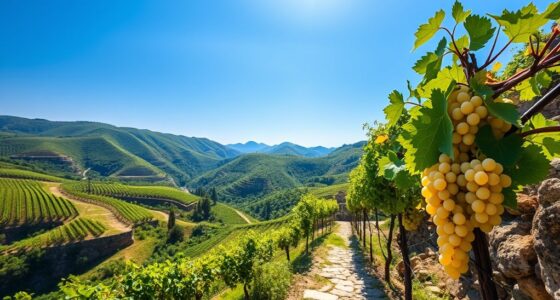
A Piedmont wine shaped by its hills
Cooler conditions at higher elevations help preserve the acidity sparkling wine needs.
Langhe hills
Alta Langa DOCG covers parts of Cuneo, Asti, and Alessandria in southern Piedmont.
Pinot Nero and Chardonnay
Together, they make up at least 90% of the blend. Wines may be white or rosé.
Fresh to creamy
Bottles can show taut citrus, orchard fruit, brioche, or a broader, creamier texture.
How Metodo Classico builds character
Second fermentation in the bottle creates the bubbles; time on the lees can add texture and notes of bread, pastry, or nuts.
Yeast and sugar start the second fermentation, trapping carbon dioxide in the wine.
The wine rests with spent yeast cells, developing texture and added aromas.
The producer removes the sediment and may add dosage to set the final sweetness.
Two Italian sparklers, different approaches
These are broad tendencies, not guarantees; both wines come in varied styles.
| Feature | Alta Langa DOCG | Most Prosecco DOC |
|---|---|---|
| Home | Southern Piedmont | Veneto and Friuli-Venezia Giulia |
| Method | Second fermentation in bottle | Usually second fermentation in a tank |
| Main grapes | Pinot Nero and Chardonnay | Primarily Glera |
| Typical role | Structured, lees-aged wine for meals | Fresh, casual aperitivo |
Read the label, then choose your pairing
The vintage year identifies the harvest. Brut, Extra Brut, and Pas Dosé indicate sweetness styles; Pas Dosé means no dosage is added after disgorgement.
- Serve cool in a white wine glass to reveal more nuance.
- Pair Brut or drier styles with seafood, fried snacks, risotto, or savory pastries.
- Try rosé with cured meats, richer fish, or poultry.
What makes Alta Langa a distinctive Piedmont sparkler?
Alta Langa is a vintage-dated sparkling wine appellation in southern Piedmont, made primarily from Pinot Nero and Chardonnay by the traditional method. Its vineyards sit in the Langhe hills across parts of Cuneo, Asti, and Alessandria provinces, where higher elevations and cooler conditions help grapes hold the acidity sparkling wine needs.
The name points to the region’s higher Langhe country, where hills rise above Piedmont’s warmer plains. Imagine a summer afternoon in the vineyards: sunlight ripens the berries, but cooler conditions help preserve freshness. That balance matters because grapes for sparkling wine must develop flavor without losing all their crisp acidity.
Under the DOCG rules, Pinot Nero and Chardonnay together make up at least 90% of the blend. Producers can use the remaining share of permitted varieties, and the wines may be white or rosé. Pinot Nero can bring structure and red-fruit notes; Chardonnay can contribute citrus, floral, and mineral impressions. The exact character depends on the vineyard, harvest, producer, aging, and sweetness level.
Alta Langa’s modern denomination took shape in stages: it became DOC in 2002 and DOCG in 2011. Traditional-method production has deeper roots in the area, but the DOCG gives you a clear label cue when you’re looking for a sparkling wine with a specific Piedmont home and production identity. For example, if your dinner centers on tajarin pasta with butter and sage, a bottle with enough acidity can refresh your palate between rich, silky bites.
Products Worth Considering

Philips Hue Play Gradient Light Tube, Large, Black

Philips Hue Play Floor Lamp, RGBWWIC LED, 53 Inch, Black

Roborock Q7 M5+ Robot Vacuum and Mop with Self-Emptying Dock
As an affiliate, we earn on qualifying purchases.
How Metodo Classico builds flavor and texture in the bottle
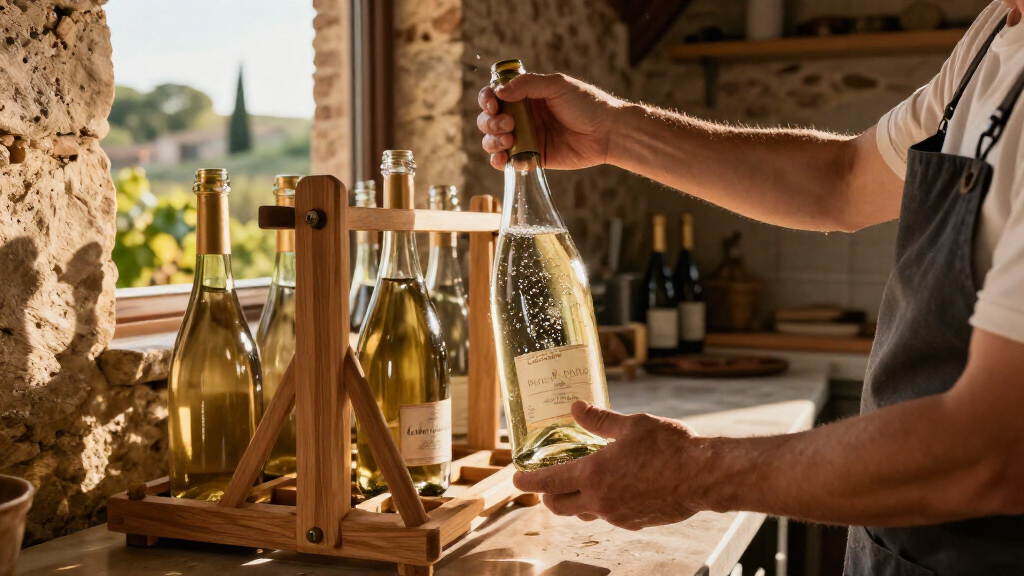
Metodo Classico is a sparkling-wine method in which the wine’s second fermentation takes place inside the bottle. That fermentation creates the bubbles, and the wine then ages on the lees—the spent yeast cells that can add aromas and a fuller texture. In Alta Langa, the required aging gives each bottle time to develop beyond primary fruit.
The process is a sequence of small changes. After the base wine is made, producers add yeast and sugar to start the second fermentation, then seal the wine in its bottle. The yeast consumes sugar and releases carbon dioxide, which stays dissolved in the wine. Later, producers remove the yeast sediment through disgorgement and may add a measured amount of dosage, a mixture of wine and sugar, to set the final sweetness.
- Ferment in the bottle: The second fermentation makes the bubbles that remain trapped under the closure.
- Age on the lees: Time with the yeast sediment can add bread, pastry, or nut-like notes and a more textured feel.
- Disgorge and finish: The producer removes sediment and, depending on the style, adds dosage before sealing the bottle.
Alta Langa requires at least 30 months on the lees for non-vintage wines and 36 months for vintage-dated wines. Those minimums make the calendar part of the wine’s character: a bottle may bring crisp orchard fruit alongside a soft suggestion of toast. At your table, serve it with fried zucchini flowers. The bubbles lift the savory crust, while the lees-aged texture stands up to the warm, delicate filling.
How Alta Langa and Prosecco differ when you pour them
Alta Langa and Prosecco are both Italian sparkling wines, but they usually differ in region, grape, method, and feel. Alta Langa comes from Piedmont and uses traditional bottle fermentation; most Prosecco DOC comes from northeastern Italy, relies mainly on Glera, and uses tank fermentation. These production choices create useful general expectations, though neither appellation produces only one style.
| Feature | Alta Langa DOCG | Most Prosecco DOC |
|---|---|---|
| Home | Langhe hills of southern Piedmont | Veneto and Friuli-Venezia Giulia |
| Main method | Second fermentation in the bottle | Usually second fermentation in a tank |
| Main grapes | At least 90% Pinot Nero and Chardonnay together | Primarily Glera |
| Typical impression | Often structured, with lees-aged texture | Often fresh, fruity, and floral |
| Common role | A sparkler that can accompany a meal | A casual aperitivo or everyday pour |
For instance, if you’re setting out a bowl of salted almonds and olives before dinner, a lively Prosecco may be just the easy, fruit-forward choice. If you’re serving risotto with mushrooms and Parmigiano Reggiano DOP, Alta Langa’s structure and possible notes of toast can make a more satisfying match.
These are broad tendencies, not rules. Prosecco includes different quality levels and styles, and Alta Langa can also be fresh and easy to drink. The useful difference is a starting point: choose by the meal, the label, and the style you enjoy, instead of treating one wine as a replacement for the other.
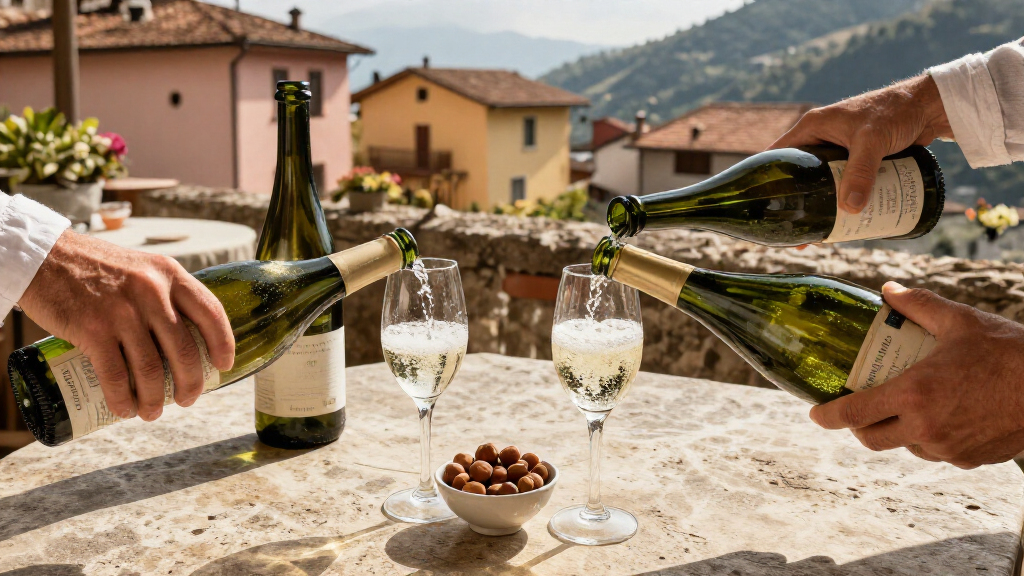
What to look for on an Alta Langa label
The year on an Alta Langa label identifies the harvest, because the denomination requires vintage dating. That gives you a direct clue about which year the wine reflects. It doesn’t promise that every vintage tastes alike: weather, vineyard site, picking decisions, and cellar choices all shape the result.
Next, look for the sweetness term. Brut is a common dry style; Extra Brut and Pas Dosé signal drier options. Pas Dosé means the producer adds no dosage after disgorgement. A very dry wine can be bracing, but acidity and ripe fruit affect how dry it tastes, so don’t use the label alone to predict the whole experience.
Then picture how you plan to drink the bottle. For a seafood lunch, a citrus-led example could work well with grilled scallops or salted anchovies. If you prefer more roundness for roast chicken, ask a wine shop for a bottle with a broader texture or some lees-derived pastry character. Rosé versions vary, too: one may feel delicate and red-fruited, another more vinous and suited to richer food.
- For aperitivo: Try Brut with olives, fried snacks, or a small plate of local cheese.
- For dinner: Look for a structured bottle to pour with risotto, seafood, or savory pastry.
- For a very dry finish: Choose Extra Brut or Pas Dosé, and pair it with food that can meet its sharp freshness.
Price can run higher than many everyday Proseccos because bottle fermentation and extended lees aging take time and tie up inventory. The category is comparatively small, but price still depends on producer, vintage, and market. Treat the label as a map, not a scorecard: it tells you where to start, while the meal and your taste complete the choice.
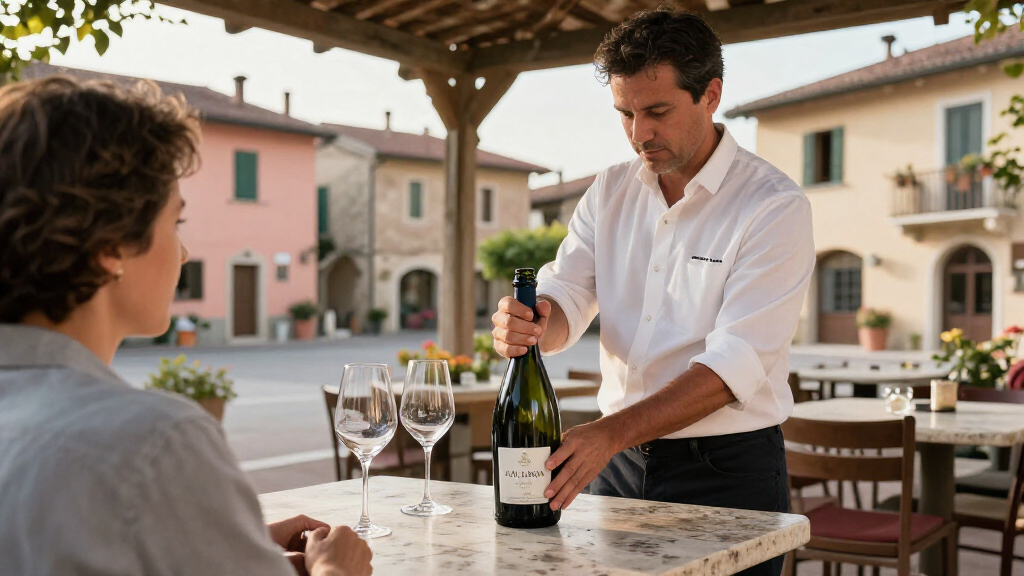
Serve Alta Langa cool, then give it room to open
Serve Alta Langa chilled, but not icy, so freshness stays bright while aromas remain easy to notice. A very cold bottle can hide the citrus, orchard fruit, and pastry notes that make traditional-method wine interesting. A white wine glass often lets those aromas open more fully than a narrow flute.
For a small dinner at home, chill the bottle in the refrigerator and pour a little into a white wine glass before topping up. Let the first sip warm for a few minutes in your hand. You may notice the wine shift from brisk lemon and apple toward a softer, bread-like aroma. That change is part of the pleasure, particularly with a bottle that has spent years aging on the lees.
Alta Langa’s freshness can travel through a meal. Brut and drier styles often pair well with seafood, fried snacks, risotto, and savory pastries. A rosé or fuller-bodied example may suit cured meats, richer fish, or poultry. Try a dry white with fried anchovies and lemon: the bubbles cut through the crisp coating, while the wine’s acidity echoes the squeeze of citrus.
Store an unopened bottle in a cool, dark place at a steady temperature, away from direct sunlight and kitchen heat. There is no universal cellaring deadline: follow the producer’s guidance and account for vintage, closure, storage, and style. For serving, handle the bottle gently and point it away from people when opening; a sparkling-wine cork can move with force. Once opened, reseal it with a sparkling-wine stopper, refrigerate it, and enjoy it soon while the bubbles remain lively.
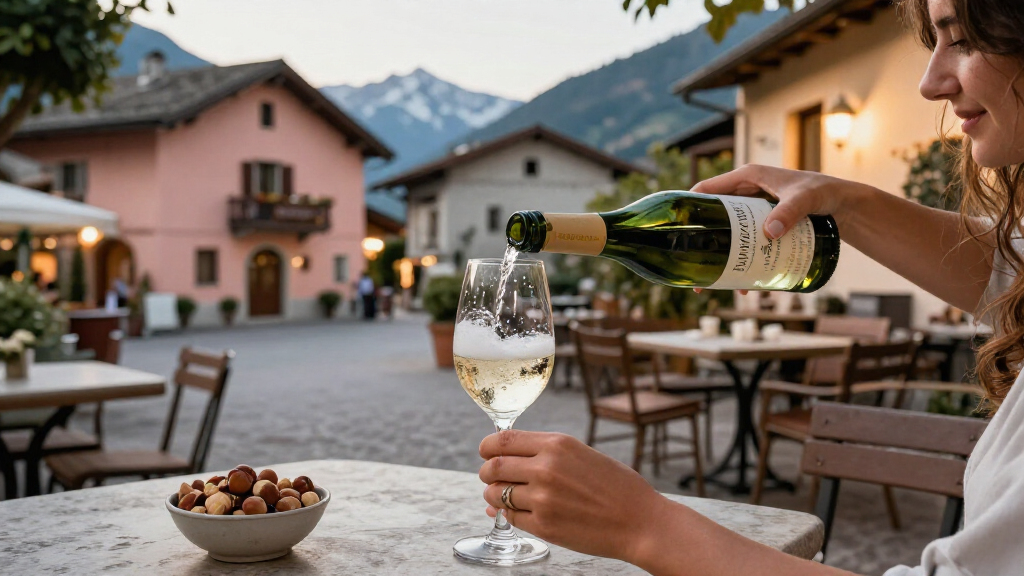
Plan an Alta Langa pairing around Piedmont’s table
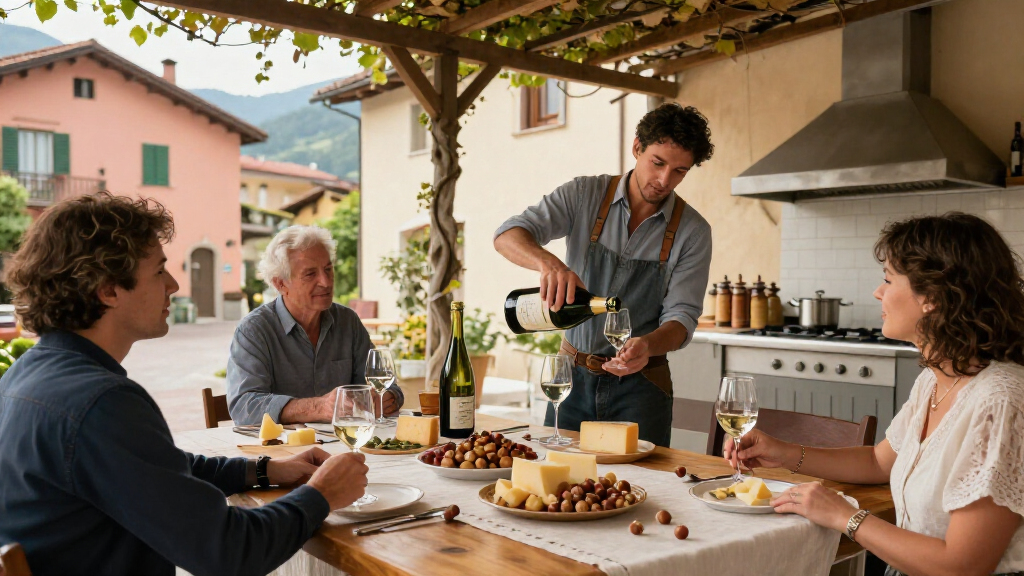
Alta Langa works especially well when you pair its freshness with savory food, rather than saving it for a toast. In Piedmont, sparkling wine can make sense beside dishes with richness, salt, or crisp edges. The bubbles refresh your palate between bites, and the wine’s acidity can keep butter, cheese, or fried batter from feeling heavy.
Picture a late autumn lunch in the Langhe: you’ve roasted squash, stirred risotto until it turns glossy, and shaved a little Parmigiano Reggiano DOP over the top. Pour a Brut Alta Langa beside the risotto. Its lively acidity can balance the creamy rice, while a bottle with more lees-aged character may echo the dish’s savory depth.
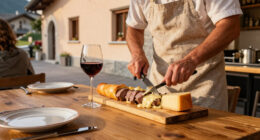
For an easier aperitivo, serve a white Alta Langa with small pieces of focaccia and fried sage leaves. A rosé can take on cured meats or roasted poultry, especially when it has a fuller, more vinous profile. For seafood, a citrus-led bottle beside grilled scallops or a plate of prawns keeps the flavors clean and bright.
- Seafood: Pair with grilled scallops, prawns, or anchovies and lemon.
- Fried food: Pour with zucchini flowers or crisp vegetables while they’re still warm.
- Rice and pastry: Try with mushroom risotto, savory tarts, or buttery filled pastries.
- Meat and poultry: Reach for rosé or a fuller-bodied style with cured meats or roast chicken.
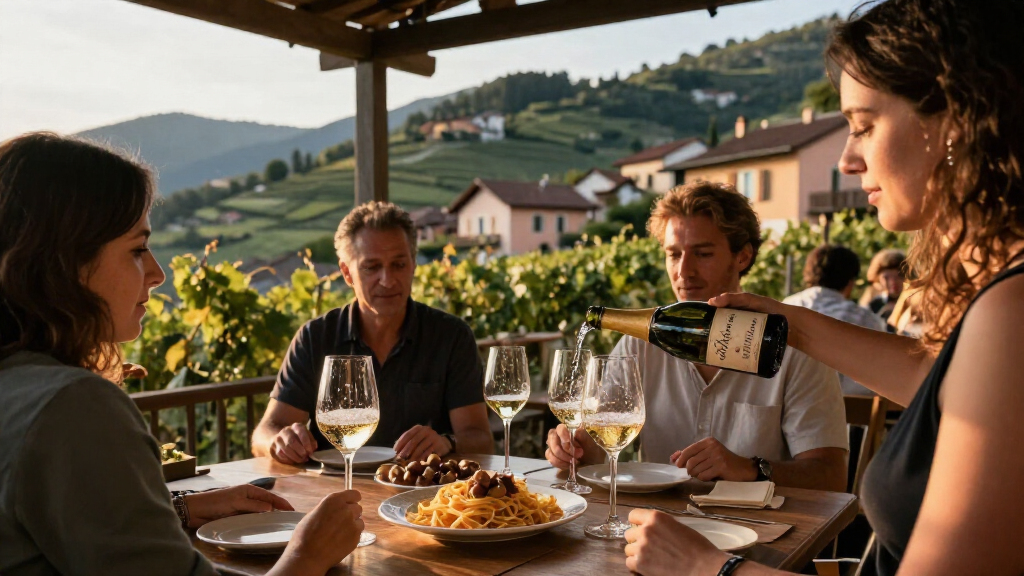
For a dinner with guests, one bottle can accompany aperitivo and the first course, especially if you choose food-friendly Brut. That makes Alta Langa practical as well as celebratory: you don’t need a formal occasion to appreciate it. Serve responsibly to adults of legal drinking age, and offer a nonalcoholic option alongside the wine.
Frequently Asked Questions
Is Alta Langa the same as Prosecco?
No. Alta Langa DOCG is from southern Piedmont and uses Metodo Classico, with Pinot Nero and Chardonnay making up at least 90% of the blend. Most Prosecco DOC comes from northeastern Italy, uses Glera, and undergoes its second fermentation in a tank.
What does Metodo Classico mean?
Metodo Classico, or traditional method, means the wine undergoes its second fermentation in the bottle. The trapped carbon dioxide creates the bubbles, and aging on the lees can add texture and notes of bread or pastry.
Does every Alta Langa have a vintage year?
Yes. Alta Langa DOCG requires vintage dating, so the year on the label identifies the harvest. The wine still varies from year to year because weather, vineyard site, and producer choices affect the result.
What does Pas Dosé mean?
Pas Dosé means no dosage is added after disgorgement. The wine is typically very dry, though fruit ripeness and acidity also shape how dry it tastes with food.
Why can Alta Langa cost more than many Proseccos?
Traditional bottle fermentation and long lees aging take time, and the appellation’s production is comparatively small. Those factors can affect price, though cost still varies by producer, vintage, and market.
How long can I keep a bottle of Alta Langa?
There is no single storage window for every bottle. Follow the producer’s advice and consider its vintage, closure, style, and storage history; keep it cool, dark, and at a steady temperature.
Conclusion
Remember Alta Langa as Piedmont’s slower, more food-minded sparkler: vintage-dated, bottle-fermented, and shaped by years on the lees. Choose a style that suits your meal, pour it cool into a glass with room for its aromas, and let the bubbles meet something savory.
Next time you make risotto or bring home crisp fried snacks, open a bottle from the high Langhe hills. The evening may start with a cork’s soft pop, then settle into citrus, toast, and one more bite.