TL;DR
Rome’s Jewish Quarter, the Ghetto Ebraico, is known for carciofi alla giudia, whole artichokes fried until crisp, and torta di ricotta e visciole, a ricotta-and-sour-cherry tart. Visit in spring for artichokes at their seasonal best, compare the fried version with tender carciofi alla romana, and ask restaurants directly about availability, reservations, and kosher practices.
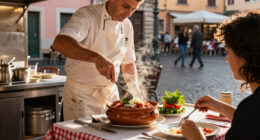
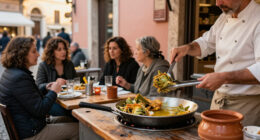
A Roman artichoke can arrive at your table looking like a golden flower, its leaves crisp enough to crackle. In the Ghetto Ebraico, Rome’s Jewish Quarter, that first bite can lead you into a food tradition shaped by local produce, Jewish Roman life, and centuries of history.

Get kitchen staples and gadgets delivered free with Prime
- Fast, free delivery on millions of items
- Prime Video, Amazon Music and more included
- Member-only deals all year
This guide helps you choose what to taste, from carciofi alla giudia to torta di ricotta e visciole, the neighborhood’s ricotta-and-sour-cherry tart. You’ll learn when artichokes are in season, how the quarter’s two famous artichoke dishes differ, and how to plan a meal alongside a walk near the Portico of Octavia and the Theatre of Marcellus.
Think of the meal as a short edible map: begin with vegetables, try the quarter’s crisp signature, then save room for a sweet-tart finish. Menus change with the season, so a little flexibility—and a question to your server—often rewards you with the best bite of the day.
Order carciofi alla giudia for crisp, whole fried artichokes; choose carciofi alla romana for a tender, herb-scented version.
Spring is the natural artichoke season in Rome, but restaurant availability changes, so ask before you go.
Try concia di zucchine or filetti di baccalà to explore more of the quarter’s savory food traditions.
Look for torta di ricotta e visciole, a ricotta-and-sour-cherry tart associated with Jewish Roman baking.
Jewish Roman cuisine does not automatically mean kosher; ask restaurants about supervision, ingredients, and allergy handling.
Jewish Quarter Classics From Carciofi to Tart
Taste Jewish Roman food through crisp artichokes, savory neighborhood favorites, and a ricotta-and-sour-cherry tart. Seasonal menus and restaurant practices vary, so ask before you order.
Two artichokes, two textures
Try both preparations when the menu offers them to taste how cooking changes Rome’s signature ingredient.
| Dish | Preparation | Experience |
|---|---|---|
| Carciofi alla giudia | Whole artichoke, fried | Crisp leaves, tender center |
| Carciofi alla romana | Braised with herbs, garlic, and olive oil | Tender and fragrant |
Build a neighborhood meal
Share a few savory dishes to explore more than the famous artichoke.
Concia di zucchine
Fried zucchini marinated with vinegar, garlic, and mint; a flavorful antipasto to share.
Filetti di baccalà
Battered, fried salt cod that brings a familiar Roman snack to the table.
Ricotta and sour cherry tart
Torta di ricotta e visciole pairs creamy cheese with bright, tangy fruit.
Make room for the season
Artichokes are especially associated with spring, though some restaurants serve them for much of the year.
Ask whether artichokes are available and which preparation uses the freshest ones.
The compact quarter is close to the Tiber, the Portico of Octavia, and the Theatre of Marcellus.
Popular restaurants may require a reservation; menus and opening hours can change.
Ask about what matters
A restaurant’s cuisine and its service practices are separate questions.
- Ask about ingredients and allergy handling.
- Check whether fried dishes share oil or equipment if cross-contact matters.
- Jewish Roman cuisine does not automatically mean kosher.
- Ask directly about supervision and food preparation.
Start with the Artichoke That Turns Into a Golden Flower
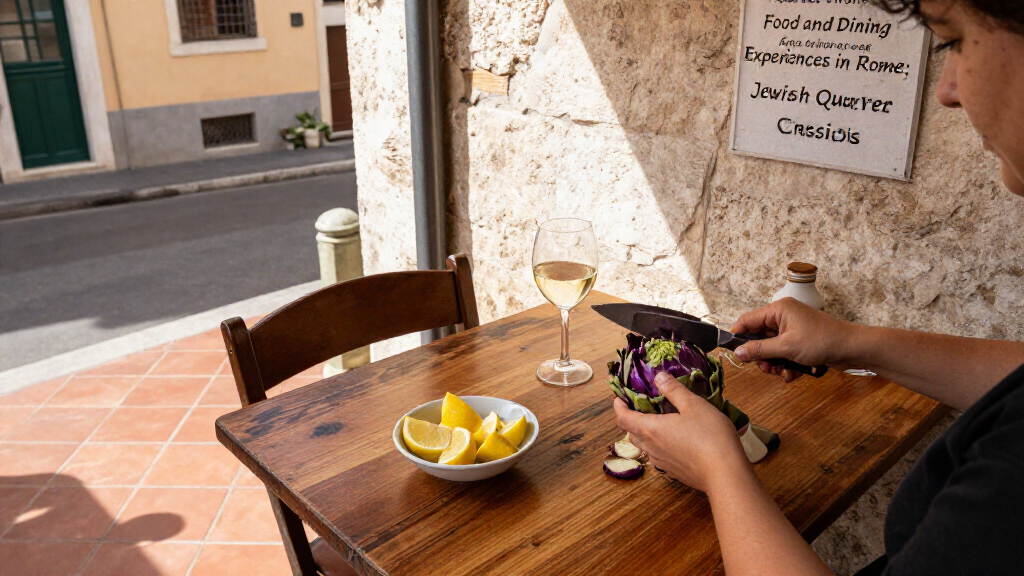
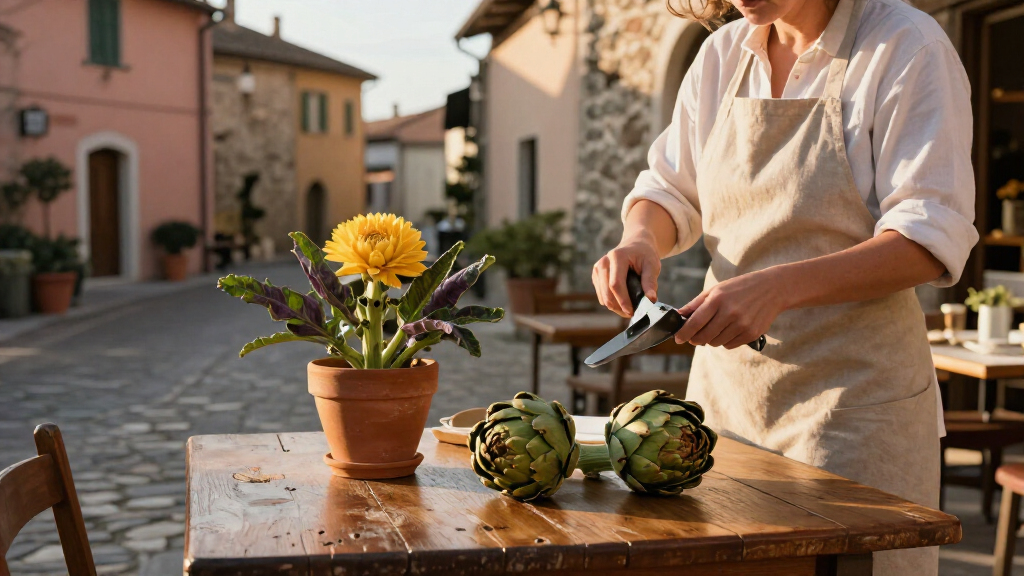
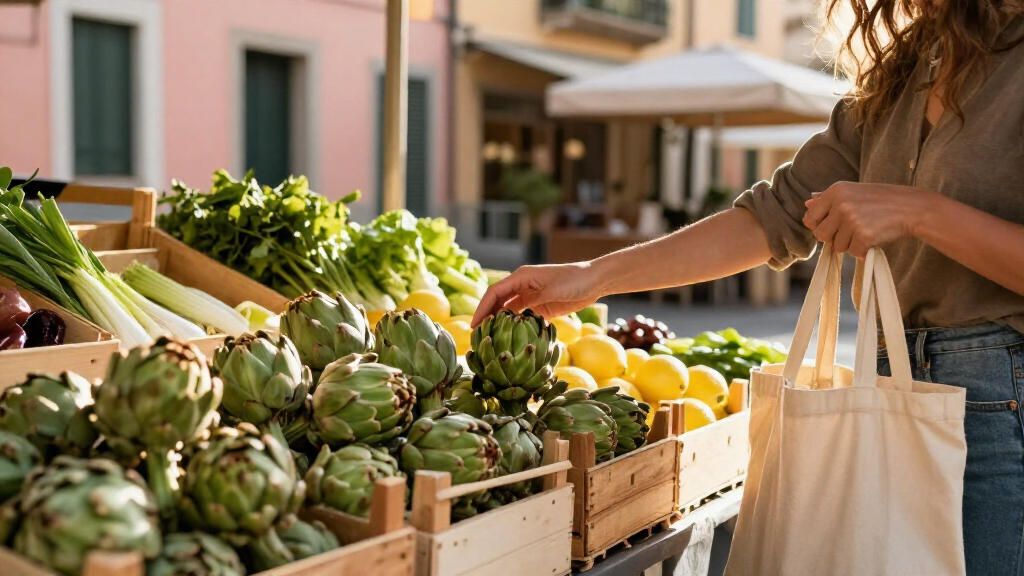
Rome’s Jewish Quarter is best known for carciofi alla giudia, whole artichokes trimmed and fried until their leaves open into a crisp, golden flower. The outside crunches like a thin potato chip, while the heart stays soft and earthy. If you visit in spring, ask whether the kitchen is serving artichokes while they are in season.
This preparation belongs to a wider Jewish Roman food tradition, shaped by local ingredients and the practices of a community that has lived in Rome since antiquity. It is one reason the quarter feels like one of Rome’s most distinctive places to eat: you can taste the city’s produce and a specific neighborhood history in the same dish. In a compact menu, a whole fried artichoke can tell you more than a generic “Roman appetizer.”
For a first visit, order one artichoke to share before choosing mains. Pull off a leaf, taste the crisp edge, and work toward the tender center; some leaves near the base can be eaten, while tougher outer ones may be better left behind. If you are dining with someone who avoids fried foods, ask about the braised version, carciofi alla romana, or a seasonal vegetable antipasto.
Spring gives the dish its natural moment, but some restaurants serve it for much of the year. Availability depends on the kitchen and the season, so call or check the menu before building your day around it. A traveler arriving in Rome in late summer may still find the dish, but should treat that as a possibility rather than a promise.
Products Worth Considering

Samsung 43-Inch M70H Series 4K Mini LED Smart TV (2026)

Dyson V8 Cyclone Cordless Vacuum

Arlo Essential Wireless Security Camera 2K (3rd Gen) – 3-Cam Kit with Yard Sign
As an affiliate, we earn on qualifying purchases.
Taste the Difference Between Fried and Braised Artichokes
Carciofi alla giudia are fried until crisp, while carciofi alla romana are braised with herbs, garlic, and olive oil until tender. Both are Roman artichoke classics, but the cooking changes the texture and mood: one is crackly and rich, the other soft and fragrant. Ordering both, when the menu allows, gives you a simple side-by-side tasting.
| Dish | How it is cooked | What to expect | When to choose it |
|---|---|---|---|
| Carciofi alla giudia | Whole artichoke, deep-fried | Crisp leaves and a tender center | When you want the quarter’s best-known specialty |
| Carciofi alla romana | Braised with herbs, garlic, and olive oil | Soft texture and herbal aroma | When you prefer a gentler, less crisp preparation |
Imagine a spring lunch with a friend who loves crunchy food and another who wants something soothing. One order of each makes the meal feel like a conversation between textures: the fried artichoke snaps, then the braised one yields to your fork. You also learn why “artichoke dish” is not a single experience.
Menus in Rome may offer both, but a restaurant can run out or serve only one on a given day. Ask which preparation uses the freshest artichokes and how large the portion is before ordering. These dishes are often substantial enough to share, especially if you want room for pasta or dessert.
Build a Meal Around More Than the Famous Artichoke
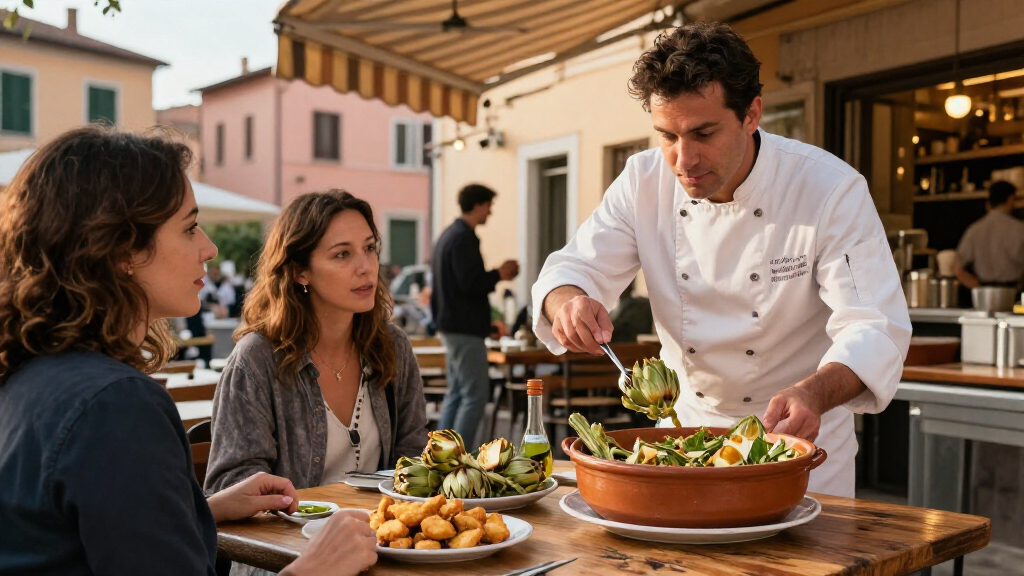
The Jewish Quarter’s food includes more than artichokes: look for filetti di baccalà, battered and fried salt cod, and concia di zucchine, fried zucchini marinated with vinegar, garlic, and mint. These dishes show how fish and vegetables can carry plenty of flavor through frying, herbs, and preservation. Together, they make a satisfying start to a meal or a small lunch.
Concia is especially useful if you want a vegetable dish with a sharper edge than a plain side salad. The vinegar cuts through the zucchini’s softness, while mint lifts the aroma. Order it as an antipasto—a starter—or share it with someone who wants to try several things without committing to a large plate.
For example, two travelers could split zucchini and salt cod, then decide whether to share a fried artichoke or move directly to pasta. Check the menu for ingredients and ask about the preparation if you have dietary needs. Salt cod is fish, and fried dishes may share cooking oil or equipment; that matters if you have an allergy or need to avoid cross-contact.
You may also see familiar Roman pasta such as carbonara, amatriciana, or cacio e pepe alongside Jewish Roman specialties. That mix makes the quarter practical for a group with different appetites, though it can blur the distinction between the neighborhood’s historic dishes and broader Roman cooking. Ask your server which plates best express the kitchen’s Jewish Roman tradition, then choose one familiar pasta if you want a useful comparison.
Save Room for the Tart With Ricotta and Sour Cherries
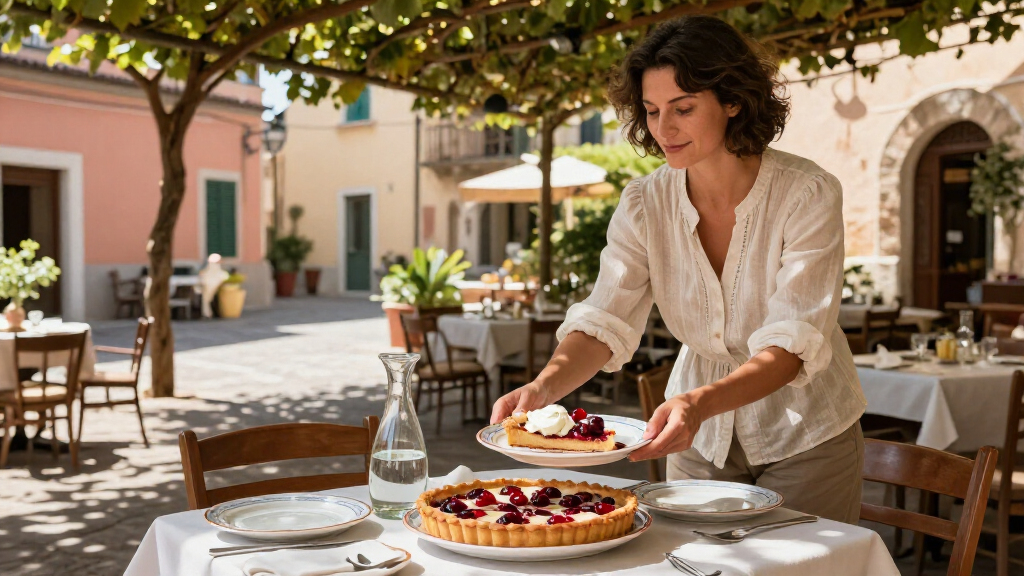
Torta di ricotta e visciole is a ricotta-and-sour-cherry tart closely associated with Jewish Roman baking. Its appeal rests on contrast: creamy, mild cheese meets bright, tangy fruit beneath a pastry crust. If you have spent lunch tasting fried and savory dishes, a small slice makes a lively finish rather than another heavy course.
The tart’s history is often connected to restrictions once placed on Jewish bakers in the ghetto, who are said to have concealed cheese filling beneath pastry. Recipes and origin stories vary, so it is best approached as a beloved tradition rather than a single settled historical account. The story is like the pastry itself: layers of food and memory, with room for more than one telling.
When you see the tart in a bakery or restaurant, ask whether it is made with visciole, sour cherries, and whether a slice is available. A traveler stopping for coffee after a walk near the Tiber might share one slice rather than order a full dessert each. The fruit’s tartness cuts through the rich ricotta, and the pastry gives you a few crisp crumbs to gather with a fork.
Ask about ingredients if you have food allergies. This tart commonly contains dairy and wheat, and recipes can differ; bakeries can tell you whether they use other ingredients or handle nuts nearby. If the dessert is not on the menu that day, ask what local sweet the kitchen recommends instead. Menus change, and a good question can point you toward another seasonal treat.
Plan a Walk That Makes Your Meal Part of Rome
The Jewish Quarter is compact and easy to explore on foot, close to the Tiber River, the Portico of Octavia, and the Theatre of Marcellus. Pairing lunch with a walk lets you experience the neighborhood as more than a dining stop. A short stroll before a meal can also help you arrive hungry without rushing from one distant sight to another.
One practical plan: walk through the quarter in the late morning, pause to look around the Portico of Octavia, then settle in for lunch outside the busiest rush. Afterward, take a slow route toward the river and leave time for coffee or a slice of tart. The historic streets, warm stone, and the smell of frying oil make the meal feel tied to a place rather than dropped into an itinerary.
Popular restaurants can fill during lunch and dinner, particularly in busy travel periods. Reserve ahead if a specific restaurant matters to you, and check its current opening hours directly before setting out. If you arrive without a booking, keep a backup plan: a café stop, a later meal, or a different day for the restaurant you most want to try.
Ask about seasonal dishes before you order. An artichoke may be available outside spring, but restaurants vary, and a special can disappear by dinner. If you are traveling with a vegetarian, check whether vegetables are cooked with animal products or share a fryer; the dish name alone may not answer that question.

Know What Jewish Roman Cuisine Means Before You Order
Jewish Roman cuisine names a food tradition shaped by Jewish Roman community life, local Roman ingredients, and religious practices; it does not automatically mean a restaurant is kosher. Kosher describes food prepared according to Jewish dietary laws and appropriate supervision. If kosher status matters to you, ask the restaurant directly about its certification and kitchen practices.
This distinction matters because menus can combine Jewish Roman specialties with broader Roman dishes. A restaurant might serve carciofi alla giudia alongside carbonara, but that menu alone does not establish kosher supervision. For a visitor, a clear question is more useful than guessing from a dish’s name or the neighborhood’s history.
Some dishes also call for practical food-safety awareness. Fried salt cod is fish, and artichokes or zucchini may be cooked in shared oil. Tell the restaurant about allergies, including fish, dairy, wheat, or any other concern, and ask how the kitchen handles cross-contact. If you are pregnant, immunocompromised, or especially cautious about food handling, choose freshly cooked, thoroughly hot dishes and ask how items are stored or prepared.
For instance, if you avoid fish but share antipasti with a friend ordering baccalà, ask whether the kitchen uses separate utensils and serving plates. If you need a kosher meal, look for a restaurant that can explain its supervision rather than relying on the phrase “Jewish style.” A direct, respectful question helps you choose a meal that fits your needs and lets the kitchen give a precise answer.
Frequently Asked Questions
What is the Jewish Quarter in Rome best known for eating?
The quarter is especially known for carciofi alla giudia, whole artichokes fried until crisp and golden. You can also look for concia di zucchine, fried zucchini marinated with vinegar, garlic, and mint, and the ricotta-and-sour-cherry tart called torta di ricotta e visciole.
What is the difference between carciofi alla giudia and carciofi alla romana?
Carciofi alla giudia are fried until their leaves turn crisp; carciofi alla romana are braised with herbs, garlic, and olive oil until tender. If the menu has both, sharing one of each makes the contrast easy to taste.
When should I visit Rome for artichokes?
Spring is the natural season for Roman artichokes. Some restaurants serve artichoke dishes for much of the year, but availability varies, so ask before planning your meal around them.
Is food in Rome’s Jewish Quarter always kosher?
No. Jewish Roman cuisine describes a culinary tradition, while kosher describes food prepared under Jewish dietary laws and appropriate supervision. Contact the restaurant directly if you need a kosher meal and ask about its status and practices.
What can vegetarians order in the Jewish Quarter?
Look for carciofi alla giudia, carciofi alla romana, concia di zucchine, and seasonal vegetable antipasti. Recipes and availability vary; ask whether a dish contains animal products or shares a fryer with meat or fish.
What is torta di ricotta e visciole?
It is a ricotta-and-sour-cherry tart associated with Jewish Roman baking. The filling’s creamy sweetness meets the sharp fruit under a pastry crust; recipes and stories about its history vary.
Conclusion
Make your Jewish Quarter meal a small tasting of Rome: share a crisp carciofo alla giudia, compare it with the herb-soft Roman braise, and finish with ricotta and sour cherry if the tart is available. Check the season, book ahead when a restaurant matters, and ask the kitchen what is fresh that day.
Then take the long way back toward the Tiber. A few crumbs of pastry, the scent of mint and vinegar, and the golden crackle of artichoke leaves are a good way to carry the quarter with you.