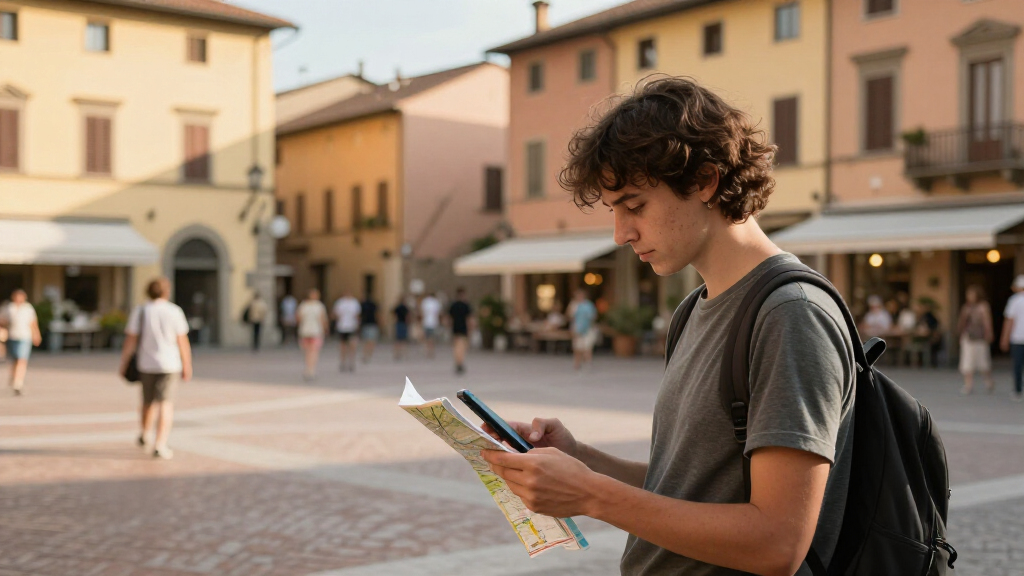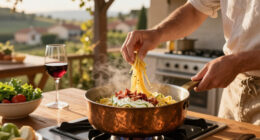

TL;DR
Rome’s Testaccio Market is a covered neighborhood market where you can watch everyday Roman food culture at work, then taste it through pizza bianca, supplì, filled sandwiches, seasonal produce, and pasta. Visit on a weekday morning, allow 60–90 minutes, and use carbonara’s four core ingredients—guanciale, Pecorino Romano, eggs, and black pepper—as your guide to the market.
Carbonara begins long before pasta hits boiling water. It begins with the silky white fat of guanciale, a wedge of salty Pecorino Romano, deeply yellow eggs, and pepper that smells warm and woody when crushed. At Rome’s Testaccio Market, you can see those ingredients as individual trades rather than a finished plate.
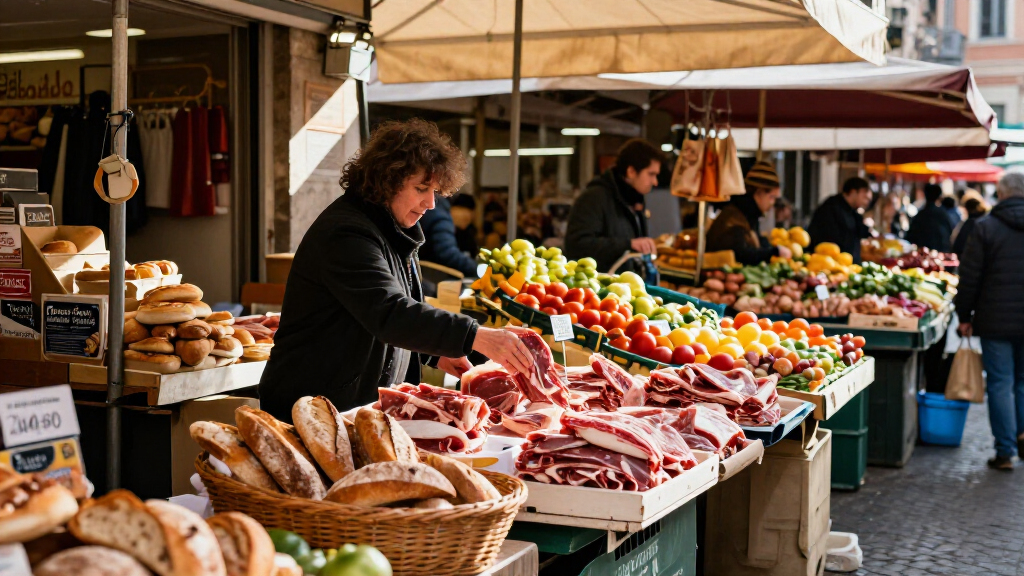
A butcher draws a knife across steel with a sharp shhk-shhk. A baker folds warm pizza bianca around a filling while its olive-oiled crust crackles. Nearby, a shopper presses an artichoke at the stem, checks its weight, and asks whether it will be better fried or braised with mint.
This guide helps you plan a morning visit that goes beyond collecting snacks. You will learn how to read the stalls, what to taste, why Testaccio’s meat traditions matter, and how the market explains the culture behind Roman cooking. You will also leave with practical guidance for buying carbonara ingredients, handling them safely, and treating the market as a workplace—not merely a backdrop for photographs.
Visit Mercato Testaccio on a weekday morning and allow 60–90 minutes; many traditional counters slow down or close after lunch.
Taste in a light-to-rich order: pizza bianca or supplì, seasonal produce, a shared sandwich, then carbonara if it appears on the day’s menu.
Use guanciale, Pecorino Romano, eggs, black pepper, and starchy pasta water for Roman carbonara; cream does not create its traditional texture.
Ask vendors specific cooking questions, buy before requesting extended help or photographs, and keep working aisles clear.
Carry perishable purchases in an insulated bag and refrigerate them at 40°F or below as soon as possible.
Rome’s Testaccio Market
A morning among butchers, bakers, and carbonara. Mercato Testaccio is a working neighborhood pantry where Roman food culture appears stall by stall: cured pork, salty cheese, deeply yellow eggs, warm bread, seasonal vegetables, and dishes built from thrift and technique.
See grocery shopping and preparation before lunch queues reshape the market.
Enough for a tasting route, vendor conversations, and ingredient shopping.
Guanciale, Pecorino Romano, eggs, and pepper reveal carbonara before it reaches the plate.
A five-stop route without the food coma
Move from light to rich. Let the grocery stalls establish the market’s rhythm before joining a popular prepared-food queue, and share the heavier dishes if carbonara is still ahead.
Begin with a small, warm piece or a simple mortadella filling.
Ask whether today’s artichokes are better fried or braised.
Break the crisp shell carefully; the mozzarella center will be hot.
Choose meatballs, oxtail, tripe, braised meat, or vegetables.
Finish rich, if it appears on the counter’s changing daily menu.
Residents compare vegetables, request exact cuts, and collect bread while vendors prepare for the day. Saturday is livelier; Sunday and holiday availability may be limited.
Three counters, one Roman food culture
The market works as pantry, lunch stop, and neighborhood conversation. Watch how each specialist turns a robust ingredient into practical everyday food.
Time is the key
Testaccio’s slaughterhouse history shaped cooking around collagen-rich cuts and the quinto quarto. Coda alla vaccinara, trippa alla romana, coratella, and pajata express labor, thrift, and practiced technique—not novelty.
Listen for the crackle
Pizza bianca brings olive oil, salt, a dimpled crust, and a tender center. Pizza rossa adds tomato and a brighter profile. Filled bread turns cured meat, vegetables, or braised dishes into portable lunch.
Ask how to cook it
A useful question is more revealing than a photograph. Ask whether an artichoke suits carciofi alla romana, which greens should be sautéed, or which tomatoes are best eaten raw that day.
quarto
The market inside the bowl
Carbonara’s texture comes from controlled heat, rendered fat, cheese, egg, and starchy pasta water. The ingredient list is short; the supply chain and technique are the real story.
Guanciale
Cured pork jowl with silky fat that renders into the sauce’s savory foundation.
Pecorino Romano
Salty, assertive sheep’s-milk cheese; buy a wedge and grate it freshly.
Eggs
Whole eggs, yolks, or a mixture provide body and emulsify without direct high heat.
Black pepper
Freshly crushed pepper should smell warm, woody, and strongly aromatic.
Street-food decision table
Portion size matters. Start small, share anything braised or heavily filled, and ask about allergens or animal-derived ingredients when needed.
| Food | Weight | Best moment | Why choose it | Check before ordering |
|---|---|---|---|---|
| Pizza bianca | Light ✓ | First bite | Warm, salty, olive-oil-rich bread with a chewy center. | Ask whether fillings or dough contain animal products. |
| Pizza rossa | Light ✓ | Early route | Tomato brings brightness and keeps the tasting pace gentle. | Confirm ingredients if dietary restrictions apply. |
| Supplì | Medium ~ | Second or third | Crisp shell, tomato rice, and a molten mozzarella center. | Commonly contains milk, egg, and wheat; ask about shared fryers. |
| Braised-meat sandwich | Rich ✗ | Share at lunch | A Roman stew becomes a complete meal between bread. | Large portions can overwhelm the rest of the route. |
| Carbonara | Rich ✗ | Final stop | A direct lesson in emulsion, cured pork, cheese, and pepper. | Menus change; ask whether it is available that day. |
A workplace before a backdrop
Good market etiquette creates better conversations. Be precise, purchase when practical, and remember that the aisle belongs to workers and regular shoppers too.
Watch before photographing
Ask permission before close-ups of people, products, or active preparation.
Ask a cooking question
“Which cut suits a three-hour stew?” is more useful than a vague request for the best item.
Keep the aisle moving
Step aside to study purchases, organize bags, or wait for companions.
Verify current details
Opening days, vendor schedules, menus, and food regulations can change.
How Testaccio turns ingredients into culture
Leave with more than snacks
- Visit on a weekday morning and reserve 60–90 minutes.
- Taste from light to rich: bread, produce, supplì, a shared sandwich, then pasta.
- Use guanciale, Pecorino Romano, eggs, and pepper to trace carbonara through the market.
- Ask specific questions, buy before requesting extended help, and keep work areas clear.
- Carry perishables cold and verify current hours before crossing Rome.
Why an Early Visit Shows You the Market Rome Actually Uses
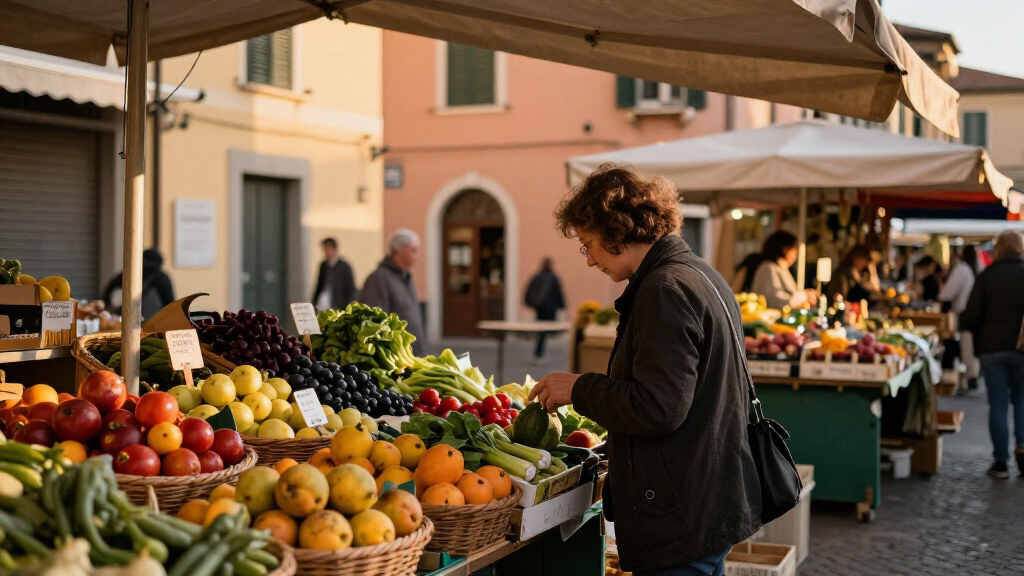
Rome’s Testaccio Market rewards an early visit because mornings reveal it as a working neighborhood market, when residents buy vegetables, butchers prepare cuts, and bakers move fresh trays. Arrive before lunch and you see daily Roman cooking taking shape, rather than catching only the final rush at popular food counters.
Testaccio sits south of central Rome, close to the Tiber, Monte Testaccio, and the former municipal slaughterhouse known as the Mattatoio. The present covered market opened in 2012, replacing the outdoor market formerly held in Piazza Testaccio [1]. Its bright walkways feel modern, yet archaeological remains visible below parts of the structure keep older Rome under your feet [2].
On a weekday around 9:00 or 10:00 a.m., you might see a vendor weighing chicory for a regular while another customer asks for two thin veal slices. The conversation matters as much as the sale. A market seller may tell you whether today’s artichokes suit carciofi alla romana, Roman-style braised artichokes, or whether the tougher outer leaves call for another use.
The atmosphere changes as lunch approaches. Produce bags give way to paper-wrapped sandwiches, stools fill, and the sizzle of hot food grows louder. Saturday often feels livelier and more crowded, while Sunday and holiday openings can be limited; check current days and hours before crossing the city.
Plan for 60–90 minutes, arrive hungry but not ravenous, and let the grocery stalls set the rhythm before you join a food-counter queue.
You will probably find some visitors around well-known prepared-food stalls, yet the market still serves people buying fish, cheese, flowers, clothing, and household goods. That mix is the point. Mercato Testaccio is best presented as part pantry, part lunch stop, and part neighborhood conversation.
As an affiliate, we earn on qualifying purchases.
What the Butcher Counters Teach You About Roman Cooking
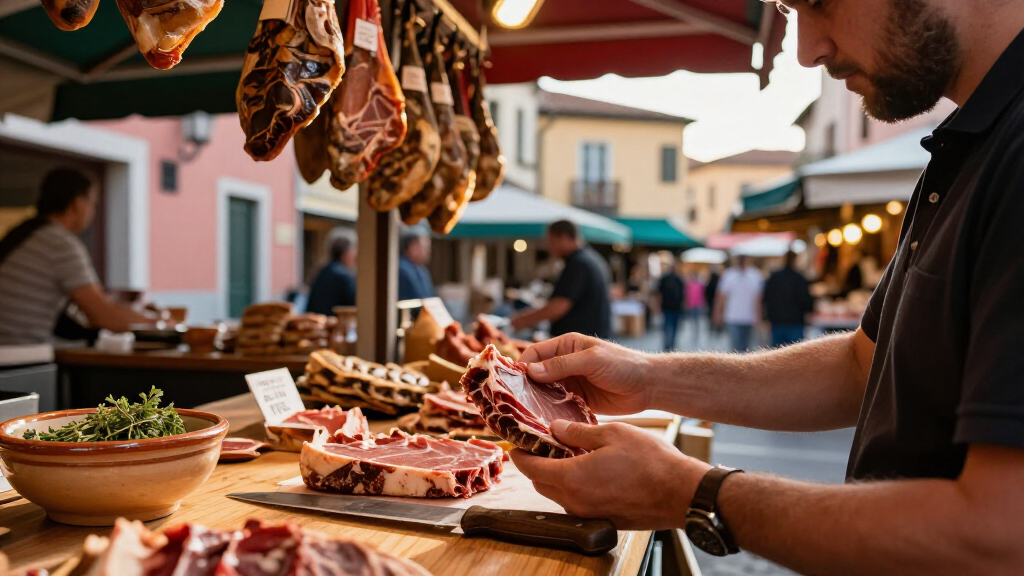
Rome’s Testaccio Market explains Roman meat cooking through cuts shaped by labor, thrift, and practiced technique. Its butcher counters connect directly to Testaccio’s slaughterhouse history, where workers and nearby families learned to turn inexpensive or overlooked parts into slow-cooked dishes with remarkable depth.
The phrase quinto quarto, or fifth quarter, refers to offal and other parts outside an animal’s four primary butchered quarters. These ingredients were never just culinary curiosities. They fed a working district, rewarded patience, and turned scarcity into a local cooking language.
- Coda alla vaccinara uses oxtail cooked slowly until the meat loosens from the bone and the sauce becomes dark, sticky, and rich.
- Trippa alla romana pairs tender tripe with tomato, mint, and Pecorino Romano for a dish that balances sweetness, herbs, and savory depth.
- Coratella usually means lamb offal, often cooked with artichokes during their shared season.
- Rigatoni con la pajata uses the intestines of a milk-fed calf and must follow current food regulations.
Imagine asking a butcher for meat for a Sunday stew. Rather than reaching for a neat steak, the butcher points toward a collagen-rich cut and explains that three hours of gentle heat will do more than ten minutes in a frying pan. The cut is a locked door; time is the key.
Watch before photographing. You may hear the thunk of a cleaver, see red meat separated from creamy fat, or notice a customer requesting a precise thickness. Buy something when practical, ask permission before taking a close-up, and avoid treating offal as a dare.
Raw meat belongs in a cold refrigerator at 40°F or below, preferably in a sealed container on the lowest shelf. Keep it separate from bread and ready-to-eat foods, wash hands and utensils after contact, and cook each cut to a safe temperature suited to that meat. When regulations or preparation methods are unfamiliar, ask the butcher for current guidance.
The Breads and Street Foods Worth Building Your Morning Around
Rome’s Testaccio Market makes breakfast and early lunch easy by pairing fresh Roman breads with prepared foods built for eating on the move. Start lightly with pizza bianca or a supplì, then choose a filled sandwich or pasta only after you have explored the grocery stalls.
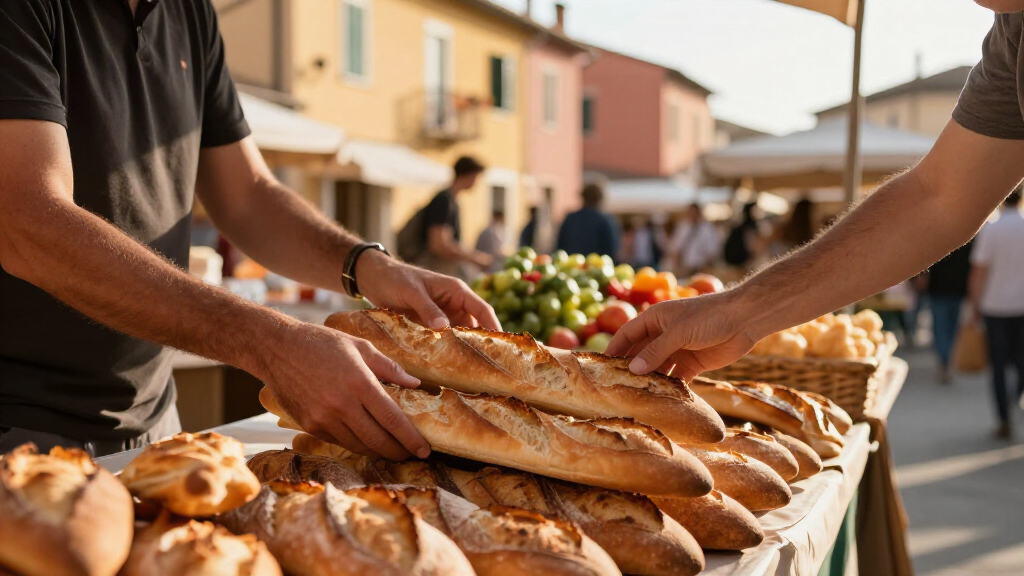
Pizza bianca is a lightly salted, olive-oil-rich flatbread with a dimpled surface and a tender, chewy middle. When fresh, its thin crust goes crack-crackle under your fingers. Pizza rossa adds a simple layer of tomato, making it brighter and less fatty on the palate.
A practical first stop might be a small piece of warm pizza bianca folded around mortadella. The bread catches the meat’s peppery perfume while its salt sharpens the sweet pork fat. If you prefer a vegetarian start, ask for pizza with seasonal greens, roasted vegetables, or tomato, but check whether the dough or filling contains lard, meat stock, or animal-rennet cheese.
Supplì are fried rice croquettes commonly filled with tomato-seasoned rice and mozzarella. Break one open carefully: steam lifts from the center, and the cheese stretches between the crisp shell and your first bite. They commonly contain milk, egg, and wheat, and shared fryers may expose them to other allergens.
Prepared-food counters may offer sandwiches filled with meatballs, braised beef, tripe, vegetables, or another Roman dish. A sandwich packed with slow-cooked oxtail can feel like a full trattoria meal pressed between two pieces of bread, so share one if carbonara is still ahead.
Menus, stall operators, and opening arrangements change. Treat any famous counter as a possibility rather than a promise, and check current details before traveling. The wiser plan is to choose by what smells fresh, what locals are ordering, and what the person behind the counter says is best that morning.
Your Five-Step Tasting Route Without the Midday Food Coma
A smart route through Mercato Testaccio moves from light bites to richer food while leaving time for vendors, ingredients, and the neighborhood. Small portions keep your palate awake, and a deliberate order prevents a heavy carbonara or meat sandwich from flattening every flavor that follows.
- Begin with one bread. Share a strip of pizza bianca or pizza rossa. Notice the olive oil, salt, chew, and crisp edge before adding a filling.
- Walk the produce aisles. Look for artichokes in cooler months and spring, zucchini blossoms in warm weather, summer tomatoes, or winter chicories, brassicas, and citrus.
- Study the meat and cheese counters. Ask how guanciale should be cut and whether a Pecorino Romano is mild enough for eating or assertive enough for grating.
- Add one fried or filled item. Choose a supplì or split a Roman-style sandwich, especially if you plan to order pasta.
- Finish with the richest dish. If carbonara appears on a current menu, share it or order the smallest practical portion, then take a short walk through Testaccio.
For example, two travelers can split one supplì, one sandwich, and one pasta rather than ordering three full meals each. That gives you crisp rice, slow-cooked meat, and creamy pasta without turning the final half hour into a search for somewhere to sit.
Bring some cash, even though many businesses accept cards, and keep small purchases easy to manage. Use Un etto, per favore for one hundred grams, Da mangiare qui for eating here, and Da portare via for takeaway.
Afterward, you can walk toward Monte Testaccio, the Mattatoio cultural complex, or the Protestant Cemetery. The shift works beautifully: the market’s clatter fades, your paper bag smells faintly of bread, and the neighborhood’s industrial and ancient layers become easier to read.
Why Four Market Ingredients Make Carbonara Taste Complete
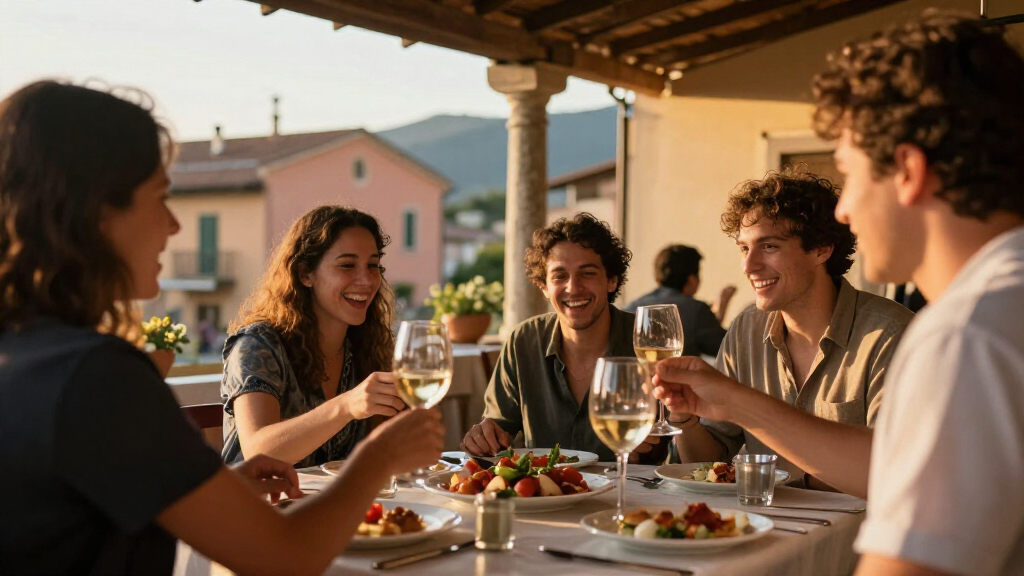
Rome’s Testaccio Market gives you the clearest lesson in carbonara: its creamy texture comes from eggs, Pecorino Romano, rendered guanciale fat, and starchy pasta water, not cream. The dish succeeds through heat control and mixing, so ingredient quality matters only when technique brings those ingredients together.
Traditional Roman carbonara usually uses dried spaghetti, rigatoni, or tonnarelli, plus guanciale, eggs or yolks, Pecorino Romano, and freshly ground black pepper. Garlic, onion, mushrooms, peas, and cream do not belong to the standard Roman framework. Cooks still disagree over pasta shape, whole eggs versus yolks, and the ideal cheese ratio.
At a salumeria, ask whether the guanciale is meant for cooking and whether the peppered outer layer should stay on. At a cheese counter, explain that you need Pecorino for carbonara. A very mature wedge may be fiercely salty, so you might need less salt in the pasta water.
| Ingredient | Cut and treatment | What it brings | Carbonara result |
|---|---|---|---|
| Guanciale | Cured pork jowl, usually cut into strips or cubes | Abundant fat, crisp edges, deep cured flavor | The traditional Roman choice |
| Pancetta | Cured pork belly, rolled or flat | Meatier bite and gentler flavor | A workable substitute, but less distinctive |
| Bacon | Usually belly or back meat, often smoked | Smoke, salt, and a firmer cured taste | Changes the dish’s Roman flavor profile |
At home, cook the guanciale until its fat turns clear and the edges become bronze. Mix eggs and grated cheese separately, then combine them with hot pasta away from direct heat. Add pasta water a spoonful at a time while tossing; the sauce should cling like satin, not break into oily puddles or scrambled curds.
Raw or lightly cooked egg carries a food-safety risk. Use pasteurized eggs when cooking for pregnant people, older adults, young children, or anyone with a weakened immune system, and serve the pasta promptly. Refrigerate leftovers within two hours, although reheated carbonara rarely keeps its original texture.
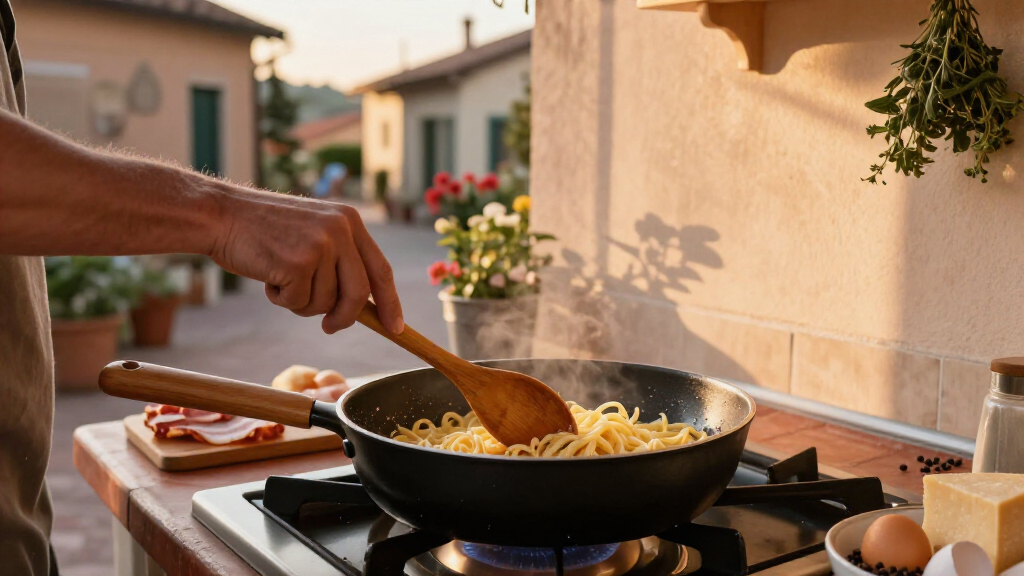
Carbonara is an emulsion, not a dairy sauce. Too much heat turns silk into scrambled egg; patient tossing keeps the sauce glossy.
How to Shop Like a Guest Without Getting in the Neighborhood’s Way
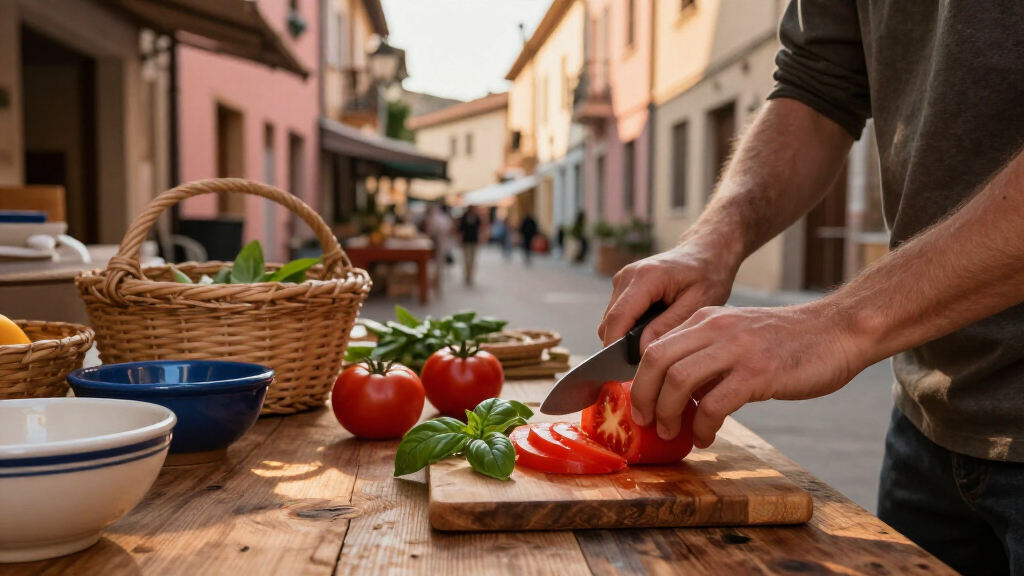
To visit respectfully, treat Mercato Testaccio as a workplace where shopping comes before spectacle. Keep aisles open, ask before photographing people, make a purchase when requesting time or advice, and avoid holding up a busy counter while regular customers wait behind you.
A common awkward moment happens when a visitor leans over a cheese display for the perfect photograph while someone carrying groceries tries to pass. Step aside, say Posso fare una foto?, meaning may I take a photo, and accept a refusal without fuss. A friendly Buongiorno changes the tone before any request.
Questions work best when they are concrete. Instead of asking which cheese is best, say you are making carbonara for four people and want a Pecorino Romano that will not overwhelm the eggs. Try Cosa mi consiglia?, or what do you recommend, and you may receive a useful answer about age, salt, or quantity.
Families can enjoy the market, but crowded walkways, hot food, and working knives call for attention. Keep children close near butcher and fryer counters, and carry wipes for sticky hands after supplì. Seating may be limited at busy times, so have a nearby bench or neighborhood stop in mind.
Vegetarian visitors have good choices among produce, bread, pizza, cheese, and vegetable dishes. Say Senza carne, per favore, meaning without meat, then ask whether the recipe includes meat stock, lard, or animal rennet. Vegan travelers should ask separately about egg, milk, cheese, and dough fats.
The market’s growing fame brings money and attention, but it can also crowd ordinary shopping and push the neighborhood toward performance. Your choices shape that balance. Buy from traditional stalls as well as prepared-food counters, visit on a weekday if you can, and let daily market life remain the main event.
What to Check Before You Cross Rome for Lunch
Check current opening days, hours, holiday closures, and vendor details before setting out because Mercato Testaccio is mainly a daytime market. Traditional counters may reduce activity after lunch, individual menus can change, and Sunday service may be limited even when older travel pages suggest otherwise.
Public transportation usually makes more sense than driving because parking around Testaccio can be difficult. Build extra time into the trip if you need step-free access, and confirm current entrances and facilities rather than relying on the market’s generally accessible modern design.
Your packing list can stay simple: a small bottle of water, a secure bag, a little cash, and room for purchases. If you buy guanciale, cheese, meat, or fresh pasta, do not carry it through a hot Roman afternoon. Use an insulated bag with a cold pack and refrigerate perishable food at 40°F or below as soon as possible.
Suppose you arrive at 11:30 a.m. on Saturday and find a long queue at the counter you had saved online. Do not spend the whole visit defending that plan. Browse the bakers, ask what another counter cooked that morning, and let a crisp slice of pizza rossa or a vegetable-filled sandwich replace the item you expected.
Carbonara’s documented history is younger and less settled than its timeless reputation suggests. Explanations connect it with mid-20th-century Rome, wartime ingredients, and older pasta-and-egg traditions, but no single inventor has been proved. Be wary of tours or captions that turn a debated history into a tidy legend.
Reference notes: [1] Roma Capitale market information records the modern Mercato Testaccio building and its 2012 opening. [2] Sovrintendenza Capitolina archaeological descriptions document ancient remains associated with the market site.
Frequently Asked Questions
Is Mercato Testaccio worth visiting if I only have a few days in Rome?
Yes, if Roman food and neighborhood life matter to you. Allow 60–90 minutes and pair the market with Monte Testaccio, the Mattatoio, or the Protestant Cemetery. It is less suited to travelers seeking a grand monument or an evening dining destination.
Can I eat carbonara inside Mercato Testaccio?
Some prepared-food stalls may serve carbonara or carbonara-inspired dishes, but menus and operators change. Check current offerings before your visit, and remember that the market also lets you inspect its defining ingredients: guanciale, Pecorino Romano, eggs, and pepper.
Does authentic Roman carbonara contain cream?
Classic Roman carbonara does not normally contain cream. Eggs, Pecorino Romano, rendered guanciale fat, and starchy pasta water form the glossy sauce. The key move is mixing the pasta away from direct heat so the egg thickens without scrambling.
What is the difference between guanciale, pancetta, and bacon?
Guanciale is cured pork jowl, pancetta is cured pork belly, and bacon usually comes from belly or back meat and may be smoked. Guanciale releases abundant fat and develops crisp edges, giving carbonara its traditional Roman flavor; pancetta is milder, while bacon adds smoke.
Are there vegetarian foods at Mercato Testaccio?
Vegetarian choices are commonly available at produce stalls, bakeries, pizza counters, cheese shops, and prepared-food stalls. Ask whether vegetable dishes contain meat stock, lard, or animal-rennet cheese. Vegan visitors should also ask about egg and milk in doughs, fillings, and fried foods.
What does quinto quarto mean?
Quinto quarto means fifth quarter and describes offal and other parts outside an animal’s four main butchered quarters. In Testaccio, these cuts became dishes such as trippa alla romana, coda alla vaccinara, coratella, and rigatoni con la pajata through thrift, skilled preparation, and slow cooking.
What time should I visit Mercato Testaccio?
Weekday morning is the strongest window for seeing produce sellers, butchers, fishmongers, bakers, and local shoppers at work. Saturday can be busier, while late afternoons, Sundays, and holidays may offer fewer open counters. Confirm current hours and closures shortly before traveling.
Conclusion
Go to Mercato Testaccio to watch Rome cook, not simply to tick off famous dishes. Arrive in the morning, buy a small piece of bread, ask one good question at a butcher or cheese counter, and follow the ingredients before joining the lunch queue. That approach gives you something more durable than a list of snacks: a working map of how Roman flavor is built.
When you later hear guanciale hiss in your own pan—tss, tss—you will remember the pale fat at the butcher’s counter, the sharp scent of Pecorino, and the market’s bright aisles under the Roman sun. Let four good ingredients and careful heat do the work.