TL;DR
Supplì are Rome’s small, elongated fried rice croquettes with tomato-seasoned rice and a molten mozzarella center that stretches when pulled apart, classically eaten before pizza. Arancini are Sicily’s larger, round or cone-shaped rice balls, usually saffron-seasoned, built around a defined filling like ragù with peas, and substantial enough to be a meal.
The first time you split a hot supplì in a Roman pizzeria and pull the halves apart, a rope of molten mozzarella stretches between them like the coiled cord of an old telephone. Locals named the dish after that exact moment: supplì al telefono. Cross the strait to Sicily and the fried rice gets bigger, rounder or cone-shaped, and stuffed with ragù, peas, and saffron-scented rice that hints at a thousand years of Mediterranean trade.
Both foods share a basic idea — seasoned rice shaped around a filling, breaded, and fried — but they belong to distinct regional traditions with different rice, different fillings, and different roles in daily life. Calling supplì “Roman arancini” is the fastest way to annoy both a Roman and a Sicilian, usually at the same time.
Here is what actually separates the two, where each comes from, how to spot a good one, and how to make them yourself without a soggy disaster.
Supplì are Rome’s small, elongated, tomato-rice croquettes defined by the mozzarella "telephone cord" cheese pull; arancini are Sicily’s larger saffron-rice ba…
In Sicily, shape signals geography: round arancine in Palermo and the west, cone-shaped arancini around Catania — popularly said to evoke Mount Etna.
Arancini trace to medieval Arab-era Sicilian rice traditions; supplì emerged in Rome in the 18th–19th century, and the French surprise origin story is legend,…
For home frying: chill shaped rice until firm, use low-moisture mozzarella, seal the breadcrumb coating completely, and fry at 350°F (175°C) for a dry, crisp c…
Choose supplì for the cheese pull and a pre-pizza snack; choose arancini for a substantial, filling-first portable meal.
Supplì vs Arancini: Rome and Sicily’s Fried Rice Rivalry
Two golden, breaded, deep-fried rice balls — one Roman and small, one Sicilian and substantial — share a basic idea but belong to distinct regional traditions. Different rice, different fillings, different roles in daily life. Calling supplì “Roman arancini” is the fastest way to annoy a Roman and a Sicilian at the same time.
The Differences, Feature by Feature
Supplì are Roman: small, elongated ovals of tomato-seasoned rice wrapped around mozzarella. Arancini are Sicilian: larger spheres or cones, usually saffron-seasoned, built around a defined center. Treat these as tendencies, not laws — recipes shift from city to city, family to family, and fryer to fryer.
| Feature | Roman Supplì | Sicilian Arancini |
|---|---|---|
| Home region | Rome and Lazio | Sicily |
| Typical shape | Small elongated oval or cylinder | Round or cone-shaped, depending on locality |
| Rice | Tomato-seasoned, often with ragù mixed in | Saffron or stock; tomato versions exist |
| Classic filling | Mozzarella, sometimes ragù in the rice | Ragù with peas and cheese; many others |
| Signature effect | The mozzarella “telephone cord” cheese pull | A substantial, clearly defined filled center |
| Typical role | Pizzeria snack or street food | Street food or a complete portable meal |
| Size | Usually smaller | Usually larger |
Why Romans Break Their Supplì in Half First
The classic supplì is judged by one gesture: splitting it open. If the cheese doesn’t pull, the supplì has failed quietly. Inside you should find three distinct layers — a thin crunchy shell, soft tomato-rice, and a molten heart.
Egg & Breadcrumbs
Coated in egg and breadcrumbs, sealed completely, fried to a thin, dry crunch. A thick, greasy crust is a failure of technique, not generosity.
Short-Grain, Risotto-Style
Cooked with tomato sauce or meat ragù. Older Roman recipes folded chicken giblets into the ragù — the city’s economical, offal-loving kitchen tradition.
Molten Mozzarella
A strip of low-moisture mozzarella at the center. Eaten standing or on a stool while waiting for your pizza — a prelude, not a meal.
How to Read an Arancino by Its Shape
The name means “little orange” — the golden, dimpled spheres really do resemble the fruit in Sicilian groves. Here’s the part most visitors miss: shape is a map.
Arancine · Round
Palermo & Western SicilyRound forms dominate the west, and locals insist on the feminine name, arancine. The classic filling: slow-cooked pork or beef ragù, sweet peas, and caciocavallo or mozzarella.
Arancini · Cone
Catania & Eastern SicilyThe cone shape rules the east, popularly said to evoke Mount Etna. Vendors use shapes to signal fillings — a display case reads like a menu you decode with your eyes.
“The rice is the vehicle; the filling is the destination. That’s why one arancino can legitimately be lunch.”
Sicily’s Filling Creativity vs Roman Focus
Beyond the classics, Sicily’s creativity takes over: spinach, mushrooms, eggplant alla Norma, pistachio from Bronte, seafood near the coast. Supplì stay focused on the pull.
Bars indicate relative prevalence across vendors — illustrative, not statistical.
Arancini or Arancine? The Fight Sicilians Actually Have
Both are correct — the disagreement is about region and identity, not grammar. Order an arancina in Palermo and you’ll sound like you know something. Order it in Catania and you’ll be gently, cheerfully corrected.
Arancine
Feminine plural · Palermo & the WestPalermo has hosted festivals celebrating the arancina; civic pride runs deep. Singular: arancina.
Arancini
Masculine plural · Catania, the East & standard ItalianThe form that traveled through standard-Italian menus and became the international default. Singular: arancino.
“Supplì” is mercifully used for both singular and plural in Italian. English writers sometimes add an “s” anyway — and Italians let it go.
Arabs, French Soldiers, and One Shaky Legend
9th–11th Century · Arab Sicily
Arancini are generally older, linked to Arab rule in medieval Sicily and its rice traditions — saffron-seasoned rice that hints at a thousand years of Mediterranean trade.
18th–19th Century · Rome
Supplì emerge in Rome’s pizzerias and takeaways as the pre-pizza snack, quickly earning the “al telefono” nickname from the mozzarella pull.
The Legend · A Caution
The story that French soldiers coined “supplì” (from “surprise”) is charming — and almost certainly legend. Treat it as folklore, not food history.
Frying Rice at Home Without a Soggy Mess
You can make excellent supplì or arancini at home if you respect three rules: cold rice, dry cheese, and a sealed crust.
Chill the Rice
Shape the seasoned rice and chill until firm — warm rice collapses in the fryer.
Dry Cheese
Use low-moisture mozzarella so the center melts without flooding the shell.
Seal the Crust
Egg and breadcrumbs, coating closed completely — every gap is a leak.
Fry at 350°F
Deep-fry at 175°C until deep gold: a dry, crisp crust and molten center.
Which One Should You Choose?
You want the cheese pull and a pre-pizza snack — a compact, elongated Roman croquette whose whole point is that stretchy mozzarella moment. Best eaten standing up, waiting for your pizza.
You want a substantial, filling-first portable meal — saffron rice engineered around a defined center of ragù, peas, and cheese. One arancino can legitimately be lunch.
Supplì vs Arancini: The Differences at a Glance
Supplì and arancini differ in region, shape, size, rice seasoning, and filling structure. Supplì are Roman: small, elongated ovals of tomato-seasoned rice wrapped around mozzarella. Arancini are Sicilian: larger spheres or cones, usually saffron-seasoned, built around a defined center of ragù, peas, and cheese. One is a pre-pizza snack; the other can be lunch.
| Feature | Roman Supplì | Sicilian Arancini |
|---|---|---|
| Home region | Rome and Lazio | Sicily |
| Typical shape | Small elongated oval or cylinder | Round or cone-shaped, depending on locality |
| Rice | Tomato-seasoned, often with ragù mixed in | Saffron or stock; tomato versions exist |
| Classic filling | Mozzarella, sometimes with ragù in the rice | Ragù with peas and cheese; many others |
| Signature effect | The mozzarella “telephone cord” cheese pull | A substantial, clearly defined filled center |
| Typical role | Pizzeria snack or street food | Street food or a complete portable meal |
| Size | Usually smaller | Usually larger |
Treat these as tendencies, not laws. Recipes shift from city to city, family to family, and fryer to fryer. A supplì in Testaccio will not match one in a suburban takeaway, and a Palermo arancina differs from a Catania arancino before you even get to the filling.
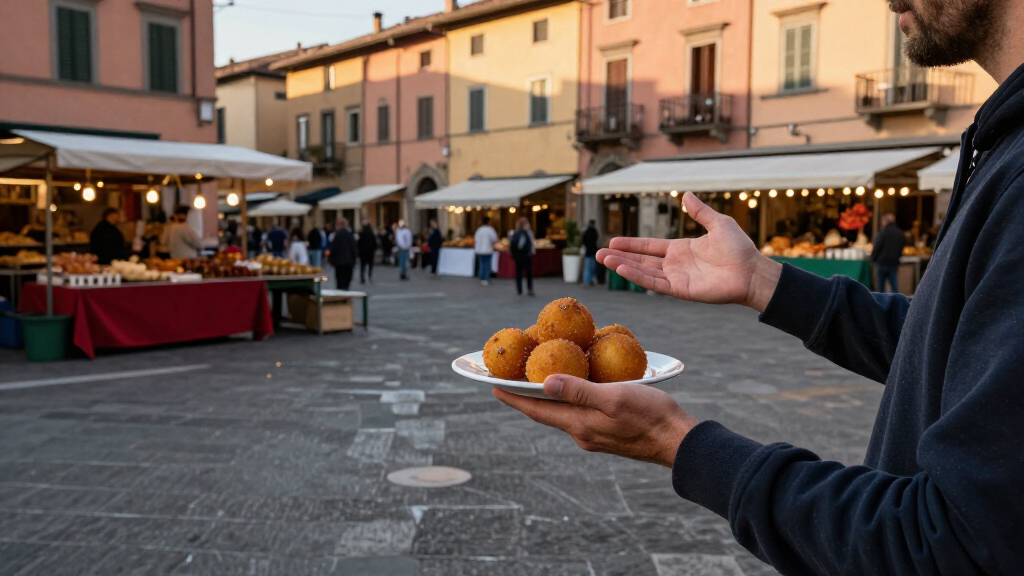
As an affiliate, we earn on qualifying purchases.
Why Romans Break Their Supplì in Half First
The classic Roman supplì is judged by one gesture: splitting it open. The mozzarella inside must stretch into a long thread between the two halves, earning the name supplì al telefono — telephone-style — after the cord of an old handset. If the cheese doesn’t pull, the supplì has failed quietly, no matter how good the crust is.
Inside, you should find three distinct layers: a thin, dry, crunchy breadcrumb shell; soft rice cooked with tomato sauce or meat ragù; and that molten mozzarella heart. Older Roman recipes went further, folding chicken giblets into the ragù — a signature of the city’s economical, offal-loving kitchen tradition, the same instinct that gave us cervello fritto and rigatoni con la pajata. Most modern pizzerias keep it simpler: tomato rice, mozzarella, done.
Context matters as much as ingredients. Supplì belong to the Roman pizzeria ritual — you order one while you wait for your pizza, eat it standing or perched on a stool, and it takes the edge off your hunger. It’s a prelude, not a meal. That compact role explains the compact shape.
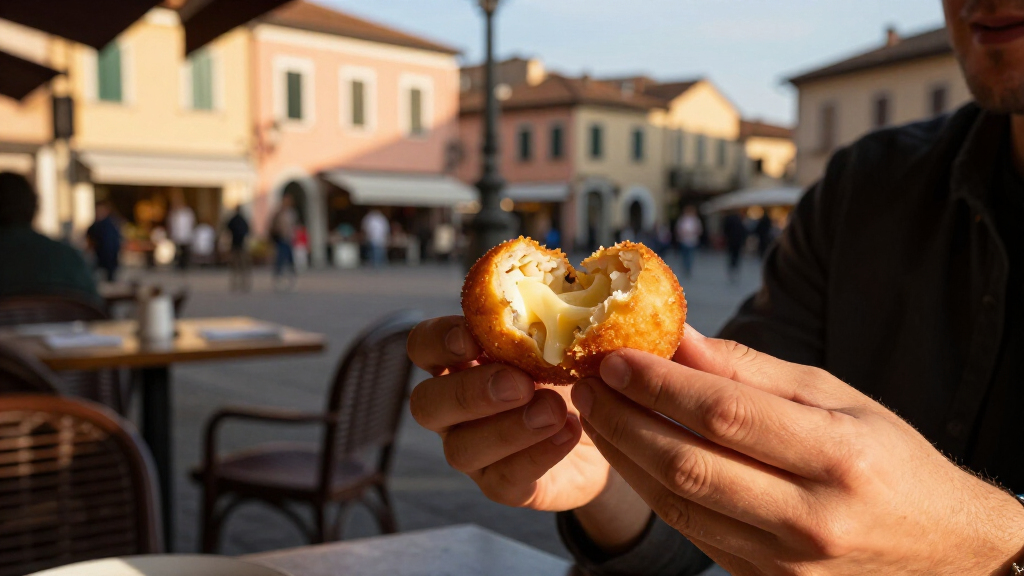
- Rice: short-grain, cooked risotto-style with tomato or ragù
- Center: a strip of low-moisture mozzarella
- Coating: egg and breadcrumbs, sealed completely
- Result: thin crunch, soft rice, molten cheese
How to Read a Sicilian Arancino by Its Shape
An arancino is a large breaded and fried rice ball whose name literally means “little orange” — arancia is orange in Italian, and the golden, dimpled spheres really do look like the fruit hanging in Sicilian groves. The rice is typically seasoned with saffron or meat stock, cooled until firm, shaped around a filling, breaded, and deep-fried.
Here’s the part most visitors miss: shape is a map. In Palermo and western Sicily, round forms dominate — and locals insist on the feminine name, arancine. In Catania and the east, the cone shape rules, and locals say it evokes Mount Etna, the volcano looming over the city. Vendors also use different shapes to signal different fillings, so a display case in Catania reads like a menu you decode with your eyes.
The classic filling is ragù with peas and cheese — slow-cooked pork or beef ragù, sweet peas, and caciocavallo or mozzarella. Then there’s al burro: béchamel, ham, and cheese, rich enough to count as dessert’s savory opposite. Beyond those, Sicily’s creativity takes over: spinach, mushrooms, eggplant in a pasta alla Norma homage, pistachio from Bronte, seafood near the coast.
Unlike the supplì, where filling is minimal and the cheese pull is the point, the arancino is engineered around its center. The rice is the vehicle; the filling is the destination. That’s why one arancino can legitimately be lunch.
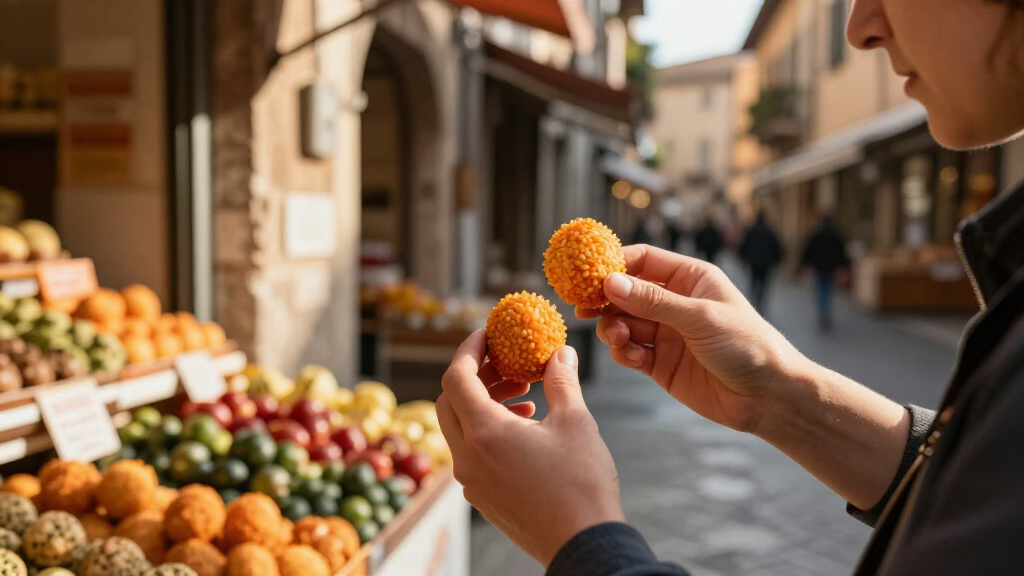
Arancini or Arancine? The Grammar War Sicilians Actually Fight
Both arancini and arancine are correct — the disagreement is about region and identity, not grammar. Arancine, the feminine plural, belongs to Palermo and the west. Arancini, the masculine plural, belongs to Catania, the east, and standard Italian usage outside the island. Singular forms: arancina and arancino.
Sicilians have argued about this for generations, with civic pride on both sides. Palermo has even hosted festivals celebrating the arancina; Catania answers with its own. Attempts to declare one form “correct” miss the point — the variation is part of Sicily’s linguistic patchwork, where dialect still shapes daily speech.
For English speakers, arancini has become the default plural internationally, partly because it’s the form that traveled through northern Italian and standard-Italian menus. If you order an arancina in Palermo, you’ll sound like you know something. Order it in Catania and you’ll be gently, cheerfully corrected.
“Supplì,” meanwhile, is used for both singular and plural in Italian — a small mercy. English writers sometimes add an “s” anyway, and Italians let it go.
The fastest way to start a conversation in Sicily is to ask a local which word is right. The fastest way to end a friendship is to insist on an answer.
The Real History: Arabs, French Soldiers, and One Shaky Legend
Arancini are generally older. They’re linked to the period of Arab rule in medieval Sicily (roughly the 9th to 11th centuries), when rice, saffron, and spiced cooking became embedded in the island’s cuisine. But the familiar breaded, stuffed, fried form almost certainly developed gradually over centuries — no single inventor, no single date, despite the confident legends.
Supplì appeared in Rome much later, probably settling into their modern form in the 18th or 19th century, as rice cookery spread through Italy and Rome’s culture of cheap, ready-to-eat food grew around markets and pizzerias.
The most repeated origin story says the name comes from the French word surprise, supposedly exclaimed by French soldiers when they bit into the hidden filling. It’s a charming tale. It’s also historically shaky — best treated as a commonly repeated theory, not fact. Food etymology in Italy is full of these stories; half of them were invented after the dish was already famous.
What the histories do show is two different culinary instincts. Sicily’s arancini carry the island’s layered, multicultural agricultural inheritance. Rome’s supplì reflect a city that has always fed working people fast, cheaply, and well.
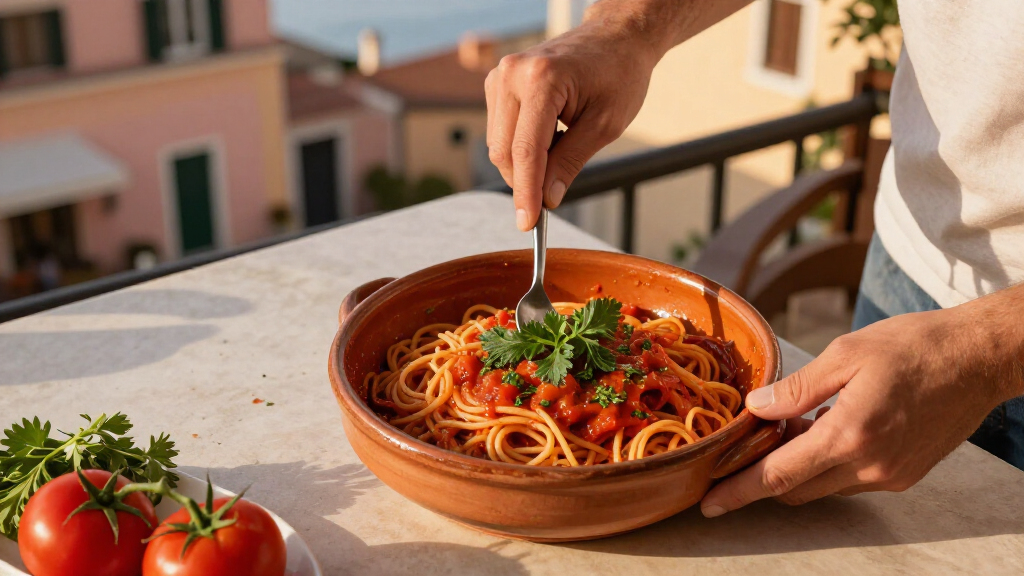
Frying Rice at Home Without a Soggy Mess
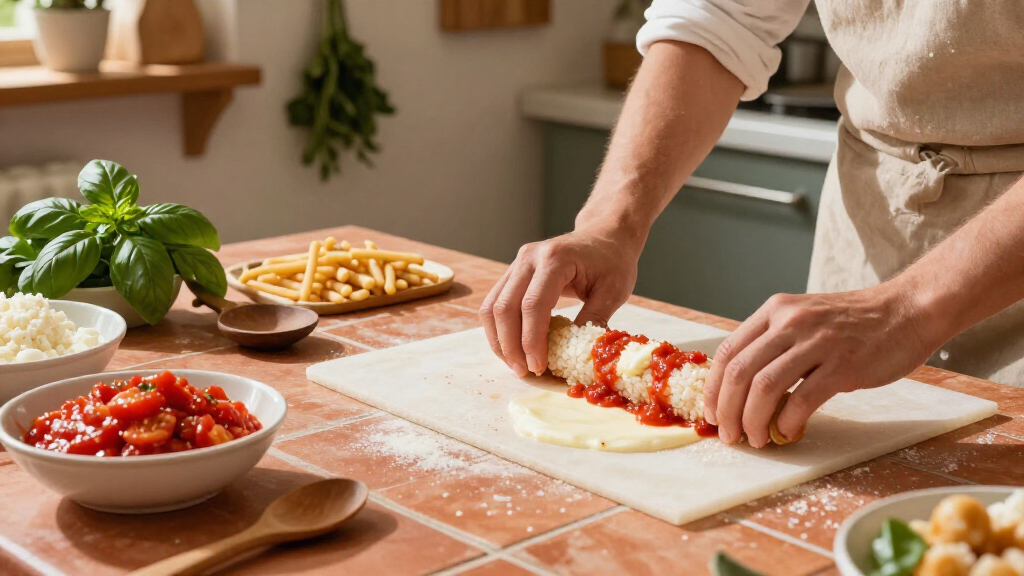
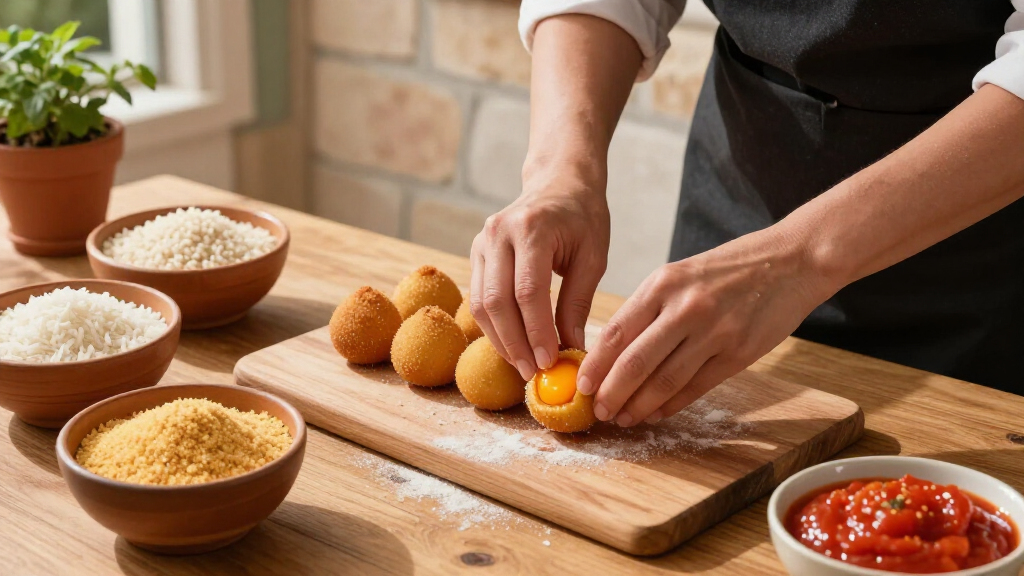
You can make excellent supplì or arancini at home if you respect three rules: cold rice, dry cheese, and a sealed crust. Shaped rice must be refrigerated until firm before breading — warm rice collapses in the fryer. Fry at a steady 350°F (175°C); too cool and the crust drinks oil, too hot and the outside burns before the cheese melts.
- Cook short-grain rice (Carnaroli or Arborio work well) risotto-style with tomato for supplì, saffron stock for arancini.
- Spread the rice on a tray and refrigerate until completely cold and firm, at least 2 hours.
- Shape around your filling — a mozzarella strip for supplì, a ragù-and-pea core for arancini — sealing all seams.
- Bread thoroughly: flour, egg, fine breadcrumbs, then repeat the egg-and-crumb pass for a thicker shell.
- Fry in small batches at 350°F until deep golden, about 3–4 minutes; drain on a rack, never paper towels stacked flat.
Choose low-moisture mozzarella for supplì — very wet fresh mozzarella weeps, weakens the rice, and sogs the crust. Leftover risotto is a legitimate shortcut, since it’s already cold and firm; plenty of Roman home cooks do exactly this. But note: these are dairy- and egg-based dishes and often contain gluten in the breadcrumbs, so flag them for guests with allergies. The molten centers also stay scorching hot minutes out of the fryer — that telephone cord can burn.
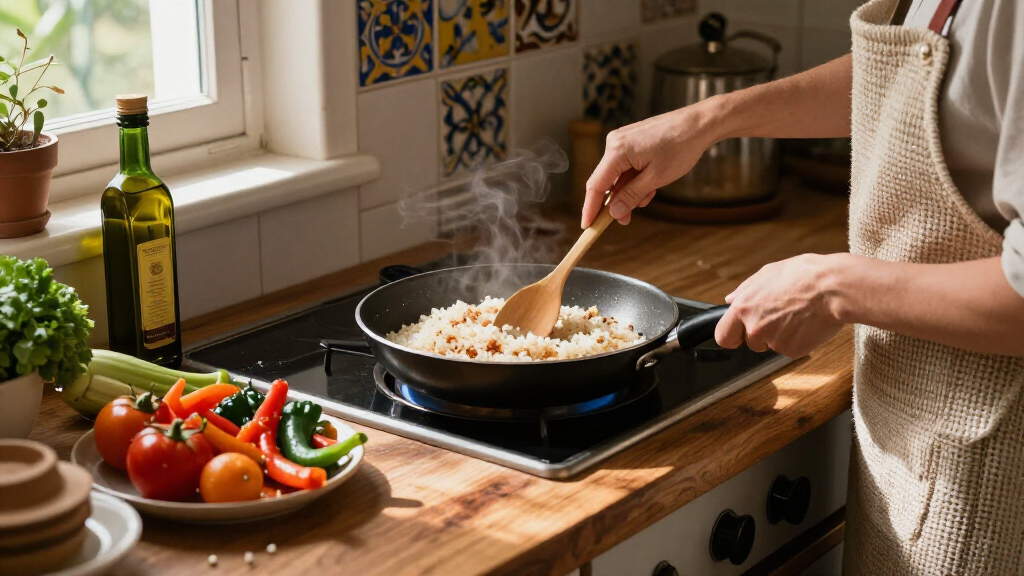
Proper frying leaves a dry, crisp exterior. If your croquette feels greasy, the oil dropped below temperature — fix the thermometer, not the recipe.
Where the Rivalry Is Headed: Gourmet Fillings and Air Fryers
Both traditions are evolving fast without losing their regional anchors — and the way each evolves reveals what each region actually values. Rome’s new wave of supplì shops treats the croquette as a delivery system for classic Roman pasta sauces: walk into a spot like Supplì Roma near the Vatican or a trendy takeaway in Trastevere and you’ll find cacio e pepe, carbonara, and amatriciana supplì, plus slow-braised fillings and even truffle. The logic is unmistakably Roman: the supplì is being used to preserve and replay the city’s pasta identity in a new format, the way a DJ remixes a classic track. Sicilian vendors are doing the opposite — expanding outward rather than deepening inward, adding pistachio from Bronte, squid-ink seafood arancini near the coast, and Norma-style eggplant — while arguing over which innovations still count as authentic.
That argument matters, because it exposes a real tradeoff. When a dish becomes a canvas for anything, it risks becoming nothing in particular — the fate that turned some “gourmet” street foods into interchangeable novelty snacks. Sicilian traditionalists resist this for a reason: the ragù-and-peas arancino encodes centuries of agricultural history in one ball, and a curry-filled novelty version severs that link. The compromise most vendors have landed on is a labeled spectrum: the classics occupy the front of the display case, the experiments live beside them with small handwritten signs. The customer, not the vendor, decides where tradition ends.
- Gourmet versions built on Roman pasta-sauce flavors, like cacio e pepe and carbonara supplì now common in Rome’s specialist shops
- Vegetarian and vegan fillings — for example, a Norma-style eggplant arancino that recycles a beloved Sicilian pasta dish
- Gluten-free breadcrumb coatings, usually panko- or rice-based, appearing at tourist-heavy vendors in Palermo and Catania
- Air-fried and baked versions, disputed by traditionalists but popular with home cooks
- Leftover-risotto recipes framed as waste reduction — a home-kitchen practice now marketed as sustainability
- Renewed attention to rice variety and cheese sourcing, with some shops naming their Carnaroli and caciocavallo suppliers on the menu
The air-fryer debate is genuinely divisive, and both sides have a defensible point. Baked and air-fried versions work mechanically — the rice holds, the filling melts — but the physics differ: deep-frying at 350°F instantly vaporizes surface moisture into steam, which is what puffs the crust crisp and keeps oil out. An air fryer’s circulating hot air dehydrates the crust instead, so it comes out thinner, paler, and closer to a breaded baked good than a fritto. Traditionalists say frying is therefore the dish, not just a step. Pragmatists answer that a slightly lesser supplì — one you can make on a Tuesday without a liter of oil — beats no supplì at all. Both are right, which is exactly why the argument won’t resolve.
What hasn’t changed is the geography of pride, and that’s the deeper story. A gourmet cacio e pepe supplì in a trendy Roman shop is still unmistakably Roman precisely because cacio e pepe is Roman. A pistachio arancino in Catania is still unmistakably Sicilian because Bronte pistachios only grow on that slope of Etna. Innovation, in other words, is being used as a regional megaphone rather than a melting pot. The format flexes; the identity doesn’t — and that may be the most instructive lesson in the whole rivalry: street foods survive centuries not by staying frozen, but by changing their clothes while keeping their accent.
Frequently Asked Questions
Are supplì and arancini the same thing?
No. Both are breaded, fried rice preparations, but they differ in rice seasoning, filling structure, shape, size, and regional tradition. Supplì are Roman with tomato rice and mozzarella; arancini are Sicilian with saffron rice and defined fillings like ragù with peas.
Is it arancini or arancine?
Both are legitimate. Arancine (feminine) is strongly associated with Palermo and western Sicily; arancini (masculine) is common in Catania, eastern Sicily, and standard Italian. The disagreement is a beloved piece of regional identity, not a grammar error.
Why are some arancini round and others cone-shaped?
Shape varies by region and vendor. Round arancine are associated with Palermo and the west; cones are associated with Catania and the east, sometimes said to evoke Mount Etna. Shapes also help vendors distinguish fillings on display.
Can you bake or air-fry supplì and arancini?
Yes, but expect a different result: a thinner, paler, less rich crust than deep-frying. Keep the shaped rice cold and firm before cooking either way, and use a thermometer for deep-frying — a steady 350°F (175°C) gives a dry, crisp exterior.
What rice works best for making them at home?
Short- or medium-grain Italian risotto rice such as Carnaroli or Arborio, because the starch binds the rice so it holds its shape. Leftover risotto works well since it’s already cool and firm — just shape, bread, and fry.
Which came first, supplì or arancini?
Arancini are generally linked to older Sicilian rice traditions dating to the Arab medieval period, while supplì became established in Rome later, likely in the 18th or 19th century. Both modern forms evolved gradually, so exact invention dates are uncertain.
Conclusion
Neither dish is the other’s regional alias. A supplì is a compact, tomato-sharp Roman prelude built for one dramatic cheese pull; an arancino is a Sicilian architecture of rice and filling, substantial enough to stand alone as a meal. Respect the difference, and you’ll order like you’ve been there.
The only satisfying verdict in this rivalry is fieldwork: split a hot supplì al telefono at a Roman pizzeria counter, then decode a Catania display case by shape alone. The question isn’t which is better — it’s which half of Italy you’re flying to first.