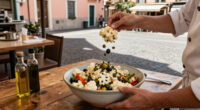
TL;DR
Via San Gregorio Armeno is Naples’ year-round Nativity workshop street, nicknamed la Via dei Presepi, between Spaccanapoli and Via dei Tribunali. Browse the narrow lane for handmade figures, then head to the surrounding historic center for pizza, fried snacks, espresso, sfogliatella, or seasonal struffoli; visit early or on a weekday for a calmer walk.
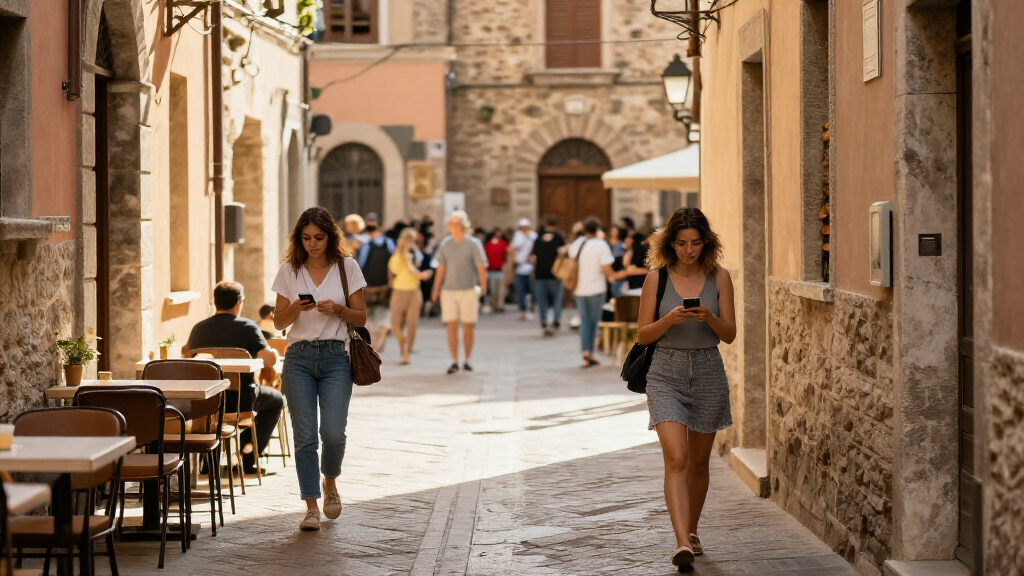
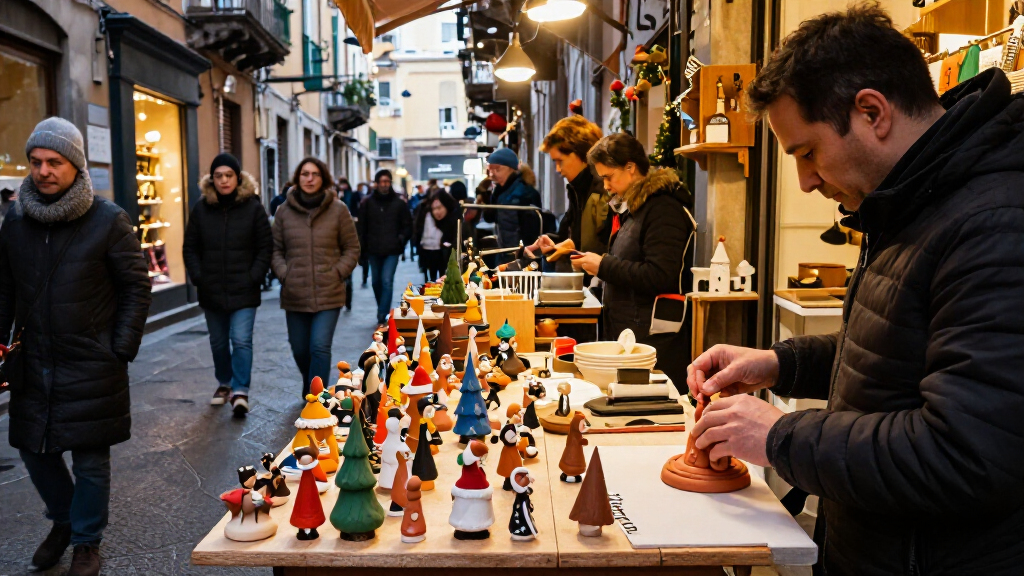
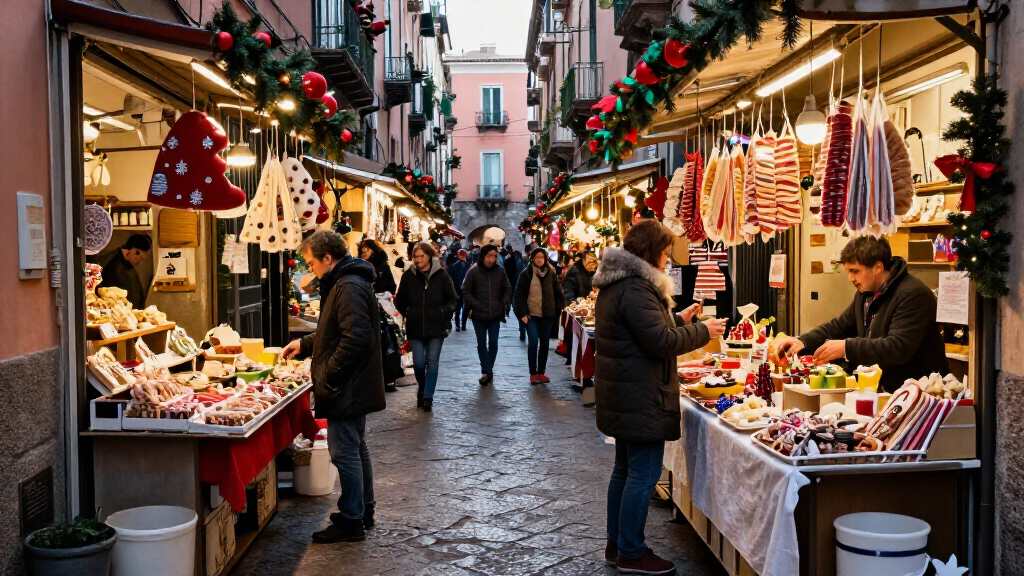
On Via San Gregorio Armeno, Christmas is on display even when the calendar says July. Tiny shepherds, painted faces, miniature kitchens, and whole Nativity scenes fill the shop windows, while the smell of espresso or hot fried snacks drifts in from the surrounding lanes. The street is best known for its crafts, but it sits in one of Naples’ most rewarding neighborhoods for eating, too.

Get kitchen staples and gadgets delivered free with Prime
- Fast, free delivery on millions of items
- Prime Video, Amazon Music and more included
- Member-only deals all year
This guide helps you plan a walk through Naples’ Christmas Alley, understand what the artisans make, and choose what to eat nearby. You’ll find a practical route, a realistic sense of holiday crowds, and a few classic tastes—from pizza a portafoglio to sfogliatella—that fit naturally around your visit.
Via San Gregorio Armeno sells Nativity figures year-round; the weeks before Christmas bring the biggest displays and crowds.
Treat the narrow lane as a craft walk and plan your meal on the surrounding historic-center streets.
Try pizza a portafoglio or a cuoppo for a quick bite, then look for sfogliatella, babà, espresso, or seasonal struffoli.
Visit earlier or on a weekday for more room to browse, and keep children close in crowded holiday traffic.
Ask about a figure’s maker, materials, and packing or shipping before buying; ask before photographing artisans.
Christmas Alley Crafts and tastes nearby
Via San Gregorio Armeno brings year-round Nativity workshops to Naples’ historic center. Browse the narrow lane, then head to surrounding streets for a snack or meal.
A living craft street
Between Spaccanapoli and Via dei Tribunali, workshops display handmade Nativity figures and scenery throughout the year.
La Via dei Presepi
Traditional shepherds and Biblical figures share windows with contemporary characters and detailed miniature scenes.
Made by hand
Many shops are family-run; you may see artisans shape or paint figures. Ask before taking photographs.
Browse, then pause
The lane is narrow and busy, so the surrounding historic-center streets are better for a relaxed meal.
Choose your visit
The workshops operate year-round, while crowds peak in the weeks before Christmas.
- Visit earlier in the day or on a weekday.
- Take time to compare figures and ask about materials.
- Expect busier sidewalks and slower movement.
- Allow extra time and keep children close.
Plan a craft-and-food walk
Browse first, then move away from the tightest foot traffic to eat.
Choose a weekday or an earlier visit for more room to browse.
Ask about a figure’s maker and materials; check packing or shipping before buying.
Look nearby for espresso, a pastry, or a cuoppo of fried snacks.
Head toward Via dei Tribunali or another surrounding street for pizza or a sit-down meal.
What to taste nearby
The historic center pairs a craft walk with familiar Neapolitan food.
What you’ll find on Naples’ Christmas Alley
Via San Gregorio Armeno is a narrow historic-center street lined with workshops selling Nativity figures and scenery throughout the year. Neapolitans often call it la Via dei Presepi, or “the Street of Nativity Scenes.” It runs between the lanes around Spaccanapoli and Via dei Tribunali, placing its craft shops within easy reach of churches, food stores, bakeries, and pizzerias.
“Christmas Alley” can sound like a seasonal market, but the tradition is part of the street’s everyday identity. You might see Biblical characters beside tiny animals, elaborate miniature buildings, or figures that nod to contemporary public life. The mix can feel as lively as a family table where generations keep adding their own dishes: the traditional scene remains, but it keeps growing.
Many workshops and stalls are family-run, and some let you watch an artisan shape or paint a figure. Take a moment at a window rather than trying to hurry from one end to the other. A hand-painted face can be only a few centimeters tall, yet its careful expression rewards a closer look.
The lane itself is primarily for browsing, not lingering over a meal. Its close-packed shops and foot traffic make the wider neighborhood the better place to pause for food. If you’re planning a day of experiences in Naples, pair the craft walk with a bakery stop or a meal on a nearby street.
Products Worth Considering

Dyson V8 Cordless Vacuum

Ring Battery Doorbell (2nd Gen) and Floodlight Cam Plus Wired Bundle

TCL 55-Inch R7D Series QLED 4K UHD HDR Roku Smart TV (55R7D, 2026)
As an affiliate, we earn on qualifying purchases.
Why the street stays festive all year
Via San Gregorio Armeno’s Nativity tradition continues beyond December because its workshops generally sell figures and scenery year-round. That continuity changes the way to think about a visit: December is the busiest expression of the craft, not the only time to encounter it. Outside the holiday rush, you can still see the figures in their working context and often give each display more attention. The tradeoff is atmosphere: quieter months offer room to browse, while December brings a stronger sense of shared celebration and more people shopping for their own presepe.
A presepe is a Nativity scene, often built as a miniature world rather than a simple arrangement around a manger. Traditional shepherds and Biblical figures share the shop windows with animals, food stalls, and detailed settings. Contemporary references may appear beside them, linking the sacred story to familiar Neapolitan characters and daily life. The result is not just a collection of ornaments; it is a way of making a large story feel local, personal, and open to reinterpretation.
Imagine visiting on a weekday morning in October and returning on a December afternoon. In October, you may be able to compare two painted faces, ask a maker about a detail, and linger without blocking the lane. In December, the same window may draw a steady stream of people, so you experience it more as part of a moving crowd. Neither visit is automatically better: choose the quieter one for close observation, or the holiday visit if the energy and bustle are part of what you came to see.
For a calmer browse, choose a weekday or go earlier in the day when possible. If the full holiday atmosphere matters more to you than elbow room, December delivers it—just give yourself extra time and keep children close. The displays are part of the appeal, but the busy holiday sidewalks affect how long you can stop and how easily you can move through the street.
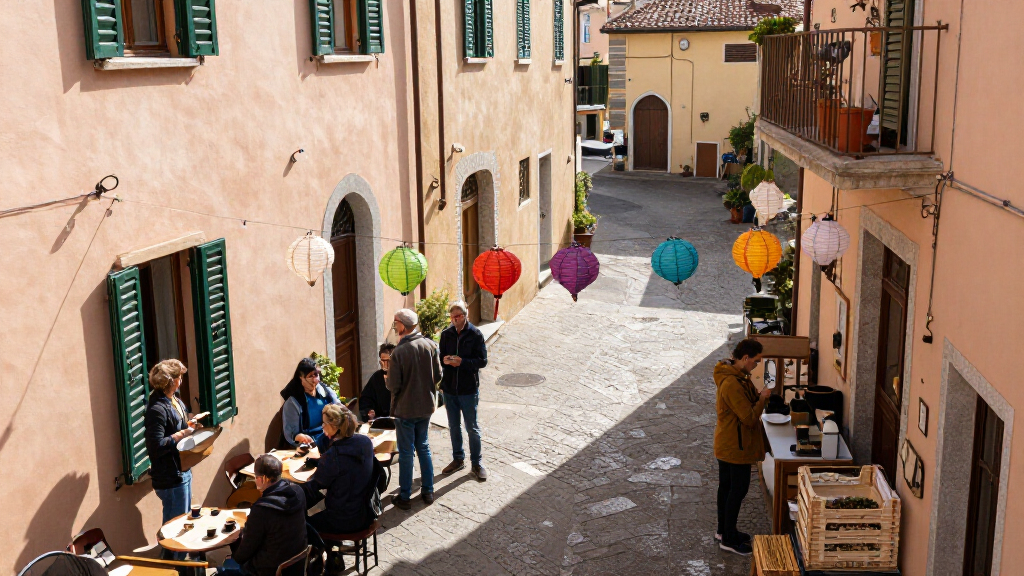
How to plan a craft-and-food walk in four steps
A good Via San Gregorio Armeno visit pairs an unhurried look at the workshops with a food stop in the surrounding historic center. The lane is short enough for a quick pass, but crowds, browsing, and nearby sights can stretch the outing into several hours. Planning the order matters: shopping first leaves your hands free, while eating away from the narrowest stretch gives you somewhere to pause without slowing other visitors.
- Choose your time. For more room to browse, try a weekday or an earlier visit. In December, extra time helps absorb slow movement through the lane; it also gives you the option to step aside if a window or bottleneck is crowded.
- Walk the workshops at your own pace. Look closely at the figures and scenery, and ask about the maker or materials if you’re considering a purchase. Asking before photographing artisans at work respects their space and lets them decide whether they are comfortable being included.
- Pause for a small taste. Grab an espresso, a pastry, or a cuoppo—a paper cone of fried snacks—nearby. A snack is useful when you want to keep exploring, though it is less comfortable than a table if you need a longer rest.
- Settle in for a meal nearby. Head toward Via dei Tribunali or another surrounding street for pizza or a sit-down meal. Check current hours and availability locally, since businesses and menus change. A table takes more time, but it gives you a chance to recover after the crowded lane.
For instance, you might browse the workshops before lunch, share a quick fried snack while the lanes are busy, then sit down for pizza once you’ve moved away from the tightest foot traffic. This order leaves your hands free while you shop and lets you decide whether you need only a quick recharge or a longer break. If you buy something fragile, finishing the shopping before a meal also makes it easier to ask the shop about packing.
Keep a little cash for small purchases and secure your belongings in dense crowds. If you spot a figure you love, ask about its materials, who made it, and whether the shop can arrange shipping. Those questions help you weigh a piece’s craft and travel needs before committing, instead of choosing the first miniature shepherd you see.
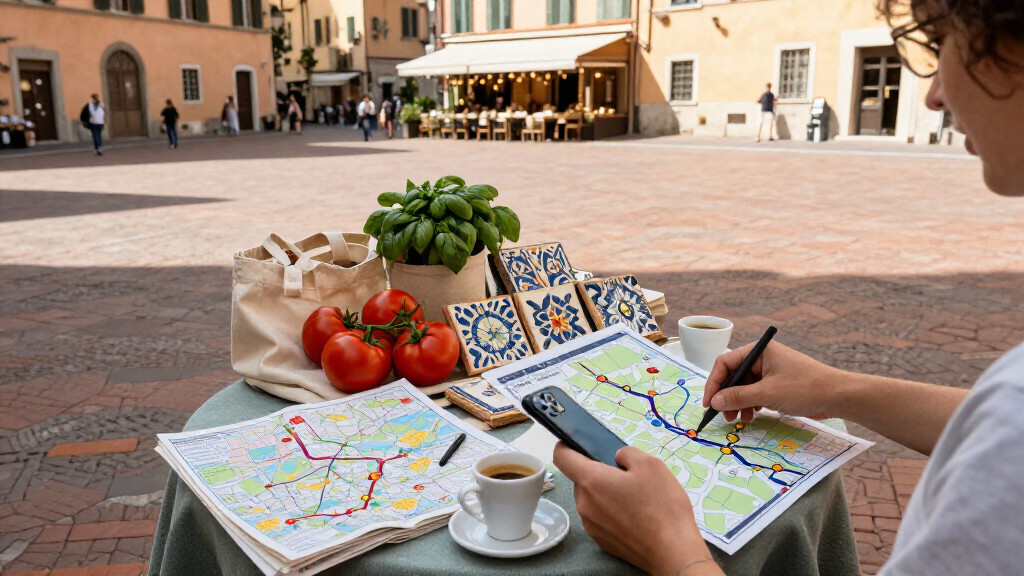
What to eat within a short walk
The historic center around Via San Gregorio Armeno offers classic Neapolitan pizza, fried street food, pastries, and espresso. Via dei Tribunali and nearby streets are known for pizzerias and bakeries, so you can connect a craft stroll with familiar local flavors without needing a restaurant on the lane itself. The choice of stop can shape the pace of your visit: a snack keeps the walk flexible, while a meal gives you time to sit after negotiating the crowds. Check what is open when you arrive, since hours and menus vary by business and season.
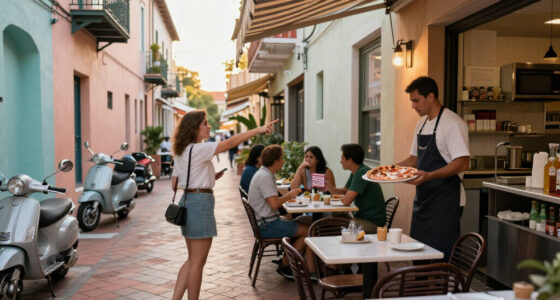
For a quick bite, try pizza a portafoglio, meaning “wallet pizza”: a small pizza folded for eating on the go. A cuoppo is a paper cone of fried snacks, often easy to share as you pause between shops. Both suit a short break, but hot food is best eaten soon after buying it; choose a place to pause away from shop entrances so you can eat comfortably without blocking foot traffic.
If you’d rather sit down, a pizzeria nearby makes a natural lunch or dinner stop. The extra time can be welcome after a slow, crowded walk, though a table may mean a wait at busy times. You could also take a shorter break at a bakery for sfogliatella, a layered pastry with a crisp shell, or babà, a soft yeast cake traditionally soaked in syrup. Espresso is a small, quick ritual when you need a reset before continuing toward another church or market.
During the Christmas season, look for struffoli: little fried dough balls coated with honey and often finished with colorful sprinkles. Their sweetness and sticky shine make them a festive treat, though availability depends on the bakery and date. If you have allergies, ask staff about ingredients and cross-contact before ordering, especially with pastries and fried foods. For food safety, eat hot snacks while hot and refrigerate perishable takeaway promptly rather than carrying it around all afternoon.
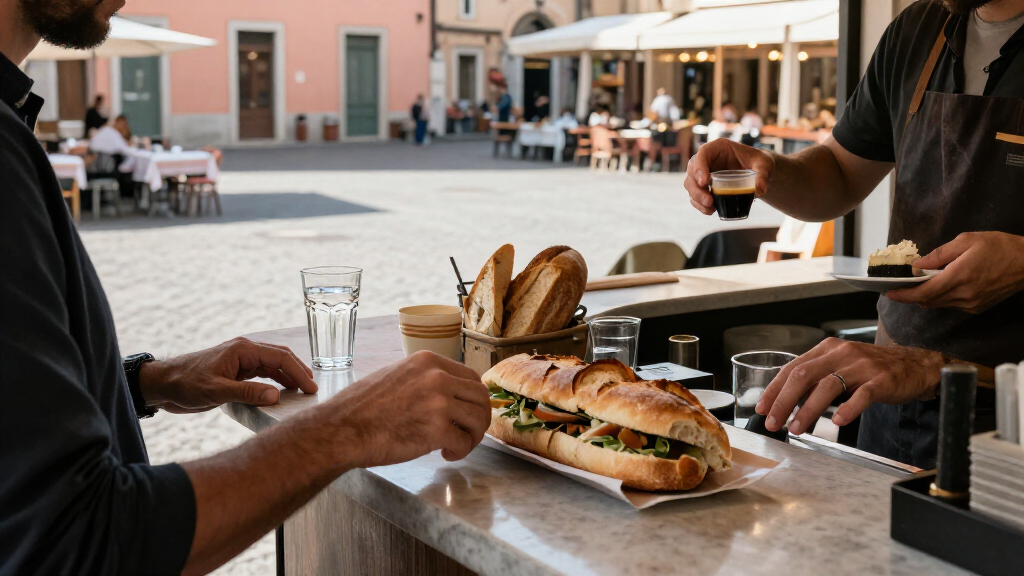
How to choose between a quick snack and a sit-down meal
A quick snack works best when you want to keep moving; a sit-down meal gives you time to rest after the crowded lane. The decision is partly about appetite, but also about how much time and energy you want to give the outing. A pastry and espresso can fit between workshops and nearby sights; a meal slows the pace and may involve a wait, but gives tired feet and full shopping bags a proper pause.
| Option | Good for | What to expect |
|---|---|---|
| Pizza a portafoglio | A quick, filling bite | A folded pizza that’s easy to carry; eat it away from the busiest shopfronts when you can. |
| Cuoppo | Sharing fried snacks | A paper cone of hot fried foods; ask about ingredients and allergens before ordering. |
| A sweet break | Sfogliatella, babà, or seasonal struffoli, depending on what the shop has that day. | |
| Sit-down pizza | A meal and a rest | More time at the table; check current opening hours and expect possible waits at busy times. |
Imagine you’re visiting on a crowded December afternoon with a child who has already spent an hour weaving through the shops. A pastry and espresso might be the simplest first stop, because it requires little planning; a table nearby can follow when everyone is ready for a longer break. If you’re traveling with dietary restrictions, ask about ingredients and preparation before ordering, since recipes and kitchen practices differ. That conversation is easier before ordering than after food arrives.
The table is a planning aid, not a promise about a particular shop’s menu or hours. Nearby businesses change, and seasonal sweets may sell out. Decide whether you need speed, a sweet pause, or a full rest, then confirm the details on the day; that flexibility keeps a meal from dictating the whole walk.
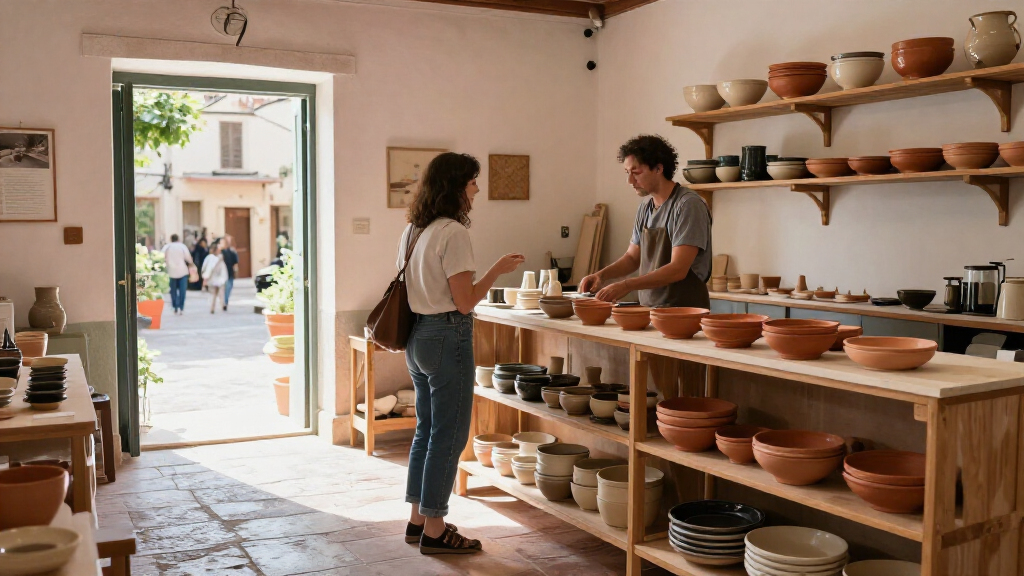
How to shop thoughtfully in the artisan workshops
You can make a more informed purchase by asking who made a figure, what it’s made from, and how to carry it home. The shops display everything from small individual characters to detailed scenery, so take a few minutes to compare pieces before choosing. Scale and detail affect more than appearance: a small figure may be easier to pack, while a larger scene can show more of the maker’s work but needs more careful transport.
Step back from the window, then look closely at the face, clothing, and finish. If you’re interested in a piece, ask the shop whether it was made or painted there, which materials it uses, and whether the maker has other versions. These questions help you understand the piece’s making and price, while recognizing that workshops may use different processes and offer different kinds of work.
Consider your luggage before choosing a fragile scene. A single small figure may travel more easily than an elaborate structure, and the shop can tell you what packing or shipping options it offers. Shipping may solve the problem of limited luggage space, but it adds cost and timing to the purchase. Ask about both before you commit, especially if you’re leaving Naples soon.
Photography deserves the same care as shopping. A quick image of a display may seem harmless, but an artisan at work is a person doing a job in a compact space. Asking before photographing people or their work gives them a say and avoids interrupting a task that may require concentration. You’ll get more from the visit by taking time to notice the brushwork than by trying to capture every window.
When to go and how to handle the crowds
Visit earlier in the day or on a weekday for a more comfortable browse, and expect the heaviest crowds in the weeks before Christmas. The workshops generally operate year-round, but individual opening hours can vary. December offers the fullest festive atmosphere, while quieter times make it easier to stop, look, and compare displays. Your timing is a tradeoff between having room to move and seeing the street at its most animated.
The lane’s narrowness shapes the experience. You may find yourself moving at the pace of the people ahead rather than choosing your own, especially near busy windows. Keep bags secure, stay aware of your belongings, and avoid stopping in the middle of a bottleneck when a shop entrance or sidewalk is crowded. Stepping aside to look gives others room to pass and lets you enjoy the display without feeling hurried by people behind you.
Families can enjoy the colorful figures, but children should stay close in dense foot traffic. Strollers and wheelchairs may be difficult to maneuver over narrow routes and uneven surfaces, particularly in peak season. This can affect how long you comfortably stay and whether you can approach a crowded window. If mobility access matters for your visit, check current route and accessibility information before setting out; conditions can differ from street to street.
Leave room in your plans for the walk to take longer than expected. A quick pass may take less than an hour, but browsing workshops, visiting nearby sights, and stopping for food can fill several hours. If a December visit feels too packed, take a break on a broader nearby street and return when the flow eases. Building in that option makes it easier to enjoy the seasonal atmosphere without having to push through the entire lane at once.
Frequently Asked Questions
Is Via San Gregorio Armeno open all year?
The street’s Nativity workshops generally operate throughout the year, though each business sets its own hours. December is the busiest period, so check locally if you have a particular shop in mind.
Is Via San Gregorio Armeno really a Christmas alley?
Yes. It is commonly called la Via dei Presepi, or “the Street of Nativity Scenes,” because workshops sell Nativity figures and scenery. The Christmas displays are part of the street year-round, not only in December.
Can you eat on Via San Gregorio Armeno?
The lane is best known for its craft shops and can be crowded, so it may not feel like a relaxed place to sit for a meal. You’ll find pizza, bakeries, espresso, and other food options in the surrounding historic center, including near Via dei Tribunali.
What food should I try near Christmas Alley?
Look for Neapolitan pizza, pizza a portafoglio (folded street pizza), or a cuoppo (a paper cone of fried snacks). For something sweet, try sfogliatella or babà; around Christmas, some bakeries sell struffoli, honey-coated dough balls.
How much time should I allow for a visit?
A quick pass may take less than an hour, but browsing the workshops and adding food or nearby sights can fill several hours. Crowds slow progress, especially in the weeks before Christmas, so leave extra time if you’re visiting then.
Can I buy an authentic Nativity figure?
Shops and workshops sell figures and accessories, from small characters to detailed scenery. Ask about the maker and materials, compare pieces, and confirm packing or shipping options before you buy.
Is the street suitable for children or visitors with limited mobility?
Children often enjoy the colorful displays, but crowded conditions mean you should keep them close. Narrow streets and uneven surfaces can make access difficult for wheelchairs and strollers, especially at peak times; check current route information before your visit.
Conclusion
Plan Via San Gregorio Armeno as a walk through a working craft tradition, then let the surrounding streets take care of lunch or a sweet pause. Visit early if you want room to browse; choose December if you want the full holiday crush and glow.
Leave time for one small detail to stay with you—a painted shepherd’s face, a warm folded pizza, or honey shining on struffoli. That’s Naples: a miniature world in a shop window, and a generous one just around the corner.