
TL;DR
Riso, patate e cozze is Bari’s traditional layered bake of rice, potatoes, mussels, onion, tomato, herbs, and olive oil. Build it in a shallow ovenproof dish, use strained mussel liquor with water to cook the rice, and bake until the potatoes are tender and the rice is cooked through. The dish varies from family to family, so shell-on mussels and cheese are common choices, not fixed rules.
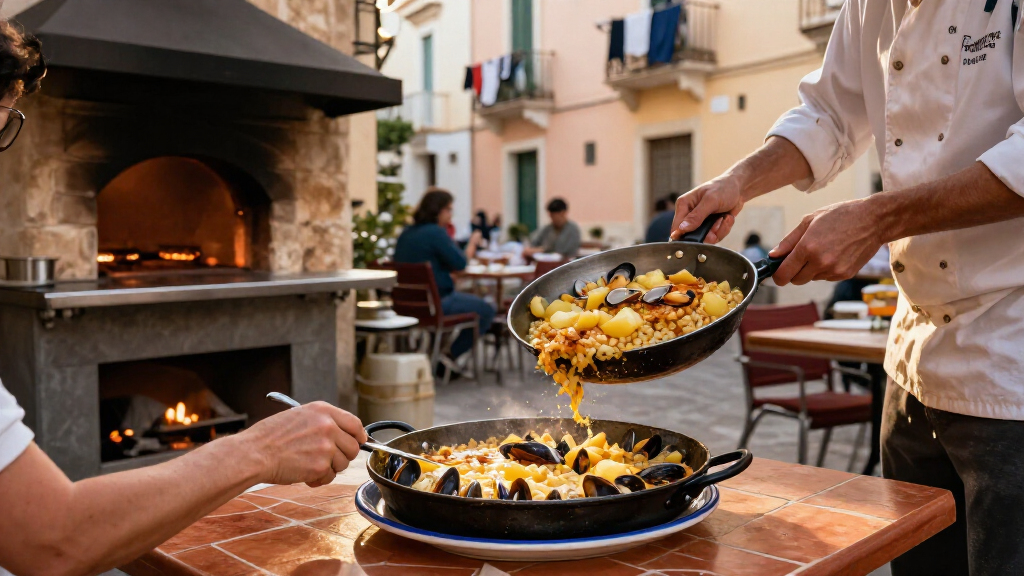
A pan of riso, patate e cozze comes to the table with a browned top, tender potato beneath, and rice that has soaked up the sea. In Bari, that combination turns familiar ingredients into a substantial baked meal, with no risotto stirring and no separate pot of rice.

Get kitchen staples and gadgets delivered free with Prime
- Fast, free delivery on millions of items
- Prime Video, Amazon Music and more included
- Member-only deals all year
The name means rice, potatoes, and mussels. You may also see the dish called tiella barese, a reference to the pan and the layered bake. In this guide, you’ll learn what gives the Bari version its character, how the layers work, what to do with the mussel liquor, and how to handle the seafood safely at home.
Riso, patate e cozze is Bari’s layered bake of rice, potatoes, and mussels, also commonly called tiella barese.
Use a broad, shallow pan and thin, even potato slices so the layers cook at a similar pace.
Strain mussel liquor before adding it, and use water to make up the cooking liquid as needed.
Shells, cheese, tomato quantity, and layer order vary; shell-free mussels are a practical home adaptation.
Keep mussels cold, discard those that stay closed after cooking, and refrigerate leftovers within two hours.
Riso, Patate e Cozze A layered taste of Bari
This traditional Apulian bake brings rice, potatoes, and mussels together in one pan. Strained mussel liquor helps the rice absorb the flavor of the sea.
How the layers work
A broad, shallow dish helps the ingredients cook evenly.
Layer thin potato and onion with herbs, tomato, garlic, and olive oil.
Arrange opened mussels, then scatter rice into the gaps.
Strain the mussel liquor and add water as needed to moisten the rice.
Check the center for cooked rice and tender potatoes beneath the browned top.
What makes it taste coastal
Briny depth
Their cooking liquor flavors the rice as it bakes.
Soaks up the juices
It cooks undisturbed in the layers, without risotto stirring.
Hearty base
Thin, even slices help the potatoes finish alongside the rice.
A Bari dish with family variations
The name is also commonly written as tiella barese.
- One shell half may stay on the mussels for presentation.
- Pecorino or another local cheese may top the bake.
- Tomato amount and layer order vary.
- Shell-free mussels make the dish easier to eat.
- Use water to make up the cooking liquid as needed.
- Taste the liquor before adding salt or cheese.
Keep mussels safe
Before serving
Open mussels with heat, strain their liquor, and discard any that stay closed after cooking. Tell guests the dish contains mussels and may include cheese.
- Keep mussels refrigerated until preparation.
- Use strained liquor to avoid grit in the pan.
- Check the center rice and potatoes before serving.
What makes Bari’s tiella taste like the coast
Riso, patate e cozze is a traditional baked dish associated with Bari and the Apulian coast, built from rice, sliced potatoes, mussels, and their savory cooking liquid. Its name means “rice, potatoes, and mussels,” and each ingredient has a clear job: potatoes make the base hearty, rice absorbs the juices, and mussels bring a briny depth. The dish cooks together in the oven rather than being assembled from separate finished components.
That one-pan method gives the rice its character. As the mussels release liquor and the tomato, onion, garlic, parsley, and olive oil soften, the liquid seeps through the layers. The top can turn golden while the middle stays moist, a little like the contrast between the crisp edge and soft center of a well-made gratin.
When you see it called tiella barese, it usually means Bari’s rice, potato, and mussel bake. The word tiella can refer to a baking vessel or to a layered baked dish in parts of southern Italy, so it appears in other regional food names too. In Bari, the name points you toward the local combination.
Imagine ordering lunch near the old town after a morning by the Adriatic: a square cut from a round pan is filling enough to stand on its own. At home, serve a modest portion with a crisp salad if you want something fresh beside its rich, sea-salty juices.
Products Worth Considering

eufy Security eufyCam C35 4-Camera Kit

Ring Alarm 14-Piece Kit

Dyson Cyclone V10 Origin Cordless Vacuum
As an affiliate, we earn on qualifying purchases.
How to layer the ingredients so the rice cooks evenly
Riso, patate e cozze depends on even layers and enough cooking liquid: arrange thin potato slices, add opened mussels, scatter rice into the gaps, then season and repeat or cover with another potato layer. A broad, shallow ovenproof dish gives the ingredients room to cook without burying the rice under a thick stack.
- Slice the potatoes and onion thinly. Even slices cook at a similar pace. A potato that is twice as thick as its neighbor may still feel firm when the rice is ready.
- Make a base layer. Coat the pan with olive oil, then arrange potato and onion with garlic, parsley, tomato, and black pepper.
- Add the mussels and rice. Use opened mussels, with one shell half retained if you like the customary look. Scatter rice into the spaces between them.
- Season and add liquid. Drizzle with olive oil and add strained mussel liquor plus water as needed. Cover with another thin layer of potato if following that style.
- Bake until the rice and potatoes are cooked. Check the center as well as the browned top, then let the pan rest briefly before serving.
The layers should settle together rather than become a sealed stack. For example, if you use a small, deep casserole dish, reduce the depth by cooking in a wider pan or expect the center to need more time. A shallow dish also makes it easier to spot dry patches and distribute liquid before the bake goes in the oven.
Choose rice and liquid that finish tender, not soggy
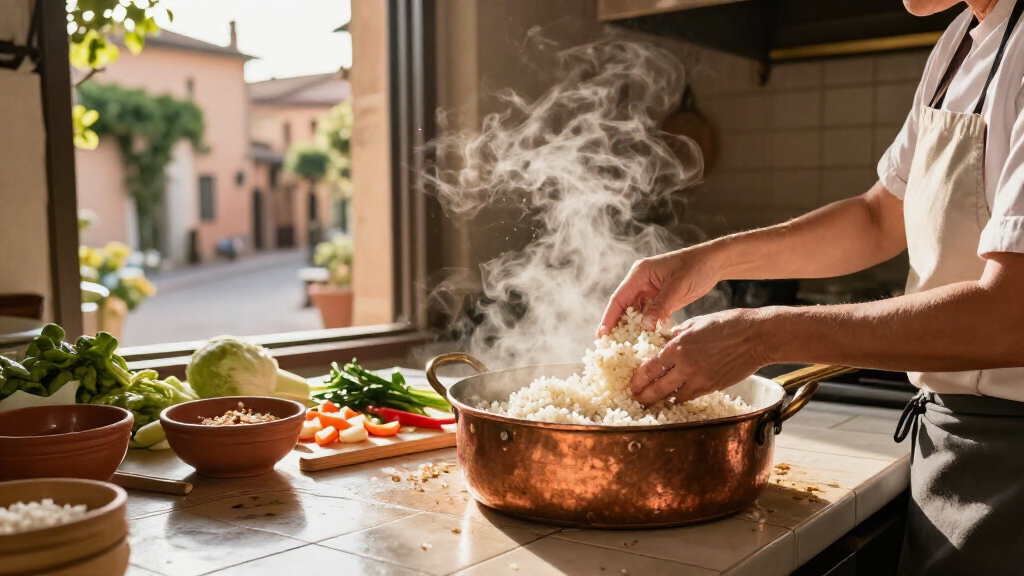
Choose a short- or medium-grain rice that can absorb liquid while holding its shape, then let the oven cook it undisturbed in the layers. You do not need to stir it like risotto. The amount of liquid varies with the rice, pan, layer thickness, and how much moisture the mussels release, so a fixed ratio may not work for every kitchen.
Mussel liquor supplies much of the dish’s savory flavor, but grit can ruin a forkful. Strain it through a fine sieve before measuring or pouring, and taste it before adding extra salt; the liquor can already be quite salty. If you have only a small amount, top it up with water rather than relying on salty stock.
For a practical example, suppose you open a batch of mussels and collect only a little liquid. Use that as part of the cooking liquid, then add water until the rice is adequately moistened across the pan. Check the recipe you’re following for its pan size and rice quantity, because a wide, shallow dish loses moisture differently from a deep casserole.
When the bake comes out, the rice should be tender through the center and most of the liquid should have been absorbed. If the top looks dry while the center grains remain hard, the pan needed more liquid or a little more covered baking time. Letting the finished tiella rest for several minutes helps the layers settle and makes serving cleaner.
Decide whether to use shells, cheese, and extra tomato
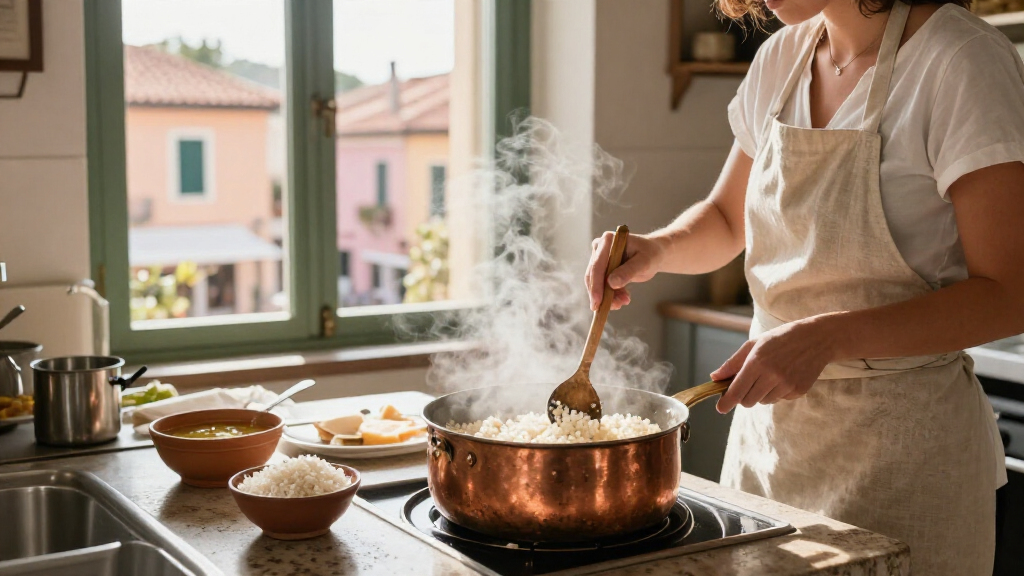
Shells, cheese, and tomato can vary by household, so treat them as choices within a recognizable Bari-style bake rather than as a single authenticity test. Many cooks leave one shell half on the mussel for presentation, while shell-free mussels make the dish easier to eat. Grated pecorino or another local cheese may add a salty, savory top, but some versions use little or none.
Tomatoes lend acidity and color. If you use a generous amount, they also contribute moisture, which can affect how much additional liquid the rice needs. A light scattering creates pockets of sweetness; a heavier hand gives the bake a redder, juicier finish. In either case, taste the mussel liquor before adding salt or cheese.
Patate e cozze means “potatoes and mussels,” while riso e cozze means “rice and mussels.” Those phrases can describe combinations or related preparations, but Bari’s tiella is notable for bringing all three together in layers. You might find the ingredients in a different order on a menu; the local naming has variations.
If you’re serving children or guests who dislike picking around shells, use cleaned, shell-free mussels and explain that it’s a practical home version. For a sharper, saltier finish, add a restrained dusting of pecorino. Cheese introduces a milk allergen, and mussels are mollusks, so tell guests plainly what the pan contains.
Handle mussels safely before they reach the pan
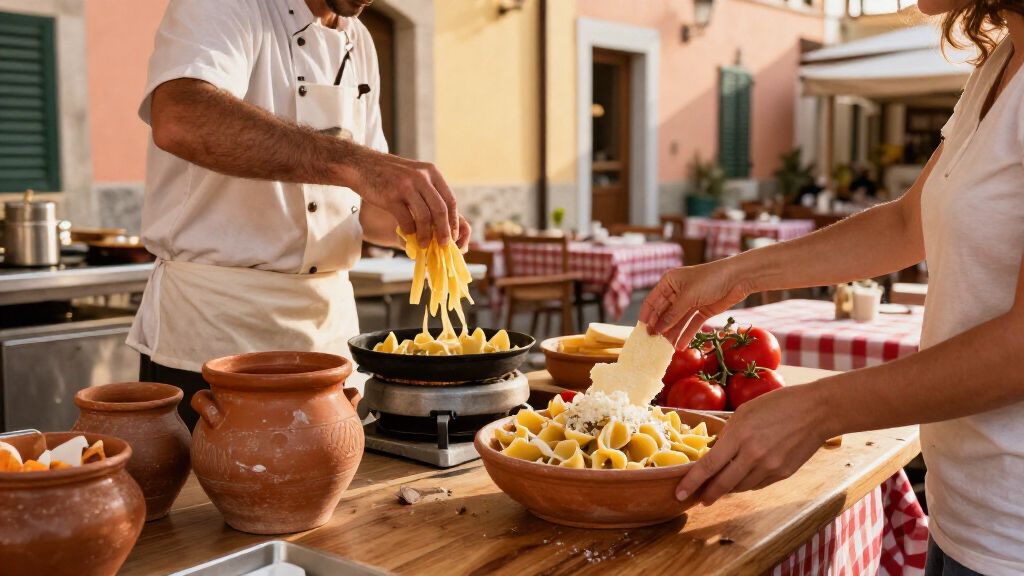
Open mussels with heat, strain their cooking liquid, and discard any that remain closed after cooking. Fresh mussels need cold storage and careful inspection before you assemble the tiella. Because seafood is perishable, keep it refrigerated at 40°F (4°C) or colder, and prepare it close to baking rather than leaving it out on the counter.
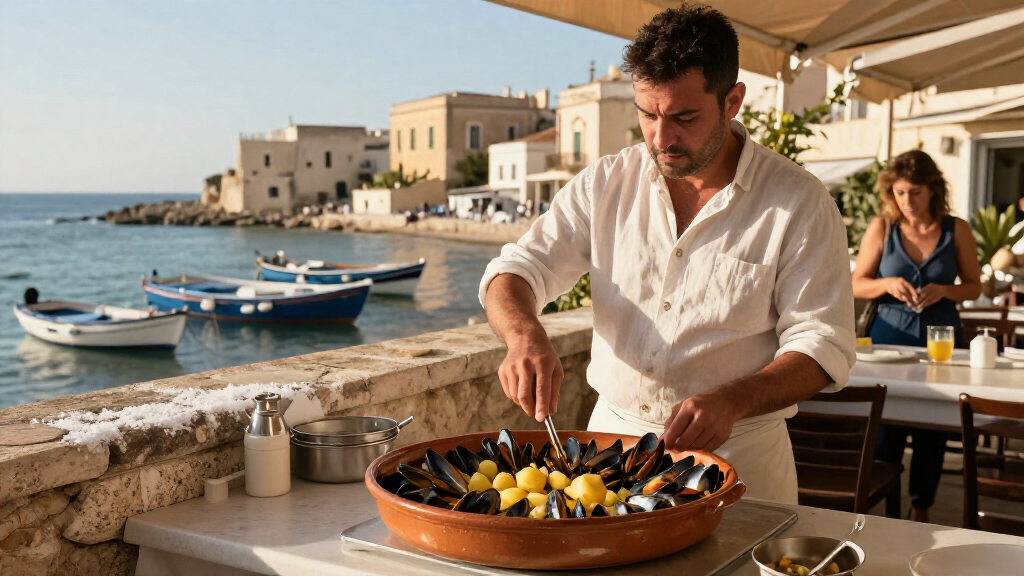
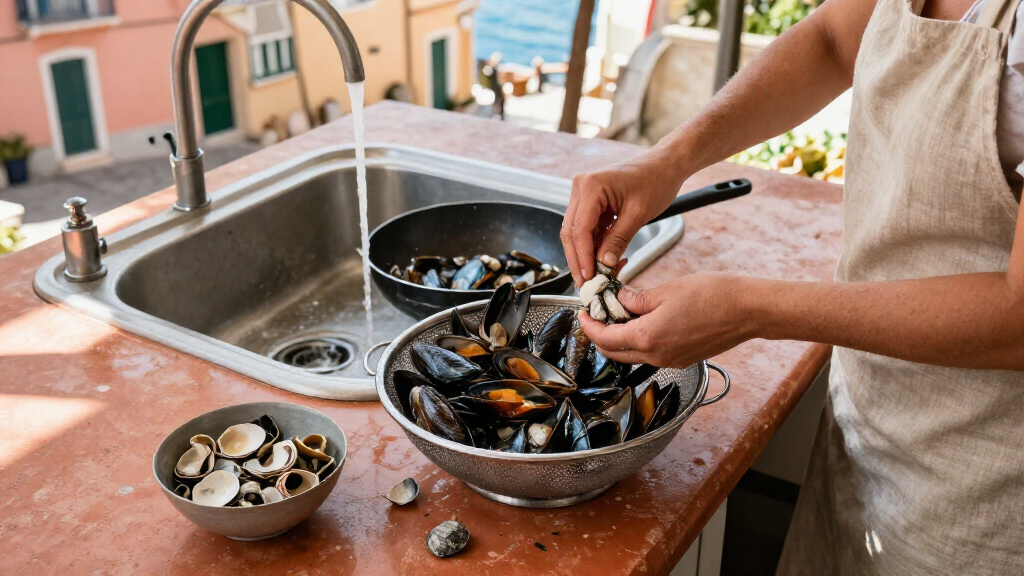
Scrub the shells and pull away the fibrous beard if present. If your recipe opens the mussels in a separate pot, heat them until they open, then remove them and strain the liquor. Discard mussels that do not open during cooking; do not pry them open and add them anyway.
A useful kitchen scenario: you clean the mussels in the afternoon but plan to bake at dinner. Keep them refrigerated in a suitable container, not submerged in fresh water or sealed airtight, and assemble the dish shortly before it goes into the oven. Follow current local food-safety advice for purchasing and storing shellfish, especially if serving someone pregnant, older, very young, or immunocompromised.
Leftovers should go into the refrigerator within two hours of serving, in a covered shallow container, and be eaten within three to four days. Reheat leftovers until steaming hot throughout. Mussels are a shellfish allergen, and pecorino or other cheese contains milk; label both clearly if you’re cooking for a group.
Serve a Bari-style bake as an easy, complete lunch
Serve tiella barese as a main course while it is warm and rested; rice, potatoes, and mussels make it filling without needing several elaborate sides. A simple green salad, bitter greens, or sliced seasonal vegetables bring a cool, crisp counterpoint to the soft layers and rich seafood juices.
For a relaxed lunch, bake the tiella in a round pan and bring it to the table after a short rest. Cut portions with a broad spoon or spatula, aiming to lift potato, rice, and mussels together. A browned corner with a little crispness is part of the pleasure, while the center should stay moist rather than soupy.
The dish suits a coastal meal, but it also works in a city kitchen when good mussels are available. If you’re planning a Bari food trip, look for tiella on a local menu and notice how the top, rice, and potato layers differ from the version you make at home. Those differences often reflect family habits and practical choices, not a universal rulebook.
Prepare and measure the ingredients ahead if it helps you cook calmly, but keep seafood chilled and assemble near baking time for better texture and safe handling. A wedge of lemon is optional; it brightens the mussels, though the classic flavors should already come through from the liquor, tomato, herbs, and olive oil.
Frequently Asked Questions
Is riso, patate e cozze the same as tiella barese?
Usually, yes. Tiella barese is a common name for Bari’s baked rice, potato, and mussel dish. The word tiella can also describe other layered baked dishes in southern Italy.
Do the mussels go into the bake raw or cooked?
Mussels are commonly opened before assembly, and their strained liquor can help cook the rice. Follow your recipe’s method, keep the seafood refrigerated before baking, and discard mussels that do not open during cooking.
Do I have to leave the mussels in their shells?
No. Keeping one shell half is common in many presentations, but shell-free mussels are easier to eat and work well in a practical home version. The dish still centers on the rice, potatoes, and mussels.
What rice should I use for the bake?
Choose short- or medium-grain rice that absorbs liquid without quickly turning mushy. The exact liquid need depends on the rice, pan, and mussel moisture, so follow a recipe written for a similar dish size and check that the center is cooked through.
Can I make tiella barese ahead of time?
You can clean mussels and prepare other ingredients ahead, but keep seafood refrigerated and assemble close to baking for the best texture. Refrigerate leftovers within two hours, then reheat them until steaming hot throughout.
Does the dish contain common allergens?
Mussels are mollusks, and pecorino or other cheese contains milk. Recipes can vary, so check every ingredient and tell guests about both allergens before serving.
Conclusion
Remember the method: thin layers, strained mussel liquor, and enough liquid for the rice to finish tender. The rest—shells, cheese, tomato, and how many layers you build—can follow your household’s taste while keeping the Bari character intact.
When the pan lands on your table, look for the glistening rice tucked under a browned potato edge. That small view of the Adriatic is your cue to serve it warm.