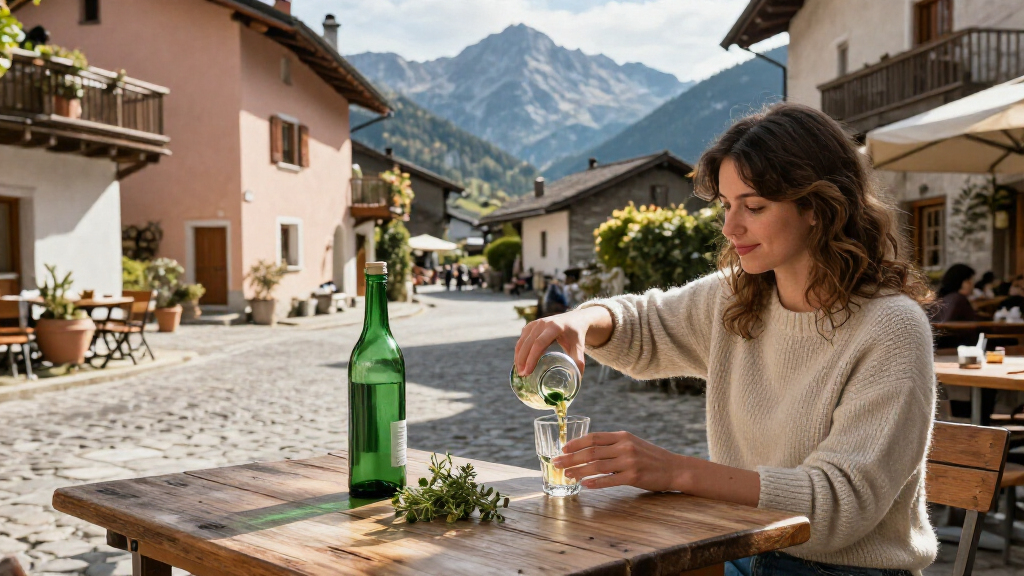
TL;DR
Genepì is an Alpine herbal liqueur associated with Italy’s Aosta Valley, made with aromatic plants from the Artemisia genus. Producers commonly infuse dried flowering tops in alcohol, then blend the infusion with water and sugar, though recipes and strength vary. Serve a small pour after a meal, check the label for production details, and never assume wild plants can be collected freely.
A tiny glass of genepì can smell like a mountain meadow after rain: bitter green herbs, flowers, and a faint resinous edge. The liqueur is closely associated with the Aosta Valley, where Alpine food traditions turn local plants into something meant to be savored slowly.

Get kitchen staples and gadgets delivered free with Prime
- Fast, free delivery on millions of items
- Prime Video, Amazon Music and more included
- Member-only deals all year
Here’s the useful detail before you pour: genepì is not made from one universally fixed herb or recipe. The name also refers to several small aromatic plants in the genus Artemisia, and the species, steeping method, sweetness, and alcohol strength can vary by producer. That variation is part of the pleasure, but it also gives you good reasons to read the bottle.
You’ll learn what gives genepì its distinctive flavor, how producers typically make it, how to taste and serve it, and what to ask about when you buy a bottle or visit the Alps. You’ll also see why a traditional after-dinner pour should be treated as a drink, not as medicine—and why wild harvesting calls for care.
Genepì names both an Alpine liqueur and several aromatic Artemisia plants; it does not specify one universal species.
Producers commonly steep dried flowering tops in alcohol, then blend with water and sugar, though some use distillation or mixed methods.
Expect herbal aromas with possible bitter, floral, resinous, or mint-like notes; recipe and sweetness vary.
Serve a small pour neat after a meal or try it chilled, and check the label for alcohol strength.
Check current local rules before collecting wild plants, and ask producers how their herbs are sourced.
Genepì: The Alpine Herbal Liqueur of the Aosta Valley
Genepì connects an aromatic Alpine drink with several plants in the Artemisia genus. Its taste and strength depend on the producer’s ingredients and method.
One name, several plants
The name identifies a tradition, not one universal species or recipe.
Artemisia family
Genepì refers to several small, aromatic Alpine plants in the Artemisia genus.
Aosta Valley
The liqueur is strongly associated with the valley and neighboring Alpine areas.
How makers shape the flavor
Production choices influence what reaches the glass.
Makers commonly infuse dried flowering tops in alcohol.
The infusion is typically blended with water and sugar.
Some makers distill the herbs or combine distillation with infusion.
What to expect in the glass
Plant species, recipe, and production method all affect the profile.
- Herbal and aromatic
- Bitter or floral
- Sometimes resinous or mint-like
- Small pour after a meal
- Neat or chilled
- A little in cocktails or desserts
Choose with care
Bottle details help explain what you are tasting and how the herbs were sourced.
| Check | Why it matters |
|---|---|
| Plant species and ingredients | Genepì does not name one universal plant. |
| Production method | Infusion and distillation can shape aroma differently. |
| Alcohol content | Strength varies by product. |
| Origin and herb sourcing | Wild collection rules vary by location and can change. |
What genepì is—and why the name can mean two things
Genepì is an Alpine herbal liqueur associated with the Aosta Valley, made with aromatic plants belonging to the genus Artemisia. The same name is also used for several small mountain plants, rather than one single species, so the word on a label does not by itself tell you exactly which plant went into the bottle.
That double meaning ties the drink to its landscape. The plants grow in high-altitude environments, and their aromatic flowering tops are used in regional traditions of making herbal spirits. In French, the herb is often called génépi; in Italian, you’ll see genepì. Both names point toward a family of plants and a drink shaped by Alpine customs.
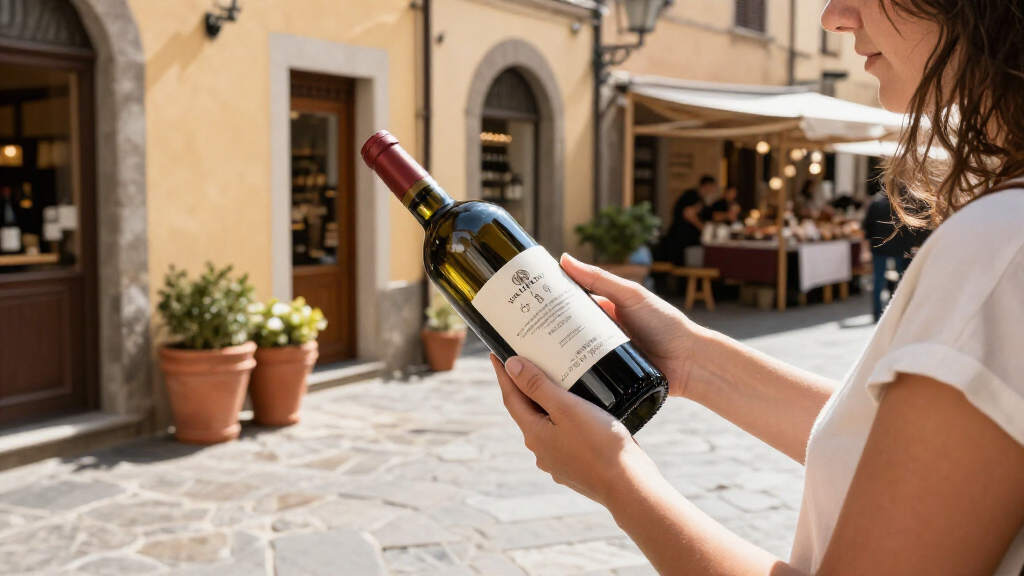
Imagine stopping in an Aosta Valley village after a cool walk and seeing a small bottle beside other local spirits. It carries a sense of place, but it doesn’t promise that every producer uses the same species or technique. Neighboring Alpine areas share related traditions, too, so the drink belongs to a wider mountain culture while remaining strongly associated with the valley.
Think of “genepì” as a family name on a table: it identifies the tradition, while the producer’s details tell you which version you’re tasting. If you’re curious, look for a disclosed plant species and place of production rather than assuming every bottle has an identical recipe. That small bit of label reading makes a tasting more meaningful.
Products Worth Considering

Dyson Cyclone V10 Origin Cordless Vacuum

Philips Hue Play Gradient Light Tube, Large, Black

Sonos Era 100 SL Compact Microphone-Free Speaker, Black
As an affiliate, we earn on qualifying purchases.
How Alpine herbs become a glass of genepì
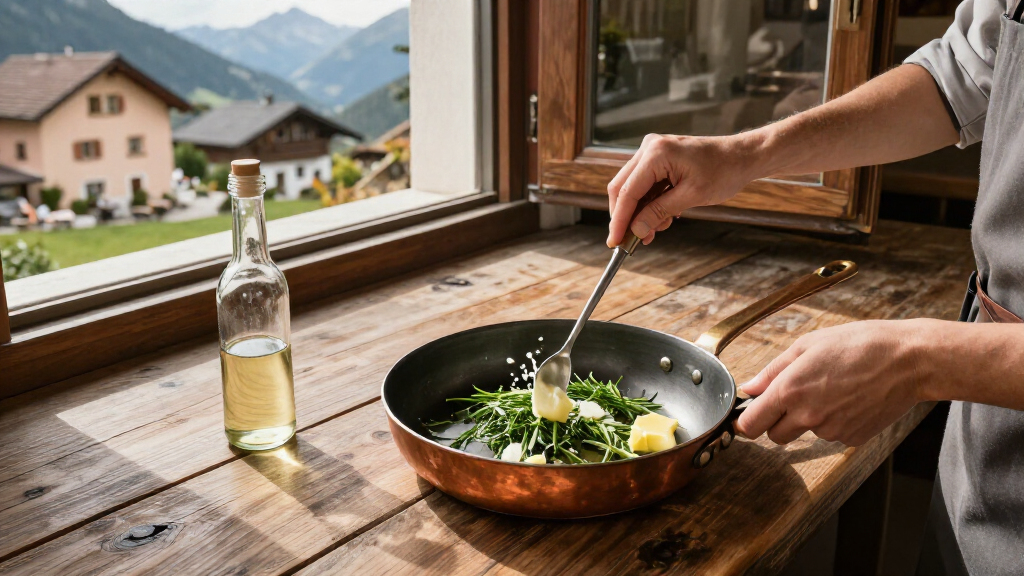
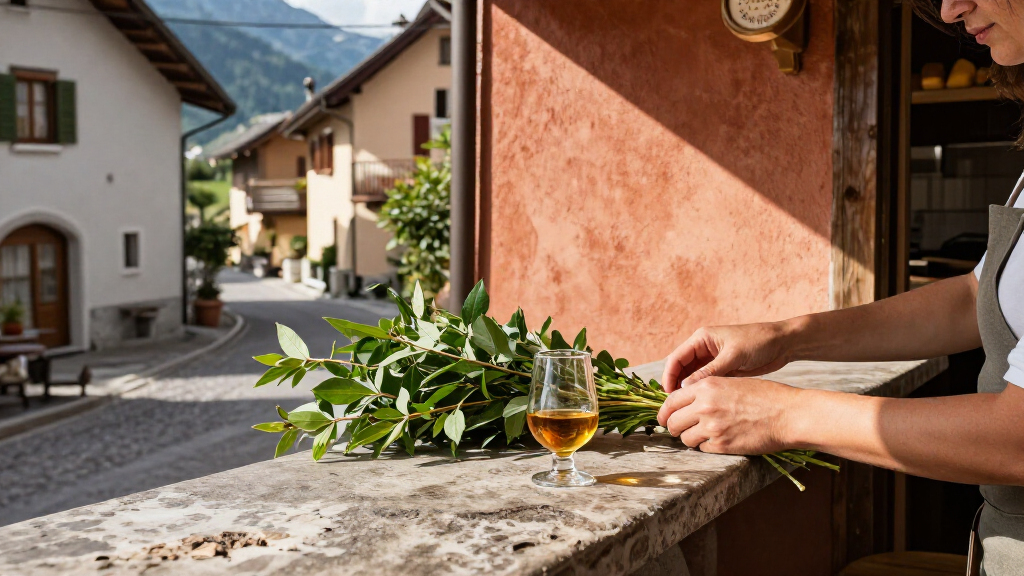
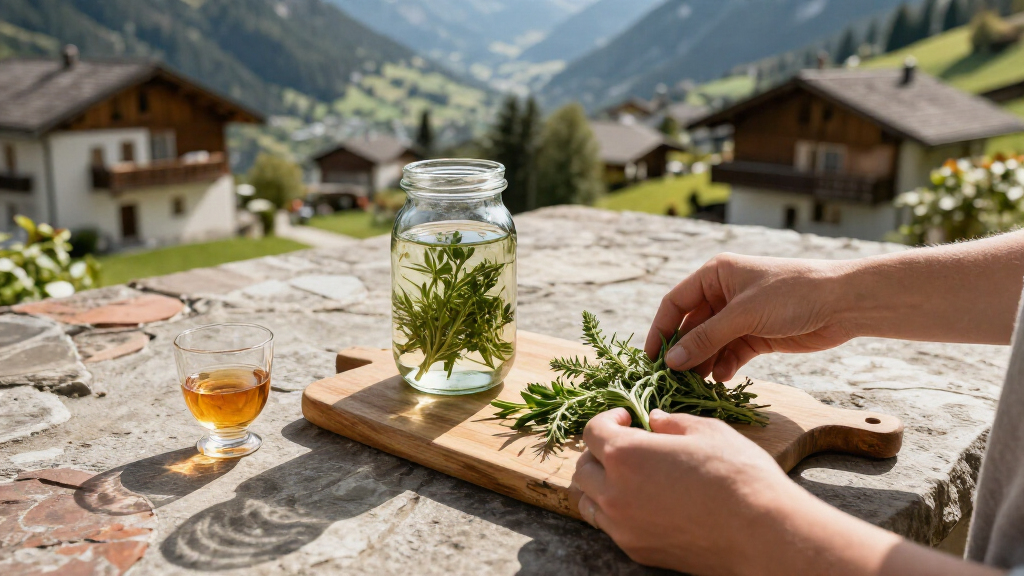
Producers commonly make genepì by steeping dried flowering tops in alcohol, then blending the infusion with water and sugar. Some producers distill the herbs or combine infusion and distillation, and proportions vary. The method matters because it shapes how much bitterness, floral aroma, and sweetness reaches your glass.
Picture a maker preparing an infusion: the dried plants rest in alcohol, giving their aromatic compounds time to move into the liquid. The result is then adjusted into a liqueur, often with water and sugar. The exact steeping time and balance belong to the maker’s recipe, so a home experiment or a bottle from another producer may taste quite different.
There is no single standard flavor or alcohol strength you can safely assume from the word genepì alone. One bottle may lean floral and sweet; another may feel more resinous, mint-like, or firmly bitter. Distillation can also produce a different aromatic profile from a straightforward infusion. Those differences make comparisons interesting, but they make the label your best guide to what you’re buying.
If you’re visiting a producer, ask whether the herbs are infused, distilled, or handled through a combination of methods. Then ask how the maker describes the balance: bitter, floral, or sweet. That conversation gives you a practical way to connect craft choices to taste, instead of treating “traditional” as if it meant one unchanging recipe.
What genepì tastes like, from first aroma to final sip
Genepì tastes herbal and aromatic, with a balance that may include bitterness, floral notes, resin, or a mint-like freshness. Your impression depends on the plant species, production method, and sweetness. Expect a concentrated spirit rather than a light, candy-like liqueur: its aroma can arrive first, like a sharp green note rising from a small glass.
Take a slow sip after dinner and notice the sequence. A sweeter version may feel round at first, then finish with herbs and a pleasant bitter edge; a drier one may put the mountain-herb character up front. It can be a little like tasting a strong cup of tea beside a pine forest—familiar herbal notes, but more intense and warming.
Use a small pour when you’re trying genepì for the first time. Let it sit briefly in the glass, smell it, and take a modest sip before deciding whether you prefer it neat or chilled. Chilling can soften the impression of alcohol, while room temperature may make the aroma easier to notice. There is no single correct preference; try both with the same bottle if you want to understand its character.
For a vivid comparison, taste it alongside a sweet dessert such as a slice of plain cake. The dessert can make bitterness stand out more clearly, while a very sugary accompaniment may hide delicate herbal notes. If you enjoy cocktails, genepì can also add an Alpine accent to a mixed drink, but begin with a small amount so it doesn’t overwhelm the other ingredients.

How to serve genepì after dinner or in a cocktail
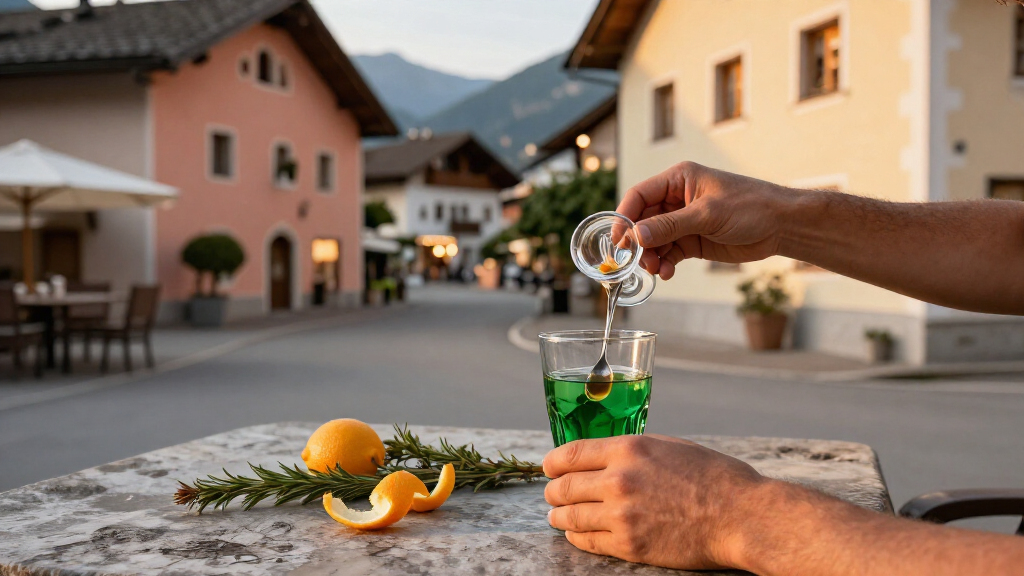
Serve genepì in a small glass, commonly neat after a meal; some drinkers prefer it chilled. That after-dinner role is a food tradition, not proof that the liqueur treats digestive problems. Because the recipes and alcohol strengths vary, check the bottle and pour modestly rather than assuming every version is equally sweet or strong.
- Read the label. Check the alcohol content and serving suggestions before you pour, especially if you are comparing bottles.
- Start with a small measure. Use a small glass and taste it neat to get a clear sense of the herbs.
- Try it chilled if you prefer. A cool pour may feel softer; compare it with a room-temperature sip to see which brings out the aroma you like.
- Use a light hand in cocktails. Add a little genepì to a simple mixed drink, taste, and adjust so its herbal character stays in balance.
At home, you might pour a small amount after a Sunday meal, then use a splash in a cocktail another evening. A modest measure makes it easier to notice the flavor without letting the spirit take over. If you serve it to guests, tell them that it is an alcoholic herbal liqueur and offer a nonalcoholic option as well.
Genepì may also flavor desserts, where a little can bring a fragrant, bitter note. Think of a spoonful worked into a syrup for cake rather than a heavy pour that masks the food. Alcohol content and suitability vary, so treat the liqueur as an adult beverage, drink responsibly, and don’t present it as a remedy.
What to check on the label before you buy a bottle
A useful genepì label helps you identify the producer, place of production, alcohol content, and any disclosed plant species. It may also explain whether the herbs are cultivated or sourced through regulated supplies. These details matter because the name covers different recipes, and flavor alone can’t tell you how a particular bottle was made.
| What to check | Why it helps | Question to ask |
|---|---|---|
| Producer and production place | Connects the bottle to a maker and region | Where was this liqueur made? |
| Plant species, if disclosed | Genepì can refer to several Artemisia species | Which plant does this recipe use? |
| Alcohol content | Strength varies across bottles | How strong is this pour? |
| Production method | Infusion and distillation can yield different profiles | Are the herbs infused, distilled, or both? |
| Herb sourcing | Wild plants and harvesting rules raise sustainability questions | Are the herbs cultivated or otherwise regulated? |
For example, if one bottle tastes sweet and floral while another tastes dry and resinous, the maker’s notes may explain why. A disclosed species or process gives you a more grounded comparison than a vague promise of “authentic Alpine flavor.” You can also ask a shopkeeper to recommend a version based on whether you prefer a softer or more bitter finish.
Don’t assume that a regional association means a product has a particular protected designation. Look for any designation actually printed on the bottle, and verify what it covers. Clear details make it easier to support a producer whose approach fits your interests, whether you care most about the valley, the herb source, or the taste.
Why wild genepì harvesting needs a careful check
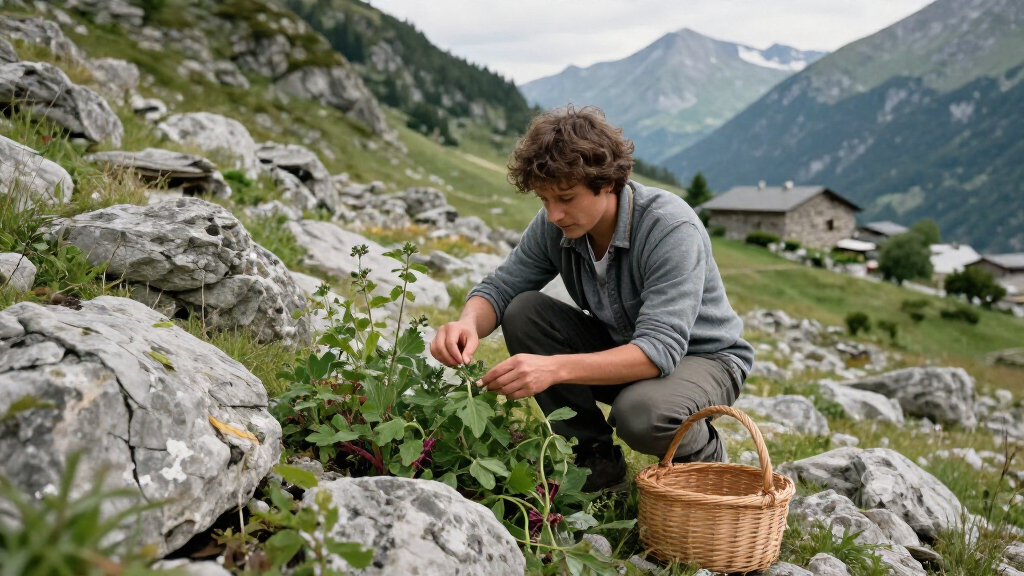
Do not assume you can freely collect wild genepì plants. Alpine habitats are fragile, and some species may be protected or subject to local harvesting rules. Regulations differ by location and may change, so check current regional requirements before collecting any plant or relying on a claim about wild harvesting.
The practical stakes are easy to picture on a summer walk above an Aosta Valley village. A small flowering plant can look like a simple souvenir, but many visitors collecting from a limited patch can put pressure on the same habitat. Correct identification also matters: “genepì” covers multiple Artemisia species, and a common name is not a safe substitute for knowing what you have found.
Producers may use cultivated plants or regulated supplies to reduce pressure on wild populations. That doesn’t tell you how any particular bottle was sourced, so ask the producer or check the label. If the answer is unclear, don’t repeat a claim that the herbs were gathered sustainably or from a specific place as if it were a universal fact.
A thoughtful trip can still bring you closer to the tradition. Visit a local shop or producer, ask about the plants and their sourcing, and buy a bottle with clear information if you want to take home a taste. You’ll learn more from that conversation than from picking an unidentified herb beside the trail, and you leave the mountain landscape intact for the next walker.
How to bring genepì into a meal without losing its Alpine character
Use genepì as a small accent when you pair it with food or add it to a cocktail or dessert. Its concentrated herbal flavor can bring a bitter, floral, or resinous note, but too much can crowd out the other ingredients. Start with a modest amount, taste, and let the bottle’s own character guide you.
After a meal, a small neat pour gives you the clearest picture of the liqueur. If you want to cook with it, try a little in a syrup for a simple cake, or add a small splash to a dessert sauce and taste before adding more. This is a way to connect an Alpine drink to something you can make at home without pretending every valley household follows the same recipe.
For a cocktail, keep the other flavors straightforward at first. A modest measure alongside citrus or a dry mixer can let the herbs speak, while a very sweet base may turn the drink cloying. Imagine pouring a small trial drink for two people after a hike: you can adjust the balance before making a full pitcher for friends.
Genepì contains alcohol, so keep it for adults and serve it responsibly. If you’re cooking for guests, mention that the dessert contains liqueur; don’t assume cooking removes all alcohol. For ordinary home storage, follow the bottle’s directions, keep it closed, and store it away from heat and direct sun. That preserves the drink’s aroma better than leaving it beside a sunny kitchen window.
Frequently Asked Questions
What does “genepì” mean?
Genepì is both the name of an Alpine herbal liqueur and a common name for several aromatic plants in the genus Artemisia. The French spelling is often génépi. Check the producer’s information for details about the plant used in a particular bottle.
Is genepì made from wormwood?
Genepì is made with plants from the Artemisia genus, which includes wormwoods, but the exact species varies by local tradition and producer. The name alone doesn’t identify a single plant. Look for a species on the label or ask the maker.
What does genepì taste like?
Genepì is typically aromatic and herbal, with flavors that can lean bitter, floral, resinous, or mint-like. The balance changes with the plant, production method, and sweetness. A small first pour makes it easier to notice the finish.
How strong is genepì?
Alcohol content varies by product, so there is no single strength you should assume. Check the bottle label before serving, especially when comparing different producers. Pour modestly and drink responsibly.
How should I drink genepì?
It is commonly served in a small glass after a meal, often neat; some people prefer it chilled. You can also try a little in a cocktail or dessert, where its herbal character works best as an accent. Its digestif role describes a serving tradition, not a medical benefit.
Can I collect genepì plants in the wild?
Don’t assume wild collection is allowed. Some species may be protected or subject to local rules, and requirements differ by location and can change. Check current regional guidance before collecting; visiting a producer and asking about cultivation or regulated sourcing is a safer way to learn about the plants.
Conclusion
Let the bottle tell you which genepì you’re tasting. Check its producer, place, alcohol content, and any details about plant species or method, then start with a small pour and take time with the herbal aroma.
That’s a simple way to bring the Aosta Valley’s mountain tradition to your table: one careful sip, with the Alpine landscape still growing wild beyond the glass.