TL;DR
The Feast of the Seven Fishes is an Italian American Christmas Eve tradition centered on a meatless seafood meal, with no single required menu or official list of seven fish. Build your own version with a make-ahead seafood salad, salt cod, clams, pasta, fried calamari, baked fish, and shrimp, serving small portions and doing as much prep ahead as you can.
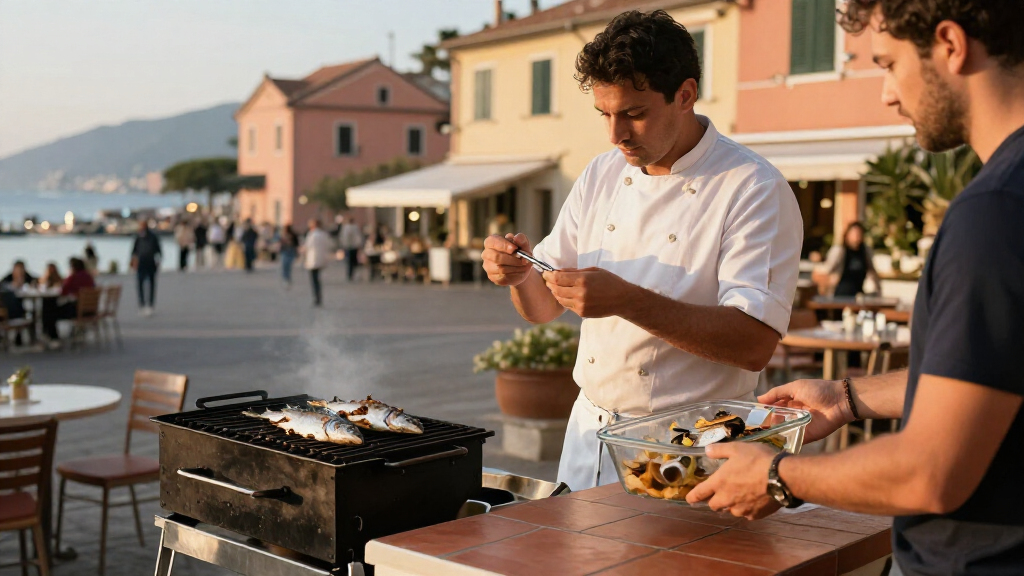
At 6 p.m. on Christmas Eve, the clams are still closed, the pasta water is boiling, and someone asks whether the fried calamari counts as one of the seven. That scene can be festive. It can also turn into a kitchen traffic jam if every dish needs your attention at once.

Get kitchen staples and gadgets delivered free with Prime
- Fast, free delivery on millions of items
- Prime Video, Amazon Music and more included
- Member-only deals all year
The Feast of the Seven Fishes is an Italian American Christmas Eve custom centered on a meatless meal of seafood. It draws on Italian Christmas Eve customs associated with La Vigilia, or the vigil, but there is no official menu or required list of species. Families make the tradition their own.
Here, you’ll get a realistic seven-dish plan, course by course, plus a prep schedule, substitutions, and food-safety reminders. The goal is a table that feels generous and connected to family tradition, while leaving you enough time to sit down and eat it.
Treat the seven dishes as a flexible Italian American family menu; no official lineup or seven-species rule exists.
Make the seafood salad and tomato-braised salt cod ahead, and cook clams, pasta, fried calamari, and shrimp near serving time.
Use small tastes across courses, with pasta, breadcrumbs, and anchovies helping balance the budget.
Ask about fish and shellfish allergies, identify ingredients, and prevent cross-contact with clean separate utensils.
Cook fish to 145°F (63°C), refrigerate seafood promptly, and chill leftovers within two hours.
The Seven Fishes Menu A realistic home plan
This Italian American tradition has no official lineup. A flexible mix of make-ahead dishes and quick-cooked seafood can keep the evening festive and manageable.
A flexible seven-dish template
Families count and arrange the courses differently; use dishes your guests enjoy and your kitchen can handle.
Seafood salad
Chill calamari, shrimp, lemon, olive oil, parsley, and celery for a bright opening.
Tomato-braised salt cod
Soak the cod as directed, then cook ahead and gently reheat.
Clams and linguine
Cook clams shortly before serving; make pantry-friendly pasta with anchovies or sardines and breadcrumbs.
Calamari, baked fish, shrimp
Fry calamari in batches, bake a simple centerpiece, and sauté shrimp near serving time.
Spread the work across the evening
Prepare the chilled and reheated courses early, then save short cooking tasks for serving time.
Soak salt cod as directed, make the seafood salad, and set out ingredients and serving dishes.
Offer modest portions so guests can enjoy several courses without facing seven full servings.
Cook clams, pasta, fried calamari, and shrimp close to the table; reheat the salt cod gently.
Keep the menu comfortable
Choose practical swaps and avoid making every course compete for the same stove or oven.
- Use anchovies or sardines with pantry staples for pasta.
- Swap in an available fish that suits your budget.
- Ask a fishmonger what is fresh and check local guidance.
- Ask about fish and shellfish allergies.
- Identify ingredients and offer a non-seafood option.
- Use separate clean utensils to prevent cross-contact.
Build a Seven-Dish Menu That Leaves You Time to Eat
A realistic Seven Fishes menu mixes make-ahead dishes with quick seafood cooked just before serving, and keeps each portion small. There is no universal list of seven fish or required course order; the tradition is a family practice shaped by Italian American homes. That flexibility matters in the kitchen: it lets you choose dishes people will actually eat and ingredients you can find, while avoiding the expectation that every course must be an elaborate entrée.
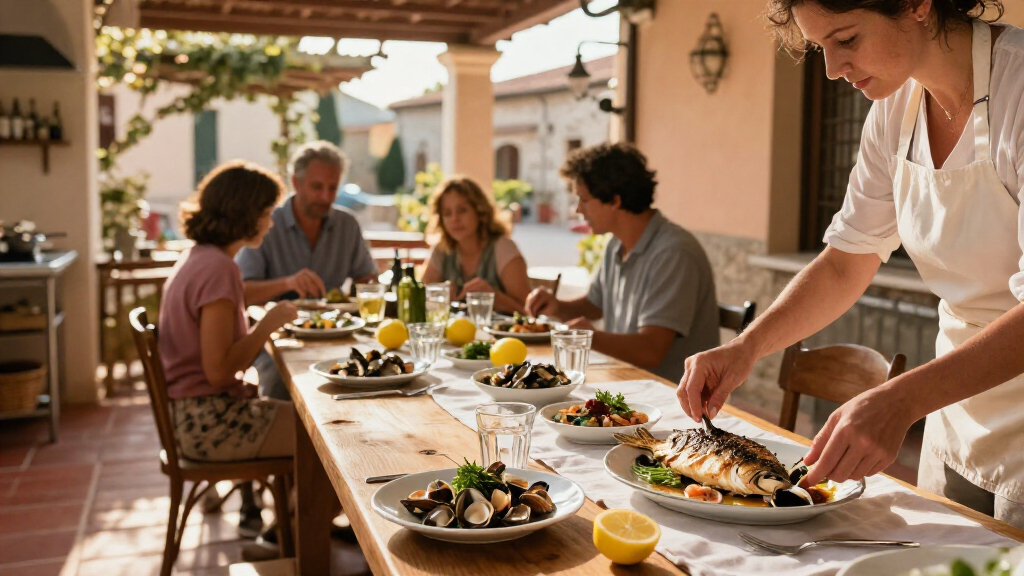
Think of the menu as a small procession: a cool, bright opening; a warming pasta or salt cod dish; then a few tastes of seafood from the pan or oven. One possible lineup is marinated seafood salad, tomato-braised baccalà, clams, anchovy or sardine linguine, fried calamari, baked fish, and lemony shrimp. Count the dishes in the way your family does. Some families count preparations, others count seafood types, and some serve more than seven. The useful planning question is less “Does this meet a universal rule?” than “Can I serve these dishes comfortably, and do they feel like our celebration?”
For example, if your market has no fresh sardines, anchovies can still give pasta a savory, briny backbone. If a relative brings a favorite family dish, swap it into the lineup rather than adding an eighth hot plate to your workload. Each extra dish adds shopping, serving ware, and a moment of attention at the stove; a substitution keeps the menu personal without multiplying those demands. A flexible menu gives the evening its shape without pretending that one family’s version is the only authentic one.
The seafood is the meal’s center, but small tastes make seven courses pleasant instead of overwhelming. You might serve only a few clams per person, a small pasta bowl, and a couple of shrimp. That pacing gives guests room to notice the differences in flavor and texture, and leaves appetite for the later courses. Dessert—perhaps citrus, cookies, or a family favorite—can follow without counting as another seafood course.

Products Worth Considering

Roborock Qrevo 2 Pro Robot Vacuum and Mop with 20,000 Pa Suction

eufy Security 5-Piece Home Alarm Kit

Levoit Core 600S-P Smart Air Purifier for Large Rooms
As an affiliate, we earn on qualifying purchases.
Start with a Bright Seafood Salad and Make-Ahead Salt Cod
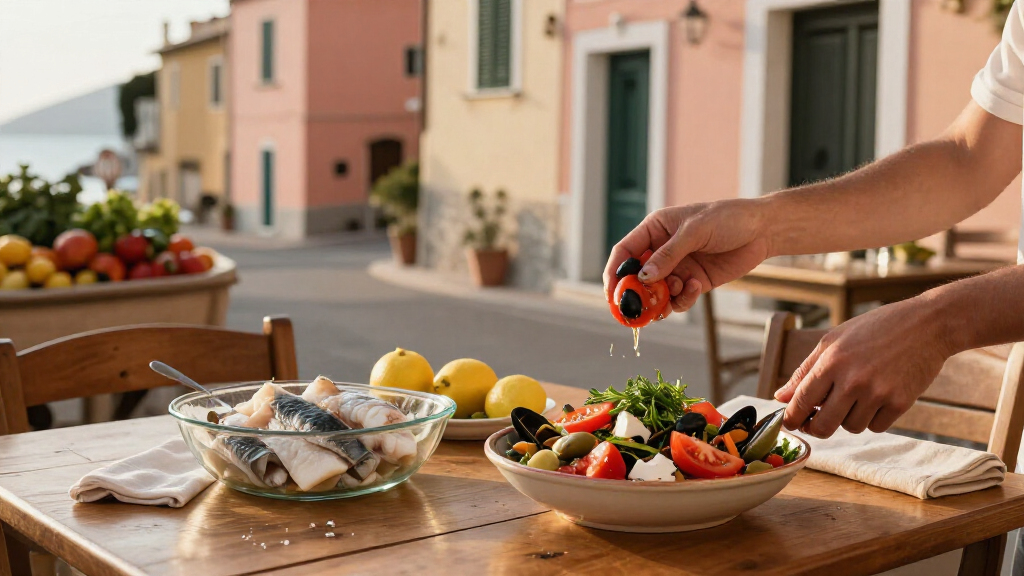
The easiest first two dishes to plan are a chilled seafood salad and a salt cod preparation that you can start ahead. A lemony salad wakes up the appetite; baccalà, or salt cod, brings the deep, comforting flavor many Italian and Italian American families associate with holiday tables. Planning these early courses first has a practical payoff: one is served cold and the other can be reheated, so neither competes with clams, pasta, or frying for your attention at the last minute.
For the antipasto, cook calamari, shrimp, or both, then chill them with olive oil, lemon, parsley, and thin slices of celery. The celery stays crisp against tender seafood, and the lemon keeps the first bite fresh. Make it earlier on Christmas Eve, cover it, and refrigerate it promptly. If you are serving guests who cannot eat fish or shellfish, plan a separate starter and serving utensils; a seafood salad is not safe for someone with a serious allergy just because it is served cold. Chilling protects quality and slows bacterial growth, but it does not remove allergens or make seafood safe after it has been mishandled.
Salt cod needs a longer lead time. Rinse and soak it in the refrigerator according to the package or recipe directions, changing the water as directed. The time can vary with the thickness and salt level, so don’t assume a quick soak will work. A tomato-based baccalà dish can be cooked ahead and gently reheated, which frees your stove when guests arrive. Starting the soak early also gives you time to correct the schedule if the cod remains too salty; leaving it until the day of the meal can force a rushed substitute or an overly salty dish.
Say what’s in each dish when you serve it: “This salad has shrimp and calamari; the cod has been soaking since yesterday.” That simple habit helps guests with fish and shellfish allergies make informed choices. Keep raw seafood chilled and separate from ready-to-eat food, and wash hands and boards after handling it. These steps reduce the chance that juices or residue travel from raw seafood to food that will not be cooked again.
Serve Clams and Pasta Without Stalling the Meal
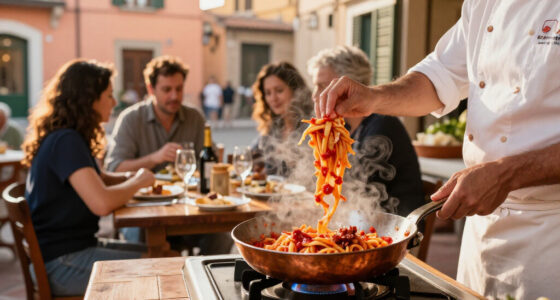
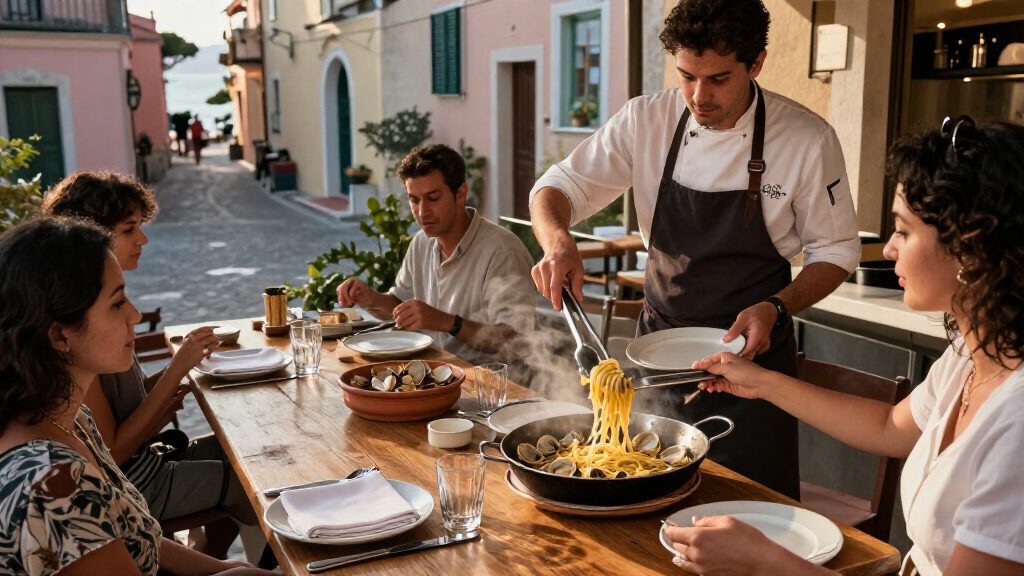
Clams and seafood pasta work best as fast, hot courses you finish near serving time. Their cooking windows are short, so they bring energy to the table without requiring hours of preparation. The tradeoff is that they leave little room for searching through cupboards or chopping once the cooking starts. Have garlic, parsley, bread, and pasta measured and ready before you turn on the burner.
For clams, warm garlic in olive oil, add the clams and a splash of white wine if you choose to use it, then cover the pan until they open. Finish with parsley and serve with bread to catch the salty broth. Discard clams that do not open during cooking. Wine is optional; offer water or a nonalcoholic drink as well, and keep any alcoholic pairing for adults who choose to drink responsibly. A wide pan helps the clams cook more evenly; crowding can make it harder to tell when they have opened and leaves less room to toss them with the broth.
For the pasta course, linguine with anchovies or sardines keeps costs manageable. Anchovies melt into olive oil and garlic, lending a deep savory taste; sardines make the fish more noticeable and the sauce more substantial. A handful of toasted breadcrumbs adds a crisp finish. Picture a modest bowl between seafood courses, not a full restaurant-size entrée that leaves no room for the rest of the meal. This is also a useful point to adjust the menu to your guests: anchovies suit people who want the seafood flavor blended into the sauce, while sardines make the fish itself the focus.
Start the pasta water when the clams are nearly ready, and plate the pasta as soon as it’s dressed. Keep the seafood course order loose if your kitchen is small: you can serve the clams, clear a little space, then bring out the linguine. The broth and pasta both reward being eaten while warm, so a short pause between them is better than trying to finish both dishes far ahead and letting them cool.
Choose a Menu Mix That Fits Your Stove, Budget, and Guests
A good seven-course plan varies its cooking methods and balances special purchases with inexpensive pantry ingredients. If every dish needs a skillet at the same minute, your menu will feel harder than it tastes. A mix of chilled, simmered, stovetop, fried, and baked dishes spreads the work across the afternoon and evening. It also gives you options if one part of the plan slips: a chilled salad and a braise can wait safely in the refrigerator while a hot course takes a few extra minutes.
Here’s how the sample dishes divide their effort. Use this as a planning aid, then adapt it to the number of people you’re feeding and what your market can provide. The “best timing” column helps reveal which courses need active attention at once; dishes marked for serving near the meal are the ones to sequence around your available burners and oven.
| Dish | Best timing | Planning note |
|---|---|---|
| Marinated seafood salad | Make ahead; serve chilled | Keep covered in the refrigerator; label shrimp or calamari. |
| Tomato-braised baccalà | Prepare ahead; reheat gently | Start soaking salt cod according to package directions. |
| Clams with garlic and parsley | Cook shortly before serving | Have bread ready and discard clams that stay closed after cooking. |
| Linguine with anchovies or sardines | Cook near serving | Pantry ingredients keep this course affordable. |
| Fried calamari | Fry just before serving | Work in batches so each plate stays crisp. |
| Baked salmon or whole fish | Prepare close to the meal | Choose an accessible fish and check doneness with a thermometer. |
| Shrimp with lemon and herbs | Sauté at the end | Serve a small shared plate if the table is already full. |
This menu uses seafood at different price points. Pasta, breadcrumbs, and anchovies stretch flavor; the fish centerpiece can be the one larger purchase. That choice concentrates the cost in a dish that feels celebratory, while pantry ingredients do useful work elsewhere. Prices and availability shift by place and season, so ask your fishmonger what looks fresh and what local guidance says about sustainable choices. If a specific fish is unavailable, substitute one that suits the recipe’s texture and cooking time; choosing by texture helps preserve the dish’s role in the menu, whether it needs to hold together in a braise or bake evenly as a centerpiece.
Use a Simple Timeline to Keep Christmas Eve Calm
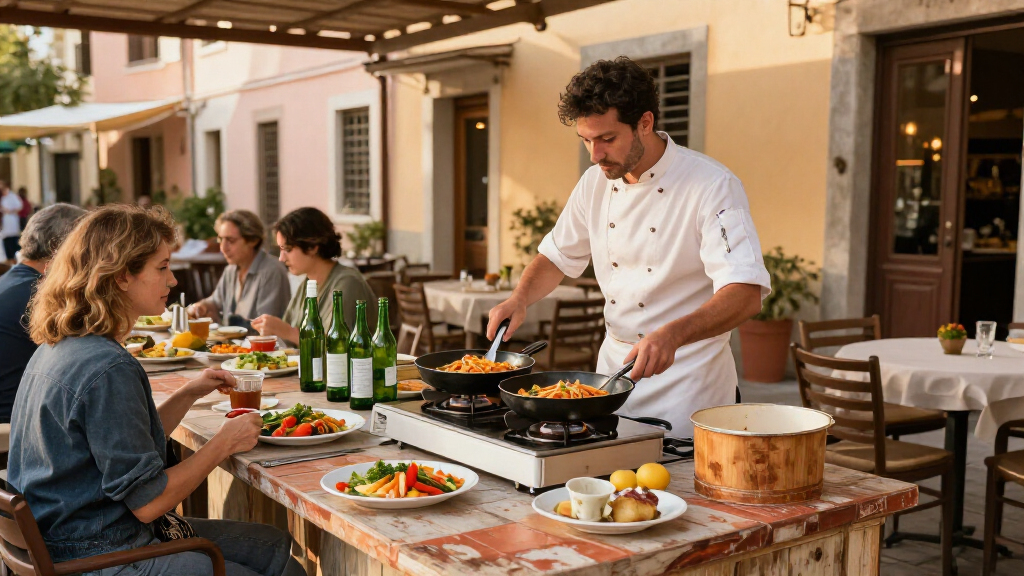
A short timeline keeps last-minute cooking to a few quick tasks: prep the chilled and braised dishes ahead, set out the ingredients, then cook clams, pasta, fried calamari, and shrimp in a deliberate order. You don’t need a professional kitchen. You need a clear counter and a plan for which burner or oven each dish uses. Thinking in terms of active attention is helpful: some foods can simmer or chill while you prepare another, but frying and finishing pasta need you close by.
If you’re serving at 6 p.m., work backward from that time. Soak salt cod earlier according to the package directions, keeping it refrigerated. On Christmas Eve, prepare and chill the seafood salad, cook the tomato-based cod, chop parsley, slice lemons, toast breadcrumbs, and set the table before guests arrive. This front-loaded prep reduces the number of decisions you have to make once guests are there, when serving and conversation are happening at the same time.
- Before guests arrive: Finish the salad and cod, refrigerate the salad, and keep the cod chilled until it’s time to reheat.
- As the meal begins: Reheat the cod gently while setting out the chilled salad and bread.
- Between courses: Cook clams, then dress the pasta while it is hot.
- Near the end: Fry calamari in batches, bake or serve the fish centerpiece according to your plan, and sauté shrimp just before bringing it out.
Adjust the sequence if your oven is busy or a family dish needs the spotlight. You might bake salmon while guests eat pasta, then bring out shrimp as a small shared plate. Keep raw seafood refrigerated until you’re ready to cook it; don’t leave it sitting on the counter while you prep other foods. Use separate boards and utensils for raw and ready-to-eat ingredients. If the hot courses begin to feel crowded, serving them in a slightly different order is a better way to preserve good texture than cooking everything early and letting it wait.

Make Small Portions Feel Generous, Not Stingy
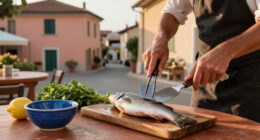
Small portions are what make seven seafood dishes comfortable to enjoy. Seven courses do not mean seven full entrées per guest. A few bites of each dish let everyone taste the range—from briny clam broth to crisp calamari—without ending the meal before the baked fish appears. Variety is part of the pleasure, and modest servings let the differences stand out instead of making the later courses feel like a chore.
For a table of six, imagine a shared platter of clams, a modest bowl of pasta per person, and a couple of shrimp each rather than buying seven full dinner portions of every seafood. The amount you need depends on how many guests you have, what else you serve, and whether dishes arrive family-style. Ask your fishmonger to help estimate quantities for tasting portions, and buy only what fits the plan. This approach can keep both the cost and leftovers manageable, though it works best when you give guests a clear sense that more food is coming; otherwise, small early servings may feel sparse.
Guests also need clear information. Fish and shellfish are common allergens, and bread or pasta may contain wheat; some dishes may include wine or other ingredients guests avoid. Mark the dishes or introduce them as you serve them. If a guest has a serious seafood allergy, ask about their needs ahead of time. Prevent cross-contact with separate clean pans, utensils, and serving pieces; in some cases, the safest choice is a separate fully seafood-free meal. A label alone does not manage allergy risk, because shared tongs or serving spoons can transfer seafood between dishes.
A meatless meal can still have options for someone who cannot eat seafood. Put out vegetables, bread, salad, or a simple pasta without fish, while keeping serving tools separate. This approach respects the tradition’s seafood focus and lets more of your guests share the evening comfortably. Ask what the guest can safely eat before choosing the alternative, since ingredients such as fish-based broth or shared cooking water may not be obvious from the dish name.
Finish with Fish That’s Properly Cooked and Safely Stored
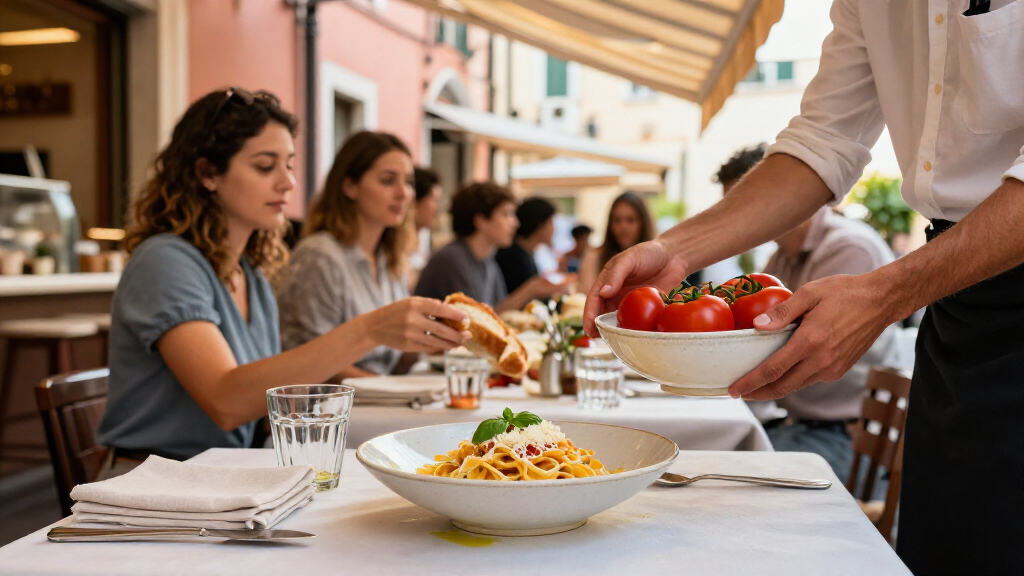
Keep seafood cold until cooking, prevent cross-contact, and cook it to safe temperatures. These habits matter even when the meal is served as tiny courses. Raw fish and shellfish can warm quickly during a busy evening, so return ingredients to the refrigerator between prep steps and keep them separate from ready-to-eat salad, bread, and garnishes. Small portions do not reduce the risk from unsafe handling; they simply mean the same safe routine has to cover more dishes.
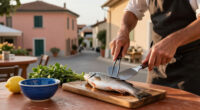
Use a food thermometer for the baked fish centerpiece; the FDA recommends cooking fish to 145°F (63°C), or until it is opaque and separates easily with a fork. Cook shrimp until the flesh is pearly and opaque. For clams, cook until shells open and discard any that remain closed. Handle raw and cooked seafood with clean plates and utensils rather than reusing the platter that held it raw. A thermometer is especially useful for thick fish, where the outside can look done before the center has reached a safe temperature.
Serve hot dishes promptly. Refrigerate leftovers within two hours, using shallow containers so they cool quickly; if the room or outdoor temperature is above 90°F, refrigerate within one hour. Store leftovers in the refrigerator at 40°F (4°C) or below and eat them within three to four days, following USDA guidance. When in doubt about how long seafood sat out, don’t serve it again. Long courses can make food sit out longer than expected, so clear plates as each course ends and transfer anything being saved to the refrigerator.
Think of the refrigerator as part of your cooking plan, not just storage after dinner. For example, keep the seafood salad chilled until the first course, and bring out only the clams you’re about to cook. Guests who are pregnant, older, very young, or immunocompromised can face higher risks from foodborne illness, so careful handling and thorough cooking matter especially at a shared holiday table. Planning where dishes will wait between courses makes those precautions easier to follow when the kitchen gets busy.
Frequently Asked Questions
Do you have to serve exactly seven kinds of fish?
No. The name points to a tradition, not a universal rule about seven species. Families differ in which dishes they serve and how they count them, so you can make a seven-dish menu that works for your table.
Is the Feast of the Seven Fishes an old Italian tradition?
The Feast of the Seven Fishes is especially well known as an Italian American Christmas Eve tradition, connected to Italian Christmas Eve customs and La Vigilia, the vigil. Its familiar name and menu vary by family and community; don’t assume every region or Italian household serves the same sequence.
Can I make the whole seafood menu ahead?
You can prepare the chilled salad, braised cod, sauce, breadcrumbs, and chopped ingredients ahead. Clams, fried calamari, pasta, and shrimp taste best cooked close to serving, so leave time for those quick tasks.
What can I substitute for salt cod or sardines?
Choose seafood that’s available locally and suits the recipe. For pasta, anchovies can replace sardines with a more savory, less prominent fish flavor; for the cod course, ask your fishmonger for a fish that will hold up in a tomato braise. Adjust timing because thickness and texture change how quickly fish cooks.
How much seafood should I buy for seven courses?
It depends on the number of guests and whether each dish is a taste or a full serving. Plan small portions across the menu, then ask your fishmonger to help estimate amounts for your group instead of buying seven full entrée portions per person.
What should I do if a guest has a seafood allergy?
Ask about allergies before you plan, label dishes, and avoid contact between seafood and other food with separate clean pans, utensils, and serving dishes. A serious allergy may call for a fully seafood-free alternative prepared separately; bread, vegetables, or plain pasta can give that guest a meal they can enjoy.
Can I serve wine with the meal?
Wine is optional. If you serve it, keep it for adults who choose to drink responsibly, and offer appealing nonalcoholic choices alongside it. You can also make clams without wine and use broth or water to steam them.
Conclusion
Choose dishes your family loves, vary the cooking methods, and keep the portions modest. That’s the practical heart of a realistic Seven Fishes dinner: enough variety to make the table feel abundant, with enough preparation done ahead that you can enjoy the people gathered around it.
Let the clams’ broth shine, pass the bread, and leave room for one more story before dessert.