
TL;DR
The most useful fish tools for a home kitchen are sturdy, washable kitchen shears, tweezers or pliers that grip pin bones securely, and a thin spatula that fits your pan. Match the spatula material to your cookware, pull bones in the direction they lie, and use a knife for filleting or large cuts.
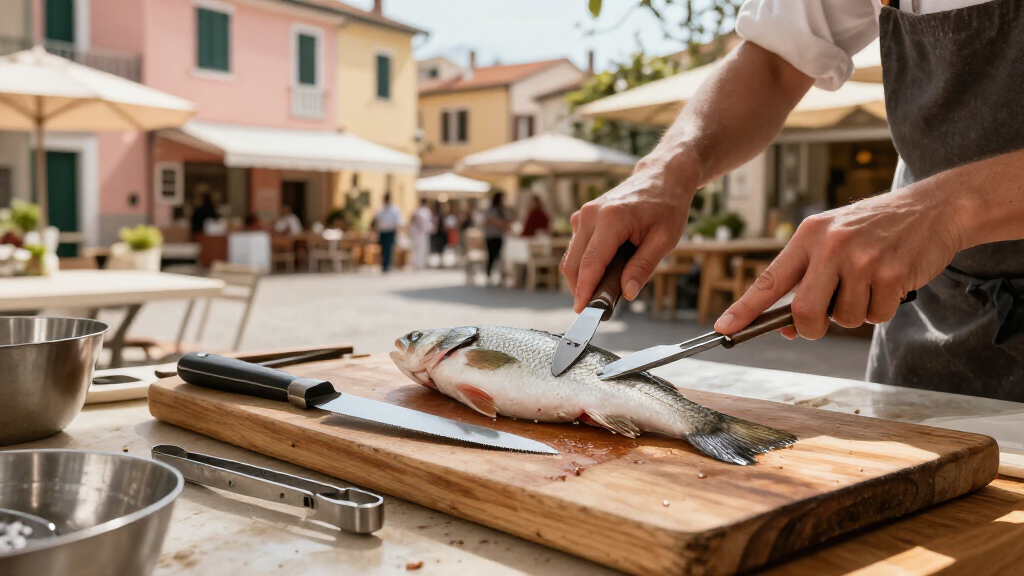
A crisp-skinned fillet can go from beautiful to broken in the time it takes to flip it with the wrong tool. The same is true at the cutting board: a slipping pair of tweezers can tear tender flesh, and household scissors can struggle with a fin that sturdy kitchen shears would snip cleanly.

Get kitchen staples and gadgets delivered free with Prime
- Fast, free delivery on millions of items
- Prime Video, Amazon Music and more included
- Member-only deals all year
You do not need a drawer full of gadgets to cook fish well. Three useful choices cover much of the work: shears for trimming, tweezers or pliers for pin bones, and a thin spatula for turning. The right design matters more than a label that says “fish.”
These tools earn their place in the kitchen through small, practical improvements: steadier prep, fewer bones at the table, and a more confident turn in the pan. If you are planning a meal inspired by Liguria’s coastal cooking or simply making salmon on a Tuesday, this guide will help you choose tools that fit the fish and cookware you actually use.
Use sturdy, comfortable kitchen shears for fins, herbs, and small cuts; use a knife for filleting and larger cuts.
Choose tweezers for delicate pin bones or pliers for bones that need a firmer grip, and pull in the direction each bone lies.
A thin, broad fish spatula supports a fillet during a turn; choose metal or pan-safe silicone or nylon to match your cookware.
Check the handle, cleaning design, grip, edge, and manufacturer care guidance before buying.
Keep raw fish separate from ready-to-eat foods, clean tools promptly, and refrigerate leftovers without delay.
Three tools for better fish Prep, debone, and turn
Sturdy shears, secure-grip tweezers or pliers, and a pan-matched spatula cover three everyday fish-cooking jobs.
Three tools, three jobs
Choose tools for the task and the cookware you use.
Kitchen shears
Trim fins and snip herbs. Use a knife for filleting and larger cuts.
Tweezers or pliers
Grip pin bones securely and pull in the direction each bone points.
Thin fish spatula
Slide under and support a delicate fillet as you lift or turn it.
Match the spatula to your pan
A thin, broad blade supports fish; slots let excess oil drain back into the pan.
| Cookware | Spatula choice | Keep in mind |
|---|---|---|
| Stainless steel or cast iron | Thin metal | Durable; can scratch nonstick coatings |
| Nonstick | Heat-safe silicone or nylon | Check the pan maker’s guidance |
A calmer prep-to-pan sequence
Use sturdy shears for fins and small cuts; avoid very thick bones unless the shears are designed for them.
Feel along the fillet, grip each exposed bone, and pull steadily in the direction it lies.
Wait for the skin to release, then ease the spatula under the widest part of the fillet.
Choose for control and care
- Shears should open and close smoothly and come apart for cleaning when possible.
- Tweezers should grip without slipping; food-safe needle-nose pliers can work if reserved for food.
- Wash tools promptly, dry thoroughly, and follow the manufacturer’s care guidance.
Start with three tools that solve three different problems
Fish tools that matter solve three everyday problems: trimming awkward parts, removing pin bones, and lifting fragile fillets without breaking them. Kitchen shears handle small cuts, tweezers or pliers grip individual bones, and a thin spatula supports fish in the pan. Each tool has a distinct job, so one rarely replaces all the others.
Think about preparing a whole branzino (European sea bass) for a simple Ligurian-style dinner. Shears can trim fins before roasting, tweezers can catch any bones left in a fillet, and a broad spatula can help move a cooked portion to the plate. The fish stays more intact because you use support where the flesh is delicate and cutting force where trimming calls for it.
That division also helps you avoid buying a specialty tool for every task. Shears can snip herbs, but they do not give you the precise, steady cut of a sharp knife when you fillet. Tongs can grasp a sturdy piece of fish, but they squeeze and concentrate pressure on a delicate one. A useful toolkit is a small set of well-matched shapes, not a drawer of gadgets.
When comparing fish tools that could suit your kitchen, ask what task you do most often. A cook who buys whole fish may value shears; someone who cooks store-bought fillets may reach for tweezers and a pan-safe spatula more often. The chosen tools make fish easier to handle when their grips, edges, and materials suit your real routine.
Products Worth Considering

Levoit Core 600S-P Smart Air Purifier for Large Rooms

Bose Home Speaker 500 Smart Bluetooth Speaker with Alexa, Black

eufy Security eufyCam C35 4-Camera Kit
As an affiliate, we earn on qualifying purchases.
Choose kitchen shears that trim fins without fighting you
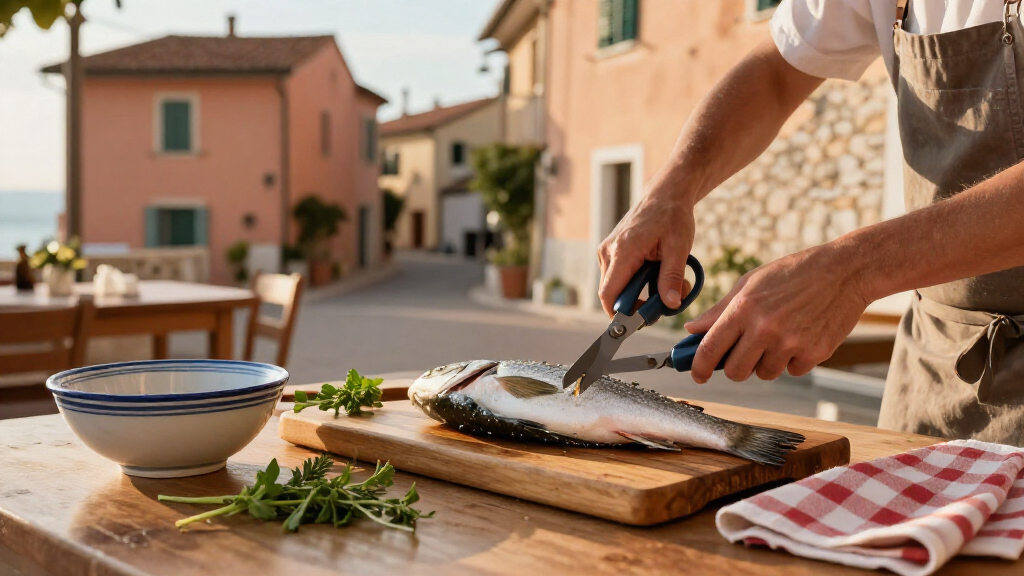
Kitchen shears are useful for trimming fins, snipping herbs, making small cuts, and opening food packaging. Choose a sturdy pair that opens and closes smoothly and separates for cleaning when possible. That cleanable joint matters after fish prep, because scraps and moisture can collect where the blades meet.
For example, before roasting a whole fish with lemon and herbs, you can use shears to shorten sharp fins that might catch on the pan or make handling awkward. Shears also snip parsley directly over a bowl of salsa verde. It is quick, controlled work. But if the task involves a very thick bone, stop and use a tool designed for that force; ordinary kitchen shears can slip, bend, or damage their blades.
Comfort matters as much as strength. Handles should let you open and close the blades without pinching your fingers, and the blades should meet cleanly rather than slide past one another. If you cook often, a model that comes apart for washing makes it easier to remove residue from the hinge. Follow the maker’s cleaning directions and dry the parts thoroughly before storing.
Shears cannot replace a sharp fish or chef’s knife for controlled filleting, portioning thick cuts, or making long, precise cuts. In a small kitchen, think of them as a practical helper for short jobs, not a shortcut for every cut. For a Sunday lunch in Sicily, shears can trim a fish for the oven; a knife still does the careful work of separating flesh from bone.
Remove pin bones cleanly with tweezers or pliers
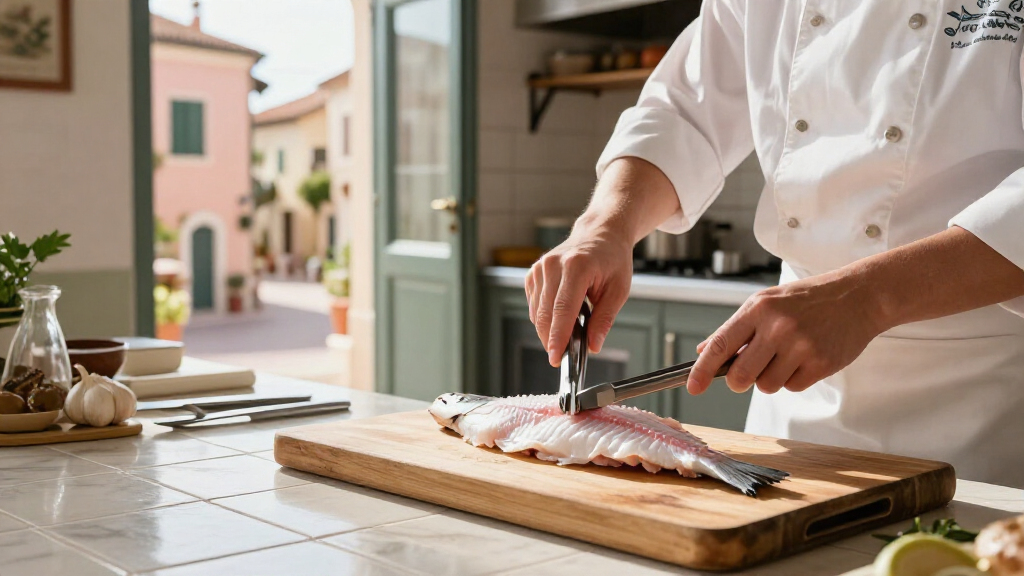
Fish tweezers or pliers remove pin bones that can remain in a fillet after the main bones come out. Tweezers suit delicate fish and individual small bones; pliers offer a firmer grip on larger or stubborn bones. The best choice is the one that holds a bone without slipping and feels controlled in your hand.
Start by laying the fillet on a clean board and running a fingertip gently along its center line. Pin bones often sit in a row, and touch can reveal what a quick glance misses. Grip the exposed end and pull steadily in the direction the bone points. Pulling straight up or against its angle can tear the flesh, leaving a ragged gap where you wanted a neat fillet.
Imagine you are preparing trout for a spring meal with asparagus. A few minutes of checking by touch can catch a bone before the fish reaches the table. After each pull, feel along the fillet again; if you find another bone, remove it in the same direction. Small, deliberate movements give you more control than a sharp yank.
Clean, food-safe needle-nose pliers can work if you reserve them for food and wash them properly, though purpose-made fish tweezers are easier to keep in a kitchen drawer. Do not use workshop pliers that have contacted oils, paint, or other nonfood materials. Wash the tool promptly after use, dry it, and store it where it will not pick up grime from unrelated tools.
Pick a spatula that turns fish without tearing it
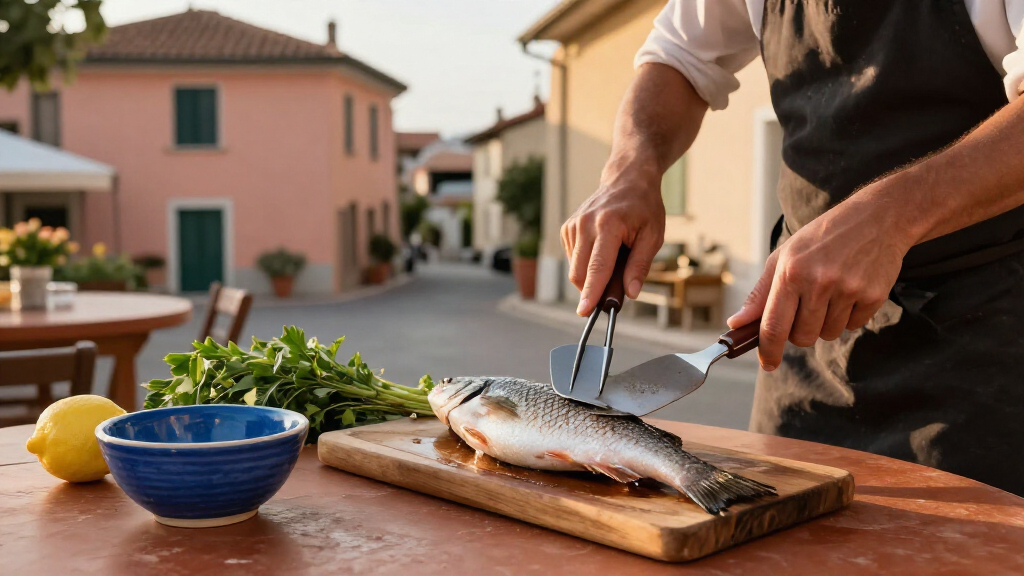
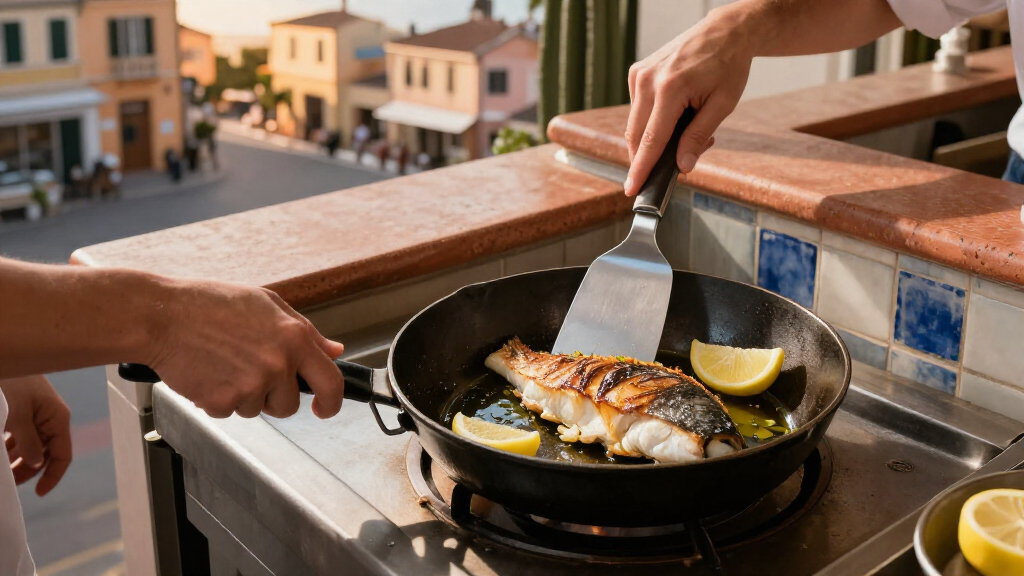
A fish spatula is a thin, broad, often slotted turner with a slightly curved shape and a flexible edge. It slides under a fillet more easily than a thick turner and supports more of the fish during a lift. The slots let excess oil drain back into the pan, which helps when you want a clean transfer to a plate.
For crisp-skinned fish, the turn is the test. Wait until the skin releases from the pan instead of scraping at it, then ease the spatula under the widest part of the fillet. A thin edge can move beneath the skin, while the broad blade helps carry the flesh. It is a gentler lift than pinching one end with tongs and asking the fish to bend around your grip.
Stainless steel is durable and works in many pans, but it can scratch nonstick coatings. For nonstick cookware, choose heat-safe silicone or nylon that the pan maker says is suitable. Those spatulas may feel less thin or rigid, so check whether the edge can slide under the food and whether the blade supports its weight without bending too much.
There is no single best material for every kitchen. If you mostly use stainless steel or cast iron, a thin metal spatula may suit your pans and cooking style. If your weeknight salmon cooks in a nonstick skillet, a compatible silicone or nylon model is the sensible fit. Match the tool to your cookware before you bring it near the heat.
Check these details before you buy
A good fish tool feels controlled, cleans without fuss, and suits the cookware you own. A “fish” label alone does not tell you whether shears will cut smoothly, tweezers will grip bones, or a spatula will support a fillet. Test the design against the job: open and close shears, check the tweezer tips meet evenly, and look for a spatula edge thin enough to slide under food.
Picture a compact apartment kitchen with one nonstick skillet, a small sink, and little drawer space. A disassemblable pair of shears may be more useful than a bulky multi-tool, while a heat-safe nonstick spatula avoids scratching the pan. If you often buy fillets, pin-bone tweezers may see more use than shears. Shopping starts with your cooking habits, not a perfect-looking utensil collection.
Use this short checklist while comparing options:
- For shears: Look for a comfortable grip, smooth action, sturdy blades, and a cleaning-friendly design.
- For tweezers or pliers: Check that the tips meet securely and can hold a small bone without slipping.
- For a spatula: Match its material to your pan, then check the edge and support under a fillet-sized load.
- For every tool: Read the maker’s care and heat guidance, since dishwasher safety and heat resistance vary by model.
The tradeoff is usually between rigidity and pan safety. Metal often gives a thinner, firmer edge, while silicone or nylon helps protect coated cookware but may feel thicker. Hold the tool if you can; a handle that feels awkward in the shop probably will not feel better when a hot pan is waiting.

Use each tool in the right order for calmer fish prep
A simple order keeps fish prep tidy: trim what needs trimming, check for pin bones, then cook and turn with the spatula that suits your pan. That sequence gives you a cleaner board and a better chance of spotting bones before heat firms the flesh. It also keeps tools focused on the job they do best.
For a whole fish, begin with shears for fins if needed, then use a knife for any careful cutting or filleting. If you are working with ready fillets, skip directly to the fingertip check and bone removal. In either case, keep raw fish separate from ready-to-eat food, wash your hands and board after handling it, and clean tools promptly.
When the fish reaches the pan, give it enough room and let the first side cook until it releases more easily. Slide a suitable spatula underneath from the wider end, supporting the flesh as you turn. On a nonstick pan, use only a heat-safe utensil approved for that surface. After cooking, refrigerate leftovers promptly and follow local food-safety guidance for safe storage and cooking temperatures.
This routine works for many dishes, from a simple pan-fried fillet to fish served with Ligurian vegetables. It will not make every cut effortless: a thick piece still needs careful cooking, and a delicate fillet may break if it sticks. But the right tool at each stage reduces unnecessary pressure, so you can focus on color, smell, and the fish’s texture rather than wrestling with it.
Frequently Asked Questions
Do I need fish tweezers for every fillet?
No. Some fillets arrive fully pin-boned, but a fingertip check can catch bones that remain. Tweezers or pliers give you more control when you find one, especially in delicate fish.
Can regular kitchen tongs replace a fish spatula?
Tongs can work for sturdy pieces, but they grip a smaller area and can damage a fragile fillet. A thin, broad spatula supports more of the fish as you lift and turn it.
How do I pull pin bones out without tearing the flesh?
Feel along the fillet to locate each bone, grip its exposed end, and pull steadily in the direction it points. Check by touch again after removing the bones you found.
Which fish spatula should I use with a nonstick pan?
Use a heat-safe silicone or nylon spatula that the cookware maker says is suitable for the pan. Check that its edge is thin enough to slide under fish and its blade supports the portion without excessive bending.
Can kitchen shears replace a fish knife?
Shears handle trimming fins and other small cuts, but a sharp fish or chef’s knife is better for controlled filleting and larger cuts. Avoid using ordinary shears on very thick bones unless the tool is designed for that work.
How should I clean fish tools after use?
Wash tools promptly, dry them thoroughly, and follow the maker’s care directions. Take apart washable shears when possible so you can clean the hinge, and keep spatulas used with nonstick cookware free of sharp edges.
Conclusion
Choose fish tools by the job in front of you: shears for trimming, tweezers or pliers for pin bones, and a pan-compatible spatula for the turn. Start with the tool you will use most, then add the others as your cooking calls for them.
A fillet should reach the plate in one piece, with crisp edges and no hidden bones. Give it the right tools, and dinner feels less like a rescue mission and more like a quiet evening by the Ligurian sea.