TL;DR
A good Italian olive oil gift set pairs clearly sourced extra virgin olive oil with protective packaging and useful tasting or food pairings. Check the origin statement, producer, harvest information, bottle size, and any DOP/PDO or IGP/PGI designation; then match the oil’s flavor to how the recipient cooks.
Read the origin statement: “bottled in Italy” does not by itself mean the olives were grown there.
Treat extra virgin as a quality category, then choose mild or robust flavor based on how the recipient cooks.
Look for a harvest date when available, dark glass or tins, and a bottle size that suits practical use.
Compare sets by provenance, freshness, and useful extras rather than bottle count or decorative packaging.
After opening, keep olive oil sealed in a cool, dark place away from heat and sunlight.

Get kitchen staples and gadgets delivered free with Prime
- Fast, free delivery on millions of items
- Prime Video, Amazon Music and more included
- Member-only deals all year
Choose a set that tells you where its olives grew
Italian olive oil gift sets are easiest to trust when they identify the producer and explain where the olives were grown and the oil was made. “Bottled in Italy” and “100% Italian olives” mean different things, so read the origin statement instead of relying on the front of the box. The distinction matters because a place on a label can describe where oil was packed, while the olives themselves may have come from elsewhere. One clear label can tell you more than a paragraph of rustic marketing copy.
For example, a bottle may be packaged in Italy using olives sourced from more than one country. That is not automatically a poor oil, but it is different from one made with olives grown and pressed in a named Italian region. If you’re buying for someone who loves Tuscan food, look for a producer and origin details that support that connection. A specific origin also gives the recipient something tangible to explore: the producer, local varieties, and how the oil fits into the region’s cooking.
DOP, the Italian abbreviation for protected designation of origin, is also called PDO in English. IGP means protected geographical indication, or PGI. These designations connect a product to a defined place and production rules; they can help you trace its origin, but they don’t guarantee that every bottle will taste the same or match your recipient’s preference. In practice, they are clues about how the product is made and where its ingredients come from, not tasting scores. A protected designation can make provenance easier to check, while the producer’s description and the recipient’s palate still matter for choosing a bottle they’ll enjoy.
Picture your friend opening two small bottles and reading where each comes from before dipping in warm bread. That little bit of place-based detail turns a snack into a conversation. Next, the label can tell you what kind of experience awaits in the glass.
Products Worth Considering

Google Nest Learning Thermostat (4th Gen) with Nest Temperature Sensor (2nd Gen), Obsidian

Dyson Cyclone V10 Origin Cordless Vacuum

Philips Hue Play HDMI Sync Box
As an affiliate, we earn on qualifying purchases.
Pick a flavor the recipient will actually use
Extra virgin olive oil is a quality category, not a promise of one particular flavor. It is made without refining and must meet chemical and sensory standards, while its taste can range from mild and buttery to grassy, bitter, or peppery. Those differences reflect the olives and how the oil is produced, so a label’s flavor notes help set expectations rather than certify a preference. A gift set works well when its descriptions help you match a style to the recipient’s cooking.
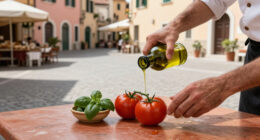
A robust oil with a peppery finish can bring a bowl of white beans to life, especially with rosemary and a squeeze of lemon. Its bitterness and pepper can stand up to earthy beans and herbs, making the drizzle a noticeable part of the dish. A gentler oil may be a better partner for steamed fish or tender greens, where a strong, bitter note could crowd the dish. These are useful starting points, not strict rules: plenty of people love a bold drizzle on delicate vegetables. The practical tradeoff is intensity: a bold oil can add character with just a little, while a mild one is easier to use across many dishes.
If you don’t know the recipient’s taste, choose a tasting flight with two or three small bottles and notes about the olives, region, or suggested use. It gives a curious cook room to compare, though smaller bottles may offer less oil per dollar than one larger bottle. In the kitchen, tasting is simple: pour a little oil into a small cup, warm it in your hands, smell it, then taste it with bread or a plain piece of cooked potato. Trying each oil in the same simple way helps reveal differences without other ingredients masking them.
That’s a bit like comparing apples at a market: once you taste them side by side, the differences become much easier to describe. A set with thoughtful tasting notes makes that first comparison less intimidating and gives the recipient ideas for using each bottle. But even a vivid flavor can fade if the oil has spent too long on a sunny shelf.
Check the harvest and packaging before you buy
To choose fresh oil, look for a harvest date when available, then check whether the bottle protects its contents from light and air. Olive oil does not improve with age, and a “best before” date alone may not tell you when the olives were picked. The harvest date gives a better starting point for comparing freshness; the best-before date is still useful for knowing the producer’s guidance, but it can’t substitute for knowing when the oil was made. Freshness information is especially useful when you’re spending extra for a set built around a particular harvest.
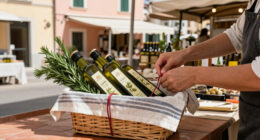
Dark glass and tins help shield oil from light; smaller bottles can help a recipient finish an opened oil while its aromas still feel lively. Imagine a home cook reaching for a 250-milliliter tin on a Tuesday night instead of nursing a large bottle for months. That convenient size may matter more than an elaborate wooden crate. Larger bottles can be better value for a household that uses oil often, while smaller ones reduce the time an opened bottle sits around. Choose based on likely use, since protective packaging cannot preserve flavor indefinitely once a bottle is open.
After opening, store the oil tightly closed in a cool, dark cupboard, away from the stove and direct sunlight. Heat, light, and air can wear down its flavor. Follow the producer’s date guidance and use the bottle regularly while it tastes fresh. There isn’t one universal shelf life that suits every oil and storage setup; the practical goal is to limit exposure and avoid buying more than the recipient is likely to use while the oil is at its best.
Quick check: Choose a gift set with a named producer, a clear origin statement, and packaging that keeps light away from the oil.
Those details don’t make the gift less romantic. They make it more likely that the first pour tastes as bright as the story on the label. And once you know what the oil offers, you can judge whether the rest of the box adds real value.
Compare gift sets by usefulness, not bottle count
The best set offers a clear reason for every item inside: a chance to taste, cook, or pair the oil. More bottles can be useful for someone who enjoys comparing styles, but a large collection with vague origins may offer less value than one excellent bottle and a practical tasting card. Bottle count alone hides important differences: compare the total oil quantity, how much guidance each bottle comes with, and whether the recipient can use the extras. Check the oil quantity, source details, freshness information, and packaging before you compare prices.
| Set style | Good fit | What to check |
|---|---|---|
| One versatile bottle with a pairing guide | A new cook or a host | Clear origin, useful size, and everyday recipe suggestions |
| Two or three regional oils | A curious taster | Named regions or cultivars and enough notes to compare them |
| Oil with balsamic vinegar or pasta | A cook who likes a ready-to-use bundle | Ingredient details, dietary needs, and whether each extra will be eaten |
For instance, if your sister already has a crowded kitchen, she may get more pleasure from two small oils and a printed bread-and-bean pairing than from a ceramic pourer she’ll need to store. Gift sets combine well with balsamic vinegar, sea salt, pasta, or preserves when those additions suit the recipient and have their own clear labels. An extra earns its space when it creates an easy first meal or tasting; otherwise, it can raise the price and leave the recipient with something they won’t use.
A useful tasting card can explain why a peppery oil might flatter lentils while a milder one makes a gentle finish for roasted squash. Choose a set with extras that lead to a meal, not just a photograph. That brings us to the most personal decision: choosing a set for the way someone cooks.
Use this quick checklist to match the gift to the cook
Match the set to how the recipient eats, cooks, and shops: a beginner benefits from clear guidance, while an enthusiast may enjoy distinct oils from named regions or cultivars. The right choice balances discovery with convenience: a varied set offers a tasting experience, while a familiar, versatile bottle is more likely to become part of everyday cooking. A simple checklist helps you avoid choosing on packaging alone. Imagine you have five minutes at a market stall before dinner; these questions will guide you toward the bottle you can explain with confidence.
- Check origin: Find the producer and the statement about where the olives were grown and the oil made.
- Look for freshness: Choose a harvest date when available, and check the producer’s storage and date guidance.
- Match flavor to food: Pick mild or versatile oil for a new cook, or a varied tasting flight for someone who likes bold finishes.
- Inspect protection and size: Prefer dark glass or tins, and choose bottle sizes the recipient can use while fresh.
- Read the extras: Confirm that pasta, vinegar, salt, or preserves suit the recipient’s diet and will be used.
For a host who serves dinner to a crowd, one versatile bottle with bread and a pairing card may disappear by the end of the evening. For a food-loving colleague who keeps notes on every meal, several small bottles from different regions create a tasting to revisit. If their preferences are a mystery, variety and useful descriptions give them room to explore, though a tasting set is only a good fit if they’ll enjoy spending time comparing the oils.
Some producers highlight recyclable materials, lighter packaging, or local sourcing. Treat those as specific claims to check on the maker’s site or label; a green box by itself doesn’t tell you what was sourced locally or how the packaging can be recycled. The details matter because packaging claims may refer to different things: the box, the bottle, or the ingredients. A thoughtful gift makes a meal easier to enjoy, and a few basic food-safety habits keep it that way.
Give useful pairing ideas and store the oil safely
A good pairing note gives the recipient a quick first use for the oil without turning the gift into homework. Suggest drizzling a robust oil over beans or toasted bread, then trying a delicate one with vegetables or fish. The oil’s flavor can change with heat, so a particularly distinctive bottle may shine most clearly as a finishing drizzle, even though extra virgin oil is suitable for many everyday cooking methods. This lets the recipient appreciate its aroma directly; using it in a dish with long cooking can make subtle differences harder to taste.
For a real first-night scenario, set a shallow dish of olive oil beside warm bread, add a pinch of salt, and let everyone taste before dinner. A tasting card might ask the cook to notice fresh-grass aromas, a soft fruitiness, or a peppery tickle at the back of the throat. Pairings stay personal: one diner’s favorite finishing oil may seem too assertive to another. Offering bread first gives everyone a simple baseline, then they can decide which oil suits the meal they’re about to eat.
Italian olive oil gift sets can also include food, so check ingredient labels for allergies and dietary needs. Pasta contains wheat, a common allergen; some flavored oils or accompanying products may include other allergens. If the set contains wine or another alcoholic drink, give it only to adults and encourage responsible drinking. Keep food items sealed and follow each product’s storage directions. Checking these details before gifting makes it easier for the recipient to enjoy the whole set without guessing what is inside.
After the first pour, close the bottle tightly and put it in a cool, dark cupboard rather than beside the cooker. That small habit helps protect the aromas the gift was chosen for. When you’re ready to buy, let the label and the recipient’s table guide your final choice.
Frequently Asked Questions
Is “Made in Italy” the same as 100% Italian olives?
No. “Made in Italy” may describe where oil was produced, bottled, or packaged, and it does not by itself confirm where every olive grew. Check the origin statement and producer details for the sourcing information you want.
What do DOP/PDO and IGP/PGI mean on olive oil?
DOP/PDO and IGP/PGI are protected geographical indications tied to defined places and production rules. They can help you understand a product’s origin, but they do not guarantee a specific flavor or personal preference.
Should I choose mild or robust olive oil as a gift?
Choose mild or versatile oil for someone who is new to tasting or often cooks delicate foods. A robust, peppery oil suits someone who enjoys bold finishing drizzles on bread, beans, or hearty vegetables. If you aren’t sure, look for a set with several styles.
Can extra virgin olive oil be used for cooking?
Yes. Extra virgin olive oil works for many everyday cooking methods, though heat can change its aroma and flavor. If a bottle has a particularly distinctive taste, the recipient may enjoy it most as a dressing or finishing oil.
How should I store olive oil after opening?
Keep it tightly closed in a cool, dark place away from the stove and direct sunlight. Use it regularly while fresh, follow the producer’s date guidance, and avoid transferring it to a clear container where light can reach it.