TL;DR
Estratto di pomodoro, also called strattu, is a dense Sicilian tomato concentrate traditionally made by slowly reducing strained ripe tomatoes in the summer sun. Start with a teaspoon or two, cook it briefly in olive oil with aromatics, and taste before adding salt; it brings depth to pasta, beans, soups, and braises without adding much liquid.
A teaspoon of Sicilian tomato paste can turn a quiet pot of chickpeas a deep brick red, with a savory sweetness that hangs around after each bite. That intensity comes from estratto di pomodoro, a concentrated tomato preserve tied to Sicily’s summer harvest and often called strattu (Sicilian tomato extract).

Get kitchen staples and gadgets delivered free with Prime
- Fast, free delivery on millions of items
- Prime Video, Amazon Music and more included
- Member-only deals all year
Traditionally, cooks made it by straining ripe tomatoes and spreading the purée in the sun until it thickened. The method preserves the season in a jar, but products and production methods vary: some makers still dry outdoors, while others use controlled low-temperature processes. This guide shows you what estratto is, how it differs from ordinary tomato paste and sun-dried tomatoes, and how to cook with it without overpowering dinner.
You’ll get practical starting amounts, a simple way to build it into a sauce, ideas for pasta and beans, and storage pointers. Think of it as a concentrated pantry ingredient, not a finished sauce. A little goes a long way.
Estratto di pomodoro, or strattu, is a Sicilian tomato concentrate traditionally reduced and dried in the sun.
Start with one or two teaspoons for a dish serving two to four people, then taste; concentration and salt vary.
Stir the paste into warm olive oil or loosen it with a little warm water or broth so it disperses evenly.
Estratto is a paste, not the same thing as sun-dried tomato pieces or a complete sauce.
After opening, follow the jar’s storage directions, use a clean utensil, and discard it if you see mold or smell something off.
Estratto di Pomodoro A little goes a long way
This concentrated Sicilian tomato paste brings deep, savory flavor to everyday dishes. Start small, disperse it in warm oil or liquid, and taste before seasoning.
A summer harvest, concentrated
Traditionally, ripe tomatoes were strained and dried in the Sicilian sun until thick; methods vary by producer today.
Known as strattu
This dense preserve is especially associated with western Sicily, including the Trapani area.
Methods vary
Some makers dry purée outdoors; others use controlled low-temperature processes.
How it compares
The form matters: estratto blends through a dish, while sun-dried tomatoes bring pieces.
| Ingredient | Form | Kitchen use |
|---|---|---|
| Estratto di pomodoro | Dense, concentrated paste | Stir into oil, sauces, beans, or soup |
| Regular tomato paste | Smooth, thick paste | Cook briefly with aromatics |
| Sun-dried tomatoes | Dried pieces, sometimes in oil | Chop into pasta, salads, or fillings |
Build it into a sauce
Brief cooking in warm oil helps the paste disperse and meld with the other ingredients.
Cook onion or garlic gently in olive oil until fragrant.
Press the estratto through the warm oil; loosen firm paste with warm water or broth if needed.
Stir in the dish’s liquid, vegetables, or beans. Taste before adding salt.
Where it works well
Use it where concentrated tomato flavor can spread through oil, broth, or cooking juices.
- Pasta sauces with vegetables or legumes
- Chickpeas, white beans, and soups
- Slow braises and savory fillings
- Add oil, aromatics, or liquid as the recipe needs
- Check the label for salt
- Follow the jar’s storage directions after opening
What Is Estratto di Pomodoro, and Why Does It Taste So Intense?
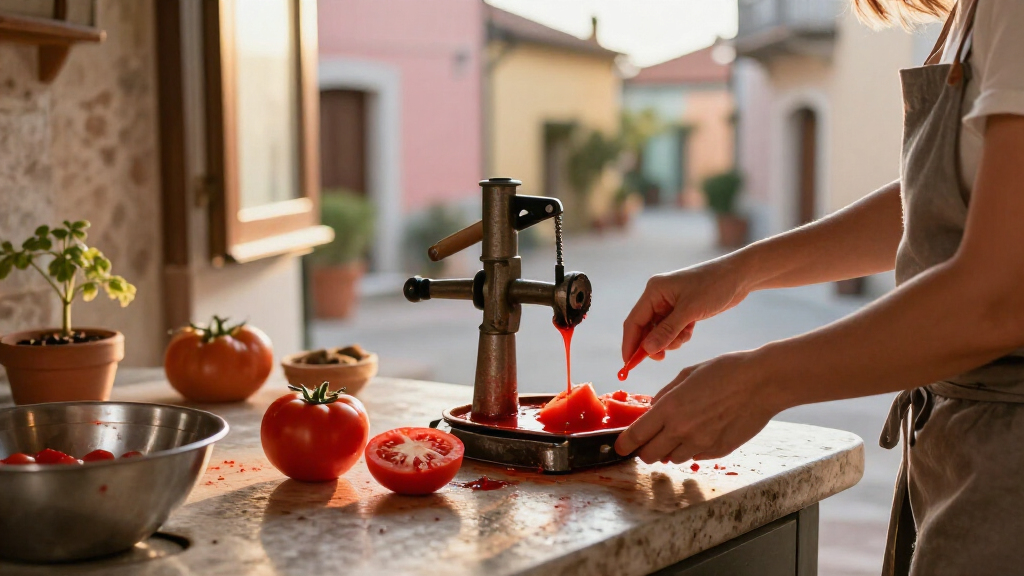
Estratto di pomodoro is a concentrated tomato paste traditionally made in Sicily by cooking ripe tomatoes, straining them, and slowly drying the purée in the sun until it becomes thick. The long reduction removes water and concentrates the tomato’s sweet, tangy, savory flavor. In Sicilian dialect, you may see it called strattu.
In western Sicily, including the Trapani area, families traditionally spread the purée across wide boards or trays during summer. They stirred it as it reduced and protected it from dust and insects; the process could take several days. The scene is practical as much as picturesque: a summer crop becomes a dense preserve that can add tomato flavor to winter meals.
Today, methods vary. Some small producers still use outdoor sun drying, while others rely on controlled low-temperature processes for more consistent production and hygiene. So the phrase “sun-dried” describes a tradition, but it does not guarantee that every jar was dried outdoors. Check the producer’s description if the method matters to you.
The finished paste can be spoonable or quite firm, depending on the tomatoes, drying time, salt, and local practice. For instance, a dab stirred into warm olive oil smells sweet and roasted, while the same dab tasted straight from the jar can seem intensely savory. Start with a small amount and let it cook into the dish.
Products Worth Considering

Dyson V15 Detect Cordless Vacuum

Philips Hue Play HDMI Sync Box 8K

Bose TV Speaker Compact Soundbar with Bluetooth and HDMI-ARC, Black
As an affiliate, we earn on qualifying purchases.
How Is Estratto Different from Tomato Paste and Sun-Dried Tomatoes?
Estratto di pomodoro is usually thicker and more intensely concentrated than standard tomato paste, while sun-dried tomatoes are generally preserved as whole or cut pieces. These foods share a tomato base, but their texture and use in the kitchen differ. The label and the product itself tell you more than the name alone.
| Ingredient | Typical form | How you might use it |
|---|---|---|
| Estratto di pomodoro | Dense paste; salt and texture vary | Stir a little into oil, sauce, beans, or soup |
| Regular tomato paste | Smooth, thick paste, often sold in tubes or cans | Cook briefly with aromatics to deepen a sauce |
| Sun-dried tomatoes | Dried tomato pieces, sometimes packed in oil | Chop for salads, pasta, bread, or savory fillings |
For instance, chopped oil-packed sun-dried tomatoes bring chewy pieces and their packing oil to pasta. A small spoonful of estratto instead disperses through the sauce and makes the whole dish taste more tomato-rich without adding much liquid. That makes it handy in a thick bean stew or a pan of braised vegetables.
Substitution works, with a tradeoff. If you have only regular tomato paste, try a little more than the amount of estratto called for and fry it briefly in oil; it may taste less concentrated, so reduce other liquid only if the recipe needs to stay thick. There is no universal conversion because products vary.
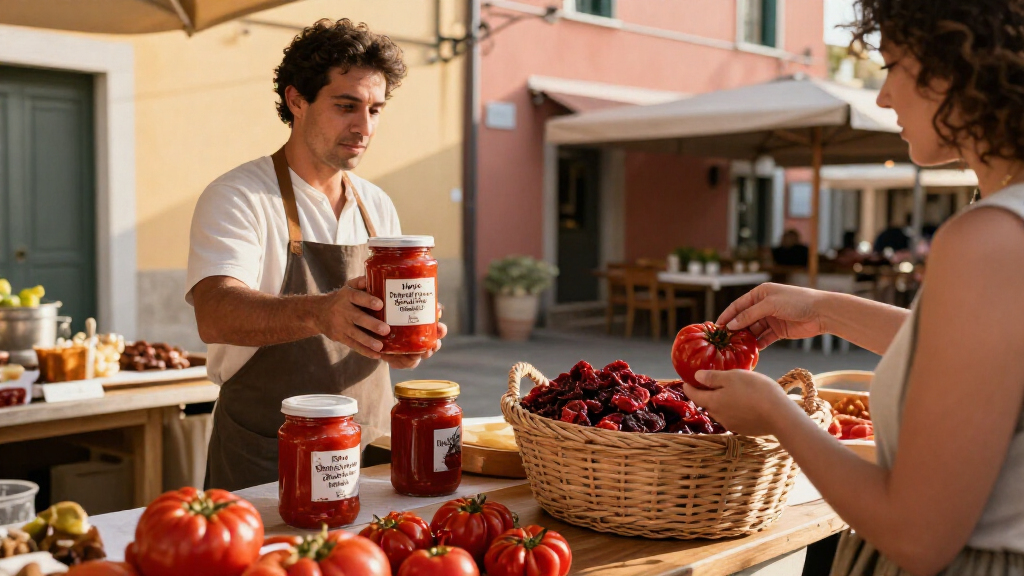
How to Add Estratto to a Sauce Without Making It Too Strong
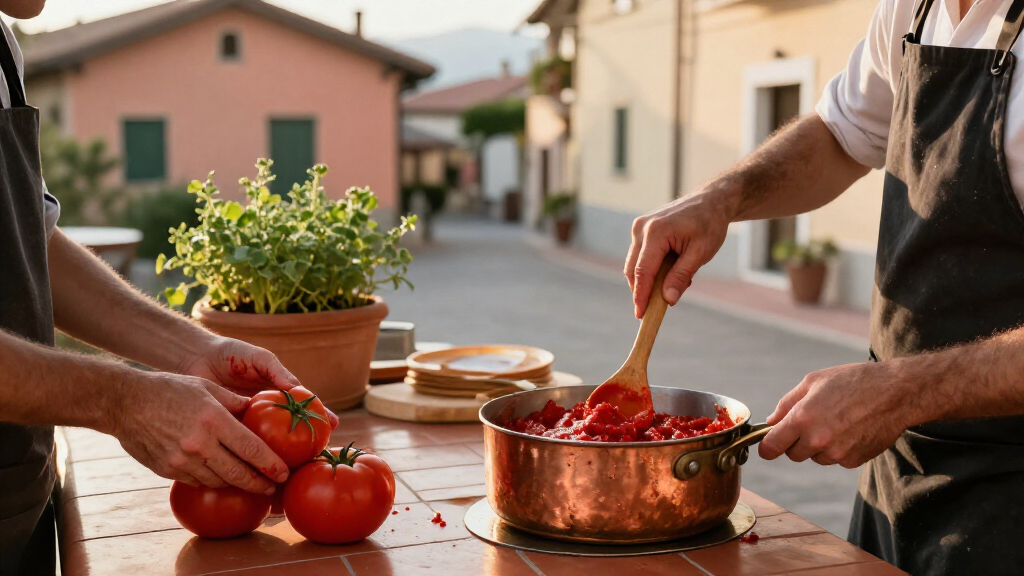
Estratto di pomodoro is easiest to use when you first disperse it in warm oil or a splash of liquid. For a dish serving two to four people, start with one or two teaspoons, then taste before adding more. This small measure gives the tomato flavor room to meld with the other ingredients.
- Warm your aromatics. Cook chopped onion or garlic gently in olive oil until fragrant and soft, not browned.
- Stir in the estratto. Add one teaspoon, pressing and smearing it through the oil for about 30 seconds.
- Add the rest of the dish. Pour in broth, tomatoes, vegetables, or cooked beans, and stir until the paste is evenly distributed.
- Taste before salting. Some estratto contains salt, and the concentrated flavor can make a dish seem more seasoned than it is.
Picture a quick weekday tomato sauce: softened onion, a teaspoon of estratto, a can of tomatoes, and enough cooking water to loosen it. The paste colors the oil a dark red and gives the sauce a deeper base than the canned tomatoes alone. You can also whisk it with a little warm water or broth before adding it to a recipe, especially if the jar holds a firm paste.
Cooking it briefly helps it blend, but avoid scorching it over high heat; a bitter note can spoil the sweetness. Estratto supplies intensity, not every element of a sauce. You’ll still need liquid, aromatics, and seasoning that suit the meal.
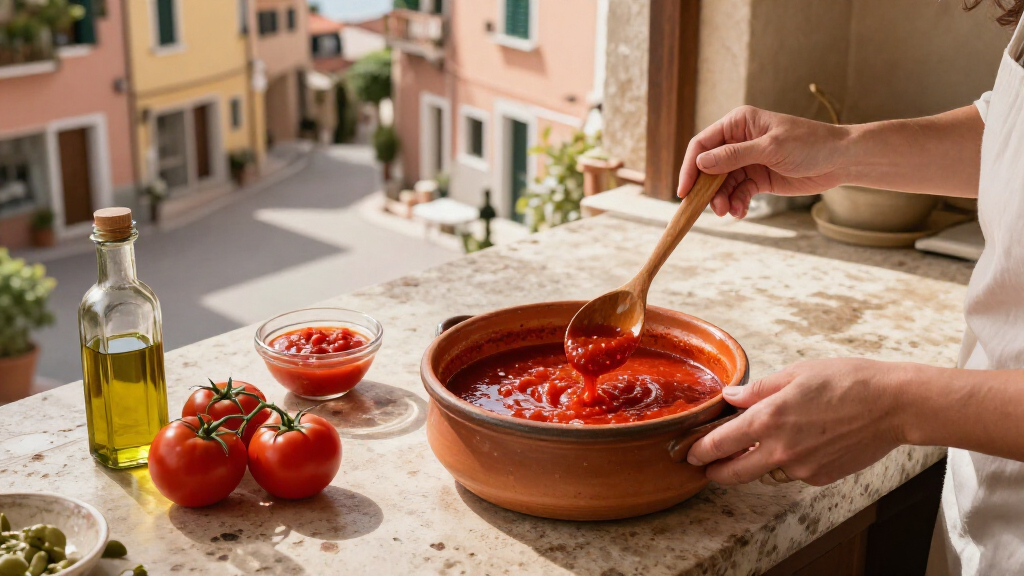
Which Sicilian-Inspired Dishes Let Estratto Shine?
Estratto di pomodoro works best in dishes where a small amount of concentrated tomato can spread through oil, broth, or cooking juices. Try it in pasta sauces, vegetable soups, bean dishes, and slow braises. These are practical places to use it because the paste brings depth without thinning the pot.
For a simple pasta dinner, warm olive oil with sliced garlic, stir in a teaspoon of estratto, and add a splash of pasta water before tossing with the noodles. Add sautéed zucchini or cooked greens, then taste. The paste gives the oil a dark red sheen and a more savory tomato flavor than a quick sauce made with fresh tomatoes alone.
Beans are another good match. Stir a little estratto into the onion and celery base for chickpeas or white beans, then add broth and let the pot simmer until the flavors meet. It lends the broth a rounded, almost sweet tomato note. If you make a large batch, keep the recipe’s salt modest until the end, particularly if your jar lists salt in the ingredients.
You can also spread a thin layer on bread or mix it into a savory filling. For a quick lunch, blend a dab with olive oil and herbs, spread it over toasted bread, and top with roasted vegetables. Treat it as a seasoning or base, not as a complete sauce; olive oil, herbs, and other ingredients bring balance.

How to Choose a Jar and Store It Safely
Choose estratto di pomodoro by checking the ingredient list, texture, and producer’s storage directions. Recipes differ by tomato variety, ripeness, drying time, salt, and production method, so two jars may not taste alike. A short ingredient list can help you see whether you are buying a simple tomato-and-salt paste or a version with additional seasonings.
At a specialty shop, compare the texture through the glass if you can. A thick, firm paste may need mixing with oil or warm water before it spreads; a softer one may stir straight into a sauce. If you’re buying online, read the producer’s description for information about drying method and ingredients. Some versions are traditionally sun dried, but not all products follow the same process.
Once opened, follow the package instructions. Many versions call for refrigeration; use a clean utensil each time and keep the surface protected from air. Some producers recommend a thin layer of olive oil over the paste, but follow the jar’s directions rather than assuming every product stores the same way.
Discard the paste if you see mold, unusual bubbling, or notice an off smell. For example, if you uncover a jar and find a fuzzy patch where your spoon touched the surface, don’t scrape it away and keep using the rest. Good storage preserves the concentrated flavor; safe storage protects your meal.
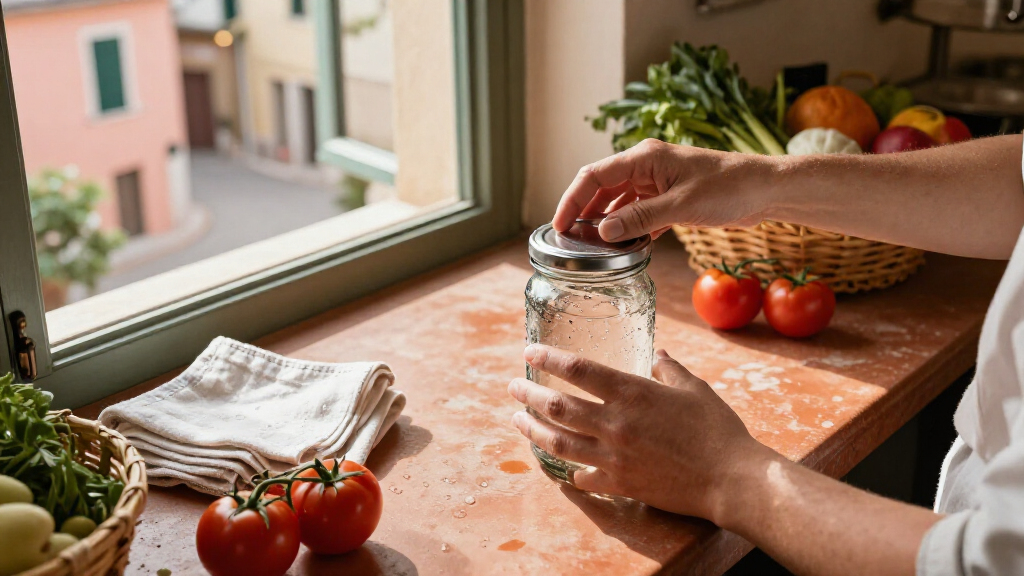
Can You Make Estratto at Home? Know the Time and Safety Tradeoffs
Estratto di pomodoro can be made at home by cooking ripe tomatoes, straining them, and reducing the purée, but traditional sun drying takes time and requires careful protection. The aim is a thick paste, not a jar of watery sauce. Your method and local weather determine how practical the process will be.
In Sicily, summer sun made it possible to spread tomato purée over trays and stir it as it dried. At home, reliable hot, dry weather matters, along with protection from insects and dust. If humidity rises or the weather turns, outdoor drying becomes less predictable. A low oven or dehydrator gives you more control over the temperature and the drying environment.
For instance, if you have a basket of ripe tomatoes but only a rainy week ahead, cooking and straining them before using a controlled low-temperature method is more practical than leaving uncovered trays outside. Keep the paste thinly spread and watch its texture; reducing water gradually helps it turn dense without scorching. Follow a tested food-preservation recipe for processing and storage rather than guessing at shelf stability.
Homemade paste is not automatically shelf stable just because it is thick. Cool and store it according to a reliable preservation method, and refrigerate or freeze it when the recipe calls for that. For many cooks, a producer’s jar is the easiest way to bring Sicily’s preserved tomato flavor into the kitchen without managing a multi-day drying process.
Frequently Asked Questions
Is estratto di pomodoro the same as regular tomato paste?
They are similar, but estratto is often thicker and more intensely concentrated. Products vary, so check the ingredients and texture. Regular tomato paste can work as a substitute, though the flavor may be less intense.
How much estratto should I use?
Start with about one or two teaspoons for a dish serving two to four people, then taste and add more if needed. Salt content and concentration vary by jar, so season gradually.
Do I need to dilute estratto before cooking?
No. You can stir it into warm olive oil with your aromatics, which helps it spread through a dish. If it is very firm, whisk it with a little warm water or broth first.
Is estratto di pomodoro spicy, vegetarian, or vegan?
Simple estratto made from tomatoes and salt is usually not spicy and is generally vegetarian and vegan. Check the label, since products and added seasonings differ.
How should I store estratto after opening?
Follow the producer’s directions; many versions should be refrigerated after opening. Use a clean utensil and protect the surface as directed. Discard it if you see mold, unusual bubbling, or an off smell.
Can I make estratto at home?
Yes, by cooking and straining ripe tomatoes, then reducing the purée. Traditional outdoor drying needs reliably hot, dry weather and careful protection from contamination; a low oven or dehydrator offers more control. Use a tested preservation recipe for safe storage.
Conclusion
Remember estratto di pomodoro as Sicily’s summer tomato harvest in concentrated form: start with a teaspoon, warm it in olive oil, and taste before adding salt. Whether it seasons chickpeas, colors a pasta sauce, or deepens a pot of braised vegetables, it works best when you let its intense tomato flavor support the dish.
Keep a jar beside your olive oil and garlic. On a cold evening, that dark red spoonful can bring a little Sicilian summer back to the stove.