TL;DR
Pane frattau is a traditional Sardinian dish made by briefly softening thin sheets of pane carasau and layering them with tomato sauce and grated cheese, often Sardinian pecorino. A poached egg commonly tops the warm layers, adding a rich yolk sauce; quick dipping keeps the bread tender without letting it collapse.
A sheet of pane carasau can crackle like paper in your hands, then turn tender in seconds with a dip in hot broth. That change is the heart of pane frattau, a Sardinian dish that layers softened flatbread with tomato sauce and cheese, usually finishing with a poached egg.

Get kitchen staples and gadgets delivered free with Prime
- Fast, free delivery on millions of items
- Prime Video, Amazon Music and more included
- Member-only deals all year
If you have bread, sauce, and a little pecorino, you can make a satisfying lunch that feels very different from pasta or lasagna. The key is timing: soften each sheet briefly, build the layers while the ingredients are warm, and serve before the bread loses its shape.
This guide explains what belongs in the dish, why pane carasau has a place in Sardinian food traditions, and how to make a home version with ingredients you can find. You’ll also get practical answers about substitutions, preparation ahead, food safety, and what to serve alongside it.
Pane carasau is the crisp Sardinian flatbread; pane frattau is the layered dish made with it.
Dip each sheet briefly in hot water or broth so it bends without collapsing.
Use tomato sauce and grated Sardinian pecorino, such as Pecorino Sardo DOP when available.
A poached egg is a common topping, and its yolk becomes an extra sauce when broken.
Prepare sauce ahead if useful, but assemble shortly before serving for the best texture.
Pane Frattau From Crisp Bread to a Warm Layered Meal
This Sardinian dish softens crisp pane carasau with warm tomato sauce and cheese, often finished with a poached egg. Brief dipping keeps the layers tender and ready to serve.
Two names, two things
Pane carasau is the bread; pane frattau is the meal made with it.
- Thin, crisp Sardinian flatbread
- Known as “music paper” bread
- Made to keep well
- Softened bread layered with tomato sauce
- Grated cheese, often pecorino
- Commonly topped with a poached egg
Build it while warm
Prepare the sauce and cheese first so each softened sheet can go straight onto the plate.
Keep tomato sauce hot and spoonable.
Use hot water or broth; lift the bread as soon as it bends.
Stack with sauce and grated cheese, then add a poached egg if desired.
Let the ingredients do their jobs
Each layer adds flavor and helps turn durable flatbread into a satisfying meal.
Tender with a little chew
A quick dip softens pane carasau while helping it hold its shape.
Salty, savory depth
Sardinian pecorino is typical; a sharp, salty sheep’s-milk cheese can work too.
A second sauce
The yolk runs into the warm layers when broken. The egg is common but optional.
Plan for the right texture
The bread can turn mushy if it sits too long after softening.
| Prepare ahead | Finish just before serving |
|---|---|
| Tomato sauce | Dip the bread |
| Grate the cheese | Layer and serve warm |
| Choose water or broth | Poach and add the egg, if using |
What makes pane frattau a Sardinian meal worth knowing?
Pane frattau is a traditional Sardinian dish made by layering thin sheets of pane carasau with tomato sauce and grated cheese, commonly topped with a poached egg. The bread softens as it absorbs moisture, leaving the center tender and saucy with a little chew. Think of it as a transformation of crisp flatbread into a hot meal, not simply bread served beside a sauce.
Pane carasau is often called carta da musica, or “music paper,” because the sheets are so thin and crisp. Its long-lasting quality suited shepherds spending extended stretches away from home. Pane frattau takes that practical pantry staple and gives it warmth, moisture, and enough richness to make lunch feel complete.
On a cool day in Sardinia’s interior, a plate of softened bread, tomato, salty sheep’s-milk cheese, and egg makes sense as sustaining food. At home, you can get a similar balance by keeping the tomato bright rather than heavy and letting the bread remain visible between the layers.
The name is associated with the dish’s preparation, but its precise linguistic origin is uncertain. You may see confident translations in casual accounts; treat them cautiously. The dish itself is easier to describe than the disputed history of its name.
Products Worth Considering

iRobot Roomba Plus 405 Combo Vacuum and Mop Robot with AutoWash Dock

TCL 85-Inch QM6K QLED Mini LED 4K HDR Smart Google TV, 144Hz

TCL 55-Inch F7D Series QLED 4K UHD Smart Fire TV (2026)
As an affiliate, we earn on qualifying purchases.
Why the bread changes from crisp to tender in seconds
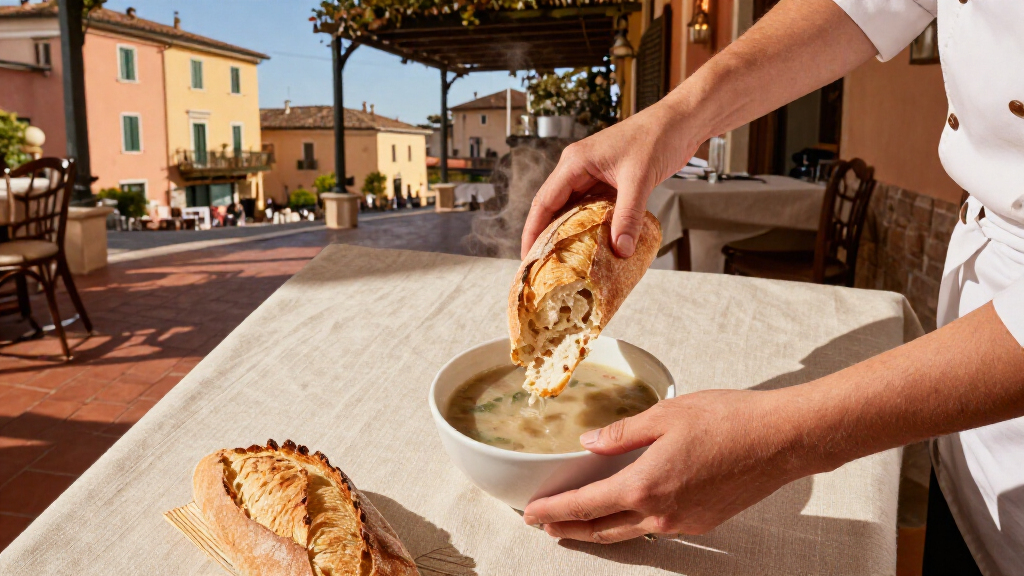
Pane carasau is the crisp flatbread; pane frattau is the prepared dish that uses it. That distinction matters when you shop: a bag of the dry sheets is the starting ingredient, while the name pane frattau refers to the assembled meal. The sheets are unusually thin, so a short dip in hot water or broth makes them bendable much faster than ordinary bread.
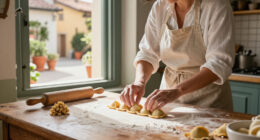
For example, if you’re assembling two individual portions, dip one sheet at a time and lift it as soon as it yields. A brief contact is usually enough; leaving it submerged while you grate cheese or stir the sauce invites it to tear. The goal is pliable, not limp.
Some cooks moisten the bread with broth, others use water, and some rely more heavily on the tomato sauce. Broth gives a savory undertone, but water lets the tomato and pecorino speak clearly. There is no single fixed household method, so choose the liquid that fits your sauce and the saltiness of your cheese.
This is a dish where small timing choices shape the texture. Assemble it like you would a stack of warm towels: each layer should bend and settle, but still hold enough structure to lift with a fork.
How to layer pane frattau without making it mushy
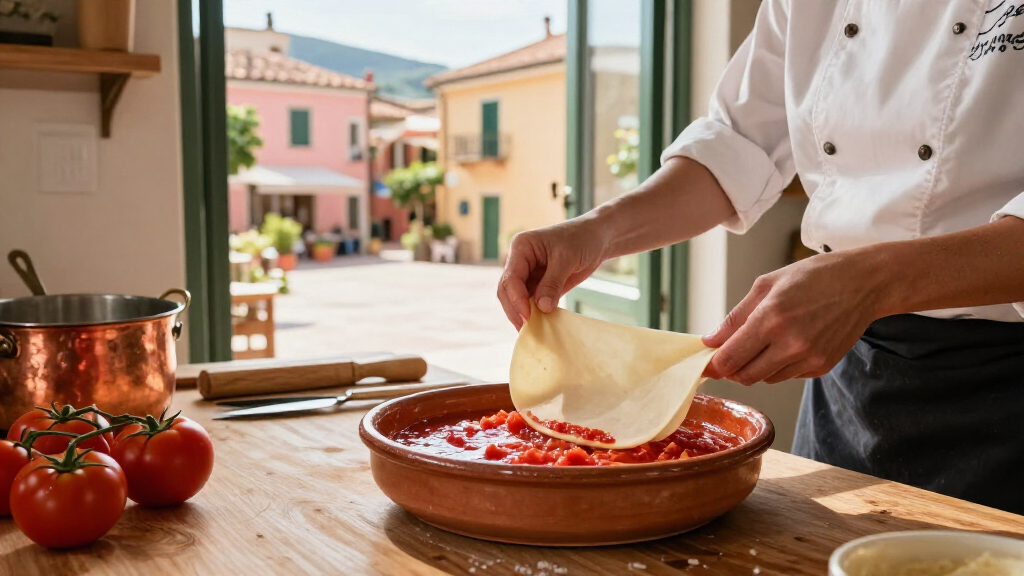
To make pane frattau, warm the sauce, dip the bread briefly, then layer it with cheese and serve at once. Prepare the sauce and grate the cheese before soaking any bread. That way, each softened sheet moves straight from the water or broth to the plate while it still has enough structure to hold its shape.
- Warm the tomato sauce. Keep it spoonable and hot, not reduced to a paste. A simple tomato sauce works well because the pecorino and egg add plenty of savory depth.
- Set up hot water or broth. Use a wide dish or shallow pan so a sheet can dip quickly. Keep a slotted spoon or clean hands ready to lift it.
- Dip one sheet briefly. Remove it as soon as it becomes flexible. If it starts sagging under its own weight, it has soaked too long.
- Layer bread, sauce, and grated cheese. Repeat for a small stack, seasoning each level lightly. For two diners, make separate portions so each person gets a neat top and egg.
- Poach the egg and finish. Set it on top, add a final dusting of cheese, and serve while the yolk is warm and runny.
Imagine your first attempt on a busy weeknight: if the sauce, cheese, and plates are ready before the bread gets wet, the assembly feels calm and quick. If you soak all the sheets first, the first ones may already be slack by the time you reach the last.
Choose pecorino and sauce that let the bread shine
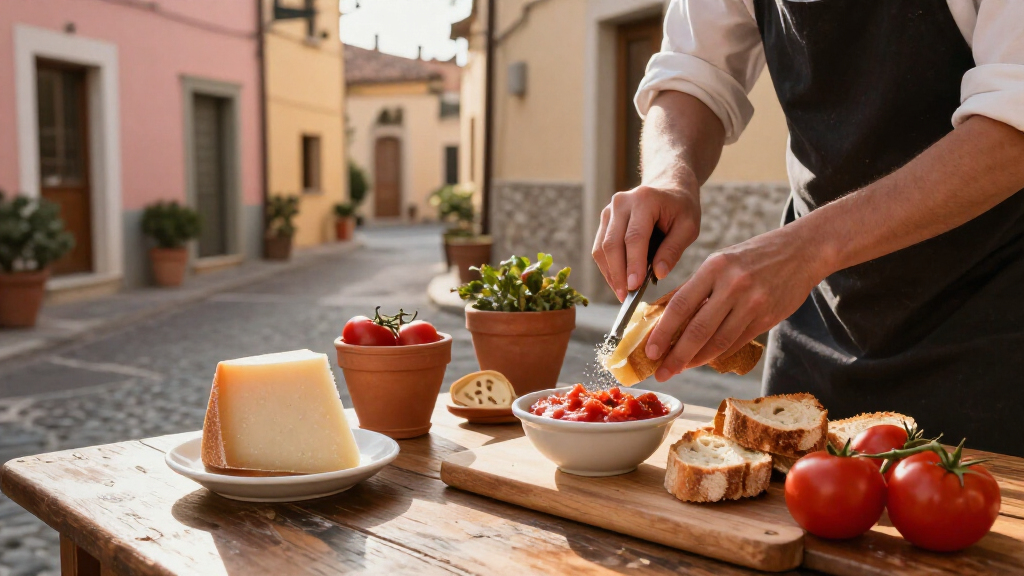
Sardinian pecorino is a typical cheese choice for pane frattau, bringing a salty, sheep’s-milk bite to sweet tomato and soft bread. If you can find Pecorino Sardo DOP, it gives the dish a clear regional connection. Grate it finely so it melts into the warm layers instead of sitting in thick, chewy clumps.
If Sardinian pecorino isn’t available, choose another sharp, salty sheep’s-milk cheese. A less assertive cheese can work, but you may need a slightly more generous grating to keep the tomato from dominating. Taste the sauce before adding salt; pecorino can contribute plenty on its own.
Tomato sauce is the familiar topping today, though the earliest form and exact history of pane frattau are not firmly documented. A simple sauce is practical: gently cook tomatoes with olive oil and perhaps garlic, then stop before it becomes dense. A heavily reduced sauce may leave the bread dry in some places and sodden in others.
For a summer lunch, ripe tomatoes cooked briefly can keep the flavor light and vivid. In colder months, a good canned tomato sauce can supply the same bright red color and warmth. Either way, spoon sauce across the sheet rather than flooding the plate; you want the bread to absorb it gradually.
Treat the egg as the final sauce, not a decoration
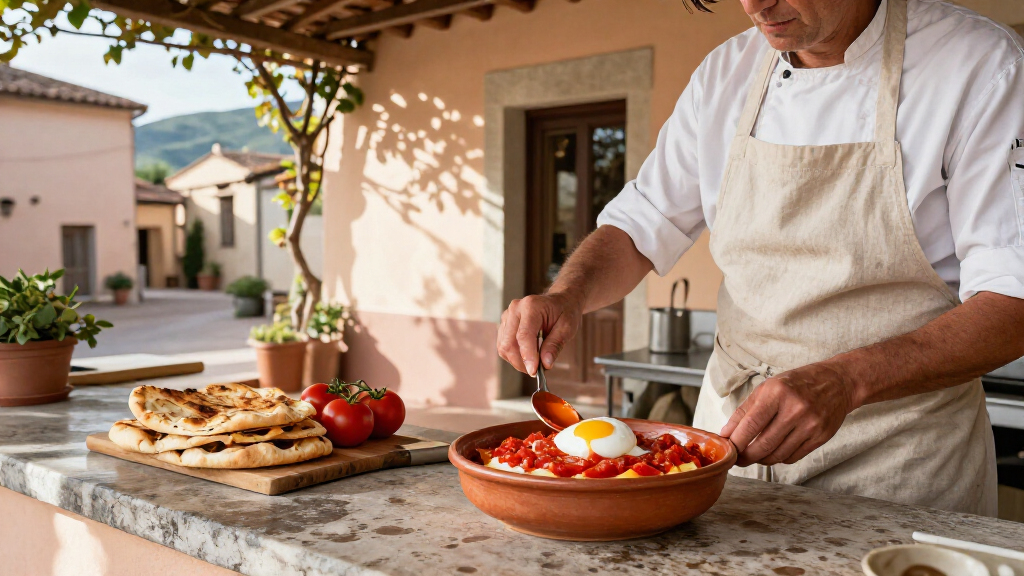
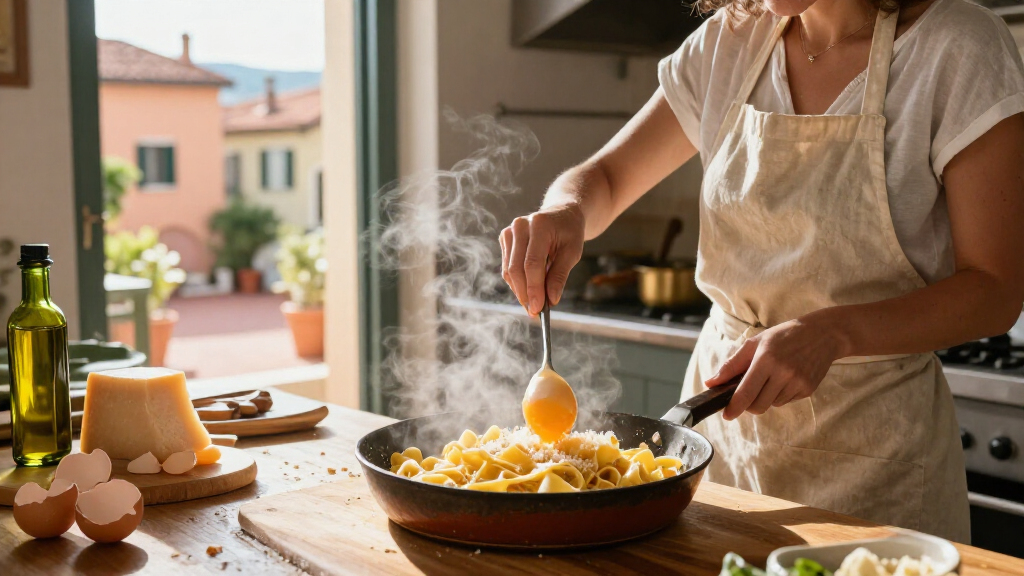
The poached egg adds a second sauce to pane frattau: when you break the yolk, it runs over the tomato-soaked bread and mixes with the cheese. The egg is common, but it is not required for the basic layered dish. If you skip it, add a little extra grated cheese or serve a green salad beside the plate for contrast.
For a home lunch, poach one egg per serving and place it on top just before eating. A gently set white and flowing yolk give the best contrast with the soft bread. If your egg breaks in the pan, don’t discard it; a softly cooked egg can still enrich the dish, even if the presentation looks less tidy.
Use clean eggs, keep them refrigerated until cooking, and cook the white until set. People at higher risk from foodborne illness should choose fully cooked eggs rather than runny yolks. If your version includes broth, reheat it thoroughly before dipping, and serve the finished dish promptly while warm.
One practical variation is to prepare the sauce and grate the cheese earlier, then poach the egg while the layers are being assembled. That short sequence leaves the yolk hot and ready to break at the table, rather than cooling on the counter while you finish the rest of lunch.
Know what “cucina povera” means in this dish
Pane frattau is often described as cucina povera, or “resourceful cooking,” because it turns durable bread and a few everyday ingredients into a filling meal. The phrase points to ingenuity, not to one official recipe. Sardinian households and towns can differ in how they soften the bread, season the sauce, or choose the cheese.
That variation is useful when you cook it. If you have vegetable broth left from a pot of vegetables, use it to soften the sheets. If your pecorino is especially salty, grate less and season the sauce lightly. The dish adapts to a kitchen’s real ingredients while keeping its defining structure: softened pane carasau, sauce, cheese, and often egg.
Modern menus and food writing have brought pane frattau to diners beyond Sardinia, and cooks sometimes add richer sauces or different toppings. Those are variations, not proof that a single “authentic” version has been replaced. If you’re trying it in a Sardinian restaurant, asking how that kitchen prepares the bread can be more useful than searching for one definitive formula.
At home, you can honor the tradition without turning dinner into a history lesson: buy the right bread, soften it with care, and let the ingredients remain recognizable. A humble stack can feel special because every layer has a job.
Serve it fresh, with a simple side that cuts the richness
Pane frattau is filling on its own, so a small, crisp side usually works better than another heavy dish. A bowl of bitter greens dressed with olive oil and vinegar clears the palate between bites of soft bread, tomato, and egg. In spring, tender greens are a natural fit; in cooler months, try roasted seasonal vegetables served alongside rather than layered into the dish.
Because the bread keeps absorbing liquid, pane frattau is best assembled shortly before serving. You can make the sauce ahead and refrigerate it, then reheat it until steaming before you build the layers. Keep perishable ingredients chilled until needed, and refrigerate leftovers promptly in a covered container; the texture will soften further, so reheating won’t restore the original layers.
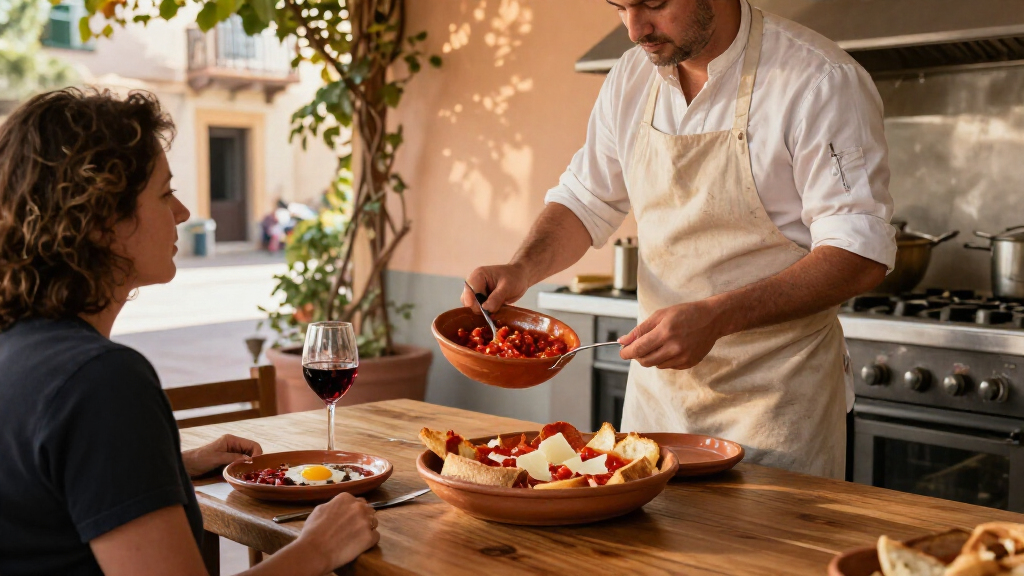
For a casual table of four, set out the warm sauce, cheese, and softened sheets in sequence and assemble each plate as people sit down. That small bit of planning helps everyone eat while the center remains tender rather than waterlogged. Individual portions also make it easier to give each diner a freshly poached egg.
Pane frattau pairs naturally with water or a nonalcoholic drink. If adults choose wine, keep it moderate and serve responsibly; the dish needs no elaborate pairing to taste complete. A bright salad and a warm plate are enough.
Frequently Asked Questions
What is pane frattau?
Pane frattau is a Sardinian dish of pane carasau briefly softened and layered with tomato sauce and grated cheese, often topped with a poached egg. The bread becomes tender and saucy while keeping some chew.
Is pane frattau the same as pane carasau?
No. Pane carasau is the thin, crisp flatbread, sometimes called “music paper” bread. Pane frattau is a finished meal made by layering that bread with sauce and cheese.
What cheese should I use?
Sardinian pecorino is a typical choice; Pecorino Sardo DOP offers a direct regional connection. If you can’t find it, use a sharp, salty sheep’s-milk cheese and taste before adding salt to the sauce.
Can I make pane frattau without an egg?
Yes. The egg is a common finishing touch rather than a requirement. Leave it off for a simpler dish, or add a little more cheese; use vegetable broth and check the cheese’s rennet if vegetarian ingredients matter to you.
Can I prepare it ahead?
You can make the sauce ahead and refrigerate it, then reheat it thoroughly before serving. Soften and layer the bread just before eating, since it continues absorbing liquid and can turn soggy if it sits.
How is pane frattau different from lasagna?
Both dishes have layers, but pane frattau uses thin flatbread rather than pasta sheets. The bread softens during assembly, giving the dish a lighter, more delicate structure than baked lasagna.
Conclusion
Remember the timing: pane frattau depends on bread that softens quickly but still holds its shape. Warm the sauce, grate the cheese, and set out the plates before you dip the first sheet.
Then bring the dish to the table while the layers are tender and the egg yolk still runs gold through the tomato. That small, warm stack is Sardinia’s crisp pantry bread turned into lunch.