TL;DR
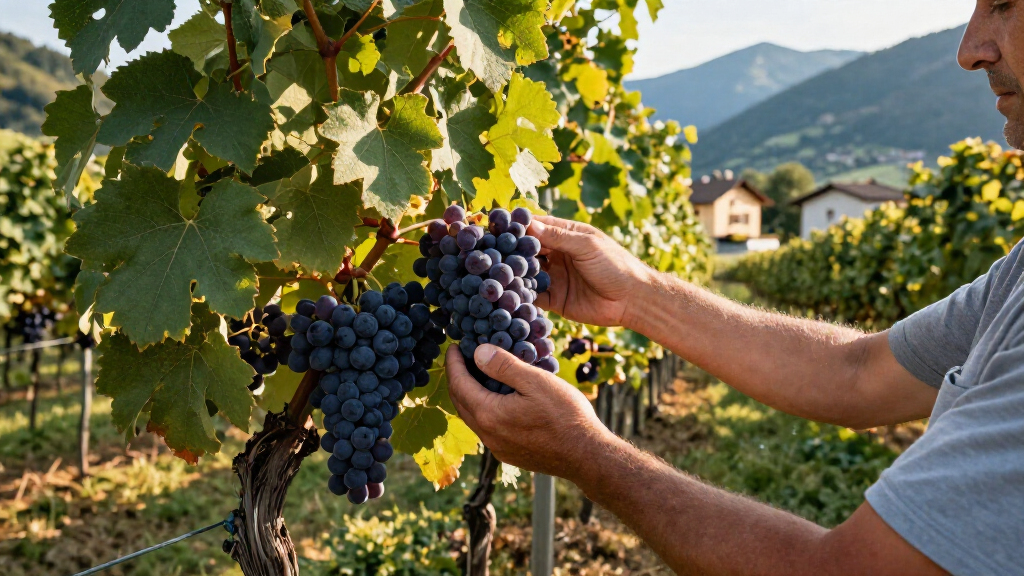
Teroldego is a local red grape closely associated with the Piana Rotaliana, the fertile plain north of Trento, and Teroldego Rotaliano DOC has held Italian appellation status since 1971. Expect a dry red with deep color, dark cherry or plum, and acidity that suits speck, sausage, mushrooms, and polenta; serve it around 16–18°C and adjust for the wine’s weight.
A red wine can taste both dark and bright at once. In Trentino, Teroldego often brings black cherry and plum to the glass, then follows with the lively acidity that makes you reach for another bite of food.

Get kitchen staples and gadgets delivered free with Prime
- Fast, free delivery on millions of items
- Prime Video, Amazon Music and more included
- Member-only deals all year
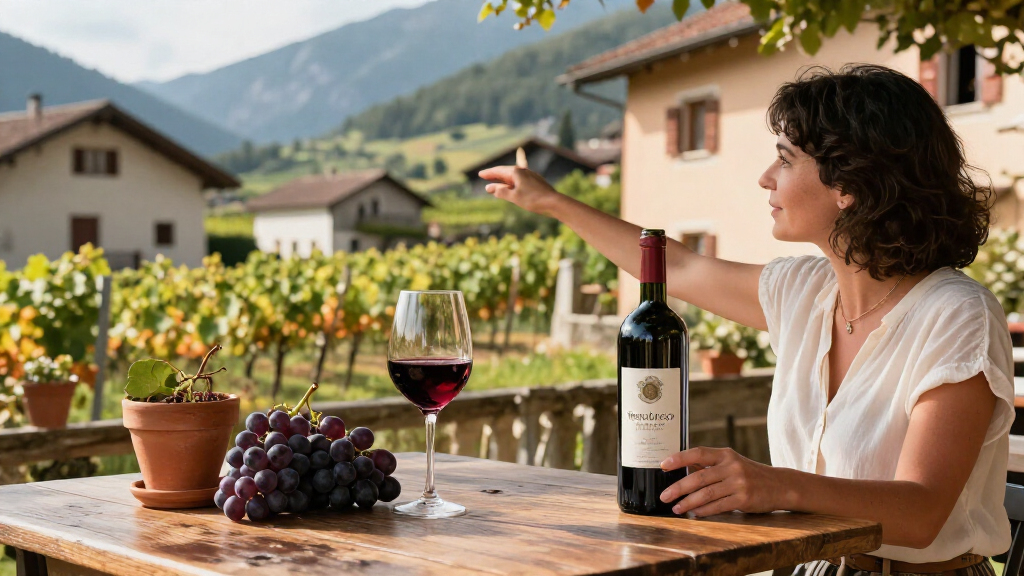
The grape’s best-known home is the Piana Rotaliana, a broad plain north of Trento, where river deposits left gravel, sand, and stones beneath the vines. This guide shows you what to expect from Teroldego Rotaliano DOC, how the valley floor shapes its character, and what to serve beside it, from speck to a pot of soft polenta.
You’ll also get practical advice for choosing a style, serving temperature, decanting, and aging. You don’t need a cellar or a special occasion to enjoy this wine; a bottle and a plate of mushrooms can make an ordinary autumn evening feel rooted in Trentino.
Teroldego is the grape; Teroldego Rotaliano DOC is the denomination connected to its home in the Piana Rotaliana.
The DOC dates to 1971, and its vineyards cluster around Mezzolombardo, Mezzocorona, and San Michele all’Adige.
Expect deep ruby-to-purple color, dark fruit, and often lively acidity, but tannin and structure vary by bottle.
Pair it with speck, sausage, polenta, mushrooms, braised meat, tomato-based food, or aged cheese.
Start service around 16–18°C; younger lighter wines can be served slightly cooler, while structured examples may benefit from a short decant.
Trentino’s valley-floor red Teroldego Rotaliano
A local grape rooted in the Piana Rotaliana, known for dark fruit, deep color and lively acidity. Here’s how place, style and serving choices shape the bottle and the meal.
Know the grape and its home
Teroldego names the grape; Teroldego Rotaliano DOC connects it to a specific place in Trentino.
Piana Rotaliana
The plain lies north of Trento between the Adige River and the foothills of the Dolomites.
A valley-floor wine
Vineyards cluster around Mezzolombardo, Mezzocorona and San Michele all’Adige.
Read the glass
Bottle character varies with site, vintage and winemaking, so use these as guideposts rather than promises.
| What to notice | Typical expression | What it means at the table |
|---|---|---|
| Color and fruit | Deep ruby to purple; cherry, plum or blackberry | Dark fruit pairs well with hearty food. |
| Freshness | Lively acidity | Helps balance rich dishes and tomato-based food. |
| Structure | Tannin varies by bottle | More structured wines suit protein or aged cheese. |
Choose a style for the meal
Match the wine’s weight and structure to the occasion.
- Fruit-forward red with grilled sausage or polenta
- Mushrooms, speck or tomato-based dishes
- Younger, lighter bottlings may suit slightly cooler service
- Structured bottling with braised meat or aged cheese
- Short decant for a young, tannic wine
- Ask about producer, vintage and style before keeping a bottle
Why the valley floor matters
Rivers and Alpine streams deposited gravel, sand and stones across the plain, creating well-drained vineyard sites. Mountain and river corridors shape local temperature and airflow, supporting ripe fruit while helping wines retain freshness.
- Soil, exposure and vine age vary across the plain.
- Producer choices also shape the wine’s balance and structure.
- The name’s proposed link to “Tirolo” remains debated.
Know what Teroldego Rotaliano on the label means
Teroldego is a red grape variety; Teroldego Rotaliano DOC is the denomination tied to its historic home in Trentino’s Piana Rotaliana. The wine has held DOC status since 1971, and the label helps you connect the grape to a specific place rather than treating it as a generic northern Italian red.
The plain lies north of Trento, around Mezzolombardo, Mezzocorona, and San Michele all’Adige. Imagine cycling along a flat valley road with the mountains rising at either side: vineyards occupy the floor between the Adige River and the foothills of the Dolomites. That geography gives the appellation its sense of place.
Teroldego is generally treated as a distinct local variety. You may see its name linked to “Tirolo,” but the name’s origin remains debated, so treat that explanation as a suggestion rather than settled fact. At the shop, look for the full words Teroldego Rotaliano DOC, then check the producer and style. The denomination covers wines made primarily from Teroldego; permitted blends and other production details can depend on current rules, so consult the latest appellation regulations if the exact composition matters.
That distinction helps when you’re comparing bottles. “Teroldego” tells you the grape; “Rotaliano” points you toward its recognized regional expression. The producer’s choices still matter, but the place on the label gives you a useful starting point for your first glass.
Products Worth Considering

iRobot Roomba Plus 405 Combo Vacuum and Mop Robot with AutoWash Dock

TCL 85-Inch QM6K QLED Mini LED 4K HDR Smart Google TV, 144Hz

TCL 55-Inch F7D Series QLED 4K UHD Smart Fire TV (2026)
As an affiliate, we earn on qualifying purchases.
Taste the dark fruit without losing the Alpine freshness
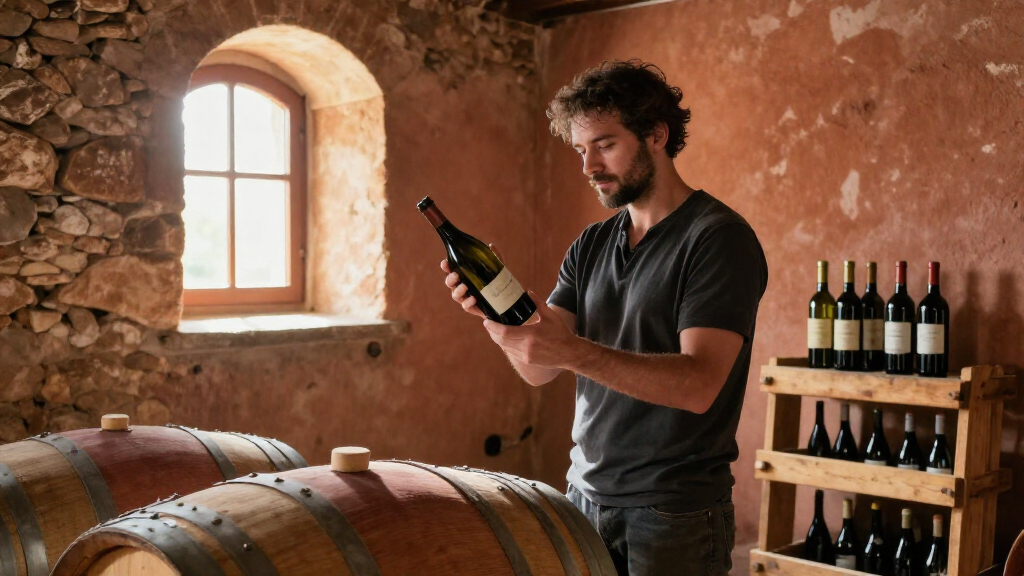
Teroldego Rotaliano is usually a dry, deeply colored red with flavors of black cherry, plum, or blackberry and acidity that can keep the finish lively. A first sip may feel plush and dark; a second sip after a bite of sausage often shows why freshness matters as much as fruit.
In the glass, color commonly runs from deep ruby to purple. You may find violet in the aroma, followed by spice, herbs, or earthy notes, though each bottle’s character depends on site, vintage, and winemaking. Tannin can feel gentle in a fruit-forward wine or firmer in a more structured one. The grape gives you a helpful profile, not a promise that every bottle tastes identical.
Teroldego Rotaliano reds are generally dry, but check the label for the specific style and any sweetness information. For example, if you pour a young, fruit-focused bottle at dinner, ripe plum flavors can make it feel generous without making it sweet. If you prefer reds with a little grip, seek a structured bottling and pair it with protein or aged cheese.
The useful contrast is in the wine’s balance: dark fruit can suggest weight, while lively acidity keeps the mouth from feeling tired. Think of a bowl of blackberry-colored fruit with a cool mountain breeze passing through the window. That combination makes Teroldego comfortable at the table, even when the dish has richness.
See how the stony valley floor shapes the wine
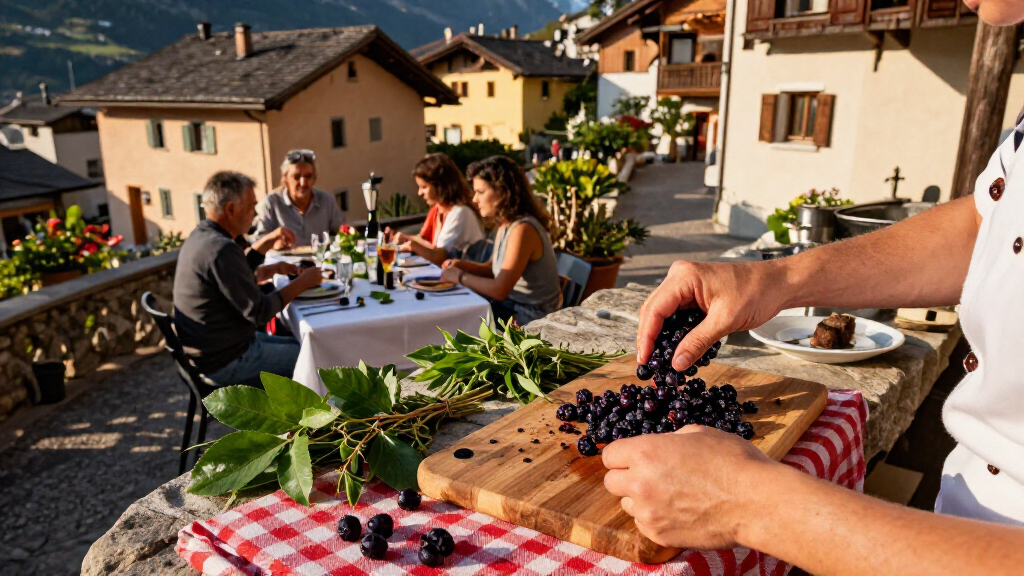
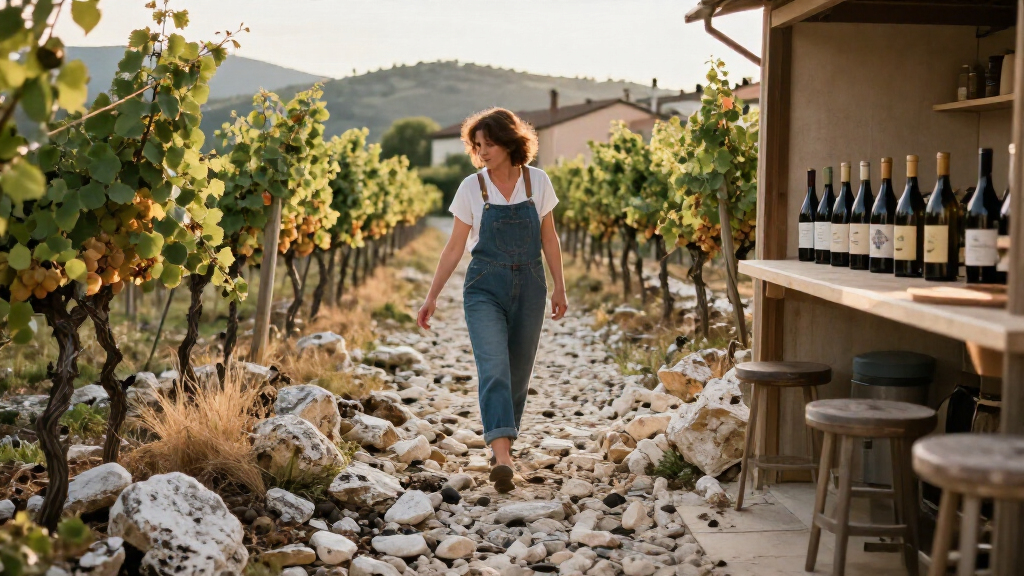
The Piana Rotaliana’s alluvial soils come from rivers and Alpine streams that deposited gravel, sand, and stones across the valley floor. These well-drained sites form a defining part of the local wine story, while the plain’s position between mountains and river corridors shapes temperature and airflow. The result can support ripe fruit while helping the wine keep its freshness.
“Alluvial” simply means material carried and laid down by flowing water. Picture a vineyard after a summer rain: water slips through a stony surface more readily than it would through dense, sticky ground. That detail matters because a valley floor is not one uniform slab of gravel. Soil composition, exposure, vine age, and a producer’s decisions all affect what reaches your glass.
The plain’s setting also helps explain why the wine doesn’t have to taste heavy just because its color is intense. Fruit ripens in a region shaped by Alpine surroundings, and producers can aim for different balances between juicy fruit, structure, and freshness. One bottle may suit a simple Tuesday meal; another may ask for a roast or a little time in a decanter.
If you visit Trentino, use this landscape as part of the tasting. Mezzolombardo and Mezzocorona make practical reference points for understanding where the grape grows. A glass poured after a walk through the plain will taste tied to a real valley, not just a tasting note. That’s the heart of Teroldego’s identity: a local grape shaped by a particular floor of river stone and mountain air.
Choose a bottle for a Tuesday dinner or a longer meal
Teroldego Rotaliano comes in different styles, from fruit-forward reds made for earlier drinking to more structured versions aged in wood, and rosé styles may also appear. Start with the kind of meal you’re planning: an easy red for sausage and polenta calls for a different weight than a bottle you’ll open alongside braised meat.
Look at the producer’s description and the wine’s stated style, rather than assuming that the denomination alone tells you how much oak or aging it has seen. Oak can add texture and spice, but it may shift attention away from fresh fruit. If you enjoy bright cherry and uncomplicated drinking, a younger, fruit-led version may be a better match than a more structured bottle.
Use this quick guide when you’re choosing:
- For a casual meal: Choose a fruit-forward red and pair it with grilled sausage or a tomato-based pasta.
- For a richer main dish: Try a more structured bottling with braised meat or aged cheese.
- For a lighter table wine: Look for a rosé style if it’s available, and serve it according to the producer’s guidance.
- For a bottle to keep: Ask the merchant about the producer and vintage; aging potential depends on style, producer, and year.
This isn’t a ranking. It’s a way to match weight and mood. If you’re buying for guests who usually drink lighter reds, a younger, fruit-focused Teroldego gives them a welcoming first taste of Trentino. For a long Sunday lunch, a structured example can stand up to a slow-cooked dish without disappearing.
Pair Teroldego with the foods Trentino puts on the table
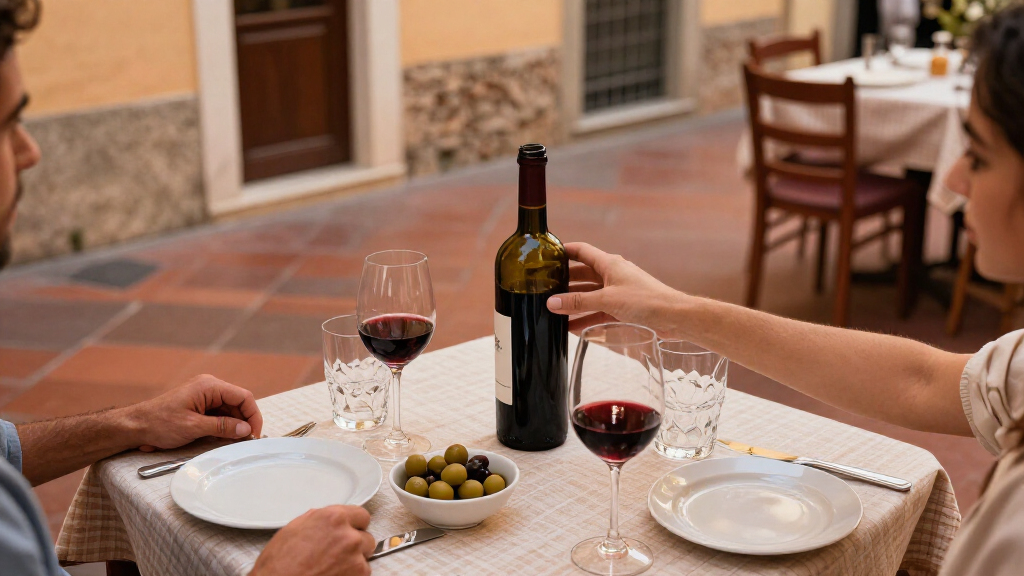
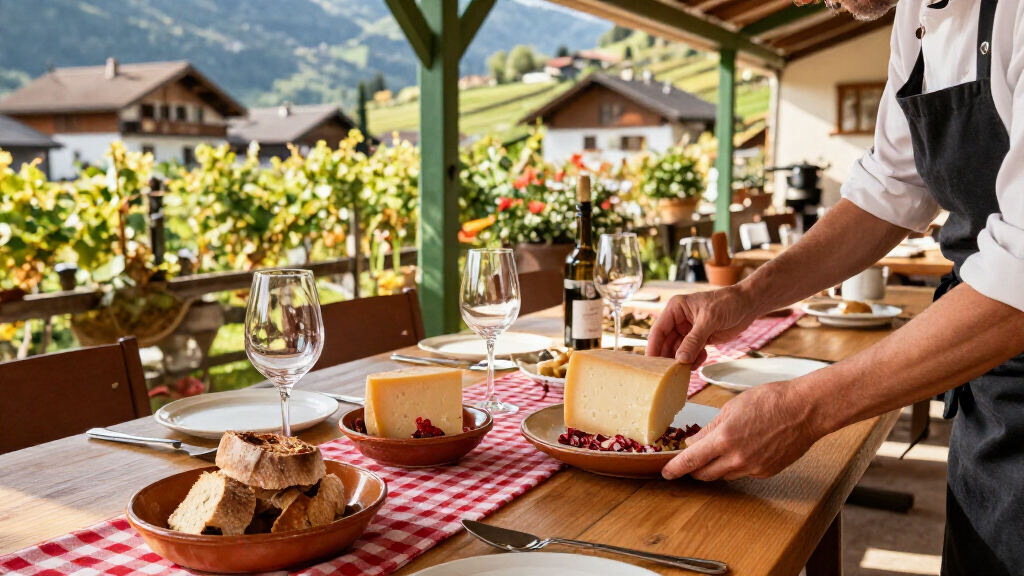
Teroldego’s fruit, acidity, and variable tannin make it a natural partner for Trentino foods such as speck, sausages, polenta, mushrooms, and braised or grilled meats. Its acidity can also work well with tomato-based dishes and aged cheeses. For a simple regional-style dinner, try grilled sausage with soft polenta and sautéed mushrooms.
Speck is a cured, lightly smoked ham associated with the Alpine food traditions of northern Italy. Its savory smoke gives dark-fruited wine something to answer; the wine’s acidity can clear the palate between bites. Mushrooms bring an earthy note that echoes the herbal or earthy side you may find in a bottle.
For a cooler evening, make polenta and serve it under braised meat. Polenta is a cornmeal preparation, often cooked until smooth and soft; its mild flavor makes a welcoming base for both the dish’s sauce and the wine’s fruit. If you’re having tomato pasta instead, the wine’s freshness can meet the tomato’s acidity without making the meal feel too rich.
Think about texture as well as flavor. A firm, tannic red can feel dry beside a lean dish, while a bite of sausage or aged cheese softens that impression. When you don’t know the bottle yet, put a small plate of speck, bread, and cheese on the table; it gives guests a relaxed introduction and makes the wine easier to read.
Serve it at the right temperature and decide whether to decant
Serve most Teroldego Rotaliano reds at about 16–18°C (roughly 61–64°F) as a starting point. A younger, lighter bottle may show better slightly cooler, while a structured red can benefit from a little time in the glass. Temperature changes how fruit and alcohol feel, so a bottle that seems warm and heavy may simply need a short chill.
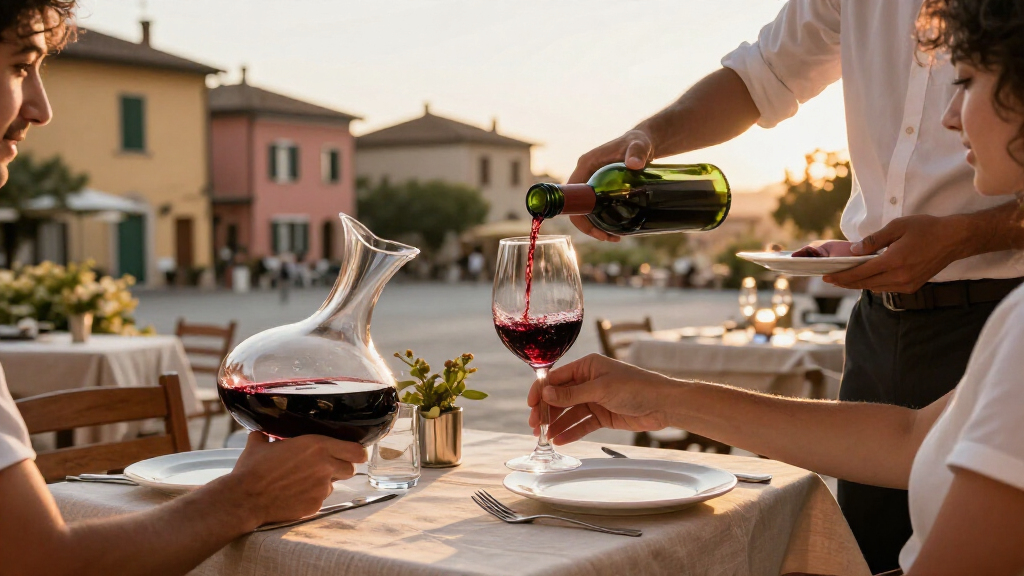
Try a practical sequence: take the bottle from a cool cellar or refrigerator, pour a small taste, and wait a few minutes before deciding it needs more air. If it smells closed and feels firm with tannin, a short decant can help it open. A fruit-focused young wine may be ready as soon as you pull the cork.
- Check the bottle’s temperature. Aim near 16–18°C for most reds; adjust a lighter style a little cooler.
- Pour a small taste. Notice whether the fruit smells open or muted.
- Give a structured wine air. Try a short decant, then taste again rather than leaving it for hours by default.
- Serve with food. A bite of speck or aged cheese can reveal the wine’s balance more clearly.
For example, if a bottle opened at a warm kitchen table smells mostly of alcohol, place it in the refrigerator briefly and taste again. Keep opened wine refrigerated and recorked; follow the producer’s advice for the particular bottle. Wine contains alcohol, so enjoy it responsibly and only if you’re of legal drinking age.
Age it only when the bottle’s structure calls for patience
Many Teroldego Rotaliano wines are enjoyable young, while more structured examples can benefit from a few years in bottle. There is no single aging rule for every producer or vintage. The right move depends on how the wine was made and what you enjoy: fresh black cherry today, or a more settled bottle after some time.
A fruit-forward red bought for grilled sausages is often best opened while its primary fruit is lively. A more tannic, structured wine may soften with bottle age, but age doesn’t guarantee improvement. If you have two bottles from the same producer, opening one now and keeping the other for a couple of years can show you what time changes—provided you store the second properly.
Keep wine in a cool, dark place with a steady temperature, away from a sunny kitchen window or radiator. If you’re buying a bottle to cellar, ask the merchant about the producer, vintage, and recommended drinking window rather than relying on the grape name alone. Those details are more useful than a blanket claim that all Teroldego ages well.
At dinner, you can make the question less complicated: open the bottle, taste it with the food, and decide whether its fruit and structure are giving you pleasure now. If a young, firm wine seems tight, a short decant may be all it needs tonight. A few years in a cellar is an option for the right structured example, not an entrance fee to enjoying the grape.
Frequently Asked Questions
What does Teroldego taste like?
Teroldego is typically deeply colored and dark-fruited, with black cherry, plum, or blackberry notes. You may also notice violet, spice, herbs, or earth, while acidity and tannin vary with site, vintage, and winemaking.
Is Teroldego Rotaliano sweet?
Teroldego Rotaliano reds are generally dry. Check the label or producer’s description for the specific bottle, especially if you’re choosing among different styles.
Is Teroldego the same as Teroldego Rotaliano?
Teroldego is the grape; Teroldego Rotaliano DOC is the regional denomination associated with wines made primarily from it. The name connects the wine to the Piana Rotaliana in Trentino.
What food should I serve with Teroldego?
Try speck, grilled sausage, polenta, mushrooms, braised meat, or aged cheese. Its acidity can also work with tomato-based dishes, while a more structured bottle suits richer meals.
Should I decant Teroldego Rotaliano?
A young, tannic bottle may open with a short decant, but a lighter, fruit-focused wine may need little or none. Pour a taste first, then decide whether it smells closed or feels firm.
Does Teroldego need to age?
Many bottles are enjoyable young, and more structured examples may benefit from a few years in bottle. Aging potential depends on producer, vintage, and style; ask a knowledgeable wine merchant about the particular bottle.
Conclusion
When you want a red with dark cherry and plum that still feels fresh at the table, look for Teroldego Rotaliano DOC and start with a bottle from the Piana Rotaliana. Serve it near 16–18°C beside speck, mushrooms, or sausage and polenta; let the wine’s weight guide any decanting or cellaring.
That valley floor is the grape’s address, and you can taste the meeting of river stones, dark fruit, and Alpine air in a good glass. Put dinner on the table, pour slowly, and let Trentino come to you.