
TL;DR

Get kitchen staples and gadgets delivered free with Prime
- Fast, free delivery on millions of items
- Prime Video, Amazon Music and more included
- Member-only deals all year
Cook one batch of polenta, serve half while it is hot and creamy, and spread the rest in a shallow oiled dish before dinner so it can chill and firm up for grilling. For a dependable starting point, use 1 cup coarse or medium cornmeal to about 4 cups liquid, then follow the package directions, since grind and product affect the ratio and cooking time.
A pot of polenta can be creamy at Sunday dinner and crisp-edged a few days later. The small trick that makes both meals work is deciding what to save before you sit down to eat.
Polenta is cornmeal cooked in liquid, a staple with deep roots in northern Italian cooking. In regions such as Lombardy and Veneto, cooks serve it soft beside stews, or let it cool and firm so it can be cut and cooked again. This guide gives you a practical batch to split, explains how to get a smooth texture, and shows you how to chill and grill the second portion safely. The title suggests a two-meal recipe, but it does not establish a tested ratio or timing; use the package guidance for your cornmeal and treat the quantities here as a starting point.
You’ll finish with one warm bowl for today and a shallow pan of polenta ready for another meal. Think of the first serving as a soft blanket for braised beans; the second becomes a sturdy canvas for grilled zucchini and tomatoes.
Use the package directions for your cornmeal’s liquid ratio and cooking time; coarse and instant polenta behave differently.
Whisk cornmeal gradually into hot liquid, then stir and add warm liquid if the pot thickens too much.
Reserve the grilling portion before serving or adding cheese, then spread it about ½ to ¾ inch thick in a shallow dish.
Refrigerate cooked polenta within 2 hours and use it within 3 to 4 days; freeze portions you will keep longer.
Oil chilled slices and the grill surface, then let a browned crust form before turning.
Sunday table · Italian tradition · Two meals
Sunday Polenta: Creamy First, Grilled Later
Cook one pot, serve half while it is hot and soft, then chill the rest in a shallow dish for a second meal. One batch becomes a sauce-catching bowl today and firm, grillable slices later.
Set aside the grilling portion before dinner, toppings, or cheese.
Plan the split before you sit downAt a glance
Two textures, one useful batch
Polenta is cornmeal cooked in liquid. In northern Italian cooking, including Lombardy and Veneto, it may be served soft or cooled until firm enough to cut and cook again.
Soft and creamy
Ladle the hot portion beside braised beans, greens, or a mushroom ragù. Finish with olive oil, butter, cheese, or herbs to taste.
Chill until firm
Spread the reserved portion about ½ to ¾ inch thick in a shallow, lightly oiled dish. Cover and refrigerate promptly.
Grill until browned
Cut the cold slab into pieces, oil both sides and the cooking surface, then wait for a browned crust before turning.
The two-meal flow
Make the split before serving
Cooling sets the cooked cornmeal into a slab. That change gives the same batch two different jobs: catch sauce now, carry toppings later.
Check its package ratio and cooking time; grind and product matter.
Whisk gradually into hot salted liquid, then stir until tender.
Set aside a clean portion before serving or adding dairy and toppings.
Use a shallow dish; cover and refrigerate within 2 hours.
Slice when firm and brown each side before turning.
Starting point · adjust to the label
Build the batch around texture
These amounts are a practical starting point, not a universal tested ratio. Follow the package directions for your chosen cornmeal, especially for instant polenta.
A flexible base
Start with 1 cup coarse or medium cornmeal, about 4 cups water or broth, and salt. Keep extra liquid warm nearby. This often makes about four modest servings, with roughly half reserved.
Read the pot, not just the clock
Bring salted liquid to a gentle simmer. Lower the heat and whisk in cornmeal in a thin stream. Stir across the pot’s bottom and corners as it thickens.
Taste near the package’s finish time: grains should feel tender, not chalky or gritty. If it thickens before they soften, add warm liquid a few tablespoons at a time.
Keep the second portion flexible
Season in stages
Salt the cooking liquid, then finish the creamy bowl to taste. Reserving the grilled portion first leaves more room for dairy-free choices and different toppings.
Water or broth
Water keeps corn flavor clear. Broth adds savory depth and can make grilled vegetables feel complete with less sauce.
Add richness after the split
Stir butter, cheese, olive oil, or herbs into the creamy serving. Set aside a dairy-free portion before adding butter or cheese.
Match each texture
Serve the soft bowl with braised beans or stew. Top grilled slices with zucchini, tomatoes, greens, or a spoonful of ragù.
Cool · store · use
Give leftovers a clear window
Prompt chilling helps keep the make-ahead portion ready for the next meal. Keep it covered and cold, then reheat the creamy serving with a splash of liquid if needed.
Spread the reserved polenta in a shallow dish, cover it, and refrigerate. Do not leave it at room temperature for longer than 2 hours.
Store covered in the refrigerator. Firm, well-chilled polenta is easier to slice and turn on a grill or skillet.
Freeze what you will not use within the refrigerated window. Thaw safely, then reheat or slice and cook until hot throughout.
Brush slices and grill grates with oil. Let the first side brown and release before turning; a grill pan or skillet works too.
Make one pot that can handle two different textures
Sunday polenta works for two meals when you cook a batch, serve some hot and soft, and reserve the rest before dinner to chill and grill later. Cooling changes the texture because the cooked cornmeal sets into a firm slab. That means the split is more than saving leftovers: it gives the same batch two useful roles, one that catches sauce and another sturdy enough to hold toppings.
For a starting batch, measure 1 cup coarse or medium cornmeal and about 4 cups water or broth, plus salt. That often gives you enough for four modest servings, with roughly half reserved for grilling, but cornmeal brands vary. Check the package’s liquid ratio and cooking time first; instant polenta usually needs different proportions and cooks much faster. Following the label matters because a ratio that works for one grind may leave another too stiff to cook through or too loose to set cleanly.
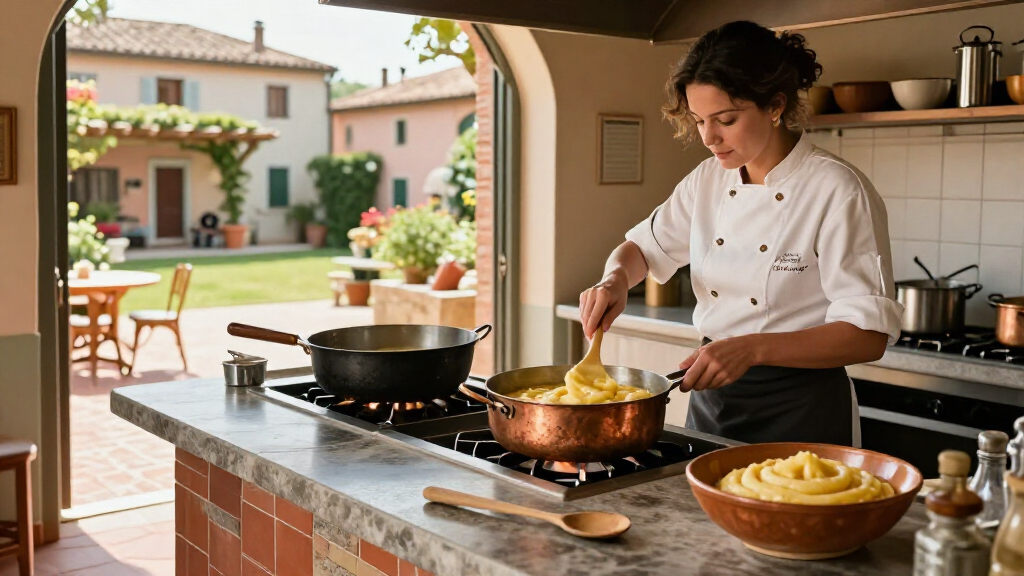
Imagine Sunday dinner in a small kitchen in Veneto: you ladle soft polenta under a mushroom ragù, then spread the rest in a shallow dish while the table is still being set. A good split is about half for tonight and half for the second meal. Reserving the grilling portion before it reaches anyone’s plate keeps it clean and easy to store, and lets you keep it free of toppings or dairy if you want more flexibility later.
Season the cooking liquid with salt, then finish the creamy serving with butter, olive oil, cheese, or herbs to taste. If you plan a dairy-free grilled portion, set that portion aside before stirring cheese or butter into the pot. Adding rich ingredients to the whole batch may taste good tonight, but it can limit the second portion’s pairings; separating it first preserves options without requiring another pot.
As an affiliate, we earn on qualifying purchases.
Choose cornmeal and liquid for the polenta you want
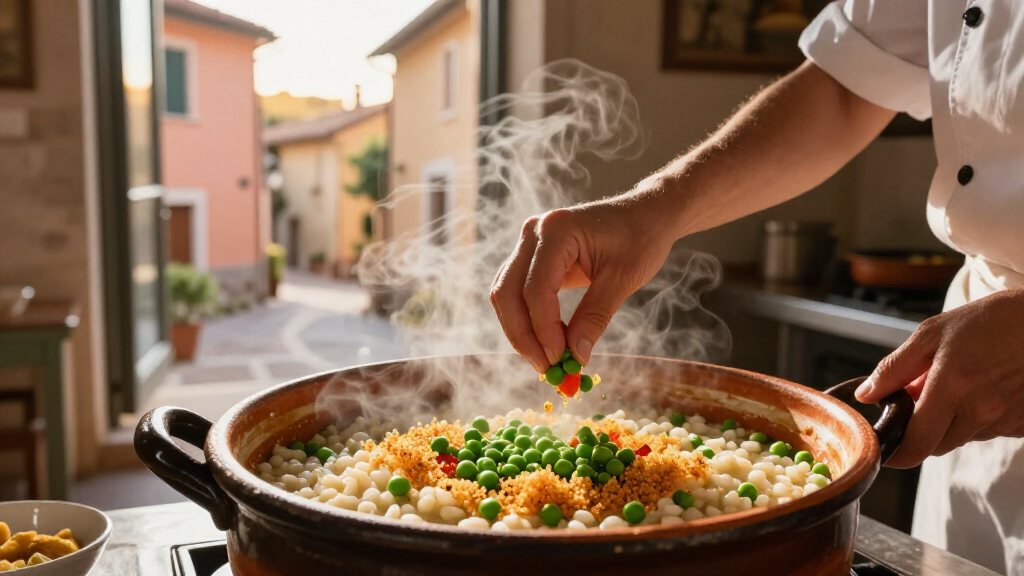
Coarse or medium cornmeal gives traditional polenta a hearty texture, while instant polenta shortens the cook. The right liquid ratio depends on the grind and the package, so use the maker’s directions as your first measure and adjust by texture. A bag marked for quick-cooking polenta may not behave like a bag of coarse meal. The tradeoff is time versus texture: faster-cooking products can make the meal easier to plan, while a coarser grind generally needs more time for its grains to soften.
For the batch above, start with the package’s suggested amount of liquid, then keep a little extra warm water or broth nearby. If the polenta thickens before the grains feel tender, add warm liquid a splash at a time. It should fall from a spoon in a slow ribbon for a creamy serving; the portion you plan to chill can be a little thicker, but not dry or crumbly. This texture check helps distinguish a mixture that is ready to set from one that has simply lost too much moisture: a crumbly slab is harder to slice and more likely to break on the grill.
According to the supplied research notes, the article title does not establish a verified recipe, ratio, or cooking time. That’s why the useful instruction is to follow the chosen product’s label rather than promise that every cornmeal cooks in the same number of minutes. As a kitchen example, instant polenta might be ready in minutes, while a coarse grind can take much longer and need more frequent stirring. Allowing for that variation makes the meal easier to time: judge tenderness by taste, not by the clock alone.
Water keeps the corn flavor clear and lets you control the finish. Broth adds savory depth, especially if your later meal will pair with grilled vegetables. For a creamy dairy-free bowl, cook in water or vegetable broth and finish with olive oil; for a richer version, add butter or cheese only after reserving the portion you want to grill. Choosing water gives toppings more room to define the flavor, while broth seasons the base and may make a simpler second meal taste complete with less added sauce.

Whisk gradually to keep the pot smooth
Whisk the cornmeal into hot liquid gradually to reduce lumps, then stir as it cooks and thickens. Think of adding it like dusting flour into a sauce: a slow stream gives each grain room to separate instead of clumping into stubborn little pebbles. Preventing lumps early matters because they can stay dry inside even as the outside thickens, leaving an uneven texture that is difficult to fix later.
Bring the salted liquid to a gentle simmer. Lower the heat, then pour in the cornmeal in a thin, steady stream while whisking continuously. Once the mixture starts to thicken, switch to a sturdy spoon if the whisk feels trapped. Stir across the bottom and corners of the pot, where polenta can catch before you notice. A gentler heat and steady stirring take a little attention, but help the grains cook evenly and reduce the chance of a scorched taste that would carry into both meals.
Cooking time depends on the grind and the product. Taste a small spoonful near the package’s stated finish time: tender grains should feel soft, not chalky or gritty. If the polenta turns too stiff while the grains still need time, stir in warm liquid, a few tablespoons at a time. For example, if your pot becomes thick while you prepare braised greens, loosen it with warm broth rather than cold water, which can slow cooking and make the texture uneven. Adding liquid in small amounts lets you correct the consistency without overshooting and making the reserved portion too soft to set.
When it tastes tender, set aside the amount for chilling before adding delicate finishing ingredients. Serve the creamy portion right away, since polenta firms quickly as it cools. A final swirl of olive oil, butter, or grated cheese gives the bowl a glossy surface and rounds out the corn’s gentle sweetness. Finishing only the portion you are serving keeps the other half adaptable and avoids having to work those additions into a cold, firm slab later.
Serve the first half while it is soft and steaming
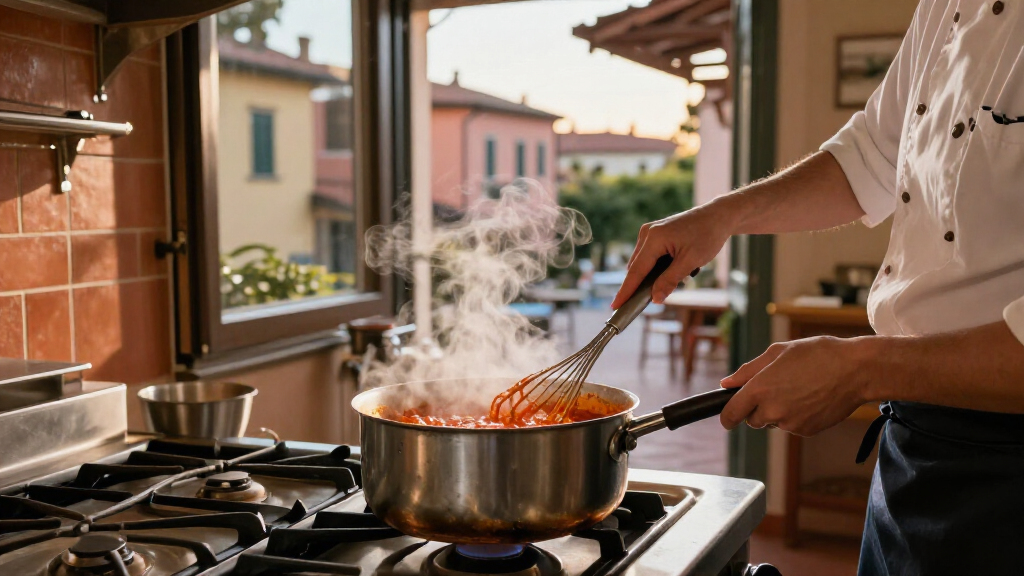
Serve the creamy portion immediately, while it is hot enough to mound softly and still spread under a spoon. Polenta is not a dish that waits politely on the stove: as it cools, it thickens, so bring the pot to the table or keep warm liquid ready for a quick stir before serving. A small splash can restore a spoonable texture, but waiting too long can make the first serving feel dense rather than creamy.
In winter, spoon it beneath a slow-cooked beef or mushroom stew, the way a northern Italian supper might use polenta to catch savory juices. In spring, try it with sautéed asparagus and a little aged cheese. The contrast matters: soft, mild corn gives a rich sauce somewhere to land and makes a small portion of stew feel like a full meal. With lighter vegetables, the polenta gives the plate more substance without requiring a heavy sauce.
For a simple dairy finish, stir in butter and grated cheese after you reserve the grilled portion. Common allergens in this meal can include milk in butter and cheese, and celery or other ingredients in prepared broth; check labels if you’re cooking for someone with an allergy. You can keep the bowl dairy-free with olive oil and vegetable broth, then add chopped parsley or rosemary for a fragrant finish. Keeping the dairy out of the reserved half also makes it easier to pair with ingredients that would clash with a cheesy coating.
Set the second half aside while the polenta is still warm and spread it into a lightly oiled shallow dish, roughly ½ to ¾ inch thick. A thin, even layer chills more uniformly than a deep mound and gives you neat squares or wedges. For instance, a small baking dish makes sturdy rectangles that fit a grill pan without awkward trimming. A shallow layer also cools more quickly, which supports safe storage and reduces the wait before the slab is firm enough to cut.

Chill the reserved portion so it slices cleanly
Shallow, chilled polenta slices hold their shape better on a grill than a warm, soft mound. Spread the reserved portion into an even layer, cover it, and refrigerate promptly; once fully cold and firm, cut it into squares, rectangles, or wedges that are easy to turn. The firm surface is what lets each piece make contact with the hot grate without collapsing, while an even thickness helps the pieces cook at a similar pace.
Food safety matters during the cooling step. Don’t leave cooked polenta at room temperature for more than 2 hours (or 1 hour if the room is above 90°F); refrigerate it covered in a shallow container so it cools faster. Keep the refrigerator at 40°F or below, and use refrigerated leftovers within 3 to 4 days, following USDA guidance for cooked leftovers [1]. If you won’t use the polenta in that window, freeze it in well-wrapped portions; the texture may soften a little after thawing. A shallow container helps the center cool sooner than a deep pot, while covering it protects it from drying out and picking up refrigerator odors.
For a Sunday batch, spreading the polenta while you clear the dinner table is a practical rhythm. It can chill overnight, then be ready for Monday or Tuesday. Before grilling, look for a firm slab that lifts without bending apart. If it still feels soft in the middle, return it to the refrigerator rather than trying to flip it too soon. Waiting is useful here: a softer slab may cook, but it is more likely to tear during handling, which means less even browning and less attractive portions.
Label the container with the date if your fridge holds several leftovers. When you reheat the creamy portion, add a splash of water or broth and stir over low heat until smooth and steaming. A sliceable portion is for grilling or pan-searing; it does not need to be reheated to a creamy consistency first. Treating the portions differently preserves their intended textures: extra liquid helps the soft serving loosen, while the chilled slab needs to stay firm enough to brown.
Grill firm slices until the edges turn golden
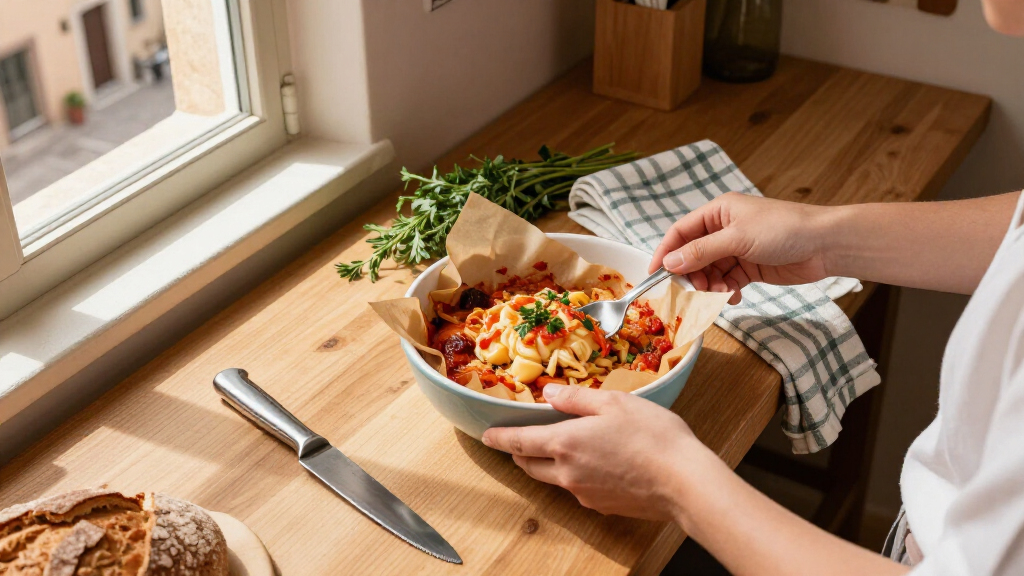
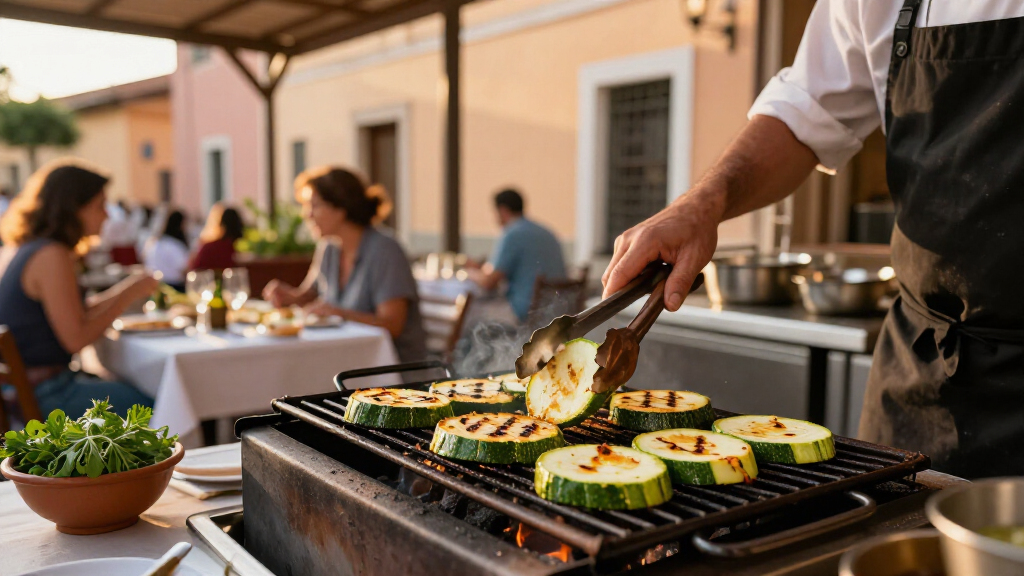
Oil the chilled slices and the cooking surface, then grill until the polenta develops browned marks and releases easily. Firm, cold pieces are simpler to handle than warm ones, but they still need a clean, lightly oiled grate and a patient turn. The oil reduces sticking, and waiting for the crust gives the slice enough structure to lift in one piece.
Heat an outdoor grill or grill pan to medium-high. Brush both sides of the slices with olive oil, then oil the grate carefully. Lay the pieces down and leave them undisturbed for several minutes; when the underside has a golden crust and releases with a thin spatula, turn them once. If you keep nudging them before a crust forms, they’re more likely to tear. A single turn also limits handling, which matters because the pieces are firm but still softer than a potato or bread crust.
A skillet works well when the weather turns rainy. Pan-sear the pieces in a thin film of oil until crisp on both sides, or bake them on an oiled sheet pan until heated through and browned at the edges. For example, slices topped with grilled zucchini, roasted peppers, and basil make a quick Monday lunch; a spoonful of white beans turns them into a more filling dinner. The skillet gives close control over browning, while the oven is convenient when you want to cook several pieces at once with less hands-on turning.
Polenta itself has no single required topping, so match it to the season. In summer, serve grilled pieces with tomatoes and herbs; in colder months, pair them with sautéed mushrooms. The corn’s mild flavor is like a blank canvas, but its browned edges add enough toastiness to stand beside sharper ingredients such as vinegar-dressed greens or aged cheese. Toppings with moisture and acidity balance the dry, crisp surface; add them after cooking so the slices can brown rather than steam.
Use a simple two-day plan to get dinner and lunch
A little planning turns one pot into two distinct meals: serve the first portion soft, chill the second, and pair each texture with a different topping. The first meal leans comforting; the next uses the same corn flavor in a crisp-edged form, so it doesn’t feel like a repeat of dinner. Planning the split first also helps you choose how much to cook and which portion needs dairy, toppings, or extra seasoning.
Here is a practical sequence for a Sunday batch:
- Check the package. Confirm the liquid ratio and cooking time for your coarse, medium, or instant polenta.
- Cook and stir. Salt the liquid, whisk in cornmeal gradually, and cook until tender, adding warm liquid if the pot gets too thick.
- Reserve before serving. Set aside about half in a clean dish before adding cheese or other finishing ingredients.
- Spread and chill. Press the reserved polenta into a shallow oiled pan, cover, and refrigerate promptly.
- Grill later. Cut the firm slab, oil the slices, and cook until browned and easy to turn.
For a real weeknight example, serve the creamy half with lentils and wilted kale on Sunday, then top grilled slices with leftover greens and a fried egg on Monday. Eggs are a common allergen, so swap in white beans if needed. This plan saves time because the second meal needs only slicing, heating, and toppings—not another pot of cornmeal. Its tradeoff is that the second meal depends on remembering to chill the reserved portion promptly, so build that step into clearing the table.
Think of the two preparations as different tools: creamy polenta catches sauces, while grilled polenta supports toppings. A serving size depends on what else is on the plate, so reserve enough for the meal you actually plan. If you’re feeding two people, half a batch may be ample; with a family, you may want to reserve only a third and serve more soft polenta at Sunday dinner. Choosing the split according to appetite avoids ending the first meal short or storing more than you can use within a few days.
Frequently Asked Questions
Can I use instant polenta for both meals?
Yes, but follow the package’s liquid ratio and timing because instant polenta cooks differently from coarse meal. Make it thick enough to spread for chilling, then refrigerate the reserved portion until firm before slicing.
How do I prevent lumps in polenta?
Bring the liquid to a gentle simmer and whisk the cornmeal in slowly, in a steady stream. Keep stirring as it thickens, especially across the bottom and corners of the pot.
How long should the reserved polenta chill?
Chill it until the slab is fully cold and firm enough to lift and cut cleanly; an overnight rest works well for a Sunday batch. The exact time depends on the pan’s depth and your refrigerator, so check the center rather than relying only on the clock.
Can I cook grilled polenta in a skillet instead?
Yes. Brush the slices with olive oil and pan-sear them over medium-high heat until both sides have browned, crisp edges. A grill pan or baking sheet also works when outdoor grilling isn’t convenient.
How long do cooked polenta leftovers keep?
Refrigerate cooked polenta within 2 hours in a covered, shallow container and use it within 3 to 4 days, following USDA guidance for cooked leftovers [1]. Freeze portions you won’t use in that window; thawed polenta may have a softer texture.
Conclusion
Save the grilling portion before dinner, spread it thin, and refrigerate it promptly; that small decision gives Sunday’s polenta a second life. Serve the first half soft beneath stew or greens, then bring the chilled slices back with browned edges and whatever vegetables the season offers.
One pot, two textures: a warm bowl on Sunday, and a golden slice ready for the next meal.
Fall Picks
fall essentials
As an affiliate, we earn on qualifying purchases.