TL;DR

Get kitchen staples and gadgets delivered free — and shop member deals
- Fast, free delivery on millions of items
- Access to Prime Big Deal Days deals on October 6–7
- Prime Video, Amazon Music and more included
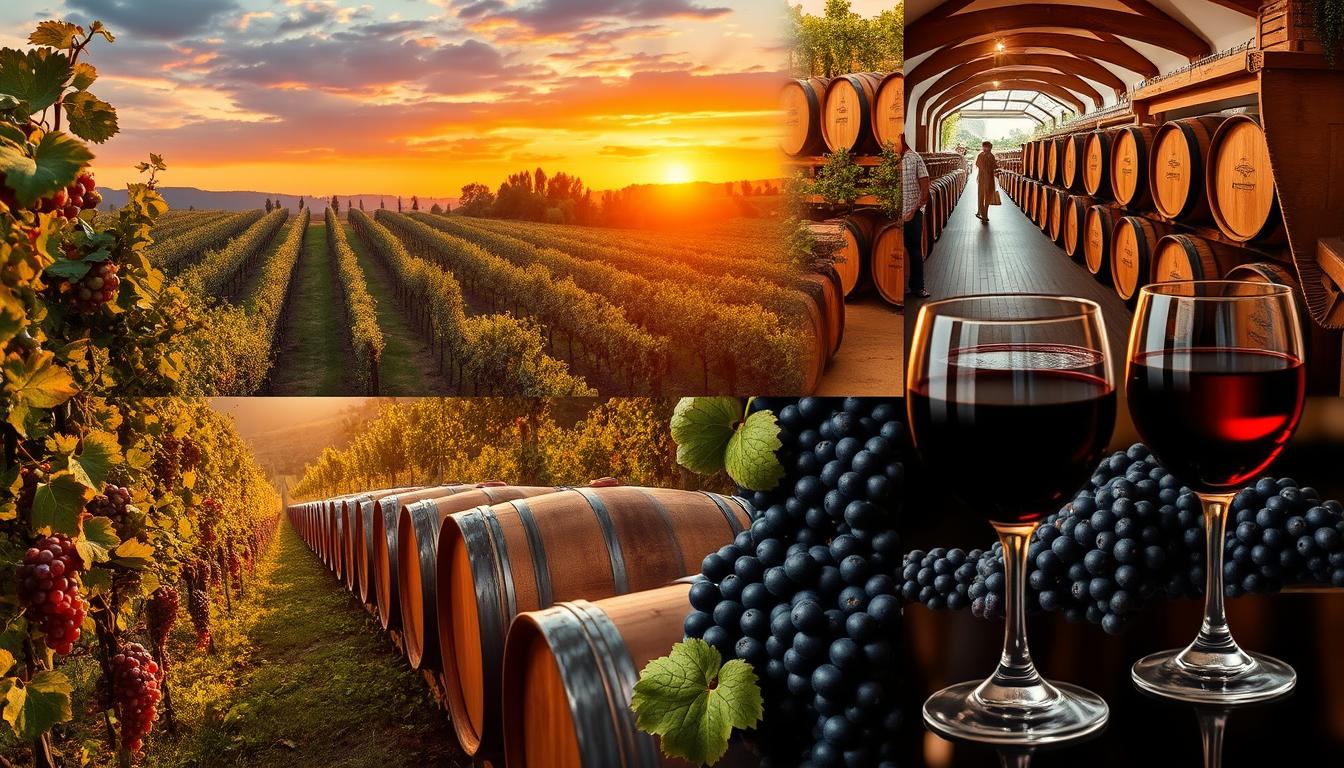
Valpolicella is a wine region in Veneto near Verona whose name likely derives from Latin ‘vallis polis cellae’ (valley of many cellars). Its famous wines — Ripasso and Amarone della Valpolicella DOCG — are built on appassimento, drying grapes for 100–120 days until they lose 30–40% of their water weight. Amarone is the dry, full-bodied result; Ripasso is everyday Valpolicella re-fermented on Amarone skins for a mid-priced middle ground.
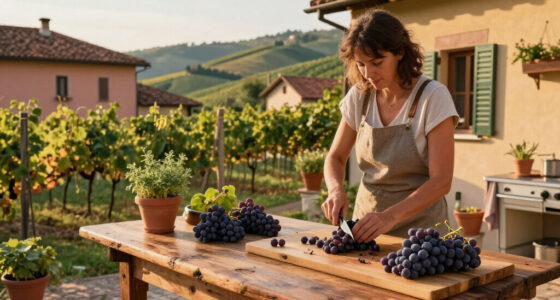
Somewhere in a ventilated loft outside Verona, thousands of grapes are lying on bamboo racks, slowly shriveling into winter. They’ll stay there for 100 to 120 days, losing up to 40% of their water weight before anyone crushes them. That patient drying — appassimento — is the engine behind one of Italy’s most dramatic red wines.
This is your Valpolicella deep dive: how a valley of many cellars produces everything from light, cherry-scented table wine to Amarone, a wine so dense people cook risotto with it. You’ll learn the grape varieties, the quality pyramid, why Ripasso exists, and how to buy, serve, and pair these wines without guessing.
You’ll also pick up enough vocabulary to plan a winery visit, because once you’ve stood in a fruttaio (drying loft) in January, breathing that raisined, spicy air, you never look at the bottle the same way again.
Appassimento — drying grapes 100–120 days until they lose 30–40% of their water weight — is the single process that explains the price and flavor gap between b…
Ripasso, invented by Masi in 1964 and a legal category since 2007, is Valpolicella re-fermented on Amarone pomace: the best quality-to-price tier in the pyrami…
Amarone (‘the great bitter one’) was born by accident when sweet Recioto fermented dry; current rules require only a minimum 40% of grapes to be dried.
Serve Amarone at 60–64°F with at least an hour of decanting; pair it with braised meats, aged cheeses, or risotto all’Amarone.
Corvina is the signature grape across all tiers — if you love its sour-cherry note in basic Valpolicella, you’ll recognize it amplified in Ripasso and Amarone.
Where Valpolicella Actually Is (and Why the Name Means ‘Valley of Many Cellars’)
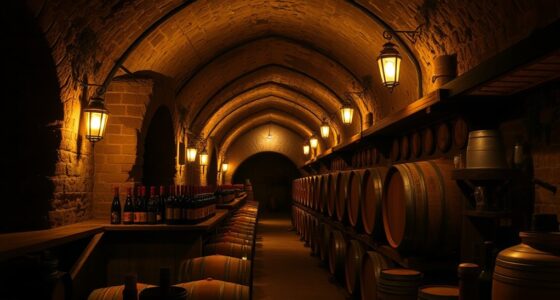
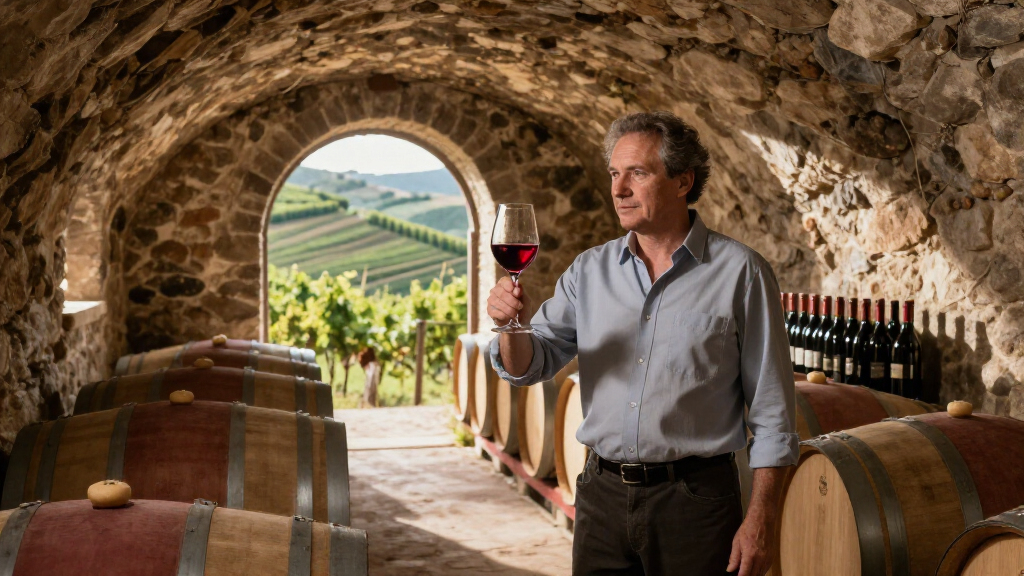
Valpolicella is a wine region in Veneto, northeastern Italy — a band of hills running northwest from Verona toward Lake Garda, with the Lessini Mountains at its back. The name likely derives from Latin vallis polis cellae, ‘valley of many cellars,’ and one drive through it explains why: every hillside seems to hide a family cellar.
The Valpolicella DOC covers the classic zone, and place names on labels matter here — they’re your single best shortcut to predicting quality before you pull the cork. Valpantena, a sub-valley east of the main area, can put its name on the label. A bottle marked simply ‘Valpolicella’ might be pleasant but anonymous — fruit sourced anywhere in the large DOC zone, including high-yielding flat vineyards; a Classico designation means the grapes come from the original, hillside heart of the zone, where poorer soils and better sun exposure force vines to work harder and produce more concentrated fruit. Think of it like olive oil: ‘Italian’ on the label tells you almost nothing, while a specific estate in a specific valley tells you a lot. The same logic applies here, which is why a Classico bottling typically costs $4–6 more — and usually earns it.
The region runs on three indigenous grapes, and understanding their roles explains why Valpolicella tastes the way it does. Corvina is the star — it gives the cherry fruit, color, and perfume, but its thin skin means it rarely delivers deep color or tannin alone. Corvinone, long assumed to be a Corvina relative (genetic testing says otherwise — it’s a distinct variety that just shares a similar look in the vineyard), brings body and handles drying exceptionally well, which is why it’s now allowed in generous proportions. Rondinella is the reliable workhorse, thick-skinned and disease-resistant — the grape you want when a rainy October threatens the whole harvest. Supporting roles go to Oseleta, a rare, inky grape some producers champion precisely because its tannin adds spine to Amarone, and Molinara, once mandatory, now optional because it dilutes color.
None of these grapes tastes like Cabernet or Merlot. That’s the point — it’s a feature of the region, not a gap. Corvina’s sour-cherry profile is the signature note running through every tier of the pyramid, from a €8 Tuesday-night bottle to a €150 Amarone Riserva. The tradeoff for that distinctiveness: these wines can taste unfamiliar if you grew up on international varieties, so expect bright acidity and bitter-almond edges where you might anticipate plush tannins.
Top picks for "valpolicella deep dive"
As an affiliate, we earn on qualifying purchases.
Appassimento Explained: How Drying Grapes Turns Water Into Flavor
Appassimento is the process of air-drying hand-harvested grapes after the vintage, typically for 100–120 days, so they lose 30–40% of their water weight and concentrate everything else — sugars, acids, aromas, and texture. The best analogy is a tomato: a fresh tomato is bright and juicy; the same tomato slow-dried in low oven becomes something intensely sweet, savory, and chewy. Nothing was added — water was removed, and everything that remained got louder.
But drying isn’t just subtraction — it actively transforms the grapes. Enzymes inside the berries break down acids and create new aroma compounds, so Amarone doesn’t taste like ‘concentrated fresh Valpolicella’; it tastes like a different wine entirely, with dried fig, walnut, and spice notes that never existed in the fresh fruit. This is why you can’t fake appassimento by simply letting grapes overripen on the vine — overripening raises sugar but produces jammy, cooked flavors, while loft-drying preserves freshness and adds complexity.
After harvest in October, workers lay grapes in single layers on racks called arelle — traditionally bamboo or wood slats — inside lofts known as fruttai. Single layers matter: stacked bunches trap humidity, and trapped humidity means gray mold instead of the desirable noble rot (Botrytis cinerea), which adds honeyed complexity. Modern versions have climate control with fans and humidity management — crucial insurance, because one warm, damp November can wipe out a producer’s entire Amarone crop to rot. Traditionalists still open windows and rotate bunches by hand, gambling weather against authenticity. Walk into a fruttaio in December and the smell hits you first: dried fig, walnut shells, sweet spice, something almost like Christmas cake.
The technique is ancient. The 5th-century Roman official Cassiodorus described the sweet dried-grape wine that became Recioto — King Theodoric reportedly demanded it for his court — and for most of history that sweet wine was the region’s pride. Drying began as preservation, not refinement: in an era before sulfur and temperature control, raisined grapes fermented slowly and reliably into a stable sweet wine.
Here’s the practical consequence for your wallet: drying grapes means you need far more fruit per bottle. If a vineyard loses a third of its weight to evaporation, plus raisins that yield far less juice per kilo, you need roughly double the grapes of a normal red — and that’s before the labor of hand-placing every bunch, the electricity or vigilance for months of drying, and years of aging before release. That’s the honest arithmetic behind Amarone’s price tag, and it’s also why any ‘Amarone’ under $30 should raise an eyebrow: the numbers simply don’t work.

The Four-Tier Pyramid: Which Valpolicella to Buy at Every Price
The Valpolicella hierarchy runs from basic Valpolicella DOC up through Superiore, Ripasso, and finally the two DOCG wines — Amarone and sweet Recioto. Knowing the tiers tells you exactly what you’re paying for.
| Tier | What it is | Body & ABV | Price range (US) | Drink it with |
|---|---|---|---|---|
| Valpolicella DOC | Fresh wine from freshly picked grapes | Light, 11–12.5% | $12–18 | Salami, pizza, weekday pasta |
| Valpolicella Superiore | Same wine, min. 1 year aging, riper fruit | Medium, 12%+ | $16–25 | Roast chicken, medium cheese |
| Valpolicella Ripasso DOC | Re-fermented on Amarone skins | Full-ish, 13–14% | $20–35 | Ragù, roasted meats |
| Amarone della Valpolicella DOCG | Dry wine from dried grapes, min. 2 years aging | Full, 14–16%+ | $50–150+ | Braised beef, aged cheese, game |
| Recioto della Valpolicella DOCG | Sweet wine from dried grapes, arrested fermentation | Rich, ~12–14% | $40–80 (half bottle) | Dark chocolate, blue cheese, solo |
Basic Valpolicella is criminally underrated — it’s the local house wine around Verona, served slightly cool, gone by the second plate. A concrete example of the ladder in action: open a $14 Valpolicella, a $28 Ripasso, and a $60 Amarone side by side and the same sour-cherry core appears in all three, but each step up adds dried-fruit depth, weight, and alcohol — the pyramid isn’t marketing, it’s concentration. Reserve Amarone and Recioto for slow meals. Ripasso is the sweet spot for most nights you want a little drama without the price.
Ripasso: The 1964 Stroke of Genius That Gives You Baby Amarone for Half the Price
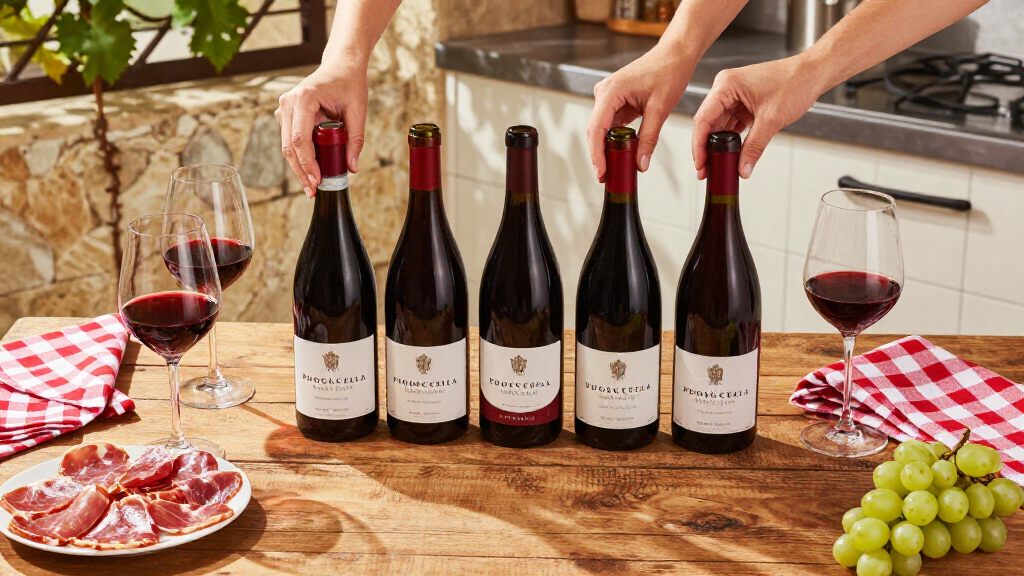
Ripasso (‘re-passed’) is Valpolicella that has been re-fermented on the freshly pressed skins and pomace of Amarone, picking up color, richness, and dried-fruit character from the residue. The method is commonly credited to Masi in 1964, with its wine Campofiorin, and it became a legally distinct category — Valpolicella Ripasso DOC — in 2007.
Picture it: February in the cellar. The Amarone has just finished fermenting and its pressed skins sit in a bin, still loaded with sugar, color, and aroma. Instead of throwing them out, the winemaker dumps a young Valpolicella over the pomace. Residual sugars kick off a second fermentation, and in two to three weeks the everyday wine comes out darker, rounder, and spicier. It’s the winemaking equivalent of making a second cup of tea from the same leaves — lighter than the first, but still genuinely tea.
Is it just ‘Amarone lite’? Not quite, and that framing undersells it. Ripasso keeps some of fresh Valpolicella’s brightness — that snap of sour cherry — while gaining Amarone’s dried fig and sweet-spice undertones. It’s the rare middle wine that tastes like its own idea rather than a compromise, which is why sommeliers often reach for it as a by-the-glass pour: enough character to stand up to a steak, enough freshness to not exhaust the palate.
Practical advice: buy Ripasso when you want a wine for a slow braise or a rich ragù but don’t want to open a $70 bottle on a Tuesday. A scenario worth memorizing: guests coming over, short ribs in the oven, budget around $25 — that’s Ripasso’s home turf. Names to look for in this tier include Tommasi, Zenato, Sartori, and Allegrini, all reliable across vintages. Serve around 60–64°F (16–18°C) and give it 30 minutes of air.

Amarone: Why It Tastes Sweet When It’s Dry (and What ‘the Great Bitter One’ Means)
Amarone della Valpolicella DOCG is a dry (sometimes off-dry), full-bodied red made predominantly from dried Corvina, Corvinone, and Rondinella grapes, typically 14–16%+ alcohol, aged a minimum of two years (Riserva: four). Its name supposedly comes from Amarone — ‘the great bitter one’ — coined when a batch of sweet Recioto kept fermenting until bone dry and someone tasted the accident. What began as a cellar mistake became the region’s defining wine — a reminder that ‘bitter’ in wine, like bitter chocolate or espresso, can be the source of appetite rather than a flaw.
That origin story explains the paradox that confuses newcomers: a technically dry wine that tastes sweet. Concentrated dried-grape sugars, ripe fruit, and high alcohol all read as sweetness on the palate, finishing with a signature bitter almond note that gives the wine its name and its grip. Expect dried cherry, raisin, plum, fig, cocoa, leather, and sweet spice — a wine that feels like it’s wearing a heavy coat. The implication for food pairing is significant: because the wine already reads as rich and sweet-ish, pairing it with anything lean or delicate (a sole fillet, a light salad) makes it taste even heavier; fat and protein are what absorb all that intensity.
One rule worth knowing: not all grapes in an Amarone are dried. Current regulations require a minimum of 40% of the fruit to go through appassimento, and a controversial recent amendment allows a portion of grapes to be dried for shorter periods to soften tannins. This is the central quality debate in the region: traditionalists argue that partial or short drying produces Amarone that’s cheaper but thinner — more like an expensive Ripasso — while modernists counter that fully dried grapes in a warming climate push alcohol past 16% and produce ponderous, raisined wines. Where a producer stands on this question is often a better buying signal than the price tag.
Style split matters when buying. Producers like Quintarelli and Dal Forno Romano defined the majestic, oak-aged, age-worthy school (and the price ceiling) — a 20-year-old Quintarelli still shows fresh dried-cherry vitality, which is why collectors pay hundreds. Bertani champions long aging in large botti grandi — big old casks — for elegance over power. A growing freshness movement favors earlier drinking, lower-oak Amarone, partly in response to climate change pushing alcohol levels up. A practical buying rule: if the label says 17% alcohol and you see lots of new barrique notes in reviews, expect power; if it’s 14.5% from a freshness-minded producer, expect something closer to a very serious food wine.
How to Serve, Cellar, and Pair: A Practical Checklist for Your Bottle
Treat Amarone like the big wine it is and it rewards you; treat it like casual red and you’ll wonder what the fuss is about. Here is the routine that works.
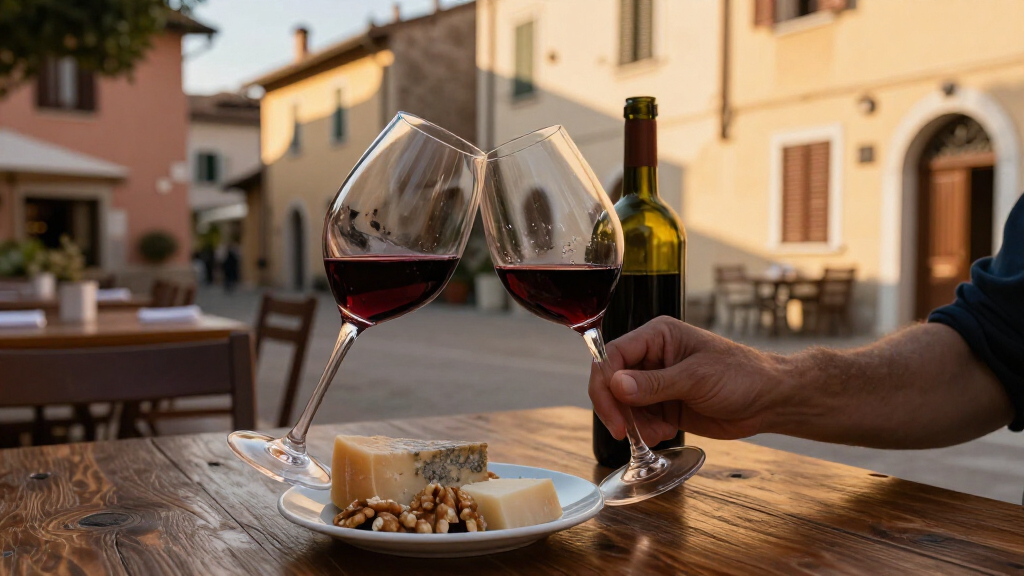
- Cool it to 60–64°F (16–18°C) — not room temperature. At 70°F the alcohol (often 15%+) dominates everything. Example: pour one glass straight from a 72°F room and another after 20 minutes in the fridge — the first tastes hot and spirituous, the second shows dried cherry and cocoa.
- Decant at least one hour for young Amarone; 30 minutes for Ripasso. The aromas open from muted raisin to full spice cabinet.
- Use large-bowled glasses and pour smaller portions than usual — this is a sipping wine, not a pouring wine.
- Pair with fat and protein: braised beef, ossobuco, game, aged Parmigiano, Gorgonzola, or the local classic, risotto all’Amarone, where a splash of the wine goes into the rice. The logic: tannin and alcohol cut fat, while the wine’s dried-fruit sweetness meets the caramelized notes of a slow braise.
- Cellar young Amarone 5–15 years if you can wait; top bottles from good vintages go decades. Ripasso drinks best within 3–7 years.
A note on alcohol: at 15–16%, Amarone is genuinely strong — roughly the same as drinking a fortified wine like some Ports. Enjoy it in moderation, with food, and pace yourself; one glass alongside a slow meal is the Veneto way.
Storage basics apply like any fine red: cool, dark, constant temperature, bottles on their side if sealed with cork. Leftovers hold in the fridge 2–3 days with a stopper; the fruit fades but the wine stays pleasant for cooking — in fact, day-three Amarone makes an exceptional base for a pan sauce over seared duck breast.
Frequently Asked Questions
What’s the difference between Valpolicella, Ripasso, and Amarone?
Valpolicella is a light, fresh red made from normally harvested grapes. Ripasso takes that wine and re-ferments it on the pressed skins of Amarone, adding richness — think of it as a middle tier. Amarone is made from grapes dried 100–120 days before fermentation, producing a full, dry, high-alcohol red. Same region, same grapes, three levels of concentration.
Why is Amarone so expensive?
Three reasons stack up: the grapes lose 30–40% of their weight during drying, so you need roughly double the fruit per bottle; the process requires labor-intensive handling in dedicated drying lofts; and the wine must age a minimum of two years (four for Riserva) before release. Add rising global demand, especially in the US, UK, and Germany, and prices climb accordingly.
Why does Amarone taste sweet if it’s a dry wine?
Extreme concentration of dried-grape sugars, very ripe fruit, and high alcohol (often 15–16%) all read as sweetness on the palate, even when fermentation finishes dry. The wine typically finishes with a bitter almond note — the ‘amaro’ that gives Amarone its name — which balances that impression of sweetness.
How long should I age Amarone before drinking it?
Most Amarone benefits from 5–15 years of cellaring; top producers like Quintarelli or Dal Forno Romano can go decades in good vintages. If you’re buying to drink now, look for bottles with 5–8 years of age already. Ripasso is best within 3–7 years of the vintage and doesn’t need long keeping.
Is Molinara still allowed in Valpolicella blends?
Yes, but it’s now optional rather than required. Molinara is a light-colored, acidic variety that historically formed part of the blend, but because it dilutes color and structure, most producers have reduced or dropped it in favor of more Corvina, Corvinone, Rondinella, and small amounts of Oseleta.
What temperature should I serve Valpolicella wines?
Basic Valpolicella is best slightly cool, around 55–57°F (13–14°C), like a Beaujolais. Ripasso works at 59–62°F (15–17°C) with about 30 minutes of air. Amarone deserves 60–64°F (16–18°C) and at least an hour in a decanter — serving it too warm makes the alcohol overwhelming.
Conclusion
If you remember one thing from this Valpolicella deep dive, make it this: the drying loft, not the barrel, is where these wines are made. Once you can picture grapes shriveling on bamboo racks through a Veneto winter, the price of Amarone makes sense, the appeal of Ripasso makes sense, and even a simple glass of young Valpolicella tastes like part of the same story.
Start with a Ripasso from Tommasi, Zenato, or Allegrini this week. Then, when a slow Sunday braise is on the calendar, graduate to a real Amarone — and if you ever find yourself near Verona between December and February, book a winery visit. Standing in a fragrant fruttaio full of drying grapes is the closest thing to stepping inside the bottle.
Fall Picks
fall essentials
As an affiliate, we earn on qualifying purchases.