
TL;DR
Listen free for 30 days with Audible
Thousands of audiobooks and originals — cancel anytime.
Start your free trialAs an affiliate, we earn on qualifying purchases.
Nebbiolo is one of Italy’s great red grapes, best known from Piedmont’s Langhe hills, and the smartest way in is a ladder: start with Langhe Nebbiolo DOC for the grape’s rose-and-cherry character, move to Barbaresco DOCG for elegant structure, then tackle Barolo DOCG with bottle age. Barbaresco must age at least 26 months before release and Barolo at least 38, and producer quality matters more than the appellation name.
The first time you pour a Barolo, you’ll probably do a double take. The wine in your glass is pale garnet — closer to aged Pinot Noir than the inky red you expected from Italy’s most famous wine. Then you taste it, and the tannins grab your tongue like velvet sandpaper. This contradiction is exactly why Nebbiolo confuses beginners, and exactly why people fall for it hard.
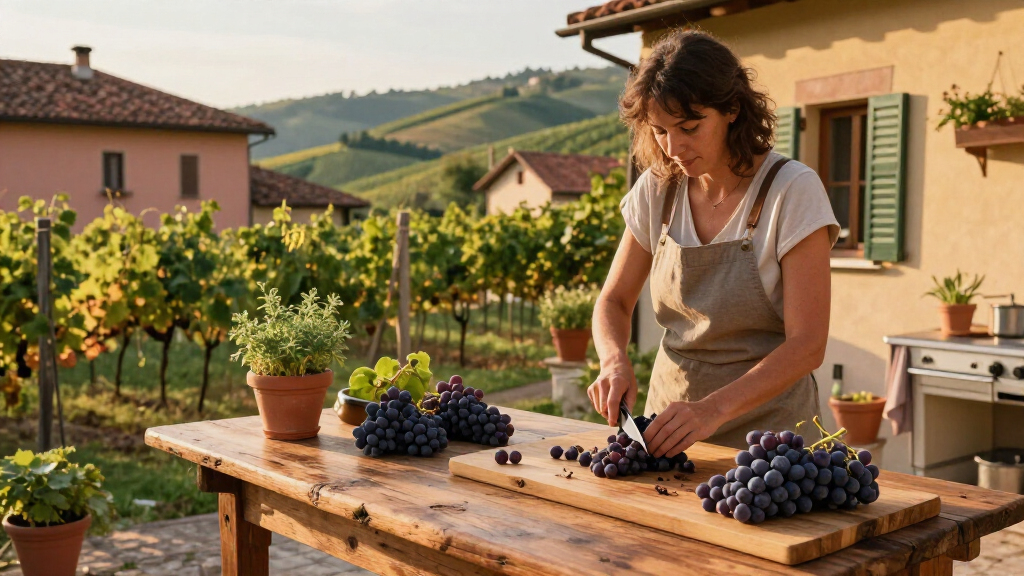
Nebbiolo is one of Italy’s great red grapes, best known from Piedmont’s Langhe hills — a UNESCO-protected landscape of fog-wrapped slopes southwest of Turin, where truffle hunters still work the woods between vineyards. One grape, three main labels: Langhe Nebbiolo, Barbaresco, and Barolo. Prices range from $18 to $300+. Choosing badly at the top of that range is an expensive mistake.
Here’s the good news: there’s a proven sequence for learning this wine without wasting money. You’ll learn what each category tastes like, what the labels legally mean, and exactly which bottle to buy first — plus how the locals in Alba’s trattorias drink it, which is a lesson in itself.
Start with a Langhe Nebbiolo DOC ($18–35) from a producer whose Barolo or Barbaresco you admire — it teaches the grape’s rose-cherry-tar identity without serio…
Barbaresco (26 months minimum aging) is the ideal second step: buy one with 5–10 years of bottle age to preview where Nebbiolo goes with time.
Barolo (38 months minimum aging) is best bought with 8–15 years of age, or decanted 1–3 hours if young; never judge it by a first pour in its youth.
Producer quality beats appellation prestige — a top Langhe Nebbiolo can outperform an ordinary Barolo, and MGA vineyard names identify origin, not guaranteed q…
Serve at 16–18°C in large glasses, pair with protein, fat, salt, or earthy flavors (braised meat, mushrooms, aged cheese), and avoid spicy or delicate dishes.
Nebbiolo for Beginners: Langhe, Barbaresco, Barolo — Where to Start
Nebbiolo is one of Italy’s great red grapes, best known from Piedmont’s fog-wrapped Langhe hills. The smartest way in is a ladder: start with Langhe Nebbiolo DOC, move up to Barbaresco DOCG, then tackle Barolo with bottle age. Producer quality matters more than the appellation name.
Tar and Roses: Why Nebbiolo Confuses Everyone
Nebbiolo is a pale-colored, high-acid, high-tannin red grape — its skins carry modest pigment but abundant tannin. The name likely comes from nebbia (fog), either for harvest-time mists in the Langhe or the dusty bloom on ripe grapes. The wine looks delicate and drinks like a heavyweight. That dissonance is the grape’s signature, not a flaw.
Rose petal, violet — the perfume that hits you first, even before the first sip.
Sour cherry, red raspberry, orange peel — bright, high-acid red fruit.
Licorice, tar, dried herbs — the “tar” half of tar and roses.
Truffle, forest floor — echoes of the woods between the vineyards.
Practical rule: never judge Nebbiolo by color. A brick-orange rim is normal even in young bottles. Taste for the tension between perfume and power — and whether the tannins feel refined or rough.
Minimum Aging Requirements, Visualized
The three categories differ mainly in where the grapes grow and how long the wine must age before release. Mandatory aging explains much of the price difference between the two DOCGs.
Langhe vs. Barbaresco vs. Barolo
These are tendencies, not a quality ladder. A top Langhe Nebbiolo can beat an ordinary Barolo — famous estates often declassify fruit from young vines or famous sites into their Langhe bottles.
| Wine | Minimum Aging | Typical Character | Best For |
|---|---|---|---|
| Langhe Nebbiolo DOC $18–35 |
✗ None specified — made for early drinking; min. 85% Nebbiolo | Fresh red fruit, flowers, herbs, manageable tannin | Your first bottle; weeknight dinners; drink within 3–6 years |
| Barbaresco DOCG $40–90 |
~ 26 months (9 in wood); Riserva 50 months; 100% Nebbiolo | Rose, cherry, spice, refined but persistent tannin | Your first serious Nebbiolo; drink 5–10 years post-vintage |
| Barolo DOCG $50–300+ |
✓ 38 months (18 in wood); Riserva 62 months; 100% Nebbiolo | Greatest concentration; savory, earthy complexity with age | Cellaring, special occasions; buy with 8–15 years of age |
A Sequence That Teaches You the Grape
The fastest way to learn Nebbiolo is a deliberate progression, because each rung isolates one variable. Spend two or three months on each step.
Langhe Nebbiolo
$18–35 · Start hereBuy from a producer whose Barolo or Barbaresco you admire — often declassified fruit from famous estates. Open it with mushroom risotto on a Tuesday, served around 16°C.
Barbaresco
Buy with 5–10 yrs ageYour first serious Nebbiolo without Barolo prices. Four zones: Barbaresco, Neive, Treiso, and part of Alba. Bottle age previews where the grape goes with time.
Barolo
8–15 yrs age · or decant 1–3 hSouthwest of Alba across 11 communes. Never judge it by a first pour in its youth — with age it unfolds into tobacco, leather, licorice, and truffle.
The money-saving rule: producer quality beats appellation prestige. A top Langhe Nebbiolo can outperform an ordinary Barolo. Buying a famous-vineyard Barolo from a mediocre producer is like ordering the most expensive dish at a bad restaurant. MGA vineyard names identify origin — not guaranteed quality.
Drink It Like the Locals in Alba
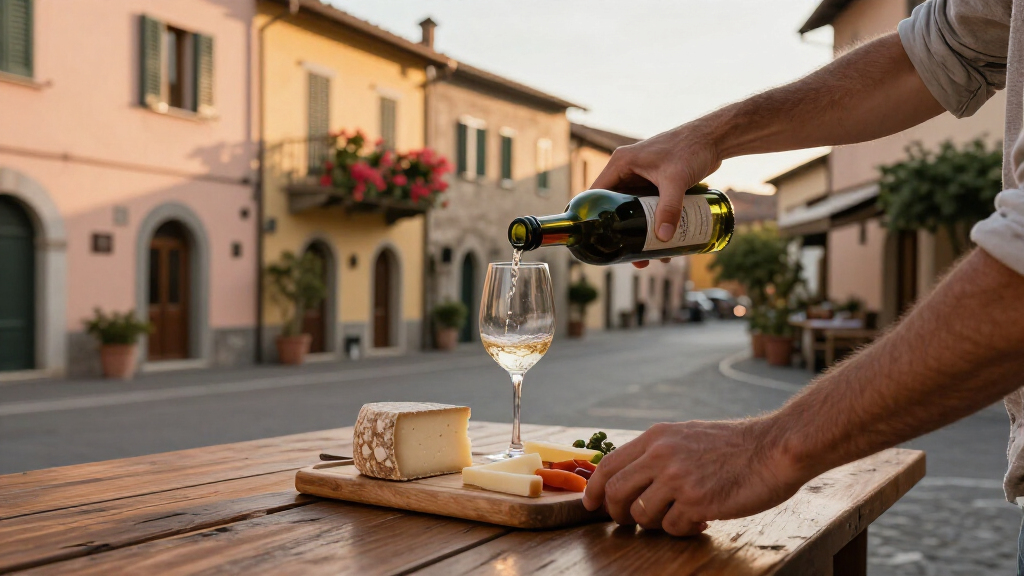
How you serve Nebbiolo matters as much as which bottle you pick. Tannin and acidity demand protein, fat, salt, or earthy flavors to soften against.
16–18°C (60–64°F) — slightly cool. Warm serving amplifies the alcohol and roughens the tannins.
Large glasses — the same bowl shape you’d use for Barolo gives the perfume room and aerates the tannin.
Braised meat, mushrooms, aged cheese, ragù, roast poultry. Avoid spicy or delicate dishes — tannin wins that fight.
What Nebbiolo Actually Tastes Like (and Why It Looks So Pale)
Nebbiolo is a pale-colored, high-acid, high-tannin red grape whose classic aromas are rose petal, sour cherry, red raspberry, orange peel, licorice, tar, and earthy truffle — a combination Italians shorthand as “tar and roses.” The name likely comes from nebbia (fog), either for the harvest-time mists in the Langhe or the dusty bloom on the ripe grapes.
The pale color throws everyone off. Here’s the science, in plain terms: color pigments and tannins are different compounds in grape skins, and Nebbiolo’s skins carry modest pigment but abundant tannin. So you get a wine that looks delicate and drinks like a heavyweight. That dissonance is the grape’s signature, not a flaw.
Think of it like a quiet person who happens to be a marathon runner. Nothing about the appearance warns you about the stamina. A young Barolo can taste fragrant and pretty on the first sip, then build structure on your palate for a full minute after you swallow.
One practical implication: don’t judge Nebbiolo by color. A brick-orange rim is normal, even in relatively young bottles. What you’re tasting for is the tension between perfume and power — and whether the tannins feel refined or rough.
As an affiliate, we earn on qualifying purchases.
Langhe vs. Barbaresco vs. Barolo: The Three Labels Compared
The three categories differ mainly in where the grapes grow and how long the wine must age before release. Langhe Nebbiolo is the broad, everyday designation (minimum 85% Nebbiolo, many are 100%). Barbaresco and Barolo are stricter DOCG zones requiring 100% Nebbiolo, with mandatory aging that explains much of their price difference.
| Wine | Minimum aging | Typical character | Best for |
|---|---|---|---|
| Langhe Nebbiolo DOC | None specified; made for early drinking | Fresh red fruit, flowers, herbs, manageable tannin | Your first bottle; weeknight dinners; $18–35 |
| Barbaresco DOCG | 26 months (9 in wood); Riserva 50 months | Rose, cherry, spice, refined but persistent tannin | Your first serious Nebbiolo; drinking 5–10 years post-vintage |
| Barolo DOCG | 38 months (18 in wood); Riserva 62 months | Greatest concentration; savory, earthy complexity with age | Cellaring, special occasions, patient drinking |
Here’s the qualification that saves you money: these are tendencies, not a quality ladder. A top Langhe Nebbiolo can beat an ordinary Barolo, because famous estates often declassify fruit from young vines or famous sites into their Langhe bottles. Producer, vintage, and bottle age routinely matter more than the appellation name.
The reverse is also true. Buying a famous-vineyard Barolo from a mediocre producer is like ordering the most expensive dish at a bad restaurant. The name on the label promises nothing the winemaker didn’t put in the bottle.
Start Here: Why Langhe Nebbiolo Is the Smart First Bottle
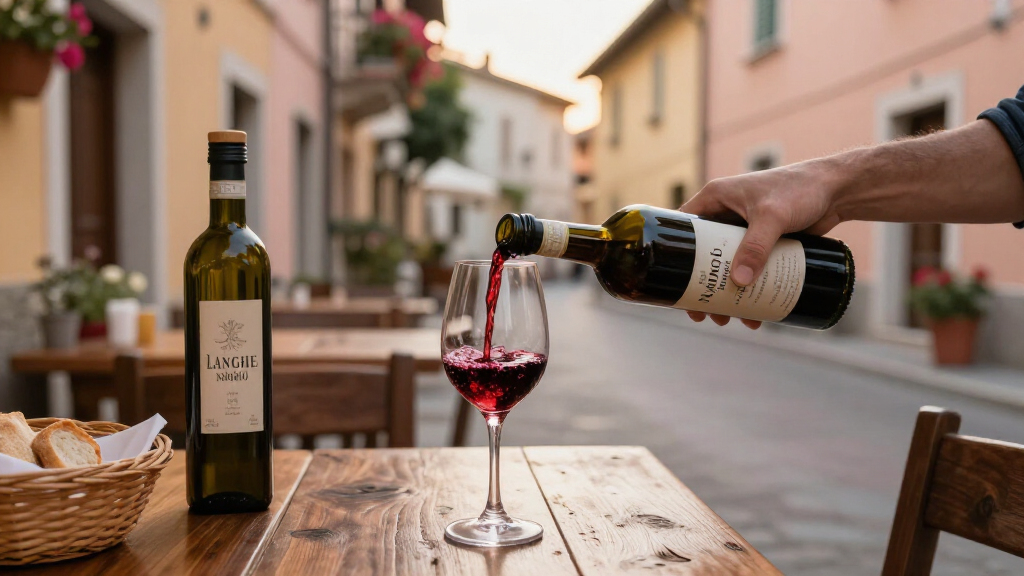
Your first Nebbiolo should be a Langhe Nebbiolo from a respected Barolo or Barbaresco producer, usually costing $18–35. This is the cheapest reliable way to taste the grape’s core identity: the floral perfume, the bright acidity, the cherry-and-orange-peel fruit, and tannins that are present but polite.
Why does this work? Because Langhe Nebbiolo often comes from younger vines, less prestigious parcels, or vineyards outside the two famous zones — same grape, less demanding winemaking rules, shorter oak aging. Some of it is genuinely declassified Barolo fruit. You’re learning the accent before attempting the whole language.
A concrete scenario: open a bottle with mushroom risotto or roast chicken on a Tuesday. Serve it slightly cool, around 16°C (60°F). You’ll taste rose and sour cherry, and the tannin will soften against the food’s fat and salt. That immediate food-friendliness is exactly what Barolo often can’t deliver in its youth.
- Look for: producers whose Barolo or Barbaresco you admire — their entry wine shows their house style
- Expect: violet, raspberry, herbs, gentle spice; drink within 3–6 years of vintage
- Pair with: pasta with ragù, pizza with mushrooms, pork, roast poultry, aged cheeses
- Don’t expect: the depth or longevity of the DOCG wines — that’s not the job
Spend two or three months here. Once you can recognize the grape’s perfume blind, you’re ready for the next rung.
Barbaresco: Your First Serious Nebbiolo (Without Barolo Prices)
Barbaresco is 100% Nebbiolo from a small zone northeast of Alba, centered on four areas: the town of Barbaresco itself, Neive, Treiso, and part of Alba. It must age at least 26 months before release, including 9 in wood — a legal requirement that already separates it from Langhe Nebbiolo in structure and seriousness.
You’ll hear that Barbaresco is “Barolo’s elegant younger sibling” — earlier-maturing, more perfumed, softer. That’s a useful shorthand, but don’t exaggerate it. Powerful Barbaresco and graceful Barolo both exist. The zones are neighbors, not rivals in a formal quality ranking.
What you’ll taste: rose and red cherry on the nose, fine-grained but persistent tannin, savory spice and earth underneath the fruit. Strong examples develop for a decade or more. Many bottles begin showing their best around five to ten years after the vintage.
Here’s the beginner move that pays off: buy a Barbaresco with some bottle age already on it, from a retailer who can tell you its storage history. A seven-year-old Barbaresco at $45–60 gives you a preview of where Nebbiolo goes with time — dried flowers, forest floor, tobacco — without the decade of patience a young Barolo demands. Common shorthand for the subzones: Neive for structure and complexity, Treiso for aromatic energy, the Barbaresco commune itself for harmony.
Pair it with braised veal, roast lamb, or a truffle-season dish — this is the wine of Piedmont’s autumn table, when the white truffle markets take over Alba in October and November.
Barolo Without Regret: Buying the Big One Wisely
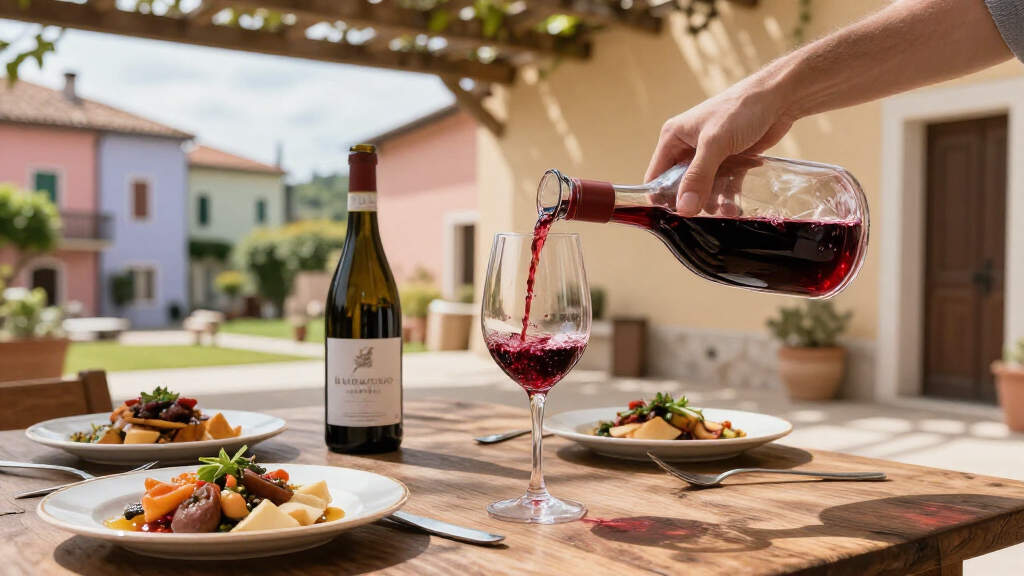
Barolo is 100% Nebbiolo from 11 communes southwest of Alba, with Barolo, La Morra, Castiglione Falletto, Monforte d’Alba, and Serralunga d’Alba accounting for most production. It requires at least 38 months of aging including 18 in wood, and Riserva requires 62 months. It is the most concentrated and longest-lived of the three — and the easiest place to waste money.
The classic beginner mistake is buying a young, prestigious Barolo, opening it at a dinner party, and finding it harsh and shut down. Young Barolo can smell fragrant and delicate, then hit you with fierce acidity and tannin that overwhelms everything but the boldest food.
Three ways to avoid that outcome:
- Buy bottle age. A Barolo with 8–15 years of age shows dried roses, tar, leather, licorice, and truffle-like complexity, with the structure integrated. Some contemporary bottles are enjoyable within 5–8 years of harvest, especially with decanting.
- Choose a balanced producer over a famous vineyard. Whether a producer leans traditional (long maceration, large neutral Slavonian oak casks) or modern (shorter extraction, small French barrels), what matters is whether the oak and tannins feel integrated.
- Learn the commune shorthand. La Morra and Barolo commune: fragrant and accessible. Serralunga and Monforte d’Alba: firmer and slower to mature. Castiglione Falletto: a balance of perfume and structure.
Those commune patterns connect to the MGAs — Menzioni Geografiche Aggiuntive (additional geographic mentions), officially delimited vineyard areas something like named crus. They identify origin, not guaranteed quality. A blended Barolo from a skilled producer often beats a single-vineyard wine from a careless one.
Decant young Barolo one to three hours before serving. Handle older bottles gently — stand them upright the day before, decant only to separate sediment, since long aeration can make fragile aged aromas fade.
A Tasting Ladder That Teaches You the Grape in Five Steps
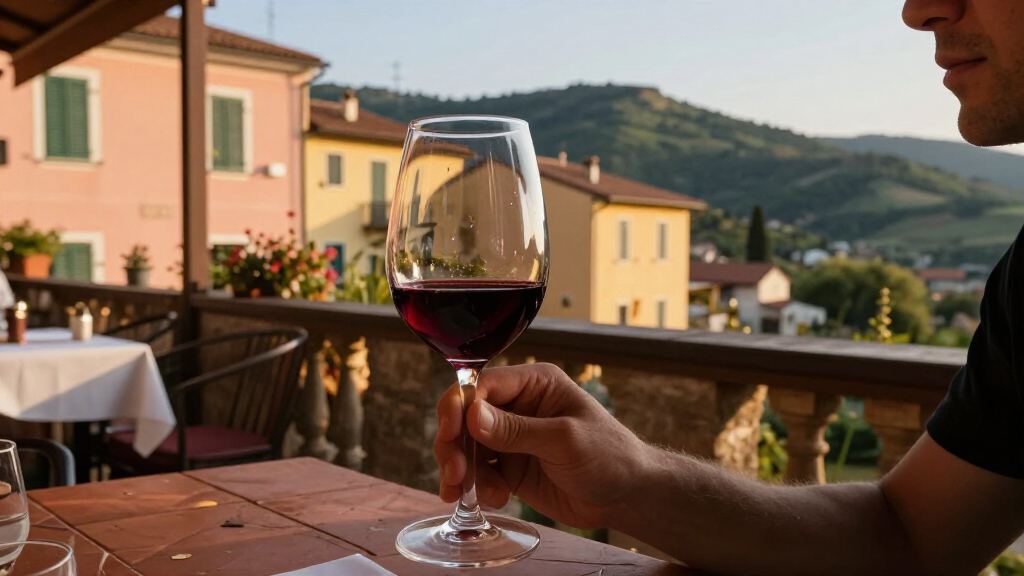
The fastest way to understand Nebbiolo for beginners is a deliberate progression, because each rung isolates one variable. Here’s the sequence, spread over weeks or months:
- Start with a youthful Langhe Nebbiolo to learn the grape’s floral aromas, acidity, and tannin at their friendliest.
- Try a Barbaresco with several years of bottle age to see what structure and development add.
- Compare it with a similarly aged Barolo from the same vintage if possible, to feel the jump in intensity.
- Explore communes and MGAs only after you recognize the grape’s basic character — otherwise the differences are noise.
- Revisit a bottle over several hours. Nebbiolo often changes dramatically with air; the last glass is frequently a different wine from the first.
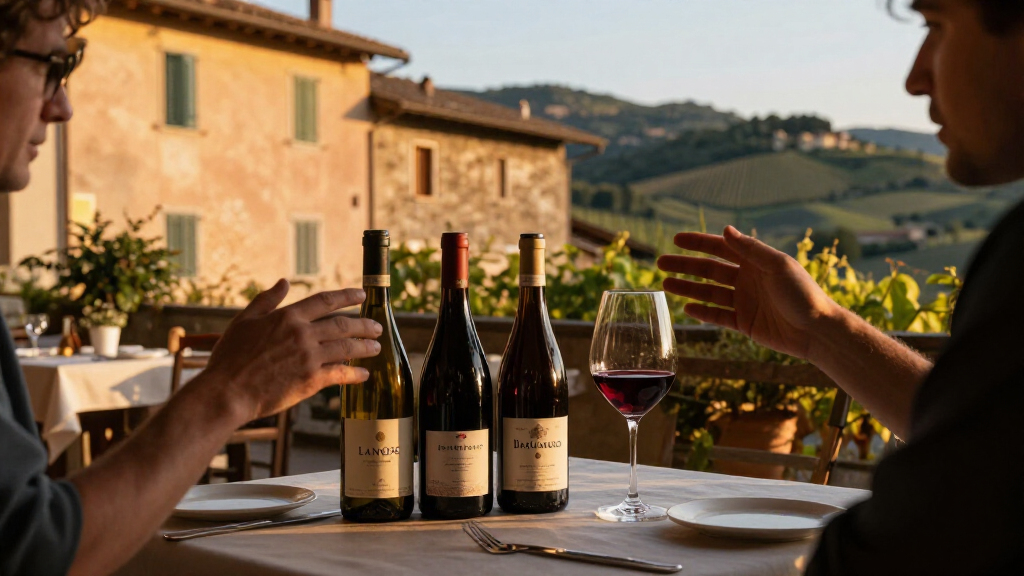
The single most instructive version of this: one Langhe Nebbiolo, one Barbaresco, and one Barolo from the same producer and same vintage, opened side by side. Producer and vintage held constant, the only variable is zone and aging regime. Many Langhe estates offer exactly this trio at accessible prices.
Set a realistic budget. A respectable run through the ladder costs maybe $25 + $50 + $80 — about the price of one famous-vineyard Barolo, and you’ll learn five times more. Invite a friend; Nebbiolo is a conversation wine, and comparing notes out loud is how you calibrate your palate faster than tasting alone.
Serving, Pairing, and the Mistakes That Ruin a Good Bottle
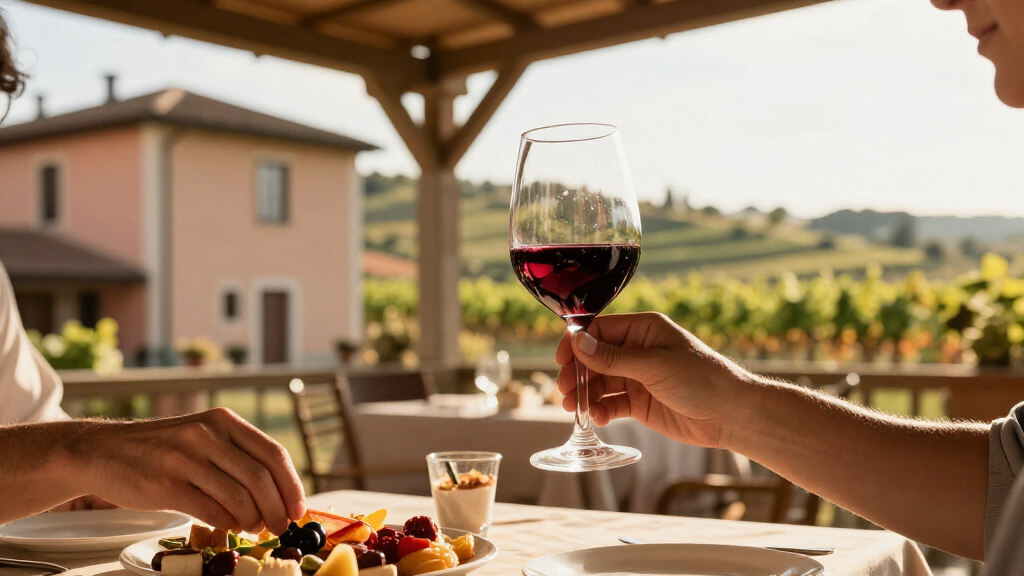
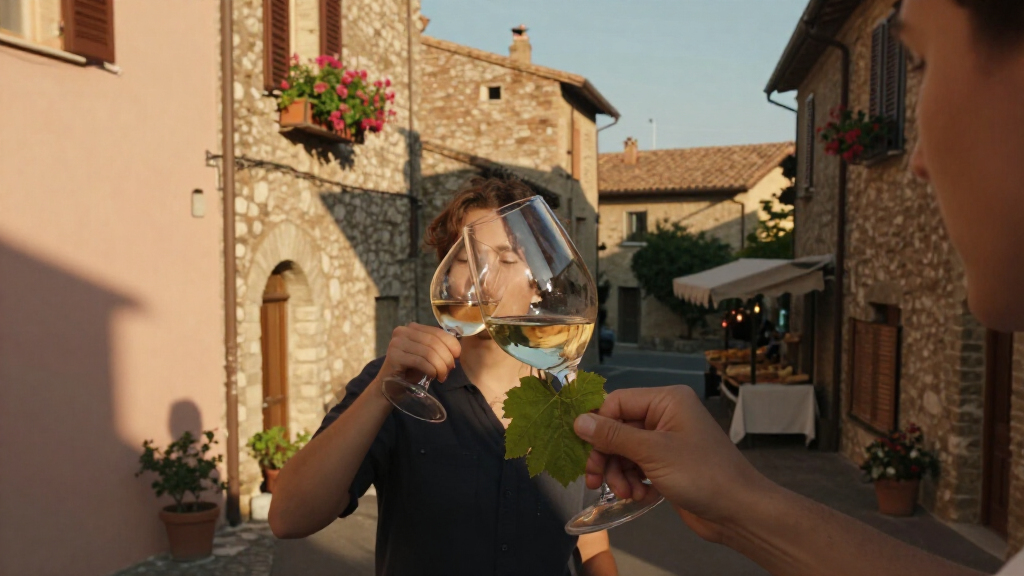
Serve Nebbiolo at 16–18°C (60–64°F), not warm room temperature — a bottle straight from a 22°C room tastes flatly alcoholic and harsher than it should. Fifteen minutes in the fridge before opening fixes most serving-temperature problems. Use large, tulip-shaped glasses so the aromas have room to unfold.
Food is not optional with this grape. Nebbiolo’s tannin and acidity need protein, fat, salt, or earthy flavors to soften against:
- Braised beef and veal — think brasato al Barolo, beef braised in the wine itself
- Roast lamb, pork, or duck
- Mushroom and truffle dishes, especially with aged bottles
- Risotto and egg pasta such as tajarin (thin hand-cut noodles) with butter and sage
- Aged hard cheeses, lentils, polenta
Very spicy, sweet, or delicate dishes do the opposite — they make the tannin seem more aggressive. A fiery stir-fry next to a young Barolo punishes both.
Final warnings worth their own paragraph: don’t assume “Riserva” means better — it’s a legal aging category, not a quality guarantee. Don’t buy solely by critic score or famous vineyard name. And store opened bottles with the cork back in, refrigerated, drinking within about two days; high-acid wines like Nebbiolo hold up better than most, but they do fade.
The safest first bottle is a well-made Langhe Nebbiolo from a respected Barolo or Barbaresco producer; the safest second is a Barbaresco with five or more years of bottle age.
Frequently Asked Questions
Is Nebbiolo a heavy, dark red wine?
Usually not in appearance. Nebbiolo is typically pale garnet, often with an orange or brick rim, yet its tannin, acidity, and aroma intensity can be extremely powerful. Color and tannin are separate compounds in the grape’s skins, and Nebbiolo has modest pigment but abundant tannin.
Is Barolo always better than Barbaresco?
No. They are neighboring appellations with different growing conditions and aging rules — Barolo requires 38 months minimum aging, Barbaresco 26 — not formal quality levels. Producer and vineyard quality are decisive, and a fine Barbaresco routinely outclasses a mediocre Barolo at the same price.
Why is Langhe Nebbiolo so much cheaper than Barolo?
Langhe Nebbiolo has broader sourcing rules (minimum 85% Nebbiolo versus 100%), no lengthy mandatory aging, and is usually intended for earlier drinking. Lower price doesn’t mean poor quality — it may even contain fruit from within the Barolo or Barbaresco zones that the producer chose to bottle under the simpler designation.
Does all Barolo need decades of aging before drinking?
No. Some bottles are attractive within five to eight years of the harvest, especially with an hour or two of decanting. More structured examples improve for 15–30 years or longer. Buying a Barolo that already has some bottle age is the beginner-friendly route.
What does “MGA” mean on a Barolo or Barbaresco label?
MGA stands for Menzioni Geografiche Aggiuntive (additional geographic mentions) — officially delimited vineyard areas within Barolo and Barbaresco, similar to named crus. An MGA identifies where the grapes were grown but does not guarantee superior quality; producer skill still decides what’s in the bottle.
What is the single safest first bottle of Nebbiolo to buy?
A well-made Langhe Nebbiolo from a respected Barolo or Barbaresco producer, usually $18–35. It shows the grape’s classic floral, cherry, and orange-peel character with manageable tannin. For the next step, choose a Barbaresco with some bottle age rather than a young Barolo.
Should Nebbiolo be decanted, and at what temperature should I serve it?
Serve at about 16–18°C (60–64°F) in large, tulip-shaped glasses. Young, tannic Barolo benefits from one to three hours in a decanter; mature bottles should be handled gently — stood upright beforehand and decanted mainly to separate sediment, since extended aeration can cause fragile aged aromas to fade.
Conclusion
If you remember one thing: climb the ladder, don’t jump to the top. Langhe Nebbiolo first, Barbaresco with age second, Barolo when you’ve learned what to listen for. The grape rewards patience at every level — in the cellar, in the decanter, and in your own tasting history.
Picture the progression ending where it began: a foggy October evening in the Langhe, an aged Barolo going brick-orange in the glass, smelling of dried roses and truffle, next to a plate of tajarin. That bottle makes sense to you now. You earned it one rung at a time — and the first rung costs about twenty-five dollars.
Flea & tick season Picks
flea and tick prevention
As an affiliate, we earn on qualifying purchases.