TL;DR

Get kitchen staples and gadgets delivered free — and shop member deals
- Fast, free delivery on millions of items
- Access to Prime Big Deal Days deals on October 6–7
- Prime Video, Amazon Music and more included
Bergamo and Brescia are neighboring Lombard cities united by polenta, butter, cheese, and slow cooking, but divided by landscape: Bergamo’s Bergamasque valleys give it polenta taragna and mountain cheeses like Formai de Mut, while Brescia spans Alps, plain, and Lake Garda, producing spiedo bresciano and Bagòss cheese. Together they make a compelling short food trip — roughly an hour apart by train — best enjoyed from autumn through early spring.
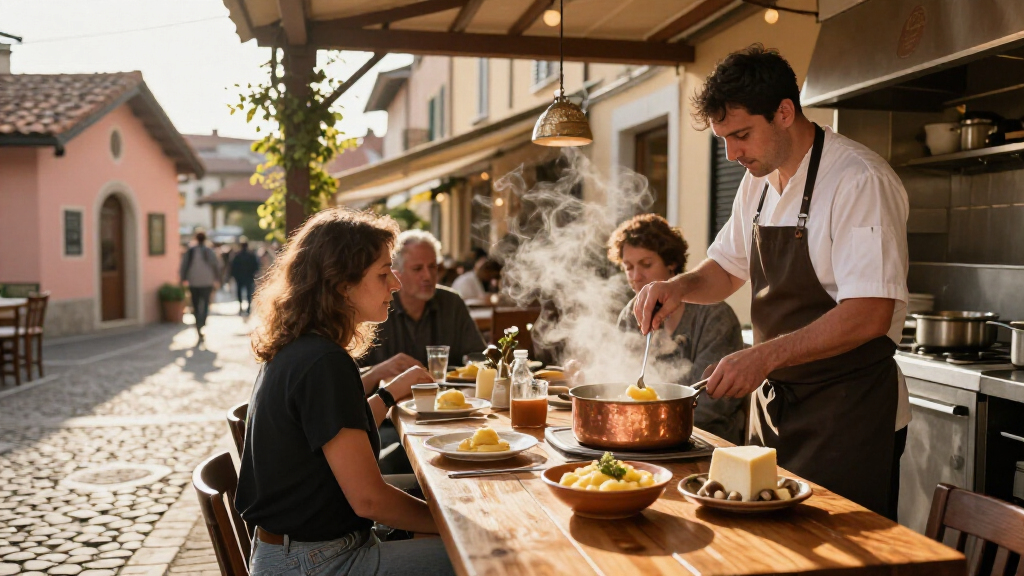
The first time you watch a Bergamasque cook stir polenta taragna in a copper pot, you understand something no restaurant menu can tell you. The buckwheat-darkened cornmeal bubbles like a small volcano, and then the cook folds in fistfuls of local cheese and butter until the whole thing turns glossy and elastic. It takes forty minutes of steady stirring. Nobody rushes it.
An hour down the road in Brescia, the same cornmeal shows up beside spiedo bresciano — skewered meats turning slowly over butter and sage for the better part of a morning. Same grain, same patience, completely different plate.
That is the story of these two cities. Bergamo and Brescia are neighboring Lombard cities with distinct local food identities built on the same foundation: cornmeal, dairy, butter, and time. This guide walks you through what to order in each, which protected cheeses to hunt down, and how to build a trip that tastes both sides of polenta country.
Polenta taragna (buckwheat polenta with cheese and butter) is Bergamo’s signature; Brescia keeps its corn polenta plain as a base for meats like spiedo brescia…
Order casoncelli in both cities and compare: Bergamo’s version leans sweet-savory with amaretti and raisins; the Bresciani tend more savory.
Plan your cheese stops around Strachitunt DOP and Formai de Mut DOP in Bergamo’s valleys, and Bagòss from Bagolino in Brescia’s mountains.
Time your trip for October–March if you want spiedo, game, and full polenta-country cooking; visit on a Sunday for the best chance at spiedo.
The two cities are about an hour apart by train, so a 3–4 day split — two days Bergamo with a valley dairy day, then Brescia with Lake Garda or Franciacorta —…
Bergamo & Brescia: Polenta Country’s Twin Food Capitals
Two neighboring Lombard cities, roughly an hour apart by train, united by cornmeal, butter, cheese, and slow cooking — but divided by landscape. Bergamo’s valleys give it polenta taragna and mountain cheeses; Brescia spans Alps, plain, and Lake Garda, producing spiedo bresciano and Bagòss.
Best enjoyed from autumn through early spring, when the polenta pot never leaves the stove.
Why Polenta Became the Heart of Both Kitchens
Geography demanded it. These are foothill and valley lands where wheat struggled, but corn grew reliably in short summers. Locals say polenta is like bread elsewhere in Italy — not a dish so much as a base for whatever the day provided. Soft and fresh, it goes under stews; set firm overnight, it is sliced, grilled, fried, or layered into bakes. Nothing is wasted.
The Supporting Base
A freshly stirred mound goes under game, mushrooms, and melted cheese — the role rice plays in neighboring provinces or pasta plays further south.
Sliced & Grilled
Leftovers set firm overnight, then get grilled, fried, or layered into bakes. Zero waste is the valley rule that never changed.
The Season on a Plate
Ask any restaurant what their polenta comes with that day. The answer tells you the season, the valley, and sometimes the cook’s family history.
“The first time you watch a Bergamasque cook stir polenta taragna in a copper pot, you understand something no restaurant menu can tell you.”
Field Note · Bergamasque ValleysPolenta Taragna vs. Regular Polenta
Taragna mixes buckwheat flour with cornmeal, then finishes the pot with local cheese and butter until it becomes closer to a very loose fondue than a side dish. The name likely comes from tarai, the long wooden rod traditionally used to stir the pot. Recipes vary by town and household across the Bergamasque valleys.
| Feature | Polenta taragna (Bergamo) | Plain corn polenta (both provinces) |
|---|---|---|
| Flour | Buckwheat + cornmeal | Cornmeal only |
| Color | Dark slate gray-brown | Golden yellow |
| Finish | Cheese and butter stirred in until glossy | Served plain, as a base |
| Typical pairing | Eaten alone or with cured meats | Stews, game, mushrooms, spiedo |
| Gluten-free | ✗ No — buckwheat is often milled with wheat | ~ Usually — but verify milling |
| Philosophy | The polenta is the main event | The polenta plays the supporting role |
Two Cities, Two Plates
Bergamo turned the polenta itself into the main event. Brescia keeps its corn polenta plain — the bed under spiedo bresciano, skewered meats turning slowly over butter and sage for the better part of a morning. Same grain, two philosophies.
Bergamo
Walled Città Alta · Brembana & Seriana valleys- Polenta taragna — buckwheat polenta with cheese and butter folded in
- Casoncelli alla bergamasca — sweet-savory filled pasta with amaretti and raisins, dressed with butter, pancetta, sage
- Polenta e osei — confirm whether you’re ordering the historic savory dish or the sponge-cake dessert with chocolate birds
- Scarpinocc — Parre-origin filled pasta, cheese-based, served dry with butter
- Cheese stops: Strachitunt DOP and Formai de Mut DOP in the valleys
Brescia
Alps · Plain · Lake Garda · Franciacorta- Spiedo bresciano — skewered meats slow-cooked over butter and herbs, best hunted on a Sunday
- Plain corn polenta — the crisp base under mushroom ragù or roasted meats
- Casoncelli bresciani — the local version leans more savory than Bergamo’s
- Lake fish — Garda’s menus offer a lighter, lakeside counterpoint
- Cheese stop: Bagòss from Bagolino in Brescia’s mountains
The Casoncelli Test, City by City
Order casoncelli in both cities and compare. Bergamo’s version leans sweet-savory with amaretti and raisins; the Bresciani tend more savory. Every Bergamasque family argues about the correct filling — which is exactly how you know it matters.
Butter is so central to Bergamasque cooking that it functions almost as a seasoning. Flag dairy, egg, and wheat allergies when ordering — nearly everything on the menu involves all three.
Practical NoteHow to Eat Both Cities in One Long Weekend
You can genuinely taste both food cultures in three or four days. Bergamo and Brescia sit roughly an hour apart by regional train — close enough to split a trip, far enough to feel like two worlds.
Days 1–2 · Bergamo
Eat in the walled Città Alta, reached by funicular. Casoncelli, taragna, and polenta e osei for dessert.
Day 3 · Valley Dairy Day
Drive into the Brembana or Seriana valleys. Buy Strachitunt DOP and Formai de Mut DOP direct from the dairy.
Train · ~1 Hour
Regional rail links the two cities — the easiest hop in polenta country.
Days 4–5 · Brescia
Spiedo on a Sunday, Bagòss from Bagolino, then Lake Garda fish or a Franciacorta vineyard to finish.
Why Polenta Became the Heart of Both Cities’ Kitchens
Polenta rules both provinces because geography demanded it. These are foothill and valley lands where wheat struggled but corn, once it arrived from the Americas in the 1500s, grew reliably in the short summers. For centuries, cornmeal was everyday food for farm families in the Bergamasque and Brescian valleys — cheap, filling, and endlessly adaptable.
The metaphor that locals use is that polenta is like bread elsewhere in Italy: not a dish so much as a base for whatever the day provided. A soft, freshly stirred mound goes under stews and melted cheese. Leftovers set firm overnight, then get sliced and grilled, fried, or layered into bakes. Nothing is wasted.
In many traditional meals from this region, polenta still plays the supporting role that rice plays in neighboring provinces or pasta plays further south. It appears alongside game, mushrooms, cured meats, and the aged mountain cheeses that thrive in the same valleys. In the coldest months, polenta and slow-cooked meat is the definitive dinner — the dish that fuels a day of cold or physical work.
Ask any restaurant in either city what their polenta comes with that day. The answer tells you the season, the valley, and sometimes the cook’s family history.
One practical note for anyone cooking at home: traditional polenta requires constant stirring for 40–50 minutes, which is exactly why it tastes better than the quick-cook kind. The instant version works in a pinch, but the texture — creamy inside, with that faint toasted-corn sweetness — belongs to the slow pot.
Top picks for "bergamo brescia polenta"
As an affiliate, we earn on qualifying purchases.
Polenta Taragna vs. Regular Polenta: What Actually Makes Them Different
Polenta taragna is Bergamo’s signature preparation: a darker, richer polenta made by mixing buckwheat flour with cornmeal, then finishing the pot with local cheese and butter until it becomes something closer to a very loose fondue than a side dish. Ordinary polenta is just cornmeal, water, and salt — taragna is the dressed-up, valley-born cousin.
The buckwheat is the key. It gives taragna a slate-gray color and an earthy, almost nutty depth that plain corn polenta lacks. The name likely comes from tarai, the long wooden rod traditionally used to stir the pot. Recipes vary by town and household across the Bergamasque valleys — some use half buckwheat, some barely a quarter, and the cheese changes depending on what the local dairy produces.
Because buckwheat contains gluten-bearing proteins and is often milled alongside wheat, taragna is not gluten-free. Plain corn polenta usually is, but always check the label or ask in the restaurant, since cross-milling is common in the region.
| Feature | Polenta taragna (Bergamo) | Plain corn polenta (both provinces) |
|---|---|---|
| Flour | Buckwheat + cornmeal | Cornmeal only |
| Color | Dark gray-brown | Golden yellow |
| Finish | Cheese and butter stirred in | Served plain, as a base |
| Typical pairing | Eaten alone or with cured meats | Stews, game, mushrooms, spiedo |
| Gluten-free | No | Usually, but verify milling |
In Brescia, corn polenta tends to stay plain and play the supporting role — the bed under roasted meats or the crisp base under a mushroom ragù. Bergamo turned the polenta itself into the main event. Same grain, two philosophies.

What to Order in Bergamo: Casoncelli, Taragna, and a Famous Fake Bird
Bergamo’s menu centers on three dishes you should not leave the city without trying: casoncelli alla bergamasca, polenta taragna, and — confusingly — polenta e osei, which despite the name contains no actual polenta on the plate.
Start with the casoncelli. These are filled pasta, half-moon shaped, stuffed with a mixture that typically includes breadcrumbs, cheese, egg, and often amaretti crumbs and raisins — a sweet-savory combination that surprises first-timers. The classic dressing is minimal: melted butter, crisp pancetta, and sage. The pasta is the point. Every Bergamasque family argues about the correct filling, which is exactly how you know it matters.
Polenta e osei deserves a warning before you order. The historic savory dish — small birds (osei) served over polenta — survives in some traditional kitchens, but the version most visitors encounter is the dessert: a dome of yellow sponge cake topped with chocolate birds, invented by a Bergamo pastry shop in the early 20th century as a playful tribute. Order it with coffee and let the waiter explain the story. Both versions are legitimately Bergamasque.
Bergamo’s setting doubles the experience. The upper town, Città Alta, is a walled medieval hilltop reached by funicular, and its restaurants source cheeses and meats from the surrounding valleys — the Brembana and Seriana valleys are short drives away. Eat in the upper town, then buy your cheese directly from a valley dairy the next morning.
- Casoncelli alla bergamasca — sweet-savory filled pasta with butter, pancetta, sage
- Polenta taragna — buckwheat polenta with cheese and butter folded in
- Polenta e osei — confirm whether you are ordering the historic savory dish or the sponge-cake dessert
- Scarpinocc — a Parre-origin filled pasta, cheese-based, often served dry with butter
All of these dishes involve dairy, eggs, and usually wheat pasta, so flag allergies when ordering — butter is so central to Bergamasque cooking that it functions almost as a seasoning.
What to Order in Brescia: Spiedo, Lake Fish, and a Wider Pantry
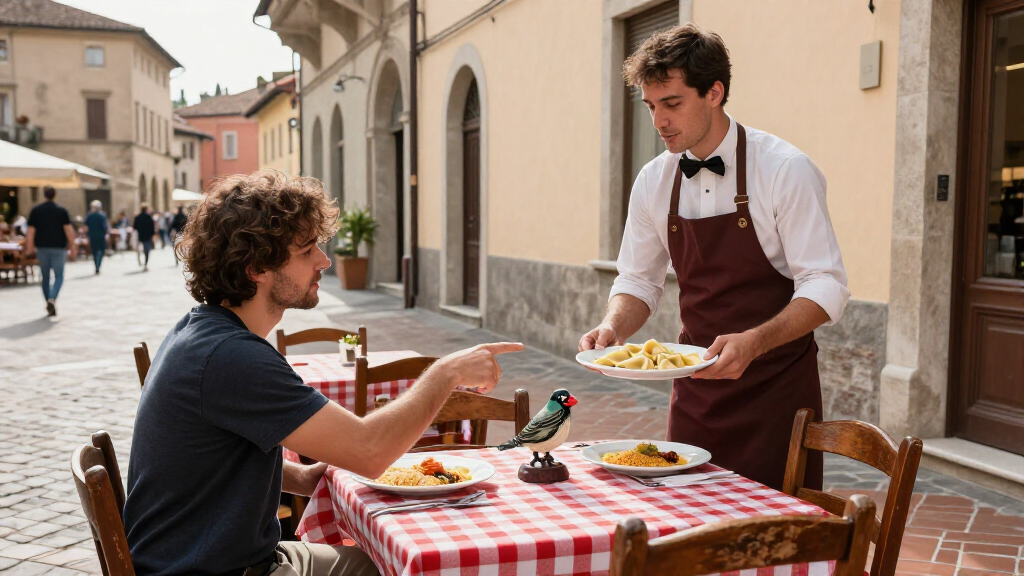
Brescia’s defining dish is spiedo bresciano: skewers of alternating meats — typically pork, chicken, and beef, sometimes with small birds or liver — cooked slowly for hours over drip pans of butter, sage, and rosemary. It is traditionally a Sunday and feast-day dish, served with plain grilled or soft polenta to soak up the drippings. If you see it on a menu, order it; it rarely appears by chance.
What makes Brescia distinct from its neighbor is range. The province stretches from Alpine valleys down across the fertile plain to the western shore of Lake Garda, so its kitchens draw on three food landscapes at once. Bergamo looks mostly upward toward its mountains; Brescia looks in every direction.
That means your Brescia eating might include lake fish — sardines, perch, carpione prepared in various local styles — alongside the mountain traditions the city shares with Bergamo. Brescia also has its own casoncelli, the casoncelli bresciani, which tend toward a more savory filling than the Bergamasque version, though naming and recipes blur at the provincial border where the two food cultures overlap.
The city’s other great claim is liquid: Brescia province produces Franciacorta, the méthode classique sparkling wine that many Italians prefer to Champagne for the price. A glass of Franciacorta alongside richer Brescian dishes is the local move — the acidity cuts through butter and slow-cooked meat. For red drinkers, the area’s reds and the nearby Valcalepio wines from Bergamo province both hold up well to polenta country’s cooking. Alcohol is for adults, of course, and the strong food here makes pacing easy.
Practically speaking, Brescia rewards a slower visit. The city is less touristy than Bergamo’s postcard upper town, the restaurants feel more local, and portions run generous. Come hungry, and consider making spiedo days — Sundays and holidays — your target.
The Cheese Trail: Four Protected Cheeses Worth Planning a Day Around
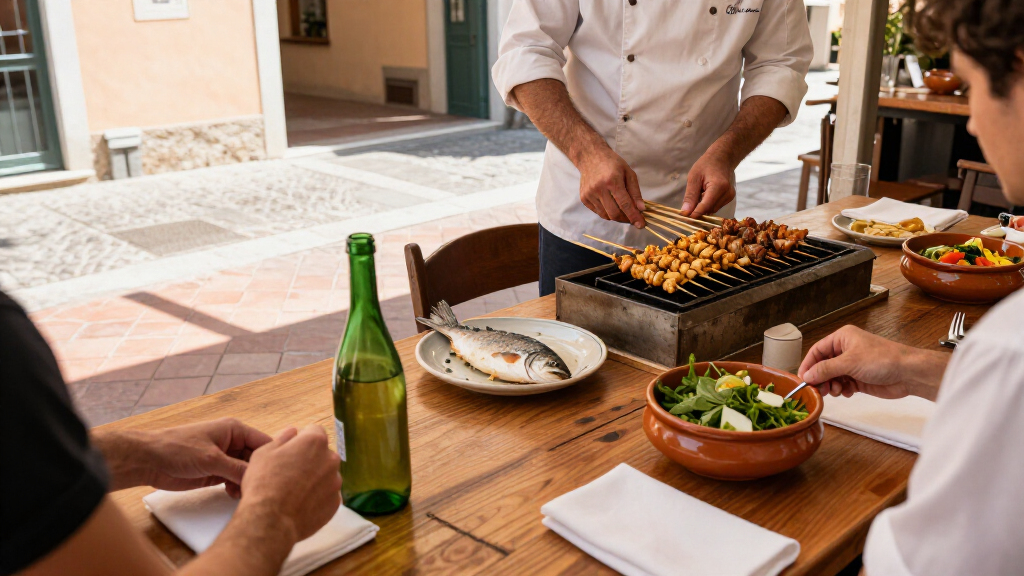
Cheese is not a side note in this region — it is the reason the food tastes the way it does, stirred into polenta, grated over pasta, and aged in valley dairies you can actually visit. Four local cheeses should anchor your shopping list.
In Bergamo province, look for Strachitunt, a soft blue-veined cow’s milk cheese from the Valle Brembana with DOP status (Denominazione di Origine Protetta — protected designation of origin, meaning it can only be produced in that defined area under strict rules). Its blue veining is natural and irregular, giving each wheel a different character. From the same valley comes Formai de Mut dell’Alta Valle Brembana, also DOP — an alpine summer-pasture cheese, semi-aged, with a grassy sharpness that melts beautifully into taragna.
Brescia’s mountain answer is Bagòss from the village of Bagolino, a hard aged cow’s milk cheese with a distinctive straw color and tiny pinholes, sometimes called the Parmigiano of the mountains. And the wider Lombard area produces Taleggio, the soft washed-rind cheese named after the Val Taleggio in Bergamo province — pungent on the rind, creamy and mild inside, and one of Italy’s most copied cheeses, so look for the DOP stamp.
| Cheese | Origin | Style | Best use |
|---|---|---|---|
| Strachitunt DOP | Valle Brembana (Bergamo) | Soft, natural blue | Cheese board, melt into polenta |
| Formai de Mut DOP | Alta Valle Brembana (Bergamo) | Semi-aged alpine | Taragna, grating |
| Bagòss | Bagolino (Brescia) | Hard, aged, straw-colored | Grating, eating |
| Taleggio DOP | Val Taleggio area | Soft washed-rind | Melting, table cheese |
Across northern Italy, agriturismi (farm-stay restaurants) and dairy visits have become a real focus of food tourism, and both provinces are well set up for it — many dairies in the Brembana valleys and around Bagolino sell directly to visitors. Call ahead; working dairies keep working-farm hours. All of these cheeses are cow’s milk, so they carry dairy allergens, and soft cheeses like Taleggio should be kept refrigerated and eaten within a couple of weeks of cutting.
How to Eat Both Cities in One Long Weekend
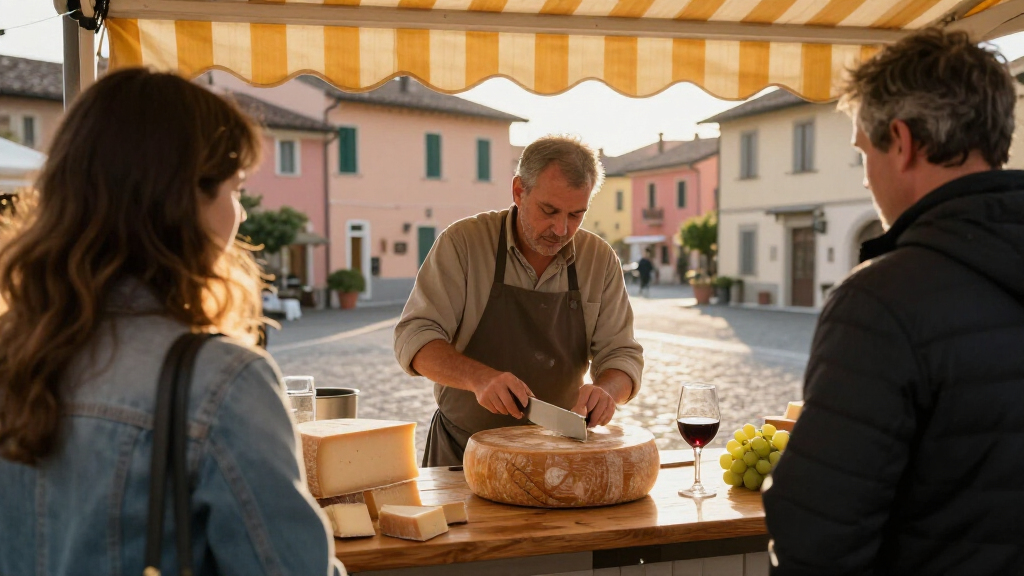
You can genuinely taste both food cultures in three or four days, because Bergamo and Brescia sit roughly an hour apart by regional train, with frequent connections. The trick is not rushing — polenta country runs on slow cooking, and your itinerary should too.
Both cities were jointly named Italian Capitals of Culture for 2023, the first shared designation ever, and that year put fresh energy into their restaurants, markets, and producer networks. The crowds have thinned since, but the improved food infrastructure stayed.
Here is a sequence that works:
- Day 1 — Bergamo: Lunch on casoncelli alla bergamasca in Città Alta. Take the funicular up, walk the walls, and let the waiter talk you into taragna for dinner.
- Day 2 — Bergamo valleys: Rent a car or take a bus up the Val Brembana. Visit a dairy for Formai de Mut or Strachitunt, and eat at an agriturismo where the polenta is stirred in the same room you sit in.
- Day 3 — Brescia: Train over in the morning. Explore the remarkable Roman ruins and medieval center, then seek out casoncelli bresciani for lunch to compare against Bergamo’s version.
- Day 4 — Lake Garda or Franciacorta: Depending on season, finish with lake fish on the western shore or a sparkling-wine tasting in the Franciacorta hills south of the city.
Timing matters more than you’d expect. Polenta, spiedo, game, and aged cheeses belong to the colder half of the year — plan roughly October through March for the full menu. Summer visits shift the table toward lake fish, garden vegetables, and lighter fare, which is its own reward but a different one. If spiedo is your goal, aim for a Sunday.
Vegetarians are not stranded, either. Taragna is often vegetarian (ask about the cheese’s rennet if that matters to you), and many restaurants will serve polenta with mushrooms or aged cheeses instead of meat. The dishes are traditions, not fixed formulas — asking what the kitchen has that day is not just accepted, it’s expected.
Frequently Asked Questions
Is polenta taragna gluten-free?
No. Traditional polenta taragna mixes buckwheat flour with cornmeal, and buckwheat is often milled alongside wheat, so cross-contact is common. Plain corn polenta is usually gluten-free, but always check the package or ask the restaurant about milling practices before ordering.What is the difference between casoncelli alla bergamasca and casoncelli bresciani?
Both are filled pastas, and their territories overlap at the provincial border. The Bergamasque version typically includes sweet elements like amaretti crumbs and raisins in the filling, served with butter, pancetta, and sage. The Bresciani tend toward a more savory stuffing. Recipes vary by family, so expect differences from restaurant to restaurant.Is polenta e osei a main course or a dessert?
Both exist. The historic dish is small roasted birds served over polenta, found in some traditional kitchens. The version most visitors encounter is the dessert: a yellow sponge cake dome decorated with chocolate birds, created by a Bergamo pastry shop as a playful homage. Confirm with the waiter which one you are ordering.When is the best time of year to visit for the food?
Roughly October through March. Polenta, spiedo bresciano, game, mushrooms, and aged cheeses belong to the colder months and mountain cooking. Summer shifts menus toward lake fish and lighter fare. If spiedo is a priority, visit on a Sunday or holiday, when it is traditionally served.Which local wines pair well with these rich dishes?
Franciacorta, the sparkling wine produced south of Brescia, is the regional classic — its acidity cuts through butter and slow-cooked meats. For still wines, look to the reds of the province and to Valcalepio from Bergamo province, both sturdy enough for polenta country’s cooking. Alcohol is for adults; enjoy responsibly.Can vegetarians eat well in polenta country?
Yes, with a little asking. Polenta taragna is often vegetarian (check the rennet in the cheese if that matters to you), and many restaurants happily serve polenta with mushrooms or aged local cheeses instead of meat. Dairy and eggs are pervasive in both cuisines, so vegans will find it harder and should call ahead.Conclusion
The single most useful thing to remember: treat Bergamo and Brescia as two chapters of one book, not interchangeable polenta capitals. Bergamo reads like its valleys — dark taragna, alpine cheeses, a walled hilltop town looking toward the mountains. Brescia reads like its whole province — spiedo turning over butter, lake fish an hour south, Franciacorta fizzing in between.
Book the trip for a cold-weather weekend, order the casoncelli in both cities, and ask every waiter which local cheese is in the polenta that night. The answer, each time, will be a little different — and that difference is exactly why you came.

Fall Picks
fall essentials
As an affiliate, we earn on qualifying purchases.