TL;DR

Get kitchen staples and gadgets delivered free with Prime
- Fast, free delivery on millions of items
- Prime Video, Amazon Music and more included
- Member-only deals all year
After a Bialetti moka pot, choose your next coffee maker by the job you want it to do: pour-over for a cleaner, more aromatic cup, French press for body, AeroPress for a quick single serving, drip for a larger hands-off batch, or an espresso machine for true espresso. Check serving size, cleanup, grinder, budget, counter space, and stove compatibility before you buy; a second moka pot in another size may be the most practical option.
Pick your second brewer by the gap you want to fill: cup clarity, body, serving size, convenience, or true espresso.
A moka pot makes concentrated stovetop coffee, not espresso; choose an espresso machine only if espresso drinks and the upkeep appeal to you.
Pour-over suits a clean, aromatic cup; French press gives more body; AeroPress serves small batches; drip handles hands-off volume.
Check counter space, cleanup, grind needs, ongoing supplies, and induction compatibility before buying.
Fresh beans, good water, and a brewer-suited grind can improve your current setup before you spend on another device.
A practical guide to your next brew
The Bialetti Question and Beyond: Picking Your Second Coffee Maker
Your next brewer should fill a real gap. Choose for the cup, serving size, and morning rhythm you want—not for a universal “best.”
01 / Start with the gap
What does your moka pot leave out?
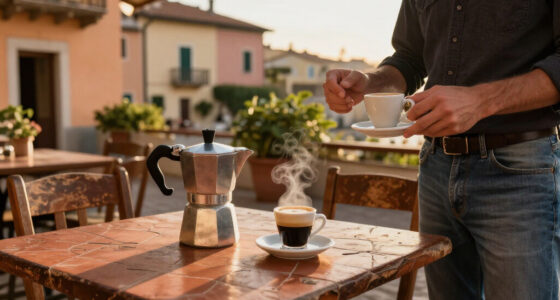
A moka pot makes rich, concentrated stovetop coffee using steam pressure, at much lower pressure than espresso equipment. Its bold cup can be excellent, but it does not reproduce espresso extraction or crema. Write down the missing experience before shopping.
Try pour-over for a brighter, more aromatic cup.
French press brings oils and a fuller feel.
Drip brewing handles a repeatable batch hands-off.
A large French press, drip machine—or second moka pot—may fit.
Espresso reality check: choose an espresso machine for actual espresso drinks, practice, and upkeep. If you simply enjoy strong coffee, your moka pot may already be doing its job beautifully.
02 / Compare the cup
Match the brewer to the experience
Each method earns counter space by changing the cup or the kitchen routine. Use this quick comparison to narrow the field.
| Brewer | What changes from moka | Best fit | Tradeoff |
|---|---|---|---|
| Pour-over | ✓ Cleaner, lighter cup; more control | One or two cups, unhurried morning | ~ Kettle, filter, attention |
| French press | ✓ Fuller body, more oils | A generous, relaxed shared pot | ~ Grounds and screen need cleaning |
| AeroPress | ✓ Quick, adaptable single servings | Solo routine, desk, or travel | ~ Small batches; not a crowd brewer |
| Drip machine | ✓ Hands-off, repeatable volume | Several cups or guests | ~ Counter space; models vary |
| Espresso machine | ✓ True espresso extraction | Espresso drinks and practice | ~ Higher cost, learning, regular care |
| Another moka pot | ✓ Same familiar brew, different size | You love moka; need more capacity | ~ Check stove and induction fit |
A second brewer is useful when it serves a different purpose. A different-size moka pot may be the most practical choice when you already love the result.
03 / Fit the morning
Choose for your real kitchen rhythm
A Saturday breakfast in Trieste might leave time to bloom a fragrant pour-over. On a Tuesday, coffee for four before the train calls for a faster, larger batch. The best fit depends on the morning you actually have.
Pour-over
Control water flow, grind, and timing. Paper filters catch most fine particles and some oils, letting delicate aromas come through.
French press
Add grounds and hot water, wait, then plunge. Expect a rounder cup, more oils, and a little sediment.
AeroPress
Fast brewing and a quick rinse suit a solo cup, a desk drawer, or an overnight bag. Flexibility may take a little experimenting.
04 / Check the setup
Flavor is only part of the decision
Grind, batch size, cleanup, and fit can matter as much as taste. A few checks before buying can prevent a brewer from becoming one more thing to store and wash.
Serving size
How many cups do you need on an ordinary weekday—and when guests visit?
Cleanup
Consider grounds, screens, filters, rinsing, and the time you have after brewing.
Grinder & grind
A consistent grind helps every method. The ideal setting differs by brewer.
Budget & supplies
Factor in filters, ongoing care, and any gear the new routine requires.
Counter space
Choose a footprint that fits your kitchen and is easy to reach each morning.
Stove compatibility
For moka pots, confirm induction compatibility or check for a suitable adapter.
05 / Before you buy
Improve the cup you already make
Fresh beans, good water, a brewer-suited grind, and a consistent recipe can improve any method. A new device cannot rescue stale coffee or a mismatched grind.
More cups, more clarity, speed, or espresso?
Clean, full-bodied, quick, hands-off, or true espresso.
Space, grind, supplies, cleanup, compatibility.
Fresh beans, good water, repeatable recipe.
Pick the brewer that fills the gap.
Start by naming what your moka pot can’t do
Your second coffee maker should solve a problem your moka pot leaves behind: it might make a bigger batch, a cleaner cup, a faster morning, or true espresso. Start with that missing piece, because it narrows the options more reliably than searching for a universal winner. The moka pot already gives you a rich, concentrated stovetop brew; the useful question is what you want tomorrow’s cup to do differently. A moka pot is not an espresso machine. It uses steam pressure to push hot water through coffee, but at far lower pressure than espresso equipment. The result can taste bold and full, especially with milk, but it does not reproduce espresso extraction or crema. If you want a cappuccino built on actual espresso, that difference matters. If you simply like a strong coffee, your moka pot may already be doing its job beautifully. Think of your current brewer as a well-loved pan: another pan only helps if it cooks something your first one handles poorly. For instance, if your three-cup moka pot leaves you making coffee in two rounds for brunch, a larger drip brewer solves a clear problem. If you mostly drink alone but want more aroma and clarity, a pour-over may offer a more meaningful change. Write down the missing experience before shopping: “coffee for four,” “less sediment,” “one quick cup,” or “real espresso drinks.” That sentence becomes your filter when descriptions and feature lists start to blur.As an affiliate, we earn on qualifying purchases.
Match the brewer to the cup you want next
Pour-over makes a clean, aromatic cup with hands-on control; French press makes a fuller-bodied brew with more oils and some sediment; AeroPress suits quick, adaptable single servings. Drip machines handle larger batches with less attention, while espresso machines make true espresso at a higher cost and learning curve. Each method earns counter space by adding a different experience. | Brewer | What changes from moka coffee | Best fit | Tradeoff | |—|—|—|—| | Pour-over | Cleaner, lighter cup with more control | One or two cups and an unhurried morning | Needs a kettle, filter, and attention | | French press | Fuller body and more oils | A generous, relaxed batch | Grounds and screen need cleanup | | AeroPress | Quick, adaptable cup; easy rinse | Small servings and travel | Not suited to a crowd | | Drip machine | Hands-off, repeatable batch | Several cups before work or for guests | Takes counter space; models vary | | Espresso machine | True espresso extraction | Espresso drinks and practice | Costs more and needs regular care | Picture a Saturday in Trieste: you have time to bloom a pour-over, watch the stream darken the filter, and sip a fragrant cup with breakfast. On a Tuesday when four people need coffee before the train, that same ritual may feel like a bottleneck. A drip machine or large French press will fit the moment better. These choices are not just flavor profiles; they’re different kitchen rhythms. Pour-over asks you to stay present, while drip brewing lets you pack lunches. A French press gives you a sturdy shared pot, while an AeroPress keeps a desk or suitcase setup compact. Choose based on the cup and the morning you actually have.Choose pour-over or French press for a different texture
Choose pour-over when you want a lighter, cleaner cup and enjoy controlling each pour; choose French press when you want a fuller brew and an easy shared pot. Both change the texture of coffee in a way that can feel refreshing after a moka pot’s concentrated intensity. For a kitchen with one coffee drinker and a kettle, pour-over is a natural place to start; for two friends lingering over breakfast, French press may suit the table better. Pour-over lets you adjust the grind, water flow, and brewing time. A paper filter catches most fine particles and some oils, leaving a bright cup where floral or citrus notes can stand out. Imagine opening a bag of beans from northern Italy and finding a gentle chocolate scent: a slower pour-over can make those aromas easier to notice than a quick, intense moka brew. You do need a kettle and a little attention, so it’s less convenient when you’re rushing out the door. French press takes a simpler route. Add grounds and hot water, wait, then press the plunger; the metal screen lets more oils and small particles through. That gives the coffee a rounded, sometimes almost velvety feel, but it also leaves a small layer of sediment in the cup. If you serve it for Sunday breakfast, ask guests whether they mind a little grit before pouring the last splash from the pot. Neither method fixes stale beans or an unsuitable grind. If your current coffee tastes flat, try fresh beans and a consistent recipe first. These brewers reward small adjustments, but the first purchase should match the texture you want, not a promise of effortless perfection.Pick AeroPress or drip for your real morning schedule
An AeroPress fits quick, compact brewing for one or two people, while a drip machine makes hands-off batches for several cups. Choose between them by looking at who needs coffee and when: the AeroPress suits a solo commute routine, and drip suits a household where everyone wants a mug before leaving home. Both can make daily coffee easier, but they solve different scale problems. The AeroPress is small enough for a desk drawer or overnight bag, and its cleanup is usually quick: press the coffee puck into the compost or trash, then rinse the parts. Its versatility lets you adjust the recipe, though that flexibility may mean a little experimenting at first. If you work from a small apartment and want one cup before opening your laptop, it can be a practical second brewer. If you often host six people, pressing individual servings will get old. A drip machine offers the opposite trade: less hands-on work for a larger pot. Add coffee and water, start the brew, and use those few minutes to butter toast or find your keys. Its performance and extra features vary widely, so focus on the details you’ll use: batch size, ease of cleaning, and whether the water reservoir fits your counter. A timer can help with a morning routine, but it can’t make old coffee taste fresh. Before buying, run a plain household scenario. If you need four cups at 7:15 a.m. every weekday, prioritize a reliable batch. If you make one cup for yourself and occasionally travel, compactness and rinsing may matter more than capacity. Your daily schedule is evidence; let it guide the purchase.Buy espresso equipment only if you want espresso practice
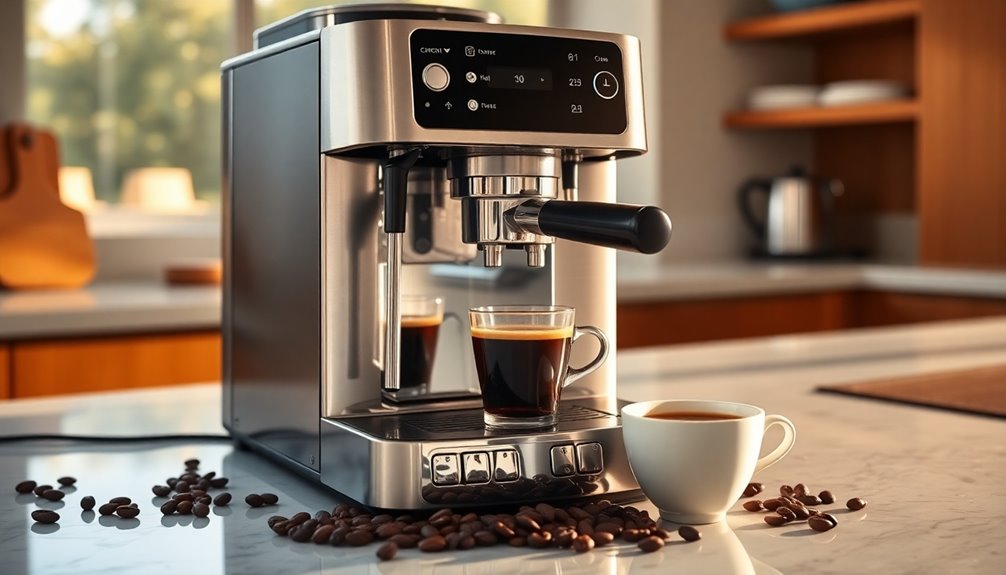
An espresso machine makes sense when you want true espresso and expect to practice, clean, and spend more than you would for a simple brewer. It is the closest home route to café-style espresso drinks, but it brings a learning curve that a moka pot doesn’t. If your ideal Sunday includes dialing in a shot and steaming milk, that work can become part of the pleasure; if you only want strong coffee quickly, it may become an expensive counter ornament. Espresso depends on a fine, consistent grind and controlled brewing. A grinder that works well for a French press may not give you the fine adjustment needed for espresso, so the machine may not be the entire budget. You’ll also need to keep the group head, basket, and steam wand clean. After buying a machine, imagine the end of a busy weekday: will you still wipe the wand and rinse the basket, or will you reach for the moka pot instead? If espresso drinks are the goal, start by deciding how much hands-on control you want and how much counter space you can spare. Home espresso equipment has become more accessible, but specific models, prices, and availability change. Check current specifications before purchase, and remember that “espresso-style” marketing on a different brewer does not turn its coffee into espresso. A second moka pot is also a sensible choice if you already love the result. A different capacity can cover guests or a solo cup, and an induction-compatible model may help if your kitchen has an induction hob. Confirm compatibility before buying; an adapter may work with some setups, but it adds another item to store and use.Check the whole setup before you spend
The best second brewer is one that fits your budget, counter, stove, grinder, and cleanup habits as well as your taste. Those practical details decide whether a brewer becomes part of your week or gathers dust. A compact pour-over can look inexpensive until you add filters and a kettle; a new moka pot can be the simplest option if your present one already suits your coffee routine. Run through these checks before you buy:- Count the usual servings. Choose for the number of people who drink coffee on a normal morning, not just a holiday crowd. If you make one cup for yourself and four cups on occasional weekends, a small brewer may still be the right everyday choice.
- Measure the space. Check counter width, cabinet height, and storage for a kettle or filters. A drip machine that stays boxed because the counter is full won’t improve breakfast.
- Include ongoing supplies. Paper filters, compatible baskets, and a suitable grinder setting can add small recurring costs. Ask what you’ll need in the first month, not only what the brewer costs.
- Check stove compatibility. An induction hob requires an induction-compatible moka pot or a suitable adapter. Read the brewer’s current specifications instead of assuming a familiar shape will work.
- Try a fresh-coffee adjustment first. Fresh beans, good water, and a grind suited to the method can improve any cup. One grind setting may not suit every brewer, so change it method by method.
Make the second brewer earn its place in your kitchen
A second brewer earns its place when it helps you make coffee you want at a moment your moka pot doesn’t cover. That might be a clear pour-over on a quiet morning, a French press shared at the table, an AeroPress during a trip, or a drip pot for the household rush. Try to name that moment in one sentence before checkout; if you can’t, you may not need another brewer yet. Coffee and technique still shape the result. Use fresh beans, clean equipment, good-tasting water, and a grind suited to the brewer. Change one thing at a time: if a pour-over tastes thin, try a finer grind or slower pour before buying new equipment. If a French press feels muddy, adjust the grind or pour carefully so fewer grounds end up in the cup. A new brewer is a new set of choices, not a reset button for the beans. Households often benefit from two methods because their mornings differ. A moka pot can serve someone who loves a concentrated cup, while a drip machine handles breakfast for three. Or a pour-over can bring a little ceremony to a weekend, while the moka pot remains the fast weekday favorite. These are complementary jobs, not competing identities. A good article about coffee gear should leave you with a purchase you can explain: “I chose this because it makes a cleaner cup for one,” or “I chose it because it brews enough for guests.” When the reason is that concrete, picking your second becomes much easier.Frequently Asked Questions
What should I buy after a Bialetti moka pot?
Choose for the experience you want next: pour-over for a cleaner, more aromatic cup; French press for body; AeroPress for a compact single serving; drip for a hands-off batch; or espresso equipment for true espresso. If you simply need more capacity, another moka pot in a different size may suit you.Is a moka pot the same as espresso?
No. A moka pot uses steam pressure to brew concentrated stovetop coffee, at much lower pressure than an espresso machine. It can make a rich cup, but it doesn’t reproduce espresso extraction or crema.Which second coffee maker is easiest for several people?
A drip machine is a practical hands-off choice for a larger batch, while a large French press offers a simple shared pot. Check the stated capacity and how much coffee your household actually drinks; an AeroPress is better suited to small servings.Do I need a better grinder for a second brewer?
A consistent grind helps every brewing method, but the suitable grind varies by brewer. You can start with fresh coffee and adjust the grind for the method you use; espresso often asks for finer control than a moka pot or French press.Can I use my moka pot on an induction stove?
Only if the pot is induction-compatible, or if a suitable adapter works with your setup. Check the pot and stove specifications before buying or brewing; familiar moka pot shapes do not all work on induction.Is buying a second coffee maker redundant?
It isn’t redundant if the new brewer fills a different need, such as making more cups, producing a cleaner brew, or simplifying a rushed morning. If you enjoy your moka pot and have no unmet need, a second device may add little.Conclusion
Choose the brewer that fits a real moment in your week. If you want a cleaner cup, try pour-over; if you want a shared batch, look at French press or drip; if you want true espresso, budget for the machine, grinder, practice, and cleanup. And if your Bialetti already makes the coffee you love, a different size or induction-compatible model may be all the change you need. Before you buy, finish this sentence: “My second brewer will help me make coffee for…” The clearest answer is likely the one you’ll use while the kettle sings and the kitchen starts to smell like morning.Halloween Picks
halloween
As an affiliate, we earn on qualifying purchases.