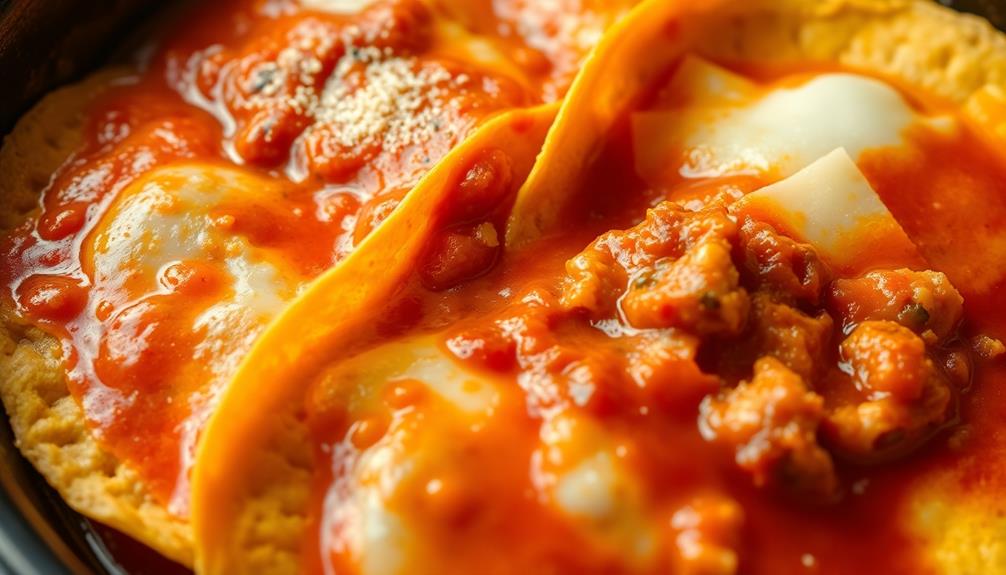
TL;DR

Get kitchen staples and gadgets delivered free — and shop member deals
- Fast, free delivery on millions of items
- Access to Prime Big Deal Days deals on October 6–7
- Prime Video, Amazon Music and more included
Homemade Passata Day is an informal family gathering where ripe summer tomatoes are washed, milled, strained, bottled, heat-processed, and divided into a year’s supply of plain tomato purée. You can preserve the tradition while following a current, laboratory-tested canning recipe, including its acidification, container, processing-time, and altitude instructions.
By eight in the morning, the aprons are already red. Crates sit open beneath the late-summer sun, a tomato mill chatters across the courtyard, and someone presses a basil leaf into each waiting jar. This is Homemade Passata Day: part preservation project, part family reunion, and part argument about whether the tomatoes need another trip through the mill.
The custom appears most strongly in southern Italian families and Italian diaspora communities in Australia, North America, Argentina, and other parts of the world. It has no official date and no single authentic recipe. Families work when local tomatoes reach their ripest, fleshiest stage, whether that means August in Campania or February in Melbourne.
You can borrow the best parts of the tradition even if you have no inherited machine or courtyard full of relatives. You need good tomatoes, a realistic production plan, and a current tested preservation recipe. You also need to keep heritage and food safety in the same room: preserve the noisy table, the shared meal, and the family preferences, but use validated acidification and heat-processing guidance for anything stored at room temperature.
Plan with a rough yield of 700 milliliters of passata per kilogram of ripe tomatoes, then test a small batch because tomato variety and desired thickness chang…
Give every helper one station—sorting, washing, milling, filling, processing, cooling, or labeling—so tomatoes move in one direction without crowding hot equip…
Use a complete, current laboratory-tested canning recipe and follow its acidification, jar, closure, headspace, processing-time, and altitude instructions exac…
Keep untested family recipes refrigerated or frozen, and discard leaking, bulging, moldy, spurting, or unsealed containers without tasting them.
Preserve the tradition through family roles, meals, labels, stories, and regional preferences while updating old bottling habits that do not meet current safet…
Homemade Passata Day
How Italian families turn peak-season tomatoes into a year of smooth, versatile purée—preserving shared labor and household memory while following current, laboratory-tested canning guidance.
One direction, one clear job per helper
Passata Day works like a small family factory. Assign sorting, washing, milling, filling, processing, cooling, and labeling before the first crate opens. A smooth flow limits crowding around hot equipment.
Sort
Choose fully ripe, sound fruit. Reject moldy, rotten, fermented, or leaking tomatoes.
Wash
Clean and trim the harvest according to the selected tested recipe.
Prepare
Heat briefly or mill raw only when the validated method permits it.
Mill
Separate smooth pulp from skins and most seeds; repeat if the method allows.
Preserve
Acidify, fill, close, and heat-process exactly as the tested recipe directs.
Share
Cool, inspect, label, store, and divide the finished supply among households.
Estimate the yield, then test the fruit
About 700 milliliters per kilogram is a useful planning figure. Variety, water content, trimming, milling, and desired thickness can change the result substantially.
From ripe tomatoes to finished passata
Run a 2-kilogram trial before buying a neighborhood-scale load. Dense plum tomatoes generally produce more pulp and less free water than juicy slicing varieties.
The harvest sets the date
There is no official Passata Day. Families gather when local tomatoes are abundant, fleshy, flavorful, and fully ripe.
Passata is a flexible base, not a finished dinner
Passata is plain tomato purée strained to remove skins and most seeds. It is uncooked or briefly heated before preservation and remains less concentrated and less seasoned than a finished sauce.
| Tomato product | Texture and preparation | Plain canvas | Best everyday use |
|---|---|---|---|
| Passata | Smooth, strained, plain, and lightly heated or uncooked before preservation | ✓ Yes | Fast sauces, pizza, soups, stews, and braises |
| Tomato sauce | Cooked down and commonly seasoned | ✗ Usually not | Nearly finished pasta sauces and baked dishes |
| Tomato paste | Dense and highly concentrated | ✗ No | Deep flavor, sweetness, and color by the spoonful |
| Crushed tomatoes | Chunkier, with more seeds and sometimes skin | ~ Partly | Rustic ragù, soups, and texture-forward dishes |
| American tomato purée | Often cooked and more concentrated than Italian passata | ~ Varies | Longer-simmered sauces and chili |
No single method owns authenticity
Households differ in texture, equipment, additions, and technique. The enduring thread is continuity: people return each season to share work, food, knowledge, and a flavor that feels like home.
Ripe beats prestigious
Roma and San Marzano-style tomatoes are popular because they are fleshy, but excellent local fruit can matter more than a famous name. DOP status belongs only to tomatoes produced under the protected Campanian specification.
One pass or three
Repeated milling can recover more pulp from the skins and produce a thicker result. Other families prefer a lighter, more fluid passata that spreads quickly across pizza dough.
Plain by design
Some families add basil or salt; others bottle tomato alone. Any room-temperature version must stay within the ingredient limits of a complete tested preservation recipe.
Many household names
The ritual may be called tomato day, sauce day, fare la passata, fare la salsa, or fare le bottiglie. Vocabulary changes across regions and generations.
Labor becomes memory
Grandparents sort, adults run the mill, teenagers fill, and children label cooled containers. A demanding preservation job becomes a yearly family marker.
Use the harvest well
Good planning, efficient milling, shared equipment, and realistic batch sizes support thrift and reduce waste without sacrificing safety or quality.
Keep heritage and food safety in the same room
Tomatoes vary in acidity. Room-temperature storage requires a complete, current, laboratory-tested recipe—not a collection of instructions borrowed from different methods.
A bottle carries more than tomatoes
The practical result is a pantry staple. The deeper result is a chain connecting seasonality, shared work, regional identity, migration history, household taste, and the next generation.
What Passata Day Gives You Beyond a Pantry Full of Tomatoes
Homemade Passata Day is an informal name for the annual family gathering devoted to turning peak-season tomatoes into smooth purée for the coming year. The work preserves a harvest, but the day also shares skills, equipment, stories, and regional identity across generations.
In Italy, you may hear fare la passata, meaning “make the passata,” or household expressions such as fare la salsa and fare le bottiglie, “make the sauce” and “make the bottles.” The wording changes from one region and family to another. The timing changes too: August or September is common in much of Italy, while Australian families often gather from January through March.
The scene works like a small neighborhood factory. A grandparent sorts tomatoes, an uncle feeds the mill, teenagers fill jars, and younger children stick labels on cooled containers. At lunch, the production line pauses for bread, cheese, sliced salumi, and perhaps pasta dressed with the first bright-red spoonful from the batch.
That shared labor explains why families keep doing it when supermarket passata is inexpensive. One person can spend a tiring weekend processing tomatoes alone; ten people can turn the same work into a yearly marker. The mill growls, basil perfumes the warm air, and stained hands record who showed up.
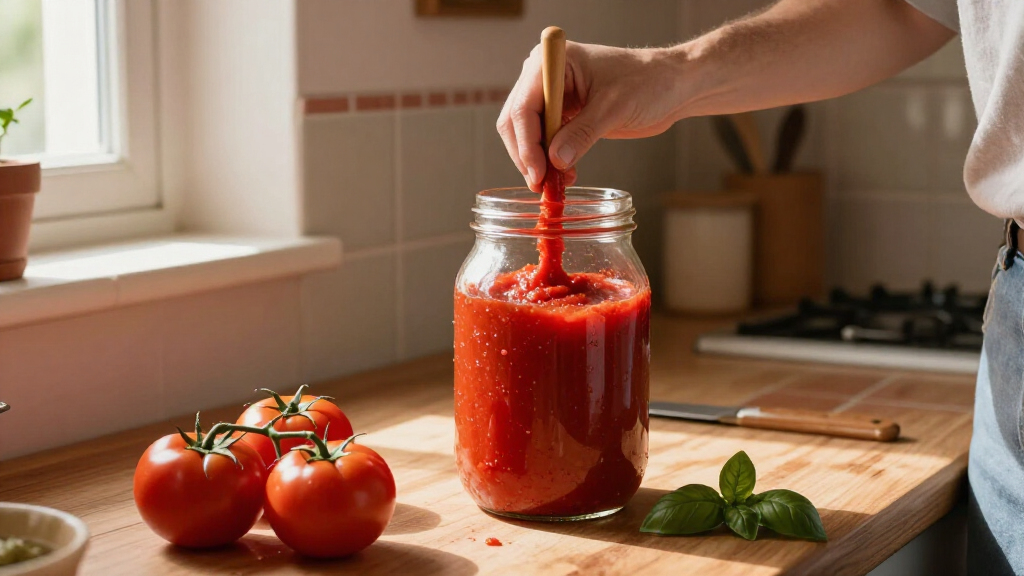
Passata Day is not an official Italian holiday, nor does every Italian family practice it. Its authenticity comes from continuity, place, and household memory, not from one national calendar or fixed formula.
As an affiliate, we earn on qualifying purchases.
Know Exactly What You Are Bottling Before You Start
Homemade Passata Day produces passata: plain tomato purée strained to remove skins and most seeds. It may be milled raw or briefly heated first, but it remains less cooked, concentrated, and seasoned than a finished pasta sauce.
Think of passata as a clean canvas with the color of a late-August sunset. In January, you can simmer one jar with olive oil and garlic for spaghetti al pomodoro; another can soften a pot of beans or form the base of pizza. The bottle holds tomato character, not a locked-in dinner.
| Tomato product | Texture and preparation | Best everyday use |
|---|---|---|
| Passata | Smooth, strained, plain, and lightly heated or uncooked before preservation | Fast sauces, pizza, soups, stews, and braises |
| Tomato sauce | Cooked down and commonly seasoned with herbs, onion, garlic, or other ingredients | A nearly finished sauce for pasta or baked dishes |
| Tomato paste | Dense and highly concentrated | Adding color, sweetness, and deep tomato flavor by the spoonful |
| Crushed tomatoes | Chunkier, with more seeds and sometimes bits of skin | Rustic ragù, soups, and dishes where texture belongs |
| American tomato purée | Often cooked and more concentrated than Italian passata | Longer-simmered sauces and chili |
A practical example makes the difference clear. Pour passata onto pizza dough and it spreads in a thin, silky layer; spoon on concentrated paste and the base tastes heavy and sweet. Open a seasoned sauce, and its garlic or oregano may fight the anchovies, olives, or other toppings you planned.
Passata is the flexible middle ground. Straining removes tough skin and reduces the seed-heavy bitterness that some varieties carry. A second pass through the mill pulls extra pulp from the skins, producing a thicker bottle and a smaller pile for the compost.
Choose Tomatoes That Give You More Pulp and Less Waiting
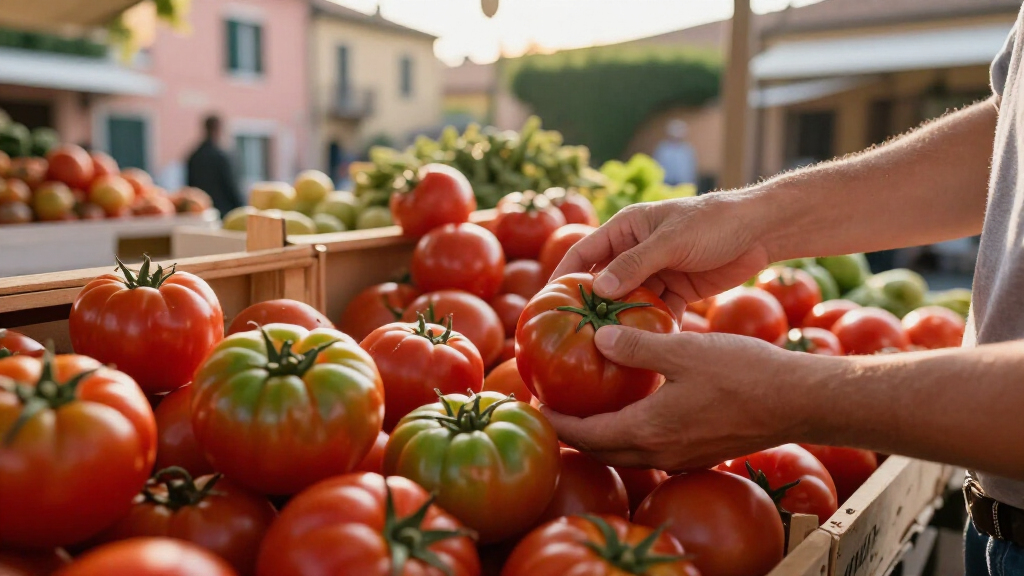
The best tomatoes for passata are fully ripe, fleshy, sound, and flavorful rather than tied to one famous variety. Plum types such as Roma and San Marzano-style tomatoes contain more pulp and less free water, so they usually mill efficiently and need less reduction.
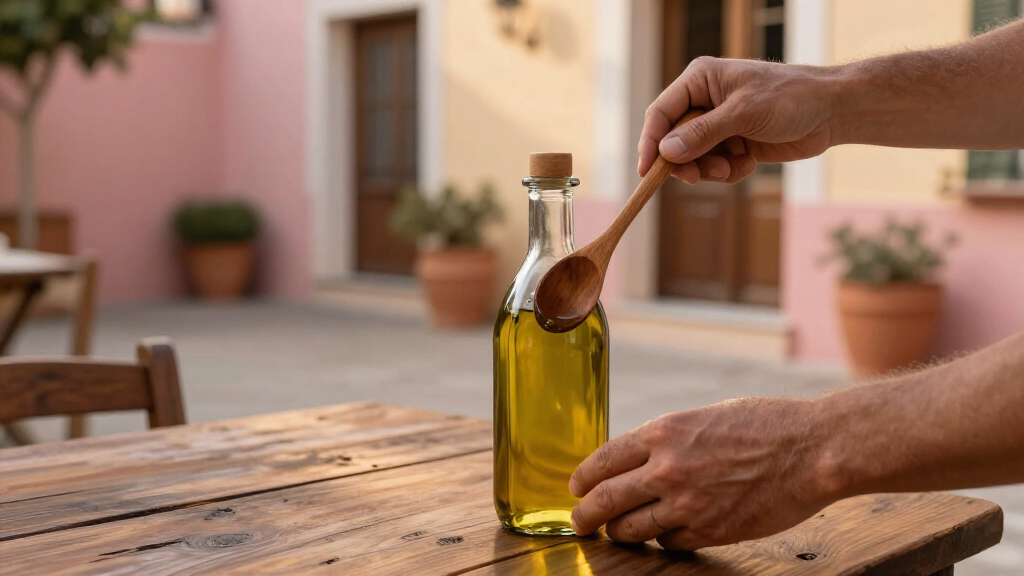
Real Pomodoro San Marzano dell’Agro Sarnese-Nocerino DOP comes from a protected production area in Campania and follows formal rules. An elongated tomato grown in California, Ontario, or an Australian garden may be excellent, but its shape does not give it the DOP designation. For a large batch, local ripeness often matters more than a prestigious label.
Imagine two 10-kilogram crates. The first contains firm plum tomatoes with dense walls; the second holds juicy slicing tomatoes from a backyard glut. Both can become passata, but the second batch will run thinner, splash more around the mill, and may need extra draining or cooking under the chosen tested method.
Use about 700 milliliters per kilogram as a rough planning estimate, not a promise. A 25-kilogram purchase might yield around 17.5 liters, yet watery fruit, damaged sections, repeated milling, and your preferred thickness can shift that number. Run a 2-kilogram trial batch before ordering 100 kilograms for the neighborhood.
- Choose tomatoes with a deep, even color and a ripe garden smell near the stem.
- Reject fruit with mold, rot, fermentation, or leaking damage; cutting around mold does not make a tomato suitable for canning.
- Use cracked but otherwise sound tomatoes promptly, following the limits of your tested recipe.
- Ask a farm or market when bulk tomatoes reach their seasonal peak, then arrange collection close to production day.
The challenge is simple: taste before you buy by the crate. A pale, cottony tomato will not become vivid just because it passes through an Italian machine. The mill can separate skin from pulp, but it cannot teach an underripe tomato how summer should taste.
Build a Production Line That Keeps Everyone Moving
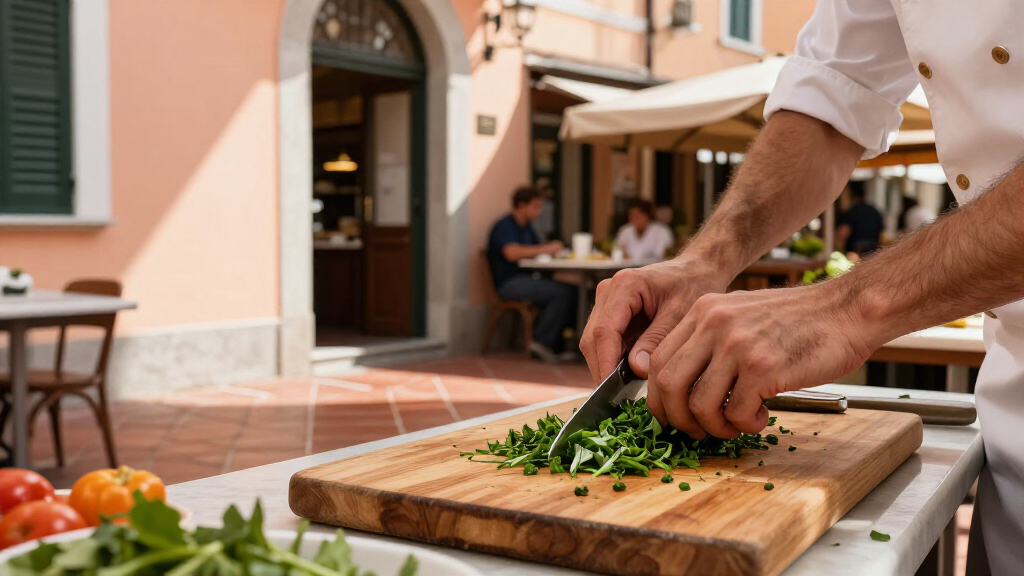
Homemade Passata Day runs smoothly when each person owns one clear job and the tomatoes move in a single direction. Arrange stations for sorting, washing, trimming, softening, milling, filling, processing, cooling, and labeling before the first crate opens.
- Sort and wash. Remove moldy or rotten fruit, then wash sound tomatoes under clean running water.
- Trim and prepare. Cut away stems and damaged spots using clean knives and boards.
- Soften or mill. Heat tomatoes if the tested recipe calls for it, or use an approved raw-milling method.
- Pass through the mill. Feed manageable pieces into a hand-cranked or electric tomato mill and collect the smooth pulp in food-grade containers.
- Fill approved containers. Add acid and optional ingredients only in the quantities and manner stated by the tested recipe.
- Seal and process. Use the specified closures, headspace, heat-processing method, time, and altitude adjustment.
- Cool and inspect. Leave jars undisturbed for the stated period, then check seals and label each container with the date and batch.
- Divide the supply. Count finished jars and share them according to tomatoes, labor, or the arrangement your group made beforehand.
For example, a six-person group handling 60 kilograms might put two people at washing and trimming, one at the heating pot, one at the mill, and two at filling and canning. When the washers get ahead, they can switch to wiping tables or preparing the next set of clean jars. The rhythm matters more than speed.
An electric mill cuts hours from a large batch, but it also bites faster than a hand crank. Keep fingers, loose sleeves, and children away from the feed mechanism. Let children sort sound tomatoes or label fully cooled jars, while adults manage blades, hot pulp, boiling water, heavy pots, glass, and caps.
Place the cooling area away from elbows and wet floors. A jar lifted from hot water can suffer thermal shock on a cold stone counter, while a crowded path invites burns. A folded dry towel or rack in a quiet corner gives the glass a safe place to settle.
Bottle Passata Safely Without Guessing About Acidity
Homemade Passata Day produces shelf-stable jars only when you follow a current, laboratory-tested tomato-canning recipe exactly. Tomatoes vary in acidity, so safe preservation may require bottled lemon juice or measured citric acid plus a defined container, headspace, processing time, and altitude adjustment.
According to the USDA Complete Guide to Home Canning, tested tomato methods specify acidification because tomatoes cannot always be treated as reliably high-acid foods [1]. The National Center for Home Food Preservation also publishes tested tomato procedures and explains that processing directions change with jar size, product style, and altitude [2]. Pick one recognized recipe and follow that full method rather than combining favorite details from several instructions.
A familiar family scene can hide the risk. An elder pours steaming passata into reused wine bottles, caps them, and turns them upside down because that method worked for decades. A vacuum seal can form, but a seal alone does not prove safe processing; ordinary bottles may also crack under heat or fail to reseal reliably.
Do not rely on oven heating, hot filling alone, inverted containers, basil, salt, smell, or a popping lid as proof of safety. Botulinum toxin cannot reliably be detected by sight, smell, or taste.
Use preserving jars or bottles and closures approved by the chosen recipe. Keep the canner at the processing state the instructions require; for boiling-water canning, that means maintaining a continuous vigorous boil, with the prescribed time adjusted for altitude. Never add extra onion, garlic, peppers, oil, or handfuls of herbs to a shelf-stable recipe because these ingredients can alter the tested balance.
If you want a family recipe that has never been laboratory tested, refrigerate or freeze it instead of storing it in the pantry. Leave expansion space in freezer-safe containers. Plain tomato passata contains none of the major US food allergens by design, but check shared mills, utensils, and later recipes for cross-contact with allergens.
Discard any container that leaks, bulges, spurts, shows mold, lacks a sound seal, or behaves unusually when opened. Do not taste it. If a jar fails to seal after cooling, refrigerate, freeze, or reprocess it only within the limits and timing given by the tested recipe.
Keep the Family Signature While Updating the Risky Parts
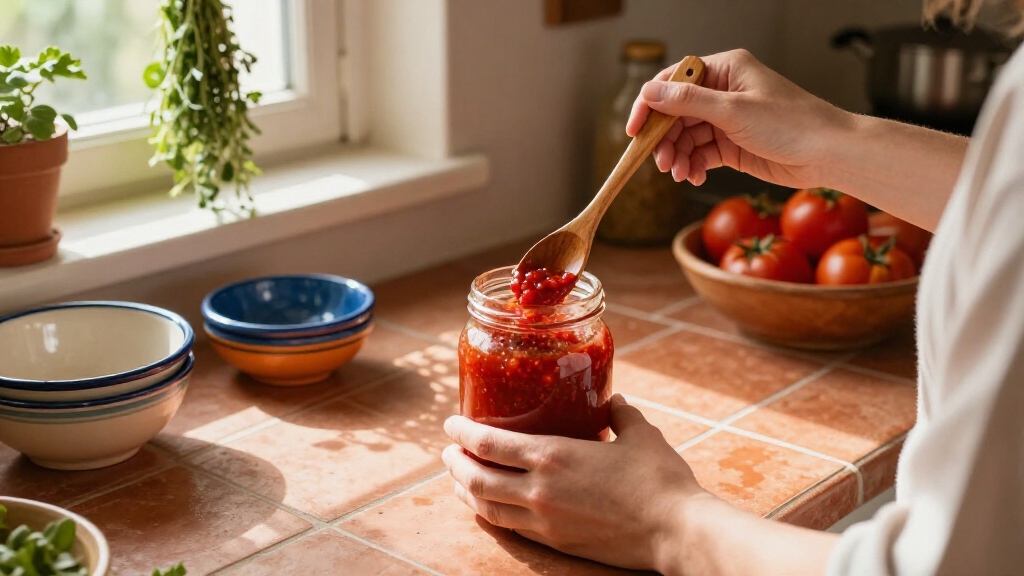
Homemade Passata Day can keep its family character even when you replace unsafe preservation habits with tested ones. Preserve the jobs, stories, regional preferences, shared meal, and handwritten labels; update acidification, containers, heat processing, and storage using current guidance.
No definitive authentic formula covers every household. One Calabrian family may prefer thick passata with no seasoning, while relatives from Abruzzo may drop basil into each container. A Melbourne household might use locally grown Roma tomatoes in February, while cousins near Naples work with Campanian fruit in August.
Small disagreements often carry the memory. One generation wants three passes through the mill because leaving pulp behind feels wasteful; another wants one pass because the second can pull more seed bitterness into the purée. Make two labeled batches and cook the same simple sauce from each in winter. Your family gets an answer based on its own tomatoes rather than the loudest voice beside the machine.
Younger participants can record these choices without turning the day into a museum piece. Ask a relative to explain why the family likes thin passata, photograph the inherited mill, and write down the quantity produced. A label such as “Roma tomatoes, two passes, no salt, February 2026” gives next year’s crew something useful.
Modern tools can protect the day’s spirit while easing the labor. Stainless-steel tables clean easily, food-grade tubs replace questionable containers, digital thermometers help monitor heated stages, and electric mills spare shoulders. The production line still talks, teases, and stops for lunch; the motor simply complains less than the person who used to crank.
Sustainability also depends on the details. Reused canning jars, local peak-season fruit, shared equipment, and composted skins can reduce waste, but long transport, heavy water use, and hours of fuel change the calculation. The greenest batch is often the one your group will eat completely and repeat wisely.
Turn Every Bottle Into a Fast, Region-Specific Meal
A bottle of plain passata saves the most time when you season it for the dish rather than locking every jar into one flavor. Keep the preserved base simple, then add olive oil, garlic, chile, herbs, meat, or vegetables when you open it.
On a cold Tuesday, warm extra-virgin olive oil with garlic, add a 700-milliliter bottle, and simmer until the sauce lightly grips a wooden spoon. That becomes a quick base for spaghetti al pomodoro. Add torn basil at the end, when its green perfume stays clear rather than disappearing into a long cook.
For a Campanian-style pizza, spread a thinner passata lightly over stretched dough and season according to your recipe. For Tuscan fagioli all’uccelletto, “beans in the style of little birds,” let passata mingle with sage, garlic, and creamy cannellini beans. In a southern Italian braise, its clean acidity can cut through the richness of pork or beef.
- Label jars with the batch date, tomato variety, and additions.
- Store properly processed, sealed jars in a cool, dark, dry place for the period recommended by the preservation authority.
- Refrigerate opened passata promptly and follow the recipe authority’s storage window.
- Freeze leftover passata in practical portions when you will not use the open container in time.
- Rotate older safe jars forward so the earliest batch gets cooked first.
Suppose your household uses two jars each week for nine months. You need roughly 78 jars, not a romantic but unmanageable wall of 200. Count your real pasta nights, pizza nights, and winter stews before buying tomatoes; a smaller batch used with pleasure beats excess passata aging behind the flour.
If you serve wine with the communal meal, keep it for adults of legal drinking age, offer water freely, and drink responsibly. Hot equipment, wet floors, heavy pots, and alcohol make a poor combination, so save the toast until the burners and canner are safely off duty.
Frequently Asked Questions
Is Passata Day an official Italian holiday?
No, Passata Day is an informal family or community custom, not a national holiday. Dates follow the local tomato harvest, often August or September in Italy and January through March in Australia.
Do I need genuine San Marzano tomatoes?
No, you need ripe, fleshy, flavorful tomatoes, and many plum varieties work well. Genuine San Marzano DOP tomatoes belong to a protected Campanian designation; similarly shaped tomatoes grown elsewhere can make fine passata without being the protected product.
Can I add basil, garlic, or onion before canning?
Add ingredients only when your tested canning recipe permits them in stated quantities. Extra garlic, onion, peppers, oil, or herbs can change a shelf-stable recipe, while basil adds aroma rather than safety; freeze an untested customized batch instead.
How many tomatoes do I need for a year of passata?
Start with a planning estimate of 700 milliliters per kilogram of tomatoes, then multiply by the number of jars you actually open. A family using one 700-milliliter jar each week might begin around 52 kilograms, plus a margin for trimming and yield differences.
What should I do if a jar does not seal?
Do not store an unsealed jar at room temperature. Refrigerate or freeze it promptly, or reprocess it only within the timing and method allowed by your tested recipe. Discard jars that are leaking, bulging, moldy, spurting, or unusually behaving without tasting the contents.
Conclusion
Keep the ritual, but never improvise the preservation science. Choose ripe local tomatoes, run a calm production line, and let a current tested recipe control acidification, containers, processing, and storage. Your family can argue about basil, thickness, and the number of passes through the mill; those are the details that make the batch yours.
Start by calling a farm, counting the jars your household truly uses, and inviting enough hands to make the work social. Months later, when a January lid releases and the scent of warm tomato fills your kitchen, you will taste more than summer. You will taste the day everyone put it into a bottle.
Fall Picks
fall essentials
As an affiliate, we earn on qualifying purchases.