
TL;DR

Get kitchen staples and gadgets delivered free with Prime
- Fast, free delivery on millions of items
- Prime Video, Amazon Music and more included
- Member-only deals all year
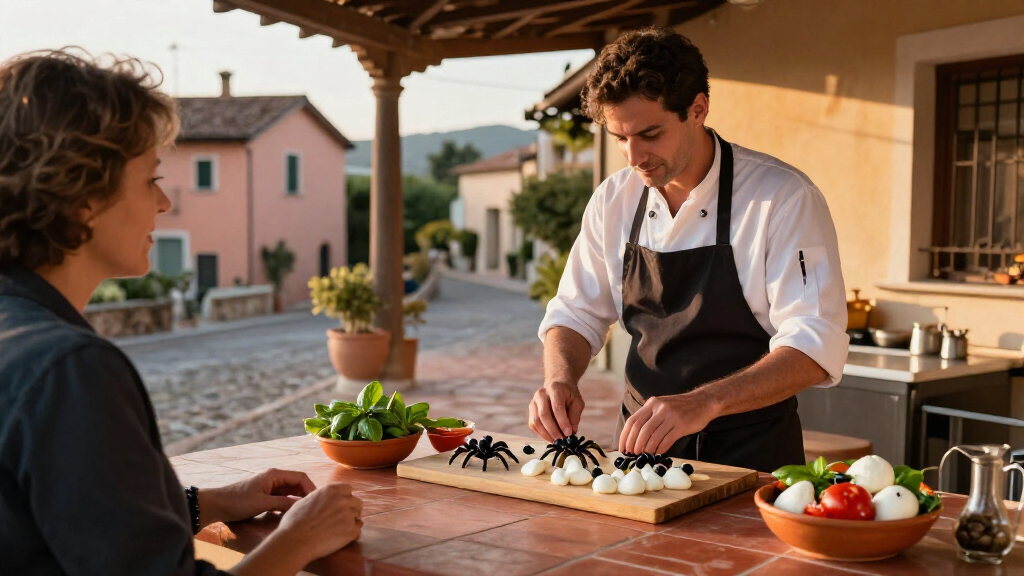
Italian Halloween snacks are familiar foods such as mini pizzas, crostini, stuffed shells, and pumpkin arancini dressed with edible decorations like olive spiders and mozzarella ghosts. Prepare components ahead, bake crisp items near serving time, and refrigerate perishable foods promptly.
A few olive slices can turn an ordinary crostino into a spider, and a torn piece of mozzarella can make a mini pizza look haunted. The flavors stay familiar; the fun comes from how you arrange them.
This Italian kitchen edition gives you practical ideas for a Halloween table built from pizza dough, tomatoes, bread, pasta, cheese, and autumn squash. You’ll find easy snacks for a mixed-age crowd, a more filling dish for supper, and sensible ways to prepare ahead without leaving dairy or meat out for hours.
These are modern Halloween adaptations, not a traditional regional Italian holiday menu. They borrow from recognizable dishes and ingredients, then give them a seasonal, spooky look. That distinction lets you serve something playful while still cooking food you’d be happy to eat on an ordinary October night.
Use olives, mozzarella, tomato sauce, and roasted peppers to create spooky faces and shapes without special tools.
Balance small bites with one filling option, such as stuffed pasta shells or pumpkin arancini.
Roast winter squash with olive oil and sage for seasonal crostini or a rice-ball filling.
Prepare toppings ahead but assemble crisp bread close to serving time.
Refrigerate perishable fillings and label common allergens such as dairy, wheat, and nuts.
Halloween • Italian Kitchen Edition
Spooky snacks.
Familiar Italian flavors.
Turn pizza dough, tomatoes, bread, pasta, cheese, olives, and autumn squash into playful party food. Keep the recipes recognizable, make the decorations edible, and prepare components ahead so the fun stays manageable.
01 / Make familiar food feel festive
Small decorations, big Halloween energy
Use a spoon, paring knife, or clean kitchen scissors. Repeat a few simple designs for a crowd, and let guests customize their own bites with toppings on the side.
Olive spiders
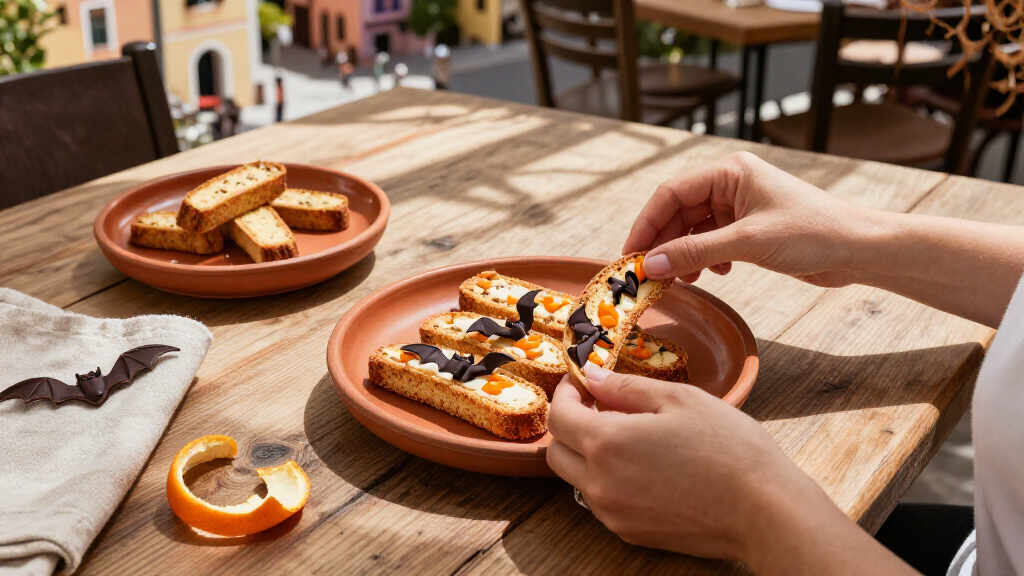
Top toasted bread with tomato and a halved olive body. Add thin olive slices as legs just before serving.
Mozzarella ghosts
Bake small sauced dough rounds. Add mozzarella shapes near the end; use tiny olive pieces for eyes.
Bone shapes
Roll small dough knots at both ends, bake until golden, and serve with tomato sauce for dipping.
Stuffed shells
A hearty, recognizable option for a meal-time gathering. Tomato sauce and cheese make an easy seasonal canvas.
Pumpkin arancini
Mix roasted squash with firm rice, Parmesan, and sage. Chill, shape, coat, then cook using a trusted recipe.
Squash crostini
Spread roasted squash on crisp toast with ricotta and sage. Assemble close to serving for the best texture.
02 / Plan the prep
Make ahead without soggy bread
Separate the components: prepare sauce, roast squash, slice olives, and portion cheese before guests arrive. Keep crisp bases and delicate decorations for the final moments.
Prepare components
Cook sauce and roast squash; portion toppings separately.
Chill perishable fillings
Refrigerate dairy, meat, and other perishable ingredients.
Bake near serving
Finish pizzas and breadsticks close to party time for crispness.
Decorate and serve
Add delicate olive and cheese shapes; refill small bowls as needed.
03 / Choose your base
Quick comparison for a balanced spread
Pair crisp, easy bites with one substantial choice. The best base depends on whether you want fast assembly, a make-ahead component, or a more filling centerpiece.
| Base | Best for | Prep advantage | Keep in mind |
|---|---|---|---|
| Bread / crostini | Quick, crisp small bites | ✓ Toast ahead | ~ Add moist toppings late |
| Pizza dough | Mini pizzas and bone sticks | ✓ Familiar crowd-pleaser | ~ Bake close to serving |
| Pasta shells | More filling supper option | ✓ Prepare filling ahead | ~ Keep dairy filling chilled |
| Rice / arancini | Vegetarian centerpiece | ✓ Squash brings seasonal flavor | ~ Chilling helps shaping |
04 / Practical serving notes
Keep the food welcoming and safe
- ✓Offer choice: Include vegetables or a green salad alongside bread and cheese.
- ✓Label allergens: Flag dairy, wheat, and nuts; pesto may contain nuts or cheese.
- ✓Adapt the base: Choose suitable gluten-free bread, pasta, or pizza dough and check package labels.
- ✓Handle leftovers: Refrigerate perishable fillings and toppings promptly; avoid leaving meat or dairy out for extended periods.
Keep the flavors familiar and let the decorations do the spooky work
Italian-style Halloween snacks work best when the spooky part comes from shape and arrangement while the flavors stay familiar. Olives make easy eyes, tomato sauce suggests a streak of “blood,” and mozzarella becomes a ghost with two small olive pieces. Familiar flavors matter at a mixed-age gathering: guests who might hesitate over an unfamiliar dish can still recognize a cheese pizza or piece of toast, even when it has a playful face.
Treat decoration as a final, low-effort step rather than a separate recipe. Spoon tomato sauce onto toasted bread, place an olive spider on top, and serve it as bruschetta (toasted bread with toppings). A paring knife, spoon, and clean kitchen scissors can shape cheese, trim peppers, or snip a small opening in a food-storage bag for piping. This keeps the preparation accessible, though delicate shapes take time; choose a few repeated designs if you’re making food for a crowd.
A tray of plain pizza squares can feel more festive when each has a different face. Keep the base consistent, then let guests choose olive eyes, strips of roasted pepper, or basil leaves. The contrast of tomato red, dark olives, and pale mozzarella makes the platter vivid without dyes or elaborate techniques. Offering toppings separately also lets people customize their bites, but it means the decorations may not stay perfectly arranged once guests begin serving themselves.
There’s no single regional Italian Halloween menu behind these ideas. They’re contemporary ways to dress up recognizable Italian foods. That distinction helps set expectations: the theme comes from the presentation, while the ingredients and preparations remain familiar enough to adapt to your guests’ tastes.
Products Worth Considering

Sony BRAVIA 5 85-Inch Mini LED 4K HDR Smart TV (K-85XR50)

TCL QM64L 85-Inch QD-Mini LED 4K Smart Fire TV

Dyson V8 Cyclone Cordless Vacuum
As an affiliate, we earn on qualifying purchases.
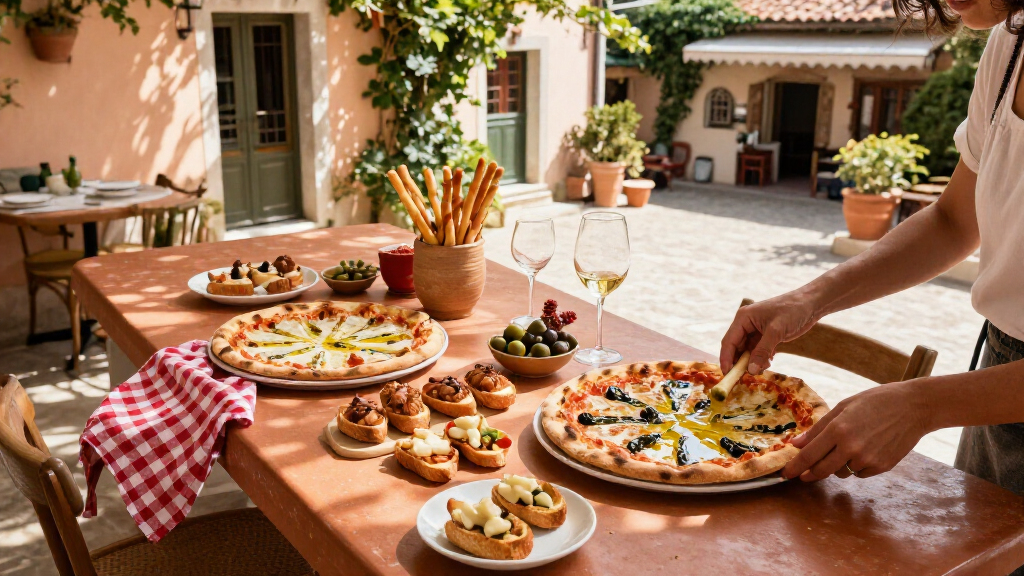
Build a party spread from pizza, crostini, and breadstick bones
A flexible Halloween spread combines one warm, filling item with small bites guests can pick up easily. Mini pizzas, olive-topped crostini, meatballs, and breadsticks shaped like bones all start with familiar ingredients. Pairing a few small snacks with pasta or pizza squares works well when the gathering overlaps with dinner: guests can graze, while the substantial dish prevents the table from feeling like a collection of appetizers that won’t satisfy anyone.
For ghost pizzas, cut store-bought or homemade dough into small rounds, spread each with tomato sauce, and bake according to the dough’s instructions. Add mozzarella shapes near the end if you want them to hold their outline. For olive “spiders,” halve one olive for the body and slice another into thin legs; set the pieces on a crostino or pizza square just before serving. Adding delicate toppings late helps them keep their shape, although it adds a small last-minute task. If timing is tight, use simpler olive faces that can be placed quickly.
To make bone-shaped breadsticks, roll two short dough pieces at each end into small knots and bake until golden. They’re fun alongside tomato sauce for dipping, and you can offer grated Parmesan at the table. A shallow bowl makes sauce easier for children to reach without tipping a large dish, while also limiting how much sauce ends up on each breadstick. For a group, put out a small amount and refill it as needed.
Choose snacks that complement one another instead of making every item intricate. A bowl of olives, sliced vegetables, or a green salad adds a fresh option and breaks up a spread dominated by bread and cheese. A dark serving board and small bowls can make the food look deliberate without adding preparation work. The practical tradeoff is variety versus workload: one elaborate centerpiece may take longer than several simple, clearly presented options.
Use pumpkin for a seasonal snack that can stand in for dinner
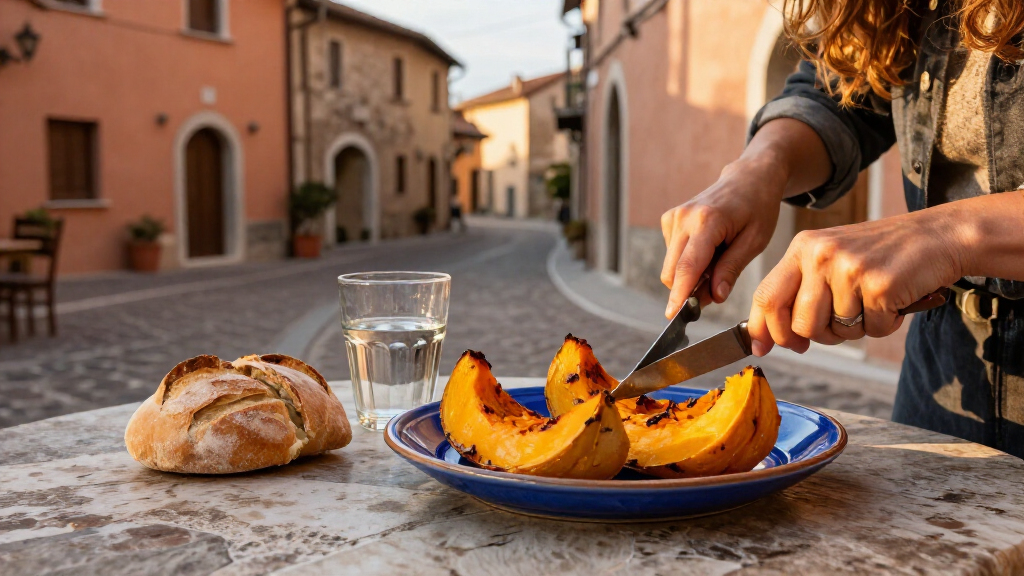
Pumpkin and other winter squash bring natural sweetness and a deep-orange color to savory Halloween food. Roast squash until tender, then fold it into risotto, spoon it onto crostini, or use it as a filling for arancini (fried rice balls). A platter of pumpkin arancini can make the spread more substantial and offer a vegetarian choice. Their richness and filling center also mean you may need fewer other snacks, but they take more preparation than a simple crostino.
For a manageable home version, roast peeled squash cubes with olive oil until a fork slips through easily. Mash them with cooked risotto or leftover firm rice, a little grated Parmesan, and chopped sage. Shape small balls, chill them so they hold together, then coat and cook using a recipe you trust. Chilling helps the mixture stay intact during cooking; skipping that pause can make shaping and frying messier. If you’d rather skip frying, use a baked recipe and expect a less crisp exterior—the simpler cooking method trades some crunch for convenience.
Serve the orange rice balls in a circle around a small bowl of tomato sauce. A basil leaf or thin strip of roasted pepper can suggest a pumpkin stem, while sauce adds a vivid red contrast. The arrangement makes the seasonal ingredient visible without carved squash or special molds. Keep the decorations modest: too many toppings can obscure the squash flavor that makes the dish distinctive.
For a faster option, spread roasted squash on toasted bread with ricotta and sage. This turns familiar Italian ingredients into a satisfying crostino with less shaping and cooking. The softer topping contrasts with crisp bread, so assemble close to serving time to preserve that texture. Check the cheese label and ask guests about dietary needs; ricotta and Parmesan contain dairy, and some prepared pestos contain nuts or cheese.
Choose the right base for each snack with this quick comparison
The best base depends on whether you want a crisp bite, a filling snack, or a dish guests can prepare in advance. Bread and pizza dough are quick ways to build small portions; pasta shells and rice balls take more effort but can carry more of the meal. The comparison below helps match the preparation to the evening: a quick arrival window favors snacks that can be assembled rapidly, while a sit-down meal can justify a dish that needs more oven time.
| Base | Spooky treatment | Best use | Plan ahead |
|---|---|---|---|
| Pizza dough | Make mozzarella ghosts or olive faces | Warm, familiar party bites | Shape ahead; bake near serving |
| Toasted bread | Add olive spiders or orange squash | Quick crostini with varied toppings | Toast bread ahead; top close to serving |
| Pasta shells | Fill with ricotta, spinach, or squash | A more substantial vegetarian dish | Fill and chill; bake before serving |
| Rice | Shape pumpkin arancini | Filling finger food | Chill shaped balls; cook near serving |
If guests arrive as children finish trick-or-treating, toasted bread and mini pizzas are easier to serve quickly than a labor-intensive fried snack. If you’re hosting a sit-down dinner, stuffed shells can carry more of the meal. The choice affects more than timing: crostini are easy to vary and serve in small portions, while stuffed shells and rice balls are more filling but require more advance preparation. Both can look festive with small bowls of sauce, sliced olives, and herbs.
Check labels when choosing packaged bases or fillings. Wheat bread and regular pasta contain gluten, and mozzarella, ricotta, and Parmesan contain dairy. A gluten-free base can help a guest avoid wheat, but shared utensils and prep surfaces can still cause cross-contact. That means a substitution only works if the preparation setup also fits the guest’s needs; ask about those needs before planning the menu.
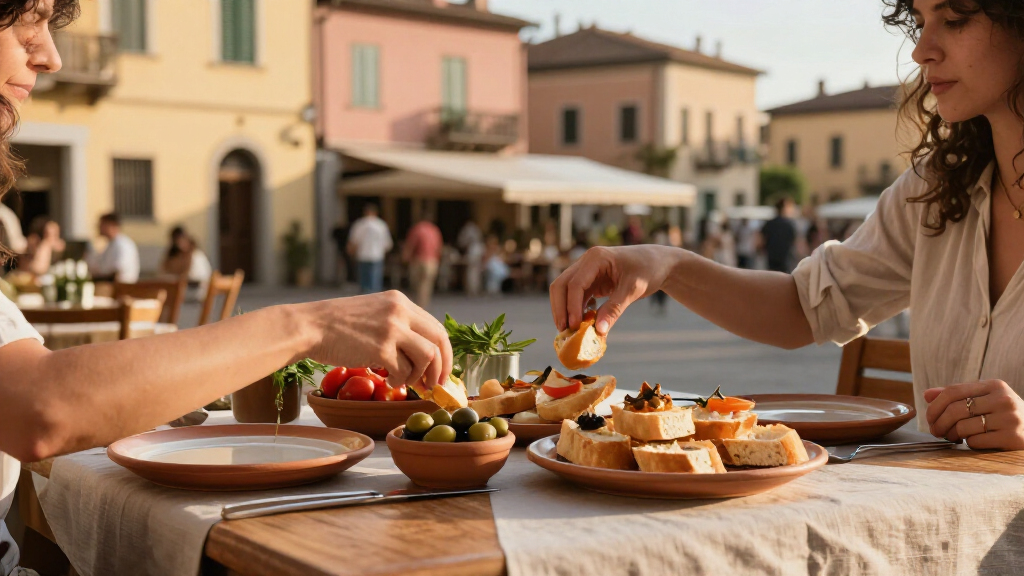
Prep ahead without serving soggy bread or unsafe leftovers
Prepare components ahead by separating them: make the sauce, roast the squash, slice the olives, and portion the cheese before guests arrive. Assemble crisp items close to serving time so crostini stay crunchy instead of softening under tomato or ricotta. This separation makes the final setup faster and protects texture, though it requires a little counter space and a plan for keeping toppings chilled. Set out toasted bread with toppings in separate bowls so guests can build their own.
Stuffed pasta shells are a useful make-ahead option because they can be assembled in a baking dish and refrigerated until you bake them. Fill cooked shells with a ricotta and spinach mixture, arrange them with sauce, cover, and chill. Follow a reliable recipe for cooking time and temperature; when reheating leftovers, heat them thoroughly rather than relying on appearance alone. This shifts work away from guest arrival, but still leaves you with oven time to schedule.
Keep perishable foods with meat or dairy refrigerated until serving, and return them to the refrigerator promptly after the meal. A tray of cheese pizzas or meatballs left out for hours while people come and go creates avoidable food-safety concerns. Serve smaller portions and refill the platter from the refrigerator as needed. Smaller batches also stay fresher and look more inviting, although they require occasional attention during the party.
Make decorations edible, or remove any non-edible picks before serving. If you use a paper flag or decorative toothpick to label a dish, keep it visible and tell guests it needs to come out. Clear labels can help guests identify foods and allergens; hidden picks create a choking or injury hazard. A plate of spooky snacks should be easy to enjoy, without surprises hidden among the olives.
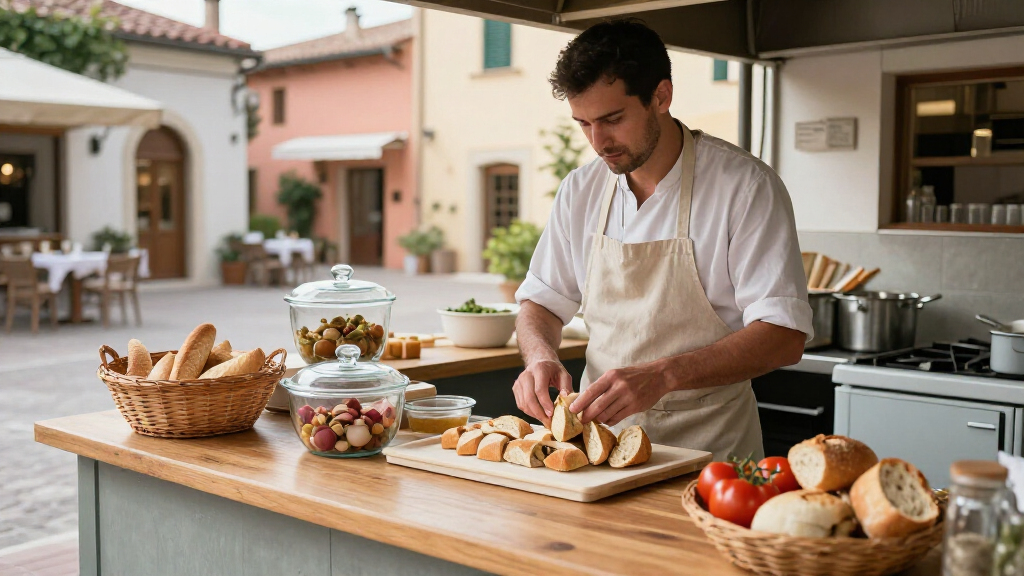
Offer easy swaps for guests who avoid dairy, wheat, or meat
A Halloween table is easier to share when you offer a few clearly labeled choices. Many Italian ingredients work well in vegetarian snacks: roasted squash, tomatoes, olives, basil, and vegetables can top bread or pizza without meat. Make one tray of tomato-and-olive mini pizzas and another with mozzarella, then mark which contains dairy. Keeping the options visibly separate helps guests choose with confidence and reduces the chance that a topping will move between trays.
For a dairy-free option, try roasted vegetable crostini with olive oil and herbs, or serve tomato sauce with gluten-free crackers or bread that suits your guests. For a wheat-free choice, use packaged gluten-free pasta or pizza bases and read the label for ingredients and cross-contact information. These substitutions widen the menu, but their textures and cooking times can differ from conventional products; follow package directions and serve them as distinct options instead of assuming they behave exactly like wheat dough or regular pasta.
Pesto deserves a label check. Some versions contain nuts such as pine nuts, as well as cheese; recipes and jars vary. Don’t assume a green sauce is safe for someone with an allergy. Keep serving spoons separate, and avoid placing an allergen-containing topping where it can fall onto other dishes. A label is useful only if the food remains separate in practice, so place bowls with enough space and give each its own utensil.
For a mixed group, put toppings in separate bowls, label the main allergens, and keep one plain base available. A guest can build a small plate that fits their needs, while everyone else adds cheese, pesto, or meatballs as they like. This flexible setup reduces the need to make a fully separate menu, though people with serious allergies may need more specific ingredient and preparation details than a general label provides.
Frequently Asked Questions
What are easy Italian-style Halloween snacks to make?
Mini pizzas, olive-topped bruschetta, breadstick bones, and meatballs are easy starting points. Use olives and mozzarella for simple decorations, and keep the flavors familiar for children and adults.
Can I make Italian Halloween snacks ahead?
Yes. Prepare sauces, roast squash, slice olives, and fill pasta shells in advance. Keep perishable foods refrigerated, and assemble or bake crisp items close to serving so bread doesn’t go soggy.
How can I make snacks look spooky without special tools?
Use a small knife and spoon to shape mozzarella, cut olive pieces into spider legs, or arrange tomato sauce as a streak. A clean food-storage bag with a snipped corner works for piping sauce or soft cheese.
What vegetarian Italian snacks can I serve at Halloween?
Try pumpkin arancini, roasted squash crostini, vegetable-topped pizza, or stuffed pasta shells with spinach and ricotta. Check packaged ingredients and label dairy, since many cheeses contain milk.
Are Italian Halloween snacks traditional Italian foods?
The spooky decorations are generally a contemporary Halloween presentation, rather than a standard regional Italian menu. The recipes use familiar Italian ingredients and preparations, such as bruschetta, pizza, pasta, and seasonal squash.
Conclusion
Pick one familiar base, one autumn ingredient, and a few edible decorations. A tray of tomato-red mini pizzas with mozzarella ghosts or squash crostini with sage can make Halloween feel special without turning your kitchen into a production line.
Keep the food safe, label the ingredients guests may need to avoid, and let the olives do the spooky work. Then bring the warm, golden tray to the table while the October evening settles outside.