TL;DR

Get kitchen staples and gadgets delivered free with Prime
- Fast, free delivery on millions of items
- Prime Video, Amazon Music and more included
- Member-only deals all year
Italian red wines make Halloween dinner easier to pair when you match the wine’s weight and structure to the food. Choose Chianti Classico or Barbera for tomato dishes, lighter reds for savory pumpkin and mushrooms, and structured Nebbiolo, Amarone, or Aglianico for rich meats and aged cheese. Serve reds cool enough to keep them fresh, and offer a nonalcoholic option too.
A bowl of tomato-red ragù, a pan of roasted pumpkin, and a bottle with a dark label may look like a Halloween match. But color and costume don’t make a good pairing: the wine’s acidity, tannin, sweetness, and body matter more than how dramatic it looks.
This guide helps you choose Italian red wines for Halloween dinners by starting with what’s on your table. You’ll see what works with tomato sauce, roast meat, mushrooms, pumpkin, and cheese, plus how to serve the wine so its aromas stay lively through a long autumn meal.
You don’t need a cellar full of famous bottles. One flexible red and one fuller option can cover a menu that moves from pizza to braised beef. And if guests aren’t drinking, a thoughtful nonalcoholic choice belongs at the table too.
Choose Chianti Classico or Barbera for tomato-rich pasta, pizza, and savory roast vegetables.
Pair Barolo, Barbaresco, Amarone, or Aglianico with braised meat and aged cheese when the dish has enough weight.
Judge pumpkin by its preparation: savory pumpkin can suit a fresh red, while sweet or strongly spiced versions can clash with firm tannin.
Taste young structured reds before deciding to decant; older bottles may need gentler handling.
Plan roughly one 750 ml bottle for every two to three guests over a meal, and provide water and a nonalcoholic option.
A seasonal pairing field guide · Italy
Dark and Stormy Nights: Italian Red Wines for Halloween Dinners
Choose by what is on the table, not by a dramatic label. Match freshness to tomato, a lighter touch to savory pumpkin and mushrooms, and structure to rich meat and aged cheese.
At a glance: choose by dish
Italian reds work best when their weight and flavor meet the food’s intensity. Use this quick guide to put the right bottle beside each course.
Chianti Classico or Barbera
Fresh acidity can complement tomato’s savory tang. Try Chianti Classico with tomato pasta, pizza, and herbs; Barbera suits sausage and roasted peppers.
Keep the red lively and light
Savory pumpkin with sage, or earthy mushrooms, can suit a fresh, lighter red. Let the recipe guide you: sweet or heavily spiced food can make firm tannin feel harsh.
Bring in more structure
Barolo, Barbaresco, Amarone, or Aglianico can keep pace with rich meat and aged cheese. Their intensity may overwhelm delicate vegetables.
Match the wine to the dish, not the Halloween color
A nearly black wine can still be the wrong fit. Acidity brings freshness beside tomato; tannin can feel smoother with fatty meat; a lighter body lets roasted vegetables and mushrooms stay in focus.
| On the table | Italian red to try | Why it fits |
|---|---|---|
| Tomato pasta or pizza | Chianti Classico DOCG | Sangiovese acidity meets tomato and herbs |
| Sausage, roasted peppers | Barbera | Fresh acidity suits savory richness |
| Roast vegetables | Medium-bodied Sangiovese | Enough structure for browning, without taking over |
| Savory pumpkin or mushrooms | Fresh, lighter red | Leaves earthy and herbal flavors room to shine |
| Braised beef, game, aged cheese | Nebbiolo, Amarone, Aglianico | Structure and intensity meet concentrated flavors |
Pour from fresh to full
Give each wine a clear role as the meal gets richer. The same bottle does not have to carry every course.
Start savory
With mushroom crostini or roasted vegetables, begin with a fresh, lighter red.
Meet the tomato
Move to Chianti Classico or Barbera for pasta, pizza, and herbs.
Bring out the roast
Serve a fuller, structured red when braised meat and aged cheese arrive.
Offer another path
Keep water and a thoughtful nonalcoholic option on the table for every guest.
Pumpkin is a preparation, not a pairing rule
Pumpkin may be sweet, creamy, spicy, or savory. A roasted pumpkin risotto with sage has a softer profile than tomato pasta or braised meat, so a lighter, fresh red can leave its herbs and gentle sweetness in view. A little aged cheese can support more structure.
Sweet pumpkin pie or a heavily spiced dish may make dry, tannic reds seem bitter and severe. Consider a less tannic option—or a white wine—when sweetness and spice lead.
Small serving choices make a difference
Keep the wine lively from first pour to last course.
Serve reds at a moderate temperature. A brief chill can freshen lighter styles, while very cold temperatures may mute aroma. Avoid serving full-bodied reds warm in a heated room.
- Taste a young, structured red first; time in the glass or decanting may help it open.
- Handle older bottles gently. Decant only if needed to separate sediment or if the wine seems closed.
- Set food out before pouring tannic reds; fatty meat and aged cheese can make their structure feel more balanced.
- Plan about one 750 ml bottle for every two to three guests over a meal; offer water and a nonalcoholic option.
Before the guests arrive
Which Italian red works best for Halloween dinner?
Start with the main dish: Chianti Classico or Barbera for tomato-rich food; a fuller red such as Barolo, Amarone, or Aglianico for rich meat.
Is Chianti a good choice?
Often. Its acidity can suit tomato sauce, herbs, pizza, and roast meat.
Should Italian red wine be chilled?
A modest chill can make lighter reds feel fresher. Keep full-bodied reds from getting warm, and avoid chilling them so much that aroma fades.
Should I decant?
Young, structured reds may benefit from aeration. Older wines can be delicate, so handle them gently and decant only when needed.
Match the Wine to the Dish, Not the Halloween Color
Italian red wines pair best with Halloween dinner when their acidity, tannin, and body match the food. Acidity gives a wine freshness beside tomato sauce, tannin can feel smoother with fatty meat, and a lighter body leaves roasted vegetables room to shine. A nearly black wine can still be a poor choice if it tastes too powerful beside a delicate dish.
Think of pairing like choosing a coat for the weather: a heavy winter coat works on a cold walk, but it overwhelms you indoors. A structured red such as Barolo can meet braised short ribs; with a thin-crust pizza, it may take over every bite. For pizza with tomato and herbs, a lively Chianti Classico often feels more at home.
That difference matters because a Halloween menu often changes course. You might start with a mushroom crostini, serve tomato pasta, then bring out roast pork and aged cheese. Match the wine to the main dish, and consider a second style if you want guests to move comfortably across the menu.
Pair by flavor and weight: tomato asks for freshness, rich meat welcomes structure, and subtle vegetables need a lighter hand.
For a simple table plan, pour a medium-bodied red with the first course, then open a fuller bottle for the roast. That gives guests a clear choice without asking one wine to do every job. It also keeps the dinner grounded in what people will actually eat, rather than in a spooky label.
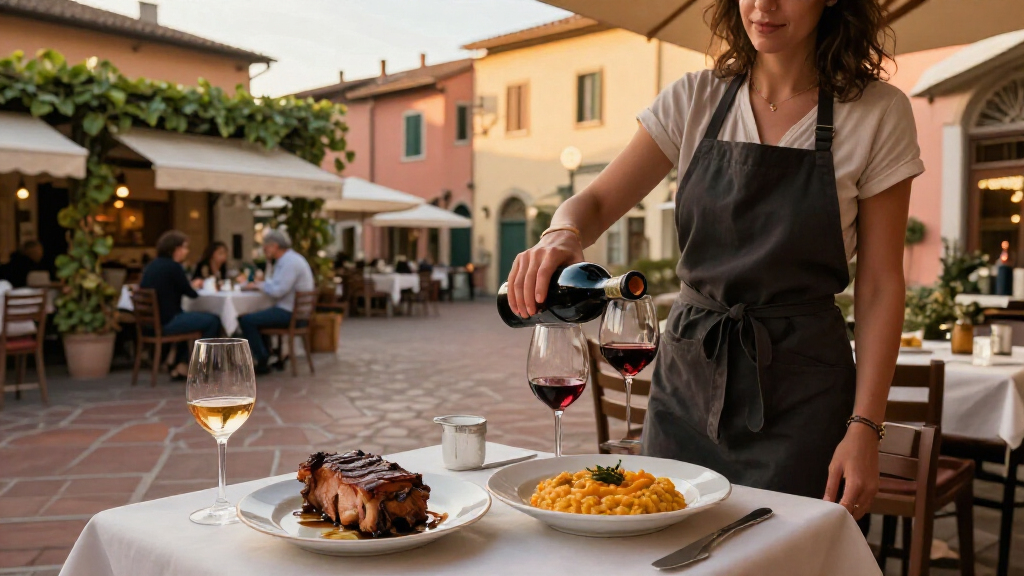
Products Worth Considering

Philips Hue Secure Wired Video Doorbell, 2K, Black

Sonos Era 100 SL Compact, Microphone-Free Speaker – Black

Levoit Core 300S-P Smart Wi-Fi Air Purifier
As an affiliate, we earn on qualifying purchases.
Choose Chianti or Barbera for Tomato-Rich Halloween Food
For tomato-rich pasta, pizza, and herby roast vegetables, start with Chianti Classico or Barbera. Their fresh acidity can meet the sharp, savory tang of tomato sauce, while their moderate weight is less likely to bury a weeknight-style dish. This is often the easiest way to bring Italian reds into a Halloween meal.
Chianti Classico comes from Tuscany and is based on Sangiovese. Sangiovese’s lively acidity suits tomato, herbs, and roasted meat, which is why a bottle can make sense beside baked ziti or a dish of pasta with slow-cooked tomato sauce. Look for the Chianti Classico DOCG designation on the label; it identifies the protected appellation, not a guarantee that every bottle will taste identical.
Barbera, especially from Piedmont, is another useful choice. Its bright acidity can refresh the palate between bites of sausage pizza or a rich tomato-and-mushroom sauce. Imagine guests arriving after a chilly walk, reaching for a square of pizza with charred edges: a fresh Barbera keeps the pairing lively without demanding a formal dinner setting.
Use this quick guide when planning the menu:
| Dish | Italian red to try | Why it fits |
|---|---|---|
| Tomato pasta or pizza | Chianti Classico DOCG | Sangiovese acidity meets tomato and herbs |
| Sausage and roasted peppers | Barbera | Fresh acidity suits savory richness |
| Roasted vegetables | Medium-bodied Sangiovese | Enough structure for browning, without overpowering the vegetables |
Serve these reds slightly cool if your dining room runs warm. A brief chill can sharpen their freshness, but don’t leave them so cold that their aroma goes quiet. Taste a small pour with the food before opening a second bottle; the sauce and seasoning can change the fit.
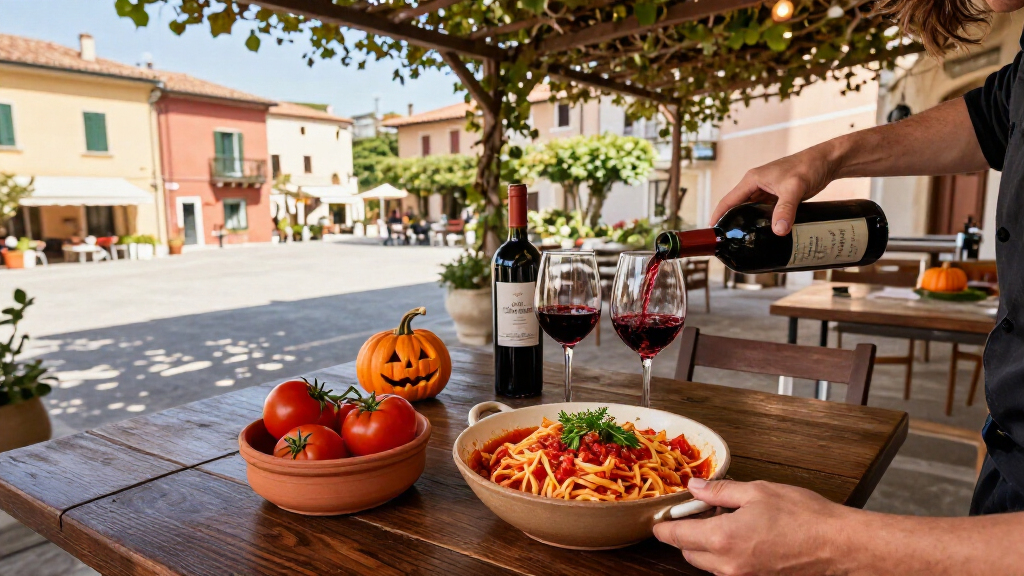
Pour Fuller Reds With Braised Meat and Aged Cheese
For braised beef, game, rich sauces, and aged cheese, choose a fuller red with enough structure to keep pace. Barolo, Barbaresco, Amarone, and Aglianico can suit a hearty centerpiece because their intensity and tannin stand up to concentrated flavors. They can feel out of balance, though, beside delicate vegetables or very sweet food.
In Piedmont, Nebbiolo is the grape behind Barolo and Barbaresco. Its tannins can meet the richness of a slow-braised roast, while its savory character can echo the smell of browned meat and thyme. Pour it beside beef that has cooked for hours, and the dish gives the wine something substantial to work with.
Amarone della Valpolicella, from Veneto, is made with partially dried grapes, a traditional technique that concentrates the fruit. It can bring a broad, powerful feel to a table of roast meat and aged cheese. Aglianico, grown in southern Italian regions including Campania and Basilicata, is another structured option for long-cooked meat. Regional rules and individual styles vary, so check the bottle rather than assuming every wine from a grape tastes the same.
Here’s a practical serving sequence for a dinner with a roast:
- Set out the food first. Tannin feels more balanced with fatty meat and aged cheese than with an empty stomach.
- Open young, structured reds in advance. Pour a taste, then give the wine time in the glass; decanting may help a young, tannic bottle open.
- Taste before decanting an older bottle. Mature wines can be delicate. Decant gently only if you need to separate sediment or the wine seems closed.
- Keep the serving temperature moderate. A hot room can make alcohol seem more prominent, so avoid serving full-bodied reds warm.
For example, with a Halloween menu of braised beef, roasted carrots, and aged Pecorino, a structured red has a clear role. If the menu also includes chili-heavy food or maple-glazed squash, offer a softer alternative; tannin can taste hard against heat and sweetness.

Treat Pumpkin as a Recipe, Not a Wine-Pairing Rule
Pumpkin does not point to one perfect wine; the preparation decides the pairing. Savory pumpkin with sage, browned butter, or mushrooms can work with a fresh, lighter red. Sweet pumpkin pie or a heavily spiced dish may make a dry, tannic wine seem bitter and severe.
Take a savory pumpkin risotto from Lombardy or a home kitchen: creamy rice, roasted pumpkin, and sage have a softer profile than tomato pasta or braised meat. A lighter Sangiovese or a fresh red from northern Italy can leave the dish’s sweetness and herbs in view. If you stir in aged cheese, a little more structure can help, but keep the pour moderate.
Now change the recipe. A pumpkin dish with brown sugar, cinnamon, and chili has sweetness and heat. Those flavors can make a dry, high-tannin red feel rough. For sweet or strongly spiced pumpkin, choose a less tannic wine, consider a white wine, or serve the dessert separately with a wine at least as sweet as the dish.
Try this tasting check before guests sit down: take a bite of the pumpkin, then a sip of the wine. Does the wine taste sour, bitter, or unusually hot? If so, switch to a lighter red or save that bottle for the meat course. This small test is more useful than following a blanket rule that pumpkin always calls for a particular grape.
For Halloween dinner, that flexibility helps when one table holds both savory roasted squash and a sweet pie. Keep the wine with the savory course, then offer coffee, tea, or a suitable dessert pairing later. You’ll preserve the wine’s character and let the pumpkin taste like pumpkin.
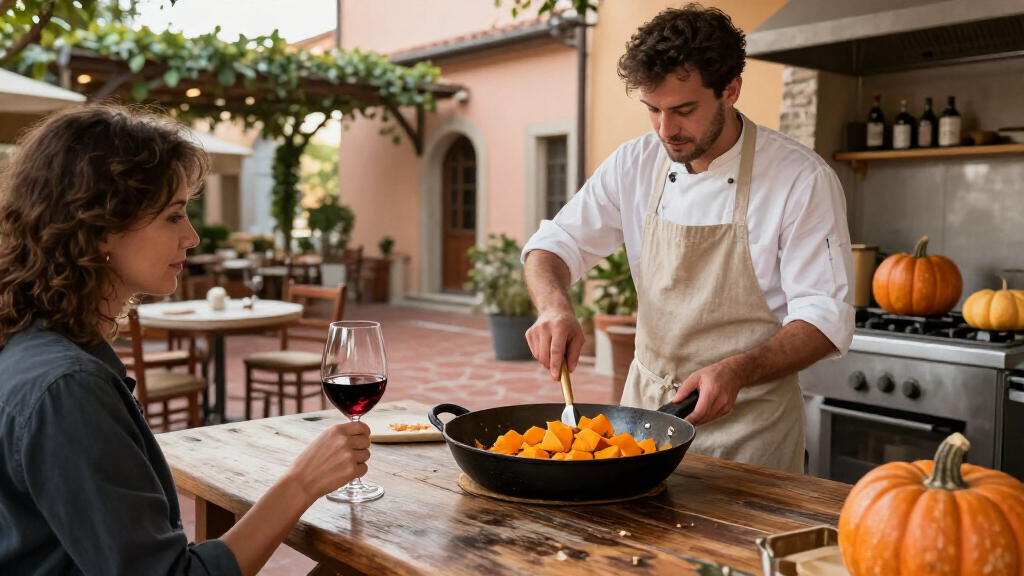
Let Mushrooms and Truffles Meet a Savory Red
Earthy mushrooms and truffles often suit reds with savory character and restrained fruit. The goal is to complement their woodland flavor without covering it with jammy fruit or heavy alcohol. A lighter, food-friendly red can feel more natural than the biggest bottle on the shelf.
Picture a plate of tagliatelle with porcini mushrooms, the sauce glossy with butter and scattered with parsley. A Piedmontese red based on Nebbiolo can echo the dish’s earthy, savory side, while a lighter Sangiovese may work if the sauce includes tomato or herbs. The right choice depends on how much butter, cheese, and meat the cook adds.
Truffle dishes deserve similar care. A few shavings over risotto add aroma rather than weight, so a very powerful wine may dominate. With a richer mushroom ragù or a roast with porcini, more structure makes sense. Follow the dish’s intensity: delicate truffle aroma calls for restraint, while concentrated sauce can take a firmer red.
Serve a small first pour and give the mushrooms a chance to lead. If the wine’s fruit seems too sweet beside the earthy sauce, try a more savory bottle or lower the serving temperature slightly. For a Halloween menu, a mushroom crostini followed by roast meat gives you a natural progression from a lighter red to a fuller one.
Food safety matters with autumn mushrooms. Buy them from a reliable grocer or gather only with expert identification; never eat a wild mushroom based on a guess or a phone photo. Keep fresh mushrooms refrigerated and cook them thoroughly, especially when serving guests whose health may be more vulnerable.

Serve Red Wine Fresh, and Give Guests a Choice
Serve red wine cool enough to stay fresh, and offer more than one option when the menu changes. Full-bodied reds can seem heavy when poured warm, while a modest chill can make a lighter red feel crisp. The exact temperature depends on the wine and room, so taste and adjust rather than treating one number as a universal rule.
If your dining room is warm, place a lighter Barbera or Chianti in the refrigerator briefly before serving. Take it out before it feels icy; very cold wine can mute aroma and flavor. A structured red can open in the glass as dinner goes on, so pour a small amount first and let guests decide whether they want more.
Plan quantities around the gathering, not a party rule. A common estimate is one 750 ml bottle for every two to three guests over a meal, adjusted for serving sizes, dinner length, and other drinks. For six guests, two or three bottles may be enough if you also serve water and a nonalcoholic option; a long meal with wine at several courses may call for more. Store open bottles sealed in a cool place and refrigerate them if you plan to keep them for another day.
Put a jug of water on the table and offer a nonalcoholic drink with the same care as the wine. Adults who choose to drink should do so responsibly, and guests should never drive after drinking. A good host makes it easy to enjoy the food without making alcohol the center of the night.
For a practical two-bottle plan, pair a medium-bodied red with tomato pasta or roasted vegetables, then bring out a structured bottle with the roast and cheese. Guests can follow the menu, switch styles, or skip the wine altogether. That flexibility makes the evening more welcoming than asking one dramatic bottle to suit every plate.
Frequently Asked Questions
Which Italian red wine works best with a Halloween dinner?
Start with the main dish. Chianti Classico or Barbera can suit tomato-rich pasta and pizza, while Barolo, Amarone, or Aglianico can stand beside rich braised meat. If the menu has several courses, offering a medium-bodied red and a fuller red gives guests more room to choose.
What Italian red wine should I serve with pumpkin?
Match the preparation. A fresh, lighter red can work with savory pumpkin risotto or roasted squash, especially with herbs and mushrooms. Sweet or heavily spiced pumpkin can make dry, tannic reds taste harsh, so try a softer wine or consider a white.
Is Chianti a good pairing for tomato sauce?
Often, yes. Sangiovese-based Chianti Classico has acidity that can meet the tang of tomato sauce, and its savory side works well with herbs and roasted meat. Taste it with your particular sauce, since sweetness, spice, and added meat can change the match.
Should I chill Italian red wine before serving?
A modest chill can make lighter reds such as Barbera feel fresher, especially in a warm dining room. Take the bottle out before it gets icy, since very cold temperatures can mute aroma and flavor. Full-bodied reds should not be served warm; use the wine’s feel in the room as your guide.
Should I decant Barolo or another structured red?
A young, tannic red may benefit from time in the glass or careful decanting. Taste it first, because some wines open naturally as dinner proceeds. Older bottles can be delicate; decant gently only if needed to separate sediment or after tasting.
How much wine should I buy for six Halloween dinner guests?
A common planning estimate is one 750 ml bottle for every two to three guests over a meal, which puts six guests at roughly two or three bottles. Adjust for serving size, how long dinner lasts, and whether you offer other drinks. Include water and a nonalcoholic option, and encourage responsible drinking.
Conclusion
Choose the wine for what’s on the plate, not for how dark the bottle looks. Start with Chianti Classico or Barbera for tomato and herbs, then bring out a structured red for braised meat or aged cheese. Let savory pumpkin and mushrooms guide you toward fresher, less forceful styles.
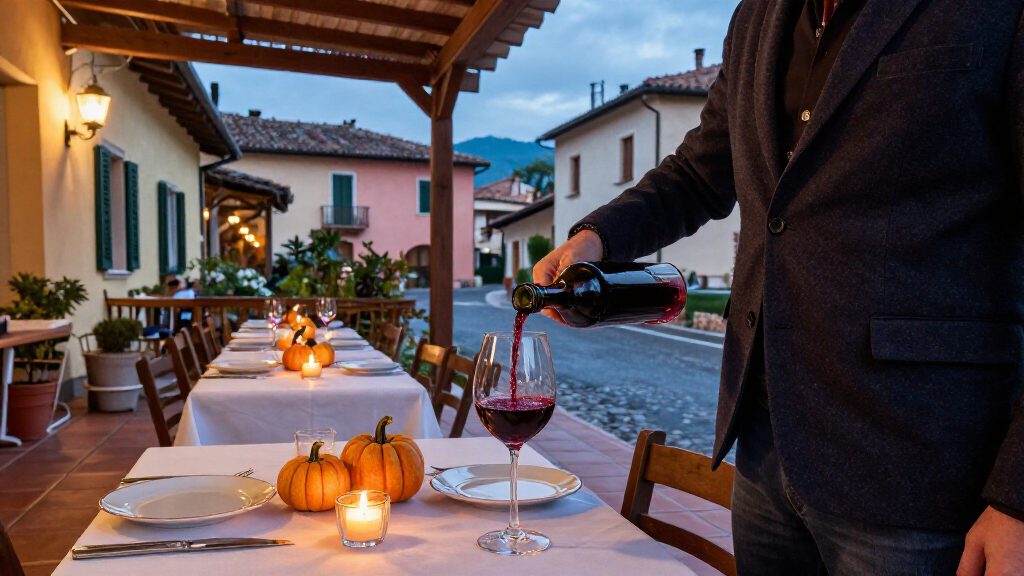
Give the wine a little air, serve it cool enough to stay lively, and keep water and a nonalcoholic drink within reach. Then let the candles flicker over a table where the food—and the people gathered around it—set the mood.