TL;DR

Get kitchen staples and gadgets delivered free with Prime
- Fast, free delivery on millions of items
- Prime Video, Amazon Music and more included
- Member-only deals all year
Bagna cauda is a warm Piedmontese sauce made chiefly from salt-cured anchovies, garlic, and olive oil, served with raw or cooked vegetables for dipping. To host bagna cauda night, prepare a generous vegetable platter, melt the sauce gently, keep it warm rather than piping hot, and let the meal unfold around the table.
Bagna cauda is not a polite little dip: it is a warm, boldly garlicky anchovy sauce that asks you to pull up a chair and stay awhile. In Piedmont, northwestern Italy, diners gather around the table with vegetables in hand and a gently heated pot in the middle. The aroma is assertive; the welcome is generous.
The name comes from Piedmontese: bagna means “sauce” or “dip,” and cauda means “hot.” It is less a conventional dip than a shared, savory meal, especially associated with autumn and winter in places such as the Monferrato, Langhe, and Roero. The “bath” in the headline is a playful image: you dip vegetables into the sauce, not into a literal bath.
This guide will help you understand what bagna cauda tastes like, choose vegetables, keep the sauce warm without scorching it, and host a relaxed bagna cauda night at home. You will also see where tradition leaves room for family variation—and how to describe adaptations honestly.
Bagna cauda is a warm Piedmontese sauce of garlic, salt-cured anchovies, and olive oil; some family versions add butter.
Serve a mix of crisp raw vegetables and tender cooked ones, such as fennel, celery, peppers, cabbage, cardoons, and Jerusalem artichokes.
Keep the sauce gently warm rather than bubbling, and stir in warm oil if it thickens at the table.
Tell guests that the classic sauce contains fish, and label dairy, gluten, or plant-based alternatives clearly.
Bagna Cauda Day is held in autumn, but its dates and participating venues change each year.
Bagna Cauda Night A shared taste of Piedmont
This warm anchovy-garlic sauce is more than a dip: a gently heated shared pot, a generous vegetable spread, and a meal made for lingering.
What goes into the pot?
The classic sauce combines garlic, salt-cured anchovies, and olive oil; some family versions add butter.
Bold and savory
Slowly melted anchovies bring depth, while garlic gives the sauce its unmistakable aroma.
A fujòt at the center
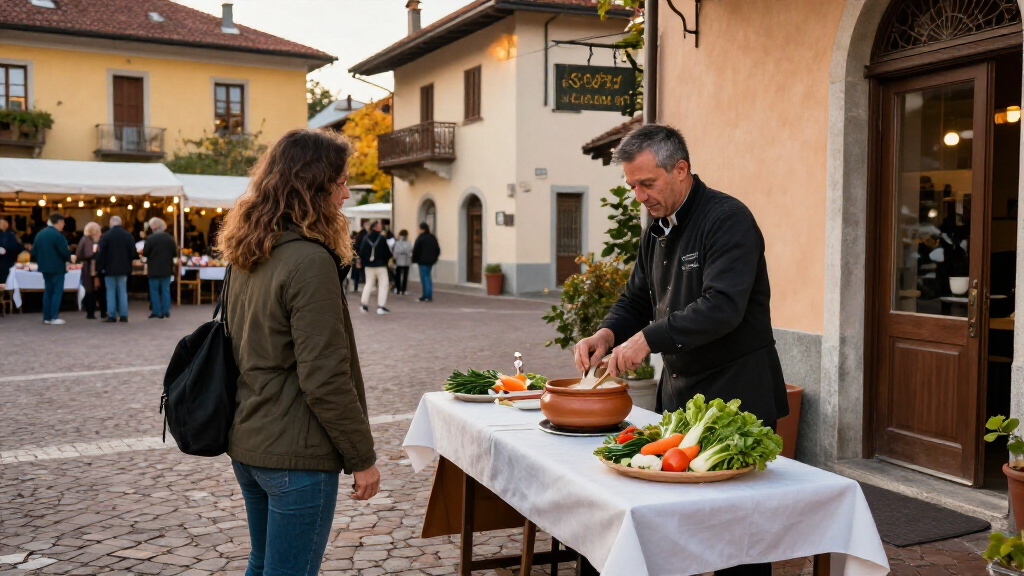
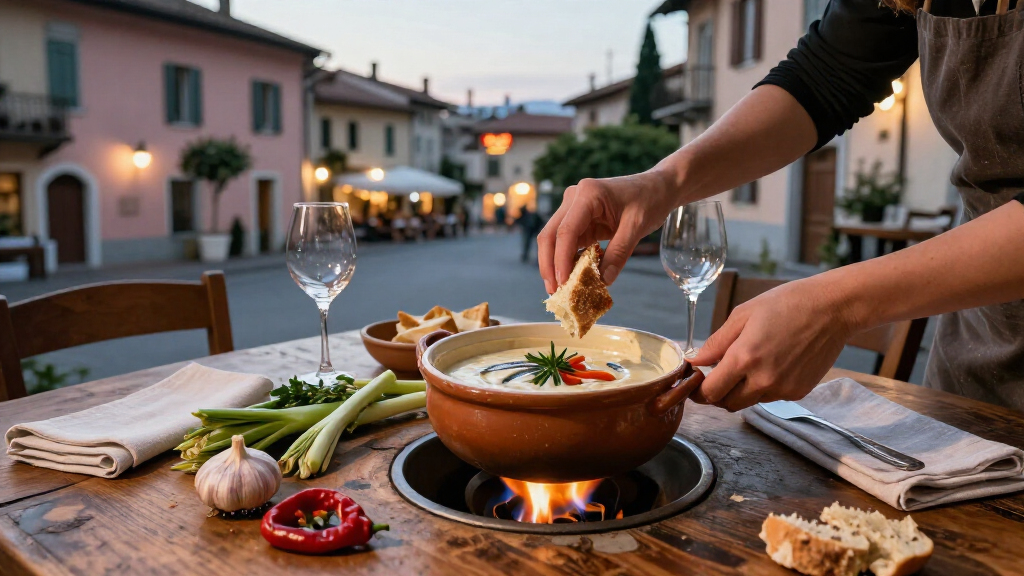
Traditionally, diners gather around a small table pot and return to it as the meal unfolds.
Piedmont, with variation
Associated with Monferrato, Langhe, and Roero, the dish has no single household formula.
Build a vegetable platter
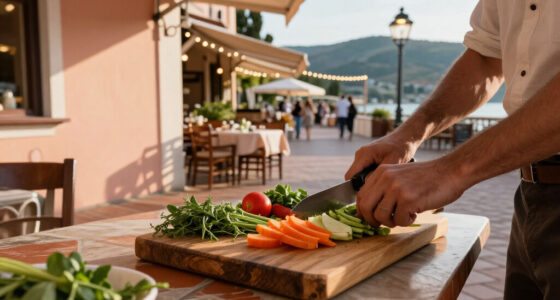
Mix crisp raw vegetables with tender cooked ones so every dip brings a different texture.
- Fennel and celery
- Sweet peppers
- Cut vegetables into easy-to-hold pieces
- Cabbage and cardoons
- Jerusalem artichokes
- Boil or roast ahead of time
Host without hovering
Prepare the spread first, then bring the gently warmed sauce to the table.
Wash and cut them ahead; keep raw pieces crisp and dry.
Warm garlic in olive oil over low heat, then stir in anchovies until they dissolve.
Keep the pot within reach and let guests dip, talk, and return for more.
Keep the sauce gentle
A smooth, fluid sauce is the goal—not a bubbling pot.
What makes bagna cauda more than a dip?
Bagna cauda is a warm Piedmontese dipping sauce made primarily with garlic, salt-cured anchovies, and olive oil, served at the center of a shared meal. Diners dip raw, boiled, or roasted vegetables into it, often passing around one gently warmed pot. Its character comes from both the sauce and the unhurried ritual around it.
The flavor is salty, deeply savory, rich, and unmistakably garlicky. Properly melted anchovies give the sauce depth; they do not need to taste like a mouthful of fish. Imagine the savory pull of anchovy on good toast, softened into warm oil and rounded by garlic. Then add the crisp snap of fennel or the earthy bite of a cooked cardoon.
Bagna cauda is associated especially with southern Piedmont, including the Monferrato, Langhe, and Roero, regions also known for dishes such as tajarin, agnolotti, and brasato. Accounts often connect the dish to rural autumn and winter meals and to agricultural or winemaking communities, but those origin stories are traditions rather than firmly settled history.
That distinction helps when you cook it: no single household formula owns the dish. Some cooks add butter to olive oil; others keep the ingredients spare. If your first taste surprises you, try a second bite with a sweet pepper or a piece of bread. The sauce is designed to meet food at the table, not to be judged by a spoonful alone.
Products Worth Considering

Samsung 65-Inch QN70FA Neo QLED 4K Smart TV with 8-Foot WireLogic Ruby Ultra High Speed HDMI Cable (2025)

Bose Lifestyle Ultra Wireless Soundbar with Dolby Atmos, Black

eufy Security SoloCam E42 4K Solar Security Camera with AI Motion Tracking
As an affiliate, we earn on qualifying purchases.
How do you host a bagna cauda night at home?
To host bagna cauda night, prepare the vegetables first, melt the sauce slowly, and serve it warm at the table. The point is not a complicated menu; it is having everything ready so you can sit down with your guests instead of managing a hot pan all evening.
- Choose a wide vegetable mix. For four people, plan about 2 to 3 pounds total: fennel, celery, peppers, cabbage, or cardoons, plus bread for dipping up the last sauce.
- Wash and cut vegetables into easy-to-hold pieces. Keep raw vegetables crisp and dry. Boil or roast firmer options ahead of time, then bring them to the table warm or at room temperature.
- Make the sauce gently. Warm olive oil with peeled garlic over low heat until the garlic softens. Add rinsed, boneless salt-cured anchovies and stir until they dissolve. Add butter only if that is the version you want.
- Move the sauce to a warm serving vessel. Use a traditional fujòt (small table pot) if you have one, or another heat-safe dish with a controlled warmer. Keep the sauce fluid, not bubbling.
- Set the table for lingering. Put the pot within easy reach, arrange vegetables on platters, and offer small plates and forks or skewers. Let people dip, talk, and return for another vegetable.
For a practical first dinner, serve crisp fennel, sweet red pepper, celery, and blanched cabbage alongside roasted potatoes or Jerusalem artichokes. The raw vegetables offer crunch; cooked ones catch more sauce. A long table with one pot encourages conversation, while individual small pots can suit a larger group or guests who prefer not to share utensils.
There is no need to make every element at the last minute. Cut and chill vegetables earlier, then dry them well so water does not thin the sauce. Cook the anchovy mixture shortly before serving, and keep hot food hot and cold food cold; do not leave perishable ingredients sitting out for hours. If you are serving wine, offer it to adults only and encourage responsible drinking.
Which vegetables make the best sauce-catching platter?
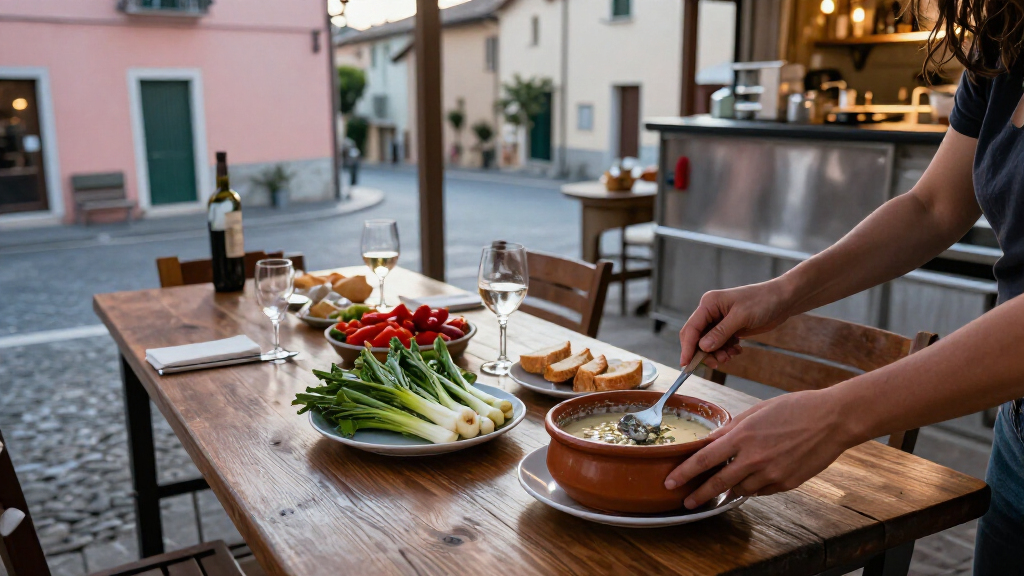
The best vegetables for bagna cauda balance crunch, sweetness, and earthy flavor. Piedmontese favorites include cardoons, fennel, peppers, celery, cabbage, and Jerusalem artichokes, but you can choose a mix based on what looks fresh. A good platter gives the rich sauce several different textures to cling to.
Start with something crisp and refreshing. Fennel has a clean, anise-like crunch that cuts through the sauce’s richness, while celery brings a juicy snap. Sweet red or yellow peppers offer a softer bite and a gentle sweetness that plays especially well against salty anchovy. Cut them into pieces long enough to hold without drooping into the pot.
Then add vegetables that turn tender and silky when cooked. Blanched cabbage, boiled cardoons, or roasted Jerusalem artichokes give you a more substantial bite. If cardoons are hard to find, do not let that stop dinner; use celery, fennel, and roasted seasonal vegetables instead. Tradition offers a useful map, not a rule that requires a special market trip.
Put the choices side by side and guests can discover their own favorite pairing. A guest who finds raw celery too sharp may love roasted artichoke; someone else may reach repeatedly for pepper strips. Add bread to catch the last streaks of sauce, but treat vegetables as the heart of the spread rather than decorative extras. For four diners, a platter that looks abundant before everyone sits down is more inviting than a sparse plate that needs constant refilling.
How do you keep the sauce warm without scorching it?
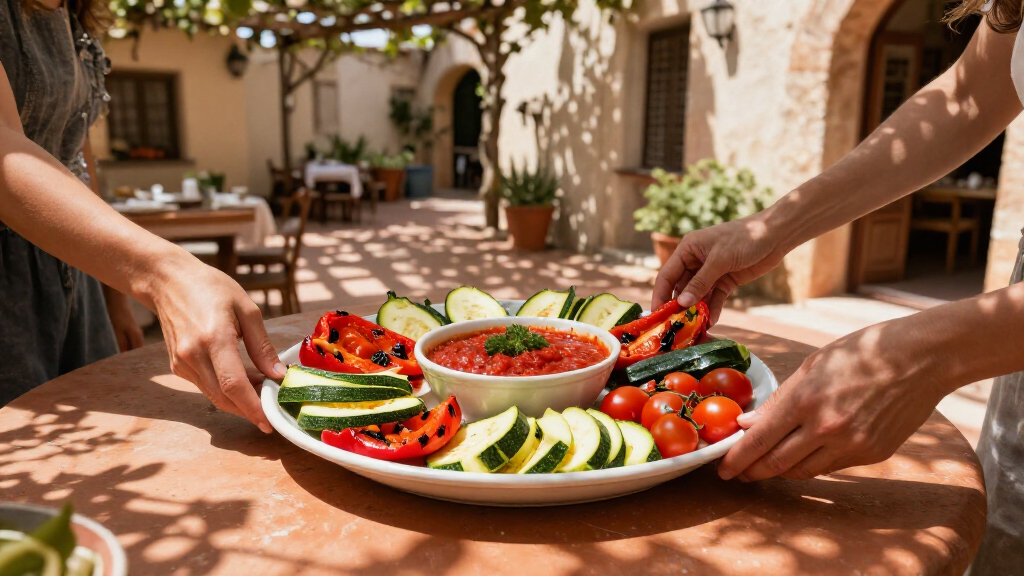
Keep bagna cauda warm enough to stay fluid, not hot enough to fry or bubble. Gentle heat protects the sauce’s mellow, savory texture; scorching garlic or anchovies can turn it bitter and harsh. The traditional fujòt holds the sauce at the table, but a small heat-safe serving vessel and careful warmer can do the job too.
Make the sauce in a heavy saucepan over low heat, stirring as the garlic softens and the anchovies melt. If the oil begins to sizzle vigorously, lift the pan off the burner for a moment and lower the heat. The goal is a smooth, warm mixture, not a bubbling pot. Butter, when included, can add a rounder texture, but it does not change the need for gentle heat.
At the table, test the setup before guests arrive. Pour in a little warm water if you are using a vessel with a water jacket, following its directions, and check that the warmer keeps the sauce loose without creating a hot spot. A small tealight can maintain warmth in some traditional-style setups, but keep open flames away from napkins, sleeves, and overhanging decorations.
For example, if the sauce thickens while guests are still working through the fennel, stir in a spoonful of warm olive oil and reduce the heat. Do not pour cold oil into an overheated pot or leave the burner unattended. Keep raw vegetables separate from cooked ones on the platter, and discard food that has sat at room temperature for more than two hours—or one hour above 90°F. A little attention preserves both flavor and safe serving.
What can you change without losing the Piedmontese spirit?
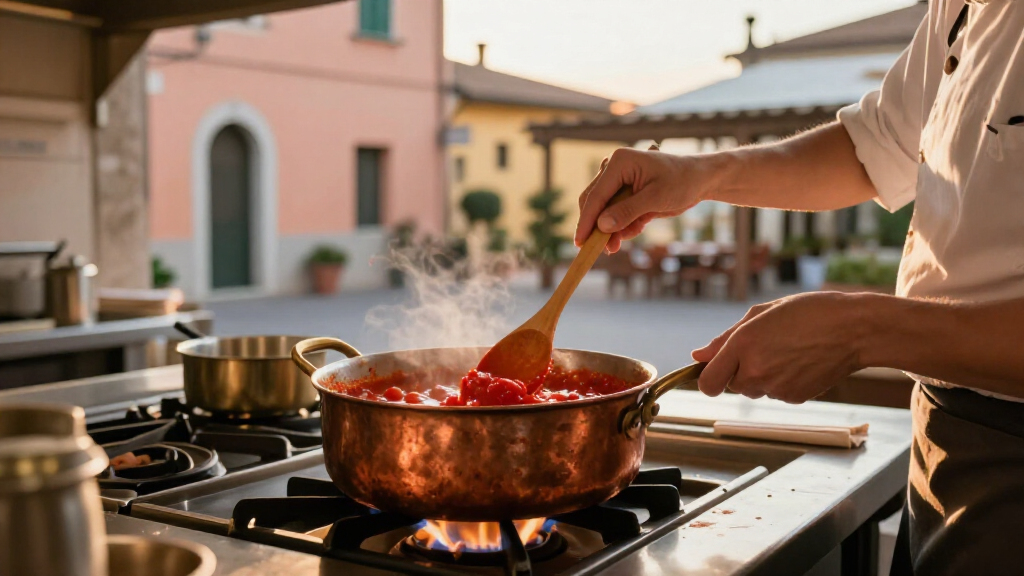
Bagna cauda allows household variation, but anchovies and garlic define its classic character. Some versions use olive oil alone; others add butter or adjust the balance of garlic and anchovy. These differences reflect local and family preference rather than a single universally fixed recipe.
If you want a gentler sauce, cook the garlic slowly until soft and sweet, and serve it with more vegetables rather than cutting the anchovy flavor to nothing. If you prefer a bolder version, keep the classic ingredients prominent and offer plenty of crisp fennel and sweet pepper alongside. A small tasting spoon before dinner lets you adjust the seasoning while the sauce is still in the pan.
The classic sauce contains fish, and some versions also contain dairy. Tell guests plainly, especially anyone with a fish allergy, and keep the sauce separate from other dishes. A vegan or vegetarian interpretation can be made, but without anchovies it is an adaptation, not traditional bagna cauda. Label it clearly rather than suggesting it is the same sauce with a minor swap.
That honest flexibility makes the dinner easier to share. For a group with different diets, set out a separate olive-oil-based vegetable dip and give it its own serving spoon, while keeping the anchovy sauce in its own pot. If you are cooking for someone with celiac disease, check every accompaniment and use gluten-free bread or skip bread; the vegetables themselves can make the meal feel complete.
When should you plan a trip around bagna cauda?
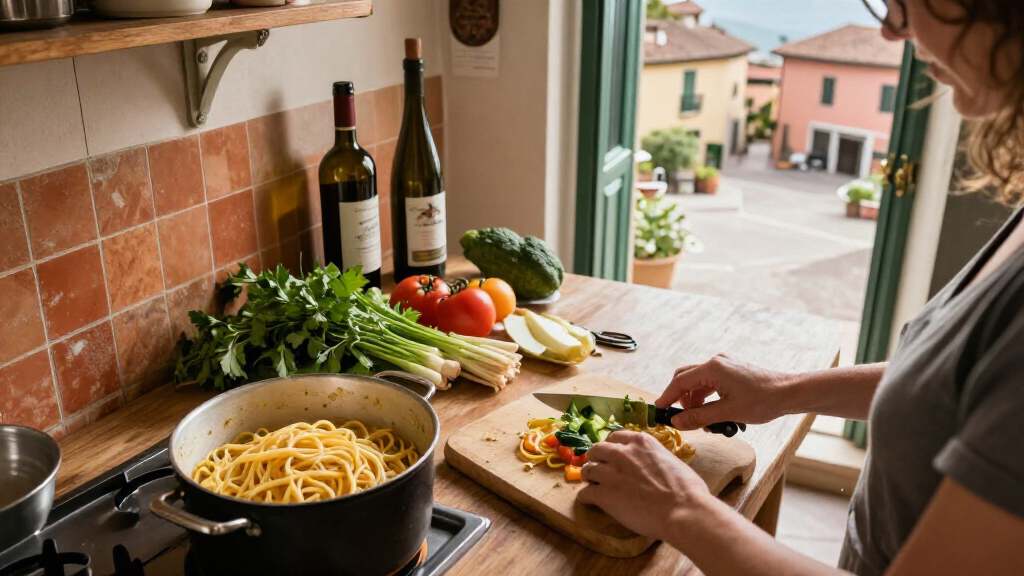
Autumn and winter are the natural seasons to seek out bagna cauda in Piedmont. The hearty meal fits the cooler months, when the sauce’s warmth and the region’s vegetable traditions feel especially at home. Southern Piedmont’s Monferrato, Langhe, and Roero make a grounded starting point for a food-focused visit.
Bagna Cauda Day is an annual Piedmont celebration that brings the dish to participating restaurants and local venues, generally in autumn. Dates, venues, and programs change from year to year, so check current local information before planning travel rather than relying on an old calendar listing. The event can be a convenient way to try different restaurant interpretations without assuming every kitchen serves an identical recipe.
In a restaurant, ask whether the sauce is served in a shared pot or individual portions, what vegetables come with it, and whether the kitchen uses butter as well as oil. These are practical questions, not tests of authenticity. They help you know what will arrive and make it easier to accommodate allergies or dietary preferences.
Imagine a chilly evening in the Langhe: you arrive after a walk, hang up your coat, and find a table set with celery, peppers, fennel, and a small pot steaming gently at the center. That is the kind of meal worth planning around—not because every detail follows one master recipe, but because the region’s seasonal food and shared-table custom come together in a way you can taste. If the trip is not in your plans, you can still borrow the ritual for a winter dinner at home.
Frequently Asked Questions
What does bagna cauda taste like?
Bagna cauda tastes salty, rich, savory, and strongly garlicky. The anchovies melt into the oil and provide deep flavor rather than a separate, sharply fishy taste. Try it with sweet pepper or crisp fennel to balance its richness.
Is bagna cauda a dip or a fondue?
It is a warm dipping sauce from Piedmont. The shared table pot may remind you of fondue, but bagna cauda has its own anchovy-and-garlic base and vegetable-centered tradition. Bread is welcome, but vegetables are central to the meal.
Does bagna cauda contain fish?
Yes, the classic sauce contains anchovies. Some versions also include butter, so ask about both fish and dairy if you are cooking for guests with allergies. A fish-free version is an adaptation, not the traditional recipe.
Can you make bagna cauda without garlic?
Garlic is central to classic bagna cauda. You can cook it gently to soften its sharpness or use a smaller amount to suit your table, but leaving it out changes the dish substantially. Tell guests when you have made that kind of adaptation.
What is a fujòt?
A fujòt is a small traditional vessel used to hold and gently warm bagna cauda at the table. You can use another heat-safe serving dish with a controlled warmer if you do not have one. Keep the sauce warm and fluid, never vigorously bubbling.
What vegetables should you serve with bagna cauda?
Traditional choices include cardoons, fennel, peppers, celery, cabbage, and Jerusalem artichokes. Use a mix of raw and cooked vegetables for crunch and softness. If cardoons are unavailable, fresh fennel, celery, peppers, and roasted vegetables make a practical platter.
Conclusion
Make the vegetables generous, the heat gentle, and the evening unhurried. Bagna cauda is a real taste of Piedmont, but you do not need a perfect regional pantry or a formal recipe to share its best quality: one warm pot that brings people back to the table.
Set out fennel, peppers, celery, and something roasted; then let the last streak of anchovy-garlic sauce lead everyone toward another piece of bread.