TL;DR

Get kitchen staples and gadgets delivered free with Prime
- Fast, free delivery on millions of items
- Prime Video, Amazon Music and more included
- Member-only deals all year
Puglia’s food is closely tied to its fields, coast, and towns: try handmade orecchiette con cime di rapa in Bari, taste very fresh burrata associated with Andria, and book a masseria meal only after checking what the estate grows and whether it serves outside guests. Season, town, and kitchen all shape the menu, so ask about ingredients, freshness, and transport before you plan around a particular dish.
In Bari, you can hear a knife tap a wooden board as a pasta maker shapes tiny rounds of dough into orecchiette, or “little ears.” A few hours inland, a fresh burrata opens like a soft pouch, its creamy center ready for bread and ripe tomatoes. These are not just famous dishes on a menu; they are clues to how Puglia cooks with wheat, dairy, vegetables, and the season.
This guide shows you what to order, where each dish makes sense, and how to plan a meal at a masseria, a traditional rural estate. You’ll learn why orecchiette catches sauce, how burrata differs from mozzarella, what else to eat between meals, and what to ask before booking a countryside dinner. The goal is a trip where the food connects to the place on your map.
Order orecchiette con cime di rapa in Bari, and ask whether anchovy is part of the preparation if you avoid fish.
Treat burrata as a fresh cheese: ask where and when it was made, keep it cold, and enjoy it soon.
Before booking a masseria, confirm meal access, what it grows or sources, reservation needs, and transport.
Use bakeries, seasonal seafood, olive oil, and local wines to explore more than the region’s headline dishes.
Plan around the season and your dietary needs; recipes and menus vary by town, kitchen, and time of year.
Eat Puglia by place Orecchiette, burrata, and masserie
From Bari’s handmade pasta to fresh burrata near Andria, local ingredients and season shape the meal. Plan countryside dining around access, sourcing, and transport.
Three tastes, three settings
Use each dish to connect the menu with the place it comes from.
Orecchiette with greens
Its cupped shape holds broccoli rabe, garlic, and oil. Ask whether anchovy is included if you avoid fish.
Burrata, served fresh
A mozzarella shell holds creamy stracciatella. Ask where and when it was made, and enjoy it soon.
A meal at a masseria
Estate gardens and local sourcing vary. Confirm what the kitchen grows or buys nearby.
Choose what fits the season
Menus change with the town, kitchen, and ingredients available.
- Orecchiette with broccoli rabe
- Burrata with bread and tomatoes
- Focaccia barese with tomatoes and olives
- Seasonal vegetables or meat ragù
- Coastal seafood, depending on season and location
- Local olive oils and wines
Check before you book
A rural setting can make transport and advance planning part of the meal.
Ask whether the masseria accepts outside diners.
Check what the estate grows or sources and what is served that day.
Check reservation needs, distance, and transport before building your day around dinner.
Taste Bari’s orecchiette where the pasta is shaped by hand
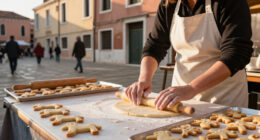
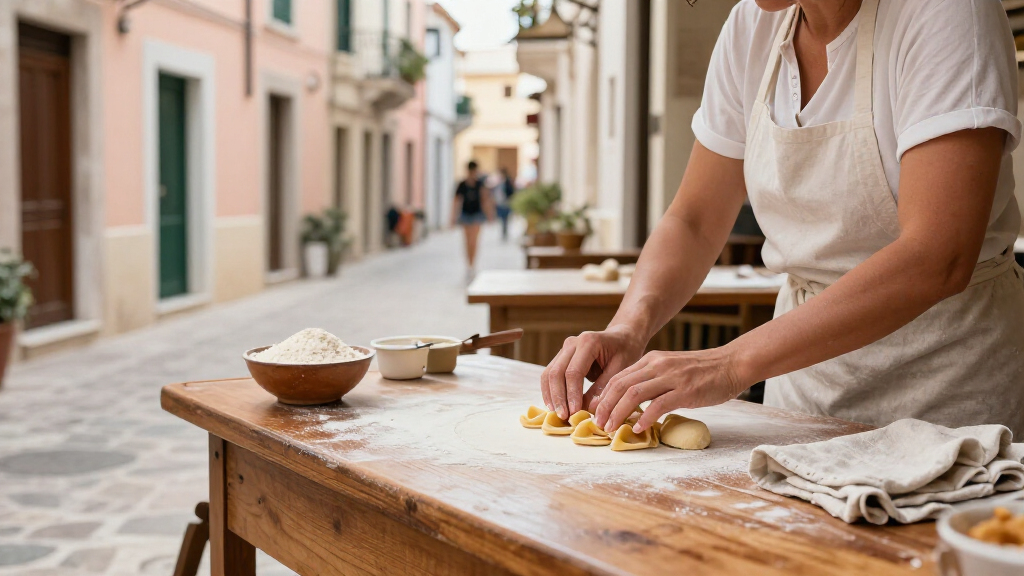
Orecchiette in Puglia are small, cupped pasta traditionally made from durum-wheat semolina and water, shaped by hand with a knife or fingertip. Their hollowed surface catches greens, oil, and little bits of garlic, so the pasta carries more than a smooth noodle would. In Bari, you may see makers working along public lanes, though the activity and availability vary by place and season.
The classic plate is orecchiette con cime di rapa, pasta with broccoli rabe, garlic, olive oil, and often chili and anchovy. The greens bring a pleasant bitterness against the firm, wheaty pasta; anchovy adds savory depth rather than a strong fish flavor. Ask whether the dish contains anchovy if you’re vegetarian, since it may be cooked into the oil before the greens go in.
Think of the pasta as a tiny bowl: a slick of olive oil and chopped greens settle inside each ear, while a long, smooth shape lets more sauce slide away. That shape matters especially with a simple sauce, where texture and the balance of bitter greens, savory oil, and firm pasta do much of the work. If broccoli rabe is out of season or unavailable, kitchens may serve orecchiette with tomato, seasonal vegetables, or meat ragù. These versions are not merely substitutes: they show how a durable pasta can adapt to what the pantry and fields provide. In a Bari trattoria, notice whether the pasta stays pleasantly firm and whether the sauce gathers in its cups; then try another version the next day to see what changes when the ingredients do.
For a practical stop, pair a walk through Bari Vecchia with a lunch of orecchiette, then ask the restaurant whether its pasta is made in-house. Street shaping is a glimpse of a living food tradition, not a guaranteed performance for visitors. You’ll get more from the encounter by ordering a plate and noticing how that sturdy semolina texture stands up to the sauce. In-house pasta can offer a closer connection to the local craft, but a restaurant’s skill with its sauce and ingredients matters too; the best meal is not determined by one claim on the menu.
Products Worth Considering

eufy Security SoloCam E42 4K Solar Security Camera with AI Motion Tracking

Dyson Omni-Glide Cordless Stick Vacuum, Gold/Iron

Dyson 360 Vis Nav Robot Vacuum
As an affiliate, we earn on qualifying purchases.
Choose burrata in Andria and eat it while it is fresh
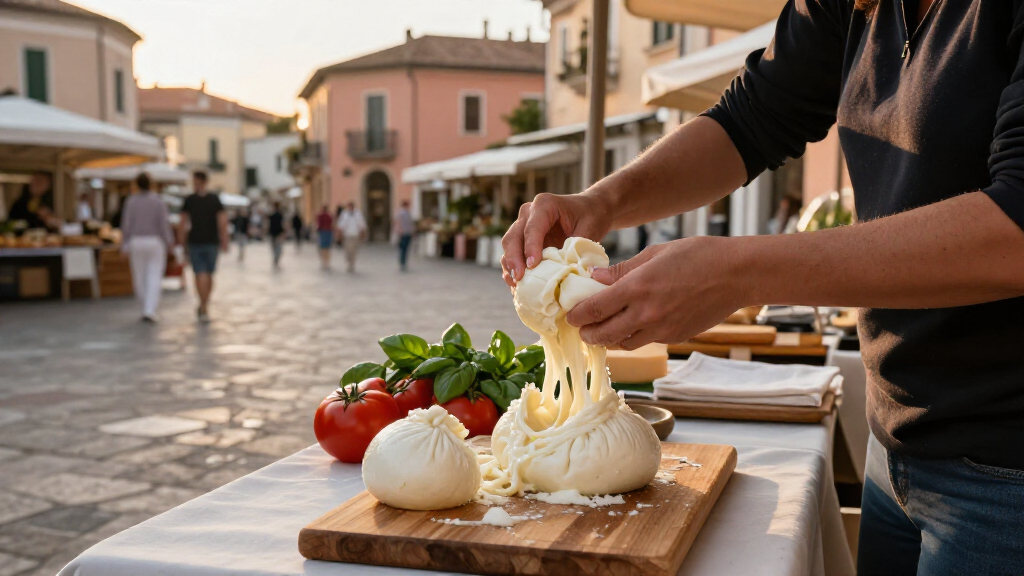
Burrata in Puglia is a fresh cheese pouch with a mozzarella exterior and a creamy center of stracciatella, or shredded mozzarella mixed with cream. It is strongly associated with Andria, in inland northern Puglia, and its delicate filling is best enjoyed as fresh as possible. Set it on the table with bread, tomatoes, vegetables, or a little olive oil, and let the center spill onto the plate. Because the cheese is mild and rich, simple accompaniments help you notice its freshness rather than masking it.
Burrata is related to mozzarella, but it is not the same cheese. Mozzarella is stretched-curd cheese; burrata wraps creamy stracciatella inside a mozzarella-like shell. That contrast is the pleasure: a tender outside gives way to a cool, rich middle. At a lunch stop near Andria, a simple serving with ripe tomatoes can be more revealing than a heavily dressed appetizer, because you can taste the dairy’s freshness. It is also a dish best shared or ordered when you are ready to eat: the creamy center is the point, and saving it until the end of a long meal can mean missing the texture at its best.
Ask where the burrata came from and when it was made. A menu listing burrata does not by itself tell you whether the cheese was produced nearby or how long it has been stored. The closer it is to production, the more likely its center is to retain the soft, delicate texture that distinguishes it, though freshness is not the only measure of quality. If you buy it from a shop, keep it cold and follow the seller’s storage advice; as a fresh dairy product, it should not sit at room temperature for a long stretch. If you have a dairy allergy, avoid it, and ask about cross-contact if that matters to you.
Other Puglian cheeses include mozzarella and ricotta, with styles and availability changing across the region. Order burrata early in your meal rather than saving it for later, especially on a warm day. When the pouch is fresh, a piece of crusty bread is enough to catch every last ribbon of cream; choosing a simple serving also makes it easier to tell whether the cheese itself, rather than elaborate seasoning, is carrying the dish.
Plan a masseria meal that fits the way you travel
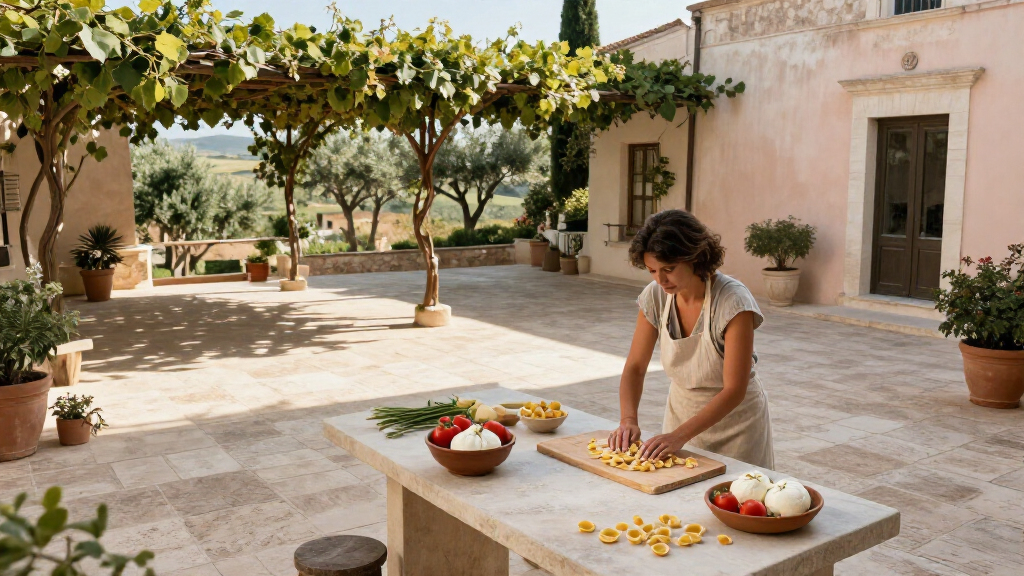
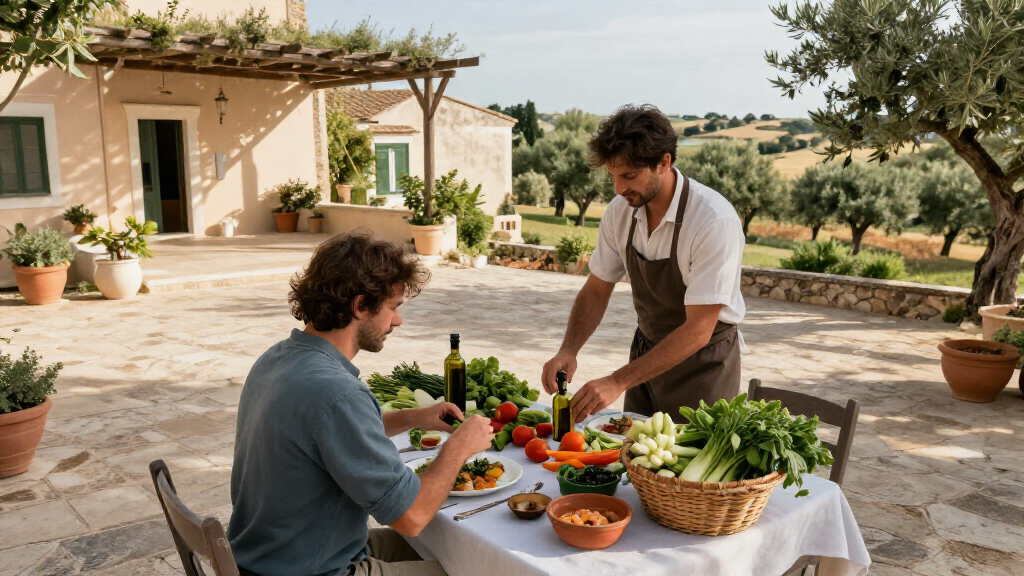
A masseria is a historic farmhouse or agricultural estate, often built with defensive features, and many in Puglia now operate as hotels, restaurants, or working farms. A meal there can bring you close to garden vegetables, olive groves, and countryside cooking, but every property offers something different. Some serve guests only; others take outside reservations or run tastings and cooking classes. The setting can be part of the appeal, but a rural location also makes a meal more dependent on advance planning than a restaurant in town.
Before booking, ask three concrete questions: whether meals are open to non-guests, what the kitchen grows or sources nearby, and whether you need to reserve in advance. “Farm-to-table” can describe very different arrangements. One masseria might serve estate-grown tomatoes and olive oil; another may be a restored hotel that sources most ingredients elsewhere. Ask what is actually on the menu that day. The answer helps set expectations: an estate garden may shape a seasonal menu without supplying every ingredient, while a property that buys locally can still serve food rooted in the area. Rather than treating the label as a guarantee, decide whether you value the farm setting, specific ingredients, or the convenience of a meal included with a stay.
Travel logistics matter as much as the menu. A rural estate can look close to Ostuni or Lecce on a map and still take longer than expected along local roads. If you’re arriving without a car, check whether the property arranges a transfer and how you’ll get back after dinner. Confirm parking if you drive, and don’t assume public transit runs near the entrance. A transfer can make an evening possible without a car, but it may limit how long you stay or require a fixed pickup time; driving offers more flexibility, while adding the need to plan a sober ride if you drink.
Picture an autumn dinner after a drive through olive country: you arrive for a reservation, walk past old stone walls, and eat vegetables and pasta in a courtyard. That can be a memorable setting, but a masseria stay is not automatically a farm visit or cooking lesson. Read the offer closely, check what is included, and choose the experience that matches your trip rather than the most romantic-sounding description. If the meal itself is your priority, a countryside restaurant may be enough; if you want time on the estate, an overnight stay may make the journey feel less rushed.
Build a Puglia food day around bakeries, markets, and the coast
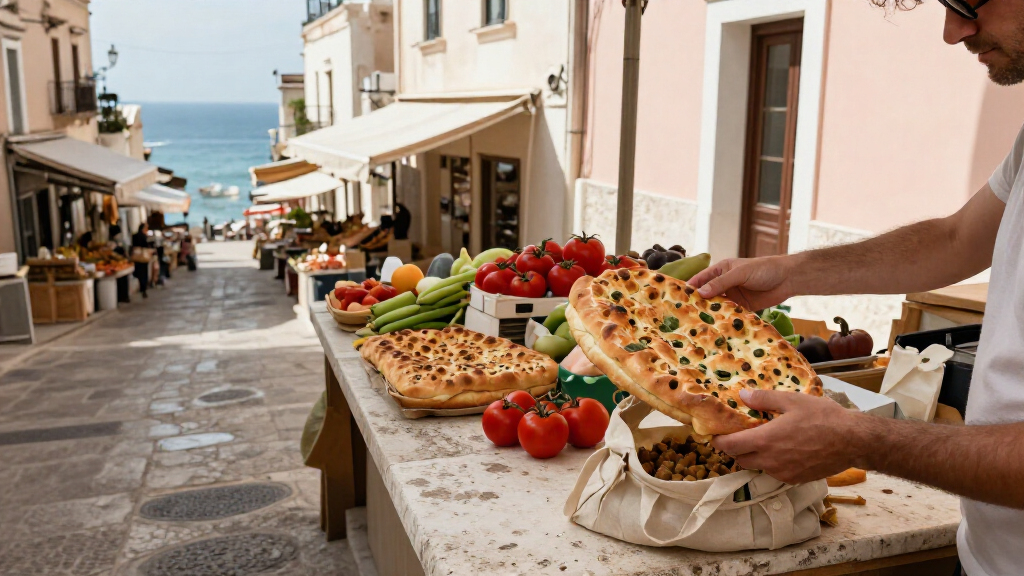
Puglia’s everyday food gives you more ways to eat well than a single signature dish: try focaccia barese, panzerotti, taralli, seasonal vegetables, and seafood where the coast calls for it. Focaccia barese often has a soft, oily crumb topped with tomatoes and olives, making it an easy bakery lunch. Panzerotti are pockets commonly filled with tomato and mozzarella, while taralli are crunchy rings flavored with options such as fennel, black pepper, or olive oil. These foods suit different moments: focaccia makes a filling meal, panzerotti are best eaten hot, and taralli travel easily as a snack.
Choose your stops by appetite and location. In Bari, pick up focaccia for a midday walk, then sit down for orecchiette later. Near the coast, look for seafood that reflects the day’s catch and local kitchen: menus may feature octopus, mussels, sea urchin, or fish, depending on season and place. Ask what is fresh and local rather than expecting every coastal restaurant to offer the same list. Seafood availability is shaped by both the catch and the kitchen, so a shorter menu or a recommended dish can be a better guide than ordering a familiar species by name.
Olive oil also changes from one producer and area to another, so taste it rather than treating “Puglian oil” as one flavor. A tasting at a mill or estate can show you how oils differ in fruitiness and peppery finish. This is more than a souvenir exercise: tasting side by side makes it easier to understand why one oil can lift vegetables while another’s stronger finish may dominate a delicate dish. Well-known red grapes include Primitivo and Negroamaro; Verdeca and other local grapes appear in white wines. Styles depend on producer and appellation, so ask for a glass that suits the meal rather than assuming a grape name tells you exactly what it will taste like.
For a day that feels generous without becoming a checklist, buy one bakery snack, make one seated meal the focus, and leave room for an unplanned stop. Menus vary by town and season, and the best meal may be a plate of vegetables you didn’t recognize at first. Choosing fewer stops also gives you time to linger and avoid eating past your appetite just to sample everything. If you choose wine, keep it to adults, drink responsibly, and arrange a safe ride before tasting.
Use these five questions to plan a seasonal food trip
Good food planning in Puglia starts with the experience you want, not a fixed list of dishes. Spring and autumn can make countryside travel more comfortable and often feel quieter than peak summer, while summer brings a lively coastal season and more visitors. No month guarantees a particular ingredient or open kitchen, so confirm details with the businesses you plan to visit. The tradeoff is straightforward: busier periods can offer more activity and choice, while quieter periods may feel more relaxed but require checking opening days and availability.
If you’re choosing between a pasta class in Bari and a masseria dinner inland, decide whether you want to watch a technique or spend an evening in a rural setting. Then build your route around transport and meal timing. These five questions can help:
- What’s in season? Ask what the kitchen is cooking now, especially for vegetables and seafood. This helps you choose dishes that reflect the current menu rather than expecting a particular ingredient year-round.
- Is the signature dish suitable for me? Check for anchovy in orecchiette and dairy or wheat in other dishes. Asking about preparation matters because ingredients such as anchovy may be mixed into oil and not obvious from the final plate.
- How fresh is the burrata? Ask where it was made and when it arrived or was produced. Freshness affects the soft center that makes burrata distinctive, so this answer can help you decide whether to order it there or save it for a shop closer to its source.
- What does “local” mean here? Ask which ingredients come from the estate or nearby farms. This clarifies whether you are choosing a farm visit, a locally sourced meal, or simply a meal in a rural setting—experiences that can overlap but are not interchangeable.
- How will I get there and back? Confirm transfers, parking, and how far the property sits from town. Transport affects more than convenience: it can determine whether a late dinner is practical and whether you can enjoy wine safely.
Those questions help you avoid a common mismatch: booking a beautiful countryside dinner you can’t reach easily, or expecting a cooking class at an estate that only serves hotel guests. If you have a food allergy, name it clearly and ask how the kitchen handles cross-contact; a menu description alone may not answer that. A little planning gives you more time to notice the olive trees, warm bread, and evening light.
Frequently Asked Questions
What food should I try first in Puglia?
Start with orecchiette con cime di rapa, focaccia barese, burrata, and a seasonal seafood dish if you’re near the coast. The best choice depends on where you are and what the kitchen is serving that day.
Where is burrata from?
Burrata is strongly associated with Andria, in inland northern Puglia. It has a mozzarella exterior filled with stracciatella, a mixture of shredded mozzarella and cream.
Is burrata the same as mozzarella?
No. Mozzarella is stretched-curd cheese, while burrata has a mozzarella-like shell around a creamy center. Ask when burrata was made, since it is best enjoyed fresh.
Is orecchiette con cime di rapa vegetarian?
Not always. The dish may contain anchovy, often cooked into the garlic and olive oil, so ask the restaurant before ordering. Wheat is also a core ingredient in traditional semolina orecchiette.
Can I eat at a masseria without staying overnight?
Sometimes, but access varies by property. Ask whether the kitchen serves outside guests, whether you need a reservation, and how you’ll reach the estate and return afterward.
Do I need a car to visit masserie?
A car often makes rural stays easier because public transport may be limited. Some properties arrange transfers, so confirm access, parking, and return transport before booking.
Conclusion
Let each meal tell you where you are: hand-shaped pasta in Bari, fresh burrata associated with Andria, or vegetables and olive oil at a countryside estate. Ask what is in season, how a dish is made, and how you’ll get to the table before you build your day around it.
Then slow down long enough to hear the fork scrape the plate and taste the oil on warm bread. That is the kind of food memory that stays tied to Puglia.