
TL;DR
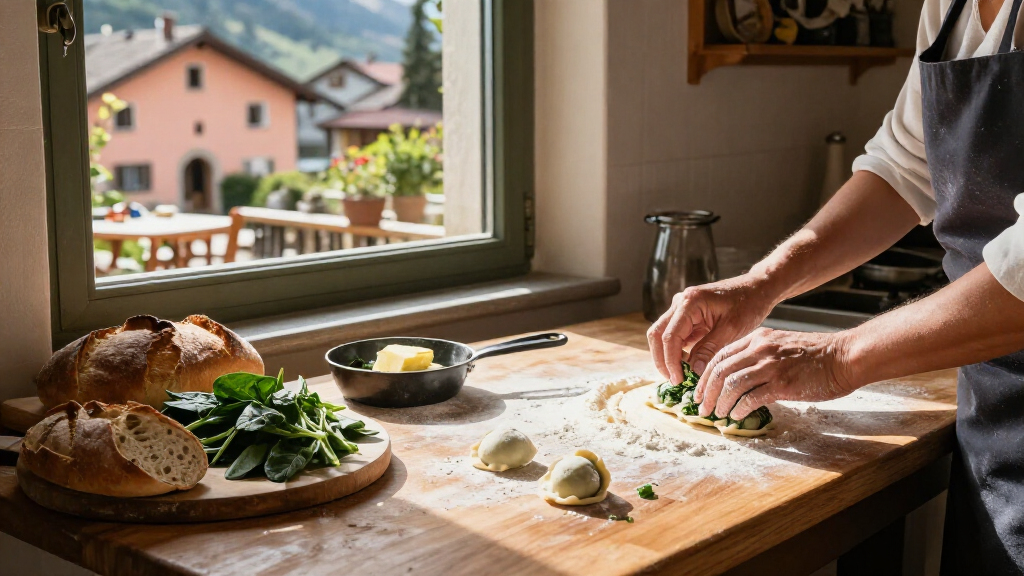
Strangolapreti are rustic bread-and-greens dumplings from Trentino, in northern Italy, usually made with stale bread, spinach or chard, milk, eggs, and grated cheese. Shape and test one before cooking the batch, simmer gently, then serve with butter, sage, and more cheese for a soft, savory dish that makes good use of yesterday’s loaf.
A few slices of yesterday’s bread can become a plate of soft, green-flecked dumplings with butter shining between their folds. That is the home-kitchen magic of strangolapreti, a rustic specialty from Trentino, in northern Italy.

Get kitchen staples and gadgets delivered free with Prime
- Fast, free delivery on millions of items
- Prime Video, Amazon Music and more included
- Member-only deals all year
These are bread-and-greens dumplings, often made with spinach, milk, eggs, and grated cheese, then dressed with sage butter. You’ll learn what the name means, how the dish differs from gnocchi, and how to shape dumplings that stay tender instead of falling apart.
The recipe is also a lesson in reading your ingredients. Stale bread absorbs liquid differently from a fresh loaf, and greens can hide plenty of water. A small test dumpling gives you a practical answer before the whole pot goes in.
Strangolapreti are Trentino dumplings made mainly from stale bread and greens, unlike potato-based gnocchi.
The name means roughly “priest stranglers,” but its precise origin is uncertain.
Use firm plain bread, finely chopped greens, and thoroughly drained spinach or chard for a manageable mixture.
Cook one test dumpling at a gentle simmer before shaping and cooking the full batch.
Serve with sage butter and grated cheese, and pair the rich dumplings with a fresh salad or vegetables.
Strangolapreti Bread, greens, and sage butter
These soft dumplings turn stale bread and cooked greens into a hearty Trentino dish. A test dumpling helps you get the tender texture right before cooking the batch.
Bread dumplings, not potato gnocchi
Both are boiled dumplings, but their main ingredients give them different character.
| Feature | Strangolapreti | Potato gnocchi |
|---|---|---|
| Main base | Stale bread and greens | Usually potatoes |
| Texture | Soft and moist | Often pillowy |
| Good use for | Leftover bread and cooked greens | Cooked potatoes |
What goes into the bowl
Household recipes vary, but these ingredients build the dumplings’ flavor and structure.
Stale bread
Soaked in milk, it gives the dumplings their soft base.
Spinach or chard
Cook, drain thoroughly, and chop finely to keep the mixture manageable.
Eggs and cheese
They help the mixture hold together; a little flour or breadcrumbs may help if it is too loose.
Shape, test, then cook
A small test shows whether the mixture holds its shape before the full batch goes into the pot.
Combine softened bread, drained greens, eggs, cheese, and seasonings.
Simmer one ball or oval gently. If it falls apart, adjust the binder and test again.
Cook gently in batches, then serve with butter, sage, and grated cheese.
Keep the texture tender
Bread moisture and greens can change how the mixture behaves.
- Choose firm, plain bread.
- Squeeze excess water from spinach or chard.
- Add binder gradually if the mixture is too loose.
- Use flour or breadcrumbs sparingly.
- Shape gently without packing tightly.
- Keep the water at a gentle simmer.
What strangolapreti are—and why Trentino turns bread into dumplings
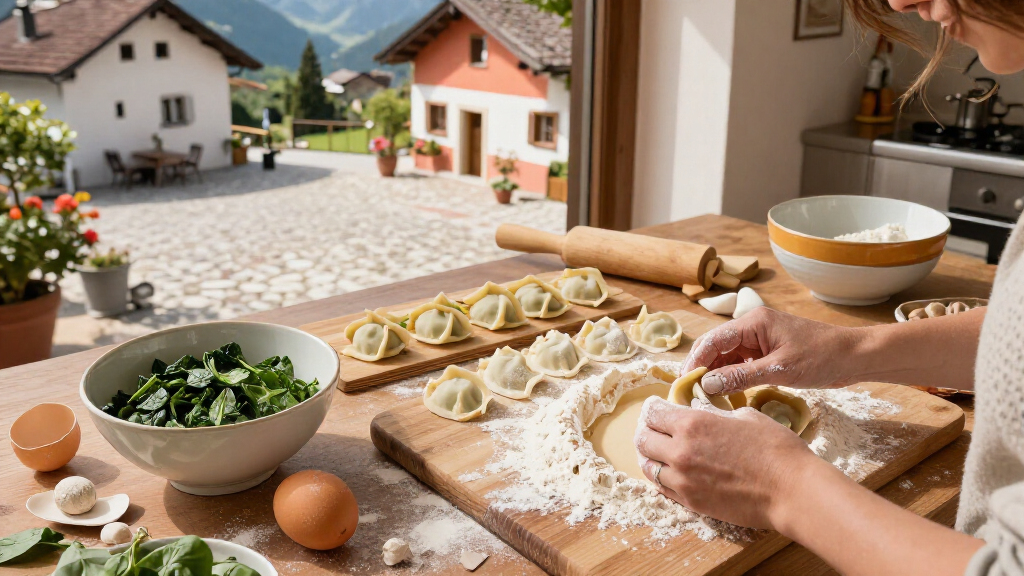
Strangolapreti are rustic dumplings from Trentino, usually made by mixing stale bread with milk, cooked greens, eggs, grated cheese, and seasoning. Cooks shape the mixture into small balls or ovals, simmer them in water, and finish them with butter, sage, and more cheese. The result should feel soft and tender, with enough structure to hold its shape.
The name means roughly “priest stranglers.” A playful and slightly macabre story links it to priests who supposedly ate too many dumplings, but the exact origin is uncertain. Treat the tale as dish lore, not a proven historical account. It gives you a memorable line to share over lunch, while the dumplings themselves tell a more grounded story about practical home cooking.
Think of stale bread as a sponge with a job: once it soaks up milk, it becomes the dumpling’s soft foundation. Greens bring an earthy flavor and flecks of color, while eggs and cheese help the mixture hold together. In Trentino, where Alpine cooking favors hearty, resourceful dishes, that combination turns a humble leftover into a proper first course.
For a simple kitchen example, save a firm heel of plain bread rather than throwing it away. When you have enough for a batch, soften it in milk and fold in cooked spinach. Strangolapreti are a way to cook with what you have, not a single fixed formula: households vary the greens, bread, and cheese.
Products Worth Considering

Philips Hue Play Floor Lamp, RGBWWIC LED, 53 Inch, Black

Philips Hue Play Gradient Light Tube, Large, Black

Ring Battery Doorbell Pro (2nd Gen) and Chime (3rd Gen) Bundle, Deep Silver and White
As an affiliate, we earn on qualifying purchases.
How strangolapreti differ from gnocchi and what they taste like
Strangolapreti are bread-and-greens dumplings; gnocchi are often potato-based. Both are boiled and served as dumplings, but their starting ingredients give them different textures and flavors. Strangolapreti tend to taste savory and mild, with earthy greens, a buttery sage aroma, and a salty, nutty finish from the cheese.
Use the comparison below when you’re deciding what to cook. If you have stale bread and spinach in the fridge, strangolapreti make a natural choice. If your plan starts with cooked potatoes, you’re closer to potato gnocchi. Recipes for both dishes vary, so these are useful general distinctions rather than rules for every household.
| Feature | Strangolapreti | Potato gnocchi |
|---|---|---|
| Main base | Stale bread and greens | Usually potatoes |
| Typical texture | Soft and moist, with a light, tender bite | Often pillowy, with texture shaped by the potato and flour |
| Common finish | Butter, sage, and grated cheese | Varies by region and recipe |
| Good use for | Leftover bread and cooked greens | Cooked potatoes and a gnocchi dough |
The analogy is simple: if potato gnocchi are little pillows built around potatoes, strangolapreti are soft bundles built around bread. Neither needs a heavy sauce to taste complete. Melted butter carries sage’s warm, herbal fragrance across the dumplings without burying the gentle flavor of spinach.
Imagine serving them on a chilly evening after a walk through a Trentino valley. A small bowl feels comforting and substantial, while a crisp salad on the side gives you a fresh, peppery contrast. Their mild flavor makes the butter and greens matter, so season carefully and choose a cheese you enjoy eating on its own.
Choose bread, greens, and cheese for a light, tender bite
Choose firm, plain bread and drain the greens well for dumplings that hold together without turning heavy. Bread gives you the body of the mixture, while greens supply moisture; if either one tips too far, the texture suffers. A firm loaf usually behaves more predictably than very soft sandwich bread, which can collapse into a paste.
Start with bread that has gone stale but is clean and free from mold. Break or cut it into small pieces, then let it soak in milk until softened. The exact amount of milk depends on how dry the bread is. You want the pieces thoroughly softened, not swimming in liquid, so add milk gradually and check as you go.
Cook spinach or chard first, then squeeze out as much water as you can before chopping it finely. Frozen spinach works too: thaw it fully and press out the liquid. A handful of wet spinach can quietly loosen the entire bowl, much like a little rain soaking the ground under a tent. Eggs and grated cheese act as binders, and a little flour or breadcrumbs may help if the mixture remains too loose.
For cheese, use a flavorful hard cheese, finely grated so it spreads through the mixture. Regional recipes may use local cheeses; Parmesan-style cheese is a practical option when those aren’t available. If you avoid animal rennet, check the label and choose a vegetarian cheese. Eggs and dairy are common allergens in this dish, and the bread may contain wheat or gluten.
Picture your mixing bowl after you’ve combined everything: the mixture should be moist enough to shape, but it shouldn’t slump like batter. If you can roll a small portion gently between your hands without it coating your palms in a wet film, you’re close. Add flour or breadcrumbs a little at a time; too much can make the cooked dumplings dense.
Shape and simmer the dumplings without letting them fall apart
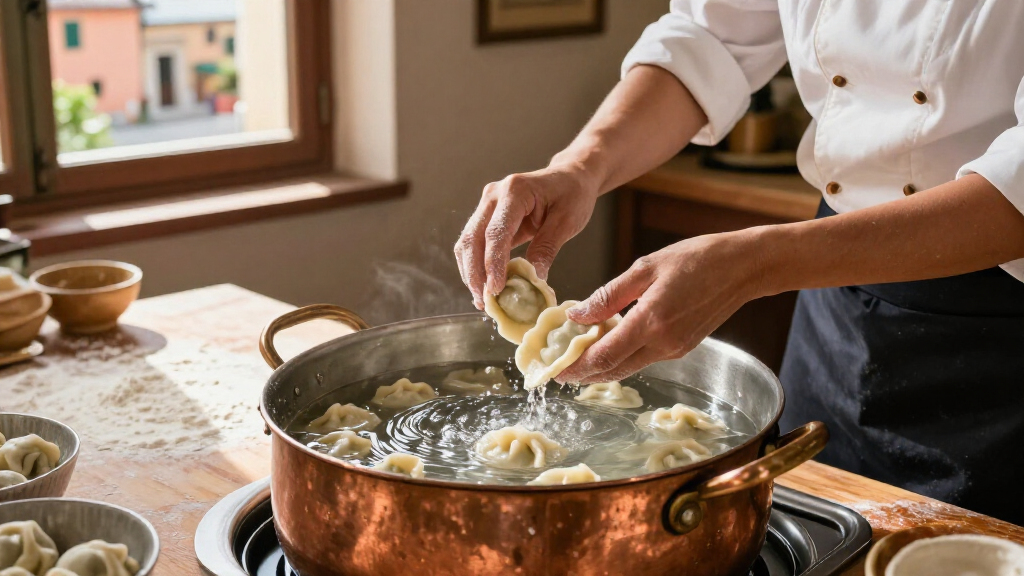
Cook one test dumpling before you shape the full batch. This small check tells you whether the mixture needs more binder and whether your water is simmering gently enough. Strangolapreti should remain tender, but they must hold their shape from the pot to the plate.
- Mix and rest: Combine softened bread, well-drained chopped greens, eggs, grated cheese, and seasonings. Let the mixture stand briefly so the bread can absorb moisture evenly.
- Shape one test: Roll a small portion into a ball or oval with lightly damp hands.
- Simmer gently: Lower the test dumpling into water that is simmering, not boiling hard. A vigorous boil can knock it apart.
- Check the result: If it holds together and tastes tender, shape the rest. If it breaks up, add a little binder and test again. If it feels heavy, ease off on flour and avoid packing the mixture tightly.
- Cook the batch: Add the dumplings carefully and cook them in batches if the pot is crowded. Lift them out gently when cooked through and serve with the sage butter.
This process is more reliable than guessing from the raw mixture. Bread varies: a dry country loaf can absorb more milk than a soft loaf, and spinach that seems drained may still release water. The test dumpling gives you feedback while the problem is still small.
For example, if your first dumpling loosens at the edges, don’t add a scoop of flour all at once. Mix in a small amount of breadcrumbs, shape another test, and see how it behaves. Adjust in small steps so you keep the soft texture that makes the dish appealing.
Use clean hands and utensils, keep the mixture chilled if you’re not cooking it promptly, and follow standard safe handling for eggs and dairy. Don’t leave perishable ingredients sitting out for long periods. Gentle handling helps both safety and texture: the mixture stays cool and the dumplings keep their shape.
Make sage butter the quiet star of the plate
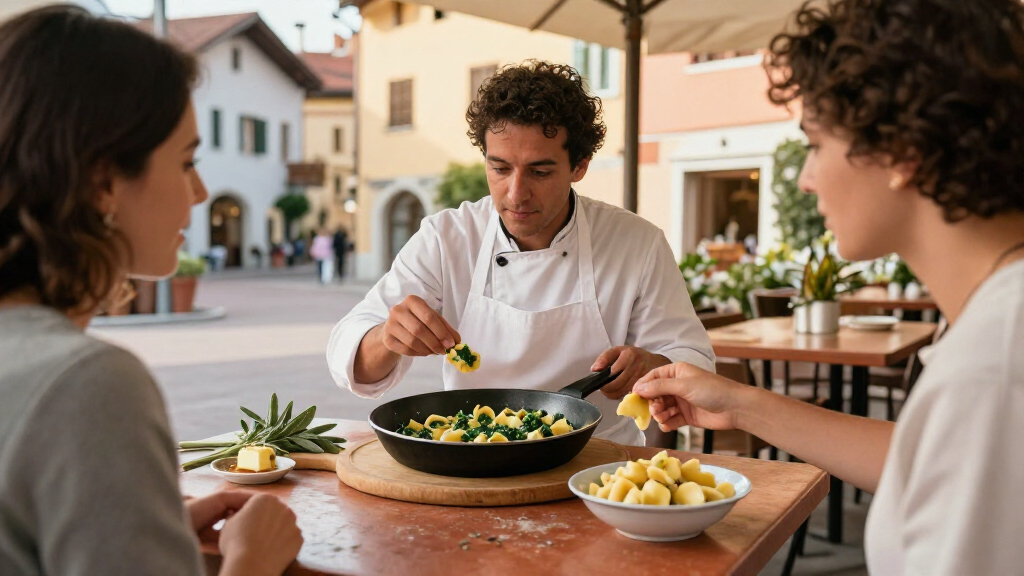
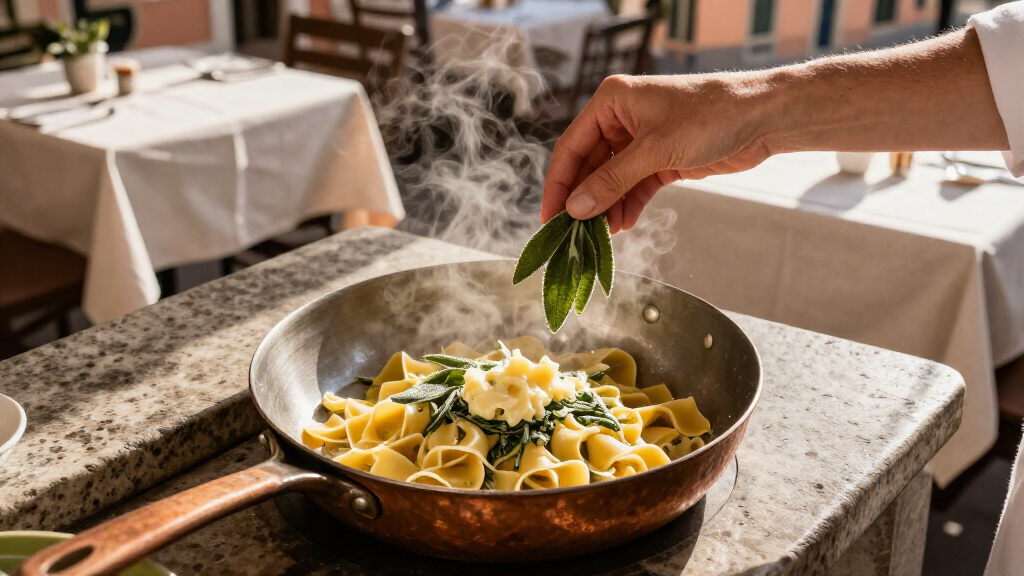
Sage butter suits strangolapreti because it adds aroma without overpowering the greens. Melt butter gently in a pan and add fresh sage leaves, letting them scent the fat. The butter should smell warm and herbal, not browned past the point you want or scorched. Spoon it over the dumplings and finish with more grated cheese.
The sauce is simple by design. Spinach and bread have a mild, earthy flavor, so a thick or sharply spiced sauce can drown out what makes the dumplings distinctive. Butter works like a soft spotlight: it catches the dumpling’s edges and carries the sage’s fragrance, while the cheese adds a savory, salty finish.
Suppose you’re serving a small first course before roasted vegetables. A few dumplings with a glossy coating of butter can feel rich enough without turning the meal into a parade of heavy dishes. If the rest of dinner is also buttery or cheesy, keep the portion modest and add a crisp salad or lightly dressed vegetables for contrast.
Season the cooking water and taste the cheese before adding much extra salt. Hard cheeses can bring plenty of salt on their own. If you want to prepare ahead, shape the dumplings and chill them briefly, or cook them and reheat gently in butter. Follow safe storage practices for perishable foods: refrigerate leftovers promptly in a covered container and use them within a few days.
Use butter and sage to support the dumplings, not bury them. A light coating gives you the classic warm finish. For a practical dinner, warm cooked dumplings gently in a pan with butter and a spoonful of water if they seem dry, then serve as soon as they’re hot.
Plan a Trentino-inspired meal with easy make-ahead choices
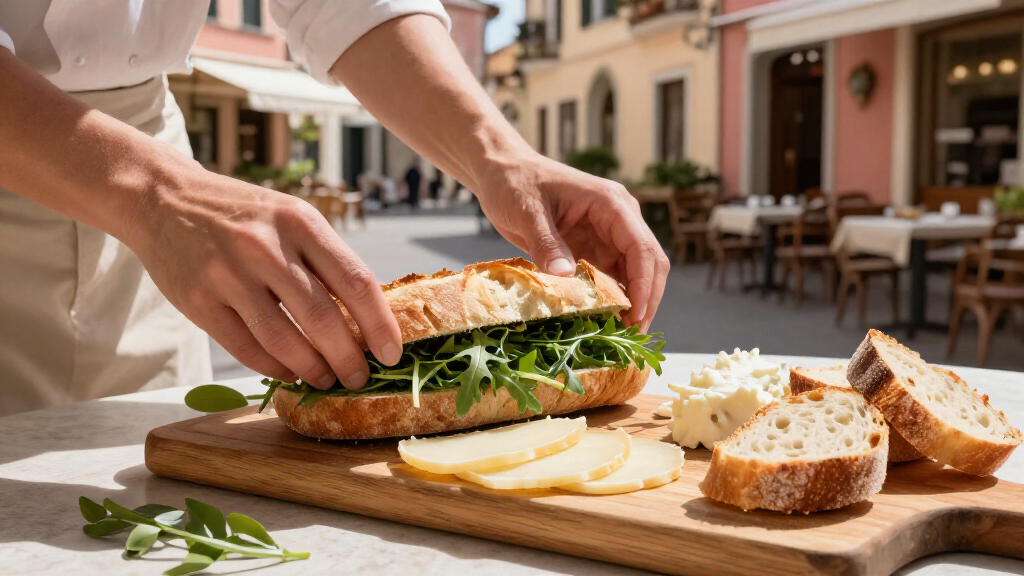
Serve strangolapreti as a first course or a substantial side, then balance their butter and cheese with something fresh. The dumplings can anchor a cozy meal without requiring an elaborate menu. A crisp green salad, lightly dressed vegetables, or a simple plate of seasonal produce gives you a clean contrast to their soft, savory texture.
For a weeknight plan, cook the greens and soak the bread earlier in the day, then mix and shape the dumplings closer to dinner. Keep the prepared mixture or shaped dumplings refrigerated while you work, rather than leaving it at room temperature. When guests arrive, cook a test dumpling first; it’s a small step that can save the whole batch.
Many cooks freeze shaped dumplings before boiling, though results can vary by recipe and by how wet the mixture is. To try it, freeze them separately on a tray until firm, then move them to a suitable container. Cook from frozen only when your recipe supports that method, and allow extra cooking time. Don’t crowd a pot with frozen dumplings; the water temperature can drop, and the cooking can become uneven.
In a restaurant, you may find strangolapreti presented as a regional specialty; at home, you can make the dish a practical answer to leftover bread. That fits a broader contemporary interest in regional Italian cooking and reducing food waste, but it doesn’t prove any single historical origin story or one definitive recipe. Household and locality shape the details.
If you’re planning a trip through Trentino, look for the dish on local menus and ask how that kitchen prepares its greens and cheese. Then bring the idea home: save a firm loaf, buy fresh sage, and choose spinach or chard based on what looks good at the market. The tradition becomes useful when it connects a place to something you can cook.
Frequently Asked Questions
What does “strangolapreti” mean?
The name translates roughly as “priest stranglers.” A playful story connects it to priests eating too many dumplings, but the precise origin is uncertain. It’s best understood as colorful dish lore rather than a confirmed history.
Are strangolapreti the same as gnocchi?
They’re both dumplings, but strangolapreti are typically made from bread and greens, while gnocchi are often made with potatoes. That difference gives strangolapreti an earthy, savory flavor and makes them a useful way to cook with stale bread.
Can I make strangolapreti with frozen spinach?
Yes. Thaw the spinach fully and squeeze out as much water as possible before chopping and mixing it with the bread. If the mixture still feels loose, add a little binder and cook one test dumpling before forming the batch.
Why are my strangolapreti falling apart?
The mixture may be too wet, the bread may not have absorbed the milk evenly, or the water may be boiling too hard. Drain the greens thoroughly, adjust flour or breadcrumbs gradually, and test a dumpling at a gentle simmer before cooking the rest.
Can I make or freeze strangolapreti ahead?
You can often shape them ahead and keep them chilled briefly, or cook them and reheat them gently in butter. Some cooks freeze shaped dumplings separately on a tray before storing them together; results vary, so cook from frozen only if your recipe supports it. Refrigerate perishable ingredients and leftovers promptly.
What should I serve with strangolapreti?
Serve them as a first course or a substantial side with a crisp salad or lightly dressed vegetables. The fresh, bright flavors balance butter and cheese without competing with the dumplings’ mild greens and sage aroma.
Conclusion
Save a firm heel of bread and give it a second life as strangolapreti. Drain the greens well, adjust the mixture gradually, and let one test dumpling guide the rest. Then dress the batch with sage butter and grated cheese, and bring a little of Trentino’s resourceful cooking to your table.
When the butter catches the light and the sage releases its warm, herbal scent, yesterday’s loaf has found its way home.