TL;DR
Tuscany presented an updated regional food pyramid on November 23, revising a guide first introduced in 2006. The six-level graphic promotes vegetables, fruit, legumes and fish, places processed meat and elaborate pastries at the top, and does not prescribe exact portions or eating frequencies.
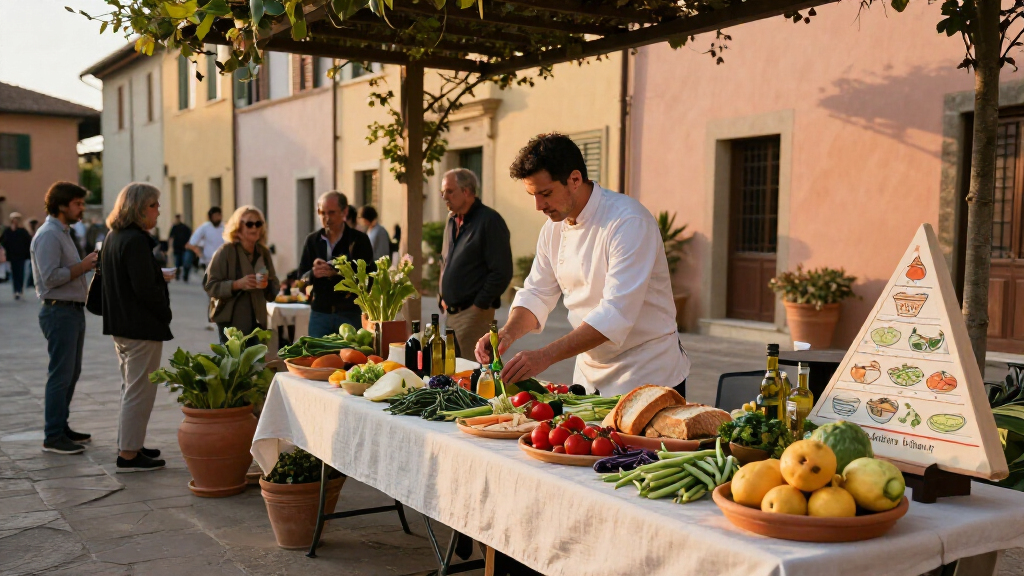
Tuscany presented an updated regional food pyramid in Florence on November 23, placing greater emphasis on plant foods, seasonal produce and sustainability. The Piramide alimentare toscana 2026, promoted by the regional government and coordinated by the Regional Health Agency, revises a guide first introduced in 2006 and reshuffles several food groups.

Get kitchen staples and gadgets delivered free with Prime
- Fast, free delivery on millions of items
- Prime Video, Amazon Music and more included
- Member-only deals all year
The new guide retains its six-level structure, arranging foods from those to prioritize at the base to those to limit at the top. Vegetables, fresh fruit, aromatic herbs, mushrooms and extra-virgin olive oil now form the base. Cereals share the second level with legumes, nuts and chestnuts, which have moved up from the third tier.
Fish moves up to the third level, alongside milk and yoghurt. The presentation highlights fish such as anchovies, sardines, mackerel and palamita, as well as fish farmed in the Tuscan Tyrrhenian Sea. Poultry and potatoes remain on the fourth level, joined by eggs and cheese. Red meat appears on the fifth level; processed meats, including cured meats and sausages, stay at the top, indicating they should be eaten only occasionally.
The guide also distinguishes between plain breakfast biscuits, placed on the fifth level, and cakes and elaborate pastries, placed at the top. Sugary drinks, industrial snacks, crisps and energy drinks are absent from the graphic. The regional guidelines recommend excluding ultra-processed products from a balanced diet. The pyramid does not set specific serving sizes or consumption frequencies.
Plant Foods Take Center Stage
The revision gives residents a regional framework that connects food choices, health and sustainability. Its emphasis on vegetables, legumes, nuts and local seasonal produce aligns the guide with Mediterranean-diet principles while also reflecting Tuscany’s agricultural identity and interest in local supply chains.
The reshuffling may affect how readers interpret familiar foods. Fish is given greater prominence, while red and processed meat are separated and processed products are assigned the strongest limit. Yet the pyramid is a visual guide rather than a meal plan: without specific quantities or frequencies, it leaves readers to judge what recommendations mean in daily portions.
For public health, the update also makes the treatment of ultra-processed foods more explicit by leaving several categories off the graphic and advising against their place in a balanced diet. The regional presentation links the changes to nutrition science and environmental considerations, though the available report does not detail the evidence behind each individual placement.
Products Worth Considering

Ring Battery Doorbell Pro (2nd Gen) and Chime (3rd Gen) Bundle, Deep Silver and White

Bose Lifestyle Ultra Wireless Home Speaker, White Smoke

Sonos Era 100 SL Compact Microphone-Free Speaker, Black
As an affiliate, we earn on qualifying purchases.
Two Decades Since the First Guide
Tuscany first introduced its regional pyramid in 2006. The 2026 revision was presented at the Auditorium al Duomo in Florence, with health experts, researchers and regional institutional representatives in attendance, according to The Florentine’s report. The regional government promoted the update, and ARS Toscana coordinated it.
The revision is described as responding to developments in nutritional research over the past two decades, alongside increased attention to animal welfare and environmental protection. It keeps the original six-tier format but changes the placement of several foods, including legumes, nuts, chestnuts, fish, eggs and cheese. Those changes combine general dietary guidance with attention to foods and production associated with Tuscany.
The guide also addresses habits beyond the food tiers: it retains recommendations to drink water, exercise regularly and maintain a healthy weight. Wine sits outside the pyramid. The regional presentation advises moderate consumption with meals only for people who already drink alcohol, with a suggested limit of fewer than two glasses a day. It says this position followed an assessment of alcohol-related risks and research published in 2025–26 on possible protective effects of moderate red-wine consumption with meals; that description is the presentation’s account, not a finding independently detailed in the report.
“The revised guidelines aim to combine the latest scientific research on nutrition with the region’s agricultural heritage and the promotion of local food supply chains.”
— The Florentine
Details Behind the Recommendations
The report does not provide the full scientific documentation supporting the revision, identify specific studies behind each food’s placement, or explain how the research was weighed against sustainability and regional-production goals. It also does not identify a target audience or say whether the guide will be used in schools, health services or other public programs.
Because the pyramid gives no portion sizes or consumption frequencies, its practical meaning may vary between readers. The report also does not explain how the recommendation to exclude ultra-processed products is defined or applied to particular foods. Further details about the wine assessment, including how risks and possible benefits were evaluated, are not included in the available account.
How the Guide Will Be Used
The pyramid has been presented, but the available report does not set out a rollout timetable, planned educational materials or measures for evaluating its use. The next useful information for residents will be any accompanying guidance that turns the graphic into practical advice on portions, meal planning and local food choices.
Further documentation from the regional government or ARS Toscana could clarify the research behind the new tiers, how the sustainability goals shaped the recommendations, and whether the guide will be incorporated into public health programs. Until those details are published, the confirmed development is the release of the revised six-level graphic and its stated recommendations—not a quantified change in residents’ diets or health outcomes.
Key Questions
When did Tuscany present the updated food pyramid?
The Piramide alimentare toscana 2026 was presented on November 23, 2026, at the Auditorium al Duomo in Florence.
What foods are at the base of the revised pyramid?
The base groups vegetables, fresh fruit, aromatic herbs and mushrooms with extra-virgin olive oil. The next level includes cereals, legumes, nuts and chestnuts.
Does the pyramid give serving sizes?
No. The report says the graphic does not specify precise quantities or consumption frequencies.
How does the guide treat meat and processed foods?
Red meat is on the fifth level, while processed meats are at the top and marked for occasional consumption. Sugary drinks, industrial snacks, crisps and energy drinks are not shown, and the guidelines recommend excluding ultra-processed products from a balanced diet.
What does Tuscany say about wine?
Wine is outside the pyramid. The regional presentation advises moderate consumption with meals only for people who already drink, and gives a suggested limit of fewer than two glasses a day.
Source: theflorentine.net