TL;DR

Get kitchen staples and gadgets delivered free with Prime
- Fast, free delivery on millions of items
- Prime Video, Amazon Music and more included
- Member-only deals all year
Ognissanti, or Tutti i Santi, is All Saints’ Day on November 1, a public holiday in Italy when many families gather and some visit cemeteries. There is no standard national lunch: menus vary by region and household, but may include baked pasta, roast meat, autumn vegetables, and local sweets such as Tuscan pan dei santi.
On November 1, an Italian family’s holiday table might hold a bubbling lasagna, a roast with potatoes, or a loaf studded with raisins and walnuts. The menu changes from one region—and one household—to the next. Ognissanti lunch has no single national recipe, which is exactly what makes it a useful way to explore Italy’s regional cooking.
Ognissanti, also called Tutti i Santi (“All Saints”), is the Catholic feast observed on November 1. In Italy, it is a public holiday, often marked by a family meal and, for some, a visit to a cemetery to remember relatives. In this guide, you’ll learn how the day differs from All Souls’ Day, what families may serve, and how to plan a seasonal menu that names its regional roots instead of pretending all of Italy eats alike.
Ognissanti, or Tutti i Santi, is All Saints’ Day on November 1 and a public holiday in Italy.
There is no standard nationwide Ognissanti lunch; regional and family customs shape the menu.
Baked pasta, roast meat, autumn vegetables, and legumes are possible dishes, not required elements.
Tuscan pan dei santi and regional ossa dei morti or fave dei morti are seasonal sweets with recipes and timing that vary.
For a home menu, choose a region, name the dishes accurately, and flag allergens such as nuts, wheat, eggs, and dairy.
Italy · November 1 · A seasonal table guide
Ognissanti Lunch: What Italian Families Cook on November 1st
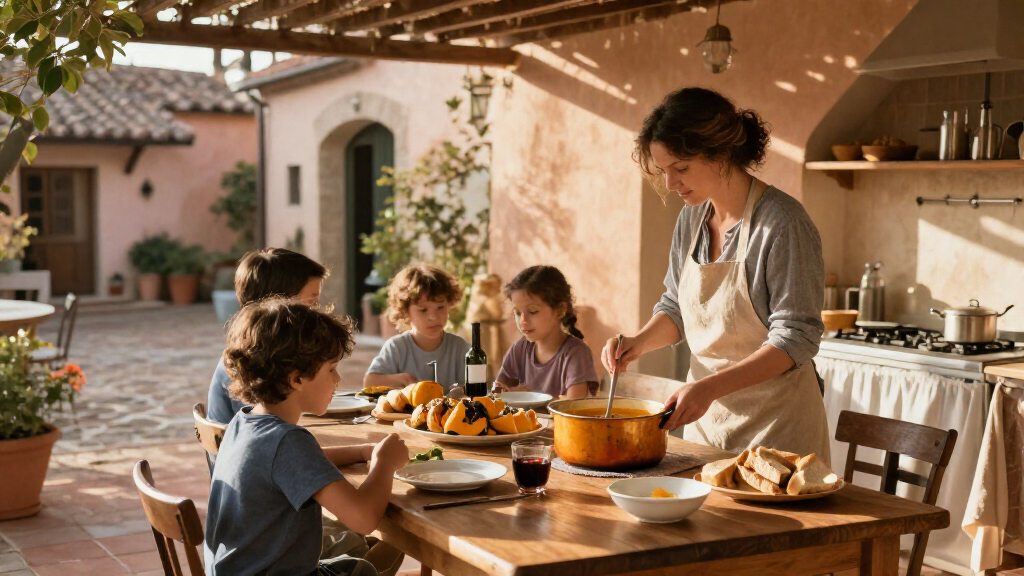
There is no single national menu. Ognissanti, or Tutti i Santi, brings a public holiday and a chance for families to gather. The meal may feature baked pasta, a roast, autumn vegetables, or a local sweet—shaped by region, household, and the people at the table.
The key insight
“A regional name tells a more honest food story than a made-up national menu.”
Choose a place or family tradition as your anchor, then let the season guide the rest.
01 / The table, not a template
What might be served?
Think in building blocks: one substantial first course, a main if the gathering calls for it, seasonal sides, and a sweet connected to a place.
Pasta for the gathering
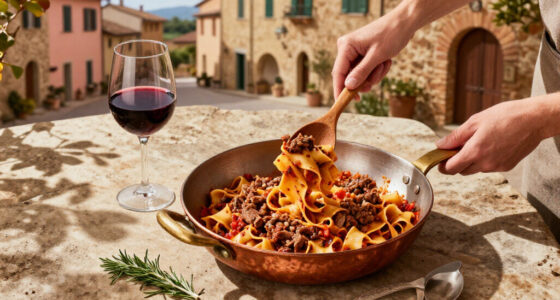
Lasagne, cannelloni, or another regional pasta can anchor lunch. A baked dish is easy to prepare ahead and reheat for a crowd.
Roast, braise, or vegetables
Roasted or braised meat may come with potatoes. Beans, squash, mushrooms, chestnuts, and grains are seasonal options—not a checklist.
Name the tradition
Tuscan pan dei santi is a bread with raisins and nuts. Ossa dei morti and fave dei morti vary in recipe, shape, and timing.
02 / Build a relaxed lunch
From first course to dessert
A simple sequence keeps the table festive and the cooking manageable. Scale it to your gathering; a substantial pasta can be the whole centerpiece.
Set a regional anchor
Pick a dish tied to a region or a family recipe.
Prepare the first course
Assemble baked pasta the evening before if useful.
Add sides that fit
Try squash, mushrooms, beans, or a simple salad.
Serve a named sweet
Choose a regional bread or seasonal biscuit.
03 / Read the calendar
Two days, distinct meanings
The feasts are close together, so remembrance customs and seasonal foods may stretch across both dates.
Ognissanti or Tutti i Santi. A public holiday in Italy, often marked by family gatherings.
Commemorazione dei defunti. Remembrance customs and some seasonal foods may continue.
04 / Seasonal, not mandatory
Ingredients & guest care
A seasonal menu can be festive and practical. Use ingredients because they suit your region and guests, not because the date demands them.
Make ingredients clear
Pan dei santi commonly contains nuts; tell guests and keep it separate from nut-free food. Check each recipe for allergens. Refrigerate leftovers promptly, keep hot food hot, and use a food thermometer to check meat reaches a safe temperature for its cut.
The Ognissanti menu logic
Holiday → place → table
What Ognissanti means before you plan the lunch
Ognissanti is the Italian name for All Saints’ Day, the Catholic feast observed on November 1. In Italy, it is a public holiday and can bring relatives together for lunch, often alongside time spent remembering family members who have died. That combination of celebration and remembrance shapes the day, though each household observes it in its own way.
Ognissanti is not the same as All Souls’ Day, or Commemorazione dei defunti (“Commemoration of the Dead”), which falls on November 2. The two days sit close together, and cemetery visits and seasonal foods may span both. If you are visiting Italy, you might find a family planning lunch around a morning cemetery visit; another household may gather on a different day because travel and work schedules vary.
That context helps you read the meal correctly. A full table does not mean every family follows the same religious practice, and a cemetery visit is common rather than universal. For example, a family in Tuscany might spend the morning remembering relatives, then bring out a local sweet with coffee in the afternoon. Another family may keep the day quiet. The practical rule is simple: treat Ognissanti as a holiday with regional and personal customs, not as a fixed national ritual.
Products Worth Considering

Sony BRAVIA 5 85-Inch Mini LED 4K HDR Smart TV (K-85XR50)

Blueair Blue Pure 511i Max Smart Air Purifier

TCL QM64L 85-Inch QD-Mini LED 4K Smart Fire TV
As an affiliate, we earn on qualifying purchases.
Why there is no single Italian Ognissanti menu
Ognissanti lunch has no standard nationwide menu; Italian families shape it around regional cooking, household habits, and the people coming to the table. The holiday tells you when families may gather, but it does not prescribe one dish. A baked pasta that feels like a celebration in one home may give way to a braise, a local grain dish, or a restaurant lunch elsewhere.
Think of the menu as a map made from familiar ingredients. In one household, lasagna can anchor the meal because it feeds a crowd and can be assembled ahead. In another, roasted meat and potatoes make more sense after a chilly morning outdoors. Autumn ingredients—beans, chestnuts, squash, and mushrooms—may appear, but none is required just because the calendar says November 1.
This variety matters if you want to cook the meal at home. Rather than calling any roast or pasta “the traditional Ognissanti dish,” choose a clear regional direction and say what it is: for example, “a Tuscan-inspired lunch with pan dei santi,” or “a family-style baked pasta with autumn mushrooms.” A specific label gives your guests useful context and keeps the story honest. Regional precision is more authentic than a made-up national menu.
How to build a November 1 lunch from first course to dessert
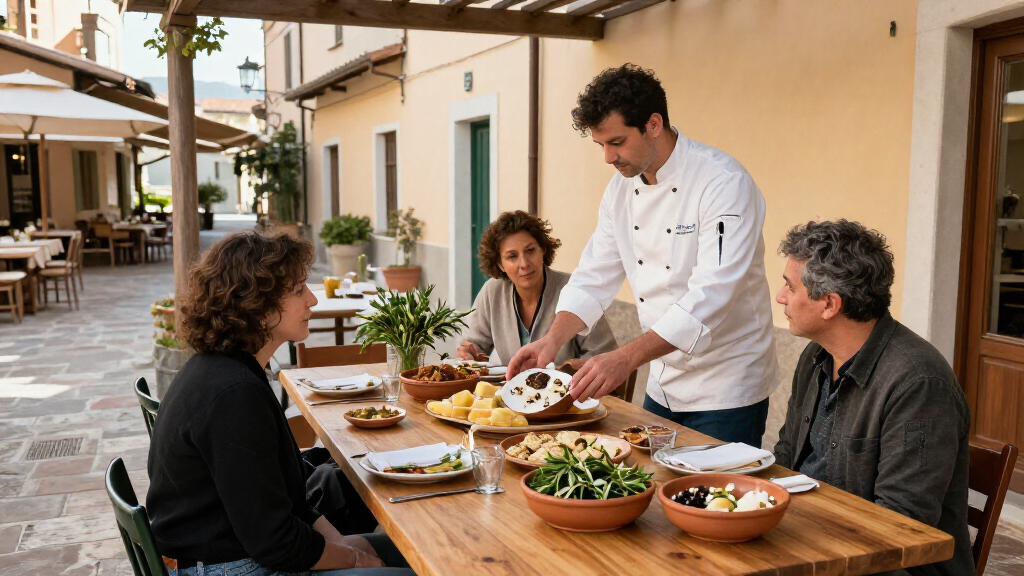
Build an Ognissanti lunch around one substantial first course, a simple main, seasonal sides, and a regional sweet. That framework gives you the feel of a holiday table without suggesting that every Italian family follows the same sequence. It also makes the cooking manageable: you can prepare the first course early and leave the last minutes for warming bread and serving vegetables.
- Choose a regional anchor. Make lasagna, cannelloni, or a pasta dish you can tie to a place or family tradition. For a practical example, assemble a baked pasta the evening before so you are not juggling several pans at noon.
- Add a main only if the table needs one. A roast or braise suits a larger gathering; a smaller family might serve pasta as the centerpiece and skip a second heavy course.
- Use what autumn offers. Roast squash, sauté mushrooms, or cook beans with herbs. Chestnuts and dried fruit are seasonal options, not a checklist.
- Finish with a named local sweet. Serve Tuscan pan dei santi or seek out regional versions of ossa dei morti or fave dei morti, whose recipes vary by place.
For instance, if your guests arrive after a cemetery visit, a baked first course can be reheated while you set out a salad and bread. Keep the meal flexible: one well-made regional dish says more than an overcomplicated spread.
Which autumn foods belong on the table—and which are optional
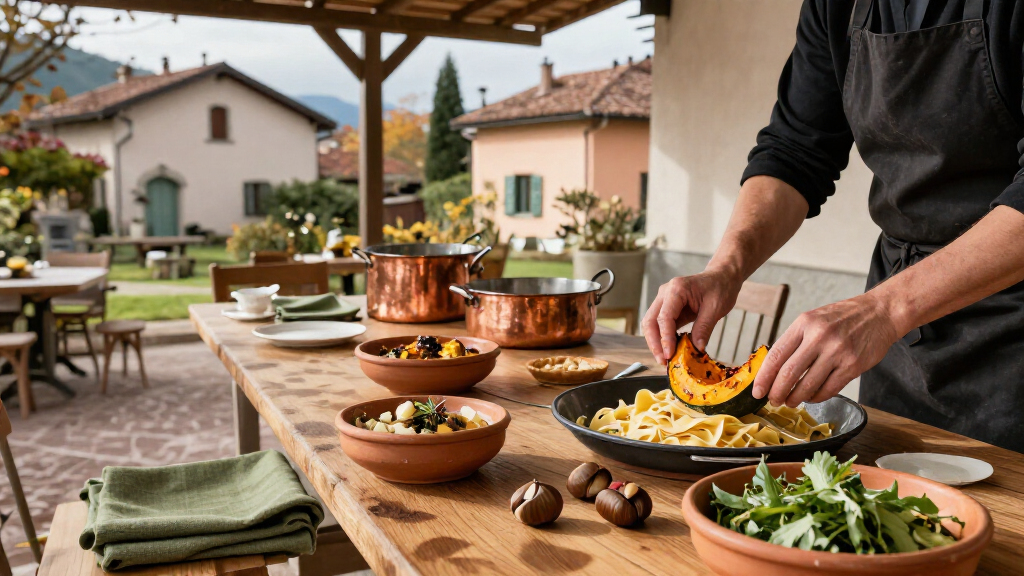
Autumn ingredients can make an Ognissanti meal feel rooted in the season, but chestnuts, nuts, beans, squash, and mushrooms are possibilities, not requirements. Their presence depends on local cooking and family preference. In a cool November kitchen, a pan of roasted squash can bring sweet, browned edges to a meal; a pot of beans can offer a gentler, less expensive alternative to a large roast.
Regional sweets offer an especially vivid way to connect a menu to place. Pan dei santi (“bread of the saints”) is a Tuscan bread made with raisins and nuts. Ossa dei morti (“bones of the dead”) is a name used for different regional biscuits, while fave dei morti (“beans of the dead”) refers to small sweets that may be almond-flavored or made with other ingredients. Their shapes, recipes, and timing differ.
That variation gives you a useful shopping plan. If you want to make pan dei santi, choose a recipe identified as Tuscan rather than assuming the name points to one standardized formula. Nuts are a common allergen, so tell guests if the loaf contains them and keep it separate from nut-free food. For any dish containing meat or dairy, refrigerate leftovers promptly; keep hot food hot during service, and use a food thermometer to check meat reaches a safe temperature for its cut. A seasonal menu can be festive and practical at once.
How November 1 and November 2 shape the food traditions
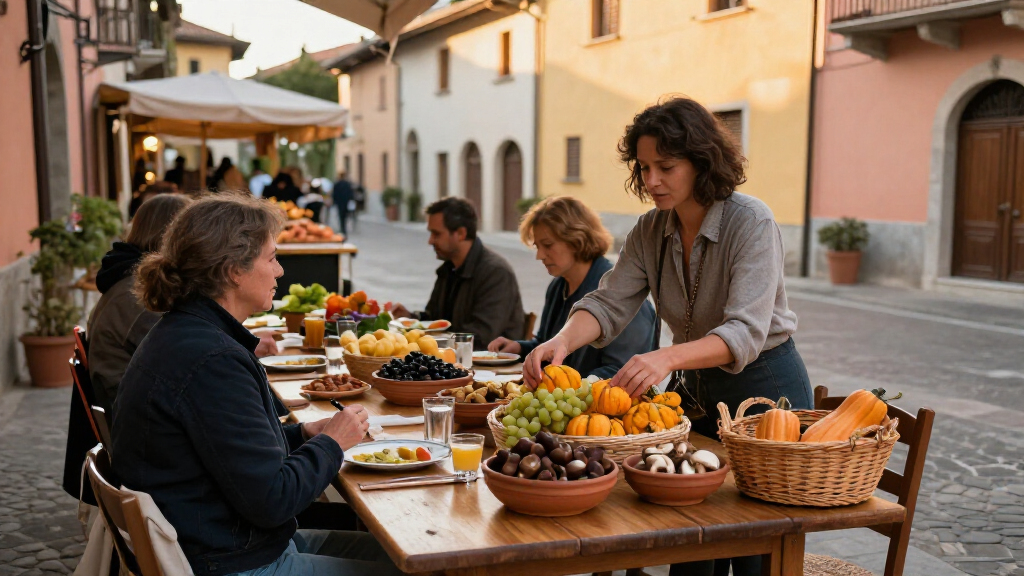
November 1 is All Saints’ Day; November 2 is All Souls’ Day. The dates are distinct, although some foods and remembrance customs stretch across both. That overlap explains why a sweet associated with the All Saints’ period may not appear specifically at lunch on November 1. A family might buy biscuits at a bakery before the holiday, serve them after a cemetery visit, or eat them the next day with coffee.
In Italy, the calendar can influence a family’s practical rhythm as much as its menu. If relatives travel for the public holiday, a meal may happen on November 1. If the family plans a visit to the cemetery on November 2, they may move the gathering or split the cooking across two days. The food does not always mark a single moment on the clock.
For a home meal, you can respect that flexibility. Serve a regional sweet at lunch, with afternoon coffee, or after dinner; describe it as part of the All Saints’ and All Souls’ season if its timing varies. Imagine bringing a box of fave dei morti to a family gathering: the gesture can connect the table to the season even if your recipe comes from a different region. Accurate timing adds meaning without turning a living custom into a rigid rule.
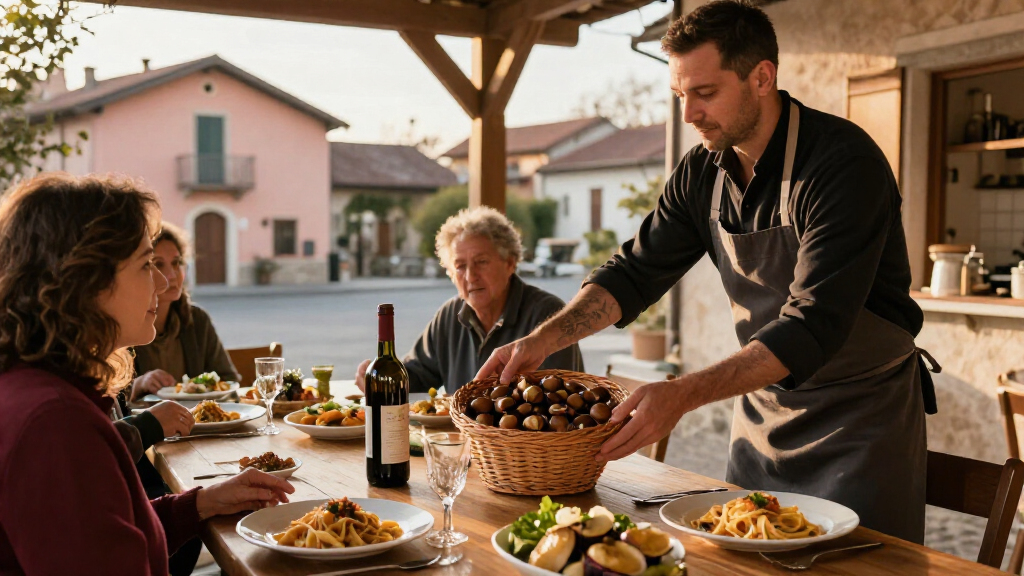
A simple way to make the meal feel Italian and personal
Pick one region, make one substantial dish, and explain the food’s local connection. That gives your Ognissanti meal a clear point of view and makes the cooking easier to plan. You do not need to recreate a whole Italian family’s holiday table; you need a thoughtful menu that acknowledges how much regional customs differ.
For a Tuscan direction, you could serve a baked pasta or roast, then bring out pan dei santi with coffee. For a more flexible autumn table, let mushroom pasta take center stage and add roasted squash; call it your seasonal menu rather than a universal Ognissanti tradition. If guests ask what Italian families cook on November 1, explain that the answer changes by region and household, and offer your meal as one example.
Plan the timing around your own gathering. Assemble baked pasta ahead, wash vegetables before guests arrive, and keep sweets covered until serving so they stay fresh. Ask about allergies before choosing a nut-filled bread or almond sweet; identify wheat, eggs, and dairy in pasta dishes as well. A clear regional choice, a manageable schedule, and honest labels make the meal welcoming. As the coffee steams and the last slice of bread disappears, the table can hold both a seasonal pleasure and a moment of remembrance.
Frequently Asked Questions
What is Ognissanti?
Ognissanti, also called Tutti i Santi (“All Saints”), is the Italian name for All Saints’ Day, observed on November 1. It is a public holiday in Italy, often marked by family gatherings and remembrance.
What do Italian families cook on November 1?
There is no standard national menu. Depending on region and household, lunch may include baked pasta, a roast or braise, seasonal vegetables, legumes, and local sweets.
Is Ognissanti the same as All Souls’ Day?
No. All Saints’ Day falls on November 1, while All Souls’ Day is November 2. Some foods and customs span both dates, so a seasonal sweet may be eaten on either day.
What are pan dei santi, ossa dei morti, and fave dei morti?
Pan dei santi is a Tuscan bread with raisins and nuts. Ossa dei morti (“bones of the dead”) and fave dei morti (“beans of the dead”) are names for sweets found in different regional traditions; ingredients and shapes vary.
Do Italian families visit cemeteries on November 1?
Cemetery visits are common around the All Saints’ and All Souls’ observances, but not every family visits on November 1. Some go on November 2 or follow their own schedule and customs.
Can I make an Ognissanti-inspired meal at home?
Yes. Choose a regional first course or roast, add seasonal vegetables if you like, and serve a local sweet such as Tuscan pan dei santi. Name the region accurately and tell guests about allergens, especially nuts, wheat, eggs, and dairy.
Conclusion
Choose a region, cook one generous seasonal dish, and let the rest of the menu stay simple. Ognissanti lunch is not a single recipe to reproduce; it is a holiday meal shaped by place, family, and remembrance. If you serve a Tuscan sweet or a baked pasta, name its roots clearly and leave room for your own household’s traditions.
Then set the table, pour the coffee, and let a November afternoon slow down around warm bread and familiar stories.