AIThis post was created with the assistance of artificial intelligence (AI).
TL;DR
Roman winter greens turn chicory’s assertive bitterness into a pleasure through contrast: serve crisp puntarelle raw with garlic, anchovy, vinegar, and olive oil, or cook cicoria until tender and sauté it with garlic and chili. Buy firm greens, taste as you cook, and blanch cicoria briefly if its bitterness overwhelms the dish.
In Rome, winter’s answer to a rich meal can be a tangle of cold, curled chicory shoots with garlic, anchovy, and vinegar. The first bite snaps; then the green’s clean bitterness meets the dressing’s salty, savory depth. Puntarelle make that contrast feel less like a compromise and more like the point.
Before you orderOffer from Amazon
Get kitchen staples and gadgets delivered free with Prime
This guide helps you tell puntarelle from cicoria, choose good greens, and prepare each in a way that suits its texture. You’ll learn how to make the Roman salad, when a quick blanch helps, and what to do when your market doesn’t carry puntarelle. Think of bitterness as a volume knob: salt, fat, acid, and heat let you set it instead of turning it off.
At a glance
Roman Winter Greens: Puntarelle and Cicoria Guide
Key insight
Puntarelle alla romana gets its distinctive curled crunch from thinly sliced chicory shoots soaked in ice water; draining them thoroughly helps the garlic, anchovy, vinegar, and olive oil dressing cl…
Key takeaways
1
Puntarelle usually means crisp inner chicory shoots for salad; cicoria generally means leafy greens for cooking, though market names can vary.
2
Slice puntarelle thin, soak the strips in ice water until they curl, then drain and dry them before dressing.
3
Pair puntarelle with garlic, anchovy, vinegar, and olive oil; anchovy is a fish allergen and can be omitted.
4
Blanch especially bitter cicoria briefly, squeeze it dry, and sauté it with olive oil, garlic, and chili.
5
Choose firm, fresh greens and dress puntarelle close to serving so the salad stays crisp.
Step by step
1
Cook cicoria until tender without washing away its character
Cicoria ripassata is cooked chicory reheated or sautéed in a pan with olive oil, garlic, and chili.
Roman winter greens · Briefing
Puntarelle, Cicoria and the Art of Bitter
Roman cooks balance chicory’s bitterness with crisp texture, savory dressing, and gentle heat. Choose the greens by their shape, then cook them to suit.
Two greens, two preparations
Puntarelle
Compact, pale inner shoots
Slice thin and soak in ice water until curled
Serve crisp with garlic, anchovy, vinegar, and olive oil
Cicoria
Leafy greens; varieties and bitterness vary
Boil or blanch, then squeeze dry
Sauté with olive oil, garlic, and chili
Balance the bitter
Taste as you cook and adjust the contrast to the greens.
Fat
Olive oil
Rounds bitterness and helps cicoria turn glossy in the pan.
Acid
Vinegar or lemon
Brightens the flavor and balances the greens.
Heat
Chili
Adds a warm contrast to tender cooked cicoria.
Savoriness
Anchovy
Brings salt and savory depth to puntarelle dressing; omit it for a fish allergy.
From market to plate
1
Choose firm greens
Look for fresh leaves; puntarelle have compact, pale shoots at the center.
2
Prepare for texture
Soak puntarelle strips in ice water to curl, then drain and dry them well.
3
Taste and adjust
Briefly blanch especially bitter cicoria and discard the water; skip blanching when its bite is pleasant.
Key pointBalance bitterness with salt, fat, acid, heat, and texture rather than trying to erase it.
The takeaway
Keep puntarelle crisp and dress them just before serving; cook cicoria until tender, then pair it with garlic, olive oil, and chili.
Tell puntarelle from cicoria before you start cooking
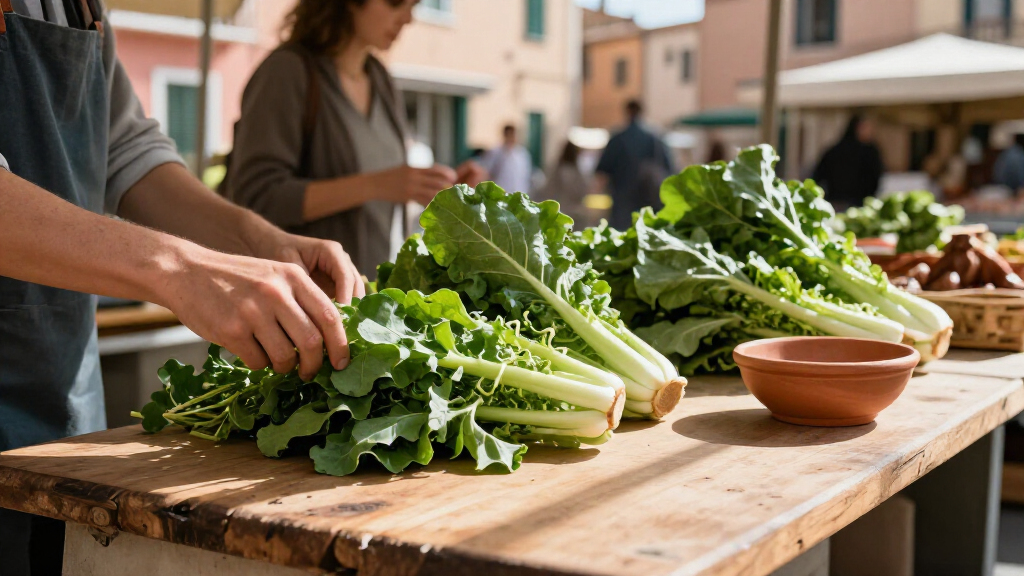
Roman winter greens include different chicory vegetables and preparations: puntarelle usually means the crisp inner shoots used for salad, while cicoria commonly means leafy greens cooked as a side. The words can vary between markets and regions, so look at what’s in front of you as well as the label. Compact pale shoots point toward puntarelle; long leaves and stems are more likely to be cooking greens.
Puntarelle are associated with Catalonian chicory, a form of Cichorium intybus. In Rome, cooks trim its firm central shoots into narrow strips and chill them in ice water. Cicoria is broader: it can describe several types of chicory greens, so one bunch may be tender while another has thick stems and a bracing bite.
That difference is a bit like choosing between a crisp apple and a bunch of greens: they may belong to related botanical territory, but they ask for different treatment. If a Rome market vendor offers a mound of pale shoots, ask whether they’re intended for puntarelle alla romana, the Roman puntarelle salad. If you bring home leafy cicoria instead, plan on washing and cooking it.
Names aren’t the only guide. Taste and texture help you decide what to do next. Raw puntarelle should stay lively and crunchy; cooked cicoria softens into a tender, slightly earthy side that sits comfortably beside beans, meat, or bread.
Products Worth Considering
Levoit Vital 100S-P Air Purifier with Washable Pre-Filter
Shark IY143H Cordless Pet Stick Vacuum
Bose SoundTouch 10 Wi-Fi Speakers, 2-Pack, Black
As an affiliate, we earn on qualifying purchases.
Make the Roman puntarelle salad crisp, curled, and savory
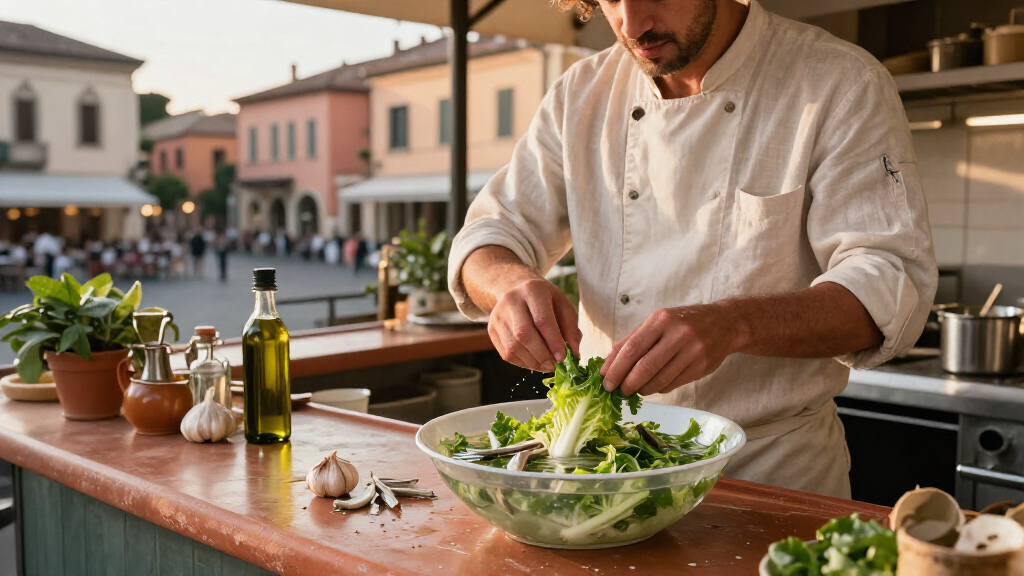
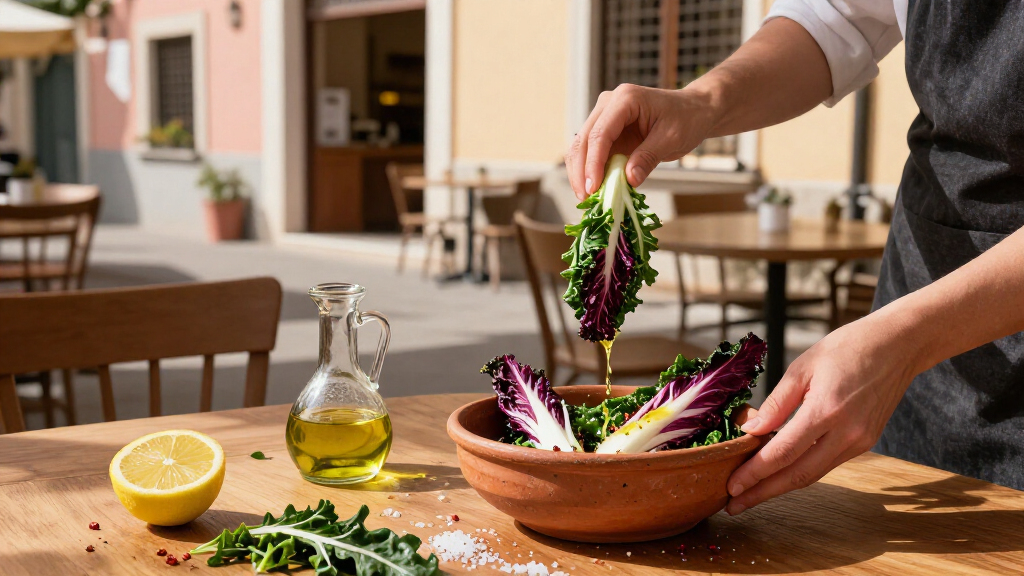
Puntarelle alla romana is a raw chicory salad: slice the shoots thin, soak them in ice water until they curl, drain them thoroughly, and dress them just before serving. The chilling firms the strips and gives the salad its springy, curled shape. A sharp knife works well; a special puntarelle cutter just speeds up the slicing.
For a practical home version, set aside a bowl of ice water while you trim the shoots. Cut them into narrow strips, drop them into the cold water, and let them curl as you finish the meal. Then drain and dry them well. Wet strips dilute the dressing, leaving oil and vinegar pooling at the bottom instead of clinging to the leaves.
The classic dressing brings together garlic, anchovy, vinegar, and olive oil. Mash the anchovy and garlic into a rough paste, then stir in vinegar and oil. The anchovy lends savory saltiness; vinegar brightens the chicory; oil rounds its sharp edge. Think of the dressing as a small ensemble: no single ingredient has to silence the green.
Imagine serving the salad before a plate of roast meat on a cool evening in Rome. Its cold crunch resets your palate between richer bites. Household versions differ in how much garlic, anchovy, or vinegar they use, so taste the dressing first and adjust it to the bitterness of your shoots.
Keep the salad crisp: chill and drain the shoots ahead, then add the dressing close to serving. Anchovy is a fish allergen; leave it out if needed, then taste for salt and acidity.
Cook cicoria until tender without washing away its character
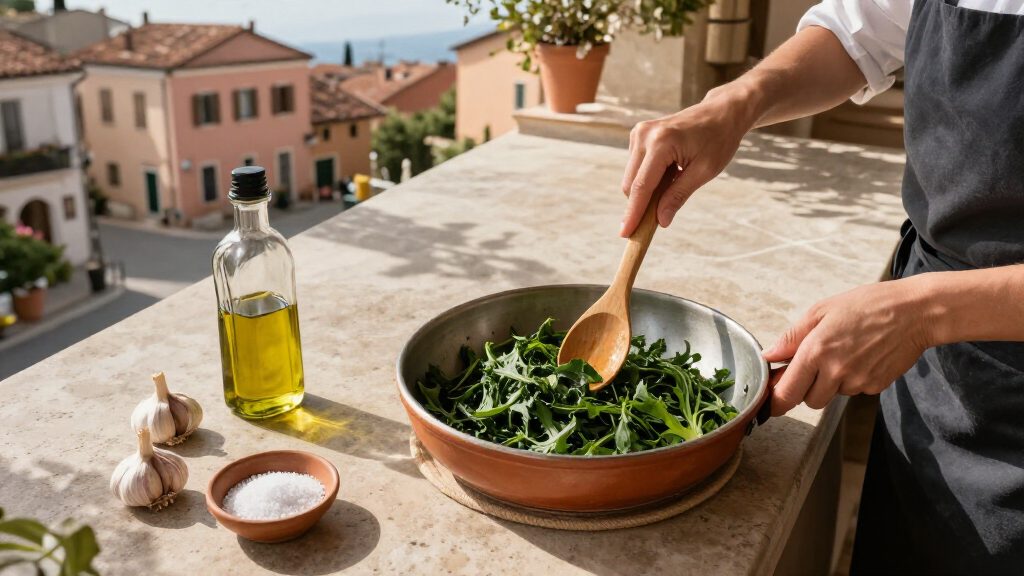
Cicoria ripassata is cooked chicory reheated or sautéed in a pan with olive oil, garlic, and chili. Cooks commonly boil or blanch the greens first, squeeze out excess water, and then let them meet hot oil. The brief pan cooking adds fragrance and heat while the leaves stay tender rather than waterlogged.
Start by washing the bunch carefully. Grit can hide between leaves, so swish them in a basin of water and rinse until the water looks clean. Trim tough ends, then separate thick stems from delicate leaves if they need different cooking times. A bunch from a neighborhood market may have broad ribs that need a few extra minutes before the leafy tops go in.
Boil the greens until they’re tender enough to bite without a tough stem. If the raw taste seems especially forceful, discard that cooking water; if the bitterness already feels pleasant, you can cook them directly with aromatics. Squeeze the drained greens firmly before they hit the pan. Too much water turns the oil into steam, and the garlic’s warm scent never quite takes hold.
For a weeknight meal, let sliced garlic soften in olive oil, add chili, then toss in the cooked cicoria until it’s hot and glossy. Serve it alongside beans, tuck it into a sandwich, or set it beside meat. The greens should taste mellower than they did raw, but a little bitterness keeps the side dish awake.
Once cooked, refrigerate leftovers promptly in a covered container and reheat them until steaming hot. Keep raw greens refrigerated and wash them before preparation.
Balance bitter greens with the right mix of fat, acid, heat, and salt
Bitterness tastes balanced when you pair it with contrasting flavors and textures. Olive oil softens the sharp edge; vinegar or lemon adds brightness; chili brings a warm contrast; and anchovy supplies savory saltiness. Cooking shifts the texture and intensity, too: raw puntarelle stay crisp and assertive, while cooked cicoria turns tender and usually tastes gentler.
Picture tasting a forkful of uncooked chicory that makes your mouth tighten. A little oil can round the sensation, while a few drops of vinegar make the flavor clearer rather than heavier. If you keep adding oil but the dish still tastes dull, a touch of acid may help more than another pour. Like tuning a radio, the goal is a clear signal, not silence.
Use a small tasting sequence as you cook. First taste a leaf or shoot; then taste again after blanching, dressing, or sautéing. If the bitterness feels too strong, blanch the cicoria briefly and discard the water. If it’s pleasantly sharp, skip that step and preserve more of its direct, earthy character.
That judgment matters when you serve the greens. A strongly bitter batch of cicoria might need a gentle blanch and a generous spoonful of olive oil beside mild white beans. A milder bunch can go straight into the pan with garlic and chili. Don’t aim to make every leaf taste alike; aim to make the whole plate feel balanced.
What the greens need
What to add
What you’ll notice
Less sharpness
Olive oil or brief blanching
A rounder, gentler bite
More brightness
Vinegar or lemon
A cleaner, livelier flavor
More savory depth
Anchovy, if suitable
Salty richness in the dressing
A warmer contrast
Chili
A gentle heat behind the greens
Shop for firm shoots and prepare them while they’re fresh
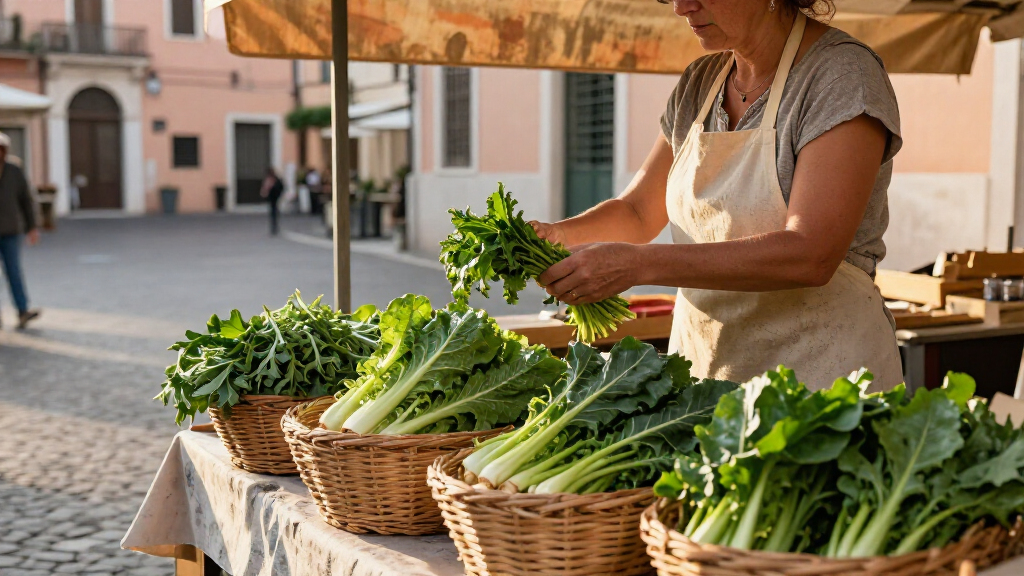
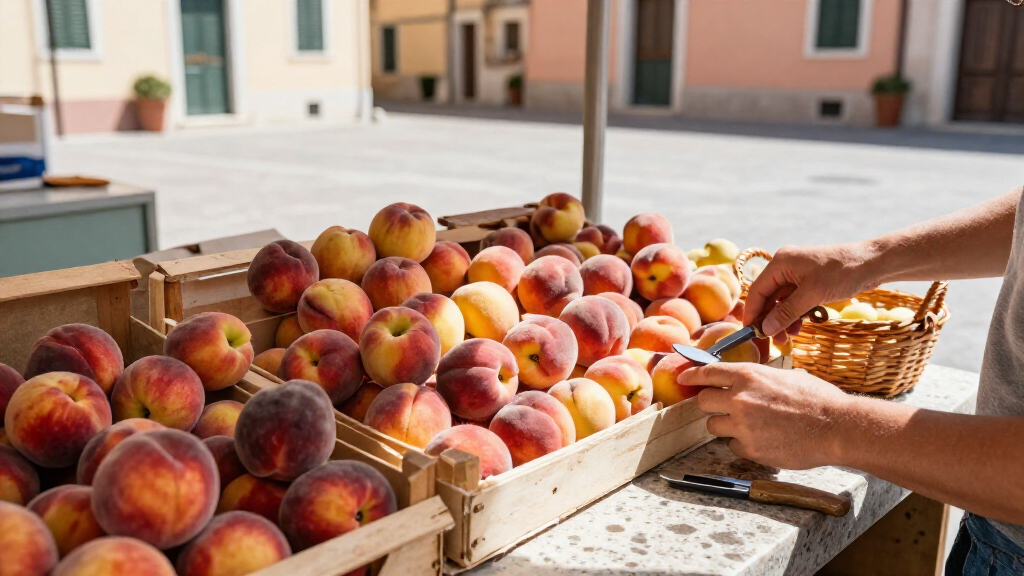
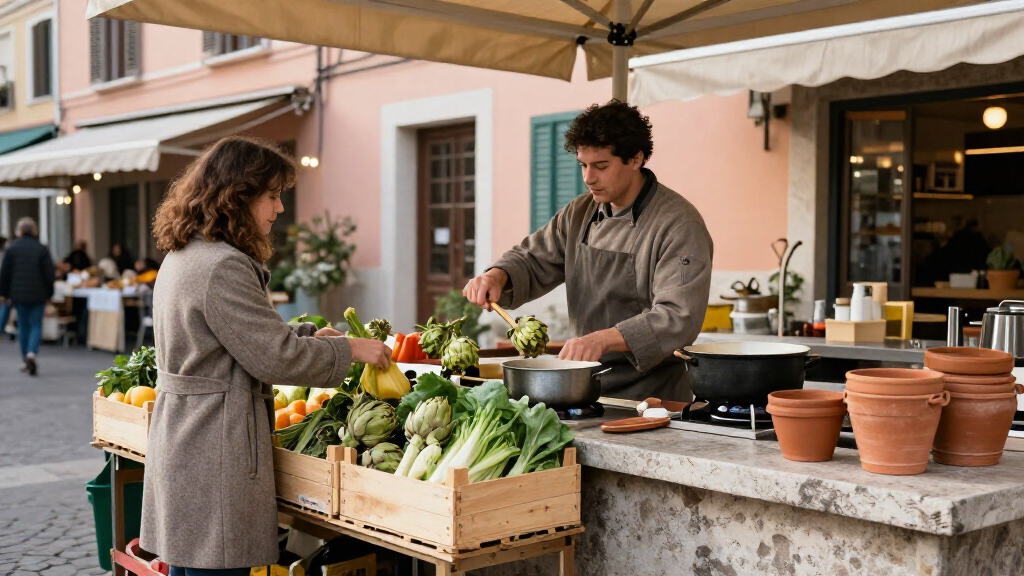
Freshness begins at the market: look for firm greens without limp or yellowing leaves, and choose puntarelle with compact, pale shoots at the center. Their cool-season association makes them a winter pleasure, but exact availability varies with the weather, variety, and supplier. In Rome, a winter market stall might display the shoots beside leafy chicories; outside Italy, a specialty grocer may only have them for a short window.
Check the cut ends and leaves before you buy. A bunch that looks crisp and hydrated will generally be easier to clean and more pleasant to eat than one that has wilted in its display. For cicoria, judge the stems as well as the leaves: if they are particularly thick, separate them so they can cook longer than the tender tops.
At home, wash cicoria thoroughly because soil can collect where leaves fold around stems. If the water clouds, rinse again. For puntarelle, remove the outer leaves and slice the inner shoots thinly. Let them chill in ice water, then drain them until they no longer drip. A salad spinner or clean towel helps, especially when you want the dressing to coat rather than slide off.
There’s no need to buy a dedicated cutter to make the salad. A sharp knife and a steady hand will do the job; spend your attention on even strips and good draining instead. If the market is out of puntarelle, try endive or radicchio as a different bitter alternative. They won’t copy the shoots’ curled crunch, so serve them as their own salad rather than promising an exact match.
Bring Roman winter cooking to your table, even when the market changes
Roman winter cooking makes a virtue of greens that many cooks might otherwise dismiss as too bitter. In Rome, that practical habit connects seasonality to the everyday table: a raw salad brings crispness before a rich meal, while cooked cicoria can stretch lunch with bread and beans. The dish feels rooted in place because it responds to the greens the season offers.
Markets fill with hardy chicories and related greens that vary from stall to stall. One week you might find pale puntarelle shoots; another week, the available bunches may have broad leaves or tougher stems. Ask how a seller cooks that variety, then adapt the method. The label might be broad, but the greens in your hand tell you how much trimming, blanching, and pan time they need.
Interest in regional Italian cooking has brought puntarelle to farmers’ markets and restaurant menus farther from Rome, though availability still depends on season and supplier. That reach can make the salad easier to find, but it doesn’t mean every chicory tastes the same. If you’re visiting Rome in winter, look for the shoots at a produce stall and try them dressed simply; at home, make the cooked version with local cicoria when those shoots aren’t available.
A practical plan for dinner is to buy what looks freshest and decide the preparation at home. Keep crisp shoots raw for a cold salad, or simmer leafy greens until tender and finish them in a pan. Both preparations let you taste the season without forcing a faraway ingredient into a role it cannot fill.
Frequently Asked Questions
What do puntarelle taste like?
Puntarelle taste crisp, leafy, and distinctly bitter, with a texture closer to a firm shoot than a soft salad leaf. Garlic, anchovy, vinegar, and olive oil give the traditional Roman dressing savory depth and brightness. If you’re trying them for the first time, serve a small portion beside a richer meal.
Are puntarelle and cicoria the same thing?
They are related chicories, but the names usually point to different preparations. Puntarelle generally means the young inner shoots served raw as a Roman salad; cicoria commonly describes greens cooked as a vegetable. Market terminology can vary, so use the appearance and texture to guide your cooking.
When are puntarelle in season?
Puntarelle are associated with the cool months, particularly winter. Exact availability changes with climate, variety, and local growing conditions. If you’re planning a Rome market visit, ask what’s in season that week rather than counting on every stall to carry the shoots.
How do you make puntarelle curl?
Slice the shoots into thin strips and soak them in ice water. As the strips chill, they curl and crisp. Drain and dry them well before dressing; otherwise, water can thin the garlic, anchovy, vinegar, and olive oil mixture.
Can I make puntarelle alla romana without anchovies?
Yes, you can leave out the anchovies, though the dressing will lose some of its traditional savory depth. Taste the salad and adjust the salt and vinegar to restore balance. Anchovy is a fish allergen, so omission may suit diners who avoid fish.
How do you make cicoria less bitter?
Briefly blanch or boil the greens and discard the water if their bitterness feels too strong. Squeeze them dry, then sauté with olive oil, garlic, and chili to add richness and contrast. Some bitterness will remain, and that is part of the dish’s character.
What can I use if I can’t find puntarelle?
Endive or radicchio can provide a related bitter note, but neither is an exact match. Their texture and flavor differ from curled puntarelle shoots. Treat them as alternatives for a bitter salad, not as substitutes that reproduce the Roman dish precisely.
Conclusion
When you find crisp puntarelle, slice it thin, chill it until the shoots curl, and dress it just before the meal. When you find leafy cicoria, wash it well and let its bitterness meet olive oil, garlic, and chili. Taste as you go, then use blanching, salt, fat, or acid to bring the greens into balance.
That’s the pleasure of Rome’s winter table: a cold, sharp tangle of shoots or a warm, glossy pile of leaves can make a rich meal feel newly alive. Let the market choose the green; let your palate decide how far to turn the bitter knob.
Mouthwatering vegan Italian dishes bursting with flavor and creativity await your discovery – get ready to explore a world of plant-based culinary delights!