
TL;DR
Culatello di Zibello is a PDO cured pork made from the central muscle of a pig’s hind leg in eight municipalities of Parma’s lower Po Valley. Producers salt, season, hand-tie, encase, and cellar-age it for at least ten months; serve it in thin slices near room temperature with warm torta fritta or unsalted bread.
In winter, fog can settle over the lower Po Valley until the fields and roads seem to fade at the edges. That same damp, lowland landscape is part of the story behind Culatello di Zibello, a compact, carefully cured cut of pork from Emilia-Romagna. Its aroma is gentle but deep, and its fine slices have a softness that rewards a little patience at the table.

Get kitchen staples and gadgets delivered free with Prime
- Fast, free delivery on millions of items
- Prime Video, Amazon Music and more included
- Member-only deals all year
This guide explains which part of the pig becomes culatello, what the PDO mark tells you, and why the local curing tradition depends on more than seasoning. You’ll also learn how to serve it at home, what to pair with it, and how to handle an opened piece safely. Think of it as a small taste of the Parma lowlands you can bring to your table, whether you’re planning a trip or choosing a special antipasto.
Culatello uses the central muscle of a pig’s hind leg; it is not another name for prosciutto di Parma.
The PDO production area includes eight municipalities in the lower Po Valley of Parma province.
Traditional production includes hand-tying, natural casing, and at least ten months of maturation from salting.
Serve thin slices near room temperature with warm torta fritta or unsalted bread, keeping the plate simple.
Check the PDO marking and follow the seller’s storage instructions, especially after cutting or opening the product.
A Po Valley specialty shaped by place and time
Culatello is a distinct cured cut from Parma’s lower Po Valley. Its protected origin, skilled preparation, and long cellar aging shape how it is made and served.
A different cut from Parma ham
Culatello comes from the central muscle of a pig’s hind leg; prosciutto di Parma is cured with the bone in.
- Boned and trimmed
- Shaped as a compact joint
- Hand-tied and encased
- Cured with the bone in
- Keeps the outline of the leg
- A different cut and tradition
The making, step by step
Careful handling and cellar time turn the central muscle into a tender, deeply flavored specialty.
Separate the central muscle; surrounding meat can become products such as Fiocchetto.
Salt the cut, season it, then form a compact joint.
Tie it by hand and place it in a natural casing, traditionally a pig’s bladder.
Local temperature and humidity help develop its texture and aroma over time.
Place is part of the tradition
The PDO connects the product to a defined area near the Po River and to its production rules.
Serve it simply
Thin slices served near room temperature let the meat’s delicate aroma and fine texture come through.
Torta fritta
Pair the slices with warm fried bread dough.
Unsalted bread
Keep the plate simple and let the cured pork take focus.
Check the PDO mark
After cutting, protect the exposed surface and follow the producer’s storage guidance.
What Culatello di Zibello Is—and Why It’s Not Parma Ham
Culatello di Zibello is a cured pork made from the central muscle of a pig’s hind leg, trimmed into a compact joint and matured in the lower Po Valley of Parma province. It is a prestigious Italian cured pork product, but it is not simply another name for prosciutto di Parma. The two specialties use different cuts and follow different shapes and curing traditions.
The name is sometimes translated loosely as “little backside,” though that translation can obscure what you’re actually eating: a specific, prized muscle separated from the hind leg. Producers bone and shape that cut, then tie it and place it in a casing. Parma ham, by contrast, is cured with the bone in. On a plate, culatello tends to look compact and deep red, while a whole prosciutto retains the recognizable outline of a leg.
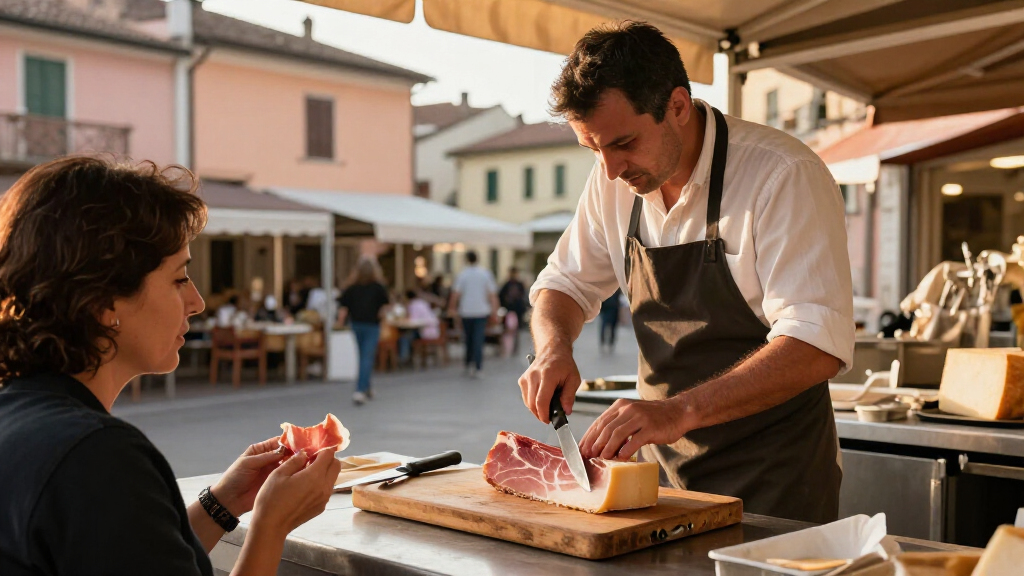
That distinction matters when you’re shopping. If a menu lists culatello but describes an ordinary slice of prosciutto, ask what the restaurant is serving. In Italy, a thin slice of culatello is often treated as the star of an antipasto rather than a generic sandwich filling: place it beside a piece of bread, taste it on its own, and notice the delicate sweetness and concentrated pork flavor.
Think of the difference like a whole musical ensemble versus a solo instrument: both come from the same larger source, but the cut and preparation give each its own voice. The surrounding leg meat can also become other products, including Fiocchetto, so careful trimming is part of what makes culatello a distinct specialty. For readers searching for key facts for a blog article about culatello, start here: it is a particular cut, shaped and cured in a particular place, not a synonym for Parma ham.
Products Worth Considering

Dyson V9 Motorbar Cordless Vacuum

Dyson Airwrap i.d. Multi-Styler with Bluetooth Connectivity

Dyson V15 Detect Cordless Stick Vacuum
As an affiliate, we earn on qualifying purchases.
How the Po Valley’s Fog and PDO Rules Shape Every Piece
Culatello di Zibello PDO comes from a defined area of eight municipalities in Parma’s lower Po Valley, and the Protected Designation of Origin ties the product to both that place and its production rules. The municipalities are Busseto, Polesine Zibello, Soragna, Roccabianca, San Secondo Parmense, Sissa Trecasali, Colorno, and Zibello. This is a local specialty with geographic boundaries, not just a style that any producer can reproduce anywhere.
The landscape is low and close to the Po River. Winters can be foggy and humid; summers are warm. Producers regard those seasonal cellar conditions as central to traditional aging, because temperature and humidity shape how the meat matures. A cellar in this region is not merely storage space. It is more like a slow instrument, with the local air helping tune texture and aroma over time.
For a visitor, Zibello and the surrounding towns offer a practical way to connect the taste to the map. You might plan a Parma-area trip in cooler months, eat a plate of thinly sliced culatello at a local table, and notice the damp chill outside against the warm bread beside it. The flavor feels less like a souvenir than a record of a place.
When buying, look for the PDO mark and product name. The designation gives you a useful check that the culatello follows the protected origin and method, though it does not tell you which producer’s seasoning profile you’ll prefer. Climate patterns can change, and people have raised questions about what that means for traditional curing. Without current reporting or producer statements, avoid claiming a specific effect; the grounded fact is that local conditions are part of the tradition, and that makes the region more than a name on a label.
How Culatello Is Made, From Fresh Leg to Aged Specialty
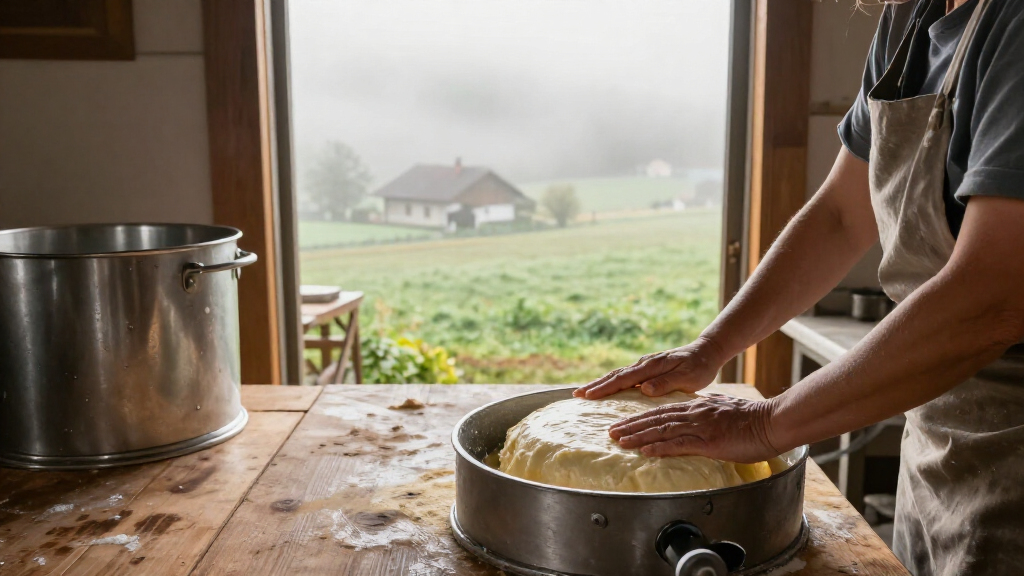
Culatello di Zibello is made through careful trimming, seasoning, hand-tying, casing, and a long cellar maturation. Each stage shapes the small cut into a firm but tender cured meat. The details vary among producers within the PDO rules, so the result can carry a maker’s touch while still belonging to the same protected tradition.
- Trim the hind leg. The producer separates the central culatello muscle from the rest of the leg. Neighboring meat can go toward other products, including Fiocchetto.
- Season the cut. Salt is essential; pepper and garlic are common, and some producers use wine. Seasoning is applied with care so it supports, rather than masks, the pork.
- Shape and tie it by hand. The meat is formed into a compact joint and secured with string. This gives it a recognizable shape and helps it mature evenly.
- Place it in a natural casing. Traditionally, producers use a pig’s bladder as the casing around the tied meat.
- Age it in a cellar. The meat matures in local conditions for at least ten months from salting, with larger pieces needing longer.
Imagine a producer’s hands guiding the string around a seasoned cut, tightening each turn until the meat holds its shape. It’s closer to tailoring a sturdy jacket than running a quick assembly line: fit matters, and time does the finishing work. The casing and cellar aging distinguish culatello from many other cured meats and help develop its fine texture and full aroma.
Ten months is a minimum, not a promise that every piece tastes identical. Size, handling, and cellar conditions all influence how it matures. This is why a producer’s work matters as much as a list of ingredients: each step helps make the final slices lean, deep red, and delicately savory.
What Culatello Tastes Like and How to Serve It Simply
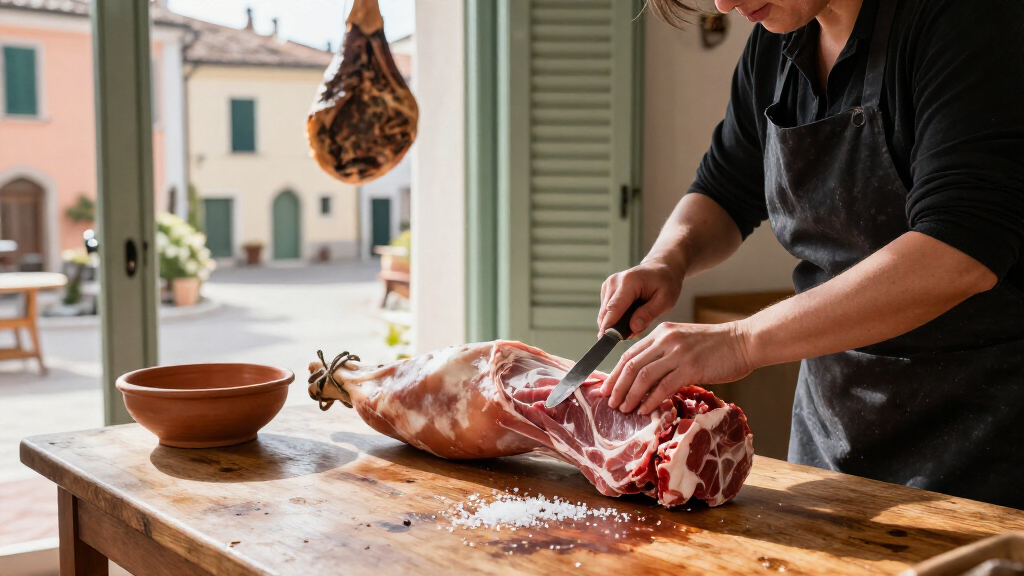
Culatello di Zibello is best served uncooked in very thin slices after it has had time to approach room temperature. Its texture is fine and tender, and its flavor is rich without needing a heavy sauce or a crowded platter. When cold, the aroma can feel muted; a little warming on the plate lets the scent open up.
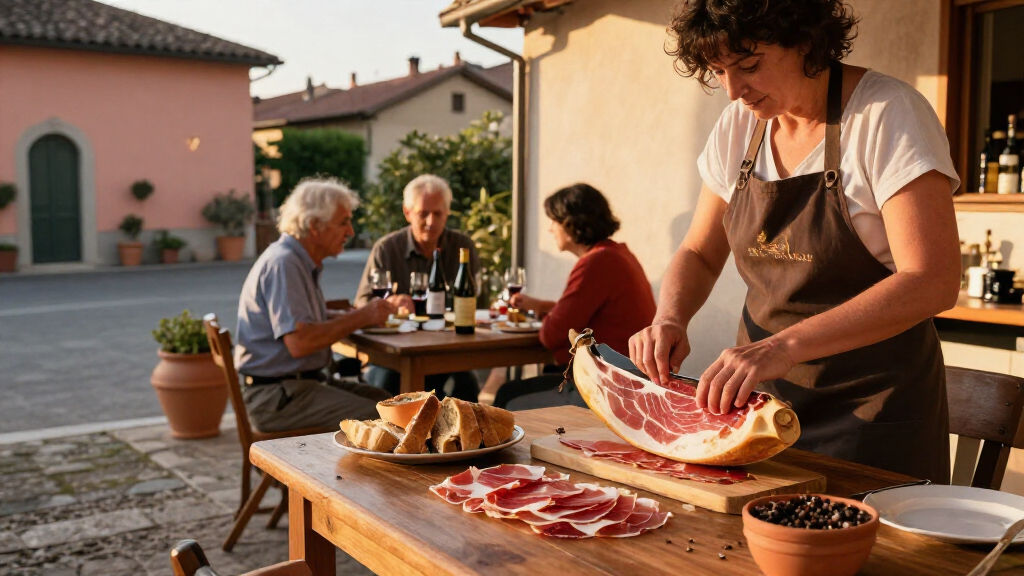
At home, take out only what you plan to serve and follow the producer’s instructions for preparing it. Arrange the slices loosely rather than stacking them into a dense mound. Pair them with warm torta fritta—fried bread dough—or simple unsalted country bread. In Emilia, a little butter is also a traditional companion. Its creamy softness makes a gentle contrast with the meat’s salty depth.
Keep the rest of the plate quiet. A mild cheese can work, but strong flavors may crowd out the pork. For a local red wine, Lambrusco is a familiar pairing. If you choose alcohol, enjoy it in moderation and only if you’re of legal drinking age; sparkling water is a fine partner too. The aim is balance, not a tasting contest.
A useful first tasting is simple: try one slice alone, a second with bread, and a third with warm torta fritta. Notice what changes. If the bread is salty or heavily seasoned, it can take over; unsalted bread lets the culatello lead. Think of the plate as a clear window rather than a frame full of decorations. A few carefully chosen accompaniments give you the best view of its aroma and texture.
How to Buy, Store, and Handle Culatello with Care
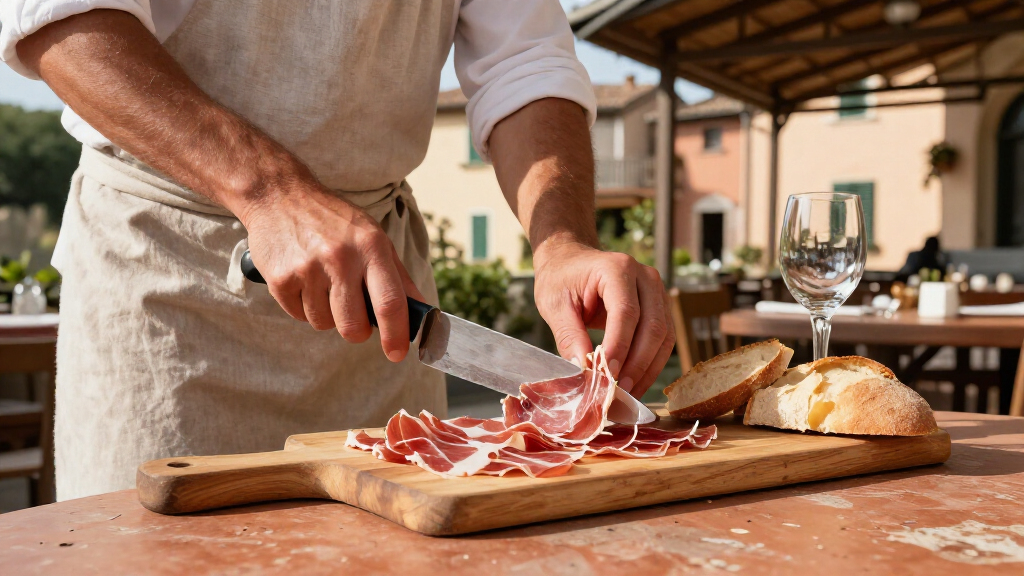
To buy authentic Culatello di Zibello, check the product name and PDO marking, then ask the seller how to store and prepare that particular piece. Because it is labor-intensive and comes from a small defined area, this specialty can be expensive and less widely available than familiar prosciutto. A high price alone does not prove authenticity; the protected designation is the more useful label clue.
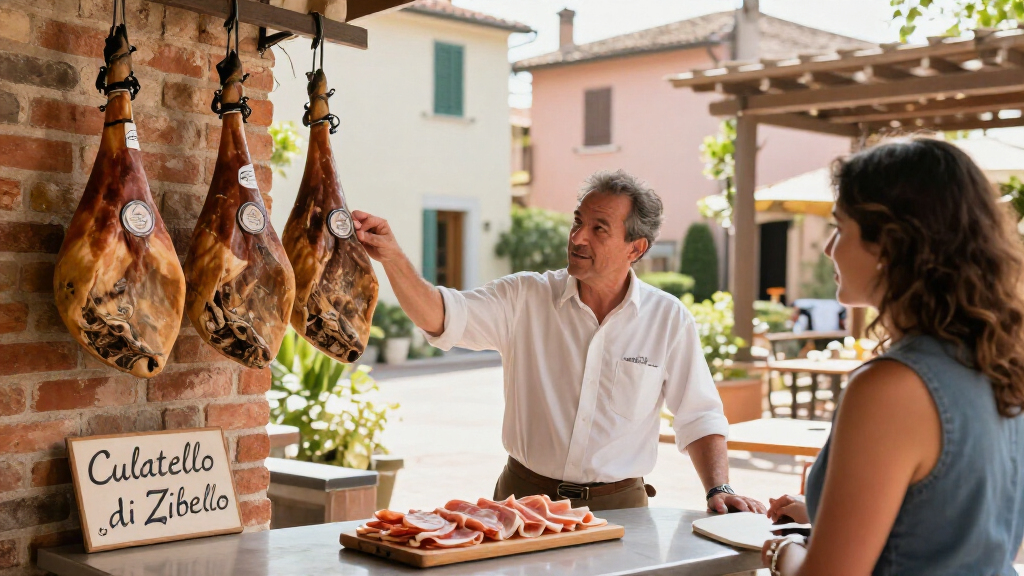
At a deli counter, ask whether the culatello is sold whole or already sliced, and how long the opened product keeps under the seller’s guidance. If you’re visiting the Parma area, a local shop can explain the producer and the curing approach. Back home, keep the package and any producer instructions. Storage needs can vary with the format, so follow the label rather than guessing based on another cured meat.
Once cut, protect the exposed surface and refrigerate the product as directed by the producer. Keep it wrapped or otherwise covered as instructed, and use clean hands and utensils when handling slices. Don’t leave it sitting out for hours; serve a small portion, then return the rest promptly to safe storage. If you’re unsure how long a piece has been open, or its storage history is unclear, ask the seller or discard it rather than relying on smell alone.
Cured meat still raises food-safety questions for some readers. People who are pregnant or immunocompromised should ask a qualified health professional about whether this uncooked cured meat is appropriate for them; curing does not make every food-safety risk disappear. Check the ingredient information for allergens and dietary restrictions, since seasoning and accompaniments vary. The simplest buying habit is also the most reliable: choose a clearly labeled product, keep its storage guidance, and serve only what you plan to eat.
Why This Cured Pork Costs More Than Everyday Antipasto
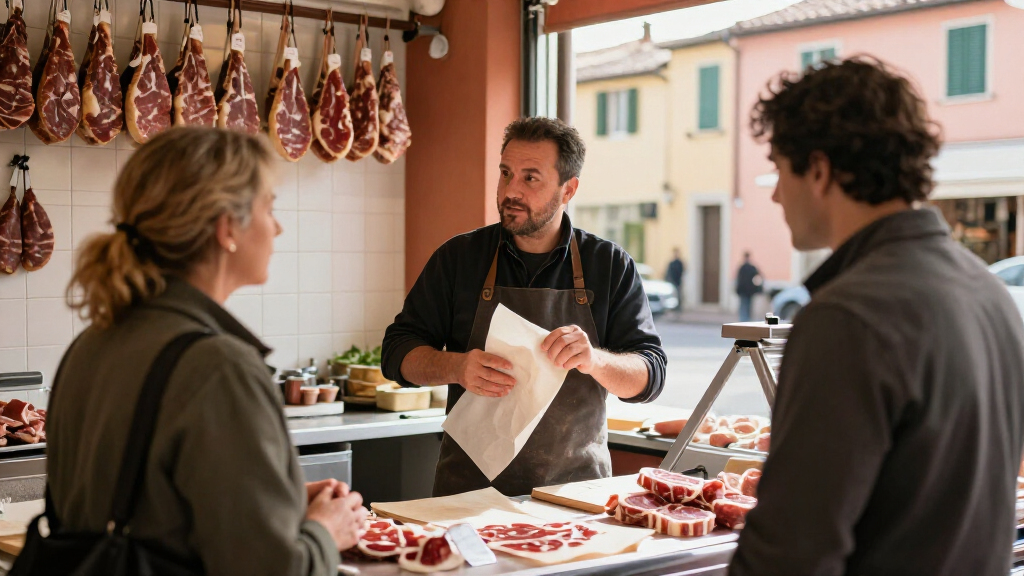
Culatello di Zibello costs more because it uses a prized, carefully separated cut, demands skilled handwork, and matures for at least ten months. The production area is limited, and each piece needs time in a cellar before it can be served. That combination of scarce origin and slow preparation puts it in a different category from everyday sliced deli meat.
The work begins before curing: a producer must trim the hind leg to obtain the central muscle, while the surrounding meat goes to other uses. Then comes seasoning, shaping, tying, casing, and months of maturation. You’re paying for a particular cut and a long process, not just for a label that sounds Italian. The comparison is like buying a well-made leather shoe: material matters, but so do the hands and hours that turn it into the finished thing.
For a special dinner, you don’t need a large quantity to make the meal feel generous. Serve a few thin slices before a bowl of pasta, with warm bread on the side. If the price makes a whole piece impractical, ask a trusted deli whether it sells a small amount freshly sliced and how it was stored. Availability and cost can vary, so don’t assume every product bearing a similar-sounding name comes from the PDO area.
It is a treat, not a staple, and that scarcity is part of its character. A small portion gives you a chance to taste the difference between a protected regional cut and a general cured pork product. Ask where it was made, check the PDO mark, and let the seller explain the producer’s approach. The answer should be concrete enough to help you choose, not merely a romantic story about Italy.
Frequently Asked Questions
Is Culatello di Zibello the same as prosciutto di Parma?
No. Culatello uses the central muscle of the hind leg, which is boned, shaped, and cured as a compact joint. Prosciutto di Parma is cured with the bone in and follows a different form and tradition.
What does the PDO mark guarantee?
The PDO mark connects Culatello di Zibello to its defined production area and protected production rules. Check for the mark and product name when shopping, then ask the seller about the producer and storage guidance.
How long does Culatello di Zibello age?
The minimum maturation period is generally ten months from salting; larger pieces require longer. The cellar’s temperature and humidity help shape the aroma and texture as the meat matures.
What should I serve with culatello?
Serve it in thin slices near room temperature with warm torta fritta, unsalted country bread, or a little butter. A mild cheese or local Lambrusco can accompany it, but keep other flavors restrained so the pork remains the focus. If you choose wine, drink in moderation and only if you’re of legal drinking age.
How should I store an opened piece?
Protect the cut surface, refrigerate it, and follow the producer’s storage instructions for your piece. Use clean hands and utensils, serve only the amount you plan to eat, and return the rest to safe storage promptly. If you’re unsure about its storage history, ask the seller rather than relying on smell alone.
Can I eat culatello during pregnancy?
Culatello is an uncooked cured meat, and curing does not remove every food-safety concern. Ask your clinician for advice suited to your health and pregnancy, and follow current food-safety guidance.
Conclusion
When you choose Culatello di Zibello, look for the PDO mark, ask how the piece was stored, and serve it in thin slices with warm torta fritta or unsalted bread. Give it a little time out of the refrigerator before serving, and let the first slice speak for itself.
Remember the place behind the flavor: foggy winters, cellar air, and careful hands in the Parma lowlands. A few slices can turn an ordinary table into a small map of Emilia-Romagna.