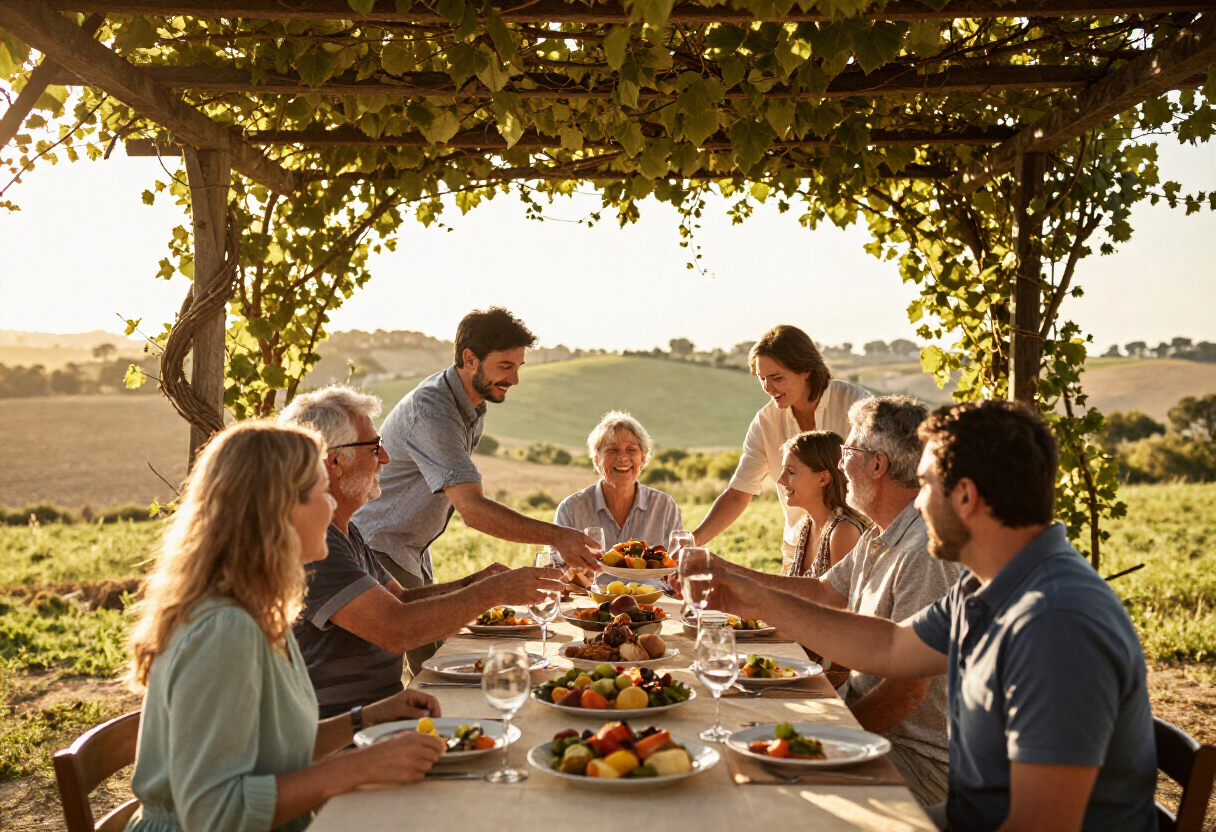
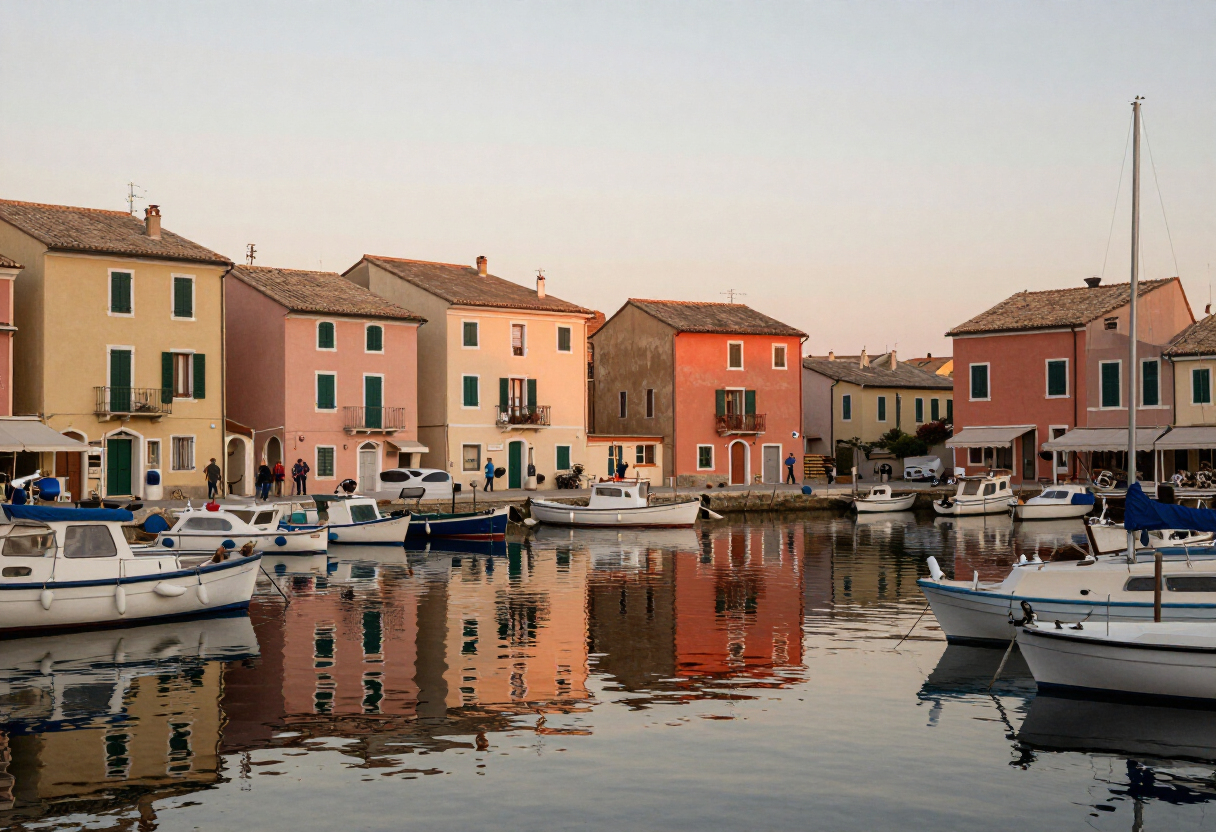
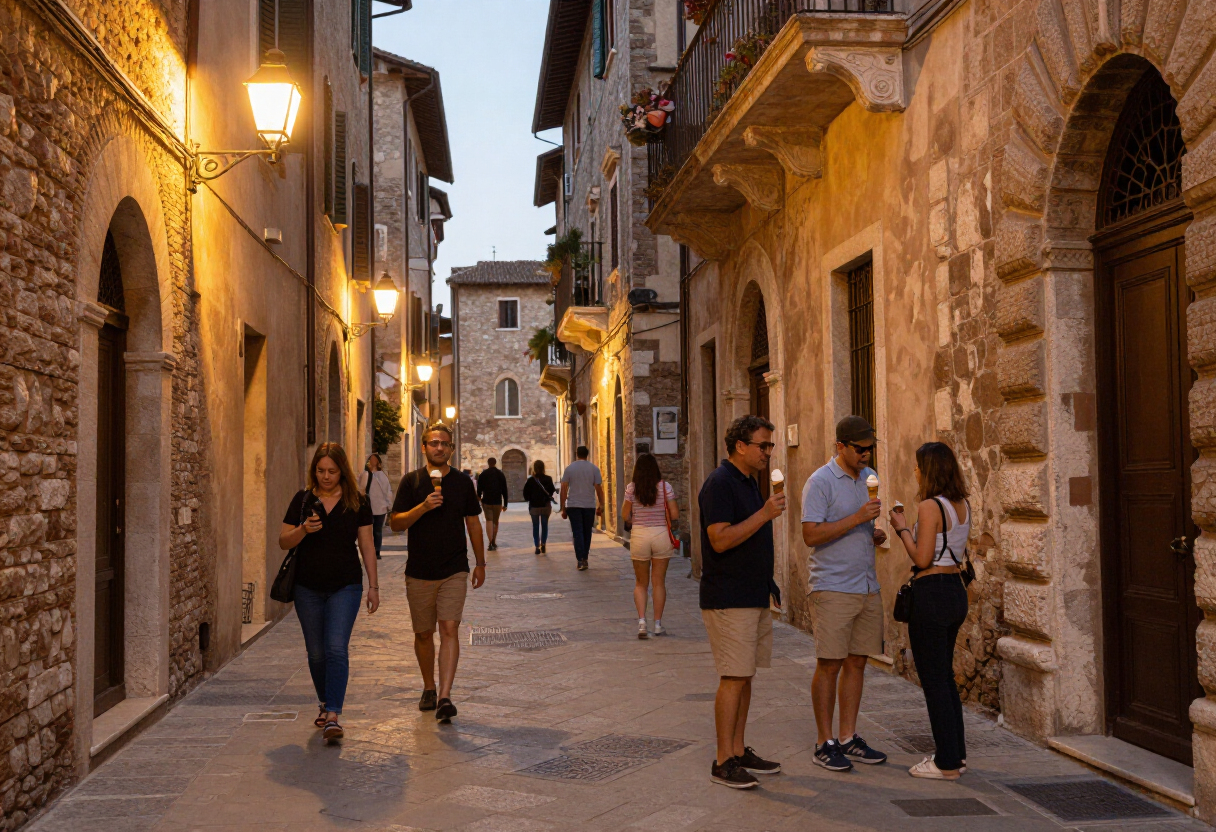
Benvenuti alla Nuova Mad Tasting marks a long-term focus on Italy’s regional food, wine, producers, travel, and culture—not a short Italian-themed campaign. You can expect place-specific stories and experiences, from Ligurian olive oil and Abruzzese Montepulciano to Sardinian pasta traditions, while launch dates, prices, partners, and booking details remain forthcoming until publicly confirmed.
Italy is not one cuisine. It is a crowded table of 20 regions, each pulling the meal in a different direction: butter and alpine cheese in Valle d’Aosta, peppery olive oil in Tuscany, durum wheat pasta in Puglia, and saffron-bright broths in Sardinia. Treating all of that as one red-checkered fantasy misses the best part.
Benvenuti alla Nuova Mad Tasting—welcome to the new Mad Tasting—is a promise to get more specific. You will see Italian food, wine, travel, and culture explained through real places and producers, with enough practical detail to help you choose a bottle, cook a regional dish, or plan a slower trip.
This shift is a strategic repositioning, not a coat of green, white, and red paint. You will learn why we’re going all-in on Italy, how regional identity will shape the work, and what standards will guide sourcing and partnerships. You will also find a clear line between confirmed direction and details that are still forthcoming, including dates, locations, prices, programs, and booking arrangements.
At a glance
Benvenuti alla Nuova Mad Tasting: All-In on Italy
Key insight
Mad Tasting’s Italian focus treats Italy’s 20 regions as distinct culinary landscapes, so every featured dish, bottle, ingredient, or trip should identify its producer, origin, method, and local trad…
Key takeaways
1
Treat Italy as 20 distinct regional food cultures: start every tasting or trip with a named region, town, producer, grape, ingredient, or method.
2
Use DOCG, DOC, IGT, DOP, IGP, and STG labels as starting points, then check the producer, origin, ingredients, vintage, and production details.
3
Build your palate with a five-step routine: locate the place, identify the raw material, learn the method, compare the taste, and choose one next action.
Treat Mad Tasting launch dates, programs, partners, venues, prices, booking details, and membership changes as forthcoming until they appear in an official ann…
Step by step
1
How We’ll Make Unfamiliar Italy Easy to Taste
Start with the place.
Benvenuti alla Nuova Mad Tasting: Why We’re Going All-In on Italy
New direction · Italy
Welcome to the New Mad Tasting
Why We’re Going All-In on Italy: not a themed campaign, but a long-term commitment to regional cooking, wine, producers, slow travel, and Italian culture.
The thesisItaly is not one cuisine.
It is a crowded table of territories, dialects, ingredients, and methods that can change within a few kilometers.
The promiseMore place. More producer. More method.
Every dish, bottle, ingredient, or trip will start from a concrete, verifiable origin.
The boundaryDirection confirmed. Details to come.
Dates, venues, prices, partners, and bookings remain forthcoming until the official announcement.
Regions20
Quality systems6
PerspectiveLocal
HorizonLong-term
01 · Why Italy
One country, twenty culinary landscapes
The goal is not to make Italy smaller or simpler. It is to get close enough to see how vast, local, and wonderfully irregular it really is.
Territory
Geography ends up in the glass
Altitude, soil, wind, harvest, and microclimate turn one regional name into a multitude of expressions.
Cuisine
Traditions are hyperlocal
Alpine butter in Valle d’Aosta, peppery oil in Tuscany, durum wheat in Puglia, and saffron broths in Sardinia.
Discovery
Beyond the famous names
Friuli, Liguria, Le Marche, Abruzzo, Basilicata, Calabria, and Sardinia open routes far from the usual Barolo, Brunello, and Prosecco.
A scale of flavors, not a national formula
Alps butter
Liguria oil
Marche Verdicchio
Puglia wheat
Sardinia saffron
02 · Tasting method
How to make unfamiliar Italy easy
A five-step routine turns tasting from fleeting impression into usable knowledge.
1
Locate
Name the region, village, hill, coast, or valley. Always start with the place.
2
Identify
Find the raw material: grape, milk, wheat, olive, herb, or spice.
3
Learn
Look at method, aging, fermentation, cooking, and tradition.
4
Compare
Taste differences in structure, aroma, acidity, intensity, and use.
5
Act
Choose a bottle, cook a dish, or plan a slower stop.
The common thread
Place → producer → method → use
A Verdicchio becomes a road into the limestone hills of Le Marche. A pesto becomes a lesson in Genoese basil, marble mortars, and Ligurian terraces. The product is not the endpoint: it is the doorway into the territory.
03 · Reading the labels
Six useful seals, no shortcuts
Classifications are a first filter. The producer, origin, ingredients, vintage, and method explain what is really in the package.
Seal
What it protects
How to use it well
DOCG
Wine with strict geographic and production rules
Check the denomination, producer, vintage, and subzone; never buy on the seal alone.
DOC
Wine tied to a place and a regulated style
Compare grape varieties and local rules: a single DOC can contain very different expressions.
IGT
Wine with broader geographic rules
Look for creative blends, indigenous varieties, or methods that fall outside DOC rules.
DOP
Food produced, processed, and prepared in the defined area
Use it when origin and traditional production are central, as with Gorgonzola DOP.
IGP
Food with at least one significant production link to the area
Read the specification and the producer’s information to understand the nature of the regional link.
STG
A traditional recipe or method, not necessarily a place
Choose it when the recognized technique matters more than geographic origin.
Rule of thumb · The seal opens the conversation; it does not end it.
Buying filter
How much each clue matters
Producer
96
Origin
92
Method
86
Seal
62
A concrete example
Aceto Balsamico Tradizionale
The Modena DOP signals origin, protected method, and aging. A few dense drops on Parmigiano Reggiano or strawberries tell the product’s story better than any generic “Made in Italy” image.
04 · What really changes
A strategic commitment, with transparency built in
The new direction covers content, education, experiences, travel, and relationships with the people who grow, produce, cook, and tell the story.
Direction confirmed
The new scope
✓Editorial: regions, ingredients, denominations, dishes, and producers with practical context.
✓Tasting: food and wine connected to geography, farming, vintage, and local custom.
✓Travel: focused, slower itineraries, including beyond the overcrowded destinations.
✓Partnership: producers, winemakers, artisans, chefs, importers, and guides inside the story.
Forthcoming
Not yet confirmed
~Launch dates and program calendar
~Venues, destinations, and inaugural regions
~Named partners and contractual roles
~Pricing, bookings, and membership changes
01Producer roles declared clearly
02Responsible alcohol service, adults only
03Allergens and food safety made visible
04Slower travel beyond the overcrowded routes
La versione italiana — the same infographic, in Italian:
Benvenuti alla Nuova Mad Tasting: Why We’re Going All-In on Italy
Nuova direzione · Italia
Benvenuti alla Nuova Mad Tasting
Why We’re Going All-In on Italy: non una campagna a tema, ma un impegno di lungo periodo verso le cucine regionali, il vino, i produttori, il viaggio lento e la cultura italiana.
La tesiL’Italia non è una cucina.
È una tavola affollata di territori, dialetti, ingredienti e metodi che cambiano anche nel giro di pochi chilometri.
La promessaPiù luogo. Più produttore. Più metodo.
Ogni piatto, bottiglia, ingrediente o viaggio partirà da un’origine concreta e verificabile.
Il confineDirezione confermata. Dettagli in arrivo.
Date, sedi, prezzi, partner e prenotazioni restano forthcoming fino all’annuncio ufficiale.
Regioni20
Sistemi qualità6
ProspettivaLocale
OrizzonteLungo
01 · Perché l’Italia
Un Paese, venti paesaggi culinari
L’obiettivo non è rendere l’Italia più piccola o più semplice. È avvicinarsi abbastanza da vedere quanto sia vasta, locale e meravigliosamente irregolare.
Territorio
La geografia entra nel bicchiere
Altitudine, suolo, vento, vendemmia e microclima trasformano un nome regionale in una moltitudine di espressioni.
Cucina
Le tradizioni sono iperlocali
Burro alpino in Valle d’Aosta, olio pepato in Toscana, grano duro in Puglia e brodi allo zafferano in Sardegna.
Scoperta
Oltre i nomi già famosi
Friuli, Liguria, Marche, Abruzzo, Basilicata, Calabria e Sardegna aprono percorsi lontani dai soliti Barolo, Brunello e Prosecco.
Una scala di sapori, non una formula nazionale
Alpi burro
Liguria olio
Marche Verdicchio
Puglia grano
Sardegna zafferano
02 · Metodo di degustazione
Come rendere facile l’Italia meno familiare
Una routine in cinque passaggi trasforma la degustazione da impressione fugace a conoscenza utilizzabile.
1
Localizza
Nomina regione, paese, collina, costa o valle. Comincia sempre dal luogo.
2
Identifica
Trova la materia prima: uva, latte, grano, oliva, erba o spezia.
3
Impara
Osserva metodo, maturazione, fermentazione, cottura e tradizione.
4
Confronta
Assaggia differenze di struttura, aroma, acidità, intensità e uso.
5
Agisci
Scegli una bottiglia, cucina un piatto o pianifica una tappa più lenta.
Il filo conduttore
Luogo → produttore → metodo → uso
Un Verdicchio diventa una strada verso le colline calcaree delle Marche. Un pesto diventa una lezione sul basilico genovese, i mortai di marmo e i terrazzamenti liguri. Il prodotto non è il punto finale: è l’ingresso nel territorio.
03 · Leggere le etichette
Sei sigle utili, nessuna scorciatoia
Le classificazioni sono un primo filtro. Il produttore, l’origine, gli ingredienti, l’annata e il metodo spiegano cosa c’è davvero nella confezione.
Sigla
Cosa protegge
Come usarla bene
DOCG
Vino con regole geografiche e produttive rigorose
Controlla denominazione, produttore, annata e sottozona; non acquistare soltanto in base al sigillo.
DOC
Vino legato a un luogo e a uno stile regolamentato
Confronta vitigni e regole locali: una singola DOC può contenere espressioni molto diverse.
IGT
Vino con regole geografiche più ampie
Cerca blend creativi, varietà indigene o metodi che restano fuori dalle regole DOC.
DOP
Alimento prodotto, lavorato e preparato nell’area definita
Usala quando origine e produzione tradizionale sono centrali, come nel Gorgonzola DOP.
IGP
Alimento con almeno un legame produttivo importante con l’area
Leggi disciplinare e informazioni del produttore per capire la natura del legame regionale.
STG
Ricetta o metodo tradizionale, non necessariamente un luogo
Sceglila quando conta soprattutto la tecnica riconosciuta, più che l’origine geografica.
Regola pratica · La sigla apre la conversazione; non la conclude.
Filtro d’acquisto
Quanto conta ogni indizio
Produttore
96
Origine
92
Metodo
86
Sigillo
62
Esempio concreto
Aceto Balsamico Tradizionale
Il DOP di Modena indica origine, metodo protetto e invecchiamento. Poche gocce dense su Parmigiano Reggiano o fragole raccontano meglio il prodotto di una generica immagine “Made in Italy”.
04 · Cosa cambia davvero
Un impegno strategico, con trasparenza incorporata
La nuova direzione riguarda contenuti, educazione, esperienze, viaggi e relazioni con chi coltiva, produce, cucina e racconta.
Direzione confermata
Il nuovo perimetro
✓Editoriale: regioni, ingredienti, denominazioni, piatti e produttori con contesto pratico.
✓Degustazione: cibo e vino collegati a geografia, agricoltura, annata e consuetudini locali.
✓Viaggio: itinerari focalizzati e più lenti, anche oltre le destinazioni sovraffollate.
✓Partnership: produttori, vignaioli, artigiani, chef, importatori e guide dentro la storia.
Forthcoming
Non ancora confermato
~Date di lancio e calendario dei programmi
~Sedi, destinazioni e regioni inaugurali
~Partner nominativi e ruoli contrattuali
~Prezzi, prenotazioni e cambiamenti membership
01Ruoli dei produttori dichiarati con chiarezza
02Servizio responsabile dell’alcol agli adulti
03Allergeni e sicurezza alimentare visibili
04Viaggi più lenti oltre le rotte sovraffollate
What the New Mad Tasting Will Give You
Benvenuti alla Nuova Mad Tasting: Why We’re Going All-In on Italy means you will get a focused guide to Italian food, wine, producers, travel, and regional culture. The change reaches beyond a single event or tasting series: it sets Italy as the editorial compass for what Mad Tasting explores, explains, and eventually brings to the table.
Think of the old idea of a tasting as a postcard: attractive, brief, and easy to forget. The new approach aims to work more like a well-marked regional map. A glass of Verdicchio becomes a path into the limestone hills of Le Marche, while a spoonful of pesto becomes a lesson in Genovese basil, marble mortars, and Liguria’s steep coastal terraces.
That focus should connect several kinds of experience. An article about Parmigiano Reggiano DOP might lead into a guided tasting, a kitchen lesson on using the rind in broth, or a future visit to a caseificio, meaning a cheese dairy, in Emilia-Romagna. The thread stays the same: place, producer, method, and use.
Editorial coverage will explain regions, ingredients, appellations, dishes, and producers with practical context.
Tastings and education may connect bottles and foods to geography, farming, vintage, and local customs.
Travel programming may favor focused itineraries, such as inland Abruzzo or western Sicily, over rushed tours of famous cities.
Partnerships should bring growers, winemakers, artisans, chefs, importers, and local guides into the story directly.
The direction is clear, but the first programs, launch date, named partners, venues, booking process, membership terms, and price range have not been publicly confirmed. Those details are forthcoming. Until they are published, you should treat any specific schedule or cost circulating elsewhere as speculation.
Benvenuti alla Nuova Mad Tasting: Why We’re Going All-In on Italy starts with a simple fact: Italy offers enough regional difference to support years of serious discovery. According to Article 131 of the Italian Constitution, the country has 20 regions [1], and their foods, dialects, landscapes, grapes, and cooking habits can change within a short train ride.
Drive from Bologna into the Apennines and the table changes before the road stops twisting. In the city, you might meet silky tagliatelle al ragù; higher in the hills, chestnuts, mushrooms, and aged pecorino take over. Regional cuisine behaves like a set of nesting boxes: open Italy, find Emilia-Romagna; open that, find Modena; open Modena, find a village with its own vinegar tradition.
Wine tells the same story. According to reporting from the International Organisation of Vine and Wine, Italy remains one of the world’s largest wine-producing countries [2]. Yet production volume is only the front door. Hundreds of recognized grape varieties—from Ribolla Gialla in Friuli-Venezia Giulia to Nerello Mascalese on Mount Etna—give you far more to taste than the familiar trio of Barolo, Brunello, and Prosecco.
Why specialize when variety sounds more flexible? Because depth builds useful knowledge. Once you compare a taut, mountain-grown Etna Rosso with a warm, dark Nero d’Avola from southeastern Sicily, the island stops looking like one wine region. You begin to taste altitude, volcanic soil, coastal wind, and harvest timing—not merely the word Sicilia on a label.
The goal is not to make Italy smaller. It is to get close enough that you can see how large, local, and wonderfully unruly it really is.
How Regional Labels Help You Buy Better Food and Wine
Regional labels help you buy better by tying a product to a defined origin, method, or tradition, but no seal replaces curiosity about the maker. Italian and European classifications give you a useful first filter; producer names, ingredients, vintages, and methods tell you what is actually inside the package or bottle.
Label
What it covers
How you can use it
DOCG
Wine with tightly defined geographic and production rules
Check the appellation, producer, vintage, and subzone rather than buying by the seal alone
DOC
Wine connected to a regulated place and style
Compare grapes and local rules; one DOC can contain several expressions
IGT
Wine with broader geographic rules and added stylistic freedom
Look for creative blends, indigenous grapes, or methods outside DOC rules
DOP
Food produced, processed, and prepared in a defined area under registered rules
Use it when origin and traditional production matter, as with Gorgonzola DOP
IGP
Food with at least one major production link to its named area
Read the specification and producer details to understand that regional link
STG
A traditional recipe or production method, not necessarily one geographic origin
Choose it when the recognized method matters more than the place of production
Take Aceto Balsamico Tradizionale di Modena DOP. It is not simply sweet, dark vinegar in a decorative bottle. Its protected method, aging, and Modenese origin distinguish it from everyday balsamic condiments, so you can reserve a few dense drops for Parmigiano Reggiano or strawberries instead of pouring it into a large salad dressing.
The same care applies to wine. Barolo DOCG tells you that the wine follows appellation rules and comes from a defined part of Piemonte, but it does not tell you whether you will prefer fruit from La Morra’s gentler slopes or the firmer structure often associated with Serralunga d’Alba. The seal is a street address, not a personality test.
Mad Tasting’s standard will be to name the region, denomination, producer, and method whenever those details matter. That makes authenticity testable. A claim such as Italian-style has little weight; a jar naming its Ligurian olive cultivar, harvest area, mill, and pressing date gives you something solid to judge.
How We’ll Make Unfamiliar Italy Easy to Taste
Start with the place. Locate the region, province, town, coast, mountain, or island that shaped the food or wine.
Meet the raw material. Identify the grape, grain, olive cultivar, milk, fish, herb, or vegetable at the center of the tradition.
Explain the method. Show how fermentation, drying, aging, grinding, curing, or cooking changes flavor and texture.
Taste through a familiar bridge. Compare acidity, sweetness, bitterness, salt, tannin, or texture with something you already know.
Give you a next move. Offer a dish to cook, a label to read, a producer question to ask, or a place to add to your itinerary.
Benvenuti alla Nuova Mad Tasting: Why We’re Going All-In on Italy will make unfamiliar traditions approachable through a repeatable path: place, ingredient, method, taste, and action. You will not need a wine qualification or fluent Italian. You will need curiosity and a working palate, both of which grow through comparison.
Suppose you meet fregola for the first time. We would tell you that these toasted pasta beads belong to Sardinia, explain their nutty aroma and firm bite, then show you how to cook them in broth with clams or seasonal vegetables. Suddenly, an unfamiliar packet becomes Sunday lunch near Cagliari, translated into a dish you can make at home.
Wine education should feel just as grounded. A beginner tasting of Verdicchio dei Castelli di Jesi DOC might begin with lemon peel, almond, and a saline edge, followed by a bite of grilled fish. An advanced session could examine vineyard elevation, lees aging, vintage conditions, and differences between Jesi and Matelica. Accessibility does not require flattening detail; it requires offering detail in the right order.
That approach also leaves room for Italian words without turning dinner into a language exam. When you see appassimento, you will get the translation—partial drying of grapes—and an example of what it does to flavor and concentration. You learn the term because it helps you taste, shop, or travel with more confidence.
What Going All-In Should Change at the Table
Going all-in should change what you can verify: where a product came from, who made it, how it was produced, why it belongs in a tasting, and how the producer participates. The future of Mad Tasting depends on traceable relationships, not scenery, flag colors, or romantic language standing in for facts.
Imagine two olive oil tastings. One serves anonymous oil under a poster of Tuscan hills; the other names the mill, harvest month, olive cultivars, extraction method, and village, then lets you compare the sharp green bite of Coratina from Puglia with the artichoke notes of Tuscan Frantoio. Only one gives you knowledge you can carry into a shop.
Producer relationships matter because food and wine do not arrive without human decisions. Growers choose vineyard elevation, pruning, water use, and harvest dates; cheesemakers choose milk sources and aging rooms; importers shape what reaches your city. Mad Tasting should bring those choices forward through direct producer stories, clear commercial roles, and fair payment when people contribute their time or work.
Provenance: name the farm, cellar, workshop, fishery, mill, or consortium where possible.
Selection: explain why a product was chosen, including flavor, regional relevance, farming, method, and availability.
Fair collaboration: state whether partners are hosts, suppliers, sponsors, educators, or paid contributors.
Useful context: disclose substitutions, imported ingredients, vintage changes, and limits on supply.
This matters even more around the commercial glow of Made in Italy. A beautiful label can suggest authenticity while saying little about ingredients or production. Regional precision works like turning on the kitchen light: you see the flour in the air, the copper pot on the stove, and who is actually doing the work.
How Responsible Travel and Tasting Will Shape the Program
Responsible Italian experiences spread attention, money, and time more carefully. That means looking beyond crowded centers, traveling in suitable seasons, respecting small producers’ working days, and treating wine as culture rather than a race for pours. It also means building food safety, dietary access, and adult drinking guidance into every format.
A September trip does not have to funnel everyone through Florence. You might spend three nights in Le Marche, visit a Verdicchio producer after harvest work allows, eat olive all’ascolana in Ascoli Piceno, and walk a hill town without adding pressure to Venice or central Rome. The experience becomes slower, more local, and more useful to businesses outside the busiest routes.
Climate pressure belongs in the story too. Earlier harvests, drought, hail, vineyard elevation, shade management, and grape selection now shape decisions across Italian wine country. A tasting of Carricante from Etna can connect bright acidity to high vineyards, while a producer conversation can show why altitude and water management are becoming practical questions rather than abstract talking points.
Wine experiences are for adults of legal drinking age. Taste slowly, drink water, eat alongside alcohol, arrange safe transport, and never drive after drinking. Spitting is normal in serious tastings and lets you compare wines without consuming every pour.
Food requires equal care. Cold foods should generally remain at 5°C or below, while hot prepared foods should stay at 60°C or above during service; local regulations may set specific requirements. Refrigerate perishable leftovers within two hours, use clean utensils, and disclose common allergens such as milk, eggs, wheat, tree nuts, peanuts, fish, shellfish, soy, sesame, celery, mustard, and sulphites.
Vegetarian, vegan, gluten-free, alcohol-free, and allergy-aware options should be stated for each program once formats are confirmed. Substitution is not always simple: pesto commonly contains cheese and pine nuts, fresh pasta may contain egg, and many wines contain sulphites. Clear menus let you decide whether an experience fits your needs before you book.
What You Can Do While Launch Details Are Forthcoming
You can prepare for the new Mad Tasting by building a regional tasting habit now. Choose one place, compare two products, record what you notice, and connect the flavors to a dish or travel idea. This small practice turns Italy from a theme into a map you can read.
Start with Abruzzo on a Friday evening. Open a bottle labeled Montepulciano d’Abruzzo DOC, check the producer and vintage, then cook arrosticini-style skewers or a vegetarian plate of grilled peppers, lentils, and bitter greens. You are not recreating an entire region; you are learning one clear relationship between place, grape, food, and texture.
Pick one region, such as Calabria, Friuli-Venezia Giulia, Basilicata, or Liguria.
Choose one protected or local product, then read its full label and producer website.
Add one regional dish using a trustworthy recipe and ingredients you can source honestly.
Write down three observations about aroma, texture, acidity, bitterness, sweetness, or salt.
Save one practical question you would ask a producer, guide, chef, or importer.
If you choose Calabria, for example, your question might be why ’nduja stays soft and spreadable, or how producers balance pork fat, fermentation, smoke, and Calabrian chilli. You should also flag its typical allergens and handling needs: keep opened products refrigerated according to the producer’s label, avoid cross-contamination, and cook dishes containing raw meat ingredients to a safe temperature.
For official Mad Tasting participation, wait for the published announcement covering the launch date, featured regions, named partners, event locations, prices, booking process, audience levels, and membership effects. Existing customers should receive direct guidance before any booking or benefit changes take effect. Producers, chefs, writers, venues, and guides should also wait for a confirmed collaboration route rather than sending sensitive business details through unofficial channels.
Frequently Asked Questions
Is the new Mad Tasting focused only on Italian wine?
No, the direction covers more than wine. The intended scope includes Italian food, producers, travel, regional culture, education, and the connections between them. A wine from Piemonte may sit beside cheese, hazelnuts, local history, and a practical travel route rather than appearing as an isolated bottle.
Is going all-in on Italy a permanent change?
The repositioning is framed as a sustained Italian focus, not a limited themed series. Its value comes from building knowledge and producer relationships over time. Specific program duration and membership terms remain forthcoming until officially published.
Which Italian regions will Mad Tasting cover first?
No first group of featured regions has been publicly confirmed. The editorial direction supports famous areas and less-covered regions such as Basilicata, Calabria, Abruzzo, Liguria, Le Marche, Sardinia, and Friuli-Venezia Giulia. Named launch regions and partners are forthcoming.
Will tastings work for beginners as well as professionals?
The planned teaching approach can serve both levels by changing the depth, not the subject. A beginner might learn that Verdicchio often shows citrus, herbs, and almond; a professional might compare vineyard elevation, lees contact, vintages, and appellation rules. Confirmed session levels and prerequisites will appear with the program details.
Where will events happen, and how much will they cost?
Locations, formats, prices, and booking arrangements have not yet been confirmed. Events may eventually include Italian, international, online, or mixed formats, but readers should not treat those possibilities as announced plans. Check official Mad Tasting channels for venues, inclusions, cancellation terms, and final prices.
How will Mad Tasting verify Italian authenticity?
Credible authenticity rests on traceable details: producer, origin, ingredients, denomination, method, vintage, and commercial role. A Tuscan image or Italian-sounding name is not enough. Mad Tasting’s regional approach calls for specific sourcing and transparent partnerships that you can examine.
Will alcohol-free and dietary options be available?
Specific options will be listed when individual programs are announced. Each event should state whether it can accommodate vegetarian, vegan, gluten-free, alcohol-free, and allergy-related needs, since substitutions vary by menu and venue. Always disclose severe allergies directly and review warnings for milk, eggs, wheat, nuts, fish, shellfish, sesame, soy, and sulphites.
How can Italian producers or venues collaborate?
A formal application or partnership process has not yet been published. Producers, chefs, importers, writers, guides, and venues should wait for an official contact route describing selection standards, compensation, responsibilities, and required provenance documents. Do not send contracts, banking details, or confidential pricing through unofficial accounts.
Conclusion
Remember one thing: Italy rewards precision. The more closely you name the place, producer, ingredient, grape, and method, the more useful every meal becomes. Choose a region you barely know, buy one honestly labeled product, and let it lead you toward a dish, a bottle, or a future journey.
That is why we’re going all-in on Italy. Not for a season of tricolore decoration, but for the long work of tasting the country town by town and table by table. Start tonight with one label and one map; somewhere between the cracked pepper, the hiss of olive oil, and the first sip, Italy will become specific.
Set‑Up to Success: First‑Time Immersion Vs Percolation
Whether you’re new to brewing or refining your technique, understanding immersion versus percolation can unlock your perfect cup—discover how to choose the right method for you.
Dalle Ricette Di Peppe Guida, Ecco La Sua Parmigiana Bianca: Strepitosa!
Chef Peppe Guida’s innovative white parmigiana recipe is gaining attention for its exceptional taste and originality, sparking increased search interest.
Marvel at the mouthwatering array of traditional Italian dishes, from Risotto alla Milanese to Trofie al pesto, that will transport you to the heart of Italy.