
TL;DR
Latte di mandorla is a sweet almond drink made by steeping or blending almonds with water, straining the mixture, and serving it cold. Puglia and Sicily are both associated with almond-growing and almond-based foods, but recipes vary by household; a practical home version uses soaked blanched almonds, fresh water, and sugar to taste.
On a hot afternoon in southern Italy, a glass of latte di mandorla can feel as welcome as a patch of shade: cold, softly creamy, and fragrant with almonds. The name means almond milk, though a homemade glass may taste sweeter and more concentrated than the unsweetened carton you pour into coffee.

Get kitchen staples and gadgets delivered free with Prime
- Fast, free delivery on millions of items
- Prime Video, Amazon Music and more included
- Member-only deals all year
The drink is associated especially with Puglia and Sicily, regions where almonds also appear in pastries and other local foods. That shared association does not mean every town follows one recipe. Families choose different almonds, textures, sweeteners, and flavorings, so “traditional” describes a way of making the drink more than a single fixed formula.
Here, you’ll learn what makes the drink distinctive, how to prepare a reliable batch at home, and how to serve and store it safely. You’ll also see where the comparison to commercial almond beverages helps—and where it falls short—so you can bring a taste of a southern Italian summer into your own kitchen.
Latte di mandorla means “almond milk” and is a sweet almond drink associated with both Puglia and Sicily.
There is no single canonical recipe; household methods, sweetness, almond preparation, and optional flavorings vary.
For a home batch, soak 1 cup of blanched almonds, blend with 3 cups of water, strain, sweeten to taste, and chill.
Serve it cold, and shake or stir before pouring because almond particles naturally settle.
Refrigerate homemade drink at 40°F (4°C) or below and use it promptly; the drink and leftover pulp contain tree nuts.
Latte di Mandorla A taste of southern Italy
This sweet almond drink is associated with Puglia and Sicily. Its traditional character comes from a shared method, with recipes that vary from household to household.
A drink shaped by the household
There is no single canonical recipe across Puglia and Sicily.
Pale and mild
Blanched almonds make a lighter drink; whole almonds bring deeper flavor and more color.
Adjust to taste
Sugar is part of the basic method, but each cook can choose how sweet the glass should be.
Optional accents
Lemon zest or cinnamon can add a note, but neither is a universal rule.
From almonds to a chilled glass
A simple home method gives you control over texture and sweetness.
Cover blanched almonds with cool water and refrigerate for 8 to 12 hours.
Drain, rinse, then blend with fresh water until finely textured.
Strain through fine cloth or a sieve, sweeten to taste, and refrigerate until cold.
Homemade and packaged drinks
Both are almond-based, but they may differ in sweetness, concentration, and ingredients.
- Often sweeter and more concentrated
- Almonds, water, and sugar are the basics
- Texture and sweetness are adjustable
- Often unsweetened varieties are available
- May contain stabilizers or added vitamins
- Check the ingredient list
Serve it cold
- Pour very cold or over ice.
- Shake or stir before serving; almond particles settle naturally.
- Refrigerate homemade drink at 40°F (4°C) or below and use promptly.
- Remember that the drink and leftover pulp contain tree nuts.
What latte di mandorla tastes like—and why it varies
Latte di mandorla is a sweet almond drink made by steeping or blending almonds with water, straining out the solids, and sweetening the liquid. It tastes nutty and aromatic, with a creamy feel that comes from finely dispersed almond particles rather than dairy. A homemade glass can be more concentrated and sweeter than a typical unsweetened commercial almond beverage.
There isn’t one recipe that represents every family in Puglia and Sicily. Some cooks start with blanched almonds for a pale drink; others use whole almonds and accept a darker color or a little more skin flavor. One household might soak almonds overnight, while another grinds them and blends them right away. Think of the drink as a family of recipes, like tomato sauce, with a shared idea and plenty of local and household choices.
Optional flavorings can include lemon zest, cinnamon, or a small amount of bitter almond, but none is a universal rule. If you want to taste the almonds clearly, start with just almonds, water, and sugar. For example, make one plain batch first, then add a strip of lemon zest to the next; the comparison helps you decide whether the citrus brightens the almond or steals the show.
In searches and conversations about the drink, you may see phrases such as “sweet almond drink” and “associated especially with Puglia and Sicily.” Those descriptions capture its character and regional ties without assigning one exclusive origin. For a trip, look for it on a local café menu in warm weather, but ask how that particular bar serves it; the recipe and sweetness may change from place to place.
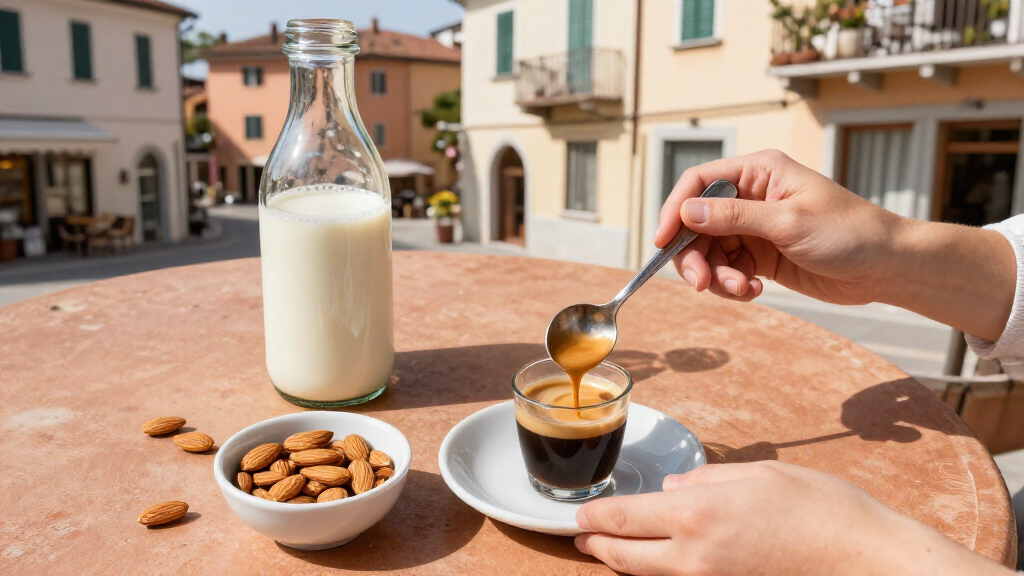
Products Worth Considering

Samsung 55-Inch QN70H Neo QLED 4K Smart TV (2026)

TCL 75-Inch QM8L Series 4K QLED Smart Google TV

Dyson Cyclone V10 Origin Cordless Vacuum
As an affiliate, we earn on qualifying purchases.
How to make a traditional-style batch at home
To make latte di mandorla at home, soak blanched almonds, blend them with fresh water, strain the mixture through a fine cloth or sieve, sweeten the liquid, and chill it well. This method gives you control over texture and sweetness while keeping the ingredient list short. The steps below make a modest batch; treat the sugar as adjustable, since family recipes differ.
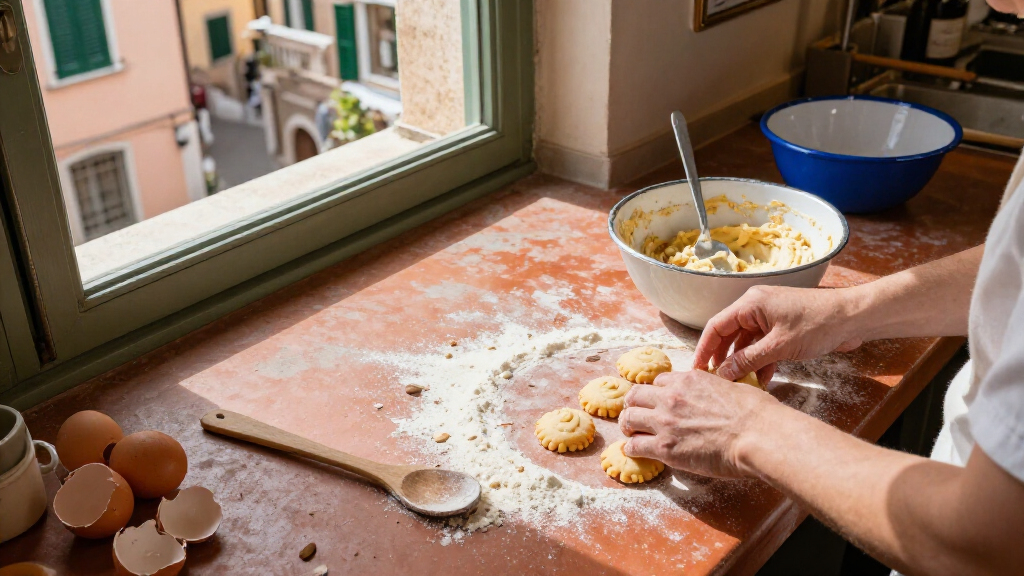
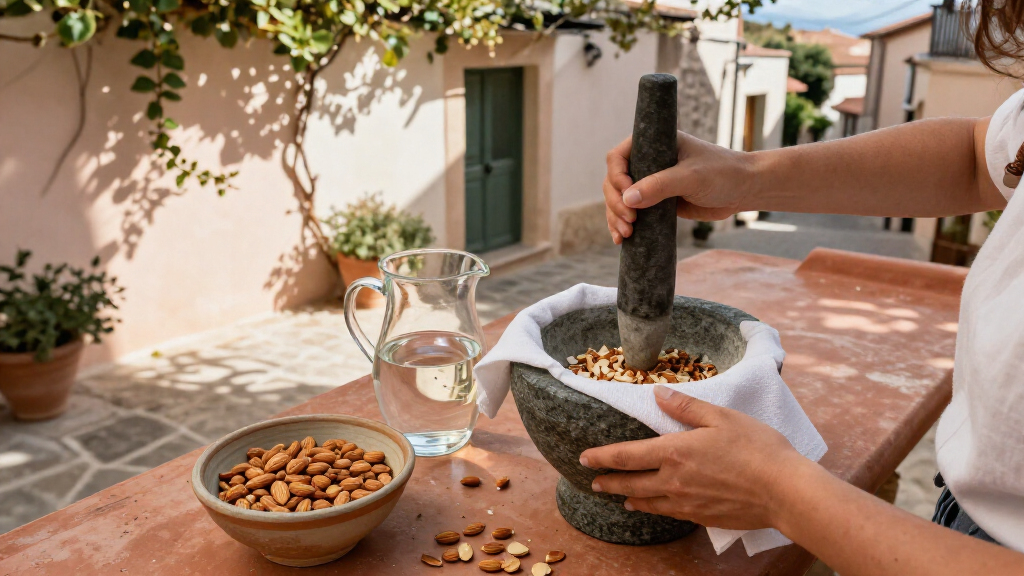
- Soak: Put 1 cup (about 140 grams) of blanched almonds in a bowl and cover them with cool water. Refrigerate for 8 to 12 hours, then drain and rinse. The soak softens the almonds, so your blender can break them down more evenly.
- Blend: Add the drained almonds and 3 cups (about 710 milliliters) of fresh water to a blender. Blend until the mixture looks pale and finely textured, usually 1 to 2 minutes. Work in batches if your blender jar is small.
- Strain: Pour the mixture through a fine sieve lined with clean cheesecloth or a nut-milk bag into a clean bowl. Gather the cloth and squeeze gently. For a smoother drink, strain a second time; for a fuller body, leave a little fine sediment.
- Sweeten and chill: Stir in 2 to 4 tablespoons of sugar, tasting as you go. Transfer the drink to a clean, covered container and refrigerate it until cold, ideally for at least 2 hours.
This yields roughly 2½ to 3 cups, depending on how firmly you squeeze the pulp and how much liquid the almonds retain. If you’re serving it after lunch on a warm day, pour a small glass first and adjust the sweetness before filling a pitcher. A little sugar can round out the almond flavor; too much can bury it.
Clean hands, equipment, and cloth matter because homemade drinks are not shelf-stable. Keep the finished drink refrigerated at 40°F (4°C) or below, and use it promptly, ideally within 2 to 3 days. Discard it if its smell, taste, or appearance changes. This simple recipe contains tree nuts; check labels and prevent cross-contact if serving someone with an allergy.
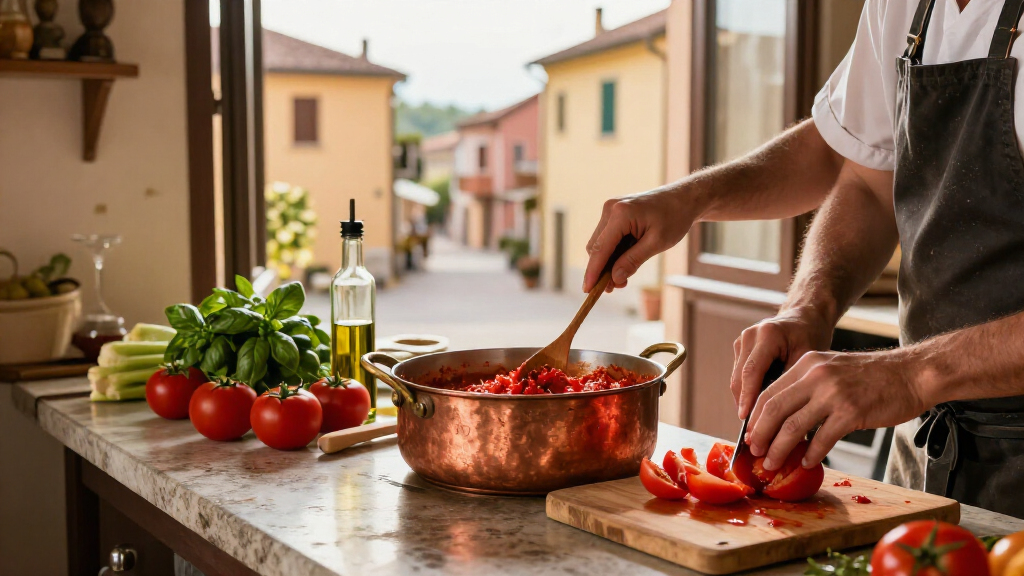
Choose your almonds and flavorings for the glass you want
Blanched almonds make a mild, pale drink, while whole almonds tend to bring a deeper, slightly more rustic flavor. Neither choice defines the one “correct” version. The best starting point depends on whether you want a clean, smooth glass for sipping or a more pronounced almond taste that can stand up to ice and a little dilution.
For a clear first batch, use blanched almonds and plain water. If you have whole almonds, you can use them too, but expect a little more color and possibly more work straining out skin particles. Avoid almond flour if you want the texture of the traditional-style method: its fine particles can pass through cloth and leave the drink chalky. Almond butter can make an almond-flavored drink, but its texture and flavor will differ from one made from soaked whole almonds.
Flavorings are a choice, not a regional checklist. A narrow strip of lemon zest can add a fresh lift, especially if you plan to pour the drink over ice. Cinnamon brings a warmer note, useful if you’re serving the almond drink beside a pastry. Add either lightly and taste; a heavy hand can make the glass read as spiced milk rather than almonds.
There’s also a practical sweetness tradeoff. Sugar dissolves easily when stirred into the strained liquid, while leaving it out lets the almond flavor come through with less sweetness. If you’re making a pitcher for guests, sweeten the base modestly and set out syrup or sugar separately. That way, someone who prefers a less sweet drink can adjust their own glass without changing the whole batch.
Where you see almonds from Puglia or Sicily, regional origin can connect the drink to local agriculture, but don’t assume every almond in a traditional glass comes from one named area. If a package carries a protected designation, follow its label carefully; don’t call an almond DOP or IGP unless the product itself identifies that designation. You can still shop thoughtfully by checking the stated origin and choosing almonds you enjoy eating plain.
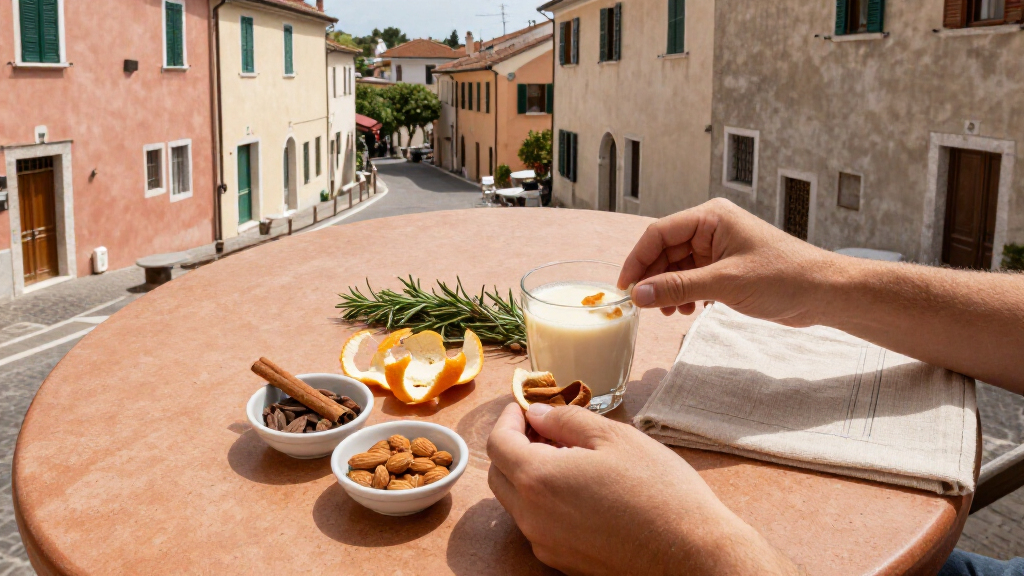
Serve it cold, from an afternoon glass to a Sicilian-style dessert
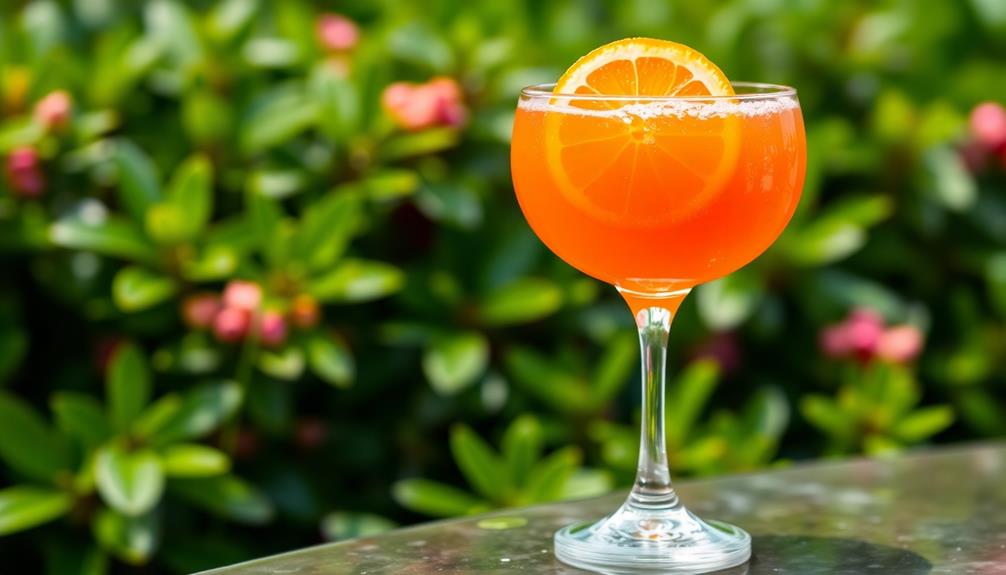
Latte di mandorla is commonly enjoyed cold, which makes it a natural warm-weather drink. Pour it straight from the refrigerator, serve it over a few cubes of ice, or chill the glasses first for a more refreshing finish. Ice can soften the flavor as it melts, so make the drink slightly more concentrated if you know it will sit in a glass for a while.
In Sicily, almond-based drinks are also associated with chilled sweets such as granita. Granita is a frozen preparation with an icy, granular texture; a glass of almond drink beside it gives you two different versions of the same aromatic ingredient. Local customs vary, so think of this as a serving idea rather than a rule for every Sicilian table.
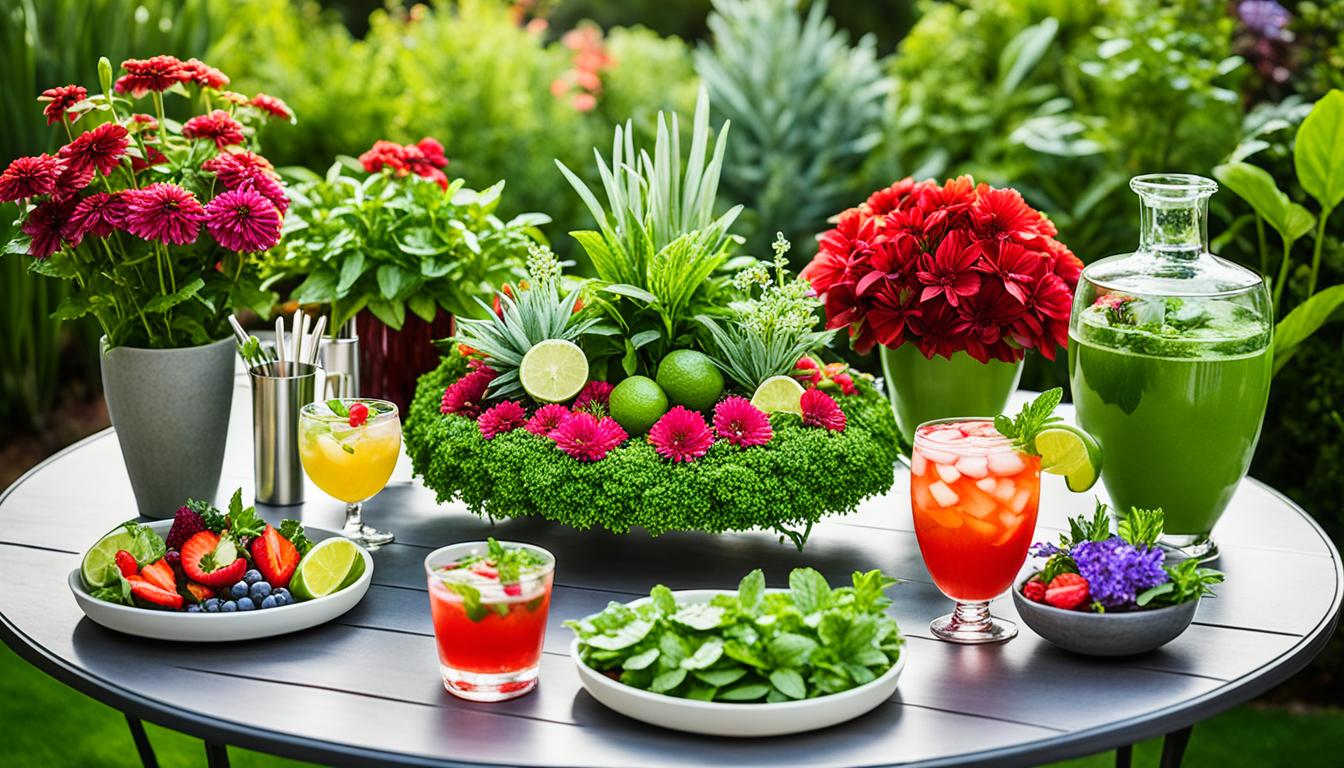
For a simple afternoon at home, set out a small pitcher with glasses and a plate of plain cookies. The drink’s sweetness can make a delicate pastry taste even sweeter, so a less sugary biscuit may balance the table better. If you’re serving guests, label it clearly as an almond drink. Tree nuts are a major allergen, and a clear note is more useful than expecting everyone to recognize the aroma.
You can also use the strained drink as a base for a chilled dessert or pour a splash over fruit. Keep the use simple so the almond remains the main flavor. If a recipe calls for heating it, remember that homemade almond drink can separate or develop a cooked taste; stir gently and avoid a hard boil unless the recipe specifically calls for it.
For travel, a café order can be an easy way to connect a drink to place. Ask for latte di mandorla—“almond milk”—and whether it’s served sweetened or over ice. A bar may offer a bottled version, a house preparation, or a drink intended for a frozen dessert. That small question can tell you more about the glass you’re about to taste than the menu name alone.
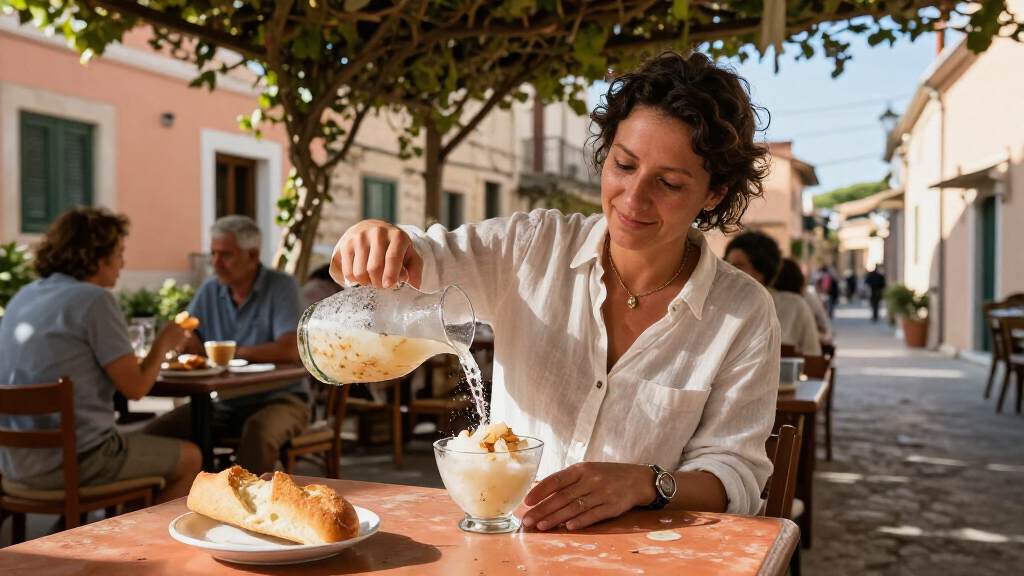
How homemade almond drink differs from the carton
Homemade latte di mandorla and packaged almond beverages can differ in sweetness, concentration, and ingredients. A homemade batch may contain only almonds, water, and sugar, while commercial products can include stabilizers, added vitamins, or other ingredients. Check the label rather than assuming every carton follows the same recipe.
The comparison is useful if you’re choosing a drink for a specific job. A less sweet packaged beverage may suit coffee or cereal, while a richer, sweeter homemade version can work as a small chilled drink on its own. Those are tendencies, not guarantees: brands vary, and home recipes vary too. If you’re replacing dairy in a recipe, check what the recipe needs from the liquid—sweetness, thickness, or a neutral flavor.
Homemade almond drink naturally separates because tiny almond particles settle when the liquid stands. That isn’t automatically a sign that it has spoiled. Shake the covered container or stir the drink before pouring; if it smells sour, looks unusual, or tastes off, discard it instead of trying to rescue it with a shake.
Food safety is another real difference. Many packaged drinks undergo processing and may be designed for longer storage before opening, but the label sets the rules for that product. A homemade batch lacks that same processing and should stay refrigerated at 40°F (4°C) or below. Keep it covered, pour with clean utensils, and use it promptly; don’t leave a pitcher out on the table for the whole afternoon.
If you’re making the drink for a group with dietary needs, a basic almond, water, and sugar recipe contains no dairy or gluten ingredients, but it does contain almonds. Added flavorings or packaged ingredients can change the picture, and kitchen cross-contact matters for allergies and gluten sensitivity. Tell guests exactly what went into the pitcher, and keep their safety ahead of a tidy menu description.
Save the almond pulp and make the batch work harder
The almond pulp left after straining can go into baking, porridge, or a filling, so the drink gives you more than one kitchen result. It will be damp and less concentrated in flavor than fresh ground almonds, which means you may need to adjust a recipe’s liquid or dry ingredients. The pulp is not a direct one-to-one replacement for almond flour.
For breakfast, stir a spoonful into warm oatmeal and taste before adding more sweetener. The softened almonds bring a gentle nuttiness, and the moisture can loosen a thick bowl. For baking, fold the pulp into muffins or a simple quick bread; because it holds water, a test batch is sensible before you commit it to a cake you’re making for guests.
You can also spread the pulp in a thin layer and dry it gently in a low oven, stirring occasionally, then use it in recipes that benefit from a coarser almond texture. Watch it closely: a damp layer can dry unevenly, and browning changes the flavor. If you don’t have a use lined up, don’t keep it at room temperature while you decide.
Treat the pulp as a perishable food. Transfer it to a clean covered container and refrigerate it promptly, or freeze it for later use. If it develops an unpleasant smell or visible mold, discard it. In a small apartment kitchen, freezing it in a few tablespoon portions can make the next batch easier: drop one into porridge without thawing a whole container.
This kind of reuse fits the practical spirit of home cooking, though it shouldn’t be mistaken for a prescribed Pugliese or Sicilian custom. The recipe varies by family, and the same is true of how cooks use the leftover almonds. What you can reliably do is turn a byproduct into another ingredient, while keeping its moisture and storage needs in mind.
Frequently Asked Questions
Is latte di mandorla the same as supermarket almond milk?
Not always. Homemade latte di mandorla may be sweeter and more concentrated, and it can have only almonds, water, and sugar. Packaged almond beverages vary and may include stabilizers or added vitamins, so check the ingredient list.
Is latte di mandorla from Puglia or Sicily?
It is associated with both regions, which are also known for almond-based foods. Recipes and customs vary by place and household, so avoid assigning the drink one exclusive origin without evidence for a specific local tradition.
Can I make latte di mandorla without sugar?
Yes. Leave out the sugar or add less, then taste the chilled drink. It will be less sweet than many traditional-style preparations, and a small amount of sweetener can be stirred into an individual glass later.
How long does homemade latte di mandorla keep?
Keep it covered in the refrigerator at 40°F (4°C) or below and use it promptly, ideally within 2 to 3 days. Homemade versions lack the processing of many packaged products; discard the drink if its smell, taste, or appearance changes.
Why does my almond drink separate?
Almond particles settle naturally in an unhomogenized drink. Shake the covered container or stir the glass before serving; separation alone does not mean the drink has spoiled.
What can I do with the leftover almond pulp?
Use it in porridge, baked goods, or fillings, allowing for its extra moisture and milder flavor. Refrigerate it promptly in a clean covered container or freeze it in portions, and discard it if it smells off or shows mold.
Conclusion
Make your first latte di mandorla with blanched almonds, water, and just enough sugar to bring out their aroma. Chill it well, taste it plain before adding lemon or cinnamon, and keep the pitcher cold while you share it. The useful lesson is that “traditional” here leaves room for the cook: Puglia and Sicily give the drink its southern setting, while each household shapes the glass.
Then pour it over ice and take a slow sip. The almond scent rises first; the cool sweetness follows, like a little shade on a bright afternoon.