
TL;DR
Caffè d’orzo is a roasted barley drink served in Italian bars in an espresso-like style; it contains no coffee and plain barley is naturally caffeine-free. Its toasted, mellow flavor makes it a comforting option when you want a warm bar drink without coffee, but barley contains gluten, so it is not suitable for people with coeliac disease or those who must avoid gluten.
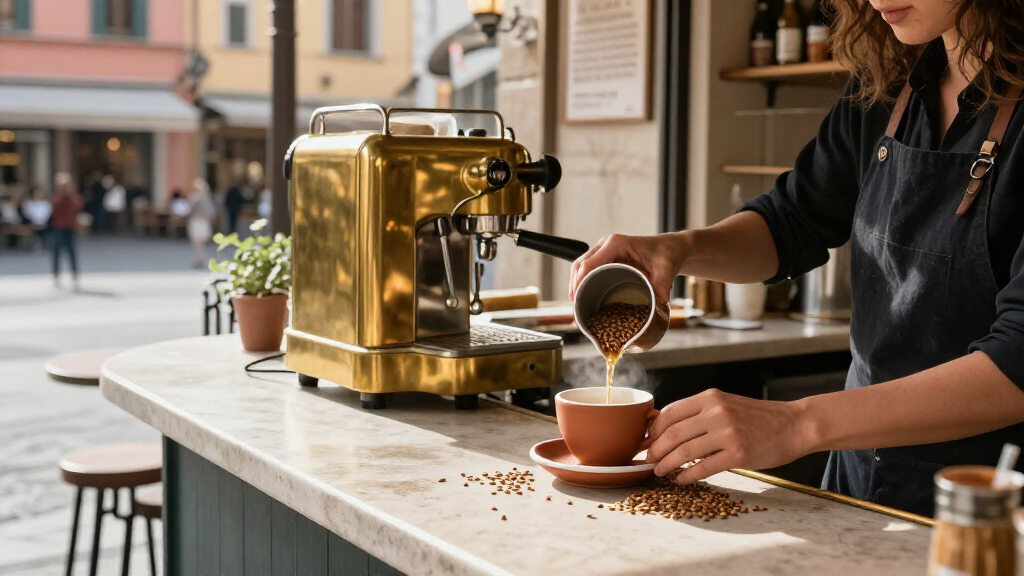
In an Italian bar, you can order a small, dark, espresso-like drink that contains no coffee beans at all. It is caffè d’orzo, or barley coffee: roasted barley brewed or mixed into a warm drink. The cup may look familiar, but the flavor is softer, more like toasted grain and caramel than espresso’s sharp, lingering bitterness.

Get kitchen staples and gadgets delivered free with Prime
- Fast, free delivery on millions of items
- Prime Video, Amazon Music and more included
- Member-only deals all year
This drink has a practical place in everyday bar culture. You can order it when you want something warm at the counter but would rather skip coffee, especially later in the day. Plain roasted barley is naturally caffeine-free, though you should check the product or ask the barista if caffeine avoidance matters for medical reasons.
Here, you’ll learn what caffè d’orzo is, why bars still serve it, what to expect in the cup, and how to order it in Italy. You’ll also get the details that matter before you sip: preparation varies, and barley contains gluten.
Caffè d’orzo is made from roasted barley, not coffee beans, and tastes toasted, mild, and grain-like.
Plain barley orzo is naturally caffeine-free, but verify a specific product or bar preparation if you need strict certainty.
Barley contains gluten, so caffè d’orzo is not suitable for people with coeliac disease or those who must avoid gluten.
Order “un caffè d’orzo” in Italy; ask about size, milk, and preparation because bar offerings vary.
At home, use ground or soluble orzo only with the method specified on its package.
Caffè d’Orzo Barley coffee, without the coffee
This warm Italian bar drink is made from roasted barley, not coffee beans. It offers a mellow, toasted alternative, with one key caveat: barley contains gluten.
What’s in the cup
Roasted barley
“Orzo” means barley. The drink is prepared in a coffee-like style, but contains no coffee beans.
Toasted and mellow
Expect a rounded, grain-like taste that is usually less bitter than espresso, sometimes with caramel or nut notes.
Contains gluten
Barley contains gluten, so caffè d’orzo is unsuitable for people with coeliac disease or those who must avoid gluten.
Why bars keep serving it
Orzo brings a familiar warm drink to the counter for people who want to skip coffee or choose a caffeine-free option.
- Order it at the counter like an espresso.
- Choose a small or larger serving where available.
- A comforting roasted drink for different moments of the day.
- It adds choice alongside espresso, decaf, tea, and other drinks.
Preparation changes the cup
Bars may use equipment designed for barley or soluble orzo, so strength and texture can vary.
Ask for “un caffè d’orzo.”
Ask which sizes are available, or request a little milk.
If caffeine or ingredients matter, ask how it is prepared and check the product.
What caffè d’orzo is—and what it isn’t
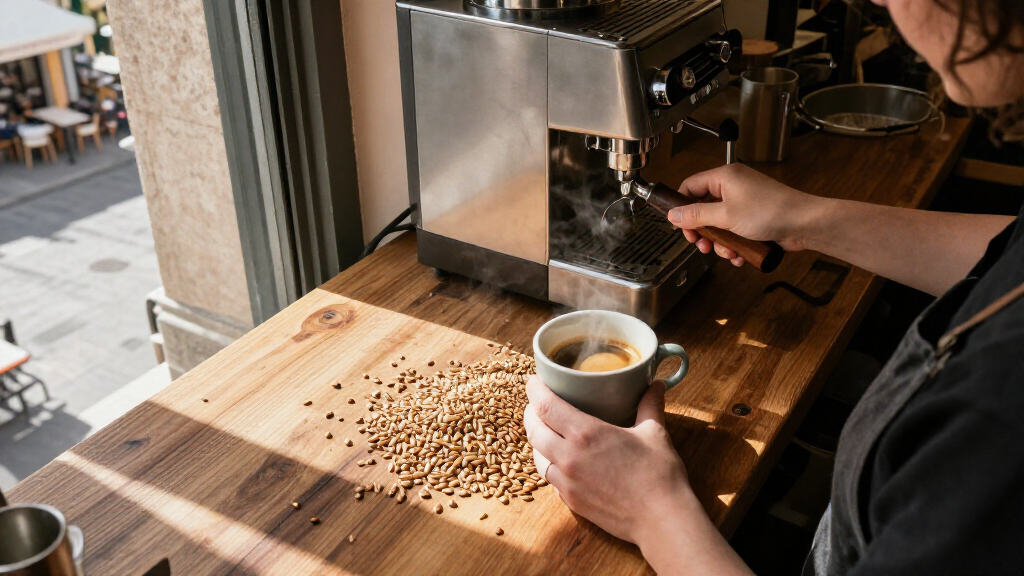
Caffè d’orzo is a roasted-barley drink prepared in a coffee-like style; it is not coffee made from a different bean. “Orzo” means barley in Italian, and that grain supplies the drink’s toasted aroma and rounded flavor. Plain roasted barley contains no caffeine, although a blend or a particular bar’s preparation may call for checking the ingredients.
That distinction helps set expectations. A small cup can look like espresso, and a machine may dispense it at the same counter, but the taste is gentler and more cereal-like. Think toasted bread crust with a faint caramel note, not the concentrated bite of a ristretto. A spoonful of sugar or a little milk can make it softer still.
On a chilly morning in Bologna, for example, you might order an orzo at the counter alongside a pastry. You’ll get the quick ritual and warm cup of a bar drink, but not the caffeine lift of an espresso. That makes it an option for someone who enjoys roasted flavors and wants a different drink, rather than a one-for-one copy of coffee.
Plain caffè d’orzo is usually caffeine-free, but people who need strict certainty should inspect packaged ingredients or ask how the bar prepares it. The grain itself presents another firm limit: barley contains gluten. Caffè d’orzo is not suitable for people with coeliac disease or anyone who must avoid gluten.
Products Worth Considering

eufy Security eufyCam C35 4-Camera Kit

Ring Alarm 14-Piece Kit

Dyson Cyclone V10 Origin Cordless Vacuum
As an affiliate, we earn on qualifying purchases.
Why Italian bars still serve barley coffee
Caffè d’orzo gives Italian bars a fast, familiar warm drink for customers who do not want coffee or want to avoid caffeine. It fits the same counter-side rhythm as ordering an espresso: ask for the drink, wait briefly, and take it in a small cup or a larger serving, depending on what the bar offers. The café can add another choice without asking you to learn a new ritual.
Imagine it is after dinner in Florence. You’ve had a long meal and want something dark and warm, but another espresso would keep you awake. Orzo can fill that moment with toasted grain flavors and no caffeine when it is made from plain roasted barley. People also choose it while reducing caffeine or during pregnancy, but it is not a medical treatment; ask a healthcare professional about personal needs and verify the specific product.
Bars keep it on the menu because it has a distinct use, not because it replaces espresso. Espresso remains the main event for many customers. Orzo sits beside it as one more practical choice, along with decaf, tea, and other drinks. Its history as a longstanding Italian drink also gives it a natural home in a bar, rather than making it a novelty invented for a passing trend.
Availability and serving size vary from bar to bar. A busy neighborhood café may offer it in an espresso-sized cup, while another may have a larger version or serve it with milk. If you have a preference, ask before ordering. That brief question can save you from expecting a large milky drink and receiving a short, concentrated one.
What it tastes like, and how bar preparation changes the cup
Caffè d’orzo tastes toasted, mild, and slightly sweet, with a grain-like body that usually feels less bitter than espresso. Depending on the product and method, you may notice hints of nuts or caramel. Its aroma can fill a small cup like warm cereal, but the flavor is more rounded than the sharp, lingering roast you get from a strong espresso.
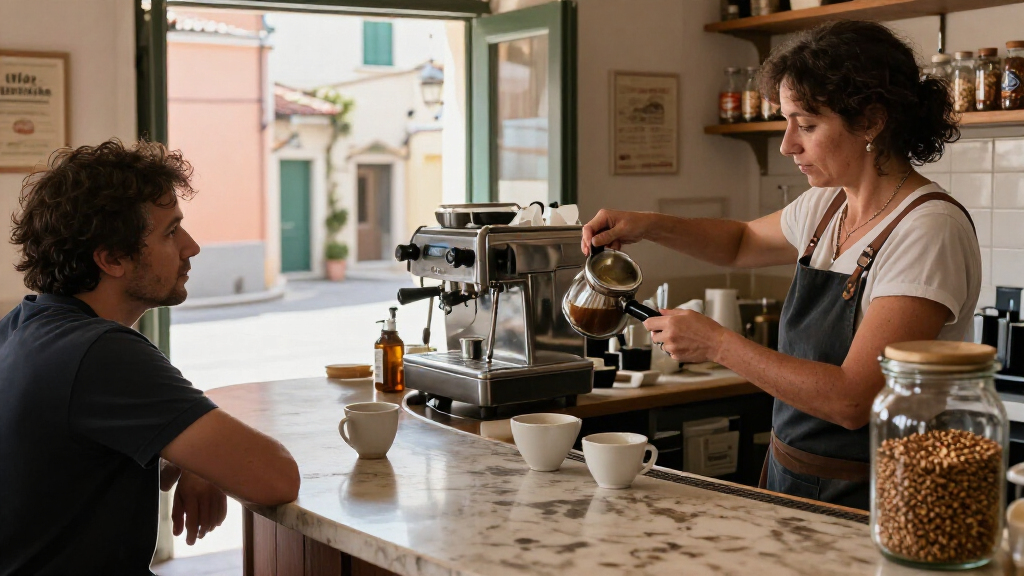
Bars use different methods. Some prepare barley with an espresso-style machine attachment or a separate group; others use soluble orzo. A machine-made version may have a stronger, more concentrated feel, while a soluble drink can vary with the amount of powder and water. There is no single texture or strength to expect everywhere, so asking how it is made is useful when you care about the details.
That difference becomes obvious when you visit two bars on the same trip. One might serve a dense little cup that you drink in a few sips; another may prepare a lighter, larger drink that invites you to linger. Milk and sugar soften the toasted notes, but you can also order it plain to taste the grain more clearly.
For an easy first order, start plain or ask for a small amount of milk. If you already know you like coffee with milk, you can ask whether the bar can serve it that way. The cup may resemble a coffee drink, but treating it as its own roasted barley beverage makes the first sip more satisfying. It is different in flavor and still worth trying on its own terms.
How to order caffè d’orzo at an Italian bar
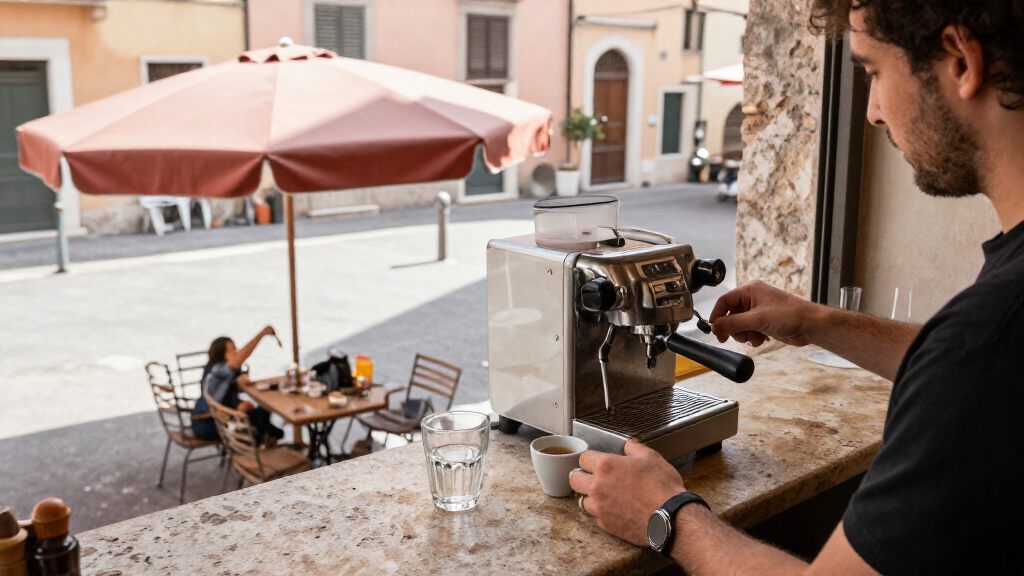
Ask for “un caffè d’orzo”—a barley coffee—and say whether you want a small or larger serving if the bar offers both. The simplest approach is to name the drink and then clarify how you like it. If you want milk, you can ask for it “macchiato,” meaning marked or topped with a little milk, though serving language can vary by bar.
- Say “un caffè d’orzo.” This identifies the barley drink rather than a standard espresso.
- Ask about the size or style. If you want a larger cup, ask what options are available; menus differ.
- Request milk if you want it. “Macchiato” commonly signals a little milk, but confirm if you want a larger amount.
- Check the preparation if it matters. Ask whether it is plain barley and how the bar prepares it if caffeine or ingredient certainty is important to you.
Picture a quick stop at a bar in Ravenna between a walk through the old center and a visit to a mosaic workshop. You can order at the counter with a short phrase, receive a warm cup, and be back on your way. That ease is part of the drink’s appeal: it shares the quick, casual shape of a coffee break even when you are choosing something else.
For visitors who avoid caffeine strictly, the last question matters. Plain roasted barley has no caffeine, but a packaged drink or a bar’s workflow may differ. Ask the staff and check product information rather than assuming every machine, mix, or blend is identical.
Check the caffeine and gluten details before you choose
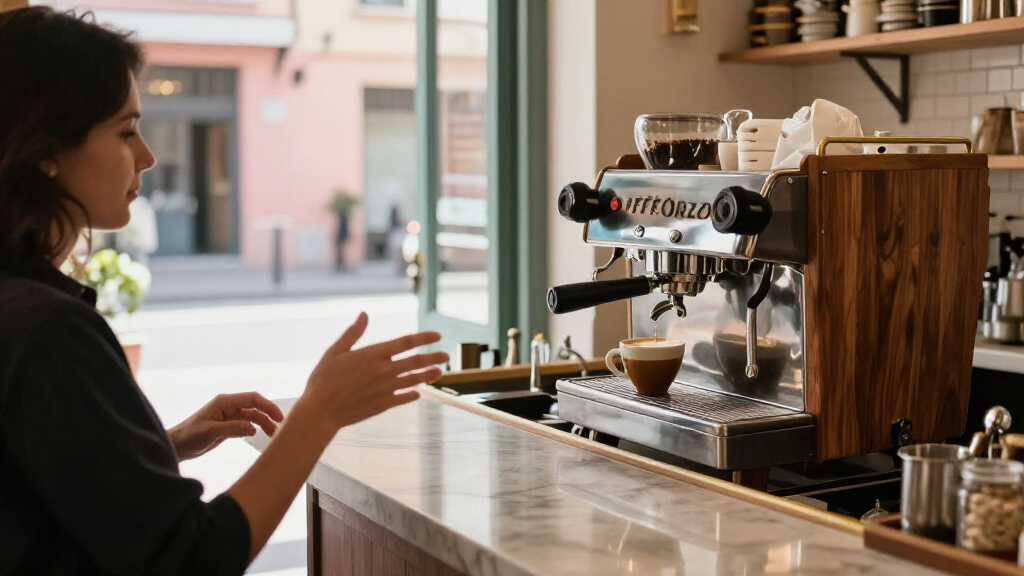
Plain roasted-barley orzo is caffeine-free, but it is not gluten-free. Those two facts belong together whenever you decide whether the drink suits you. Barley contains gluten, so caffè d’orzo is not appropriate for people with coeliac disease or those who must strictly avoid gluten, even though it contains no coffee.
If you’re limiting caffeine, the ingredient list can help you confirm what is in a packaged product. At a bar, ask whether the drink is made from plain barley and whether the equipment or preparation raises a concern for your particular needs. People with a medical reason to avoid caffeine should use product-specific information and professional advice rather than relying on the drink’s name alone.
Pregnancy is one reason someone may look for a caffeine-free warm drink, but that does not make caffè d’orzo a health treatment or a suitable option for everyone. It still contains gluten. A pregnant traveler who enjoys barley and can eat gluten might choose it in the evening; someone with coeliac disease should choose a different drink and communicate that need clearly.
Do not mistake “caffeine-free” for “allergen-free.” If a bar cannot answer your questions about ingredients or preparation, choose a drink that better fits your requirements. That simple check matters more than the espresso-like appearance of the cup.

Make caffè d’orzo at home without guessing at the method
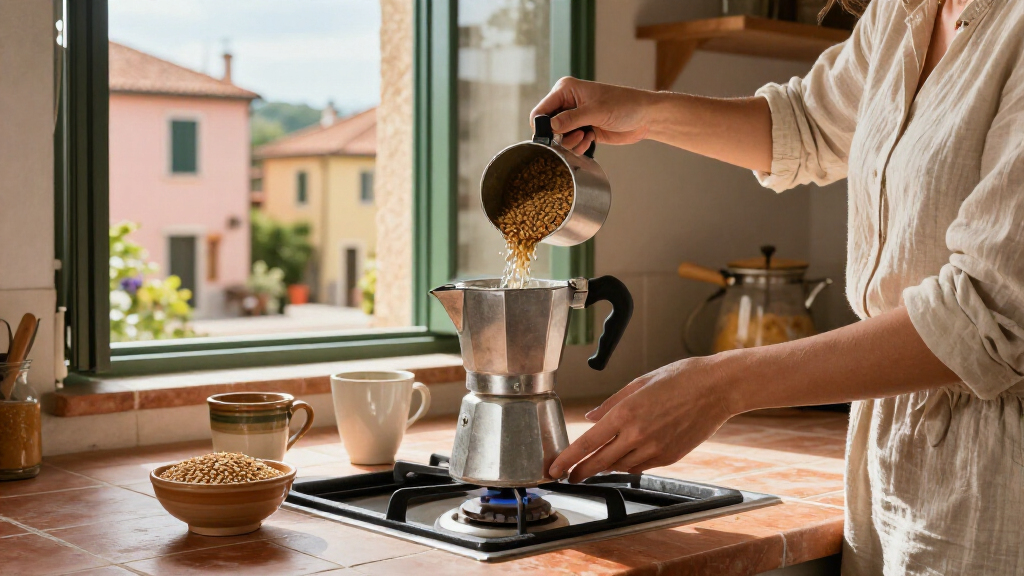
You can make caffè d’orzo at home with ground or soluble roasted barley, following the instructions for the specific product. The format matters: soluble orzo is designed to mix with liquid, while a ground product may call for a particular brewing method. Do not assume that every barley drink can go into a standard espresso machine; check the package before you use your equipment.
A simple evening routine works well with soluble orzo. Heat water or milk as directed, stir in the recommended amount, and taste before adding sugar. The aroma is warm and cereal-like, especially on a rainy night when you want a dark drink without coffee. If you use ground barley, choose the brewing setup the package recommends and clean it according to the manufacturer’s directions.
For a first try, keep the preparation simple:
- Read the product label for ingredients, serving size, and preparation method.
- Heat and measure the water or milk as directed; do not guess the amount of ground or soluble barley.
- Prepare the drink with a method suited to that format.
- Taste it plain first, then add milk or sugar if you prefer a softer cup.
Store the package as its label directs and keep it sealed and dry between uses. If you prepare a version with milk, handle and refrigerate leftover milk safely rather than leaving it at room temperature. Roasted barley is a drink ingredient, not a special diet product, and its key practical limits remain the same at home: check the ingredients and remember that barley contains gluten.
Frequently Asked Questions
Does caffè d’orzo contain caffeine?
Plain roasted-barley orzo is naturally caffeine-free. If you need strict certainty, check the product label or ask the bar how it is prepared, since products and preparation can vary.
Is caffè d’orzo actually coffee?
No. It is a roasted-barley drink served in a coffee-like style, often in a small cup. It contains no coffee beans unless a particular product is specifically blended with coffee.
Can I drink caffè d’orzo if I have coeliac disease?
No. Barley contains gluten, so caffè d’orzo is not suitable for people with coeliac disease or those who must avoid gluten. Ask for a different drink and explain your needs at the bar.
How do I order barley coffee in Italy?
Ask for “un caffè d’orzo”, which means a barley coffee. If you want a little milk, you can ask for it “macchiato,” though serving styles vary by bar.
Can I make caffè d’orzo at home?
Yes. Packaged roasted barley comes in ground and soluble forms. Follow the package directions, since not every type works in a standard espresso machine, and check the ingredients if caffeine or gluten matters to you.
Does caffè d’orzo taste like espresso?
It shares a roasted aroma and can look similar in the cup, but its flavor is generally milder, less bitter, and more grain-like. Milk or sugar softens it further; try it plain first if you want to taste the toasted barley.
Conclusion
Try caffè d’orzo when you want a warm, roasted drink without coffee, and order it as its own barley tradition rather than expecting espresso in disguise. In Italy, ask for “un caffè d’orzo,” then clarify the size or milk if you have a preference.
Before you sip, remember the simple pair of facts: plain barley is caffeine-free, and barley contains gluten. With those in mind, you can enjoy the toasted aroma at a bar counter or bring a little Italian evening ritual into your kitchen.